Ticks are among the most significant human-biting ectoparasites and they play a major role in transmission of many pathogenic agents to humans. In the present study, three species of Hyalomma ticks, Hyalomma aegyptium, H. marginatum and H. excavatum, were examined for the presence of zoonotic bacteria, both male and female ticks alike. Examination of microbial diversity with tag-encoded pyrosequencing indicates that H. marginatum and H. excavatum were more diversity rich than H. aegyptium. Although numerous pathogenic and non-pathogenic bacterial genera were detected, including Acidovorax, Bacillus, Bacteroides, Bdellovibrio, Clostridium, Curvibacter, Escherichia, Flavobacterium, Limnohabitans, Paenibacillus, Ralstonia, Sarcina, Sediminibacterium, Segetibacter Stenotrophomonas and Variovorax, the predominant zoonotic bacteria represented in these ticks were genera Borrelia, Francisella, and Rickettsia. To the authors' knowledge, this work represents the first detection of Yersinia enterocolitica in the tick H. excavatum, raising questions regarding the vector competency of this tick, as well as associations of different disease representations perhaps through previously unforeseen routes of pathogen introduction. Likewise, similar questions are related to the presence of Legionella pneumophila in one H. excavatum sample.
Objective Atherosclerosis, rather than microcirculatory impairment caused by endothelial cell dysfunction, is the main driver of circulatory compromise in patients with diabetic limbs. The presence of atherosclerotic plaque at the trifurcation is a significant contributor to amputation of diabetic legs. The presence of bacteria and other microorganisms in atherosclerotic plaque has long been known, however, the cause of chronic inflammation and the role of bacteria/viruses in atherosclerosis have not been studied in detail. The objective of this study was to clarify the cause of the chronic inflammation within atherosclerotic plaques, and determine if any bacteria and/or viruses are involved in the inflammatory pathway. Method This study uses fluorescence microscopy and fluorescence in-situ hybridisation (FISH) to identify components of biofilm in atherosclerotic arteries. These tools are also used to identify individual bacteria, and determine the architectural spatial location within the atherosclerotic plaque where the bacteria can be found. Results The results indicate that the presence of biofilms in grossly involved arteries may be an important factor in chronic inflammatory pathways of atherosclerotic progression, in the amputated limbs of patients with diabetic foot ulcers and vascular disease. Conclusion While the presence of bacterial biofilm structures in atherosclerotic plaque does not prove that biofilm is the proximate cause of atherosclerosis, it could contribute to the persistent inflammation associated with it. Second, the synergistic relationship between the atherosclerotic infection and the diabetic foot ulcer may ultimately contribute to higher amputation rates in diabetics. Declaration of interest: RAW and RDW have equity interest in PathoGenius, a clinical laboratory using DNA to identify microbes.
Background Decubitus ulcers, also known as bedsores or pressure ulcers, affect millions of hospitalized patients each year. The microflora of chronic wounds such as ulcers most commonly exist in the biofilm phenotype and have been known to significantly impair normal healing trajectories. Methods Bacterial tag-encoded FLX amplicon pyrosequencing (bTEFAP), a universal bacterial identification method, was used to identify bacterial populations in 49 decubitus ulcers. Diversity estimators were utilized and wound community compositions analyzed in relation to metadata such as Age, race, gender, and comorbidities. Results Decubitus ulcers are shown to be polymicrobial in nature with no single bacterium exclusively colonizing the wounds. The microbial community among such ulcers is highly variable. While there are between 3 and 10 primary populations in each wound there can be hundreds of different species present many of which are in trace amounts. There is no clearly significant differences in the microbial ecology of decubitus ulcer in relation to metadata except when considering diabetes. The microbial populations and composition in the decubitus ulcers of diabetics may be significantly different from the communities in non-diabetics. Conclusions Based upon the continued elucidation of chronic wound bioburdens as polymicrobial infections, it is recommended that, in addition to traditional biofilm-based wound care strategies, an antimicrobial/antibiofilm treatment program can be tailored to each patient's respective wound microflora.
In order to address the issue of spring constant calibration in viscous fluids such as water, a new method is presented that allows for the experimental calibration of bimaterial cantilever spring constants. This method is based on modeling rectangular cantilever beam bending as a function of changing temperature. The temperature change is accomplished by heating water as it flows around the cantilever beams in an enclosed compartment. The optical static method of detection is used to measure the deflection of cantilever at the free end. Experimentally determined results are compared to Sader's method and to the Thermotune method most commonly used in cantilever calibrations. Results indicate that the new bimaterial thermal expansion method is accurate within 15%-20% of the actual cantilever spring constant, which is comparable to other nondestructive calibration techniques.
Cantilevers are useful as sensor devices with high sensitivity and have shown great promise for dense, multianalyte arrays. One of the difficulties has been the fabrication of multianalyte arrays that are capable of the simultaneous detection of a wide range of chemical and biological species. Functionalization procedures for one class of analytes are often incompatible with other classes and cross contamination is a significant concern when ink-jet deposition processes are used. In this study, we used surface micromachined cantilevers designed and fabricated using Sandia National Laboratories SUMMiT V MEMS process. The cantilevers are fabricated with a base that can be detached from the parent substrate after functionalization and mounted into a daughter array. We have utilized an IBM-fabricated 8-cantilever array chip as our daughter substrate due to its compatibility with a Scentris 8-cantilever readout system. Our initial work demonstrates that this is a feasible procedure for decoupling functionalization from array assembly.
The removal behavior of self-assembled monolayers (SAMs) of thiol molecules on a gold substrate by an NH(4)OH-H(2)O(2)-H(2)O solution was studied using attenuated total reflectance infrared spectroscopy (ATR-IR) and atomic force microscopy (AFM). Furthermore, the impact of the concentration of NH(4)OH and H(2)O(2) in the solution and reaction temperature on the SAM removal rate and efficiency was explored. The SAM removal rate and efficiency were significantly influenced by the concentration of NH(4)OH rather than H(2)O(2). The solution containing the 2 : 1 molar ratio of NH(4)OH : H(2)O(2) among three different solutions showed the highest removal rate and efficiency in the removal of 11-mercapto-1-undecanol. The increase in the reaction temperature resulted in the enhancement on the SAM removal rate, but it led to the fast delamination of the gold layer. These results may be useful in the regeneration of sensor surfaces relying on gold/thiol chemistry.
An optical static method of detection is used to interpret surface stress induced bending related to cantilevers coated on one side with poly(vinyl alcohol), poly(vinyl butyral-co-vinyl alcohol-co-vinyl acetate), and poly(vinyl chloride-co-vinyl acetate-co-2-hydroxypropyl acrylate), or respectively, PVA, PVB, and PVC, and exposed to various solvent vapors. Results indicate that the adsorption and surface interactions of the different solvent vapors that cause polymer swelling and shrinking lead to rearrangements, which have been shown to change the elastic properties of the polymer film, and subsequently, the spring constant of the polymer coated cantilever. Static deflection measurements allow the direction of cantilever bending to be determined, which adds a new dimension of usefulness for surface functionalized cantilevers as transducers in the development of novel microelectromechanical systems (MEMS).
Transmission infrared spectroscopy was applied to investigate properties of the perfluorosulfonated polymer Nafion. Measurements were made on thin films formed by casting the polymer from solution onto ZnSe windows. Effects of water vapor permeation were studied. A complex band structure between 1350 and 1100 cm(-1) was analyzed qualitatively by fitting the region to Gaussian functions. Features associated with vibrational modes of -CF2 and -SO3- groups were identified and observed to be sensitive to film hydration. The intensities of bands for the -SO3- modes increased with film hydration, while bands assignable to -CF2 modes decreased. The results were applied to interpret infrared difference spectra of Nafion and shed light on the complicated features that appear. Vibrational bands for water were also examined. In partially hydrated films, the stretching mode of the free -OH group for interfacial water present in pores and channels of the polymer and bands for hydrated proton clusters were detected.
 Louisa Hope-Weeks合作论文数College of Science, University of Nevada, Reno3
 Dae Jung Kim合作论文数3
 Brandon Weeks合作论文数College of Engineering, University of Nevada3Pitchimani Rajasekar合作论文数2
 Scot E Dowd合作论文数Molecular Research LP;Spirostat Technologies2Rukma Basnayake合作论文数2
 Randall Wolcott合作论文数Covenant Medical Center;Lubbock Heart Hospital2
 Carol L. Korzeniewski合作论文数Department of Chemistry and Biochemistry, Texas Tech University2SB Cox合作论文数1Bradley R. Hart合作论文数1
 Saban Tekin合作论文数1
 Jennifer A. White合作论文数1
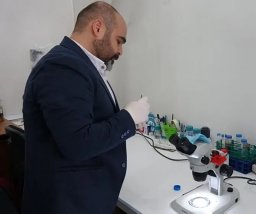 Keskin Adem合作论文数1
 Ahmet Bursali合作论文数Faculty of Science and Art, Gaziosmanpasa University1Jake Everett合作论文数1Walters Stephanie合作论文数1McBride Kevin W合作论文数1
 J. Delton Hanson合作论文数Research and Testing Laboratory, Lubbock, TX 79407, USA1Ganesh Vijayaraghavan合作论文数Department of Chemistry and Biochemistry, Texas Technical University1
 Kendra Rumbaugh合作论文数Department of Surgery, School of Medicine, Texas Tech University Health Sciences Center1
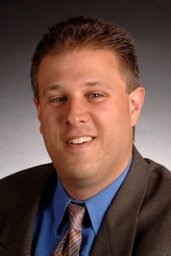 Tim Dallas合作论文数Department of Electrical Engineering, Texas Tech University1
 Albert Loui合作论文数Lawrence Livermore National Laboratory1Eric Rees合作论文数Research and Testing Laboratory, Lubbock, TX 79407, USA1
 Gregory D Mayer合作论文数Rosenstiel School of Marine and Atmospheric Science, University of Miami1Ann M Zischkau合作论文数1




