Enfortumab vedotin is a first-in-class antibody-drug conjugate used in the treatment of locally advanced or metastatic urothelial carcinoma. A range of cutaneous adverse events has been reported with enfortumab vedotin use. Nectin-4, a transmembrane protein overexpressed by urothelial carcinoma cells, is the intended target of enfortumab vedotin. However, as nectin-4 is also expressed by epidermal keratinocytes, sweat glands, and hair follicles, it is believed that cutaneous toxicity is mediated though off-target delivery of enfortumab vedotin. We present a patient with metastatic urothelial carcinoma who developed a grade 3 bullous dermatitis after his second treatment cycle of enfortumab vedotin and pembrolizumab therapy. Histopathologic findings showed intraepidermal blisters with prominent dyskeratotic and necrotic keratinocytes. Temporary withholding of enfortumab vedotin and pembrolizumab and treatment with potent topical corticosteroids led to significant improvement and enfortumab vedotin (with pembrolizumab) was resumed at a reduced dosage of enfortumab vedotin without recurrence. We present this case to highlight the clinical manifestations, histopathologic findings, and management of enfortumab vedotin-induced cutaneous toxicity.
ABSTRACT:Male breast cancer comprises less than 1% of all breast cancer cases. Mammary Paget disease (MPD) represents a subset of breast cancer that presents with skin changes of the nipple and areola, and is frequently misdiagnosed clinically due to similarities with other disease states, leading to an average delay in diagnosis of 1 month to 2 years. Pigmented mammary Paget disease (PMPD) is an uncommon variant of MPD that clinically and histologically resembles malignant melanoma. Due to variable immunohistochemical staining patterns, analysis can be challenging and often requires interpretation of panels for accurate diagnosis. We present a rare case of PMPD in a male, originally diagnosed both clinically and histologically as malignant melanoma, to highlight the diagnostic challenges that this entity presents, and to review staining patterns which may be useful in its diagnosis.
Background: Brachioradial pruritus is a neuropathic dysesthesia localized to the upper arms, often leading to intense pruritus impacting quality of life by interfering with sleep and daily activity [1].
Introduction: Intestinal metaplasia is the development of intestine-like epithelium in abnormal locations, traditionally the stomach and esophagus where squamous cells transform into columnar mucosal cells. It is considered a precancerous condition that is attributed to chronic inflammation. Cutaneous intestinal metaplasia is rare, but it is likely an underreported entity. We report 2 cases of cutaneous intestinal metaplasia, 1 that has progressed to adenocarcinoma.
Background: Atopic dermatitis (AD) is associated with patient burden, but the impact of number of lesion locations present is not defined. This study assessed the relation of number of lesion locations with disease burden among patients with AD.
This case report describes a patient with cutaneous intestinal metaplasia with invasive adenocarcinoma treated successfully with intralesional fluorouracil.
IgA pemphigus is a rare autoimmune blistering disease with overarching features including a predominantly neutrophilic infiltrate, mild acantholysis, and intraepidermal IgA deposition. There is a slight female predominance and age of onset ranges widely from infants to late adulthood, but given its rarity, the incidence of this disease is not well appreciated. As of 2019, only 137 cases have been described from 26 different countries. We report an 84-year-old man with several week history of pruritic, blistering rash that started in the groin and spread to involve the trunk and upper extremities.
Importance Keratinocyte carcinoma (ie, cutaneous basal and squamous cell carcinoma) is the most common cancer in the United States. Objective To determine whether topical fluorouracil could prevent surgically treated keratinocyte carcinoma. Design, Setting, and Participants The Veterans Affairs Keratinocyte Carcinoma Chemoprevention Trial was a randomized, double-blind, placebo-controlled trial of topical fluorouracil for chemoprevention of keratinocyte carcinoma. Participants were recruited from May 2009 to September 2011 from 12 Veterans Affairs medical centers and followed until June 30, 2013. Participants were veterans (n = 932) with a history of at least 2 keratinocyte carcinomas in the past 5 years; almost all were white males and the median age was 70 years. Interventions Application of fluorouracil, 5%, (n = 468) or vehicle control cream (n = 464) to the face and ears twice daily for 2 to 4 weeks upon randomization. Main Outcomes and Measures Surgically treated keratinocyte, basal cell, and squamous cell carcinoma risk on the face and ears in the first year after enrollment; and time to first surgically treated keratinocyte, basal cell, and squamous cell carcinoma. The a priori hypothesis was that fluorouracil would be effective in preventing these cancers. Results Of 932 participants (916 men [98%]; 926 white [99%]; median age, 70 years), 299 developed a basal cell carcinoma end point (95 in year 1) and 108 developed a squamous cell carcinoma end point (25 in year 1) over 4 years (median follow-up, 2.8 years). Over the entire study, there was no difference between treatment groups in time to first keratinocyte, basal cell, or squamous cell carcinoma. During the first year, however, 5 participants (1%) in the fluorouracil group developed a squamous cell carcinoma vs 20 (4%) in the control group, a 75% (95% CI, 35%-91%) risk reduction (P = .002). The 11% reduction in basal cell carcinoma risk during year 1 (45 [10%] in the fluorouracil group vs 50 [11%] in the control group) was not statistically significant (95% CI, 39% reduction to 31% increase), nor was there a significant effect on keratinocyte carcinoma risk. However, a reduction in keratinocyte carcinomas treated with Mohs surgery was observed. Conclusions and Relevance A conventional course of fluorouracil to the face and ears substantially reduces surgery for squamous cell carcinoma for 1 year without significantly affecting the corresponding risk for basal cell carcinoma. Trial Registration clinicaltrials.gov Identifier: NCT00847912
Cutaneous T-cell lymphoma (CTCL) is a chronic, debilitating disease that has a severe impact on quality of life. We present a patient with multiple CTCL lesions on the bilateral feet, which impaired his ability to ambulate. His lesions on both feet were successfully treated with a total of 8 Gy in two fractions via high-dose-rate surface brachytherapy using the Freiburg Flap applicator. The deeper aspects of the bulkier lesions on the left foot were boosted with electron beam therapy. The radiation therapy was well tolerated, and the patient was able to regain his mobility after completing radiation therapy. To our knowledge, there are few reports utilizing brachytherapy in treating CTCL. Our case describes treatment of larger, more extensive CTCL lesions than previously reported.
IMPORTANCE:Topical fluorouracil was demonstrated to be effective in reducing the number of actinic keratoses (AKs) for up to 6 months, but no randomized trials studied its long-term efficacy.OBJECTIVE:To evaluate the long-term efficacy of a single course of fluorouracil cream, 5%, for AK treatment.DESIGN, SETTING, AND PARTICIPANTS:The Veterans Affairs Keratinocyte Carcinoma Chemoprevention (VAKCC) trial was a randomized, double-blinded, placebo-controlled trial with patients from dermatology clinics at 12 VA medical centers recruited from 2009 to 2011 and followed up until 2013. Our study population comprised 932 veterans with 2 or more keratinocyte carcinomas in the 5 years prior to enrollment. The mean follow-up duration was 2.6 years in both treatment and control groups.INTERVENTIONS:Participants applied either topical fluorouracil cream, 5% (n = 468), or vehicle control cream (n = 464) to the face and ears twice daily for up to 4 weeks.MAIN OUTCOMES AND MEASURES:This study reports on AK counts and treatments, which were secondary outcomes of the VAKCC trial. Actinic keratoses on the face and ears were counted by study dermatologists at enrollment and at study visits every 6 months. The number of spot treatments for AKs on the face and ears at semiannual study visits and in between study visits was recorded.RESULTS:The number of AKs on the face and ears per participant was not different between the fluorouracil and control groups at randomization (11.1 vs 10.6, P > .10). After randomization, the fluorouracil group had fewer AKs compared with the control group at 6 months (3.0 vs 8.1, P < .001) and for the overall study duration (P < .001). The fluorouracil group also had higher complete AK clearance rates (38% vs 17% at 6 months) and fewer spot treatments at 6-month intervals, at study visits, and in between study visits during the trial (P < .01 for all). The fluorouracil group took longer to require the first spot AK treatment (6.2 months) compared with the control group (6.0 months) (hazard ratio, 0.69; 95% CI, 0.60-0.79). The number of hypertrophic AKs was not different between the 2 groups overall (P = .60), although there were fewer hypertrophic AKs in the fluorouracil group at 6 months (0.23 vs 0.41) (P = .05).CONCLUSIONS AND RELEVANCE:Our results indicate that a single course of fluorouracil cream, 5%, effectively reduces AK counts and the need for spot treatments for longer than 2 years.TRIAL REGISTRATION:clinicaltrials.gov Identifier:NCT00847912.
 Madhu Dahiya合作论文数7Tung Rebecca合作论文数5
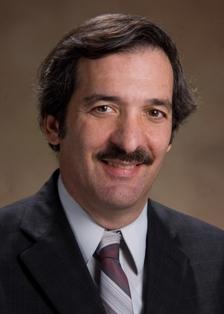 Martin A Weinstock合作论文数Department of Dermatology, The Warren Alpert Medical School, Brown University5Joy Tao合作论文数4Navjeet Sidhu-Malik合作论文数3Daniel J Hogan合作论文数3
 Victoria P. Werth合作论文数Dermatology, Perelman School of Medicine, University of Pennsylvania3
 John J. DiGiovanna合作论文数DNA Repair Section, Dermatology Branch, Center for Cancer Research, National Cancer Institute3James Swan合作论文数3
 Erin M. Warshaw合作论文数Department of Dermatology, Medical School, University of Minnesota3
 Sharon E Jacob合作论文数3
 Susan M. Swetter合作论文数Dermatology Department, Stanford University3
 Nellie Konnikov合作论文数3
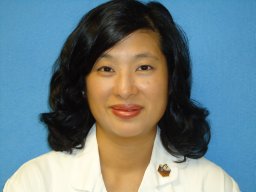 Suephy C. Chen合作论文数and the Department of Dermatology, Uniformed Services University of the Health Sciences3Jonette Keri合作论文数3George P. Stricklin合作论文数3Robert P. Dellavalle合作论文数3Kimberly Marcolivio合作论文数2Kalivas James合作论文数2Michael Knabel合作论文数2Adam Vaudreuil合作论文数2Julia E Vertrees合作论文数2mark f naylor合作论文数2
 Russell P. Hall合作论文数School of Medicine, Duke University2Bingham Stephen F合作论文数2Pomerantz Hyemin合作论文数2Reserva Jeave合作论文数2
 Robert Scott Kirsner合作论文数Dr Phillip Frost Department of Dermatology and Cutaneous Surgery, Miller School of Medicine, University of Miami;Department of Public Health Sciences, Miller School of Medicine, University of Miami;University of Miami Wound Clinic2
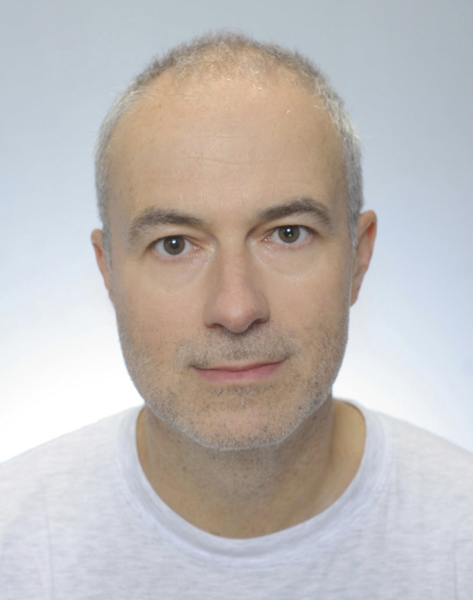 Robert Lew合作论文数Department of Lexicography and Lexicology, Faculty of English, Adam Mickiewicz University;School of Languages and Literatures, Adam Mickiewicz University2Annie Wester合作论文数1Adam Souchik合作论文数1Erin Rocci合作论文数1Elizabeth Ethington合作论文数1Fiona M Shaw合作论文数1Kelly K Park合作论文数1Arielle Gray合作论文数1Misty G Eleryan合作论文数1Courtney Hentz合作论文数1Michael Mysz合作论文数1Nicholas Leader合作论文数1
 Kristen Fernandez合作论文数1Dominick J. DiMaio合作论文数1Blanca Estupinan合作论文数1Kirsten Webb合作论文数1
 Erin Garfield合作论文数1Adam Whittington合作论文数1Brandon Zelman合作论文数1Laryn Steadman合作论文数1Julia A Siegel合作论文数1




