Background The availability of fertile land suitable for agriculture is limited. In the European Union, political demand for self-sufficiency in staple food production currently competes with increasing ambitions for nature restoration and green energy. Meanwhile, the overall agricultural area shrinks due to land sealing. This makes an efficient use of land area essential. Aims With Germany as a case study, we determined which soil, terrain, and climate properties govern current agricultural land use and historic land-use change (LUC) to inform future land-use decisions. Methods Using data from the 3104 sites of the German Agricultural Soil Inventory, we defined land-use categories based on 100-year histories for permanent cropland, permanent grassland, and conversions between cropland and grassland. Conditional inference forest models used static edaphoclimatic variables to predict land-use type likelihood. Results Low precipitation, deep groundwater, or Luvisol or Cambisol soils favored the centennial continuous use of land as cropland. High precipitation, shallow groundwater, or Gleysol/Fluvisol/Histosol soils favored permanent grassland. LUC sites showed drivers similar to their destination permanent land use. For example, the likelihood of cropland-to-grassland conversion increased with higher precipitation and showed sharp increases, especially on land with mean annual precipitation >900 mm y(-1), whereas slope terrain was of secondary importance. Conclusions Land use in Germany largely depends on factors related to hydrological properties (i.e., precipitation and drainage properties) rather than soil texture, temperature, and terrain per se. The patterns outlined in this study provide novel insights into how differences in site properties affect land use and can be used to inform future LUC priorities.
Land-use changes (LUCs) strongly impact soil organic carbon (SOC) stocks over decades. However, there are too few long-term field experiments where these SOC dynamics have been observed long enough to validate process-based models for large-scale use. We have developed a new data-driven space-for-time approach for model validation using empirical data from over 3000 sites in the German Agricultural Soil Inventory, including 212 sites with LUC between cropland and grassland. Machine-learning models trained on sites under permanent land use were used to predict equilibrium SOC stocks for similar sites with changed land use. We used this derived data set to assess how well the process-based model RothC describes SOC dynamics following LUC. The default version of RothC struggled to capture the fast changes in SOC following LUC since it was mainly driven by differences in carbon input quantity and quality. Losses in SOC after converting grassland into cropland occurred faster than modelled, and SOC accrual after converting cropland to grassland was faster than simulated. This suggested an additional carbon stabilisation mechanism connected to grassland land use. We extended the RothC model with an additional carbon pool that builds up rapidly after grassland establishment, similar to aggregate-protected SOC. This improved the model efficiency from 0.49 to 0.80 for transitional croplands and from -3.39 to 0.90 after establishing grassland. This improved model version, RothC-LUC, is suitable for simulating SOC dynamics following LUC between cropland and grassland on a broad scale, such as in national inventory reports on greenhouse gas emissions.
Understanding the extent to which land-use changes (LUC) impact soil organic carbon (SOC) is essential for accurate carbon accounting and global efforts aimed at reducing the negative impact of LUC on climate change. Recognizing that most of the SOC change due to LUC occurs in the topsoil, current efforts to quantify SOC change often overlook subsoils beyond 30 cm depth. We used data from Germany's national agricultural and forest soil inventories to address this sparsity by modeling depth-dependent, LUC-induced, SOC stock change down to 90 cm using data-driven reciprocal modeling. This modeling was carried out using an ensemble approach for prediction and area of applicability assessments to avoid extrapolation. Landscape, climate, and pedological properties were used to predict the equilibrium SOC stock at four depth intervals (0-10, 10-30, 30-60, and 60-90 cm) for all six land-use change directions between cropland, grassland, and forest. While the greatest change occurred at the surface for all LUC directions, we detected significant SOC stock change down to the sampled depth of 90 cm. Approximately 30% of the detected SOC stock change was found in the subsoil (30-90 cm). For LUC to or from forests, the litter layer dominated the changes in SOC such that for LUC between grassland and forest, SOC stock change in the mineral soil was mostly offset by the addition or removal of the litter layer. For all LUC directions, the World Reference Base soil group was the most important factor for determining the magnitude of SOC stock change. This study underscores the importance of deeper soil sampling for accurate carbon accounting and climate-change mitigation strategies.
Organic farming contributes to multiple environmental targets in agriculture. Long-term field experiments found that organic farming cropland not only emit lower greenhouse gas emissions but can also increase soil organic carbon (SOC) stocks relative to conventionally farmed plots. It is yet unknown whether the same SOC effect can be found in agricultural reality. In this study, two independent large scale soil inventory datasets (2159 and 811 sites) including both organic and conventional farming sites in Germany were analysed. Differences in SOC due to pedo-climatic conditions between sites were corrected using a random forest model. Croplands under organic farming showed neither higher SOC content nor higher SOC stocks compared to those under conventional farming in both data sets. The amount of organic fertilisers applied was comparable between organic farming (0.47 Mg C ha- 1 a-1) and conventional farming (0.45 Mg C ha- 1 a-1). The crop rotations under organic farming contained more crops that are known to enhance SOC (e.g. grass-clover mixtures, 39 %) than in conventional farms (11 %). However, yields in organic farming were on average 31 % lower than in conventional farming, which most likely led to less crop residue returned to soil to build up SOC. Our results challenge the previous perception that organic farming builds up SOC. Agricultural practice reality may not be representatively captured in existing organic farming long-term field trials. Microbial N mining and lower yield resulting from lower N availability in organic farming may hamper the build-up of SOC in organic farming systems. Thus, the extension of organic farming in Central Europe will likely not contribute to additional SOC accrual. However, SOC in organic farms is built up with less environmental costs, e.g. via nitrogen losses, and can thus be considered as more sustainable than SOC in conventional systems.
Land-use changes affect soil organic carbon (SOC) stocks over decades. However, IPCC default for greenhouse gas emissions reporting suggests a simple linear SOC stock change over 20 years only. Using process-based modelling approaches such as RothC to describe SOC dynamics after land-use change requires model validation. However, there are only few long-term field experiments where SOC stocks have been observed long enough to get sufficient data for such a model validation. This lack of data makes validating models for large-scale use challenging. Based on empirical data from over 3000 sites from the German Agricultural Soil Inventory we selected 204 sites with land-use change history within the last 60 years and created an artificial data-set using a reciprocal modeling approach. This approach utilizes machine learning models trained on sites under permanent land use to predict SOC stocks for similar sites where the land use had been changed. In addition, we extracted further empirical data from over 30 sites with land-use change in the temperate zone from a comprehensive meta-analysis. These two datasets were used to test the ability of the well-known SOC model RothC to simulate land-use change effects on SOC stocks. In these tests, we use the observed or predicted SOC stocks assumed at equilibrium to model the carbon input under permanent land use and corresponding SOC dynamics after land-use change. These modelled SOC dynamics are then compared with observed SOC stocks after land-use change. We will discuss opportunities and challenges of using process-based models to describe SOC dynamics after land-use change on regional to national scale.
Land-use change (LUC) in agricultural settings is common both historically and under more recent climate-smart agriculture guidelines aimed at reducing the impact of agriculture on the climate. Recognising that conversion of perennial grasslands to annual cropland results in a large, but potentially reversible, loss of soil organic carbon (SOC) such guidelines often call for increasing the overall area under grassland. To date, the magnitude and direction of SOC change following LUC has been fairly well accounted for, but the time it takes to reach a new SOC equilibrium is not well understood. While broad scale emission reporting best practices (e.g. IPCC) suggest that SOC equilibrium is reached approximately 20 years after LUC, there is a growing body of knowledge that supports a centennial timescale in temperate or boreal climates. With data from the first German Agricultural Soil Inventory alongside extensive per-site land-use histories, we established SOC change timelines that show that not only does SOC take much longer than 20 years to reach equilibrium but it reaches equilibrium at vastly different rates depending on the direction of LUC. Sites converted from cropland to grassland took 83 years (95 % CI: 79 to 90 years) to reach SOC equilibrium whereas sites converted from grassland to cropland took 180 years (95 % CI: 151 to 223 years). In order to map the effects of historic LUC on SOC stocks in temperate agroecosystems with similar grassland and cropland SOC stocks to Germany, we applied these timeline models to comparable sites from the HILDA+ global LUC database (Winkler et al., 2020); a global reconstruction of annual land use and land cover at a 1 km spatial resolution from 1899 to 2019. Compiled from a range of open data sources (remote sensing, reconstructions, and census data) the HILDA+ dataset offers insights into relatively fine scale LUC dynamics that follow known socioeconomic drivers over the past 120 years. Using this dataset, we determined that 112 Million ha, or 3.5 % of the total agricultural area worldwide, was comparable to German agriculture in terms of SOC and growing conditions, and 11 % of that land (12.6 Million ha) had undergone LUC from cropland to grassland or vice versa since 1899. After accounting for duration on a per-cell basis, areas having undergone LUC from cropland to grassland (7.5 million ha) accounted for a 86.2 million Mg C increase over the past 120 years. Conversely, areas having undergone LUC from grassland to cropland (5.1 million ha) accounted for a -55.0 million Mg C decrease in SOC. The overall net increase of 31.2 million Mg C corresponds to about 5‰ of total SOC stocks across all agricultural land with pronounced regional differences. We conclude that land-use change histories of at least one century should be considered when interpreting present-day, and predicting future, SOC dynamics. Winkler, K., Fuchs, R., Rounsevell, M. D. A., & Herold, M. (2020). HILDA+ Global Land Use Change between 1960 and 2019 [dataset]. PANGAEA. https://doi.org/10.1594/PANGAEA.92184
Munoz et al. (2024) raised concerns regarding our recent contribution and the definition of the term C sequestration in soils (Don et al., 2024). We performed a review and therefore based our analysis on existing definitions of C sequestrations, mainly by the IPCC. We recommend sticking with terminologies around C sequestration and climate mitigation, as outlined in our review, in order to keep it consistent and manageable.
Converting natural vegetation for agriculture has resulted in the loss of approximately 5% of the current global terrestrial soil organic carbon (SOC) stock to the atmosphere. Increasing the agricultural area under grassland may reverse some of these losses, but the effectiveness of such a strategy is limited by how quickly SOC recovers after conversion from cropland. Using soil data and extensive land-use histories gathered during the national German agricultural soil inventory, this study aims to answer three questions regarding agricultural land-use change (LUC): (i) how do SOC stocks change with depth following LUC; (ii) how long does it take to reach SOC equilibrium after LUC; and (iii) what is the legacy effect of historic LUC on present day SOC dynamics? By using a novel approach that substitutes space for time and accounts for differences in site properties using propensity score balancing, we determined that sites that were converted from cropland to grassland reached a SOC equilibrium level 47.3% (95% confidence interval (CI): 43.4% to 49.5%) above permanent cropland levels 83 years (95% CI: 79 to 90 years) after conversion. Meanwhile, sites converted from grassland to cropland reached a SOC equilibrium level -33.6% (95% CI: -34.1% to -33.5%) below permanent grassland levels after 180 years (95% CI: 151 to 223 years). We estimate that, over the past century, today's German agricultural soils (16.6 million ha) have gained about 40 million Mg C. Furthermore, croplands with historic LUC from grassland are losing SOC by -0.26 Mg ha-1 year-1 (10% of agricultural land) while grasslands historically converted from cropland are gaining SOC by 0.27 Mg ha-1 year-1 (18% of agricultural land). This study shows that even long-standing temperate agricultural sites likely have ongoing SOC change as a result of historical LUC.
The term carbon (C) sequestration has not just become a buzzword but is something of a siren's call to scientific communicators and media outlets. Carbon sequestration is the removal of C from the atmosphere and the storage, for example, in soil. It has the potential to partially compensate for anthropogenic greenhouse gas emissions and is, therefore, an important piece in the global climate change mitigation puzzle. However, the term C sequestration is often used misleadingly and, while likely unintentional, can lead to the perpetuation of biased conclusions and exaggerated expectations about its contribution to climate change mitigation efforts. Soils have considerable potential to take up C but many are also in a state of continuous loss. In such soils, measures to build up soil C may only lead to a reduction in C losses (C loss mitigation) rather than result in real C sequestration and negative emissions. In an examination of 100 recent peer-reviewed papers on topics surrounding soil C, only 4% were found to have used the term C sequestration correctly. Furthermore, 13% of the papers equated C sequestration with C stocks. The review, further, revealed that measures leading to C sequestration will not always result in climate change mitigation when non-CO2 greenhouse gases and leakage are taken into consideration. This paper highlights potential pitfalls when using the term C sequestration incorrectly and calls for accurate usage of this term going forward. Revised and new terms are suggested to distinguish clearly between C sequestration in soils, SOC loss mitigation, negative emissions, climate change mitigation, SOC storage, and SOC accrual to avoid miscommunication among scientists and stakeholder groups in future.
Land-use change and land management practices alter soil organic carbon (SOC) dynamics in agricultural systems. Changing natural vegetation to agriculture in particular has resulted in a loss of approximately 5% of the current global terrestrial carbon stock. However, this carbon loss is reversible. Increasing the area of grassland is, therefore, an increasingly discussed climate change mitigation option since grasslands often store similar SOC stocks to natural vegetation. However, the time it takes for cropland to return to its pre-cropland carbon state after conversion to grassland is far from certain. Using soil and land-use history data gathered during the German Soil Inventory as well as from historical land use maps, this study therein aims to answer two questions: i) how does land-use change affect SOC stocks in agricultural systems; and ii) how long does it take for agricultural lands to reach a new SOC equilibrium following land-use change. By substituting space for time and accounting for differences in site properties via stratification, our results challenge the established “slow in, fast out” paradigm. At a national scale, topsoil SOC is lost relatively slowly when grassland is converted to cropland, and gained relatively quickly when cropland is returned to grassland. Further, neither direction of SOC change agreed with the 20 years’ timescales on which current emission reporting and climate mitigation policy is based, and SOC stocks were influenced by land-use changes for more than 100 years.
To successfully reduce atmospheric CO2 by sequestering additional soil carbon, it is essential to understand the potential of a given soil to store carbon in a stable form. Carbon that has formed organo-mineral complexes with silt and clay particles is believed to be less susceptible to decay than non-complexed, or particulate, organic carbon. Using direct measurements of mineral associated organic matter (MAOC) on a subset of samples, and an approach developed previously for primarily allophanic soils, we took a modeling approach to estimate MAOC for 537 samples of much coarser and younger soils from 99 non-cultivated and agricultural sites in the Okanagan Valley, British Columbia, Canada. Using specific surface area (SSA) or soil texture as indicators of the mineral surface area available for sorption of organic matter, we used both Random Forest (RF) and Stepwise Multiple Regression with Akaike Information Criterion (SMR) to determine a best fit model for predicting MAOC. Random Forest modeling using SSA in addition to total SOC, exchangeable calcium, exchangeable potassium, and soil pH performed better than SMR for determining MAOC in these soils (R2: 0.790 for RF; R2: 0.713 for SMR). To determine if a MAOC deficit existed for these soils, we then applied a quantile regression approach wherein the predicted 90th quantile of MAOC represents the MAOC formation capacity. We determined that MAOC deficits were present in all soils and increased with depth. Moreover, clay rich soils had greater MAOC deficits (1.62 g kg−1 for 0–15 cm, 4.01 g kg−1 for 15–30 cm, and 5.80 g kg−1 for 30–60 cm), than sandier soils (1.01 g kg−1 for 0–15 cm, 2.72 g kg−1 for 15–30 cm, and 3.69 g kg−1 for 30–60 cm). Furthermore, the upper 30 cm of these soils have the potential to increase MAOC stocks by 29% (48.0 million kg of MAOC over 8,501 ha) before they reach formation capacity. This study highlights the variability in MAOC formation capacity of soils with different physicochemical properties and provides a framework for estimating MAOC concentrations and deficits for soils with a wide range of physicochemical properties.
Over the last 200 years, conversion of non‐cultivated land for agriculture has substantially reduced global soil organic carbon (SOC) stocks in upper soil layers. Nevertheless, practices such as no‐ or reduced tillage, application of organic soil amendments, and maintenance of continuous cover can increase SOC in agricultural fields. While these management practices have been well studied, the effects on SOC of cropping systems that incorporate irrigation are poorly understood. Given the large, and expanding, agricultural landbase under irrigation across the globe, this is a critical knowledge gap for climate change mitigation. We undertook a systematic literature review and subsequent meta‐analysis of data from studies that examined changes in SOC on irrigated agricultural sites through time. We investigated changes in SOC by climate (aridity), soil texture, and irrigation method with the following objectives: (i) to examine the impact of irrigated agriculture on SOC storage; and (ii) to identify the conditions under which irrigated agriculture is most likely to enhance SOC. Overall, irrigated agriculture increased SOC stocks by 5.9%, with little effect of study length (2–47 years). However, changes in SOC varied by climate and soil depth, with the greatest increase in SOC observed on irrigated semi‐arid sites at the 0–10 cm depth (14.8%). Additionally, SOC increased in irrigated fine‐ and medium‐textured soils but not coarse‐textured soils. Furthermore, while there was no overall change to SOC in flood/furrow irrigated sites, SOC tended to increase in sprinkler irrigated sites, and decrease in drip irrigated sites, especially at depths below 10 cm. This work sheds light on the nuances of SOC change across irrigated agricultural systems, highlights the importance of studying SOC storage in deeper soils, and will help guide future research on the impacts of irrigated agriculture on SOC.
Agricultural practices such as annual crop production, land use change and grazing on marginal lands lead to a loss of soil carbon (C) stock. But soil C losses are not universal in agricultural systems and modest soil C gains can occur when constraints such as a lack of water are removed. To characterize this we used a meta-analysis of published data focused on semi-arid regions, where irrigation is required for crop production. We showed that soil C stocks declined under cereals, cotton, maize and non-woody horticultural crops when compared to native unirrigated adjacent grassland or shrubland. By contrast, cultivation of irrigated, woody perennial crops generally leads to an accumulation of soil C. Identifying the mechanisms by which C is retained in the soils beneath woody perennial crops, and any limits to C accumulation, was the main goal of this study. A mechanistic understanding of soil organic C content accumulation, upon land use change, can be gained by dividing soil into particulate organic matter (POM) and mineral associated organic matter (MAOM). Here, we analyzed the C and natural abundance C-13 concentrations in POM and MAOM fractions in soils from eight apple orchards and eight vineyards irrigated using a dripline, and eight apple and eight cherry orchards irrigated with micro-spray. Samples were also taken from eight native grassland areas adjacent to the agricultural sites for comparison. Several decades of woody crop production doubled the average soil C concentration in comparison to the native sites, from to 10.1 +/- 1.48 g C kg(-1) to 20.1 +/- 0.96 g C kg(-1) over a depth of 0-15 cm. Most of the C was associated with POM, which increased in concentration from 7.9 +/- 1.19 g C kg(-1) to 14.2 +/- 0.79 g C kg(-1) in 0-15 cm soils, an increase of 80%. This was crop dependent, being highest in the cherry orchards and lowest in the vineyard soils. Although holding less C, the MAOM concentration increased by 166%, changing from 2.22 +/- 0.33 to 5.91 +/- 0.62 g C kg(-1); no differences existed between crops but the MAOM C concentration appeared to be constrained to a maximum value of similar to 12 g C kg(-1). MAOM and POM had markedly different delta C-13 values: MAOM was more enriched, indicative of greater microbial processing, whereas POM had a lower delta C-13 value consistent with the dominant standing vegetation. delta C-13 values were more depleted in both fractions at the agricultural sites compared to the native sites, indicating the accumulation of greater amounts of less processed C at the agricultural sites, due to higher C inputs. We conclude the soils in this region respond to irrigated perennial woody crop production by retaining C within both POM and MAOM fractions. Accumulation of C as MAOM is constrained by the minerology of the soils in this region, but is unconstrained for POM which dominates the soil C content, and is potentially vulnerable to changes in management practices and land use.
Increasing the carbon (C) content of agricultural soils can help mitigate rising atmospheric CO2 concentrations, improve soil health and increase crop yield. Unlike annual cropping systems, soils planted to perennial woody crops, such as vineyards and orchards, are left undisturbed for many years making them particularly amenable to soil C storage. Here, we used a regional sampling campaign of over 80 commercially-managed sites across the Okanagan Valley, in the southern interior of British Columbia, Canada, to examine the spatial distribution of soil C under irrigated perennial woody crops. Using this living lab approach, we collected soils from the crop and drive rows of apple and cherry orchards, and vineyards subjected to a wide range of real-life management regimes (e.g., for weed and pest control, fertilizer application, etc.). Sites were selected with soils belonging to five surficial deposit classes, representing 40% of the mapped agricultural land area. Soil C was spatially heterogeneous across all the sites, with the surface soil (0-15 cm) of drive rows containing more C than the soil in adjacent crop rows. Clear differences emerged among cropping systems, despite the variation in management practices applied by individual growers. Drip-irrigated apple orchards showed the greatest spatial heterogeneity, with C concentrations of 2.9% in the drive row and 1.8% in the crop row, while vineyard and cherry orchard soils showed the least, with differences between crop and drive rows of approximately 0.3%. Higher C concentrations in the drive rows appeared to be the result of recently assimilated/less processed litter and fine root C inputs from the shallow-rooted understory vegetation. This was confirmed using stable isotope analysis: drive row soil C was significantly C-13 depleted compared to the crop row soil, to a depth of 30 cm. Overall, cherry orchards contained the most C (70 Mg C ha(-1) to a depth of 30 cm), vineyards the least (48 Mg C ha(-1)), and apple orchards were intermediate (66 Mg C ha(-1)). A recent land-use survey in 2015 determined that 8501 ha of agricultural land in the Okanagan Valley was planted to apples, cherries or grapes, and that large shifts in crop land area have occurred since the previous survey, conducted in 2006. We estimate that apple orchards currently hold approximately 199 Gg C, vineyards 188 Gg C and cherry orchards 110 Gg C. Marked differences in soil C storage between the cropping systems, despite the fact some were less than 10 years old, suggests that soils in this region are responsive to changes in crop and associated management practices over relatively short time periods. We conclude that the drive rows of vineyards offer the greatest scope for increased soil C storage among woody perennial horticultural cropping systems in the Okanagan Valley but that 'long-term' soil carbon storage may not be possible in these soils.
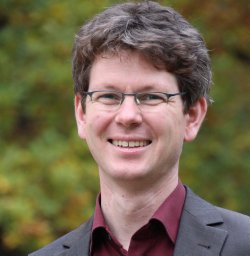 Axel Don合作论文数Max Planck Institute for Biogeochemistry, P.O. Box 10 01 64, 07701 Jena, Germany10
 Florian Schneider合作论文数Thunen Inst Climate Smart Agr7
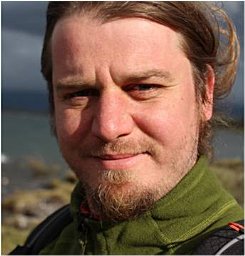 Christopher Poeplau合作论文数Thunen Inst Climate Smart Agr5
 Kirsten Hannam合作论文数Department of Biology, Irving K. Barber Faculty of Science, University of British Columbia;Science and Technology Branch, Agriculture and Agri-Food Canada5
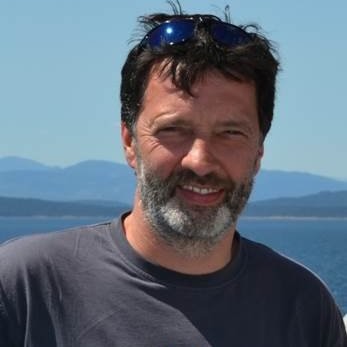 Andrew J Midwood合作论文数Terramera4
 Melanie Jones合作论文数Department of Biology, Irving K. Barber Faculty of Science, The University of British Columbia4Daria Seitz合作论文数3Stefan Heilek合作论文数2
 Felix Seidel合作论文数2
 Jens Leifeld合作论文数Climate and Agriculture Group, Agroscope2Manuel Martin合作论文数2
 Thomas Anthony Forge合作论文数Agr & Agri Food Canada, Pacific Agri Food Res Ctr2
 Claire Chenu合作论文数INRA AgroParisTech2Rene Dechow合作论文数2
 Lori A. Phillips合作论文数Department of Soil Science, University of Saskatchewan2
 Thomas Kätterer合作论文数Department of Soil Sciences, SLU2
 Sylvain Pellerin合作论文数UMR 1220 TCEM (INRA-ENITAB),, INRA2Tirhas Gebretsadikan合作论文数1
 Ikechukwu Agomoh合作论文数1Brent J Seuradge合作论文数1
 N. Wellbrock合作论文数1
 Craig Drury合作论文数Harrow Research and Development Centre, Agriculture and Agri-Food Canada1
 Xueming Yang合作论文数Agriculture and Agri-Food Canada1Denise Neilsen合作论文数1
 Carsten Müller合作论文数Institute of Ecology, Faculty VI - Planning Building Environment, Technische Universität München1W. D. Reynolds合作论文数1Louise M. Nelson合作论文数1




