Over one million patients receive cancer immunotherapy annually, yet the mechanisms underlying life-threatening immune-mediated toxicities remain poorly understood. Checkpoint inhibitor pneumonitis (CIP) is the leading cause of immunotherapy-related mortality, with a case fatality rate approaching 10%, and no genetic risk factors have been described to date. We identified Dipeptidyl-peptidase 9 (DPP9) as the first genetic susceptibility gene for CIP in a clinico-genomics cohort of 4,397 patients treated with immune checkpoint inhibitors. Mechanistically, DPP9 suppresses CARD8 inflammasome activation and IL-18 secretion in human monocytes, a pathway which is engaged prior to CIP onset, with IL-18 selectively elevated in the plasma of patients who subsequently develop CIP. Myeloid-restricted ablation of Dpp8 and Dpp9 in mice recapitulated the pulmonary histopathological and immunological hallmarks of CIP, including granuloma formation, accumulation of IFNγ-producing T cells and monocyte-derived macrophages. Each of these phenotypes were driven by excessive IL-18 secretion. Together, these findings establish DPP9 as a genetic determinant of CIP and nominate IL-18 blockade as a mechanistically rational therapeutic strategy.
Supplemental Figure 4. Cytokine changes (post-selinexor, pre-docetaxel) significantly associated with clinical outcomes.
Background:Quantifying workload for clinical trial staff represents an ongoing challenge for healthcare facilities conducting cancer clinical trials. We developed and evaluated a staffing model designed to meet this need. Methods:To address individual protocol acuity, the model's algorithms include metrics to account for visit frequency, and the quantity, and types of research-related procedures. Since implementation in 2012, the model has been used to justify clinical research team resource needs and to establish metrics for leadership to reference when reviewing replacement positions; particularly useful to justify resources at the institutional level during the COVID-19 pandemic.In recent years, we identified a gap between predicted and actual staff workload. This precipitated a comprehensive review in 2021 of all aspects of scoring within the model including a comparison to modern protocols to ensure accounting for all types of protocol-related procedures and tests. Results:Further investigation identified increasing complexity of trial screening, which had not been accounted for in the initial model. Specifically, screening-related activities accounted for up to 25% of coordinator effort. We incorporated this work into the model and demonstrated a statistically significant change in average protocol acuity (P = 0.002) following refinement of scoring to include study-specific screening complexity. Conclusion:Over the past decade, cancer clinical trial screening has increased in complexity and duration. Planning a cancer center's clinical trial workforce requires consideration of screening-related staff effort. For any effort model to be successful, ongoing examination and malleability are critical in this evolving landscape of clinical trials.
Background: Non-smokers and individuals with minimal smoking history represent a significant proportion of lung cancer cases but are often overlooked in current risk assessment models. Pulmonary nodules are commonly detected incidentally—appearing in approximately 24–31% of all chest CT scans regardless of smoking status. However, most established risk models, such as the Brock model, were developed using cohorts heavily enriched with individuals who have substantial smoking histories. This limits their generalizability to non-smoking and light-smoking populations, highlighting the need for more inclusive and tailored risk prediction strategies. Purpose: We aimed to develop a longitudinal radiomics-based approach for lung cancer risk prediction, integrating time-varying radiomic modeling to enhance early detection in USPSTF-ineligible patients. Methods: Unlike conventional models that rely on a single scan, we conducted a longitudinal analysis of 122 patients who were later diagnosed with lung cancer, with a total of 622 CT scans analyzed. Of these patients, 69% were former smokers, while 30% had never smoked. Quantitative radiomic features were extracted from serial chest CT scans to capture temporal changes in nodule evolution. A time-varying survival model was implemented to dynamically assess lung cancer risk. Additionally, we evaluated the integration of handcrafted radiomic features and the deep learning-based Sybil model to determine the added value of combining local nodule characteristics with global lung assessments. Results: Our radiomic analysis identified specific CT patterns associated with malignant transformation, including increased nodule size, voxel intensity, textural entropy, as indicators of tumor heterogeneity and progression. Integrating radiomics, delta-radiomics, and longitudinal imaging features resulted in the optimal predictive performance during cross-validation (concordance index [C-index]: 0.69), surpassing that of models using demographics alone (C-index: 0.50) and Sybil alone (C-index: 0.54). Compared to the Brock model (67% accuracy, 100% sensitivity, 33% specificity), our composite risk model achieved 78% accuracy, 89% sensitivity, and 67% specificity, demonstrating improved early cancer risk stratification. Kaplan–Meier curves and individualized cancer development probability functions further validated the model’s ability to track dynamic risk progression for individual patients. Visual analysis of longitudinal CT scans confirmed alignment between predicted risk and evolving nodule characteristics. Conclusions: Our study demonstrates that integrating radiomics, sybil, and clinical factors enhances future lung cancer risk prediction in USPSTF-ineligible patients, outperforming existing models and supporting personalized screening and early intervention strategies.
Background: Clinical trials should be accessible to all patients regardless of race, ethnicity and socio-economic status. In the US, Blacks constituted 4-6% and Hispanics 3-6% of participants in cancer therapeutic trials despite representing 15% and 13% of people with cancer. US Food and Drug Administration draft guidance from April 2022 calls for the improvement of clinical trial enrollment of participants from historically excluded racial and ethnic populations. Safety-net healthcare systems like John Peter Smith Health Network (JPS) in Tarrant County, TX, serve predominantly racial ethnic minorities. At JPS, recruitment into oncology therapeutic clinical trials remains pitifully low. Efficiently identifying patients who meet eligibility criteria in an understaffed, busy clinic in the non-academic setting has been a challenge. Referral responsibility lands on overwhelmed providers or outside companies who lack the ability to effectively screen patients. Therefore, we piloted a program leveraging the expertise of our Information Technology business intelligence (IT) team to support our clinical research team to improve recruitment efforts for an oncology trial. Methods: Collaboration between IT and research teams was established on 5/1/24 with a goal to identify patients for this trial: EMBER-4: A Randomized, Open-Label, Phase 3 Study of Adjuvant Imlunestrant vs Standard Adjuvant Endocrine Therapy in Patients who have Previously Received 2 to 5 years of Adjuvant Endocrine Therapy for ER+, HER2- Early Breast Cancer with an Increased Risk of Recurrence. This study was obtained by JPS via the Cancer Prevention and Research Institute of Texas Clinical Trials Network Award (CPRIT-CTNA) partnership. Using the inclusion and exclusion criteria and applying the Microsoft Structured Query Language (SQL) Service Management Studio software, queries and parameters were developed and run against the Epic Clarity database of patients seen by 15 providers spanning medical oncology, radiation oncology and survivorship clinics, to extract the requested dataset of potentially eligible patients. Results: IT team identified 123 potential eligible patients (pre-screened) for EMBER-4 research study as of 6/5/24. EMBER-4 was open for accrual at JPS on 6/18/24. A roster of pre-screened patients’ next scheduled clinic appointments was also provided by the IT team. Of the 9 pre-screened patients in the first week, 4 qualified for Ember-4, and successfully enrolled two Hispanic patients. 1 of the remining 2 patients is slated to be enrolled into Ember-4 in the third week. Manual screening of all patients in providers’ clinics with a high proportion of breast cancer is performed weekly in the first month to validate IT list. Validation efforts have reflected that the current list from the IT collaboration has indeed included all possible patients for EMBER-4 trial. Pre-screening has been completed on 47 of the 123 potential patients thus far. Our efforts have yielded an additional 4 eligible patients for enrollment in the next 6 weeks for a total of 8 patients meeting all eligibility criteria within the first 9 weeks. Conclusion: These efforts have empowered the clinical research team with statistics regarding diversity among study populations and ability to better track and engage all appropriate patients for the EMBER-4 study. Leveraging the IT team’s expertise to collaborate with clinical research team is a novel method: it has resulted in precision screening capabilities with immediate possibility of increasing enrollment in therapeutic oncology research studies. This method of patient identification can be done in tandem with opening clinical research studies and will be used for future studies at JPS not only in oncology but other specialties as well. We plan to introduce this concept to other CPRIT-CTNA sites. Citation Format: Melissa Howell, Dedra L. Preece, David E. Gerber, Jerry D. Henderson, Kalyani Narra. Leveraging Technology to Improve Access to Clinical Trials in Underrepresented Populations within a Safety-Net Institution [abstract]. In: Proceedings of the San Antonio Breast Cancer Symposium 2024; 2024 Dec 10-13; San Antonio, TX. Philadelphia (PA): AACR; Clin Cancer Res 2025;31(12 Suppl):Abstract nr P4-04-04.
Background Concurrent KRAS LKB1 (STK11, KL) mutant non-small cell lung cancers (NSCLC) do not respond well to current immune checkpoint blockade therapies, however targeting major histocompatibility complex class I-related chain A or B (MICA/B), could pose an alternative therapeutic strategy through activation of natural killer (NK) cells.Methods Expression of NK cell activating ligands in NSCLC cell line and patient data were analyzed. Cell surface expression of MICA/B in NSCLC cell lines was determined through flow cytometry while ligand shedding in both patient blood and cell lines was determined through ELISA. We engineered an antibody-dependent cellular cytotoxicity (ADCC) enhanced MICA/B monoclonal antibody, AHA-1031, which prevents ligand shedding without interfering with binding to natural killer group 2D while targeting cancer cells via superior ADCC. We performed in vitro assays using ELISA and flow cytometry-based assays to confirm that our antibody potently binds to and stabilizes MICA/B expression across lung cancer and other solid tumor cell lines. Additionally, we used two KL mutant NSCLC cell lines and a KL mutant patient-derived xenograft (PDX) model to demonstrate in vivo antitumor efficacy and flow cytometry analysis for immune cell activation profiling.Results NSCLC cell lines exhibit high MICA/B expression and secrete soluble MICA/B in vitro. Soluble MICA/B is also detected in patient blood samples. AHA-1031 binds to the α3 domain of MICA/B, preventing shedding and targeting tumor cells to ADCC. AHA-1031 exhibits high affinity and specificity to MICA/B, preventing MICA/B shedding in tumor lines and inducing ADCC in vitro. Our antibody also effectively binds and stabilizes MICA/B expression in additional tumor types and demonstrates broad specificity. We show that in two KL mutant NSCLC xenograft models and a KL mutant PDX model, treatment with AHA-1031 monotherapy significantly inhibits tumor growth compared with vehicle-treated animals with no observable toxicity. Tumor tissues from treated mice exhibit significantly increased immune cell infiltrates and activated NK cell populations.Conclusions Activating NK cells through MICA/B stabilization and inducing ADCC offers an alternative and potent therapy option in KL tumors. MICA/B are shed across different tumors making this therapeutic strategy universally applicable.
The capability to profile the landscape of antigen-binding affinities of a vast number of antibodies (B cell receptors, BCRs) will provide a powerful tool to reveal biological insights. However, experimental approaches for detecting antibody–antigen interactions are costly and time-consuming and can only achieve low-to-mid throughput. In this work, we developed Cmai (contrastive modeling for antigen–antibody interactions) to address the prediction of binding between antibodies and antigens that can be scaled to high-throughput sequencing data. We devised a biomarker based on the output from Cmai to map the antigen-binding affinities of BCR repertoires. We found that the abundance of tumor antigen-targeting antibodies is predictive of immune-checkpoint inhibitor (ICI) treatment response. We also found that, during immune-related adverse events (irAEs) caused by ICI, humoral immunity is preferentially responsive to intracellular antigens from the organs affected by the irAEs. We used Cmai to construct a BCR-based irAE risk score, which predicted the timing of the occurrence of irAEs. Song et al. developed a computational tool to profile binding pairs between tumor-derived antigens and antibodies from high-throughput B cell receptor sequencing data, predicting response to immune-checkpoint inhibitor therapy and risk of adverse events.
Purpose: Investigator-initiated trials (IIT) may address important biological and clinical questions that may not be prioritized by pharmaceutical sponsors. However, little is known about the process by which IIT proposals are evaluated and activated.Experimental Design: We performed a retrospective study of IIT concepts submitted through the Academic Thoracic Oncology Medical Investigators Consortium, which comprises 13 institutions in the United States and Canada, from consortium inception in 2014 to 2024. We compared approved and disapproved concepts using chi 2 tests, Fisher exact tests, and Wilcoxon rank-sum tests.Results: Among 68 presented IIT concepts, 60 (88%) received consortium approval a median of 30 days (IQR, 31-59 days) after submission. Concepts submitted by junior faculty were more likely to be approved than those from full professors (P = 0.003). Of the 60 concepts subsequently submitted to pharmaceutical sponsors, 15 (25%) were approved, 43 (72%) were disapproved, and 2 (3%) remain under review. The median time between concept submission to a sponsor and the sponsor's decision was 61 days (IQR, 31-183 days). Concepts with shorter projected durations were more likely to be approved by the pharmaceutical sponsor (P = 0.05). For sponsor-approved IIT concepts, the median overall time from initial submission to trial activation was 18 months.Conclusions: Only a small proportion of proposed investigator-initiated cancer clinical trials are successfully activated following a prolonged development process. Given the importance of IITs in addressing real-world, practical questions and the growing professional challenges facing clinical research physician faculty, further attention to IIT development facilitators and barriers is warranted.
Introduction Racial and ethnic disparities in the presentation and outcomes of lung cancer are widely known. To evaluate potential factors contributing to these observations, we measured systemic immune parameters in Black and White patients with lung cancer. Methods Patients scheduled to receive cancer immunotherapy were enrolled in a multi-institutional prospective biospecimen collection registry. Clinical and demographic information were obtained from electronic medical records. Pretreatment peripheral blood samples were collected and analyzed for cytokines using a multiplex panel and for immune cell populations using mass cytometry. Differences between Black and White patients were determined and corrected for multiple comparisons. Results A total of 187 patients with NSCLC (Black, 19; White, 168) were included in the analysis. Compared with White patients, Black patients had greater comorbidity (median Charlson Comorbidity Index 5 versus 3; p = 0.04) and were more likely to have received previous chemotherapy (79% versus 47%; p = 0.03). Black patients had significantly lower levels of CCL23 and CCL27 and significantly higher levels of CCL8, CXCL1, CCL26, CCL25, CCL1, IL-1b, CXCL16, and IFN-γ (all p < 0.05, false discovery rate < 0.1). Black patients also exhibited greater populations of nonclassical CD16+ monocytes, NKT-like cells, CD4+ cells, CD38+ monocytes, and CD57+ gamma delta T cells (all p < 0.05). Conclusions Black and White patients with lung cancer exhibit several differences in immune parameters, with Black patients exhibiting greater levels of numerous proinflammatory cytokines and cell populations. The etiology and clinical significance of these differences warrant further evaluation.
High-grade chemotherapy-induced peripheral neuropathy (CIPN) represents a dreaded toxicity of cancer treatments. In some cases, it may limit activities of daily living and become permanent. Because many prior studies of CIPN were conducted in breast cancer populations, less is known about CIPN in men. We therefore determined the incidence and correlates of high-grade CIPN in a large cohort of patients with lung cancer. We collected data from the ECOG-ACRIN E1594 (comparison of 4 chemotherapy regimens: cisplatin-paclitaxel, cisplatin-gemcitabine, cisplatin-docetaxel, carboplatin-paclitaxel) and E4599 (carboplatin-paclitaxel ± concurrent and maintenance bevacizumab) clinical trials. We identified cases with grade ≥3 CIPN. Multivariable logistic regression modeling was performed to estimate adjusted odds ratios according to patient characteristics. Among 1,998 patients included in the study, 167 (8%) developed grade ≥3 CIPN. Grade ≥3 CIPN was associated with higher body mass index (BMI) (P = .01), sex (7% for men vs 10% for women; P = .005), age (11% for ≥65 years vs 7% for <65 years; P < .001), chemotherapy regimen (P = .01), and greater number treatment cycles (P < .001). In a multivariate model, regimens featuring higher doses of paclitaxel or cisplatin, greater number of chemotherapy cycles, female sex, greater age, and higher BMI remained independently associated with grade ≥3 CIPN. High-grade CIPN is associated with chemotherapy type and exposure, female sex, greater age, and elevated BMI. Given the ongoing use of cytotoxic agents in established and new (eg, antibody-drug conjugates) treatment regimens, these findings have implications for patient monitoring and treatment selection.
BACKGROUND:In recent years, fewer physicians have entered research-related careers. For those who do, successful high-quality research requires dedicated time and financial support. These resources may vary over time and across centers. METHODS:In 2019 and 2021, we distributed surveys on physician faculty recruitment, effort, and evaluation to NCCN Member Institutions participating in the NCCN Best Practices Committee. We employed linear and logistic mixed-effect models to assess changes between years and Spearman's rank correlation to evaluate associations between variables. RESULTS:Surveys were completed by 16 of 30 invited institutions (53%) in 2019 and by 21 of 31 invited institutions (68%) in 2021. Eight institutions completed both surveys, with a total of 29 completing one or both. Across institutions, the proportion of clinical research faculty ranged from 20% to 90%. Clinical research faculty start-up packages were <$50,000/year at 43% of institutions and lasted ≤3 years at 81%. By contrast, physician-scientist faculty start-up packages were <$50,000/year at 10% of institutions and lasted ≤3 years at 48%. For clinical research faculty, outpatient clinic requirements ranged from 1.5 to 3.5 half-days per week. Although this requirement did not change from 2019 to 2021 (mean, 2.1 vs 2.3 half-days; P=.37), inpatient service requirements decreased (P=.02). Clinical requirements were not associated with institutional faculty distribution or the number of early-career grants received. The proportion of centers that considered clinical productivity in the evaluation of clinical research physician faculty success was 47% in 2019 and 65% in 2021, but this difference was not statistically significant (P=.44). CONCLUSIONS:Across cancer centers participating in the NCCN Best Practices Committee, clinical research physicians account for a varying proportion of physician faculty, have a wide range of clinical requirements, and appear to be increasingly evaluated according to clinical productivity.
BACKGROUND:Combining immune checkpoint inhibitors (ICI) with chemotherapy may improve treatment response in children with solid tumors. We sought to determine the feasibility of combining vincristine, irinotecan, and temozolomide with the ICI atezolizumab in children with relapsed or refractory solid tumors (VITAS;). METHODS:Patients ≥6 months and ≤18 years old with a relapsed or refractory solid tumor, no prior ICI, and evaluable disease per RECIST v1.1 were eligible for the Phase I cohort (NCT04796012). Patients received atezolizumab 15 mg/kg on Day 1, vincristine 1.5 mg/m2 on Day 1, irinotecan 50 mg/m2 on Days 1-5, and temozolomide 100 mg/m2 on Days 1-5 in 21-day cycles. The primary endpoint was the number of patients with dose-limiting toxicities (DLT) in the first two cycles of therapy. RESULTS:Six patients (median age: 14 years) with rhabdomyosarcoma (n = 3), osteosarcoma (n = 2), and Ewing sarcoma (n = 1) received therapy and were evaluable for toxicity. Patients received a median of seven (range: 2-20) cycles of treatment. No patients experienced a DLT. One patient experienced Grade 2 immune-related colitis. Four patients experienced Grade ≥3 adverse events (decreased neutrophil count, febrile neutropenia, weight loss, anorexia). One patient with rhabdomyosarcoma had a sustained partial response through 16 cycles. One patient with relapsed pulmonary osteosarcoma has ongoing stable disease through 20 cycles. CONCLUSIONS:Atezolizumab combined with vincristine, irinotecan, and temozolomide was feasible and well tolerated in children with solid tumors. Efficacy of this regimen is now being assessed in relapsed and refractory rhabdomyosarcoma in an ongoing Phase II cohort.
Background/Objectives: Persistent pulmonary nodules are at higher risk of developing into lung cancers. Assessing their future cancer risk is essential for successful interception. We evaluated the performance of two risk prediction models for persistent nodules in hospital-based cohorts: the Brock model, based on clinical and radiological characteristics, and the Sybil model, a novel deep learning model for lung cancer risk prediction. Methods: Patients with persistent pulmonary nodules—defined as nodules detected on at least two computed tomography (CT) scans, three months apart, without evidence of shrinkage—were included in the retrospective (n = 130) and prospective (n = 301) cohorts. We analyzed the correlations between demographic factors, nodule characteristics, and Brock scores and assessed the performance of both models. We also built machine learning models to refine the risk assessment for our cohort. Results: In the retrospective cohort, Brock scores ranged from 0% to 85.82%. In the prospective cohort, 62 of 301 patients were diagnosed with lung cancer, displaying higher median Brock scores than those without lung cancer diagnosis (18.65% vs. 4.95%, p < 0.001). Family history, nodule size ≥10 mm, part-solid nodule types, and spiculation were associated with the risks of lung cancer. The Brock model had an AUC of 0.679, and Sybil’s AUC was 0.678. We tested five machine learning models, and the logistic regression model achieved the highest AUC at 0.729. Conclusions: For patients with persistent pulmonary nodules in real-world cancer hospital-based cohorts, both the Brock and Sybil models had values and limitations for lung cancer risk prediction. Optimizing predictive models in this population is crucial for improving early lung cancer detection and interception.
PURPOSE:The COVID-19 pandemic disrupted normal mechanisms of health care delivery and facilitated the rapid and widespread implementation of telehealth technology. As a result, the effectiveness of virtual health care visits in diverse populations represents an important consideration. We used lung cancer screening as a prototype to determine whether subsequent adherence differs between virtual and in-person encounters in an urban, safety-net health care system. METHODS:We conducted a retrospective analysis of initial low-dose computed tomography (LDCT) ordered for lung cancer screening from March 2020 through February 2023 within Parkland Health, the integrated safety-net provider for Dallas County, TX. We collected data on patient characteristics, visit type, and LDCT completion from the electronic medical record. Associations among these variables were assessed using the chi-square test. We also performed interaction analyses according to visit type. RESULTS:Initial LDCT orders were placed for a total of 1,887 patients, of whom 43% were female, 45% were Black, and 17% were Hispanic. Among these orders, 343 (18%) were placed during virtual health care visits. From March to August 2020, 79 of 163 (48%) LDCT orders were placed during virtual visits; after that time, 264 of 1,724 (15%) LDCT orders were placed during virtual visits. No patient characteristics were significantly associated with visit type (in-person v virtual) or LDCT completion. Rates of LDCT completion were 95% after in-person visits and 97% after virtual visits (P = .13). CONCLUSION:In a safety-net lung cancer screening population, patients were as likely to complete postvisit initial LDCT when ordered in a virtual encounter as in an in-person encounter.
Purpose: Patients with Kirsten rat sarcoma viral oncogene (KRAS)-mutant non-small cell lung cancer (NSCLC) have limited therapeutic options. Based on the activity of nuclear export inhibition in preclinical models, we evaluated this strategy in previously treated, advanced KRAS-mutant NSCLC.Patients and Methods: The primary outcomes of this multicenter phase I/II dose-escalation trial of selinexor plus docetaxel were safety and tolerability. Selinexor was started 1 week before docetaxel to permit monotherapy pharmacodynamic assessment.Results: Among 40 enrolled patients, the median age was 66 years, 55% were female, and 85% were White. The MTD was selinexor 60 mg orally weekly plus docetaxel 75 mg/m2 every 3 weeks. The most common adverse events were nausea (73%, 8% grade >= 3), fatigue (70%, 5% grade >= 3), neutropenia (65%, 60% grade >= 3), and diarrhea (58%, 10% grade >= 3). Of 32 efficacy-evaluable patients, 7 (22%) had partial responses and 18 (56%) had stable disease. Outcomes were not associated with KRAS mutation type but were significantly better in cases with wild-type TP53 (42%), including response and disease control rates (27% and 80% vs. 9% and 27%, respectively; P = 0.03) and progression-free survival (median 7.4 vs. 1.8 months; HR, 0.2; 95% confidence interval, 0.07-0.67; P = 0.003). After selinexor initiation and prior to docetaxel administration, serum lactate dehydrogenase levels increased an average of 51 U/L in TP53-altered cases and decreased an average of 48 U/L in TP53 wild-type cases (P = 0.06).Conclusions: Selinexor plus docetaxel was relatively well tolerated in patients with advanced KRAS-mutant NSCLC. The regimen has promising efficacy in TP53 wild-type cases, in which selinexor monotherapy may also have activity.
BackgroundLambert-Eaton myasthenic syndrome (LEMS) is an autoimmune neurologic condition causing progressive muscle weakness that can occur as a paraneoplastic disorder, most commonly in patients with small cell lung cancer (SCLC). In limited prospective and retrospective studies, LEMS incidence in SCLC populations ranges 3-6%. Because LEMS may present a diagnostic challenge, we determined the prevalence of LEMS in a large, real-world, U.S.-based SCLC cohort.Materials and methodsWe conducted a retrospective analysis of administrative data from Symphony Health’s PatientSource®, which represents over 300 million U.S. patients. In the primary analysis, we identified claims for LEMS (available starting in 2014) among patients with lung cancer claims between 2017 and 2022 who received etoposide and platinum-based chemotherapy (a validated approach to SCLC case identification).ResultsAmong 867,170 patients with lung cancer claims, 46,995 (5.4%) received platinum-etoposide-based therapy (putative SCLC cohort), of whom 77 (0.16%) had LEMS claims. In a subset of 8,513 patients with ≥12 months of claims preceding and following lung cancer diagnosis, 16 (0.19%) had LEMS claims. LEMS cases were more frequently diagnosed by neurologists (30%) than by oncologists (13%).ConclusionsIn a large real-world cohort of patients with lung cancer, LEMS is diagnosed far less frequently than would be expected and rarely by oncologists. Because LEMS may convey substantial morbidity and specific LEMS treatments are available, further efforts to understand and address this discrepancy are warranted.
 Yang Xie合作论文数Harold C. Simmons Comprehensive Cancer Center, University of Texas, Southwestern Medical Center;Quantitative Biomedical Research Center, University of Texas, Southwestern Medical Center;Division of Biostatistics, Department of Clinical Sciences, University of Texas, Southwestern Medical Center62
 Mitchell von Itzstein合作论文数Div Hematol Oncol, Univ Texas Southwestern Med Ctr Dallas60
 Jonathan E. Dowell合作论文数53
 Farjana J Fattah合作论文数51Joan H. Schiller合作论文数32Simon J Craddock Lee合作论文数32
 Suresh S. Ramalingam合作论文数Department of Hematology-Oncology, School of Medicine, Emory University;Winship Cancer Institute, Emory University;Emory Healthcare29
 Leora Horn合作论文数AstraZeneca27
 Rashdan Sawsan合作论文数Hematology and Oncology, Indiana University;nhanna@iu.edu.;Hematology and Oncology, Indiana University27Yan Jingsheng合作论文数26
 Julie Brahmer合作论文数School of Medicine, Johns Hopkins University;Sidney Kimmel Comprehensive Cancer Center, Johns Hopkins University;Bloomberg~Kimmel Institute for Cancer Immunotherapy, Johns Hopkins University;Johns Hopkins Sidney Kimmel Comprehensive Cancer Center26
 Hossein Borghaei合作论文数Department of Hematology, Fox Chase Cancer Center;Department of Oncology, Fox Chase Cancer Center22
 Puneeth Iyengar合作论文数22
 D. Ross Camidge合作论文数Division of Medical Oncology, School of Medicine, University of Colorado21
 Scott Gettinger合作论文数Yale School of Medicine20
 David Spigel合作论文数Sarah Cannon Research Institute;SCRI Oncology Partners;HCA Centennial Medical Center20
 Hong Zhu合作论文数AbbVie20Saad A. Khan合作论文数19Sheena Bhalla合作论文数19Arjun Gupta合作论文数19
 Scott Joseph Antonia合作论文数Duke Cancer Institute, School of Medicine, Duke University;Duke Human Vaccine Institute, School of Medicine, Duke University;Department of Medicine, School of Medicine, Duke University19
 Muhammad Shaalan Beg合作论文数Simmons Comprehensive Cancer Center, University of Texas Southwestern Medical Center;Department of Internal Medicine, University of Texas Southwestern Medical Center18
 David Johnson合作论文数Division of Hematology-Oncology, Department of Internal Medicine, UT Southwestern Medical Center18
 Sandi L Pruitt合作论文数Center for Health Promotion and Prevention Research, UT Houston School of Public Health18
 Rolf Brekken合作论文数Department of Surgery, School of Medicine, University of Texas Southwestern Medical Center;Department of Pharmacology, School of Medicine, University of Texas Southwestern Medical Center;Hamon Center for Therapeutic Oncology Research, University of Texas Southwestern Medical Center17
 Heidi Hamann合作论文数17
 Rong Lu合作论文数16David Hsiehchen合作论文数16
 Randall S Hughes合作论文数16
 Rosalyn Juergens合作论文数Escarpment Cancer Research Institute, Faculty of Health Sciences, McMaster University16Song Zhang合作论文数16
 Frances Shepherd合作论文数Department of Medicine, Faculty of Medicine, University of Toronto;Princess Margaret Cancer Centre;University Health Network16Jessica M Saltarski合作论文数15Halm Ethan A合作论文数15
 Timothy Burns合作论文数15
 Christian Rolfo合作论文数Center for Thoracic Oncology, The Tisch Cancer Institute, Icahn School of Medicine at Mount Sinai;New Westminster College;University of Antwerp;Spanish Lung Cancer Group - Clinical research15
 Suzanne Dahlberg合作论文数Department of Biostatistics & Computational Biology, Dana-Farber Cancer Institute;Boston Children's Hospital;Harvard Medical School14
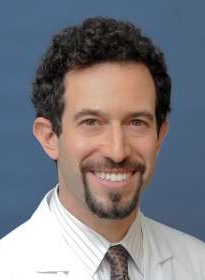 Jonathan Goldman合作论文数Department of Medicine, University of California Los Angeles;Santa Monica Cancer Care, University of California Los Angeles14
 Hak Choy合作论文数Department of Radiation Oncology, UT Southwestern Medical Center14
 Neal Edward Ready合作论文数Department of Medicine, Duke University School of Medicine;Duke Cancer Institute, Duke University14
 Edward Wakeland合作论文数Department of Immunology, University of Texas Southwestern Medical Center14
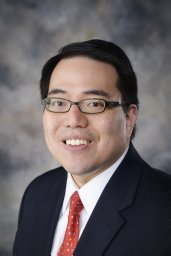 Jason Y. Park合作论文数Department of Pathology and Laboratory Medicine, University of Pennsylvania14Yvonne Gloria-McCutchen合作论文数13
 Matthew Hellmann合作论文数Memorial Sloan Kettering Cancer Center13
 Chul W. Ahn合作论文数Department of Clinical Sciences, School of Public Health, University of Texas Southwestern Medical Center13
 Paul Bunn合作论文数Division of Medical Oncology, Department of Medicine, School of Medicine, University of Colorado Health Sciences Center13
 Shaheen Khan合作论文数13Vinita Popat合作论文数12
 Caitlin C Murphy合作论文数12




