Protein clustering plays numerous roles in cell physiology and disease. However, protein oligomers can be difficult to detect because they are often too small to appear as puncta in conventional fluorescence microscopy. Here, we describe a fluorescent reporter strategy that detects protein clusters with high sensitivity called CluMPS (clusters magnified by phase separation). A CluMPS reporter detects and visually amplifies even small clusters of a binding partner, generating large, quantifiable fluorescence condensates. We use computational modeling and optogenetic clustering to demonstrate that CluMPS can detect small oligomers and behaves rationally according to key system parameters. CluMPS detected small aggregates of pathological proteins where the corresponding GFP fusions appeared diffuse. CluMPS also detected and tracked clusters of unmodified and tagged endogenous proteins, and orthogonal CluMPS probes could be multiplexed in cells. CluMPS provides a powerful yet straightforward approach to observe higher-order protein assembly in its native cellular context. A record of this paper's transparent peer review process is included in the supplemental information.
Drug resistance remains a challenge for targeted therapy of cancers driven by EML4-ALK and related fusion oncogenes. EML4-ALK forms cytoplasmic protein condensates, which result from networks of interactions between oncogene and adapter protein multimers. While these assemblies are associated with oncogenic signaling, their role in drug response is unclear. Here, we use optogenetics and live-cell imaging to find that EML4-ALK assemblies suppress transmembrane receptor tyrosine kinase (RTK) signaling by sequestering RTK adapter proteins including GRB2 and SOS1. Furthermore, ALK inhibition, while suppressing oncogenic signaling, simultaneously releases the sequestered adapters and thereby resensitizes RTK signaling. Resensitized RTKs promote rapid and pulsatile ERK reactivation that originates from paracrine ligands shed by dying cells. Reactivated ERK signaling promotes cell survival, which can be counteracted by combination therapies that block paracrine signaling. Our results identify a regulatory role for RTK fusion assemblies and uncover a mechanism of tolerance to targeted therapies. The EML4-ALK oncogene forms cytoplasmic protein condensates that are associated with its oncogenic signaling. Here, the authors demonstrate that these EML4-ALK assemblies also sequester receptor tyrosine kinase (RTK) adapter proteins suppressing signaling which was reversed upon ALK inhibition, resulting in rapid resensitisation to growth factors and tumor cell survival.
AbstractRecently, targeted degradation has emerged as a powerful therapeutic modality. Relying on “event-driven” pharmacology, proteolysis targeting chimeras (PROTACs) can degrade targets and are superior to conventional inhibitors against undruggable proteins. Unfortunately, PROTAC discovery is limited by warhead scarcity and laborious optimization campaigns. To address these shortcomings, analogous protein-based heterobifunctional degraders, known as bioPROTACs, have been developed. Compared to small-molecule PROTACs, bioPROTACs have higher success rates and are subject to fewer design constraints. However, the membrane impermeability of proteins severely restricts bioPROTAC deployment as a generalized therapeutic modality. Here, we present an engineered bioPROTAC template able to complex with cationic and ionizable lipids via electrostatic interactions for cytosolic delivery. When delivered by biocompatible lipid nanoparticles, these modified bioPROTACs can rapidly degrade intracellular proteins, exhibiting near-complete elimination (up to 95% clearance) of targets within hours of treatment. Our bioPROTAC format can degrade proteins localized to various subcellular compartments including the mitochondria, nucleus, cytosol, and membrane. Moreover, substrate specificity can be easily reprogrammed, allowing modular design and targeting of clinically-relevant proteins such as Ras, Jnk, and Erk. In summary, this work introduces an inexpensive, flexible, and scalable platform for efficient intracellular degradation of proteins that may elude chemical inhibition.
The ability to perform sophisticated, high-throughput optogenetic experiments has been greatly enhanced by recent open-source illumination devices that allow independent programming of light patterns in single wells of microwell plates. However, there is currently a lack of instrumentation to monitor such experiments in real time, necessitating repeated transfers of the samples to stand-alone analytical instruments, thus limiting the types of experiments that could be performed. Here we address this gap with the development of the optoPlateReader (oPR), an open-source, solid-state, compact device that allows automated optogenetic stimulation and spectroscopy in each well of a 96-well plate. The oPR integrates an optoPlate illumination module with a module called the optoReader, an array of 96 photodiodes and LEDs that allows 96 parallel light measurements. The oPR was optimized for stimulation with blue light and for measurements of optical density and fluorescence. After calibration of all device components, we used the oPR to measure growth and to induce and measure fluorescent protein expression in E. coli . We further demonstrated how the optical read/write capabilities of the oPR permit computer-in-the-loop feedback control, where the current state of the sample can be used to adjust the optical stimulation parameters of the sample according to pre-defined feedback algorithms. The oPR will thus help realize an untapped potential for optogenetic experiments by enabling automated reading, writing, and feedback in microwell plates through open-source hardware that is accessible, customizable, and inexpensive.
Drug resistance remains a significant obstacle in the successful treatment of cancer, highlighting the critical need to understand how oncogenes and cancer drugs impact cell physiology and resistance development. EML4-ALK is a receptor tyrosine kinase (RTK) fusion oncogene that drives 3-7% of lung cancer. Despite potent ALK inhibitors, EML4-ALK+ cancers frequently develop resistance during therapy. Recently, it was discovered that EML4-ALK and other RTK fusions form cytoplasmic protein condensates, and that condensate formation was required for oncogenic signaling. However, whether oncogenic condensates play a role in drug responses is unclear. In this study, we applied an optogenetic technique called ‘functional profiling’ to understand how EML4-ALK condensates impact cell signal transmission and drug response. Using light-stimulated RTKs, we found that EML4-ALK condensates strongly suppress signaling through transmembrane RTKs, including through EGFR, a central receptor in resistance development. Strikingly, treatment with ALK inhibitors (ALKi) rapidly restored and hypersensitized RTK signaling. We found that EML4-ALK condensates suppress RTK signals through sequestration of the downstream adapter Grb2, which is essential for signaling through EGFR and other RTKs. The release of Grb2 from condensates resensitized RTKs within 10s of minutes of ALKi addition. Resensitized RTKs, in turn, caused sporadic RTK activation pulses throughout the cell population, and pulses originated from paracrine RTK signals released by apoptotic neighbors. We found that these paracrine signals counteracted ALK inhibitor therapy and promoted survival and drug tolerance. Blocking paracrine signals through co-treatment of ALKi with inhibitors of either EGFR or matrix metalloproteases enhanced cell killing and minimized long-term drug tolerance. Our study uncovers a role for oncogenic condensates in drug resistance signaling, reveals a novel mechanism for oncogene-induced suppression of RTK signaling, and suggests novel co-therapies to more effectively treat cancers driven by EML4-ALK and possibly other RTK fusions. Our work also demonstrates the potential of functional optogenetic profiling for drug discovery to promote cancer therapy. Citation Format: David Gonzalez-Martinez, Lee Roth, Thomas Mumford, Yael Mosse, Asmin Tulpule, Trever Bivona, Lukasz Jan Bugaj. Inhibition of RTK fusion condensates enhances signal perception and promotes drug tolerance [abstract]. In: Proceedings of the American Association for Cancer Research Annual Meeting 2022; 2022 Apr 8-13. Philadelphia (PA): AACR; Cancer Res 2022;82(12_Suppl):Abstract nr 848.
Drug resistance remains a central challenge towards durable cancer therapy, including for cancers driven by the EML4-ALK oncogene. EML4-ALK and related fusion oncogenes form cytoplasmic protein condensates that transmit oncogenic signals through the Ras/Erk pathway. However, whether such condensates play a role in drug response is unclear. Here, we used optogenetics to find that condensates suppress signaling through endogenous RTKs including EGFR. Notably, ALK inhibition hypersensitized RTK signals, which are known to drive resistance. Suppression of RTKs occurred because condensates sequestered downstream adapter proteins that are required for RTK signal transmission. Strikingly, EGFR hypersensitization resulted in rapid and pulsatile Erk signal reactivation, which originated from neighboring apoptotic cells. Paracrine signals promoted survival during ALK inhibition, and blockade of paracrine signals suppressed drug tolerance. Our results uncover a regulatory role for RTK fusion condensates in cancer drug response and demonstrate the potential of optogenetics for uncovering functional biomarkers of cancer cells.
The ability to deliver small protein scaffolds intracellularly could enable the targeting and inhibition of many therapeutic targets that are not currently amenable to inhibition with small-molecule drugs. Here, we report the engineering of small protein scaffolds with anionic polypeptides (ApPs) to promote electrostatic interactions with positively charged nonviral lipid-based delivery systems. Proteins fused with ApPs are either complexed with off-the-shelf cationic lipids or encapsulated within ionizable lipid nanoparticles for highly efficient cytosolic delivery (up to 90%). The delivery of protein inhibitors is used to inhibit two common proto-oncogenes, Ras and Myc, in two cancer cell lines. This report demonstrates the feasibility of combining minimally engineered small protein scaffolds with tractable nanocarriers to inhibit intracellular proteins that are generally considered "undruggable" with current small molecule drugs and biologics.
 Lukasz Bugaj合作论文数Department of Bioengineering, School of Engineering and Applied Science, University of Pennsylvania4
 Thomas R. Mumford合作论文数3Asmin Tulpule合作论文数University of California San Francisco3
 Lee Roth合作论文数Department of Biological Regulation, Weizmann Institute of Science3
 Trever G. Bivona合作论文数Department of Medicine, Cellular and Molecular Pharmacology, University of California, San Francisco/Helen Diller Family Comprehensive Cancer Center, University of California, San Francisco3Juan Guan合作论文数Department of Ophthalmology, The 309th Hospital of Chinese People’s Liberation Army3Alexander Chan合作论文数Lab Mol Biol, NIH2
 Rebecca M Haley合作论文数Dept Bioengn, Univ Penn2
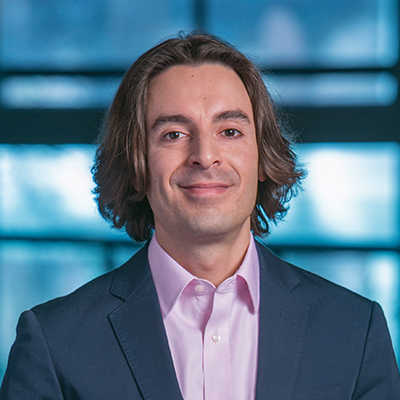 Michael J. Mitchell合作论文数Department of Bioengineering, School of Engineering and Applied Science, University of Pennsylvania2
 Bo Huang合作论文数Huang Lab, Department of Pharmaceutical Chemistry, School of Pharmacy, University of California2
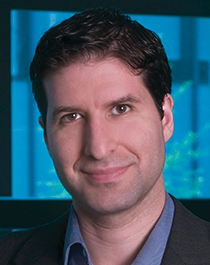 Andrew Tsourkas合作论文数Department of Bioengineering, School of Engineering and Applied Science, University of Pennsylvania2Michael C. Chung合作论文数1Abbas Idris合作论文数1Hejia Henry Wang合作论文数1Gabrielle Leavitt合作论文数1Ayush Aditya Pal合作论文数1Emily Brackhahn合作论文数1Michael Patterson合作论文数1William Benman合作论文数1Diarmid Rae合作论文数1Juliette Hooper合作论文数1
 Sevile Mannickarottu合作论文数1Saurabh Malani合作论文数1Saachi Datta合作论文数1Gabrielle Ho合作论文数1Mohd Altaf Najar合作论文数1George Burslem合作论文数Department of Biochemistry and Biophysics, Perelman School of Medicine, University of Pennsylvania1
 Brian Chow合作论文数Deerfield Management1
 Elizabeth E. Rhoades合作论文数Department of Chemistry, School of Arts & Sciences, University of Pennsylvania1
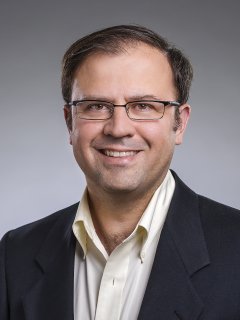 Jose L. Avalos合作论文数Department of Chemical and Biological Engineering, Princeton University;Omenn-Darling Bioengineering Institute, Princeton University1
 Magaraci Michael S合作论文数Department of Bioengineering, University of Pennsylvania1
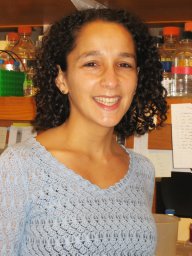 Yael P. Mosse合作论文数The Children’s Hospital of Philadelphia1
 Robert Doebele合作论文数Rain Oncology1




