Background:Most patients in real-world severe asthma populations would not be eligible for biologic randomised controlled trials (RCTs), although observational evidence has confirmed the effectiveness of biologics in real-world populations. We therefore investigated whether satisfying specific RCT inclusion/exclusion criteria affects biologic response in the real world. Methods:Inclusion and exclusion criteria from 11 pivotal phase 3 asthma biologics RCTs were reviewed to identify criteria themes, and median stringency within each characterised. Patients within the UK Severe Asthma Registry (UKSAR) with at least one year of follow-up on biologics were assessed as to whether they would satisfy inclusion/exclusion for each theme. Regression models were undertaken to assess whether the proportion of patients achieving a composite biologic response, defined as a ≥50% reduction in exacerbations or maintenance oral corticosteroids, was noninferior in patients ineligible by each theme. Superiority analyses and domain-specific responses were also analysed. Results:1421 adult patients with severe asthma from 13 specialist centres were included in this analysis. Noninferiority of composite response was demonstrated for all eligibility criteria except medication adherence. In superiority analyses, patients ineligible by adherence theme had a significantly lower odds ratio (OR) for composite response of 0.37 (95% CI 0.20-0.68), whilst patients ineligible by (low) baseline asthma symptom score had a significantly higher OR for response of 2.09 (1.31-3.32). Conclusions:Ineligibility by typical RCT inclusion/exclusion themes was generally not associated with inferior biologic composite response. Asthma biologics are effective in a broad range of patients, many of whom would not have met clinical trial eligibility criteria.
BACKGROUND:Long-acting muscarinic antagonists (LAMA) can be added to inhaled corticosteroid- (ICS)-long-acting β2-agonist (LABA) therapy for inadequately controlled asthma. We aimed to evaluate the efficacy and safety of budesonide-glycopyrronium-formoterol fumarate dihydrate (BGF) versus budesonide-formoterol fumarate dihydrate using Aerosphere co-suspension delivery technology (BFFA) and the current suspension formulation (Symbicort, BFFS). METHODS:Two multicentre, randomised, double-blind, double-dummy, phase 3 studies (KALOS and LOGOS) recruited participants aged 12-80 years with inadequately-controlled asthma despite daily medium-dose or high-dose ICS-LABA use from across 378 sites in 20 countries (KALOS), and 324 sites in 15 countries (LOGOS). Participants were randomly assigned (1:1:1:1) to BGF 320 μg, 28·8 μg, 10 μg (BGF 28·8); BGF 320 μg, 14·4 μg, 10 μg (BGF 14·4); BFFA 320 μg, 10 μg; or BFFS 320 μg, 9 μg, twice a day via pressurised metered-dose inhaler for 24-52 weeks. Primary lung function endpoints were change from baseline in FEV1 area under the curve from 0 h to 3 h (AUC0-3) and in morning pre-dose trough FEV1 from day 1 to week 24 (over 24 weeks; depending on regional health authority guidance). The primary pooled analysis across both studies was annualised severe exacerbations. The efficacy analysis set and safety set included all randomly assigned participants receiving any amount of study treatment but were analysed according to randomly assigned treatment and received treatment, respectively. The KALOS and LOGOS studies are registered with ClinicalTrials.gov (NCT04609878 and NCT04609904, respectively) and are complete. FINDINGS:Between Dec 15, 2020, and March 21, 2025 (KALOS), and between March 1, 2021, and March 20, 2025 (LOGOS), 8820 participants were recruited and 4311 received treatment (1179 received BGF 28·8, 726 received BGF 14·4, 1210 received BFFA, and 1196 received BFFS). In each study, the pre-specified multiplicity-adjusted primary endpoints for all regulatory comparisons were met. Least squares mean differences favoured BGF 28·8 for change from baseline in trough FEV1 and FEV1 AUC0-3 across all comparisons (all p<0·05). Least squares mean differences in change from baseline in morning pre-dose trough FEV1 and in FEV1 AUC0-3 over 24 weeks for BGF 28·8 versus BFFcombined were 76 mL (95% CI 57-94; p<0·0001) and 90 mL (72-108; p<0·0001), respectively. BGF 28·8 reduced severe exacerbation rates versus BFFcombined (incidence rate ratio 0·86, 95% CI 0·76-0·97; p=0·012) and versus BFFS (0·82, 0·71-0·94; p=0·0043). Exacerbation rate ratio for BGF 28·8 versus BFFA was 0·90 (95% CI 0·78-1·03; p=0·12). 627 (53·2%) adverse events were observed with BGF 28·8, 436 (60·0%) with BGF 14·4, 666 (55·2%) with BFFA, and 698 (58·4%) with BFFS. No deaths were treatment related. INTERPRETATION:These findings show that BGF improves lung function and reduces severe exacerbation rates in a broad population with asthma inadequately controlled despite medium-dose or high-dose ICS-LABA use. Given that these findings were observed regardless of recent exacerbation history, BGF could benefit individuals with inadequately controlled asthma without requiring a recent episode of acute deterioration on ICS-LABA before escalation. FUNDING:AstraZeneca.
BACKGROUND:The way in which risk predictors combine and contribute to severe asthma exacerbations may differ between clinical trials and real-world settings. RESEARCH QUESTION:How do the interactive pathways of risk predictors leading to severe asthma exacerbations compare under clinical trials vs real-world settings? STUDY DESIGN AND METHODS:The analysis involved 345 patients with severe asthma from the placebo arms of 2 international randomized controlled trials (RCTs), compared with 6,814 biologic-naïve patients from the International Severe Asthma Registry (ISAR). Sixteen key risk predictors, including demographics, biomarkers, lung function, health care use, exacerbation history, long-term oral corticosteroid use, asthma control, and nasal polyps, were covered. The outcome was the occurrence of severe asthma exacerbations over the 365 days after study enrollment. Bayesian networks (BNs), obtained from machine learning combined with expert knowledge, elucidated significant interplay processes of risk predictors that led to severe asthma exacerbations. External validation was performed in each cohort. RESULTS:The RCTs revealed 44 significant arcs (ie, probabilistic interdependency) between 16 risk factors, whereas the ISAR showed 170. Despite this difference, the main downstream prediction pathways were consistent across both settings, with 2 key pathways: total serum IgE level influenced blood eosinophils to predict future severe exacerbations, and severe exacerbation history directly predicted future severe exacerbations. In external validation, RCT-BN generalized well to ISAR patients (area under the receiver operating characteristic curve, 0.68), whereas ISAR-BN underperformed in RCT patients (area under the receiver operating characteristic curve, 0.50), and ISAR-BN demonstrated better calibration. INTERPRETATION:Our results show that the core pathways predicting severe asthma exacerbations were similar in both RCTs and real-world settings, with comparable predictive performance.
Purpose:Time to biologic initiation for the treatment of severe asthma (SA) is affected by many factors, including ease of access to biologics, which is often subject to approval by regulatory authorities and reimbursement criteria by relevant agencies. We investigated the association between ease of biologic access (using the biologic accessibility score [BACS] as a proxy) and post-biologic asthma outcomes, including remission. Methods:This ecological study, using data from CHRONICLE (a US severe asthma registry), the International Severe Asthma Registry (ISAR), and the Optimum Patient Care Research Database (OPCRD), included patients with SA from 21 countries. Associations at the country level, between BACS, a composite score of prescription criteria for biologics in SA, and the proportion of patients with a favorable asthma outcome 1-year post-biologic in each setting (ie ISAR country or in the CHRONICLE or OPCRD datasets) were tested. Several definitions of favorable outcome were used, including proportion of patients who achieved clinical remission (defined using 2, 3 and 4 domains), experienced no exacerbations, had well- or partly controlled asthma, a percent predicted forced expiratory volume in 1 second (ppFEV1) or percent predicted peak expiratory flow rate (ppPEFR) ≥80%, and no long-term oral corticosteroid (LTOCS) use. Results:A total of 9,183 patients were included. A higher BACS (as a proxy of easier access to biologics) was associated with a higher likelihood of achieving clinical remission (p≤0.001), no exacerbations (p<0.001), well- or partly controlled asthma (p=0.047), a ppFEV1 or ppPEFR ≥80% (p=0.004), and no need for LTOCS (p=0.045) 1 year post-biologic initiation. Conclusion:Easier access to biologics for patients with SA, a prerequisite for shorter time-to-initiation, was associated with a greater probability of achieving clinical remission and other favorable asthma outcomes. Initiating biologics earlier in the asthma disease course may help unlock greater therapeutic potential in SA. These findings warrant confirmation in additional studies to further establish the causal relationship between biologic accessibility, timing of initiation, and clinical outcomes in SA.
BACKGROUND:Severe asthma (SA) is associated with frequent exacerbations and high treatment costs. OBJECTIVES:To develop and validate an individualized risk calculator for severe exacerbations in SA, and evaluate its clinical utility for guiding personalized clinical decisions. METHODS:Patients with SA were identified from combined data from the International Severe Asthma Registry (2015-2022) and NOVEL observational longiTudinal studY (2016-2023) across 30 countries and regions. The prediction end point was the 12-month risk of 1 or more or 2 or more severe exacerbations. Using expert input and Bayesian network analysis, 11 routinely measured predictors were identified, measured within the past 12 months. A mixed-effects, zero-inflated negative binomial model was developed, adjusting for between-country variability and biologic drop-in effects. Internal-external cross-validation was performed using the natural clustering by country settings. RESULTS:Data from 9911 patients with SA were used. Essential predictors included age, sex, past 12-month severe exacerbations, asthma control, chronic rhinosinusitis, FEV1 to forced vital capacity ratio, percent predicted FEV1, blood eosinophils, fractional exhaled nitric oxide, and long-term oral corticosteroid and macrolide use. The model also adapted setting-specific baseline risks. In the internal-external cross-validation, across broad geographical and health care variability, the model showed excellent calibration and informative, generalizable discrimination (pooled area under the time-dependent receiver-operating characteristics curve of 0.63 [95% CI, 0.60-0.66] for ≥1 and 0.68 [95% CI, 0.64-0.72] for ≥2 exacerbations). Decision curve analysis showed clear net benefit across risk thresholds. CONCLUSIONS:The Risk of Exacerbation in Severe Asthma model quantifies SA exacerbation risk using routinely available predictors and demonstrates potential clinical utility.
BACKGROUND:Multiple clinical and inflammatory risk factors for asthma attacks have been identified, including attack history, comorbidities, blood eosinophil count (BEC), and exhaled nitric oxide (Feno). However, the impact of sex on their prognostic value is unclear. RESEARCH QUESTION:Does sex modify prognostic values of clinical characteristics, BEC, and Feno for severe asthma attacks? STUDY DESIGN AND METHODS:We conducted a patient-level meta-analysis of the control arms of 22 randomized asthma trials (Oxford Asthma Attack Risk Scale Meta-Analysis [ORACLE2], N = 6,510). Annualized severe asthma attack rates and (adjusted) rate ratios (aRRs) (95% CI) were estimated with sex-specific multivariable negative binomial models, adjusting for baseline demographics, clinical characteristics, and type 2 biomarkers (BEC and Feno). Interaction tests evaluated the influence of sex on other prognostic factors. RESULTS:Among 4,140 female and 2,370 male patients, crude attack rates were higher in female patients than in male patients (0.90 vs 0.74 attacks/patient-year). Prior asthma attacks were the strongest predictor of future attacks in both sexes but with a higher aRR in male individuals (aRR [95%CI], 2.76 [1.97-3.88]) than in female individuals (1.66 [1.33-2.06]; interaction P = .03). In contrast, the prognostic utility of treatment intensity, BMI, lung function, smoking status, comorbidities, and type 2 biomarkers was similar in male and female individuals. The highest risk was seen in the combined high-BEC/high- Feno groups for both sexes. INTERPRETATION:To our knowledge, this study is the first patient-level meta-analysis of prospectively collected clinical trial data to evaluate sex as a modifier of prognostic factors for asthma attacks. The overall annualized asthma attack rate was higher in female than male individuals. Prior attack history had stronger prognostic value for future attacks in male individuals, whereas other clinical risk factors and type 2 biomarkers (blood eosinophils and Feno) showed no major sex differences. These findings highlight that female individuals without prior attacks may face increased risk, and they have important implications for clinical research and practice.
Rationale: Eosinophilic granulomatosis with polyangiitis (EGPA) is a multisystem vasculitis characterized by peripheral and tissue eosinophilia. Randomised controlled trials with the anti-IL5/5R biologic therapies mepolizumab and benralizumab have confirmed the efficacy of these therapies for EGPA. However, the ability to use the blood eosinophil count (BEC) as a biomarker of disease activity in patients on these therapies is lost given the near-complete depletion of BEC. Fractional exhaled nitric oxide (FeNO) is an alternative biomarker of eosinophilic airways inflammation in asthma but its utility in EGPA is unknown. Methods: We performed an analysis of patients with EGPA treated with benralizumab at the regional EGPA unit at Guy's Hospital, London, UK. Patients were included if they had experienced a relapse whilst on treatment with benralizumab. BEC, FeNO and serum IL-5 measurements were collected at three time-points: baseline, relapse, and recovery. The baseline assessment reflected the clinic visit prior to the relapse and the recovery visit represented the subsequent clinical assessment. Parametric and non-parametric variables were compared using paired t test and Wilcoxon test, respectively. Two-tailed values of p<.05 were considered statistically significant. Results: Thirty-five patients with EGPA (female 46%, mean age 48.7±12.0 years) who had experienced at least one relapse whilst on treatment with benralizumab were included. A total of 46 relapses were recorded. Median (IQR) FeNO at baseline, relapse and recovery was 50 (29-116), 82.5 (45-153) and 52.0 (31-88) ppb respectively, with a significant increase and reduction before and after the relapse (both p<0.01)(figure 1). The median (IQR) BEC did not change during the EGPA relapses and remained fully suppressed at 0.0 (0.0-0.0) cells/µL. Serum IL-5 (n=24) at baseline, relapse and recovery was 9.5 pg/mL (2.9-16.6), 14.9 pg/mL (5.6-40.2) and 9.38 (2.5-19.4) pg/mL respectively, with a significant increase at relapse compared to baseline (p<0.01). A significant correlation was observed between serum IL-5 and FeNO levels (r=0.38, p<0.01). Conclusions: This analysis highlights a previously unreported role of FeNO as a novel biomarker of disease activity in EGPA with levels correlating with serum IL-5. This is particularly important given the loss of the BEC as a disease biomarker in patients established on anti-IL5/5R treatment. Mechanistically, our findings point to clinically relevant activation of type 2 inflammatory pathways during EGPA relapses even when the BEC remains low and highlights the potential need for additional T2 targeted therapies for patients who fail to achieve clinical remission with anti-IL5/5R therapies.
Rationale:Eligibility for biologic therapy in severe asthma varies internationally because government-funded schemes apply stricter criteria than pivotal trials. While relaxing eligibility thresholds may expand access, the effects on prevalence and healthcare costs remain uncertain. Objective:To quantify how alternative biologic eligibility criteria affect prevalence, clinical characteristics, and budget impact in adults with asthma. Methods:We studied adults with active asthma (2004-2021) using nationally representative primary care and hospital records. Biologic eligibility was assessed yearly using asthma severity (inhaled corticosteroid dose, additional controllers, rescue therapy) and exacerbations (oral corticosteroid prescriptions, emergency visits and hospitalisations). We assessed prevalence using United Kingdom (UK) criteria (severe asthma, ≥3 exacerbations), Global criteria (severe asthma, ≥1 or ≥2 exacerbations) and RCT criteria (moderate asthma, ≥1 or ≥2 exacerbations). Anti-IL-5/5Rα eligibility was evaluated using blood eosinophil counts. Budget impact was modelled over 5 years. Results:Among 1,306,307 asthma patients, 7.2% had severe asthma. Under UK criteria, 19,093 patients were biologic-eligible (20.4% of severe asthma; 1.5% of all asthma). Global criteria increased eligibility to 2.4% (≥2 exacerbations) to 4.3% (≥1 exacerbation), while RCT criteria expanded eligibility to 4.7% (≥2 exacerbations) and 9% (≥1 exacerbation). Among patients with eosinophil data, 38-45% met anti-IL-5/5Rα criteria. UK-eligible patients had higher prevalence of lower respiratory tract infections, pneumonia, and bronchiectasis. Five-year costs were £261 M under UK criteria, £436-767 M under Global criteria, and £878M-1.6B under RCT criteria. Conclusion:Only one-fifth of patients with severe asthma met UK biologic eligibility. Global criteria tripled eligibility and RCT criteria increased it six-fold, with substantial budget implications.
Introduction:The efficacy of twice-yearly depemokimab was demonstrated in the Phase III SWIFT-1/-2 trials for type 2 asthma characterized by blood eosinophils, and ANCHOR-1/-2 trials for chronic rhinosinusitis with nasal polyps (CRSwNP). Up to 40% of patients with severe asthma are estimated to have comorbid CRSwNP, an overlap associated with increased disease burden. Depemokimab may therefore offer meaningful clinical benefit in this subpopulation. This analysis evaluated the efficacy of depemokimab in patients with type 2 asthma and comorbid CRSwNP using pooled data from SWIFT-1/-2. Methods:Patients with type 2 asthma were randomized 2:1 to receive depemokimab 100 mg subcutaneously or placebo, plus standard of care, every 26 weeks for 52 weeks. Pre-specified outcomes included annualized exacerbation rates over 52 weeks, and St George's Respiratory Questionnaire (SGRQ) and Asthma Control Questionnaire-5 (ACQ-5) scores over 52 weeks, analyzed by baseline comorbid CRSwNP subgroup. Results:In the asthma with CRSwNP subgroup, the annualized rate of exacerbations over 52 weeks was lower in patients who received depemokimab [0.51 (95% CI: 0.34, 0.75); n = 80] vs. placebo [1.61 (95% CI: 0.99, 2.60); n = 33], with a rate ratio (95% CI) of 0.31 (0.17, 0.58). Additionally, an improvement in least squares (LS) mean SGRQ total score in the depemokimab group vs. placebo was noted after 4 weeks of treatment [-7.12-point difference (95% CI: -13.41, -0.83)] which was sustained up to 52 weeks [-8.32-point difference (95% CI: -15.77, -0.88)] in the asthma with CRSwNP subgroup. Similarly, an improvement from baseline in LS mean ACQ-5 score was noted with depemokimab vs. placebo after 2 weeks of treatment [-0.40-point difference (95% CI: -0.79, -0.01)], which was maintained up to 52 weeks [-0.76-point difference at (95% CI: -1.23, -0.28)] in the asthma with CRSwNP subgroup. Discussion:Twice-yearly depemokimab reduced annualized exacerbation rates and demonstrated greater improvements in SGRQ and ACQ-5 scores vs. placebo in patients with type 2 asthma and comorbid CRSwNP. These improvements were greater than those reported in the overall SWIFT-1/-2 population. These findings identify that type 2 asthma with CRSwNP is a clinically recognizable phenotype that is likely to have enhanced benefit with depemokimab therapy. Clinical trial identifiers:NCT04719832/NCT04718103.
The UK Severe Asthma Registry (UKSAR) was established to facilitate research and quality improvement including performance monitoring across UK severe asthma centres. We here describe its development and refinement for the latter of those objectives. The selection of performance outcome measures for severe asthma clinical outcomes from clinician and patient perspectives, data collection and assessment of clinical variation across severe asthma centres is described. We report on the aim of UKSAR to assess for unwarranted clinical variation in those clinical outcomes between severe asthma centres and discuss the utility of UKSAR and associated registry meetings in addressing clinical variation and providing optimal severe asthma care. After stakeholder consultation, outcomes measures relating to exacerbations, oral corticosteroid exposure, asthma control and quality of life were selected with appropriate case-mix adjustment to help identify unexplained clinical variation. The registry data fields were then modified to collect the required data. Twice-yearly meetings of the registry steering committee were held to discuss data quality. Over 2018–2025 the number of participating centres increased from 17 to 42. To date, baseline data have been entered for 18 473 patients, with data meeting the agreed quality threshold for 12 792 patients. Analysis of variation in outcomes between centres, after case-mix adjustment and allowing for effect of centre size, shows relatively few examples of significant variation in outcomes between centres. Best-practice case studies from high-performing centres are presented. Twice-yearly discussion at registry meetings, attended by representatives from each severe asthma centre, of outcome measures and related research, together with sharing of best practice may explain the relatively low variation in clinical outcomes between centres. However, a limitation of UKSAR is that it cannot evaluate the presence and clinical impact of ‘hidden’ severe asthma not known to specialist services.
BACKGROUND:Benralizumab, an interleukin-5 receptor α antagonist, depletes blood eosinophils, reducing exacerbations of severe asthma by approximately 50% versus placebo. In this study, we aimed to characterise mechanisms underlying exacerbations occurring on benralizumab. METHODS:BenRex, a multicentre, prospective cohort study, recruited participants meeting national licensing criteria for benralizumab for asthma. The study was conducted in 15 UK severe asthma centres. After collecting baseline data, open-label benralizumab was administered for 12-18 months. At exacerbation, participants attended for medical review before initiating treatment, fractional exhaled nitric oxide (FeNO), spirometry, asthma control questionnaire, and blood and sputum sampling. FINDINGS:Between Sept 30, 2019, and April 23, 2024, 121 exacerbation events were assessed in 156 individuals. 90 participants (58%) were female and 66 (42%) were male; 147 (94%) of participants identified as White. Median blood eosinophil counts at exacerbation were 0 (IQR 0-0) cells per μL. Airway neutrophilia was present in 55% of exacerbations where sputum was available (27/49). Median C-reactive protein (CRP) increased from 3·00 mg/L (1·00-6·00) at baseline to 9·00 mg/L (3·00-17·00) at exacerbation (p=0·0067). Clinically relevant viral pathogens were seen in eight (20·5%) of 39 sputum samples; although viruses were detected in 22 (56·4%) of 39 samples. Influenza A, metapneumovirus, and rhinovirus were the most common viral pathogens (each found in 2 [5·1%] of 39 samples). New acquisition of Moraxella catarrhalis (3 [13·6%] of 22), Haemophilus influenzae (4 [18·2%] of 22), and Streptococcus pneumoniae (2 [9·1%] of 22) occurred. DNA-neutrophil elastase complexes (p=0·0080) and azurocidin-1 (p=0·012) concentrations rose from baseline to exacerbation. FeNO was ≥50 parts per billion in 56 (50·5%) of 111 assessed exacerbations and was associated with reduced odds of bacterial detection. FeNO did not correlate with CRP or sputum neutrophils. INTERPRETATION:Our findings suggested that eosinophilic inflammation is not involved in exacerbations when a patient is being treated with benralizumab. Airway neutrophilia, viral pathogens, and alteration of the sputum microbiome point to infection as the most prominent causes of exacerbations. This observation should improve precision management of asthma exacerbations occurring despite treatment with benralizumab. FUNDING:AstraZeneca.
BACKGROUND:Depemokimab, the first ultra-long-acting biologic with enhanced IL-5 binding affinity, high inhibition potency, and extended half-life, enables twice-yearly dosing in patients with asthma. In phase III SWIFT-1/-2 trials, depemokimab significantly reduced the annualized exacerbation rate by 54% versus placebo with sustained suppression of inflammation assessed by blood eosinophil count in type 2 asthma. OBJECTIVE:To evaluate the onset and duration of depemokimab efficacy across each 26-week dosing period in the pooled SWIFT-1/-2 population and identify patient characteristics associated with enhanced clinical response. METHODS:Patients with type 2 asthma, independent of Asthma Control Questionnaire-5 (ACQ-5) status, were randomized 2:1 to receive depemokimab 100 mg subcutaneously or placebo every 26 weeks for 52 weeks. Prespecified end points included time to first exacerbation, St George's Respiratory Questionnaire total score, ACQ-5 score, Asthma Nighttime Symptom Diary weekly score, Asthma Daytime Symptom Diary weekly score, and rescue medication use over time. We conducted post hoc subgroup analyses by baseline characteristics. RESULTS:Depemokimab reduced the probability of first exacerbation over 52 weeks versus placebo by 46% (hazard ratio = 0.54; 95% CI, 0.43-0.69), with effects from week 4 sustained across both dosing periods. Annualized exacerbation rate reductions were most pronounced in patients with asthma disease duration less than 10 years, comorbid chronic rhinosinusitis with nasal polyps, and medium-dose inhaled corticosteroids (ICS) at baseline. Across each dosing period, depemokimab also improved St George's Respiratory Questionnaire, ACQ-5, Asthma Nighttime Symptom Diary, and Asthma Daytime Symptom Diary scores, particularly in patients with baseline ACQ-5 scores of 1.5 or greater, with sustained improvements in rescue medication. CONCLUSION:Early and sustained efficacy with depemokimab was observed across 26-week dosing periods in type 2 asthma, with enhanced benefits in patients with shorter disease duration who had not progressed to high-dose ICS.
 Liam Heaney合作论文数School of Sport, Exercise and Health Sciences, Loughborough University101
 Michael E. Wechsler合作论文数Division of Pulmonary, Critical Care & Sleep Medicine, Department of Medicine, National Jewish Health;The Cohen Family Asthma Institute, National Jewish Health88
 Jaideep Dhariwal合作论文数83
 Grainne D'Ancona合作论文数Institute of Pharmaceutical Science, King's College London;Pharmacy Department, Guy's and St Thomas, NHS Foundation Trust;Institute of Pharmaceutical Science, King's College London81
 Cris Roxas合作论文数72
 John Busby合作论文数70M. Fernandes合作论文数66Kent Brian D合作论文数57
 Ian Pavord合作论文数Nuffield Department of Medicine, University of Oxford;Oxford University Hospitals;St Edmund Hall, University of Oxford53
 Sebastian Johnston合作论文数Faculty of Medicine, Imperial College London50L Thomson合作论文数48Rekha Chaudhuri合作论文数Institute of Infection, Immunity & Inflammation, University of Glasgow47
 David Price合作论文数School of Medicine, Medical Sciences and Nutrition, University of Aberdeen;Centre for Academic Primary Care, University of Aberdeen;Optimum Patient Care;Respiratory Effectiveness Group;Observational & Pragmatic Research Institute;European Respiratory Society47
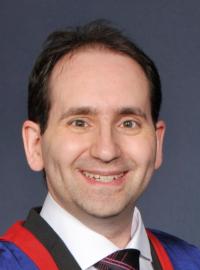 Paul Pfeffer合作论文数Department of Respiratory Medicine, Barts Health NHS Trust;William Harvey Research Institute, Queen Mary University of London46Menzies-Gow Andrew N合作论文数46
 Jorge Maspero合作论文数Fundacion Cidea46
 The Trung Tran合作论文数44Joanne Kavanagh合作论文数St Thomas Hosp, Asthma UK Ctr42
 James (Jim) Gern合作论文数Division of Allergy, Immunology & Rheumatology, Department of Pediatrics, School of Medicine and Public Health, University of Wisconsin-Madison42
 Chin Kook Rhee合作论文数Division of Pulmonology, Department of Internal Medicine, College of Medicine, The Catholic University of Korea;Seoul St. Mary’s Hospital, The Catholic University of Korea40
 Enrico Heffler合作论文数39L. Green合作论文数39Victoria Carter合作论文数Optimum Patient Care38
 Mark Hew合作论文数38
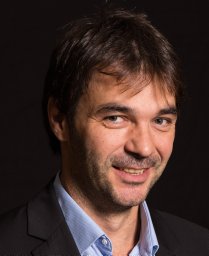 Arnaud Bourdin合作论文数Arnaud de Villeneuve Hospital;Département de Pneumologie et Addictologie PhyMedExp, University of Montpellier, INSERM U1046, CNRS UMR 921438
 Borja Cosio合作论文数37Alexandra M Nanzer合作论文数37
 Alexandra Nanzer合作论文数35
 Robert F Lemanske合作论文数Department of Pediatrics, University of Wisconsin School of Medicine and Public Health34
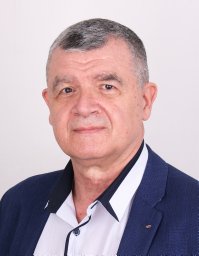 Todor Popov合作论文数National Center of Public Health Protection34
 Eileen Wang合作论文数33
 Adel H Mansur合作论文数Department of Respiratory Medicine, University Hospitals Birmingham NHS Foundation Trust31
 Nikos Papadopoulos合作论文数University of Athens;University of Manchester31
 Mohsen Sadatsafavi合作论文数Faculty of Pharmaceutical Sciences, The University of British Columbia31
 Luis Alejandro Perez De Llano合作论文数Hospital Universitario Lucus Augusti30Andrew N Menzies-Gow合作论文数29Riyad Al-Lehebi合作论文数Coll Med, Alfaisal Univ29
 Désirée Larenas-Linnemann合作论文数Clínica de Excelencia en Alergia y Asma;Center of Excellence in Asthma and Allergy Larenas, Hospital Médica Sur28Mahboub Bassam合作论文数Sleep Disorders Center, Rashid Hospital28
 Giorgio Walter Canonica合作论文数Humanitas University;Personalised Medicine, Asthma and Allergy Centre, Humanitas Research Hospital Institute for Research, Hospitalization and Health Care28Carlos a Torresduque合作论文数28
 Richard Costello合作论文数Department of Medicine, Royal College of Surgeons in Ireland28Takashi Iwanaga合作论文数28
 Mariko Koh合作论文数Department of Respiratory and Critical Care Medicine, Singapore General Hospital28
 Mona Al Ahmad合作论文数27
 Michael R Edwards合作论文数26
 Neil Martin合作论文数NASA Marshall Space Flight Center26Celine Bergeron合作论文数From the Meakins-Christie Laboratories, McGill University24
 Celeste Porsbjerg合作论文数H:S Bispebjerg Hospital, University Hospital of Copenhagen24




