Abstract Introduction: Soft tissue sarcomas (STS) are rare mesenchymal tumors with substantial clinical complexity. Although tumor size, grade, and histology are established prognostic factors, socioeconomic status (SES) and geographic access to specialized care may also influence outcomes. Prior studies in multiple cancers show that socioeconomic disadvantage and longer travel distances can delay treatment and worsen prognosis. High-volume sarcoma centers offer multidisciplinary management that improves survival, yet SES-related barriers may still affect access. This study evaluates the impact of SES, travel distance, treatment patterns, and survival outcomes among STS patients treated at a high-volume tertiary center. Methods: A retrospective cohort of 364 patients with primary STS treated over 20 years at a single tertiary center was analyzed. Patients with metastatic disease at diagnosis, incomplete treatment data, or inadequate follow-up were excluded, leaving 357 eligible patients. SES was measured using the Area Deprivation Index (ADI) and classified as high (ADI 8-10) or low (0-7) deprivation. Travel distance was calculated using the Haversine formula. Kaplan-Meier analyses assessed overall survival (OS), progression-free survival (PFS), and distant metastasis-free survival (DMFS). Logistic regression evaluated factors associated with wound complications. Results: No significant differences were found in OS (p=0.2), PFS (p=0.3), DMFS, or wound complications (p=0.1) between high- and low-ADI groups. Treatment patterns were similar, including adjuvant chemotherapy (8.9% vs. 8.7%, p=1.000) and radiation (10.7% vs. 11.8%, p=1.000). High-ADI patients traveled slightly farther (median 24.8 vs. 18.5 miles), but this modest increase was not associated with differences in treatment delivery or outcomes. On multivariate analysis, tumor grade, age, and Karnofsky Performance Status predicted OS. Conclusion: Despite marginally longer travel distances, socioeconomically disadvantaged patients had comparable treatment patterns and survival outcomes to more advantaged patients. The small travel difference did not impede access to multidisciplinary sarcoma care. High-volume tertiary centers may help mitigate SES-related disparities by providing equitable, standardized treatment across diverse populations. Citation Format: Cordero Lee McCall, Janelle Cordero, Meena Bedi, David King. Impact of socioeconomic status and travel distance on treatment outcomes in soft tissue sarcoma: A retrospective analysis from a high volume tertiary care center [abstract]. In: Proceedings of the American Association for Cancer Research Annual Meeting 2026; Part 1 (Regular Abstracts); 2026 Apr 17-22; San Diego, CA. Philadelphia (PA): AACR; Cancer Res 2026;86(7 Suppl):Abstract nr 907.
Composite soft tissue reconstruction of the knee poses a great challenge. At our institution, we have employed free anterolateral thigh (ALT) flaps with vascularized fascia lata (vFL) for reinforcing or reconstructing extensor mechanism. Herein, we evaluated complications and outcomes in these patients. A retrospective chart review was performed, including individuals who underwent soft tissue free flap reconstruction of the knee from 01/01/2015 to 12/31/2022 at our institution. We analyzed each patient's clinical history, peri-, and postoperative details. Analysis was performed using Excel. Twenty-three patients were included: 82.6% men, median age 62 years, median BMI 31.4 kg/m2. Defects were caused by trauma (30.4%), tumor (30.4%), and infection (39.1%). Notably, 52.2% of patients had previous extensor mechanism injury with attempted repair. Moreover, 52.2% failed a prior soft tissue reconstruction, most commonly a pedicled gastrocnemius flap (91.7%). Course was commonly complicated by deep soft tissue or joint infection (69.2%). Patients underwent free ALT flaps; in 17 patients vFL was used for reinforcement of an attenuated extensor mechanism, and in 6 patients, the vFL component was used to bridge an extensor mechanism gap. One patient experienced full flap loss owing to venous thrombosis. Treatable complications were common: 26.1% major wound complications, 26.1% minor wound complications, and 17.4% donor site complications. Notably, 95.7% of patients were ambulatory following reconstruction with 91.7° of mean active range of knee flexion and extensor lag of 14.4°. Free ALT flap with vFL is an effective limb salvage reconstruction option for large, composite soft tissue defects of the knee and extensor mechanism, often in the setting of chronic infection. Although complications are common, total flap loss is rare, and it can be expected to restore functional range of motion and ambulation.
Background Mortality for patients with pelvic fracture with hemorrhagic shock ranges from 21% to 57%. ResQFoam administered intra-abdominally has previously been shown to provide a survival benefit in large-animal models of abdominal exsanguination. It also significantly decreased mortality in models of retroperitoneal hemorrhage with complex pelvic fracture when deployed in the preperitoneal space. We hypothesized that percutaneously administered ResQFoam into the abdominal cavity could decrease mortality in exsanguinating pelvic hemorrhage.Methods Using non-coagulopathic Yorkshire swine, the injury model consisted of a unilateral, closed-cavity retroperitoneal vascular hemorrhage (with intraperitoneal communication) combined with a complex pelvic fracture. After the injury, animals received fluid resuscitation alone (control, n=14), fluid resuscitation with ResQFoam deployed in the preperitoneal pelvic space (n=10), or fluid resuscitation with ResQFoam deployed intra-abdominally (n=10). Hemodynamic monitoring was continued for 3 hours or until death.Results Intra-abdominal and preperitoneal use of ResQFoam provided a similar significant survival benefit compared with controls. The median survival times for the intra-abdominal and preperitoneal ResQFoam groups were 87 and 124 min, respectively, compared with 17 min for the control group (p=0.008 and 0.002, respectively). The survival rate at 3 hours was 40% for both ResQFoam groups compared with 0% in controls (p=0.020). There was no significant difference in the median survival time or overall survival curves between the two ResQFoam groups (p=0.734 and p=0.975, respectively). Both ResQFoam groups stabilized mean arterial pressure and significantly reduced hemorrhage rate. The average hemorrhage rate in control animals was 4.9±4.6 g/kg/min compared with 0.6±0.6 g/kg/min and 0.5±0.5 g/kg/min in the intra-abdominal (p=0.008) and preperitoneal (p=0.002) ResQFoam groups, respectively.Conclusions Similar survival benefit and hemorrhage control were achieved with ResQFoam in the treatment of exsanguinating pelvic hemorrhage with complex pelvic fracture whether it was administered preperitoneally or intra-abdominally. Thus, ResQFoam can be administered intra-abdominally to treat either abdominal or pelvic hemorrhage.Level of evidence Not applicable (animal study).
IntroductionCementation (sacroplasty) with or without ablation has been shown to improve pain and function for patients with sacral metastatic disease. Percutaneous screw fixation with sacroplasty (PSFS) may provide superior outcomes in select patients.MethodsThirty patients with sacral metastases who underwent sacroplasty with or without ablation and screw fixation at a single institution were retrospectively reviewed. Patients were compared based on treatment (PSFS or sacroplasty alone) and fracture status (pathological or impending) with an ANCOVA. Traumatic fractures were excluded. Patients were followed for 4.4 months on average (range, 2 weeks to 36.5 months). Functional outcomes were assessed using the Musculoskeletal Tumor Society (MSTS) score. The rate of secondary procedures as well as changes in narcotic usage were noted.ResultsPatients with pathological fractures who underwent PSFS demonstrated increased postoperative MSTS scores compared to those who underwent sacroplasty (51% ± 19 versus 25% ± 13, p = 0.005). Patients with impending pathological fractures who underwent PSFS did not demonstrate statistically significant increased postoperative MSTS scores compared to those who underwent sacroplasty alone (38% ± 17 versus 32% ± 12, p = 0.72).DiscussionPSFS may provide additional benefit for patients with pathological fractures, while sacroplasty alone may be sufficient for those with impending pathologic fractures secondary to sacral metastatic disease. This study was limited by its retrospective design and sample size; however, the results may aid in treatment indications for sacral metastases and guide further research Level of Evidence Level III, Therapeutic Study.
INTRODUCTION: For patients with locally advanced oesophagogastric cancer, the standard of care in the UK is neoadjuvant chemotherapy (NAC) followed by surgery. Prehabilitation exercise can improve physiological function and fitness. As no studies have assessed tumour infiltrating lymphocyte (TIL) responses in humans during NAC undergoing prehabilitation, we aimed to determine whether prehabilitation increased TILs. METHODS: We enrolled 22 patients with locally advanced oesophageal cancer on a randomised control trial comparing 16 weeks of low-to-moderate intensity twice weekly supervised and thrice weekly home-based exercise (Prehab: N=11) to no prehabilitation (Control: N=11). We analysed peak cardiorespiratory fitness (VO2peak) before NAC, after 8 weeks of NAC (Post-NAC) and following 8 weeks of NAC recovery before surgery (Pre-Surgery). We assessed tumours by high-resolution multispectral immunohistochemistry (mIHC) and NanoString spatial transcriptomics. RESULTS: We observed a main effect of time [F(2,40) = 6.394, p=0.004, n2=.242] and a group x time interaction [F(2,40) = 3.445, p=0.042, n2=.147] for relative VO2peak. This was characterised by a 9.0% +/-10.2% reduction at Post-NAC (p=0.018) for the Controls, while the Prehabilitation group maintained VO2peak at Post-NAC (p=1.000) and increased by 9.4% +/- 7.6% from Post-NAC to Pre-Surgery (p=0.010). Prehabilitation had significantly more CD8+ cells in the tumours (3.2% +/- 3.3% v 1.4% +/- 1.3%, p<0.001) and the stroma (3.2% +/- 2.4% v 1.6% +/- 1.4%, p<0.001) than the Controls. Between Baseline and Post-NAC where the Prehabilitation group maintained VO2peak better than Controls there were significant positive associations with changes in VO2peak and the frequencies of CD8+ TILS (r=.531, p=0.016), PDL1+ cells (r=.566, p=0.009), and GrzB+ TILS (r=.592, p=0.007). When normalised to total numbers of TILs, Prehabilitation was associated with higher levels of CD56+ NK cells (p=0.0274) of which CD56dim NK cells were highest (p=0.0464). Evaluation of the presence and localisation of tumour-associated TLSs in the oesophageal tumours revealed that most TLSs were in the peritumoral regions. Prehabilitation was associated with a higher TLS cell density (p<0.001) and a non-significant smaller, less diffuse surface area (p=0.5134). Additionally, Prehabilitation tumours had more clearly defined germinal centres indicative of mature TLSs. CONCLUSION: We show that exercise training during NAC, which improves cardiorespiratory fitness, is associated with increased frequencies of TILs and maturity of TLS. These data suggest that exercise during NAC enhances the immune system, possibly to be suitable for immunotherapy. ### Competing Interest Statement The authors have declared no competing interest. ### Clinical Trial NCT02950324 ### Funding Statement This work was supported by Macmillan Cancer Support (5227431 [25/6/15] and 5635161 [25/10/16]) ### Author Declarations I confirm all relevant ethical guidelines have been followed, and any necessary IRB and/or ethics committee approvals have been obtained. Yes The details of the IRB/oversight body that provided approval or exemption for the research described are given below: n accordance with the Declaration of Helsinki, the protocol was approved by an independent committee (London-Bromley Research Ethics Committee), meeting guidelines of the NHS Health Research Authority (16 November 2016) and is registered at ClinicalTrials.gov ([NCT02950324][1]). I confirm that all necessary patient/participant consent has been obtained and the appropriate institutional forms have been archived, and that any patient/participant/sample identifiers included were not known to anyone (e.g., hospital staff, patients or participants themselves) outside the research group so cannot be used to identify individuals. Yes I understand that all clinical trials and any other prospective interventional studies must be registered with an ICMJE-approved registry, such as ClinicalTrials.gov. I confirm that any such study reported in the manuscript has been registered and the trial registration ID is provided (note: if posting a prospective study registered retrospectively, please provide a statement in the trial ID field explaining why the study was not registered in advance). Yes I have followed all appropriate research reporting guidelines, such as any relevant EQUATOR Network research reporting checklist(s) and other pertinent material, if applicable. Yes All data produced in the present study are available upon reasonable request to the authors [1]: /lookup/external-ref?link_type=CLINTRIALGOV&access_num=NCT02950324&atom=%2Fmedrxiv%2Fearly%2F2024%2F07%2F10%2F2024.07.09.24310044.atom
Purpose/Objective(s) Pre-operative RT is often used in the management of soft tissue sarcoma (STS), which has shown to lead to excellent rates of local control. Hypofractionated radiation (HFRT) has been shown to have comparable safety and efficacy to standard fractionated RT (SFRT) in many phase 2 trials and has potential radiobiologic and temporal advantages. However, it is not yet known if these benefits translate to improved oncologic outcomes. In this study, we retrospectively analyze patients with extremity and truncal STS who received pre-operative SFRT or HFRT to determine if HFRT is associated with distant metastases-free survival (DMFS) and Overall Survival (OS). Materials/Methods Patients with localized Stage I-III STS of the extremity and superficial trunk treated between 2015-2022 were retrospectively analyzed. Pre- and post-operative pathologic samples were analyzed to assess treatment effect by a trained musculoskeletal pathologist. Patients received either SFRT or HFRT 4-6 weeks prior to surgery. The HFRT and SFRT doses were 35Gy/5fx, and 50Gy/25fx, respectively. Patient, tumor, and treatment variables were evaluated (Table 1) and DMFS and OS were evaluated using the Kaplan-Meier estimate. For multivariate analysis (MVA), cox-proportional hazards test was used. Results Sixty-seven patients with matched biopsy and resection samples were reviewed. Median follow up was 5.9 years. Most had Stage III (86%) and Grade-3 (84%) STS. Most were treated with SFRT (67%, n = 45) compared to HFRT (33%, n = 22). There were no significant differences between HFRT and SFRT cohorts. For all patients, the 2-year OS and DMFS were 85% and 73%, respectively. The 2-year DMFS for those treated with HFRT was 85.7% vs 64% with SFRT (p = 0.0569, 95% CI 79.9-109.2) On MVA, KPS (p = 0.004, 95% CI 2.4-107.7), HFRT (p = 0.0241 95% CI 0.005-0.69), and necrosis (p = 0.0083 95% CI 2.03-119.3) were significantly associated with DMFS, and KPS (p = 0.007 95% CI 2.04-94.2) and necrosis (p = 0.014 95% CI 1.6-70.5) were significantly associated with OS. Conclusion In this study, HFRT did not improve OS as compared to SFRT. Nevertheless, a notable significance on MVA emerged indicating that HFRT is linked to improved DMFS. Future studies with larger populations of SFRT and HFRT patients are warranted to corroborate these findings. However, this research indicates the promise of HFRT, suggesting not only radiobiological and temporal advantages, but also potential benefits in DMFS.
IntroductionSeroma development is a known complication following extremity and trunk soft-tissue sarcoma (STS) resection. The purpose of this study is to evaluate and characterize seroma outcomes and the development of associated complications.MethodsA retrospective review of 123 patients who developed postoperative seromas following STS resection at a single institution was performed. Various patient and surgical factors were analyzed to determine their effect on overall seroma outcomes.Results77/123 seromas (62.6%) were uncomplicated, 30/123 (24.4%) developed infection, and 16/123 (13.0%) were symptomatic and required aspiration or drainage for symptom relief at an average of 12.2 months postoperatively. 65/123 (52.8%) seromas resolved spontaneously at an average time of 12.41 months. Seromas in the lower extremity (p=0.028), surgical resection volume >864 cm3, (p=<0.001) and initial seroma volume >42 cm3 (p=<0.001) increased the likelihood of infection. 90% of infected seromas developed the infection within the first three months following initial resection. No seromas which were aspirated or drained ultimately developed an infection following these procedures, though 50% recurred. DiscussionMost seromas following STS resection are uncomplicated and do not require intervention, though a large resection cavity >864 cm3 and a large seroma volume >42 cm3 are risk factors for complications.
Purpose/Objective(s) Preoperative RT followed by resection is a common management for soft tissue sarcomas (STS). Standard course of RT involves 5-weeks, however, there has been a shift towards pre-op hypofractionation given phase II data showing excellent rates of local control and toxicity. There is evidence that suggests the immune system plays a pivotal role in treatment response for many cancers. RT has demonstrated upregulation of PD-L1 expression; however, this elevation may also trigger immunosuppression. PD-L1 induction can lead to immune escape, resulting in compromised outcomes. Th impact of hypofractionation on biomarker expression in sarcomas remains poorly elucidated. This study aims to evaluate the influence of pre-op HFRT on biomarker expression in STS as well as its implications on DMFS and OS. Materials/Methods A retrospective study comparing hypofractionated RT (HFRT) and standard fractionated RT (SFRT) was performed. From 2015-2022, 67 pts with localized STS of the extremity/trunk were treated with HFRT (35 Gy/5 fx) or SFRT (50 Gy/25 fx) followed by resection ~5 weeks later. Tumor immune marker profiling by multiplex histocytometry of 134 samples using a 7-color marker panel was done. CD45, CD68, PD1 and PD-L2 were also evaluated. Variables and % expression in PD-L1 in tumor between SFRT and HFRT groups were assessed. ROC analysis was performed to assess the best cut-off related to outcomes. DMFS and OS were evaluated using the KM estimate. For MVA, cox-proportional hazards test was used. Results Median f/u was 6 yrs. 22 pts received HFRT and 45 pts received SFRT. 2-year OS and DMFS was 85% and 73%, respectively. There was no difference in the % change of PDL-1 between pre- and post-RT in the two cohorts (6% vs 9%, P = 0.43). No other immune marker was significant for survival. ROC analysis revealed PD-L1 post-RT was associated with DMFS (ROC cutoff 0.028, P = 0.04). 2-year DMFS for pts with ≤ 2.8% expression of PD-L1 post-RT was 91% vs 65% (P = 0.01, 95% CI = 81.1 to 110.4). 67% of pts in the HFRT cohort had >2.8% PD-L1 expression post-RT compared to 33% in SFRT. However, on UVA, a trend of improved 2-year DMFS with HFRT (86% vs 68%, P = 0.06, 95% CI = 81.1 to 110.5). No variable was significant on MVA for OS, but HFRT (P = 0.02) and PD-L1 expression ≤2.8% (P = 0.03) demonstrated improved DMFS. Conclusion HFRT led to improvements of DMFS on MVA, despite 67% of the patients in this cohort had a PD-L1 expression > 2.8%. While additional studies are needed to further explore the influence of HFRT on the immune system, this implies that HFRT may instigate systemic positive alterations, potentially improving DMFS.
Background: A novel hydrophobically modified chitosan (hm-chitosan) polymer has been previously shown to improve survival in a non-compressible intra-abdominal bleeding model in swine. We performed a 28-day survival study to evaluate the safety of the hm-chitosan polymer in swine. Methods: Female Yorkshire swine (40-50 kg) were used. A mild, non-compressible, closed-cavity bleeding model was created with splenic transection. The hm-chitosan polymer was applied intraabdominally through an umbilical nozzle in the same composition and dose previously shown to improve survival. Animals were monitored intraoperatively and followed 28 days postoperatively for survival, signs of pain, and end-organ function. Gross pathological and microscopic evaluations were performed at the conclusion of the experiment. Results: A total of 10 animals were included (hm-chitosan = 8; control = 2). The 2 control animals survived through 28 days, and 7 of the 8 animals from the hm-chitosan group survived without any adverse events. One animal from the hm-chitosan group required early termination of the study for signs of pain, and superficial colonic ulcers were found on autopsy. Laboratory tests showed no signs of endorgan dysfunction after exposure to hm-chitosan after 28 days. On gross pathological examination, small (<0.5 cm) peritoneal nodules were noticed in the hm-chitosan group, which were consistent with giantcell foreign body reaction in microscopy, presumably related to polymer remnants. Microscopically, no signs of systemic polymer embolization or thrombosis were noticed. Conclusion: Prolonged intraperitoneal exposure to the hm-chitosan polymer was tolerated without any adverse event in the majority of animals. In the single animal that required early termination, the material did not appear to be associated with end-organ dysfunction in swine. Superficial colonic ulcers that would require surgical repair were identified in 1 out of 8 animals exposed to hm-chitosan. (c) 2023 Elsevier Inc. All rights reserved.
Purpose In conflict zones, providers may have to decide between delaying time-sensitive surgeries or performing operative interventions in the field, potentially subjecting patients to significant infection risks. We conducted a single-arm crossover study to assess the feasibility of using an ultraportable operating room (U-OR) for surgical procedures on a porcine cadaver abdominal traumatic injury model in an active war zone. Methods We enrolled participants from an ASSET-type course designed to train Ukrainian surgeons before deployment to active conflict zones. They performed three standardized consecutive abdominal surgical procedures (liver, kidney, and small bowel injury repair) with and without the U-OR. Primary outcomes included surgical procedure completion rate, procedure time, and airborne particle count at the start of surgery. Secondary survey-based outcomes assessed surgery task load index (SURG-TLX) and perceived operative factors. Results Fourteen surgeons performed 76 surgical procedures (38 with the U-OR, 38 without the U-OR). The completion rate for each surgical procedure was 100% in both groups. While the procedure time for the liver injury repair did not differ significantly between the two groups, the use of the U-OR was associated with a longer time for kidney (155 vs. 56 s, p = 0.002), and small bowel (220 vs. 103 s, p = 0.004) injury repair. The average airborne particle count within the U-OR was substantially lower compared to outside the U-OR (6,753,852 vs. 232,282 n/m 3 , p < 0.001). There was no statistically significant difference in SURG-TLX for procedures performed with and without the U-OR. Conclusion The use of the U-OR did not affect the procedure completion rate or SURG-TLX. However, there was a marked difference in airborne particle counts between inside and outside the U-OR during surgery. These preliminary findings indicate the potential feasibility of using a U-OR to perform abdominal damage-control surgical procedures in austere settings.
Case: Osteolytic lesions have a broad differential. We present a 33-year-old man with bilateral patellar lytic lesions with unilateral pathologic fracture. Workup demonstrated hyperparathyroidism and isolated patellar lesions consistent with brown tumors. The patient underwent subtotal parathyroidectomy followed by curettage and cement augmentation with open reduction internal fixation of pathologic fracture and aspiration with injection of Pro-Dense to unfractured side. The patient is 2 years postoperatively and doing well. Conclusion: Multiple lytic lesions in bone should raise concern for possible metabolic derangements as the cause. Workup for brown tumors including hyperparathyroidism laboratory markers is an important differential diagnosis for orthopaedic surgeons.
Noncompressible truncal hemorrhage remains a leading cause of preventable death in the prehospital setting. Standardized and reproducible large animal models are essential to test new therapeutic strategies. However, existing injury models vary significantly in consistency and clinical accuracy. This study aims to develop a lethal porcine model to test hemostatic agents targeting noncompressible abdominal hemorrhages. We developed a two-hit injury model in Yorkshire swine, consisting of a grade IV liver injury combined with hemodilution. The hemodilution was induced by controlled exsanguination of 30
Diffuse-type tenosynovial giant cell tumors’ (D-TGCTs) intra- and extra-articular expansion about the knee often necessitates an anterior and posterior surgical approach to facilitate an extensive synovectomy. There is no consensus on whether two-sided synovectomies should be performed in one or two stages. This retrospective study included 191 D-TGCT patients from nine sarcoma centers worldwide to compare the postoperative short-term outcomes between both treatments. Secondary outcomes were rates of radiological progression and subsequent treatments. Between 2000 and 2020, 117 patients underwent one-stage and 74 patients underwent two-stage synovectomies. The maximum range of motion achieved within one year postoperatively was similar (flexion 123–120°, p = 0.109; extension 0°, p = 0.093). Patients undergoing two-stage synovectomies stayed longer in the hospital (6 vs. 4 days, p < 0.0001). Complications occurred more often after two-stage synovectomies, although this was not statistically different (36% vs. 24%, p = 0.095). Patients treated with two-stage synovectomies exhibited more radiological progression and required subsequent treatments more often than patients treated with one-stage synovectomies (52% vs. 37%, p = 0.036) (54% vs. 34%, p = 0.007). In conclusion, D-TGCT of the knee requiring two-side synovectomies should be treated by one-stage synovectomies if feasible, since patients achieve a similar range of motion, do not have more complications, but stay for a shorter time in the hospital.
BACKGROUND Mortality for pelvic fracture patients presenting with hemorrhagic shock ranges from 21% to 57%. The objective of this study was to develop a lethal and clinically relevant pelvic hemorrhage animal model with and without bony fracture for evaluating therapeutic interventions. ResQFoam is a self-expanding foam that has previously been described to significantly decrease mortality in large-animal models of abdominal exsanguination. We hypothesized that administration of ResQFoam into the preperitoneal space could decrease mortality in exsanguinating pelvic hemorrhage. METHODS Two pelvic hemorrhage models were developed using noncoagulopathic swine. Pelvic hemorrhage model 1: bilateral, closed-cavity, major vascular retroperitoneal hemorrhage without bony pelvic fracture. After injury, animals received no treatment (control, n = 10), underwent preperitoneal packing using laparotomy pads (n = 11), or received ResQFoam (n = 10) injected into the preperitoneal space. Pelvic hemorrhage model 2: unilateral, closed-cavity, retroperitoneal hemorrhage injury (with intraperitoneal communication) combined with complex pelvic fracture. After injury, animals received resuscitation (control, n = 12), resuscitation with preperitoneal packing (n = 10) or with ResQFoam injection (n = 10) into the preperitoneal space. RESULTS For model 1, only ResQFoam provided a significant survival benefit. The median survival times were 50 minutes and 67 minutes for preperitoneal packing and ResQFoam, compared with 6 minutes with controls (p = 0.002 and 0.057, respectively). Foam treatment facilitated hemodynamic stabilization and resulted in significantly less hemorrhage (21.5 ± 5.3 g/kg) relative to controls (31.6 ± 5.0 g/kg, p < 0.001) and preperitoneal packing (32.7 ± 5.4 g/kg, p < 0.001). For model 2, both ResQFoam and preperitoneal packing resulted in significant survival benefit compared with controls. The median survival times were 119 minutes and 124 minutes for the preperitoneal packing and ResQFoam groups, compared with 4 minutes with controls (p = 0.004 and 0.013, respectively). CONCLUSION Percutaneous injection of ResQFoam into the preperitoneal space improved survival relative to controls, and similar survival benefit was achieved compared with standard preperitoneal pelvic packing. The technology has potential to augment the armamentarium of tools to treat pelvic hemorrhage.
Background The mortality rate from mesenteric ischemia is reported to be as high as 80%. The goal of our study was to identify demographic and clinical predictors of post-operative mortality and discharge disposition among elderly patients with mesenteric ischemia. Methods All patients 65 years and older who underwent emergency surgery (ES) for the management of mesenteric ischemia in the American College of Surgeons–National Surgical Quality Improvement Program database from 2007 to 2017 were included. Univariate analyses and logistic regressions were used to identify independent predictors of mortality and discharge disposition. Results A total of 2438 patients met inclusion criteria, with a median age of 77 years and 60.8% being female. The 30-day mortality of the overall cohort was 31.5% and the 30-day morbidity was 65.3%. The following were the major predictors of 30-day mortality: pre-operative diagnosis of septic shock [OR: 2.46, (95% CI: 1.94-3.13)], dialysis dependence [OR: 2.05, (95% CI: 1.45-2.90)], recent weight loss [OR: 1.80, (95% CI: 1.16-2.79)], age ≥80 years [OR: 1.67, (95% CI: 1.25-2.23)], and ventilator dependence [OR: 1.65, (95% CI: 1.23-2.23)]. In the absence of these predictors, survival rate was 84%. The major predictors of discharge to post-acute care (PAC) included age ≥80 years [OR: 3.70, (95% CI: 2.50-5.47)] and pre-operative septic shock [OR: 2.20, (95% CI: 1.42-3.41)]. Conclusion In the geriatric patient, a diagnosis of mesenteric ischemia does not equate to an automatic death sentence. The presence of certain pre-operative risk factors confers a high risk of mortality, whereas their absence is associated with a high chance of survival.
Abstract Introduction: The Stop the Bleed campaign provided civilians with tourniquet application training and increased the demand for tourniquets among the general population, which led to the development of new commercially available devices. However, most widely available tourniquets have not undergone testing by regulatory bodies and their efficacy remains unknown. Study Objective: This study aimed to compare the efficacy and performance of Combat Application Tourniquets (CAT) versus uncertified tourniquets. Methods: This study compared 25 CAT with 50 commercially available “look-alike” tourniquets (LA-TQ) resembling the CAT. The CAT and the LA-TQ were compared for cost, size, and tested during one-hour and six-hour applications on a manikin’s leg. The outcomes were force applied, force variation during the application, and tourniquet rupture rate. Results: The LA-TQ were cheaper (US$6.07 versus US$27.19), shorter, and had higher inter-device variability than the CAT (90.1 [SE = 0.5] cm versus 94.5 [SE = 0.1] cm; P <.001). The CAT applied a significantly greater force during the initial application when compared to the LA-TQ (65 [SE = 3] N versus 14 [SE = 1] N; P <.001). While the initial application force was maintained for up to six hours in both groups, the CAT group applied an increased force during one-hour applications (group effect: F [1,73] = 105.65; P <.001) and during six-hour applications (group effect: F [1,12] = 9.79; P = .009). The rupture rate differed between the CAT and the LA-TQ (0% versus 4%). Conclusion: The LA-TQ applied a significantly lower force and had a higher rupture rate compared to the CAT, potentially affecting tourniquet performance in the context of public bleeding control. These findings warrant increased layperson education within the framework of the Stop the Bleed campaign and further investigations on the effectiveness of uncertified devices in real-world applications.
INTRODUCTION:Elderly patients are frequently presenting with emergency surgical conditions. The open abdomen technique is widely used in abdominal emergencies needing rapid control of intrabdominal contamination. However, specific predictors of mortality identifying candidates for comfort care are understudied.METHODS:The 2013-2017 the American College of Surgeons-National Surgical Quality Improvement Program database was queried for emergent laparotomies performed in geriatric patients with sepsis or septic shock in whom fascial closure was delayed. Patients with acute mesenteric ischemia were excluded. The primary outcome was 30-d mortality. Univariable analysis, followed by multivariable logistic regression, was performed. Mortality was computed for combinations of the five predictors with the highest odds ratios (OR).RESULTS:A total of 1399 patients were identified. The median age was 73 (69-79) y, and 54.7% were female. 30-d mortality was 50.6%. In the multivariable analysis, the most important predictors were as follows: American Society of Anesthesiologists status 5 (OR = 4.80, 95% confidence interval [CI], 1.85-12.49 P = 0.002), dialysis dependence (OR = 2.65, 95% CI 1.54-4.57, P < 0.001), congestive hearth failure (OR = 2.53, 95% CI 1.52-4.21, P < 0.001), disseminated cancer (OR = 2.61, 95% CI 1.55-4.38, P < 0.001), and preoperative platelet count of <100,000 cells/μL (OR = 1.87, 95% CI 1.15-3.04, P = 0.011). The presence of two or more of these factors resulted in over 80% mortality. The absence of all these risk factors results in a survival rate of 62.1%.CONCLUSIONS:In elderly patients, surgical sepsis or septic shock requiring an open abdomen for surgical management is highly lethal. The presence of several combinations of preoperative comorbidities is associated with a poor prognosis and can identify patients who can benefit from timely initiation of palliative care.
Mortality for pelvic fracture patients presenting with hemorrhagic shock ranges from 21% to 57%. The objective of this study was to develop a lethal and clinically relevant pelvic hemorrhage animal model with and without bony fracture for evaluating therapeutic interventions. ResQFoam is a self-expanding foam that has previously been described to significantly decrease mortality in large-animal models of abdominal exsanguination. We hypothesized that administration of ResQFoam into the preperitoneal space could decrease mortality in exsanguinating pelvic hemorrhage.
Introduction Conventional treatment of pulmonary metastatic sarcoma primarily involves surgery, with systemic therapy added in select patients. However, broader applications of radiation therapy techniques have prompted investigation into the use of stereotactic body radiotherapy (SBRT) for treatment of metastatic sarcoma, an attractive non-invasive intervention with potential for lower rates of adverse events than surgery. Current data are limited to retrospective analyses. This study analyzed 2-year local control and overall survival and adverse events in patients prospectively treated with SBRT to pulmonary sarcoma metastases. Methods Patients prospectively treated with SBRT to the lung for biopsy-proven metastatic sarcoma at a single institution from 2010 to 2022 were included. SBRT dose/fractionation treatment regimens ranged from 34 to 54 Gy in 1–10 fractions using photons. Local recurrence, local progression-free survival (LPFS) and overall survival (OS) were calculated from the end of SBRT. Univariable analysis (UVA) was performed using the log-rank test. Multivariable analysis (MVA) was performed using the Cox proportional hazards model. Adverse events due to SBRT were graded based on the Common Terminology Criteria for Adverse Events, version 4.0. Results Eighteen patients with metastatic sarcoma were treated to 26 pulmonary metastases. The median local progression-free survival was not met. The median overall survival was not met. The local control rate at 2 years was 96%. 2-year LPFS was 95.5% and OS was 74%. Three patients (16.7%) developed grade 1 adverse events from SBRT. There were no adverse events attributed to radiation that were grade 2 or higher. Conclusion We report prospective data demonstrating that SBRT for sarcoma pulmonary metastases affords a high rate of local control and low toxicity, consistent with prior sarcoma SBRT retrospective data. This study adds to the wealth of information on SBRT in a radioresistant tumor. Though largely limited to retrospective reviews, current data indicate high rates of local control with favorable toxicity profiles. Therefore, SBRT for pulmonary sarcoma metastases may be considered for properly selected patients.
 George Velmahos合作论文数Harvard Medical School;Division of Trauma, Emergency Surgery, and Surgical Critical Care, Massachusetts General Hospital120
 Haytham Kaafarani合作论文数Department of Surgery, Massachusetts General Hospital;Harvard Medical School;Medecins Sans Frontieres82
 Peter J. Fagenholz合作论文数76
 Daniel Dante Yeh合作论文数Massachusetts General Hospital56Marc De Moya合作论文数Massachusetts General Hospital, Harvard Medical School45Saillant Noelle合作论文数37
 Yuchiao Chang合作论文数Mass General Research Institute, Massachusetts General Hospital;Harvard Medical School34
 Hasan B. Alam合作论文数Department of Surgery, Northwestern University Feinberg School of Medicine;Northwestern Memorial Hospital34
 Marc deMoya合作论文数31
 Meena Bedi合作论文数Department of Radiation Oncology, Medical College of Wisconsin31Hwabejire John O合作论文数Massachusetts Gen Hosp, Div Trauma Emergency Surg & Surg Crit Care, Boston, MA 02114 USA28
 April Mendoza合作论文数28
 Jarone Lee合作论文数Department of Emergency Medicine, St. Luke’s Roosevelt Hospital Center25Neilson John C合作论文数24m duggan合作论文数21Charlson John A合作论文数19Donald A. Hackbarth合作论文数19
 Gwendolyn van der Wilden合作论文数18Sharma Upma合作论文数17Jae Moo Lee合作论文数Massachusetts Gen Hosp, Harvard Univ16
 Rago Adam P合作论文数Massachusetts General Hospital, Harvard Medical School;and Arsenal Medical, Inc.14Fawley Jason合作论文数14Cropano Catrina合作论文数13
 Napaporn Kongkaewpaisan合作论文数12Thomas Peponis合作论文数12Jonathan Parks合作论文数Department of Surgery, Massachusetts General Hospital12
 Majed El Hechi合作论文数Massachusetts Gen Hosp, Div Trauma Emergency Surg & Surg Crit Care, Boston, MA 02114 USA11
 Ramly Elie P合作论文数11
 Stephen M. Cohn合作论文数Staten Island University Hospital11
 Kenneth G. Proctor合作论文数Departments Of Surgery And Physiology,University Of Tennessee11
 Andreas Larentzakis合作论文数Athens Medical School, University of Athens11Kathryn L Butler合作论文数10John Beagle合作论文数10Mejaddam Ali Y合作论文数10
 Jordan Bohnen合作论文数Massachusetts Gen Hosp, Dept Surg, Boston, MA 02114 USA10
 Adam Wooldridge合作论文数9
 john marini合作论文数Arsenal Med Inc9
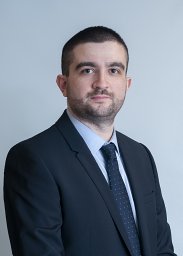 Leon Naar合作论文数University General Hospital Attikon9Fuentes Eva合作论文数Department of Surgery, Massachusetts General Hospital9
 Dian Wang合作论文数9Kelsey Han合作论文数8
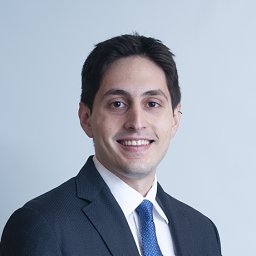 Ander Dorken Gallastegi合作论文数Trauma Emergency Surg & Surg Crit Care, Massachusetts Gen Hosp8
 Osaid Alser合作论文数Harvard Med Sch, Massachusetts Gen Hosp, Boston, MA 02115 USA8
 Sean Tutton合作论文数8
 John B. Holcomb合作论文数Department of Surgery, Heersink School of Medicine, The University of Alabama at Birmingham;Decisio Health, Inc.8Charudutt N Paranjape合作论文数7
 Dias Argandykov合作论文数Harvard Medical School, Massachusetts General Hospital7
 Anthony Gebran合作论文数Harvard Medical School, Massachusetts General Hospital7
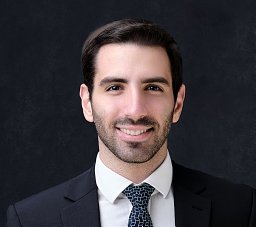 Mohamad El Moheb合作论文数Division of Trauma, Emergency Surgery, and Surgical Critical Care, Massachusetts General Hospital7




