PDF file - 1448K, Phosphorylation of Y845-EGFR does not control the CS-driven aberrant EGFR activation, nor the subsequent TKI resistance. A. Serum starved NIH-3T3 cells stably over expressing either WT or Y845F MT EGFR were incubated (or not) with 1microM AG1478 for 30' and then treated, or not (-), with EGF or CS, as before for additional 30'. EGFR was IPed from the total cell lysates and IBed for total receptor and for auto-phosphorylation on Y1173.
Abstract The EGF receptor (EGFR) is a proto-oncogene commonly dysregulated in several cancers including non–small cell lung carcinoma (NSCLC) and, thus, is targeted for treatment using tyrosine kinase inhibitors (TKI) such as erlotinib. However, despite the efficacy observed in patients with NSCLC harboring oncogenic variants of the EGFR, general ineffectiveness of TKIs in patients with NSCLC who are current and former smokers necessitates identification of novel mechanisms to overcome this phenomenon. Previously, we showed that NSCLC cells harboring either wild-type (WT) EGFR or oncogenic mutant (MT) L858R EGFR become resistant to the effects of TKIs when exposed to cigarette smoke, evidenced by their autophosphorylation and prolonged downstream signaling. Here, we present Src as a target mediating cigarette smoke–induced resistance to TKIs in both WT EGFR- and L858R MT EGFR–expressing NSCLC cells. First, we show that cigarette smoke exposure of A549 cells leads to time-dependent activation of Src, which then abnormally binds to the WT EGFR causing TKI resistance, contrasting previous observations of constitutive binding between inactive Src and TKI-sensitive L858R MT EGFR. Next, we show that Src inhibition restores TKI sensitivity in cigarette smoke–exposed NSCLC cells, preventing EGFR autophosphorylation in the presence of erlotinib. Furthermore, we show that overexpression of a dominant-negative Src (Y527F/K295R) restores TKI sensitivity to A549 exposed to cigarette smoke. Importantly, the TKI resistance that emerges even in cigarette smoke–exposed L858R EGFR–expressing NSCLC cells could be eliminated with Src inhibition. Together, these findings offer new rationale for using Src inhibitors for treating TKI-resistant NSCLC commonly observed in smokers. Mol Cancer Ther; 12(8); 1579–90. ©2013 AACR.
2 by processes of atmospheric deposition, accidental spills and subsequent run-off. It is therefore of particular interest to verify the contamination in sewage sludge and alike, that may be used as a biosolid for land application on soils intended for agricultural use. Current legislation is scarce concerning the limit values of PCDD/Fs and dioxin-like PCBs in sludge. Major EC regulations tend to focus on heavy metal pollution for these types of matrices. Although a 3 rd working draft document 3
Chemical Activated LUciferase gene eXpression [CALUX] is a reporter gene mammalian cell bioassay used for detection and semi-quantitative analyses of dioxin-like compounds. CALUX dose-response curves for 2,3,7,8-tetrachlorodibenzo-p-dioxin [TCDD] are typically smooth and sigmoidal when the dose is portrayed on a logarithmic scale. Non-linear regression models are used to calibrate the CALUX response versus TCDD standards and to convert the sample response into Bioanalytical EQuivalents (BEQs). Several complications may arise in terms of statistical inference, specifically and most important is the uncertainty assessment of the predicted BEQ. This paper presents the use of linear calibration functions based on Box-Cox transformations to overcome the issue of uncertainty assessment. Main issues being addressed are (i) confidence and prediction intervals for the CALUX response, (ii) confidence and prediction intervals for the predicted BEQ-value, and (iii) detection/estimation capabilities for the sigmoid and linearized models. Statistical comparisons between different calculation methods involving inverse prediction, effective concentration ratios (ECR(20-50-80)) and slope ratio were achieved with example datasets in order to provide guidance for optimizing BEQ determinations and expand assay performance with the recombinant mouse hepatoma CALUX cell line H1L6.1c3.
2,3,7,8-Tetrachlorodibenzo-p-dioxin (TCDD, dioxin) and related dioxin-like chemicals are widespread and persistent environmental contaminants that produce diverse toxic and biological effects through their ability to bind to and activate the Ah receptor (AhR) and AhR-dependent gene expression. The chemically activated luciferase expression (CALUX) system is an AhR-responsive recombinant luciferase reporter gene-based cell bioassay that has been used in combination with chemical extraction and cleanup methods for the relatively rapid and inexpensive detection and relative quantitation of dioxin and dioxin-like chemicals in a wide variety of sample matrices. Although the CALUX bioassay has been validated and used extensively for screening purposes, it has some limitations when screening samples with very low levels of dioxin-like chemicals or when there is only a small amount of sample matrix for analysis. Here, we describe the development of third-generation (G3) CALUX plasmids with increased numbers of dioxin-responsive elements, and stable transfection of these new plasmids into mouse hepatoma (Hepa1c1c7) cells has produced novel amplified G3 CALUX cell bioassays that respond to TCDD with a dramatically increased magnitude of luciferase induction and significantly lower minimal detection limit than existing CALUX-type cell lines. The new G3 CALUX cell lines provide a highly responsive and sensitive bioassay system for the detection and relative quantitation of very low levels of dioxin-like chemicals in sample extracts.
Reporter genes produce a protein product in transfected cells that can be easily measured in intact or lysed cells and they have been extensively used in numerous basic and applied research applications. Over the past 10 years, reporter gene assays have been widely accepted and used for analysis of 2,3,7,8-tetrachlorodibenzo-p-dioxin and related dioxin-like compounds in various types of matrices, such as biological, environmental, food and feed samples, given that high-resolution instrumental analysis techniques are impractical for large-scale screening analysis. The most sensitive cell-based reporter gene bioassay systems developed are the mechanism-based CALUX (Chemically Activated Luciferase Expression) and CAFLUX (Chemically Activated Fluorescent Expression) bioassays, which utilize recombinant cell lines containing stably transfected dioxin (AhR)-responsive firefly luciferase or enhanced green fluorescent protein (EGFP) reporter genes, respectively. While the current CALUX and CAFLUX bioassays are very sensitive, increasing their lower limit of sensitivity, magnitude of response and dynamic range for chemical detection would significantly increase their utility, particularly for those samples that contain low levels of dioxin-like HAHs (i.e., serum). In this study, we report that the addition of modulators of cell signaling pathways or modification of cell culture conditions results in significant improvement in the magnitude and overall responsiveness of the existing CALUX and CAFLUX cell bioassays.
The chemically activated luciferase expression (CALUX) system is a mechanistically based recombinant luciferase reporter gene cell bioassay used in combination with chemical extraction and clean-up methods for the detection and relative quantitation of 2,3,7,8-tetrachlorodibenzo-p-dioxin and related dioxin-like halogenated aromatic hydrocarbons in a wide variety of sample matrices. While sample extracts containing complex mixtures of chemicals can produce a variety of distinct concentration-dependent luciferase induction responses in CALUX cells, these effects are produced through a common mechanism of action (i.e. the Ah receptor (AhR)) allowing normalization of results and sample potency determination. Here we describe the diversity in CALUX response to PCDD/Fs from sediment and soil extracts and not only report the occurrence of superinduction of the CALUX bioassay, but we describe a mechanistically based approach for normalization of superinduction data that results in a more accurate estimation of the relative potency of such sample extracts.
Diets high in fat are associated with increased susceptibility to obesity and metabolic syndrome. Increased adipose tissue that is caused by high-fat diets (HFD) results in altered storage of lipophilic toxicants like 2,3,7,8-tetrachlorodibenzo-p-dioxin (TCDD), which may further increase susceptibility to metabolic syndrome. Because both TCDD and HFD are associated with increased breast cancer risk, we examined their effects on metabolic syndrome-associated phenotypes in three mouse models of breast cancer: 7,12-dimethylbenz[a]anthracene (DMBA), Tg(MMTV-Neu)202Mul/J (HER2), and TgN(MMTV-PyMT)634Mul/J (PyMT), all on an FVB/N genetic background. Pregnant mice dosed with 1 microg/kg of TCDD or vehicle on gestational day 12.5 were placed on a HFD or low-fat diet (LFD) at parturition. Body weights, percent body fat, and fasting blood glucose were measured longitudinally, and triglycerides were measured at study termination. On HFD, all cancer models reached the pubertal growth spurt ahead of FVB controls. Among mice fed HFD, the HER2 model had a greater increase in body weight and adipose tissue from puberty through adulthood compared with the PyMT and DMBA models. However, the DMBA model consistently had higher fasting blood glucose levels than the PyMT and HER2 models. TCDD only impacted serum triglycerides in the PyMT model maintained on HFD. Because the estrogenic activity of the HFD was three times lower than that of the LFD, differential dietary estrogenic activities did not drive the observed phenotypic differences. Rather, the HFD-dependent changes were cancer model dependent. These results show that cancer models can have differential effects on metabolic syndrome-associated phenotypes even before cancers arise.
The chemically activated luciferase expression assay, the chemically activated fluorescence expression assay, and the enzyme-linked immunosorbent assay (ELISA) are all bioanalytical methods that have been used for the detection and quantification of polychlorinated dibenzo-p-dioxins and polychlorinated dibenzofurans (PCDD/Fs). However, no comparisons of the results obtained by these three methods have been published analyzing identical replicates of purified sample extracts. Therefore, we have evaluated the performance of each of these methods for analyzing PCDD/Fs in aliquots of extracts from aged-contaminated soil samples and compared the results with those obtained by gas chromatography/high-resolution mass spectrometry (GC/HRMS). The quantitative performance was assessed and the effects of sample purification and data interpretation on the quality of the bioassay results were investigated. Results from the bioanalytical techniques were, in principle, not significantly different from each other or from the GC/HRMS data (p = 0.05). Further-more, properly used, all of the bioanalytical techniques examined were found to be sufficiently sensitive, selective, and accurate to be used in connection with soil remediation activities when aiming at the remediation goal recommended by the U.S. Environmental Protection Agency (i.e., < 1,000 pg toxic equivalency/g). However, a site-specific correction factor should be applied with the use of the ELISA to account for differences between the toxic equivalency factors and the ELISA cross-reactivities of the various PCDD/F congeners, which otherwise might significantly underestimate the PCDD/F content.
Activation of the aryl hydrocarbon receptor (AhR), a ligand-dependent transcription factor, by structurally diverse synthetic and naturally occurring chemicals produces a variety of toxic and biological effects, including both proliferative and antiproliferative effects. Indirubin and other naturally occurring indole-containing compounds are relatively potent and transient activators of the AhR signaling pathway but do not produce AhR-dependent toxicity in vivo. Numerous indirubin derivatives can directly activate the AhR and AhR-dependent gene expression in different species and inhibit human tumor cell growth in culture. Activation of the AhR signaling pathway by indirubins may be a key event in their observed cytostatic activity.
The aryl hydrocarbon receptor (AhR) is a ligand‐dependent transcription factor that mediates many of the biological and toxicological actions of structurally diverse chemicals, including the ubiquitous environmental contaminant 2,3,7,8‐tetrachlorodibenzo‐ p ‐dioxin. Here, we have examined the ability of diuron, a widely used herbicide, and several structurally related substituted phenylureas to bind to and activate/inhibit the AhR and AhR signal transduction. Diuron induced CYP1A1 mRNA levels in mouse hepatoma (Hepa1c1c7) cells and AhR‐dependent luciferase reporter gene expression in stably transfected mouse, rat, guinea pig, and human cell lines. In addition, ligand binding and gel retardation analysis demonstrated the ability of diuron to competitively bind to and stimulate AhR transformation and DNA binding in vitro and in intact cells. Several structurally related substituted phenylureas competitively bound to the guinea pig hepatic cytosolic AhR, inhibited 2,3,7,8‐tetrachlorodibenzo‐ p ‐dioxin‐induced AhR‐dependent luciferase reporter gene expression in a species‐specific manner and stimulated AhR transformation and DNA binding, consistent with their role as partial AhR agonists. These results demonstrate not only that diuron and related substituted phenylureas are AhR ligands but also that exposure to these chemicals could induce/inhibit AhR‐dependent biological effects. © 2006 Wiley Periodicals, Inc. J Biochem Mol Toxicol 20:103–113, 2006; Published online in Wiley InterScience ( www.interscience.wiley.com ). DOI 10.1002/jbt.20126
Proper epidemiological, risk assessment and exposure analysis of 2,3,7,8-tetrachlorodibenzo-p-dioxin (TCDD, dioxin) and related halogenated aromatic hydrocarbons (HAHs) requires accurate measurements of these chemicals both in the species of interest and in various exposure matrices (i.e. biological, environmental, food and feed). High-resolution instrumental analysis techniques are established for these chemicals, however, these procedures are very costly and time-consuming and as such, they are impractical for large scale sampling studies (i.e. for epidemiological studies and assessment of areas with widespread contamination). Accordingly, numerous bioanalytical methods have been developed for the detection of these chemicals in extracts from a variety of matrices, the majority of which take advantage of the ability of these chemicals to activate the aromatic hydrocarbon receptor (AhR) and the AhR signal transduction pathway. Here we review the currently available in vitro AhR-based cell bioassay systems with a focus on recent recombinant reporter gene cell lines that have been developed for detection and relative quantitation of TCDD and related HAHs. Comparison of the relative sensitivities of the various cell bioassays and examples of their use in screening and analysis of environmental, biological, and food and feed samples are presented. Currently available experimental results and validation studies demonstrate the utility of these cell bioassay systems to provide a relatively rapid, accurate, and cost effective screening approach for the detection of TCDD and related HAHs in a variety of environmental, biological, food and feed samples. The availability of these cell bioassay systems will not only facilitate the large scale sampling studies needed for accurate assessment of contamination and exposure to these environmental chemicals, but they provide avenues for the identification of novel classes of TCDD-like chemicals.
Weekly composite, bulk air was sampled with respect to wind speed and direction from January 1996 through December 1997 in one urban and two agricultural locations in Sacramento County, California. The sampling sites were located along a north-south transect, the dominant directions of the prevailing winds. The samples were analyzed for a variety of current-use pesticides, including dormant orchard spray insecticides and rice herbicides. A variety of pesticides were detected throughout the year, predominantly chlorpyrifos, diazinon, and trifluralin. The data obtained during the winter and spring suggest that some pesticides used in agricultural areas become airborne and may be transported into the urban area. Confirmation of this drift is difficult, however, because these three predominant pesticides, as well as other detected pesticides, also are heavily used in the urban environment. The spring data clearly show that molinate and thiobencarb, two herbicides used only in rice production, do drift into the urban environment.
 Michael Denison合作论文数Department of Environmental Toxicology, University of California, Davis13
 Bin Zhao (赵斌)合作论文数Research Center for Eco-Environmental Sciences, Chinese Academy of Sciences;University of Chinese Academy of Sciences5
 Marc Elskens合作论文数Department of Analytical and Environmental Chemistry;Universiteit Brussel;Department of Analytical and Environmental Chemistry, Universiteit Brussel4
 Willy Baeyens合作论文数Vrije Universiteit Brussel4
 Van Langenhove Kersten合作论文数3Dalho Han合作论文数3Kim Croes合作论文数3cathleen becker合作论文数2Scott R. Nagy合作论文数2
 Samuel H Chung合作论文数2
 Simone Filosto合作论文数Dipartimento di Biologia Cellulare e dello Sviluppo “A. Monroy”, University of Palermo2Tzipora Goldkorn合作论文数2J. HAEDRICH合作论文数1
 Ai Hayashi合作论文数1
 JING ZHAO (赵劲)合作论文数School of Chemical Biology and Biotechnology,Peking University1
 La Merrill Michele合作论文数Department of Preventive Medicine, Mount Sinai School of Medicine1Keupers I合作论文数1Stumpf C合作论文数1Sharon Heath-Pagliuso合作论文数1
 Vandermarken Tara合作论文数Department of Analytical, Environmental and Geo-Chemistry (AMGC),, Vrije Universiteit Brussel1
 Ylva Hanna Persson合作论文数1He Guochun合作论文数1
 Ingrid Keupers合作论文数1
 Peter Haglund合作论文数Department of Chemistry, Umea Universitet Teknisk-Naturvetenskaplig Fakultet1
 Laurent Meijer合作论文数ManRos Therapeutics;Perha Pharmaceuticals1
 Daniel Pomp合作论文数Department of Genetics, School of Medicine, the University of North Carolina1Hiroshi Murata合作论文数1
 Linda S. Birnbaum合作论文数National Institute of Environmental Health Sciences, National Institutes of Health;Nicholas School of the Environment, Duke University1
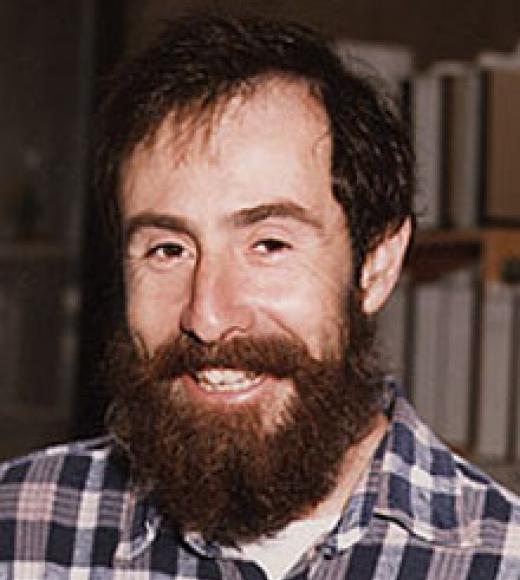 Bruce Hammock合作论文数Department of Entomology and Nematology, College of Agricultural & Environmental Sciences, University of California ,Davis;NIEHS-UCD Superfund Basic Research Program;U.C. Davis Medical School Comprehensive Cancer Center;EicOsis, LLC.1George C. Clark合作论文数1
 David Threadgill合作论文数College of Medicine, Texas A&M University;Department of Nutrition, College of Agriculture & Life Sciences, Texas A&M University1
 Claudio Sorrentino合作论文数Human and Ecological Risk Office, Brownfields and Environmental Restoration Program Department of Toxic Substances Control Sacramento California 95812 USA1Mark J. Kurth合作论文数Department of Chemistry, University of California, Davis1
 Kristof Croes合作论文数Imec1Michael S. Majewski合作论文数1Mark F. Springsteel合作论文数1Leo Goeyens合作论文数1Marie Knockaert合作论文数1Erik Spinnel合作论文数1
 Malin L. Nording合作论文数Department of Entomology, University of California1Elaine M. Khan合作论文数1Tomoaki Tsutsumi合作论文数1




