A new statistical test is proposed for detecting isolated spectral peaks in regions with flat spectra. The need for such tests typically arises in hearing tests based on the analysis of EEG (electroencephalography) signals with auditory steady state responses. Commonly, a local F-test is used as a statistical technique in these cases. The current work proposes a modification of this method, which bounds the parameter to the range 0 to 1. The aim is to facilitate monitoring the strength of responses by keeping values bounded to facilitate their interpretation. The probability density function of the new detector was derived for both the cases of lack and presence of evoked responses, which allowed obtaining the confidence limits and the probability of detection. Simulation studies were carried out to confirm the theoretical results, and the technique was applied to the electroencephalogram during auditory stimulation by amplitude-modulated tones. The proposed technique has detection power similar to other local detectors. However, it has the advantage of making the detector time-evolution visualization easier since it is always bounded between zero and one.
Abstract This study tests the hypothesis that vasomotion, an ∼ 0.1 Hz oscillation in arteriole diameter, is generated by intrinsic oscillations within the arterioles that perfuse the brain, and not by external drive from systemic blood pressure oscillations (Mayer waves). During cardio-pulmonary bypass that transiently eliminated systemic blood pressure oscillations in 14 patients, we observed that vasomotor oscillations persist with normal amplitudes and frequencies over the one- to three-hour time course of surgery. In contrast, ∼ 0.1 Hz oscillations in peripheral blood pressure were predominantly absent. This implies that cerebral arterioles generate their own rhythmic vaso-dynamics, although we cannot discount that vasomotion can phase-lock with ∼ 0.1 Hz systemic physiological rhythms in the awake, healthy state. We discuss the impact of this finding on the role of vasomotion in modulating the perfusion of blood and the transport of interstitial fluid in the brain.
Objective detection of evoked potentials (EPs) is central to digital diagnostics in hearing assessment and clinical neurophysiology, yet current approaches remain time-intensive and sensitive to inter-individual noise variability. Many existing detection methods rely on population-based assumptions or computationally demanding procedures, limiting robustness and efficiency in real-world clinical settings. We present Fmpi, a digital EP detection framework enabling individualised, real-time response detection through analytical modelling of the spectral colour and temporal dynamics of background noise within each recording. Using extensive simulations and large-scale human electroencephalography datasets spanning brainstem, steady-state, and cortical EPs recorded in adults and infants, we demonstrate performance comparable or superior to state-of-the-art bootstrapped methods while operating at a fraction of the computational cost and maintaining well-controlled sensitivity with improved specificity. Importantly, Fmpi incorporates a futility detection mechanism enabling early termination of uninformative recordings, reducing testing time without compromising diagnostic reliability. ### Competing Interest Statement JU is listed as the inventor of a patent (US20250057465A1). The patent is related to the Fmpi method described in this article. Co-author SL owns stocks in Demant A/S, which owns Interacoustics A/S. The authors declare that the research was conducted in the absence of any other commercial or financial relationships that could be construed as a potential conflict of interest. ### Funding Statement This study did not receive any funding ### Author Declarations I confirm all relevant ethical guidelines have been followed, and any necessary IRB and/or ethics committee approvals have been obtained. Yes The details of the IRB/oversight body that provided approval or exemption for the research described are given below: Ethics committees/IRBs from several institutions gave ethical approval for this work and are listed in the manuscript (table 1) with their corresponding approval numbers. I confirm that all necessary patient/participant consent has been obtained and the appropriate institutional forms have been archived, and that any patient/participant/sample identifiers included were not known to anyone (e.g., hospital staff, patients or participants themselves) outside the research group so cannot be used to identify individuals. Yes I understand that all clinical trials and any other prospective interventional studies must be registered with an ICMJE-approved registry, such as ClinicalTrials.gov. I confirm that any such study reported in the manuscript has been registered and the trial registration ID is provided (note: if posting a prospective study registered retrospectively, please provide a statement in the trial ID field explaining why the study was not registered in advance). Yes I have followed all appropriate research reporting guidelines, such as any relevant EQUATOR Network research reporting checklist(s) and other pertinent material, if applicable. Yes The raw electroencephalography datasets analysed in this study originate from multiple independent studies and are subject to ethical, institutional, and consent-related restrictions. As a result, the raw data are not publicly available. Access requests should be directed to the investigators responsible for each dataset, as listed in Table 1, and will be assessed in accordance with the relevant data-sharing agreements. Derived data supporting the findings are available from the corresponding author upon reasonable request.
OBJECTIVE:To develop a reliable objective method to measure temporal resolution thresholds using Auditory Brainstem Response (ABR) with statistical response detection methods. DESIGN:The ABR paradigms "Two Clicks (2C)" and "Temporal Notched Noise with Click (TNNC)" were evaluated for measuring objective temporal resolution thresholds. Statistical methods were used for ABR detection. Test-retest reliability of both ABR paradigms was also assessed. For comparison, a Gaps in Noise test and psychometric TNNC paradigm measured behavioural thresholds from the same subjects. STUDY SAMPLE:23 normal-hearing participants in the main study, and an additional 10 in the test-retest experiment, aged 20-35 years. RESULTS:Objective temporal resolution thresholds averaged 4.04 ms for the 2C paradigm and 3.21 ms for the TNNC paradigm. Group-level data showed reduced ABR amplitude and detection as gap durations approached threshold, whilst individual ABR amplitudes fluctuated across gap durations. Behavioural thresholds averaged 1.49 and 2.22 ms. In the test-retest experiment, TNNC showed moderate repeatability, while 2C had slight, non-significant repeatability (measured by Cohen's Kappa). CONCLUSIONS:While these objective approaches show promise for measuring temporal resolution at a group level, their application in individuals remains challenging due to high variability across subjects. The TNNC paradigm demonstrated better performance in terms of ABR repeatability.
The cortical tracking of the acoustic envelope is a phenomenon where the brain's electrical activity, as recorded by electroencephalography (EEG) signals, fluctuates in accordance with changes in stimulus intensity (the acoustic envelope of the stimulus). Understanding speech in a noisy background is a key challenge for people with hearing impairments. Speech stimuli are therefore more ecologically valid than clicks, tone pips, or speech tokens (e.g., syllables) for assessing hearing. However, it remains unclear whether EEG responses to speech provide an advantage in predicting speech intelligibility. This study aimed to assess the ability of cortical responses to speech and speech-related sounds to predict behavioural speech-in-noise performance in listeners with normal hearing when they are not attending to the stimuli. Twenty native English-speaking adults with normal hearing (aged 18 to 40 years) participated in a speech reception task, listening to English Matrix sentences presented at signal-to-noise ratios (SNRs) of -15, -10, -5, 0, and ∞ (no background noise) dB, and then identifying the words they heard in the sentences. In the EEG experiment, the participants then listened to continuous speech, broadband noise modulated by the envelope of speech, and repeating short /da/ stimuli presented at the same SNR levels as in the Matrix test. For the latter, Auditory Late Response (ALR) was estimated from the EEG, and for the former, the strength of the envelope-tracking responses was calculated. Cortical responses to all stimuli showed monotonic relationships with the signal-to-noise ratio at the group level and in most individuals, although there was considerable variability. EEG analysis in the delta band showed no significant difference in the number of participants with predicted speech reception thresholds (SRTs) within an error margin of 7 dB-the level at which SRT prediction is considered applicable-regardless of the type of cortical response used. In the theta band, however, SRT predictions based on cortical responses to continuous speech performed worse, showing a significantly lower number of predictions within an error margin of 7 dB compared to those based on cortical responses to modulated noise and the repeating /da/ sound. The proportion of individual SRT predictions with an error margin within 7 dB was, at best, 30 %. For people with normal hearing, cortical responses to continuous speech and modulated noise predicted speech-in-noise performance at the group level but not at the individual level, due to variability in cortical tracking of the acoustic envelope. Predicting the SRT on an individual level remains a major and clinically important challenge.
Cerebral Autoregulation (CA) is an important physiological mechanism stabilizing cerebral blood flow (CBF) in response to changes in cerebral perfusion pressure (CPP). By maintaining an adequate, relatively constant supply of blood flow, CA plays a critical role in brain function. Quantifying CA under different physiological and pathological states is crucial for understanding its implications. This knowledge may serve as a foundation for informed clinical decision-making, particularly in cases where CA may become impaired. The quantification of CA functionality typically involves constructing models that capture the relationship between CPP (or arterial blood pressure) and experimental measures of CBF. Besides describing normal CA function, these models provide a means to detect possible deviations from the latter. In this context, a recent white paper from the Cerebrovascular Research Network focused on Transfer Function Analysis (TFA), which obtains frequency domain estimates of dynamic CA. In the present paper, we consider the use of time-domain techniques as an alternative approach. Due to their increased flexibility, time-domain methods enable the mitigation of measurement/physiological noise and the incorporation of nonlinearities and time variations in CA dynamics. Here, we provide practical recommendations and guidelines to support researchers and clinicians in effectively utilizing these techniques to study CA.
Objective: To compare the performance of a selection of machine learning algorithms, trained to label peaks I, III, and V of the auditory brainstem response (ABR) waveform. An additional algorithm was trained to provide a confidence measure related to the ABR wave latency estimates. Design: Secondary data analysis of a previously published ABR dataset. Five types of machine learning algorithm were compared within a nested k-fold cross-validation procedure. Study sample: A set of 482 suprathreshold ABR waveforms were used. These were recorded from 81 participants with audiometric thresholds within normal limits. Results: A convolutional recurrent neural network (CRNN) outperformed the other algorithms evaluated. The algorithm labelled 95.9% of ABR waves within +/- 0.1 ms of the target. The mean absolute error was 0.025 ms, averaged across the outer validation folds of the nested cross-validation procedure. High confidence levels were generally associated with greater wave-labelling accuracy. Conclusions: Machine learning algorithms have the potential to assist clinicians with ABR interpretation. The present work identifies a promising machine learning approach, but any algorithm to be used in clinical practice would need to be trained on a large, accurately labelled, heterogeneous dataset and evaluated in clinical settings in follow-on work.
BACKGROUND: The relationship between dynamic cerebral autoregulation (dCA) and functional outcome after acute ischemic stroke (AIS) is unclear. Previous studies are limited by small sample sizes and heterogeneity. METHODS: We performed a 1-stage individual patient data meta-analysis to investigate associations between dCA and functional outcome after AIS. Participating centers were identified through a systematic search of the literature and direct invitation. We included centers with dCA data within 1 year of AIS in adults aged over 18 years, excluding intracerebral or subarachnoid hemorrhage. Data were obtained on phase, gain, coherence, and autoregulation index derived from transfer function analysis at low-frequency and very low-frequency bands. Cerebral blood velocity, arterial pressure, end-tidal carbon dioxide, heart rate, stroke severity and sub-type, and comorbidities were collected where available. Data were grouped into 4 time points after AIS: <24 hours, 24 to 72 hours, 4 to 7 days, and >3 months. The modified Rankin Scale assessed functional outcome at 3 months. Modified Rankin Scale was analyzed as both dichotomized (0 to 2 versus 3 to 6) and ordinal (modified Rankin Scale scores, 0–6) outcomes. Univariable and multivariable analyses were conducted to identify significant relationships between dCA parameters, comorbidities, and outcomes, for each time point using generalized linear (dichotomized outcome), or cumulative link (ordinal outcome) mixed models. The participating center was modeled as a random intercept to generate odds ratios with 95% CIs. RESULTS: The sample included 384 individuals (35% women) from 7 centers, aged 66.3±13.7 years, with predominantly nonlacunar stroke (n=348, 69%). In the affected hemisphere, higher phase at very low-frequency predicted better outcome (dichotomized modified Rankin Scale) at <24 (crude odds ratios, 2.17 [95% CI, 1.47–3.19]; P <0.001) hours, 24–72 (crude odds ratios, 1.95 [95% CI, 1.21–3.13]; P =0.006) hours, and phase at low-frequency predicted outcome at 3 (crude odds ratios, 3.03 [95% CI, 1.10–8.33]; P =0.032) months. These results remained after covariate adjustment. CONCLUSIONS: Greater transfer function analysis-derived phase was associated with improved functional outcome at 3 months after AIS. dCA parameters in the early phase of AIS may help to predict functional outcome.
Objective: Group sequential tests are procedures for repeatedly analysing accruing data, and aim to reduce test time by stopping data collection as soon as an effect is deemed statistically present or absent. Data monitoring, on the other hand, aims to control statistical power by repeatedly re -estimating sample variance from the accruing data, and then adjusting the sample size accordingly. The current work presents a numerical framework for combining group sequential tests with data monitoring, thus leveraging the best of both methods. Methods: The approach revolves around numerically convolving truncated probability density functions, which leads to numerically tracktable distributions for the sequential test statistic. This then allows conventional power analysis methodologies to be used during the data monitoring procedure, thus keeping the procedure relatively intuitive and transparent. The test operating characteristics of the procedure were evaluated extensively in simulations and in Auditory Brainstem Response data. Results: A good control over statistical power was observed, which was attributed to data monitoring. In some test conditions, however, data monitoring led to inflated type -I error rates and a reduced control over statistical power. This was attributed to sample variance estimation errors, and was largely overcome by initiating data monitoring after at least similar to 40-90 samples had accrued and/or by leaving data blinded. Conclusion/Significance: When there is uncertainty regarding the effect size and/or the population variance, then group sequential tests with data monitoring may offer a solution, providing an efficient means to reach an unambiguous test outcome in terms of effect present/absent.
The Auditory Brainstem Response (ABR) plays an important role in diagnosing and managing hearing loss, but can be challenging and time-consuming to measure. Test times are especially long when multiple ABR measurements are needed, e.g., when estimating hearing threshold at a range of frequencies. While many detection methods have been developed to reduce ABR test times, the majority were designed to detect the ABR at a single stimulus level and do not consider correlations in ABR waveforms across levels. These correlations hold valuable information, and can be exploited for more efficient hearing threshold estimation. This was achieved in the current work using a Gaussian Process (GP), i.e., a Bayesian approach for non-linear regression. The function to estimate with the GP was the ABR's amplitude across stimulus levels, from which hearing threshold was ultimately inferred. Active learning rules were also designed to automatically adjust the stimulus level and efficiently locate hearing threshold. Simulation results show test time reductions of up to similar to 50% for the GP compared to a sequentially applied Hotelling's T-2 test, which does not consider correlations across ABR waveforms. A case study was also included to briefly assess the GP approach in ABR data from an adult volunteer.
Multivariate Objective Response Detection (MORD) techniques aim to detect evoked responses in multichannel electroencephalographic (EEG) recordings. They provide enhanced statistical power, allowing the detection of small signals in shorter or noisy recordings. However, the correlation between the signals in multichannel recordings can lead to false positive rates greater than the nominal significance level of the tests. To address this, we propose a parametric bootstrap approach that adjusts the critical values based on the correlation between EEG channels in the time domain, a method called time-domain Cholesky correction (TDCC). In that first approach, we assumed that correlation (or, more precisely, coherence) is constant across all frequency bands. However, this is unlikely to hold true, as signal-to-noise ratios (where the signal is the evoked response and noise all other signal components) may vary across frequencies. Thus, in the current work, we propose an alternative parametric bootstrap method for estimating the critical values of MORD techniques based on the correlation in the frequency domain (FDCC, frequency-domain Cholesky-corrected critical values). The proposed methods are evaluated using simulated data and an auditory steady-state response (ASSR) database in the 40 Hz range. The proposed method controlled the false positive rate well, with increased sensitivity compared to single-channel methods. When compared to TDCC, FDCC achieved similar performance but with the advantage of being, on average, 27 times faster in terms of computational time required to estimate the critical values.
Objectives: Auditory evoked potentials (AEPs) play an important role in evaluating hearing in infants and others who are unable to participate reliably in behavioral testing. Discriminating the AEP from the much larger background activity, however, can be challenging and time-consuming, especially when several AEP measurements are needed, as is the case for audiogram estimation. This task is usually entrusted to clinicians, who visually inspect the AEP waveforms to determine if a response is present or absent. The drawback is that this introduces a subjective element to the test, compromising quality control of the examination. Various objective methods have therefore been developed to aid clinicians with response detection. In recent work, the authors introduced Gaussian processes (GPs) with active learning for hearing threshold estimation using auditory brainstem responses (ABRs). The GP is attractive for this task, as it can exploit the correlation structure underlying AEP waveforms across different stimulus levels and frequencies, which is often overlooked by conventional detection methods. GPs with active learning previously proved effective for ABR hearing threshold estimation in simulations, but have not yet been evaluated for audiogram estimation in subject data. The present work evaluates GPs with active learning for ABR audiogram estimation in a sample of normal-hearing and hearing-impaired adults. This involves introducing an additional dimension to the GP (i.e., stimulus frequency) along with real-time implementations and active learning rules for automated stimulus selection. Methods: The GP’s accuracy was evaluated using the “hearing threshold estimation error,” defined as the difference between the GP-estimated hearing threshold and the behavioral hearing threshold to the same stimuli. Test time was evaluated using the number of preprocessed and artifact-free epochs (i.e., the sample size) required for locating hearing threshold at each frequency. Comparisons were drawn with visual inspection by examiners who followed strict guidelines provided by the British Society of Audiology. Twenty-two normal hearing and nine hearing-impaired adults were tested (one ear per subject). For each subject, the audiogram was estimated three times: once using the GP approach, once using visual inspection by examiners, and once using a standard behavioral hearing test. Results: The GP’s median estimation error was approximately 0 dB hearing level (dB HL), demonstrating an unbiased test performance relative to the behavioral hearing thresholds. The GP additionally reduced test time by approximately 50% relative to the examiners. The hearing thresholds estimated by the examiners were 5 to 15 dB HL higher than the behavioral thresholds, which was consistent with the literature. Further testing is still needed to determine the extent to which these results generalize to the clinic. Conclusions: GPs with active learning enable automatic, real-time ABR audiogram estimation with relatively low test time and high accuracy. The GP could be used to automate ABR audiogram estimation or to guide clinicians with this task, who may choose to override the GP’s decisions if deemed necessary. Results suggest that GPs hold potential for next-generation ABR hearing threshold and audiogram-seeking devices.
AIMS:This study aimed to investigate changes in dynamic cerebral autoregulation (dCA), 20 stroke-related blood biomarkers, and autonomic regulation after patent foramen ovale (PFO) closure in severe migraine patients.METHODS:Patent foramen ovale severe migraine patients, matched non-PFO severe migraine patients, and healthy controls were included. dCA and autonomic regulation were evaluated in each participant at baseline, and within 48-h and 30 days after closure in PFO migraineurs. A panel of stroke-related blood biomarkers was detected pre-surgically in arterial-and venous blood, and post-surgically in the arterial blood in PFO migraineurs.RESULTS:Forty-five PFO severe migraine patients, 50 non-PFO severe migraine patients, and 50 controls were enrolled. The baseline dCA function of PFO migraineurs was significantly lower than that of non-PFO migraineurs and controls but was rapidly improved with PFO closure, remaining stable at 1-month follow-up. Arterial blood platelet-derived growth factor-BB (PDGF-BB) levels were higher in PFO migraineurs than in controls, which was immediately and significantly reduced after closure. No differences in autonomic regulation were observed among the three groups.CONCLUSION:Patent foramen ovale closure can improve dCA and alter elevated arterial PDGF-BB levels in migraine patients with PFO, both of which may be related to the preventive effect of PFO closure on stroke occurrence/recurrence.
Cerebral autoregulation (CA) refers to the control of cerebral tissue blood flow (CBF) in response to changes in perfusion pressure. Due to the challenges of measuring intracranial pressure, CA is often described as the relationship between mean arterial pressure (MAP) and CBF. Dynamic CA (dCA) can be assessed using multiple techniques, with transfer function analysis (TFA) being the most common. A 2016 white paper by members of an international Cerebrovascular Research Network (CARNet) that is focused on CA strove to improve TFA standardization by way of introducing data acquisition, analysis, and reporting guidelines. Since then, additional evidence has allowed for the improvement and refinement of the original recommendations, as well as for the inclusion of new guidelines to reflect recent advances in the field. This second edition of the white paper contains more robust, evidence-based recommendations, which have been expanded to address current streams of inquiry, including optimizing MAP variability, acquiring CBF estimates from alternative methods, estimating alternative dCA metrics, and incorporating dCA quantification into clinical trials. Implementation of these new and revised recommendations is important to improve the reliability and reproducibility of dCA studies, and to facilitate inter-institutional collaboration and the comparison of results between studies.
The cortical auditory evoked potential (CAEP) is a change in neural activity in response to sound, and is of interest for audiological assessment of infants, especially those who use hearing aids. Within this population, CAEP waveforms are known to vary substantially across individuals, which makes detecting the CAEP through visual inspection a challenging task. It also means that some of the best automated CAEP detection methods used in adults are probably not suitable for this population. This study therefore evaluates and optimizes the performance of new and existing methods for aided (i.e., the stimuli are presented through subjects’ hearing aid(s)) CAEP detection in infants with hearing loss. Methods include the conventional Hotellings T 2 test, various modified q-sample statistics, and two novel variants of T 2 statistics, which were designed to exploit the correlation structure underlying the data. Various additional methods from the literature were also evaluated, including the previously best-performing methods for adult CAEP detection. Data for the assessment consisted of aided CAEPs recorded from 59 infant hearing aid users with mild to profound bilateral hearing loss, and simulated signals. The highest test sensitivities were observed for the modified T 2 statistics, followed by the modified q-sample statistics, and lastly by the conventional Hotelling's T 2 test, which showed low detection rates for ensemble sizes <80 epochs. The high test sensitivities at small ensemble sizes observed for the modified T 2 and q-sample statistics are especially relevant for infant testing, as the time available for data collection tends to be limited in this population.
The auditory brainstem response (ABR) is a clinical test used to evaluate hearing objectively. The aim of this study was to optimise weighted averaging for both residual noise reduction and also for objective ABR detection using the Fmp statistical test. Analyses were performed using no-stimulus EEG background activity recorded from 15 participants and simulated "response present" data (4,602 ensembles in total). Different approaches for estimating the variance of the noise within each block were compared, as was the effect of the number of recording epochs in each block when calculating and applying the weights. The "VAR Whole Block" method was found to be more effective than the "VAR MP" method at estimating the noise level, especially for smaller block sizes (2-10 epochs). Caution should be exerted when selecting recording parameters for use with weighted averaging as an inflation in the "response absent" Fmp statistic was observed using small block sizes (relative to unweighted averaging); this may be due to a bias in the Fmp statistic observed as a result of the combined effects of the finite Fmp analysis window length and the high-pass filter setting. Optimised weighted averaging was effective in reducing the mean residual noise level in the averaged waveform, leading to improved ABR detec-tion. Further work is required to optimise the Fmp analysis window length, recording settings, and weighted averaging parameters in combination, using a large clinical dataset.
The cortical auditory evoked potential (CAEP) is a change in neural activity in response to sound, and is of interest for audiological assessment of infants, especially those who use hearing aids. Within this population, CAEP waveforms are known to vary substantially across individuals, which makes detecting the CAEP through visual inspection a challenging task. It also means that some of the best automated CAEP detection methods used in adults are probably not suitable for this population. This study therefore evaluates and optimizes the performance of new and existing methods for aided (i.e., the stimuli are presented through subjects’ hearing aid(s)) CAEP detection in infants with hearing loss. Methods include the conventional Hotellings T 2 test, various modified q-sample statistics, and two novel variants of T 2 statistics, which were designed to exploit the correlation structure underlying the data. Various additional methods from the literature were also evaluated, including the previously best-performing methods for adult CAEP detection. Data for the assessment consisted of aided CAEPs recorded from 59 infant hearing aid users with mild to profound bilateral hearing loss, and simulated signals. The highest test sensitivities were observed for the modified T 2 statistics, followed by the modified q-sample statistics, and lastly by the conventional Hotelling's T 2 test, which showed low detection rates for ensemble sizes <80 epochs. The high test sensitivities at small ensemble sizes observed for the modified T 2 and q-sample statistics are especially relevant for infant testing, as the time available for data collection tends to be limited in this population. Keywords evoked potentials , aided CAEP detection , hearing-impaired infants , Hotelling's T , test
Objectives: The cortical auditory evoked potential (CAEP) test is a candidate for supplementing clinical practice for infant hearing aid users and others who are not developmentally ready for behavioral testing. Sensitivity of the test for given sensation levels (SLs) has been reported to some degree, but further data are needed from large numbers of infants within the target age range, including repeat data where CAEPs were not detected initially. This study aims to assess sensitivity, repeatability, acceptability, and feasibility of CAEPs as a clinical measure of aided audibility in infants. Design: One hundred and three infant hearing aid users were recruited from 53 pediatric audiology centers across the UK. Infants underwent aided CAEP testing at age 3 to 7 months to a mid-frequency (MF) and (mid-)high-frequency (HF) synthetic speech stimulus. CAEP testing was repeated within 7 days. When developmentally ready (aged 7-21 months), the infants underwent aided behavioral hearing testing using the same stimuli, to estimate the decibel (dB) SL (i.e., level above threshold) of those stimuli when presented at the CAEP test sessions. Percentage of CAEP detections for different dB SLs are reported using an objective detection method (Hotellings T2). Acceptability was assessed using caregiver interviews and a questionnaire, and feasibility by recording test duration and completion rate. Results: The overall sensitivity for a single CAEP test when the stimuli were ≥0 dB SL (i.e., audible) was 70% for the MF stimulus and 54% for the HF stimulus. After repeat testing, this increased to 84% and 72%, respectively. For SL >10 dB, the respective MF and HF test sensitivities were 80% and 60% for a single test, increasing to 94% and 79% for the two tests combined. Clinical feasibility was demonstrated by an excellent >99% completion rate, and acceptable median test duration of 24 minutes, including preparation time. Caregivers reported overall positive experiences of the test. Conclusions: By addressing the clinical need to provide data in the target age group at different SLs, we have demonstrated that aided CAEP testing can supplement existing clinical practice when infants with hearing loss are not developmentally ready for traditional behavioral assessment. Repeat testing is valuable to increase test sensitivity. For clinical application, it is important to be aware of CAEP response variability in this age group.
The decoding multivariate Temporal Response Function (decoder) or speech envelope reconstruction approach is a well-known tool for assessing the cortical tracking of speech envelope. It is used to analyse the correlation between the speech stimulus and the neural response. It is known that auditory late responses are enhanced with longer gaps between stimuli, but it is not clear if this applies to the decoder, and whether the addition of gaps/pauses in continuous speech could be used to increase the envelope reconstruction accuracy. We investigated this in normal hearing participants who listened to continuous speech with no added pauses (natural speech), and then with short (250 ms) or long (500 ms) silent pauses inserted between each word. The total duration for continuous speech stimulus with no, short, and long pauses were approximately, 10 minutes, 16 minutes, and 21 minutes, respectively. EEG and speech envelope were simultaneously acquired and then filtered into delta (1–4 Hz) and theta (4–8 Hz) frequency bands. In addition to analysing responses to the whole speech envelope, speech envelope was also segmented to focus response analysis on onset and non-onset regions of speech separately. Our results show that continuous speech with additional pauses inserted between words significantly increases the speech envelope reconstruction correlations compared to using natural speech, in both the delta and theta frequency bands. It also appears that these increase in speech envelope reconstruction are dominated by the onset regions in the speech envelope. Introducing pauses in speech stimuli has potential clinical benefit for increasing auditory evoked response detectability, though with the disadvantage of speech sounding less natural. The strong effect of pauses and onsets on the decoder should be considered when comparing results from different speech corpora. Whether the increased cortical response, when longer pauses are introduced, reflect improved intelligibility requires further investigation.
EEG-based neurofeedback uses mental behaviours (MB) to enable voluntary self-modulation of brain activity, and has potential to relieve central neuropathic pain (CNP) after a spinal cord injury (SCI). This study aimed to understand neurofeedback learning and the relationship between MB and neurofeedback success. Twenty-five non-CNP participants and ten CNP participants received neurofeedback training (reinforcing 9–12 Hz; suppressing 4–8 Hz and 20–30 Hz) on four visits. Participants were interviewed about the MB they used after each visit. Questionnaires examined the following factors: self-efficacy, locus of control, motivation, and workload of neurofeedback. MB were grouped into mental strategies (a goal-directed mental action) and affect (emotional experience during neurofeedback). Successful non-CNP participants significantly used more imagination-related MS and reported more negative affect compared to successful CNP participants. However, no mental strategy was clearly associated with neurofeedback success. There was some association between the lack of success and negative affect. Self-efficacy was moderately correlated with neurofeedback success (r = < 0.587, p = < 0.020), whereas locus of control, motivation, and workload had low, non-significant correlations (r < 0.300, p > 0.05). Affect may be more important than mental strategies for a successful neurofeedback performance. Self-efficacy was associated with neurofeedback success, suggesting that increasing confidence in one’s neurofeedback abilities may improve neurofeedback performance.
 Ronney Panerai合作论文数Department of Cardiovascular Sciences, University of Leicester46
 Steven L. Bell合作论文数30Anthony a Birch合作论文数Department of Medical Physics and Bioengineering, Southampton General Hospital18
 Alessandro Beda合作论文数Pulmonary Engineering Lab, COPPE – Federal University of Rio de Janeiro17
 Michael Chesnaye合作论文数15
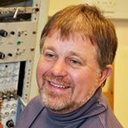 Philip L Newland合作论文数15Robert Allen合作论文数14D. H. Evans合作论文数14
 Jurandir Nadal合作论文数UFRJ, Universidade Federal do Rio de Janeiro12
 Jia Liu (刘嘉)合作论文数中国科学院深圳先进技术研究院12
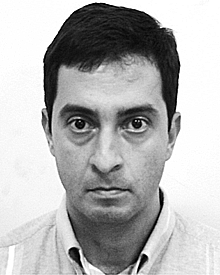 Antonio Mauricio Ferreira Leite Miranda De Sá合作论文数11
 Jurgen Claassen合作论文数Radboud University Medical Center;Department of Cardiovascular Sciences, University of Leicester9Emmanuel Katsogridakis合作论文数University of Thessaly, University Hospital of Larissa9
 Stephen Payne (潘斯文)合作论文数Institute of Applied Mechanics, National Taiwan University;Department of Engineering Science, University of Oxford8
 James M. Harte合作论文数Centre for Applied Hearing Research, Technical University of Denmark8
 Oliver Dewhirst合作论文数Institute of Sound and Vibration Research, University of Southampton8Natalia Angarita-Jaimes合作论文数8
 Leonardo Bonato Felix合作论文数Departamento de Engenharia Elétrica e de Produção, Universidade Federal de Viçosa8
 Tiago Zanotelli合作论文数7Ramos E G合作论文数7
 Dragana Nikolic合作论文数7j m a lopes合作论文数6AFC Infantosi合作论文数6
 Georgios D. Mitsis合作论文数Department of Bioengineering, Faculty of Engineering, McGill University6
 David I. W. Phillips合作论文数Southampton General Hospital;University of Southampton6Glen Bush合作论文数6
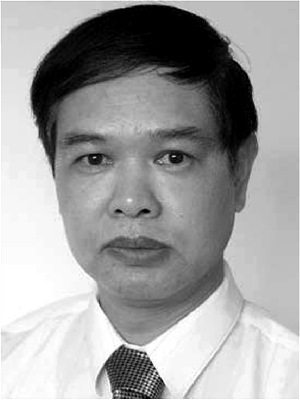 Lingke Fan合作论文数6R Allen合作论文数5Nogueira Ricardo De Carvalho合作论文数Dept Neurol, Univ Sao Paulo5
 John F Potter合作论文数Department of Medicine, Norwich Medical School, University of East Anglia5r p hagan合作论文数4
 Richard McKearney合作论文数4
 Alicia Costalago Meruelo合作论文数Nottingham Trent Univ, Computat Intelligence Lab, Clifton Campus, Nottingham, England4Anisa Visram合作论文数Sch Hlth Sci, Univ Manchester4Michael Stone合作论文数Division of Human Communication, Development and Hearing, School of Health Sciences, Faculty of Biology, Medicine and Health, The University of Manchester4
 Kevin J Munro合作论文数Division of Psychology Communication and Human Neuroscience, School of Health Sciences, The University of Manchester4
 Frederique Jos Vanheusden合作论文数4
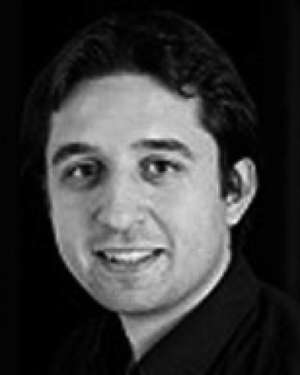 Adam Mahdi合作论文数4
 Clive Osmond合作论文数School of Human Development and Health, University of Southampton;Centre for Developmental Origins of Health and Disease, University of Southampton4
 Jara José Luis合作论文数Departamento de Ingeniería Informática, Universidad de Santiago de Chile4
 Erik Gommer合作论文数4
 Ross Naylor合作论文数4Anthony C. Fisher合作论文数4Max Chacón合作论文数Santiago University of Chile4
 Liliam Fernandes de Oliveira合作论文数Departamento de Biociências, Universidade Federal do Rio de Janeiro4
 Eduardo M. A. M. Mendes合作论文数Department of Electronics Engineering, Federal University of Minas Gerais4
 Dae C Shin合作论文数4Jan Willem Elting合作论文数4Geraldine B. Boylan合作论文数4




