ABSTRACT:Oral ibrutinib and venetoclax (I+V) demonstrate activity as monotherapy in marginal zone lymphoma (MZL), with low complete response (CR) rates. I+V has shown good clinical activity with acceptable tolerability in other malignancies. We conducted a single-site, phase 2 trial of daily I+V in patients with MZL. Ibrutinib commenced at 560 mg daily; after 4 weeks, venetoclax commenced with weekly dose escalation to 400 mg daily. Combination therapy continued until disease progression or toxicity. The primary end point was week 16 CR. Minimal residual disease (MRD) was assessed by flow cytometry in bone marrow and peripheral blood. Patients achieving eradication of MRD could enter elective treatment interruption (ETI). Fifteen patients with MZL were treated; 14 are included in efficacy analysis, and 15 were evaluable for safety. Overall response was 79% (95% confidence interval [CI], 49-95) by F-fluorodeoxyglucose-positron-emission tomography (CR rate, 43%; 95% CI, 18-71). By computed tomography, 16-week CR rate was 29% (95% CI, 8-58). Best response within 56 weeks was 57% CR (95% CI, 37-80), which is higher than historic ibrutinib-monotherapy control (3% CR; P< .001). MRD clearance at week 56 was 40%. Six MRD-negative CR patients entered ETI, with 4 remaining disease-free at a median of 4 years. With a median follow-up of 5.5 years for the whole cohort, the 5-year progression-free survival estimate was 56% (95% CI, 27-78). I+V is safe and effective for MZL, with higher CR than with ibrutinib. Durable, ongoing CR was observed in MRD-negative patients. This trial was registered at www.clinicaltrials.gov as #NCT02471391.
Although anti-thymocyte globulin (ATG) is commonly used as prophylaxis against graft-versus-host disease (GVHD) following allogeneic haematopoietic stem cell transplantation (alloSCT), there is considerable inter-patient variability in ATG exposure. The impact of ATG exposure in outcomes following reduced intensity conditioning (RIC)-alloSCT remains unknown. We explored the impact of post-transplant ATG exposure (PT-ATG-exp) in 68 adults with haematological malignancies undertaking first RIC-alloSCT with ATG (Thymoglobulin, total dose 4.5mg/kg, day -3 to -1 alloSCT). Post-transplant ATG exposure was determined by area under the curve (AUC) through analysis of sera collected at standardised timepoints. Post-transplant ATG exposure range was highly variable [46-420 arbitrary units (AU) per day/mL]. Day 0 ATG concentration and day 0-14 ATG AUC highly correlated with PT-ATG-exp (R = 0.93 and 0.99, respectively, P < 0.001). Using a Cox proportional hazards model, patients with PT-ATG-exp between 80-135 AU per day/mL had inferior 2-year GRFS compared to the remainder of the cohort [25% (95% CI, 11%-56%) vs 54% (95% CI, 40%-73%), P = 0.02; HR 2.01 (95% CI, 1.04-3.86, P = 0.04] due to higher incidence of grade III-IV acute GVHD [33% (95% CI, 16%-51%) vs 12% (95% CI, 4%-24%), P = 0.034; HR 2.95 (95% CI, 0.99-8.83, P = 0.05)]. Recipients with the highest PT-ATG-exp (quartile 4: 185-420 AU per ml/day) had the lowest incidence of grade III-IV acute GVHD (0% at 180-days) but also lowest median CD3+ chimerism (85%) and highest incidence of mixed donor chimerism (CD3+: 93% and CD3-: 33%) at day 100. In this analysis, PT-ATG-exp influenced post-transplant outcomes including GVHD incidence and donor chimerism following in RIC-alloSCT.
IntroductionPost-allogeneic stem cell transplantation (alloSCT) can be complicated by poor graft function (PGF), a life-threatening condition characterized by complete donor chimerism alongside persistent multilineage cytopenias. PGF significantly increases the risk of bleeding, infection, and transfusion dependence. The cellular changes during hematopoiesis post-alloSCT, particularly in PGF, remain poorly defined.MethodsTo evaluate the immune and hematopoietic reconstitution and dysfunction post-alloSCT, with a focus on PGF, we applied a comprehensive suite of histological, immunological, and molecular biological techniques to bone marrow (BM) and peripheral blood samples from patients with PGF, good graft function (GGF), and healthy donors (HDs).ResultsBy approximately 100 days post-alloSCT, patients demonstrated T cell oligoclonality, activation, and exhaustion compared to HDs. BM nucleated cells, particularly monocytes, exhibited increased activation and IFN-g response post-alloSCT compared to those of HDs. Moreover, cell-cell interactions between immune cells and hematopoietic stem and progenitor cells were notably enhanced post-alloSCT. While most inflammatory changes were present in both PGF and GGF, they were more pronounced in PGF.DiscussionOur results demonstrate a hyper-inflamed post-alloSCT environment involving both innate (monocytes) and adaptive (T cells) immune responses and their active interactions, more in PGF, highlighting that immune modulation may serve as an alternative or adjunctive therapeutic approach for PGF.
Current cell and gene therapies lack clinically practical mechanisms to selectively promote or suppress therapeutic cells in vivo, a limitation that is particularly acute in patients requiring ongoing immunosuppression. This includes gene therapy for immune dysregulation syndromes, and antigen-specific or chimeric antigen receptor (CAR) T-cell therapy for patients requiring immunosuppression (e.g., transplant recipients), where both pathogenic and therapeutic cells may be suppressed. Here, we develop a multiplex prime-editing platform that converts commonly used immunosuppressive drugs into tools for in vivo control of T-cell therapies via defined, pathway-specific drug resistance. Focusing initially on gene therapy, prime editing efficiently edited loci of multiple pathogenic variants associated with immune dysregulation in primary human T-cells and corrected the HAVCR2 driver mutation in T-cells from multiple patients with subcutaneous panniculitis-like T-cell lymphoma (SPTCL). Comprehensive genomic, transcriptional, immunophenotypic, and clonal analyses demonstrated minimal off-target perturbation. Multiplexed gene correction and drug-resistance editing of T-cells from patients with SPTCL enabled selective in vivo expansion of corrected cells under immunosuppressive pressure in humanized mouse models and exhibited retained sensitivity to alternative agents permitting rapid in vivo suppression. Extending this approach, prime edited, drug-resistant antigen-specific and CAR T-cells retained effector function despite pharmacologic immunosuppression, demonstrating the generalizability of this platform to diverse cellular therapies. Together, these findings establish multiplex prime editing as a promising preclinical framework for generating drug-controllable T-cell therapies, enabling selective in vivo modulation in settings where immunosuppression cannot be withdrawn.
Following salvage chemotherapy (SC) and autologous stem-cell transplantation (ASCT), 30-60% of patients with relapsed/refractory Hodgkin lymphoma (r/rHL) experience disease relapse. Appropriate patient selection for consolidation radiotherapy (cRT) may improve outcomes. Positron-emission tomography (PET) is a powerful prognostic tool, with potential utility in PET-directed therapy. Predictive roles of post-SC metabolic and structural response assessments, and prognostic impact of peri-transplant cRT, were retrospectively evaluated in r/rHL patients from two tertiary hospitals, median follow-up >5 years. Five-year progression-free survival (PFS) was 65% (95%CI 55-74%). Metabolic response post-SC significantly predicted PFS. For patients with complete metabolic response (CMR) post-SC, structural residuum ≥2 cm suggested inferior PFS. Potential PFS advantages from cRT were observed in all subgroups with limited-stage r/rHL, regardless of response post-SC. Peri-transplant cRT may abrogate the negative predictive value of non-CMR or residual masses ≥2 cm in CMR post-SC. In advanced-stage r/rHL, post-SC non-CMR predicted for poor outcomes, warranting prioritization of alternative salvage strategies.
BACKGROUND:Posaconazole prophylaxis is indicated in high-risk patients with haematological malignancies to prevent invasive fungal diseases (IFDs) with guidelines advising steady-state posaconazole plasma concentrations (PPCs) above 0.5-0.7 mg/L. Therapeutic drug monitoring (TDM), however, is not routinely recommended for posaconazole delayed-release tablet (DRT) prophylaxis. OBJECTIVES:To describe PPCs in hospitalized high-risk patients with haematological malignancies treated for AML or undergoing allogeneic haematopoietic cell transplantation receiving posaconazole prophylaxis with posaconazole DRT and factors influencing exposure. PATIENTS AND METHODS:This prospective, two-centre cohort study measured serial PPCs at Days 7, 14 and 21, and during diarrhoea episodes in adult high-risk patients receiving prophylaxis with posaconazole DRT between August 2019 and May 2023. Patients were followed during hospital admission and for 7 days after the last dose of posaconazole or hospital discharge. RESULTS:Ninety-two patients contributed 223 PPCs. Subtherapeutic PPCs (<0.7 mg/L) occurred in 77 (34.5%) samples and 49 (53.3%) patients recorded ≥1 subtherapeutic PPC. The median Day 7 PPC was 0.84 (IQR: 0.47-1.16) mg/L, with no significant changes over time. In patients with diarrhoea compared with no diarrhoea, the median PPC was significantly lower [0.74 (IQR: 0.48-1.00) mg/L versus 0.92 (IQR: 0.64-1.40) mg/L, P = 0.007]. Multivariate analysis identified older age (>60 years) was protective against subtherapeutic PPCs. Six IFDs developed in five patients (5.4%) during follow-up and posaconazole-attributed hepatotoxicity resulted in cessation for one patient (1.1%). CONCLUSIONS:Subtherapeutic PPCs are common during posaconazole DRT prophylaxis, suggesting the need for routine TDM to optimize dosing in those receiving this posaconazole formulation.
The development of novel T-cell redirecting immune therapies—including immune checkpoint inhibitors, bispecific antibodies, chimeric antigen receptor T cells, and virus-specific T cells—represents a major advancement in the treatment of haematological malignancies. Although such therapies have strong evidence for efficacy in the treatment of B-cell neoplasms, several unique challenges are encountered when using these therapies for the treatment of T-cell malignancies. In this Review, we discuss the application of T-cell modulating immune therapies in T-cell neoplasms, with a focus on the complicated bidirectional interactions between malignant and bystander T cells in disease pathogenesis, and the resultant challenges affecting the design and deliverability of T-cell modulating therapies in this cohort.
Background: Disease relapse remains the primary cause of treatment failure following alloSCT for acute myeloid leukaemia (AML) and myelodysplasia/myeloproliferative neoplasms (MDS/MPN). Early mixed donor chimerism is frequently associated with relapse risk at a population level, yet its predictive accuracy is modest when considered in an individual patient. We hypothesised that a more nuanced analysis of peripheral blood CD3+/CD3- chimerism dynamics in combination with key recipient, donor and transplant-related variables could improve relapse prediction, providing a valuable tool to guide post-alloSCT surveillance and pre-emptive intervention decision making. Methods: We conducted a retrospective study using data from 259 adult patients who underwent first alloSCT for AML or MDS/MPN between 2016 and 2023 at the Royal Melbourne Hospital and Peter MacCallum Cancer Centre, Australia. A total of 45 clinical, demographic and transplant-related variables were extracted, including CD3+/CD3- chimerism at days 30, 60, and 100 post-alloSCT. Chimerism analysis was performed by short tandem repeat testing by polymerase chain reaction followed by fragment analysis, with a sensitivity of 1-5%. Derived features such as the rate and direction of donor chimerism change between timepoints (e.g., day 60 to 100 post-alloSCT) were empirically determined. We developed and compared multiple machine learning models, including Random Forest, Support Vector Machine, Logistic Regression, gradient-boosted trees, k-Nearest Neighbours and Naive Bayes classifiers. To address the class imbalance between relapsed and non-relapsed patients, we employed Synthetic Minority Oversampling Technique and adjusted class weights. Feature selection was performed using recursive feature elimination and univariate analysis. Hence, a total of 100 different feature extraction and machine learning model combinations were tested. Performance was evaluated via cross-validation using area under the receiver operating characteristic curve (AUC), F1-score, sensitivity, specificity and calibration curves. Results: Patients consisted predominantly of males (60%) with AML (70%) at a median age of 59 (range: 17-73). Reduced intensity conditioning was used in 63% of patients and matched unrelated donors were the primary donor source (52%). Graft-versus-host disease prophylaxis was predominantly calcineurin inhibitor-based (85%) with anti-thymocyte globulin used in 52%. Morphological relapse was encountered in 76 patients (29%) at a median of 224 days (interquartile range: 466). The most predictive features included CD3+ donor chimerism at day 60 and 100 post-alloSCT, changes in chimerism between these timepoints, recipient age, conditioning intensity and disease subtype. A Random Forest classifier was the best performing model — achieving an AUC of 0.83, sensitivity of 0.78, specificity of 0.80 and an F1-score of 0.74. Calibration analysis demonstrated that predicted relapse probabilities were well-aligned with relapse events, suggesting that the model provides accurate risk estimates for disease relapse. Conclusion: Using a unique machine learning algorithm, we have identified that changes in CD3+ donor chimerism, when analysed alongside key established transplant variables, enables highly accurate prediction of post-alloSCT relapse and may guide clinicians with making timely individualised interventions to prevent relapse.
High-dose cytarabine given on days 1, 3, and 5 (HDAC-135) is a mainstay of consolidation treatment for acute myeloid leukemia (AML). Recent evidence indicates that consecutive daily dosing (HDAC-123) accelerates hematologic recovery and reduces hospitalization duration without compromising survival. However, the impact of HDAC-123 on infection outcomes is unclear. We performed a retrospective analysis of 73 AML patients undergoing HDAC consolidation, including 24 (33%) patients aged ≥60 years. Thirty-six patients received HDAC-135, and 37 received HDAC-123. HDAC-123 was associated with a shorter duration of neutropenia (8 versus 10 days, p < .001), fewer neutropenic infections (58% versus 79%, p = .02), and a reduced cumulative number of bacteremia episodes per patient (1.54 versus 3.30, p = .03), particularly from Gram-negative pathogens (1.22 versus 3.15, p = .003) compared to HDAC-135. HDAC-123 was well tolerated across all ages and demonstrated improvements in infection-related complications, supporting its use as a safe and effective consolidation strategy in AML.
BACKGROUND:Immune responses may determine natural history and optimal management of cytomegalovirus (CMV) reactivation following allogeneic hematopoietic cell transplantation (alloHCT). To assess this, we performed serial QuantiFERON-CMV (QFCMV, Qiagen) and QuantiFERON-Monitor (QF-monitor, Qiagen) tests, measuring CMV-specific T cell interferon-γ responses (IFNγ), and stimulators of innate (TLR7) and adaptive immunity (CD3), respectively. METHODS:In a prospective multicenter study of adult CMV-seropositive alloHCT recipients, QFCMV and QF-monitor tests were collected serially. Association with CMV outcomes was analyzed using multivariable Cox and mixed effects regression analysis. RESULTS:Overall, 119 patients had 385 QFCMV tests (median [IQR]:3 [3-4] per patient). csCMVi occurred in 45.4% patients. QFCMV reactivity was achieved in 16% of patients at 6 weeks, 38.3% at 12 weeks, and 40.2% any time during the study. Reactivity was predictive of lower peak CMV viral load in the 6 weeks following testing (-0.41 × log10 [95% CI -0.77 to -0. 04 × log10], p = 0.02), but did not impact csCMVi. Analysis of mitogen-stimulated IFNγ responses within QFCMV testing showed reduced risk of csCMVi in the following 6 weeks (adjusted HR 0.92 [95% CI 0.85-0.99], p = 0.025) and each 1 IU/mL IFNγ increase was associated with decreased peak viral load (-0.02 × log10 [95% CI -0.03 to 0.00 × log10], p = 0.02). QF-monitor was not associated with any CMV outcomes. CONCLUSION:QFCMV reactivity was associated with lower peak CMV viral load but not csCMVi. Mitogen-stimulated IFNγ response correlated with csCMVi, suggesting a role for broader assessment of cellular immunity post-transplant. Despite incorporating adaptive immunity measures, QF-monitor was limited in assessing CMV risk. QFCMV reactivity was infrequently achieved in the early post-allogeneic stem cell transplant period. Qualitative QFCMV result was associated with peak CMV viral load but not clinically significant infection, while magnitude of the mitogen response predicted reduction in clinically significant CMV infection.
BACKGROUND:Allogeneic haemopoietic stem cell transplantation (HSCT) is an effective therapy with curative potential for patients with high-risk or relapsed/refractory chronic lymphocytic leukaemia (CLL). There are limited data on the use and outcomes of HSCT in the modern era of CLL treatment. AIMS:The aim of this study was to examine the use of HSCT performed for CLL in Australia and New Zealand, including patients exposed to pathway inhibitors (PIs) prior to transplant. METHODS:Data were collected through the Australian and New Zealand Transplant and Cellular Therapy Registry for all patients who underwent HSCT for CLL between January 2009 and December 2018. Transplant outcomes were compared between two 5-year time periods: 2009-2013 and 2014-2018. RESULTS:Ninety-four patients underwent HSCT during 2009-2013 and 50 during 2014-2018. There was a significant reduction in non-relapse mortality (NRM) from 42% (95% confidence interval (CI): 31-52) to 23% (95% CI: 12-35, P = 0.02) between the periods; however, overall survival (OS), progression-free survival (PFS) and relapse were unchanged. Within the 2014-2018 cohort, 22 patients were PI exposed prior to transplant. At 3 years, these patients demonstrated a median OS of 54% (95% CI: 35-82), PFS of 44% (95% CI: 27-71), NRM of 25% (95% CI: 8-45) and cumulative incidence of relapse of 32% (95% CI: 14-52). In multivariate analysis, only disease in complete remission at the time of HSCT was associated with improved OS (hazard ratio: 2.54, 95% CI: 1.04-6.18). CONCLUSION:Allogeneic HSCT remains a viable treatment option for select patients with CLL.
Follicular lymphoma (FL) outcomes are heavily influenced by host immune activity with immune anti-tumor activity mitigated by PD-1/PD-L1 pathway engagement. Combination CD20-directed therapy plus PD-1 inhibition (PD-1i) increases T-cell tumor killing and NK-cell antibody-dependent cell cytotoxicity (ADCC). Mounting evidence supports immune-priming using PD-1i before cancer-directed agents. Our multicentre, open-label, phase II 1st FLOR study (NCT03245021) enrolled 39 previously-untreated advanced-stage FL patients to receive 4 cycles of nivolumab (240mg) then 4 cycles of 2-weekly nivolumab plus rituximab 375mg/m2 (induction) then 1 year of monthly nivolumab (480mg) plus 2 years of 2-monthly rituximab maintenance. Participants with complete response (CR) after nivolumab priming continued nivolumab monotherapy. The primary endpoint was toxicity during induction. Adverse events (AEs) ≥ grade 3 during induction occurred in 33% (n=13); most commonly elevated amylase/lipase (15%), liver enzyme derangement (11%) and infection (10%). Three patients discontinued nivolumab secondary to toxicity; two pancreatitis, one acute kidney injury. Overall response rate (ORR) was 92% (CR 59%). Median follow-up was 51 months. Median and 4-year progression-free survival (PFS) were 61 months (95%CI 2-72) and 58% (95%CI 34-97); 70% of responders remained in CR. 4-year overall survival was 95%. High baseline total metabolic tumor volume and total lesion glycolysis conferred inferior PFS (p=0.04 and p=0.02). Additionally, high baseline tumor CD8A gene expression was associated with improved PFS (p=0.03). Nivolumab priming followed by nivolumab-rituximab in treatment-naive FL is associated with favorable toxicity and high response rates potentially providing an alternative to chemotherapy. TMTV and high tumor CD8A expression are promising immunotherapy biomarkers for FL.
Blinatumomab is an anti-CD19 bispecific T cell engager designed to bring together CD3+ T cells with CD19+ malignant B cell targets to enable synapse formation and disease eradication of B-ALL. We hypothesised that the proportion of T cells and their ability to bind to their targets may may be a biomarker of response. In this study, we assessed the effect of blinatumomab co-administered with reduced intensity chemotherapy in newly diagnosed B-ALL patients. Furthermore, we developed a method to detect T and B cell conjugates, as measured by conventional flow cytometry, and confirmed using imaging flow cytometry. The research is a cooperative trial group study lead by Australasian Leukemia and Lymphoma Group (ALLG), as ALLG ALL08. Patients with untreated Ph-ve B-ALL aged 40-65 years were enrolled on the ALLG sponsored ALL08 study (ACTRN12617000084381) and treated with alternating cycles of blinatumomab and methotrexate/cytarabine. Peripheral blood mononuclear cells (PBMC) were collected from patients (n=30) at baseline and after C1D28, and healthy age matched donors (n=5). Immune phenotyping of PBMC was performed using spectral cytometry (31-plex, Cytek Aurora). Live video microscopy of purified T cells co-incubated with CD19+ Raji target cells +/- blinatumomab (10 ng/ml, Leica microscope), and whole PBMC synapse assays +/- blinatumomab (BD Fortessa and Cytek Amnis ImageStream flow cytometer) were performed. T:B cell synapse formation was determined by co-expression of T and tumour cell markers. Analysis was conducted using FlowJo, IMARIS, IDEAS and PRISM software. After 1 cycle of blinatumomab treatment, CD19+ B cells decreased and naïve CD8+TIM3+ T cells significantly increased in the blood of B-ALL patients. Live video microscopy demonstrated the number of synapses formed after C1D28 halved compared to the screening sample. Furthermore, patients with a complete response had significantly higher synapse formation at screening, compared to patients with relapsed disease. Subsequent analysis using the whole PBMC synapse assay indicated fewer T cell multimers bound to endogenous B cells when the tumour burden exceeded 20% of circulating PBMC. After blinatumomab engagement multiple T cells were bound to each B cell in complexes comprising of CD4+CD8-, CD4+CD8+ and CD4-CD8+ T cells. Imaging flow cytometry confirmed that the number and size of multimers increased significantly in the presence of bispecific antibodies. Blinatumomab-driven synapse formation was reduced in patients with high B-ALL burden and resulted in increased naive CD8+ T cell frequency in the blood following one cycle of therapy. Decreased synapse formation by T cells collected prior to blinatumomab therapy was associated with clinical relapse, indicating impaired blinatumomab-mediated T cell function. Despite evident ongoing T cell-B cell synapse formation there was a failure of clearance of residual B cells. Optimal blinatumomab therapeutic efficacy may require modifications of dosing schedule based on disease burden and demonstration of effective T cell engagement. Our novel whole PBMC synapse assay identified T cell multimers bound to target cells with different frequencies depending on the percentage of endogenous B cells present in the blood, which may be used as a biomarker to provide a real-world assessment of bispecific antibody efficacy. No conflict of interest to disclose. Drug and funding support was provided by Amgen for the conduct of this study, however they had no role in the study design, conduct, analysis or interpretation of results 12617000084381
Background: The presence of donor-specific antibodies (DSA) in recipients undergoing allogeneic hematopoietic stem cell transplant (alloHSCT) is associated with increased risk of graft failure, poor graft function and inferior survival. Desensitisation treatments to mitigate recipient DSAs improves access by facilitating transplantation with haploidentical and HLA-mismatched unrelated donors, wherein other suitable donor options do not exist. We report a multicentre Australian experience in the management of DSAs in recipients undergoing alloHSCT, with a focus on the impact of desensitisation strategies on DSA dynamics, engraftment, graft dysfunction, and survival outcomes. Methods: Retrospective data on allogeneic transplants performed in recipients with DSAs was collected from eight Australian transplant centres from 2015-2024. DSA specificities towards HLA classes I and II antigens and their median fluorescence intensity (MFI) were measured using the ThermoFisher Luminex LabScreen solid phase Single Antigen Bead assay at screening, pre- and various post-transplant timepoints. Complement-fixing ability of identified DSAs was determined when available. Significant DSAs (MFI > 1000) were further grouped into low (MFI between 1000-5000), moderate (MFI between 5000-10000) and high positivity (MFI > 10000). Engraftment, graft failure and poor graft function were defined according to the European Bone Marrow Transplant Society 2024 recommendations. Donor chimerism testing, including PCR and FISH-based testing on cell-sorted and whole blood assays, was performed as per institutional protocols. Results: With a median follow up of 512 days (range 59-2564), 29 allogeneic transplant recipients with DSAs were identified, including 24 (83%) who underwent desensitisation. Recipients received Rituximab and plasmapheresis with variations, for desensitisation. Addition of Bortezomib was restricted to patients with high DSA MFI at baseline and was utilised in 38% of recipients. Median recipient age was 53 years (range 24-66) with predominance of females (76%). Acute leukemia (52%) was the most common transplant indication, followed by lymphoma (24%). The majority of recipients underwent transplantation in the first complete remission (69%). Reduced intensity conditioning (62%) was more commonly utilised with the remainder receiving myeloablative conditioning. Haploidentical donor transplants comprised 79% of the cohort while the rest were mismatched unrelated donor transplants. Peripheral blood stem cell was the graft source in 97% of patients with a median CD34+ cell dose of 5 x 10⁶/kg. At screening, the incidence of low, moderate and high MFI was 11 (46%), 3 (13%) and 10 (42%), respectively. Median reductions in MFI by day -1 transplant in the low, moderate and high MFI groups were 100%, 76%, and 62%, respectively. However, by day +30, DSAs with high or moderate MFI were no longer detected, with a median MFI reduction of 100%, across all desensitised recipients. Median neutrophil and platelet engraftments were 19 (range 14-32) and 29 (range 10-73) days, respectively. None of the recipients experienced primary or secondary graft failure. Of the 24 desensitised recipients, 4 (17%) experienced persisting poor graft and 1 (4%) experienced poor platelet recovery by day +28. Wherein data was available, 10 (77%) recipients achieved full donor chimerism and 3 (23%) achieved mixed donor chimerism by day +45. As of July 2025, 14 (58%) desensitised recipients were still alive and in remission. At median follow up, whole cohort survival was 65%. Five patients did not receive desensitisation as per institutional protocols. Interestingly, when a desensitisation threshold MFI of 2000 was applied, as per the ASTCT consensus recommendations, all 3 untreated recipients with MFI < 2000 achieved trilineage engraftment and good graft function. Conversely, 1 (50%) out of 2 recipients with MFI > 2000, who did not undergo desensitisation reported poor graft function. Limited numbers did not permit further analysis of this subset. Conclusion: Effective desensitisation of DSAs in recipients undergoing haploidentical or mismatched unrelated allogenic stem cell transplantation facilitates successful engraftment and avoids graft failure. Recipients with initial moderate to high DSA MFI appeared to benefit most from desensitisation, with eventual mitigation of DSAs, indicating a potential additional impact of conditioning and subsequent immunosuppression.
A variety of graft-versus-host disease (GVHD) models have been developed in mice for the purpose of allowing laboratory investigation of the pathobiology, prevention, and treatment of GVHD in humans. While such models are crucial in advancing our knowledge in this field, there are some key limitations that need to be considered when translating laboratory discoveries into the clinical context. This chapter will discuss current clinical practices in transplantation and GVHD and the relative strengths and weaknesses of mouse models that attempt to replicate these states.
Bacteriophages (phages), viruses that infect bacteria, have key ecological and evolutionary functions in the phytobiome. Despite the importance of phages as primary drivers for bacterial evolution, phage-bacteria interactions across spatiotemporal scales in natural, agricultural settings are underexplored. With increased interest in phage-based therapies to manage bacterial pathogens, an enhanced understanding of phage genetic and functional diversity at the population level, and how this, in turn, impacts bacterial evolution and virulence, is necessary. This study presents data on the genetic similarity among Xanthomonas arboricola pv. pruni (Xap) strains isolated from different geographic locations that display different lytic phenotypes when challenged with a panel of six phage isolates collected in the same region over four decades. The minor yet significant genetic variation among this small population of Xap strains is structured by both geographic location and response to phage infection. Phage genomes are also highly similar, with conserved and diverse genomic loci that correspond to isolation year. The six phages characterized here cluster into the Kantovirinae subfamily and possibly form a new genus. Only future studies will elucidate the role of Xap and Xapφ phage genes identified here in the virulence and lysis of Xap and how these, in turn, impact bacterial spot disease outcomes. The research and tripartite pathosystem presented here provides a unique opportunity to investigate the coevolution of phage-phytobacterial pathogen-plant host in depth in an agricultural setting with the potential to monitor the rate at which phage populations contribute to bacterial genetic diversity across geographic and temporal scales.
BACKGROUND:The bone marrow failure syndromes (BMFS) are clinically heterogeneous conditions with both inherited and acquired etiologies. Optimal care is often challenged by the complexity of these disorders and gaps in healthcare delivery. The Evaluating Multidisciplinary Bone maRrow fAilure CarE (EMBRACE) study is a multi-stage hybrid implementation-effectiveness study designed to explore the nature of issues faced by patients with BMFS and their physicians, and to develop, implement, and evaluate a comprehensive model of care. METHODS:To identify barriers to optimal BMFS care, we conducted semi-structured interviews with patients and patient advocates, followed by a nationwide survey of physicians involved in BMFS management. Thematic analysis was performed on interview data, and survey responses were analysed to identify common challenges and areas for improvement. RESULTS:Interview themes elicited included: (i) limited disease-specific awareness and resources, (ii) challenges in attaining genetic care, (iii) the ongoing impact of complex care needs, (iv) the perceived value of genetic testing, and (v) the importance of specialised healthcare professionals. Physician surveys indicated a desire for affordable genomic testing, assistance with result interpretation and genetic counselling/cascade testing of extended kindred, a forum for complex case discussion and advice regarding management strategies. Responses from patients, advocates and physicians, along with existing best-practice guidelines, were then used to develop a 10-component model of care aimed at addressing identified issues. CONCLUSIONS:The EMBRACE study has established a stakeholder-informed, multidisciplinary care framework for patients with BMFS. This care programme continues to undergo evaluation and audit consistent with principles of an implementation-effectiveness study to determine both patient and physician satisfaction, and iterative refinement to provide optimum care.
 Rachel Koldej合作论文数Department of Paediatrics, The University of Adelaide83
 Paul Neeson合作论文数Peter MacCallum Cancer Centre64
 John Seymour合作论文数Department of Haematology, Peter MacCallum Cancer Centre;Department of Haematology, Royal Melbourne Hospital;Division of Cancer Medicine, Peter MacCallum Cancer Centre60H. Miles Prince合作论文数55
 Simon J. Harrison合作论文数Centre of Excellence in Cellular Immunotherapy, Peter MacCallum Cancer Centre;Sir Peter MacCallum Dept of Oncology;Department of Medicine, St Vincent's Hospital54
 Jeffrey Szer合作论文数Royal Melbourne Hosp53Ashish Bajel合作论文数Department of Haematology, Christian Medical College53
 Andrew Grigg合作论文数Eastern Haematology Oncology Group43
 Constantine Tam合作论文数Alfred Health;Australian Centre for Blood Diseases, School of Translational Medicine, Faculty of Medicine, Nursing and Health Sciences, Monash University43
 Andrew Roberts合作论文数Peter MacCallum Cancer Centre;Walter and Eliza Hall Institute of Medical Research38David Gottlieb合作论文数School of Medicine, Faculty of Medicine and Health, The University of Sydney36
 Piers Blombery合作论文数Department of Pathology, Peter MacCallum Cancer Centre36Eric Wong合作论文数32Lynette Chee合作论文数28Dickinson Michael合作论文数Division of Haematology and Medical Oncology, Peter MacCallum Cancer Centre28Davis Joanne E合作论文数27
 Phillip Darcy合作论文数The Sir Peter Maccallum Department of Oncology, University of Melbourne;Peter MacCallum Cancer Centre;National Heath and Medical Research Council27Travis Perera合作论文数26
 Joseph Trapani合作论文数Harry Perkins Institute of Medical Research;Cancer Cell Death Laboratory, Peter Maccallum Cancer Centre;Victorian Comprehensive Cancer Centre;Department of Microbiology and Immunology, University of Melbourne26
 Andrew Spencer合作论文数The Alfred Hospital;Alfred Health;Australian Centre for Blood Diseases, School of Translational Medicine, Faculty of Medicine, Nursing and Health Sciences, Monash University25
 David Westerman合作论文数Peter MacCallum Cancer Centre;The Sir Peter Maccallum Department of Oncology, University of Melbourne25
 Michael Kershaw合作论文数The Sir Peter Maccallum Department of Oncology, Faculty of Medicine, Dentistry and Health Sciences, The University of Melbourne25
 Amit Khot合作论文数24
 Monica Slavin合作论文数Infectious Diseases Department, Peter McCallum Cancer Centre;Infection in Cancer and Transplantation, University of Melbourne;Royal Melbourne Hospital;Burnet Institute24
 Glen Kennedy合作论文数Metro North Hospital and Health Service24Hang Quach合作论文数Department of Clinical Hematology, Monash Medical Centre23
 Yvonne Panek-Hudson合作论文数22
 Mark J. Smyth合作论文数Immunology in Cancer and Infection Laboratory, QIMR Berghofer Medical Research Institute21Duncan Purtill合作论文数21Greenwood Matthew合作论文数20
 Misty Jenkins合作论文数Brain Cancer Immunotherapy Lab, Walter and Eliza Hall Institute of Medical Research;La Trobe University;Department of Medical Biology, University of Melbourne20
 Mary Ann Anderson合作论文数20Ashvind Prabahran合作论文数19Micek Scott T合作论文数19
 Nada Hamad合作论文数Princess Margaret Hospital, University of Toronto19
 Michelle K Yong合作论文数19
 Henry Miles Prince合作论文数Department of Haematology and Medical Oncology Locked Bag 1, Peter MacCallum Cancer Centre16
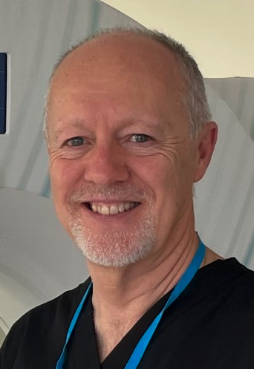 Rodney Hicks合作论文数Melbourne Theranostic Innovation Centre;Faculty of Medicine Nursing and Health Sciences, Monash University;University of Melbourne16
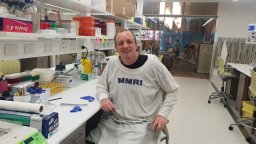 Keane Colm合作论文数15Mandy J. Ludford-Menting合作论文数15
 Kirsten Herbert合作论文数14
 Cross Ryan Stanley合作论文数14
 Chan Cheah合作论文数Department of Haematology, Sir Charles Gairdner Hospital14Hsu Andy K W合作论文数14Collins J合作论文数14Andrew Lim合作论文数13
 John James Moore合作论文数13Curley Cameron合作论文数13Carney Dennis A合作论文数13




