ABSTRACT:Patients with chronic lymphocytic leukemia/small lymphocytic lymphoma (CLL/SLL) who harbor del(17p) and/or tumor protein p53 (TP53) mutations represent a high-risk population with a historically poor prognosis. To assess zanubrutinib efficacy and safety outcomes in patients with CLL/SLL with del(17p) and/or TP53 mutations (N = 301; n = 132, treatment-naive [TN]; n = 169, relapsed/refractory [R/R]), data from SEQUOIA (phase 3; TN; zanubrutinib; NCT03336333), ALPINE (phase 3; R/R; zanubrutinib vs ibrutinib; NCT03734016), and AU-003 (NCT02343120) (phase 1/2; zanubrutinib) were evaluated. In SEQUOIA (n = 127; median follow-up, 64.8 months), median progression-free survival (PFS) and overall survival (OS) were not reached; estimated 60-month PFS and OS were 70.7% and 82.3%, respectively. In ALPINE (n = 75, each treatment arm; median follow-up, 39.0 months), 36-month PFS rates were 59.2% among patients treated with zanubrutinib and 38.5% among those treated with ibrutinib, and OS rates were 73.6% and 72.5%, respectively. In AU-003 (n = 24; median follow-up, 69.6 months), 10 of 24 patients experienced progressive disease. Rate of response with zanubrutinib in SEQUOIA was 96.9% (95% confidence interval [CI], 95.2-98.8), and in ALPINE was 89.3% (95% CI, 80.1-95.3) with zanubrutinib vs 76.0% (95% CI, 64.7-85.1) with ibrutinib. Responses deepened over time in both TN and R/R populations. The most frequent nonhematologic treatment-emergent adverse events occurring in >20% of patients treated with zanubrutinib with del(17p) and/or TP53 mutations in SEQUOIA and ALPINE were COVID-19, upper respiratory tract infection, arthralgia, diarrhea, and contusion. In conclusion, zanubrutinib demonstrated strong efficacy in high-risk del(17p) and/or TP53 CLL/SLL, with a tolerable safety profile, further supporting use of zanubrutinib in both frontline and R/R settings.
ABSTRACT:Pirtobrutinib, a noncovalent, reversible Bruton tyrosine kinase inhibitor (BTKi), demonstrated efficacy in patients with chronic lymphocytic leukemia (CLL), resistant to covalent BTKi (cBTKi). We analyzed genomic correlations with response and resistance to pirtobrutinib in relapsed/refractory (R/R) patients with CLL pretreated with cBTKi enrolled in the phase 1/2 BRUIN trial. DNA sequencing was performed on peripheral blood mononuclear cells at baseline, on treatment, and at progressive disease (PD). Common alterations at baseline included mutations in BTK (43%), TP53 (38%), SF3B1 (25%), NOTCH1 (23%), ATM (19%), XPO1 (11%), PLCG2 (9%), BCL2 (8%), and 17p deletion (28%). Common baseline BTK mutations included C481S (85%), C481R (10%), C481F (6%), and C481Y (4%). At PD, 60 of 88 patients (68%) acquired ≥1 mutation, including 44% with acquired BTK mutations and 24% with other acquired mutations. A total of 55 acquired BTK mutations were detected in 39 patients, including gatekeeper mutations (T474I/F/S/Y/L, 26%), kinase-impaired L528W (16%), C481S/R/Y (5%), V416L (2%), and A428D (1%) and others proximal to the adenosine triphosphate-binding pocket, D539A/G/H (1%) and Y545N (1%). Decrease or complete clearance of BTK C481x was observed at PD in 36 of 43 patients (84%). Using a more sensitive assay, 37% (18/49) of acquired BTK mutations were detected at baseline at low allele frequency. Using a highly sensitive assay at progression, a similar frequency of acquired BTK mutations (39%) was detected, and all patients had detectable acquired mutations. This study highlights the complex clonal dynamics of BTK mutations in patients with R/R CLL undergoing pirtobrutinib treatment, and the extent of resistance without an obvious genomic driver. Trial registration: #NCT03740529 at www.ClinicalTrials.gov.
Introduction: Targeted therapies have significantly transformed the management of chronic lymphocytic leukaemia (CLL), yet most recommendations continue to reflect Western practice patterns. Variations in disease biology, healthcare resources and treatment accessibility across the Asia-Pacific (APAC) necessitate region-specific guidance. The Asia-Pacific Leukaemia Consortium (APLC) therefore developed updated consensus statements to support standardised, context-appropriate care for patients with CLL. Methods: A modified Delphi process was conducted with 17 haematology experts from multiple APAC regions. A systematic literature search (i.e. MEDLINE via PubMed) covering publications from 2016 onwards informed the development of 29 statements across 3 domains: diagnosis, treatment and long-term management. Panel members rated each statement using a 5-point Likert scale. Consensus was defined a priori as a mean score ≥3.5. Statistical measures and iterative expert discussions guided refinement of the final recommendations. Results: Twenty-nine statements reached consensus with key recommendations addressing: (1) appropriate use of genetic and prognostic testing, particularly TP53 and immunoglobulin heavy chain (IGHV) status; (2) first-line and relapsed/refractory treatment selection, including the role of Bruton’s tyrosine kinase (BTK) inhibitors, B-cell lymphoma 2 inhibitors, combination strategies, cellular therapies and emerging modalities; and (3) long-term monitoring, toxicity surveillance and management of complications such as autoimmune cytopenias. Region-specific considerations—such as variable access to novel agents and diagnostic platforms—were incorporated throughout. Conclusion: These updated APLC consensus recommendations provide clinicians across the APAC with an evidence-based, pragmatic framework for managing CLL. They aim to support treatment consistency, optimise sequencing strategies and address gaps in diagnostics, access and long-term survivorship care across diverse healthcare settings.
BACKGROUND:In the absence of real-world comparative studies of cardiac death risk, this study estimates the potential reduction in cardiac mortality associated with treating chronic lymphocytic leukemia (CLL) patients with zanubrutinib instead of ibrutinib in first-line (1L) or second-line or later (2L+) in the United States (US). METHODS:Number needed to treat (NNT) for incremental cardiac death with ibrutinib versus zanubrutinib was applied to real-world ibrutinib utilization from Symphony over 5 years (2020-2024). Primary analysis utilized head-to-head cardiac death risks from ALPINE (2L+). An exploratory 1L analysis utilized indirect comparisons from SEQUOIA and RESONATE-2. Sensitivity analyses assessed cardiac death risk with 10+ years of ibrutinib utilization (2014-2024). RESULTS:In 2L+ CLL, NNT for incremental cardiac death was 54 patients. Based on real-world ibrutinib use, 81 cardiac deaths could potentially have been avoided with zanubrutinib over 5 years. The exploratory 1L CLL NNT per cardiac death was 46, corresponding to 140 potentially avoidable deaths if patients were treated with zanubrutinib. Over a 10+ year period, the number of potentially avoidable deaths increased to 318 (2L+) and 489 (1L). CONCLUSIONS:The NNT model suggests substantial cardiac death reductions if zanubrutinib were utilized instead of ibrutinib for CLL treatment in US practice.
BACKGROUND:Allogeneic haemopoietic stem cell transplantation (HSCT) is an effective therapy with curative potential for patients with high-risk or relapsed/refractory chronic lymphocytic leukaemia (CLL). There are limited data on the use and outcomes of HSCT in the modern era of CLL treatment. AIMS:The aim of this study was to examine the use of HSCT performed for CLL in Australia and New Zealand, including patients exposed to pathway inhibitors (PIs) prior to transplant. METHODS:Data were collected through the Australian and New Zealand Transplant and Cellular Therapy Registry for all patients who underwent HSCT for CLL between January 2009 and December 2018. Transplant outcomes were compared between two 5-year time periods: 2009-2013 and 2014-2018. RESULTS:Ninety-four patients underwent HSCT during 2009-2013 and 50 during 2014-2018. There was a significant reduction in non-relapse mortality (NRM) from 42% (95% confidence interval (CI): 31-52) to 23% (95% CI: 12-35, P = 0.02) between the periods; however, overall survival (OS), progression-free survival (PFS) and relapse were unchanged. Within the 2014-2018 cohort, 22 patients were PI exposed prior to transplant. At 3 years, these patients demonstrated a median OS of 54% (95% CI: 35-82), PFS of 44% (95% CI: 27-71), NRM of 25% (95% CI: 8-45) and cumulative incidence of relapse of 32% (95% CI: 14-52). In multivariate analysis, only disease in complete remission at the time of HSCT was associated with improved OS (hazard ratio: 2.54, 95% CI: 1.04-6.18). CONCLUSION:Allogeneic HSCT remains a viable treatment option for select patients with CLL.
BACKGROUND:Bruton's tyrosine kinase inhibitors (BTKi) reduce mortality and morbidity in chronic lymphocytic leukaemia (CLL) but have an association with cardiotoxicities, including hypertension, atrial fibrillation (AF), ventricular arrhythmias (VA) and bleeding. There is currently no specific advice for Australian and New Zealand clinicians. AIM:In this paper, we aim to provide evidence-based recommendations for risk assessment, monitoring and managing cardiovascular (CV) toxicity to optimise patient outcomes. METHODS:A multidisciplinary roundtable was held on 21 August 2023 to discuss clinical evidence and derive consensus recommendations, which were graded according to class and level of evidence. RESULTS:Baseline CV risk assessment, including patient history, blood pressure (BP), pulse and ECG, is recommended in all patients before starting a BTKi. Management and monitoring requirements should reflect the patient's risk status. A target BP of 140/90 mmHg should be achieved (or 130/80 mmHg in high-risk patients or those with CV disease). In patients with pre-existing AF, closer monitoring is recommended in consultation with cardiology. Oral anticoagulation is generally warranted in patients with a CHA2DS2-VASc score of ≥2 in males or ≥3 in females. BTKi should be withheld for 3 days before and after a minor procedure and 7 days prior to or post a major procedure. Due to the risk of VA and sudden death, BTKi is generally contraindicated in patients with previous VA, severe or uncontrolled heart failure or hypertension. Multidisciplinary care aims to minimise complications and improve treatment outcomes. CONCLUSION:Further research should be directed at validating CV screening tools and measuring outcomes based on these recommendations.
BTK inhibitors (BTKi) are an established standard of care in CLL. The covalent BTKi ibrutinib, acalabrutinib and zanubrutinib bind to BTK C481 and are all susceptible to the C481S mutation. Non-covalent BTKi including pirtobrutinib overcome C481S resistance but are associated with multiple variant (non-C481) BTK mutations, including those associated with resistance to acalabrutinib and zanubrutinib (T474 codon and L528W mutations). We review the current knowledge on variant BTK mutations, discuss their clinical implications and consider their impact on clinical trials.
Aim: Autologous anti-CD19 chimeric antigen receptor T-cell therapy (CAR-T) is now a standard-of-care for relapsed and/or refractory (R/R) large B-cell lymphoma (LBCL), but optimal patient selection, sequencing with other novel agents and bridging strategies are areas for improvement. Tisagenlecleucel (tisa-cel) and axicabtagene ciloleucel (axi-cel) have been publicly funded in Australia since January 2020 and August 2021, respectively. We evaluated the impact of baseline clinical and laboratory risk factors known at (1) apheresis and (2) pre-lymphodepletion (pre-LD), on efficacy and toxicity of CAR-T to inform clinical decision making. Methods: Adult patients with R/R LBCL eligible for CAR-T according to the Australian national criteria (ECOG <2, ≥2 prior lines or autologous stem cell transplant (autoSCT), adequate organ function) were included if they underwent apheresis with intent to receive CAR-T at 6 Australian centres between January 1, 2020 and December 31, 2024. For infused patients, progression-free survival (PFS) and overall survival (OS) were calculated from date of infusion. Univariable and multivariable Cox proportional hazards (CoxPH) models using routinely-available risk factors were applied at apheresis and pre-LD, and predictive scoring systems were established. Results: 632 patients were included. The median age was 66 years (16 to 85), histologies were high-grade B-cell lymphoma (HGBL) 11%, diffuse large B-cell lymphoma (DLBCL) 63%, transformed lymphoma 16%, Richters transformation 4%, primary mediastinal large B-cell lymphoma (PMBCL) 2%, T-cell/histiocyte rich large B-cell lymphoma (THRLBCL) 2%. Bridging therapy was used in 87% (46% systemic, 24% radiotherapy, 17% combined). 210 tisa-cel-intended patients underwent apheresis; 190 (90%) were infused. The best overall and complete response rates (ORR and CRR) were 73% and 59%, respectively. The 12-month PFS was 34% (intention-to-treat (ITT)), and 38% (infused). Grade (G) ≥3 CRS occurred in 9%, and G≥3 ICANS in 7%. 422 axi-cel-intended patients underwent apheresis; 395 (94%) proceeded to infusion. The best ORR and CRR were 85% and 72%, respectively. The 12-month PFS was 47% (ITT), and 50% (infused). G≥3 CRS occurred in 4%, and G≥3 ICANS occurred in 22%. CoxPH factors included: age (>75 vs ≤75), sex, ECOG (0 vs ≥1), histology (HGBL vs DLBCL vs transformed lymphoma), number of prior lines of therapy (2 vs 3 vs ≥4), prior autoSCT, history of primary refractory disease, relapsed/refractory to most recent systemic therapy, LDH (high vs normal), bridging response (PD/SD vs PR/CR vs no bridging, at pre-LD only). At time of apheresis, a two-factor model including relapsed/refractory status and LDH was selected. For tisa-cel patients the 12-month PFS (ITT) stratified by number of risk factors was, 0: 58% (44–76%), 1: 33% (24–45%), and 2: 24% (16–37%). Rates of failure to infuse were, 0: 5%, 1: 8%, and 2: 18%. For axi-cel 12-month PFS (ITT) was: 0: 63% (50–78%), 1: 53% (45–63%), and 2: 37% (30–45%). Rates of failure to infused were, 0: 2%, 1: 6%, and 2: 8%. At pre-LD, a three-factor model including ECOG, bridging response and LDH, was selected. For tisa-cel patients the 12-month PFS (infused) stratified by number of risk factors was, 0: 72% (58–89%), 1: 49% (38–63%), 2: 28% (17–46%), and 3: 3% (0–23%). For axi-cel 12-month PFS (infused) was, 0: 66% (54–80%), 1: 65% (55–76%), 2: 52% (43–63%), and 3: 23% (15–35%). Amongst tisa-cel patients with all 3 risk factors, the rate of G≥3 CRS was 22% and G≥3 ICANS was 12%, compared with 5% and 7%, respectively, with ≤2 risk factors. Amongst axi-cel patients with all 3 risk factors, the rate of G≥3 CRS was 9% and G≥3 ICANS was 31%, compared with 2% and 19%, respectively, with ≤2 risk factors. Conclusions: Real-world Australian outcomes of CAR-T for R/R LBCL in third-line and beyond are favourable. A two-factor model at pre-apheresis (relapsed/refractory status and LDH) and a three-factor model at pre-LD (ECOG, bridging response and LDH) stratifies for both PFS and high-grade toxicity risk. Response to bridging was associated with improved outcomes with either product. In the absence of identified risk factors outcomes were excellent with either product, with axi-cel more effective relative to tisa-cel as risk factors increased. These findings offer a simple and clinically useful framework for consideration of patient selection, product choice and bridging strategy in the era of alternative highly-effective therapies.
Introduction: The first-generation BCL2 inhibitor,venetoclax, is an effective treatment for CLL/SLL, but its usage may be limited by toxicity. Sonrotoclax, a next-generation BCL2 inhibitor, is a more selective and pharmacologically potent inhibitor of BCL2 than venetoclax, with a shorter half-life and no drug accumulation. BGB-11417-101 (NCT04277637) is an ongoing, phase 1/1b, dose-escalation/expansion study in patients with B-cell malignancies. Presented here are preliminary data for sonrotoclax + obinutuzumab in patients with treatment-naive (TN) CLL/SLL in BGB-11417-101. Methods: Obinutuzumab is administered intravenously at 100 mg on day (D) 1, 900 mg on D2, 1,000 mg on D8 and D15 of cycle (C) 1, and then 1,000 mg on D1 of C2-6 of each 28-day cycle. Beginning on C2D1, sonrotoclax is administered orally once daily with ramp-up to the target doses, 160 or 320 mg. Patients can continue treatment until progressive disease (PD), unacceptable toxicity, or undetectable minimal residual disease (uMRD4; <1 CLL cell per 10,000 leukocytes [<0.01%]) in peripheral blood (PB) by next-generation sequencing (NGS; ClonoSEQ) after 15 treatment cycles. Study endpoints include safety per NCI-CTCAE v5.0, overall response rate (ORR) per iwCLL guidelines, and MRD status in PB per modified ERIC flow cytometry (FC) assay or NGS, depending on the timepoint. Tumor lysis syndrome (TLS) is assessed per Howard (2011) criteria. Results: As of May 16, 2025, 55 patients with TN CLL/SLL were enrolled (160 mg, n=20; 320 mg, n=35), and 21 patients (all 320 mg) have discontinued sonrotoclax + obinutuzumab (due to uMRD4 per NGS as protocol-mandated [n=17], PI decision uMRD4 per FC [n=2], and PD [n=2]). Four patients discontinued obinutuzumab only per PI decision (160 mg, n=1), thrombocytopenia (320 mg, n=2), and prostate cancer prior to starting sonrotoclax (160 mg, n=1). For all patients, the median age was 62 y, 65% were male, and 89% were White. At baseline, 14% of patients (8/55) had high tumor burden and 58% (31/53) had unmutated IGHV. Median study follow-up was 8.9 months (range, 0.4-25.4 months) for all patients; 6.4 months (range, 0.4-9.0 months) for 160 mg; and 16.0 months (range, 2.9-25.4 months) for 320 mg. Maximum tolerated dose was not reached. The most common any-grade treatment-emergent AEs (TEAEs) were thrombocytopenia (56%), infusion-related reaction (56%), and neutropenia (49%). Neutropenia was the most common grade ≥3 TEAE (38%). No deaths due to TEAEs occurred, and no TEAEs led to sonrotoclax discontinuation. Two cases of laboratory TLS occurred after C1D1 of obinutuzumab prior to starting sonrotoclax; no clinical or laboratory TLS occurred during sonrotoclax ramp up. No meaningful safety differences were observed among sonrotoclax dose cohorts. In 37 efficacy-evaluable patients (160 mg, n=7; 320 mg, n=30), the ORR was 89%; for the 320-mg cohort, ORR was 93% (28/30). Complete response (CR) rates (CR + CR with incomplete marrow recovery [CRi]) were 46% (all patients) and 43% (320 mg). For 23 patients in the 320 mg cohort who reached the C15 MRD assessment, the best C15 uMRD4 rate per FC was 87% (20/23; 2 not evaluable; 1 missing); per NGS, the uMRD4 rate at C15 was 78% (18/23; 5 missing). All patients with an available C15 MRD assessment achieved uMRD4 and remain in remission as of the data cutoff date. The median time from reaching sonrotoclax target dose to uMRD4 was 2.3 months (range, 1.4-5.6 months) in the 320-mg cohort. Three patients experienced PFS events: 1 died from an indeterminate cause (160 mg, discontinued treatment after C1D9 of obinutuzumab) and 2 had PD (320 mg; both Richter's transformation at C6 and C2). Conclusions: Sonrotoclax + obinutuzumab was generally well tolerated in patients with TN CLL/SLL, with no sonrotoclax discontinuations or deaths due to TEAEs. No laboratory or clinical TLS events occurred during sonrotoclax ramp-up. Encouraging antitumor activity was observed with sonrotoclax 320 mg. High rates of blood uMRD4 occurred early and deepened over time. All patients with an available C15 MRD assessment by NGS or FC achieved uMRD4 and remain in remission. A registrational phase 3 study (CELESTIAL-RRCLL, BGB-11417-303) assessing this combination with sonrotoclax 320 mg is currently recruiting.
BGB-16673 is an orally available protein degrader that blocks BTK signaling by tagging BTK for degradation through the cell's proteasome pathway, leading to tumor regression. CaDAnCe-101 (BGB-16673-101, NCT05006716) is an ongoing phase 1/2 study of BGB-16673 monotherapy in patients with various B-cell malignancies. Here, updated phase 1 results in the follicular lymphoma (FL) and marginal zone lymphoma (MZL) cohorts are presented. Eligible patients have had ≥2 prior therapies for NHL, including an anti-CD20 antibody for patients with FL and an anti-CD20 antibody (EU and US patients) and covalent BTK inhibitor (US patients only) for patients with MZL; additional eligibility criteria include an ECOG performance status of 0-2 (0-1 in the EU) and adequate end organ function. BGB-16673 was dosed once daily (QD) orally in 28-day cycles, with 6 planned dose levels ranging from 50 to 600 mg QD. The primary study objectives were to assess safety and tolerability according to NCI-CTCAE v5.0 guidelines and to establish the maximum tolerated dose and recommended dose for expansion. The secondary objective was to evaluate the overall response rate (ORR) per 2014 Lugano criteria, with the first assessment occurring after 12 weeks of treatment. As of May 23, 2025, 60 patients with FL (n=24) or MZL (n=36) were enrolled and treated. The median number of prior lines of therapy was 3 for both FL (range, 2-9) and MZL (range, 2-15) and included covalent BTK inhibitors (FL, n=3 [12.5%]; MZL, n=30 [83.3%]), noncovalent BTK inhibitors (FL, n=1 [4.2%]; MZL, n=4 [11.1%]), and BCL2 inhibitors (MZL, n=6 [16.7%]). Median follow-up was 3.5 months (range, 1.0-32.6) for FL and 5.5 months (range, 0.3-27.8) for MZL. Overall, any-grade treatment-emergent adverse events (TEAEs) occurred in 87.5% and 97.2% of patients with FL and MZL, respectively. TEAEs occurring in ≥20% of patients in either cohort were fatigue (FL, 20.8%; MZL, 30.6%) and neutropenia (MZL, 22.2%). Grade ≥3 TEAEs occurred in 25.0% of patients with FL and 50.0% with MZL. In the MZL cohort, 3 patients (8.3%) experienced major hemorrhage: 1 patient had a grade 3 gastrointestinal hemorrhage (post rectal surgery), 1 patient had a grade 5 intracranial hemorrhage, and 1 had a grade 2 hemothorax (post pleural effusion drainage). In the MZL cohort, 1 patient (2.8%) had grade 1 atrial fibrillation and 1 (2.8%) had grade 3 febrile neutropenia. TEAEs led to 1 treatment discontinuation in the FL cohort (4.2%) and 5 in the MZL cohort (13.9%). Additionally, 1 death due to a TEAE occurred in the MZL cohort (intracranial hemorrhage, 2.8%). Twelve patients on treatment have not yet reached the first response assessment time point. In 48 response-evaluable patients, the ORR was 41.2% (7/17) for FL, including 3 patients with responses lasting ≥6 months, 3 censored cases and 1 event occurring before 6 months. For MZL, the ORR was 54.8% (17/31), including 5 patients with responses lasting ≥6 months, 9 censored cases and 3 events occurring prior to 6 months. Seven patients (FL, 11.8% [n=2]; MZL, 16.1% [n=5]) achieved complete response. Responses were also seen in 13 of 26 patients with MZL who were previously treated with a covalent BTK inhibitor. Median time to first response was 2.7 months (range, 2.6-3.3) for FL and 2.8 months (range, 2.6-9.9) for MZL. As of the data cutoff, 33 patients (FL, n=11; MZL, n=22) remained on treatment; in both cohorts, progressive disease was the most common reason for treatment discontinuation (FL, 45.8%; MZL, 22.2%). These data demonstrate that the novel BTK degrader BGB-16673 is tolerable and shows clinically beneficial responses in heavily pretreated patients with FL and, particularly, MZL, including those who received a prior BTK inhibitor. CaDAnCe-101 enrollment continues for patients with FL and MZL.
Background: Secondary central nervous system large B-cell lymphoma (sCNSL) carriers a poor prognosis and is often refractory to standard chemoimmunotherapy. Autologous anti-CD19 chimeric antigen receptor T-cell (CAR-T) therapy has revolutionised the treatment of relapsed and/or refractory large B-cell lymphoma (LBCL) but active CNSL was excluded from pivotal trials, leading to a paucity of data in this cohort. Real-world retrospective studies have suggested these patients can achieve durable responses from anti-CD19 CAR-T therapy however questions remain regarding the outcomes in particular cohorts, especially those with active sCNSL at the time of CAR-T treatment. Methods: Data was collected retrospectively at six centres that participate in the Australian CAR-T Real-World Consortium. We included all patients who underwent apheresis for commercially available autologous anti-CD19 CAR-T therapy between 1st January 2020 and 31st March 2025 and had radiological or pathological evidence of secondary CNS involvement by LBCL at any time prior to CAR-T infusion. Active sCNSL was defined as those with radiological, histological or cerebrospinal fluid cytological evidence of CNSL at apheresis or prior to lymphodepletion. Active systemic lymphoma was defined as PET-avid extra-CNS disease. Due to low patient numbers no statistical tests were performed. Results: 62 patients with a history of and/or active sCNSL underwent apheresis with intent to receive CAR-T; 50 axicabtagene ciloleucel (axi-cel) and 12 tisagenlecleucel (tisa-cel). Median age was 63.5 years (range 28 to 85) and 63% male. 59% had diffuse large B cell lymphoma, 18% high grade B cell lymphoma with MYC and BCL2 and/or BCL6 rearrangements and 15% transformed follicular lymphoma. Median prior lines of therapy were 2 (range 1-4), 26% had an autologous stem cell transplant and 66% were refractory to their most recent therapy. 32 patients (52%) had active systemic and sCNSL, 8 (13%) had active sCNSL alone, and 22 (35%) had active systemic lymphoma alone (with a history of sCNSL). Distribution of sCNSL included 52% leptomeningeal, 32% intraparenchymal and 16% both. 63% of patients received systemic bridging alone, 10% radiotherapy alone and 23% both modalities. The most frequent systemic bridging was chemotherapy (47%), polatuzumab vedotin (11%) and Bruton tyrosine kinase inhibitor (11%). 44% of patients experienced disease progression at any site following bridging therapy. Seven patients did not proceed to infusion, six due to progressive disease and one due to patient choice. 55 patients (89%) proceeded to CAR-T infusion; 44 (88%) axi-cel, 11 (92%) tisa-cel. Median follow up was 11.2 months. The rate of any cytokine release syndrome (CRS) was 85% (9% grade (G) 3-4); axi-cel 89% (7% G3-4); tisa-cel 73% (9% G3-4). The rate of any immune effector cell associated neurotoxicity syndrome (ICANS) was 62% (32% G3-5); axi-cel 64% (32% G3-4); tisa-cel 55% (27% G3-5). There was 1 death due to ICANS in a patient who received tisa-cel. Overall response rate (ORR) and complete response rates (CRR) for the entire cohort were 82% and 60% respectively. The 12-month progression free (PFS) survival for patients infused with tisa-cel was 27%, and 25% in all patients undergoing apheresis (intention to treat, ITT). 12-month PFS for axi-cel was 30% (infused) and 27% (ITT). The 12-month overall survival for infused patients was 35% (tisa-cel 27%; axi-cel 40%). The 12-month PFS in patients with active systemic and sCNSL at the time of CAR-T infusion was 24%, active sCNSL alone 64% and active systemic lymphoma alone 28%. The 12-month PFS for patients with only leptomeningeal disease was 22%, intraparenchymal disease 40%, and both 42%.Conclusions: Patients with sCNSL achieved remission with CAR-T therapy at rates comparable to published data for systemic lymphoma. The CRS and ICANS rates in those receiving axi-cel in this cohort are similar to those seen in prospective trials, consistent with other published real-world series. In the small number of patients receiving tisa-cel, ICANS rates were higher than previously published. PFS appeared similar between those with active sCNSL compared to historic CNS involvement. Active sCNSL alone had favourable PFS compared with concurrent systemic and sCNSL. Larger patient numbers and longer follow-up is required to confirm these findings.
Introduction: Targeting Bruton tyrosine kinase (BTK) has revolutionized the treatment of chronic lymphocytic leukemia/small lymphocytic lymphoma (CLL/SLL). Pirtobrutinib, a noncovalent BTK inhibitor, was recently approved for patients who relapsed following covalent BTK inhibitor therapy such as ibrutinib, acalabrutinib, or zanubrutinib. BGB-16673 is an orally available protein degrader that blocks BTK signaling by tagging BTK for degradation through the cell's proteasome pathway, leading to tumor regression. Data from CaDAnCe-101 (BGB-16673-101, NCT05006716), an ongoing phase 1/2 study, demonstrates that BGB-16673 has a tolerable safety profile and can achieve responses in heavily pretreated patients with relapsed/refractory (R/R) CLL/SLL, including those with prior BTK inhibitor treatment and BTK resistance mutations. Here, a phase 3 study that will evaluate the efficacy and safety of BGB-16673 vs pirtobrutinib in patients with R/R CLL/SLL previously treated with a covalent BTK inhibitor is described. Methods: CaDAnCe-304 (BGB-16673-304, NCT06973187) is an open-label, randomized, phase 3 clinical study. Eligible patients are aged ≥18 years and have a confirmed diagnosis of CLL/SLL that is R/R after ≥1 line of therapy, including a covalent BTK inhibitor.Patients are excluded if they have prolymphocytic leukemia or a history of Richter transformation, prior exposure to any BTK protein degraders or noncovalent BTK inhibitors, or a history of bleeding disorders. Approximately 500 patients will be enrolled and randomized 1:1 to receive either BGB-16673 (arm A) or pirtobrutinib (arm B). Randomization will be stratified based on prior exposure to BCL2 inhibitors, del(17p) and/or TP53 mutation status, and response to last covalent BTK inhibitor treatment. The primary endpoint is PFS as determined by an independent review committee (IRC) per modified 2018 International Workshop on CLL criteria (for CLL) and Lugano classification (for SLL). Secondary endpoints include overall survival, PFS by investigator (INV), overall response rate by IRC and INV, rate of partial response with lymphocytosis or higher by IRC and INV, duration of response by IRC and INV, time to next treatment, safety/tolerability per NCI CTCAE v5.0, and patient-reported outcomes. This study is actively recruiting.
The management of hairy cell leukemia (HCL) in elderly patients is becoming increasingly important as more patients are diagnosed at advanced ages (≥75 years) due to longer life expectancy. This expert consensus, based on a survey of international specialists from the Hairy Cell Leukemia Consortium, explores management strategies for this age group. Cladribine monotherapy remains the preferred first-line treatment, but its application varies, with dosage adjustments common to improve tolerability. Experts stress a holistic approach that considers advanced age, comorbidities, and individual patient circumstances. Although functional status and comorbidities are routinely assessed, structured frailty tools are rarely used. For relapsed cases, targeted therapies, including BRAF inhibitors with anti-CD20 antibodies, are favored. Challenges include managing comorbidities, infection risks, and a lack of geriatric-specific evidence. While current treatments are effective, the findings highlight the critical need for data exclusively derived from elderly HCL patients to develop tailored guidelines and improve outcomes in this vulnerable population.
Introduction: The SEQUOIA study (NCT03336333) evaluated zanu, a next-generation Bruton tyrosine kinase (BTK) inhibitor, in TN CLL/SLL. The study included 4 tx arms; this report focuses on: arm A (zanu monotherapy [mono]) vs arm B (BR) and the non-randomized arm C [zanu mono in pts with del(17p)]. Previous analyses at 60 months (mo) follow-up (FU) showed that zanu provided sustained progression-free survival (PFS) superiority over BR and robust, durable efficacy in pts with del(17p). Here, the updated efficacy and safety results for arms A vs B and arm C with a median FU of ~6yrs (>12mo of additional FU) are presented. Methods: Pts without del(17p) were randomized to receive continuous zanu (arm A) or 6 cycles of BR (arm B). Pts in the BR arm could cross over to zanu after disease progression. Pts with del(17p) received continuous zanu in arm C. Adverse events (AEs) were reported until disease progression or start of next-line tx. This analysis evaluated efficacy and safety, including investigator-assessed PFS, time to next tx (TTNT), time to second PFS event or death (PFS2), and overall survival (OS). PFS and OS analyses were also adjusted for COVID-19 impact. Results: In arms A and B, 479 pts received zanu (n=241) or BR (n=238). As previously reported, arms A and B were well balanced for demographic and disease characteristics. As of April 30, 2025, median FU was 72.8mo (range, 0.0-90.0). Zanu demonstrated sustained PFS superiority vs BR (HR, 0.28; 95% CI, 0.20-0.38; P<.0001). Estimated 72mo PFS rates were 74% (95% CI, 67.2-79.1) for zanu and 32% (95% CI, 25.2-39.9) for BR; after COVID-19 adjustment, rates were 77% (95% CI, 70.1-81.8) and 33% (95% CI, 25.5-40.4), respectively. Fewer zanu-treated pts required subsequent tx (n=27) vs BR-treated patients (n=84, including 67 who crossed-over). TTNT was significantly longer with zanu vs BR (HR, 0.22; 95% CI, 0.14-0.34; P<.0001); at 72mo, 89% (95% CI, 84.2-92.6) and 55% (95% CI, 47.7-62.2) of pts that received zanu and BR, respectively, had not initiated subsequent tx. Estimated 72mo PFS2 rates were 84% (95% CI, 78.2-87.8) for zanu and 76% (95% CI, 69.9-81.6) for BR. OS at 72mo was 84% (95% CI, 78.7-88.2) for zanu and 80% (95% CI, 74.4-85.2) for BR; after adjusting for COVID-19, OS was 88% (95% CI, 82.5-91.2) and 82% (95% CI, 76.1-86.7), respectively. Median tx exposure for zanu was 71.8mo (range, 0.5-89.9) and 6.0mo (range, 0.9-7.4) for BR. Grade ≥3 tx-emergent AEs (TEAEs) occurred in 72% of zanu pts and 74% of BR pts, and serious AEs occurred in 61% and 41%, respectively. The exposure-adjusted incidence rates (EAIR) for AEs of interest (per 100 person-mo) were atrial fibrillation/flutter (zanu vs BR: 0.16 vs 0.10), hypertension (0.46 vs 0.36) and infections (3.40 vs 3.37), which were comparable between zanu and BR, while neutropenia (2.95 vs 0.34) was higher for BR and both hemorrhage (1.57 vs 0.32) and major hemorrhage (0.18 vs 0.05) were higher with zanu. Arm C included 111 pts [110 with confirmed del(17p)] who received zanu and had a median FU of 76.7mo (range, 5.0-86.9). Estimated PFS rate at 72mo was 64% (95% CI, 53.6-72.8) and after COVID-19 adjustment was 65% (95% CI, 54.3-73.5). In arm C, 22 pts started new tx. At 72mo, 83% of pts (95% CI, 73.6-88.6) had not yet initiated subsequent tx. Estimated 72mo PFS2, OS and OS with COVID-19 adjusted rates were 82% (95% CI, 73.6-88.3), 83.2% (95% CI, 74.7-89.1) and 85.0% (95% CI, 76.7-90.5), respectively. Median tx exposure in arm C was 74.8mo (range, 1.6-86.8). The observed safety profile in arm C was similar to arm A. In arm C, 74% and 62% of pts experienced grade ≥3 and serious TEAEs, respectively. The EAIR for select AEs of interest (per 100 person-mo) were atrial fibrillation/flutter 0.15, hypertension 0.38, infections 4.16, neutropenia 0.35, hemorrhage 2.03 and major hemorrhage 0.17. Conclusion: With 6 years of FU, zanu continues to demonstrate robust efficacy and a favorable safety profile in TN CLL/SLL. Zanu demonstrated sustained superiority vs BR with a 72% reduction in risk of progression or death and 78% reduction in risk of needing subsequent tx. Among pts with del(17p), long-term outcomes (including PFS, PFS2, and OS) were robust and comparable to those without del(17p), suggesting that zanu may ameliorate the historically poor prognosis associated with this high-risk feature. This supports zanu as an effective, tolerable frontline tx option for TN CLL/SLL, including those with high-risk features.
BACKGROUND:Adult cancer survivors are at increased risk of heart failure (HF) due to standard risk factors and cancer treatment-related cardiac dysfunction. However, the prevalence and treatment of subclinical/stage B heart failure (SBHF) in this population are not well defined. OBJECTIVES:The REDEEM (Risk-guided Disease managEment plan to prevEnt heart failure in patients treated with previous cardiotoxic cancer treatMents) trial will evaluate HF screening and targeted intervention in long-term cancer survivors. METHODS:Survivors ≥40 years old, ≥5 years post potentially-cardiotoxic therapy, and with ≥1 HF risk factor were screened by echocardiography for SBHF (abnormal global longitudinal shortening [GLS], left ventricular hypertrophy [LVH], diastolic dysfunction or abnormal 3-dimensional left ventricular ejection fraction [3D-LVEF]). Those with SBHF were randomized to multidisciplinary cardio-oncology disease management plan (CO-DMP), including neurohormonal blockade, exercise training and risk factor optimization, or usual care. The primary endpoint is change in cardiorespiratory fitness (VO2peak) over 6 months. RESULTS:Of 1,124 survivors screened, 604 underwent echocardiography, and 145 (24%) had SBHF (age 68±18 years; 81% women). Of those eligible for randomization, 64% had breast cancer and 35% had hematological malignancy. Although baseline 3D-LVEF was preserved (52.8 ± 6.8%), subclinical LV dysfunction was common (GLS 15.6 ± 2.1%) and 39% had evidence of functional impairment (VO2peak≤18ml/kg/min-1). Abnormal GLS was associated with age, BMI, diabetes and anthracycline exposure, whereas functional impairment was only associated with age. Abnormal GLS and functional impairment were not significantly associated (OR 0.90 [95% CI 0.72-1.11], P = .360). CONCLUSIONS:Risk-based screening can identify a high-risk subpopulation of cancer survivors with SBHF. REGISTRATION:ClinicalTrials.gov NCT04962711, https://www. CLINICALTRIALS:gov/study/NCT04962711.
 John Seymour合作论文数Department of Haematology, Peter MacCallum Cancer Centre;Department of Haematology, Royal Melbourne Hospital;Division of Cancer Medicine, Peter MacCallum Cancer Centre161
 Stephen Opat合作论文数Monash Health;Department of Haematology, School of Clinical Sciences at Monash Health, Monash University98
 Ghia Paolo Prospero合作论文数Medical School, Università Vita-Salute San Raffaele;B-Cell Neoplasia Unit, Division of Experimental Oncology, IRCCS Ospedale San Raffele86
 William G. Wierda合作论文数Department of Leukemia, Division of Cancer Medicine, The University of Texas MD Anderson Cancer Center83
 Jennifer R. Brown合作论文数CLL Center, Division of Hematologic Malignancies, Dana-Farber Cancer Institute;Harvard Medical School82
 Chan Cheah合作论文数Department of Haematology, Sir Charles Gairdner Hospital78
 Wojciech Jurczak合作论文数Dept Hematol, Jagiellonian Univ71
 Judith Trotman合作论文数Concord Hosp, Sydney, NSW, Australia70
 Alessandra Tedeschi合作论文数69
 Susan M. O Brien合作论文数Division of Oncology, School of Medicine, University of California;Division of Hematology, School of Medicine, University of California;Sue & Ralph Stern Center for Clinical Trials & Research, University of California, Irvine;Chao Family Comprehensive Cancer Center, University of California, Irvine64
 Mary Ann Anderson合作论文数63
 Andrew Roberts合作论文数Peter MacCallum Cancer Centre;Walter and Eliza Hall Institute of Medical Research62
 Nicole Lamanna合作论文数55
 Michael J. Keating合作论文数University of Texas MD Anderson Cancer Center54
 Ian Flinn合作论文数Center for Blood Cancers, Tennessee Oncology;OneOncology54Mazyar Shadman合作论文数51
 Thomas Kipps合作论文数Moores Cancer Center, University of California San Diego50
 Peter Hillmen合作论文数Faculty of Medicine and Health, School of Medicine, University of Leeds;Apellis Pharmaceuticals48Stephen P. Mulligan合作论文数Department of Haematology, Royal North Shore Hospital46Ulrich Jaeger合作论文数University Hospital for Internal Medicine, AKH-General Hospital44
 David Ritchie合作论文数Division of Medicine, Dentistry and Health Sciences, The University of Melbourne;The Sir Peter Maccallum Department of Oncology, The University of Melbourne;Royal Melbourne Hospital43
 David Westerman合作论文数Peter MacCallum Cancer Centre;The Sir Peter Maccallum Department of Oncology, University of Melbourne40
 Bryone J Kuss合作论文数Department of Haematology and Genetic Pathology, Flinders University and Medical Centre39
 Talha Munir合作论文数38Christian Buske合作论文数38
 Shuo Ma合作论文数Hematology and Oncologys, Department of Medicine, Feinberg School of Medicine, Northwestern University37
 Piers Blombery合作论文数Department of Pathology, Peter MacCallum Cancer Centre37
 Tanya Siddiqi合作论文数37aileen cohen合作论文数36Masa Lasica合作论文数36
 Hagop M. Kantarjian合作论文数Department of Leukemia, Division of Cancer Medicine, The University of Texas MD Anderson Cancer Center36
 Tadeusz Robak合作论文数Department of Hematology, Medical University of Lodz36
 Meletios A. Dimopoulos合作论文数Department of Clinical Therapeutics, School of Medicine, National and Kapodistrian University of Athens36Sasanka M Handunnetti合作论文数34
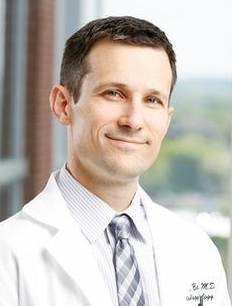 Paul M. Barr合作论文数Wilmot Cancer Center, University of Rochester Medical Center34Dickinson Michael合作论文数Division of Haematology and Medical Oncology, Peter MacCallum Cancer Centre33
 John Allan合作论文数Joan and Sanford I. Weill Department of Medicine, Weill Cornell Medicine, Cornell University32
 Stephen J. Schuster合作论文数Division of Hematology-Oncology, Department of Medicine, Hospital of the University of Pennsylvania;Abramson Cancer Center, University of Pennsylvania;Perelman School of Medicine, University of Pennsylvania32Cull Gavin合作论文数32Zhou Cathy合作论文数32Jane Huang合作论文数31
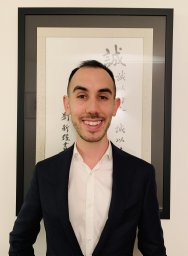 Thomas Lew合作论文数31Danelle F. James合作论文数31
 Ryan Jacobs合作论文数30
 Jennifer Woyach合作论文数College of Pharmacy, The Ohio State University;Division of Hematology, Department of Internal Medicine, College of Medicine, The Ohio State University30
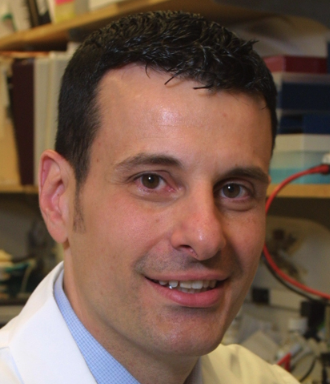 Steven P. Treon合作论文数Bing Center for Waldenström's Macroglobulinemia, Dana-Farber Cancer Institute;Harvard Medical School;Harvard Cancer Center29Emma Verner合作论文数School of Medicine, Faculty of Medicine and Health, The University of Sydney28
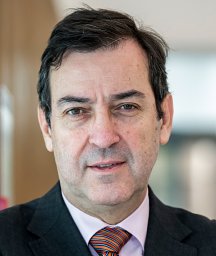 Ramón García Sanz合作论文数Department of Hematology, Hospital General Universitario Gregorio Marañón28
 Pier Luigi Zinzani合作论文数Department of Medical and Surgical Sciences, Università di Bologna28




