IntroductionBiliary spillage (BS) is a common complication following initial cholecystectomy for gall bladder cancer (GBC). Few studies have explored the importance of BS as a long-term prognostic factor. We perform a meta-analysis of the association between BS and survival in GBC.MethodsA systematic literature search was performed in February 2023. Studies evaluating the incidence of BS and its association with long-term outcomes in patients undergoing initial laparoscopic or open cholecystectomy for either incidental or resectable GBC were included. Overall survival (OS), disease-free survival (DFS), and rate of peritoneal carcinomatosis (RPC) were the primary end points. Forest plot analyses were used to calculate the pooled hazard ratios (HRs) of OS, DFS, and RPC. Metaregression was used to evaluate study-level association between BS and perioperative risk factors.ResultsOf 181 published articles, 11 met inclusion criteria with a sample size of 1116 patients. The rate of BS ranged between 9% and 67%. On pooled analysis, BS was associated with worse OS (HR = 1.68, 95% confidence interval [CI] = 1.32-2.14), DFS (pooled HR= 2.19, 95% CI = 1.30-3.68), and higher RPC (odds ratio = 9.37, 95% CI = 3.49-25.2). The rate of BS was not associated with higher T stage, lymph node metastasis, higher grade, positive margin status, reresection, or conversion rates.ConclusionsOur meta-analysis shows that BS is a predictor of higher peritoneal recurrence and poor survival in GBC. BS was not associated with tumor characteristics or conversion rates. Further research is needed to identify other potential risk factors for BS and investigate the ideal treatment schedule to improve survival.
AIM:Return to intended oncologic treatment (RIOT) is an important paradigm for surgically resected cancers requiring multimodal treatment. Benefits of minimally invasive colectomy (MIC) may allow earlier initiation of adjuvant chemotherapy (ACT) and have associated survival benefits. We sought to determine if operative approach affects RIOT timing in resected stage III colon cancer. METHODS:NCDB identified pathological stage III colon adenocarcinoma patients who underwent resection and received ACT. Propensity score matching and kernel density estimation compared operative approaches and conversion impact on intervals to RIOT. RESULTS:A total of 15,132 open colectomies (OC) versus 14,107 MIC were included. MIC patients had two-days shorter median length of stay (LOS) (4 vs. 6 days; p < 0.001), one-week shorter median time to RIOT (6 vs. 7 weeks; p = 0.015) comparing 12,867 matched pairs. There was no difference in time interval to RIOT between the LC versus RC, converted MIC vs. OC groups. MIC was a favourable predictor of earlier RIOT (HR 1.14 [1.07-1.22]; p < 0.001). CONCLUSION:MIC in stage III colon cancer is associated with a shorter time to RIOT when compared to OC. Since timely initiation of ACT may influence cancer outcome, MIC may be oncologically preferable. Prospective studies are needed to assess RIOT and survival outcomes in stage III colon cancer.
Pancreaticoduodenectomy (PD) remains the cornerstone of managing pancreatic ductal adenocarcinoma (PDAC) of the pancreas head/neck, but it is associated with high morbidity. We hypothesize that, in absence of pancreatectomy-specific morbidity (PSM), minimally invasive PD (MIPD) provides improved short-term outcomes compared to open PD (OPD). NSQIP pancreatectomy-targeted database 2014–2019 was utilized. PSM was defined as the occurrence of delayed gastric emptying (DGE) and/or post-operative pancreatic fistula (POPF). The cohort was divided into No-PSM and PSM groups. Propensity score match was applied in each group to compare outcomes of MIPD vs. OPD. 8,121 patients were selected. Patients were divided into No-PSM (N = 6267) and PSM (N = 1854) groups. In No-PSM group, we matched 1656 OPD to 552 MIPD patients. MIPD had longer operations (423 vs. 359 min; p < 0.001) but less overall morbidity (22.1% vs. 29.1%; p = 0.001) mostly attributed to less bleeding and sepsis. MIPD patients also had a one-day shorter median LOS (6 vs. 7 days; p = 0.005) and higher rates of home discharge (92.8% vs. 89.6%; p = 0.027). No difference was noted in mortality and 30-day readmission. In PSM group, 441 OPD were matched to 147 MIPD peers. MIPD had longer operations but without short-term benefits. General morbidity (61.2% vs. 61.9%), median LOS (12 vs. 12 days), mortality (2.7% vs. 1.8%), and readmission rates (32.7% vs. 26.5%) were similar. Same conclusions were drawn in the per-protocol analysis. PSM is common following PD for PDAC. In the absence of PSM, MIPD is associated with less postoperative morbidity and shorter LOS.
Objective: To evaluate perioperative and oncologic outcomes in our RAMIE cohort and compare outcomes with contemporary OE controls. Summary of Background Data: RAMIE has emerged as an alternative to traditional open or laparoscopic approaches. Described in all esophagectomy techniques, rapid adoption has been attributed to both enhanced visualization and technical dexterity. Methods: We retrospectively reviewed patients who underwent RAMIE for malignancy. Patient characteristics, perioperative outcomes, and survival were evaluated. For perioperative and oncologic outcome comparison, contemporary OE controls were propensity-score matched from NSQIP and NCDB databases. Results: We identified 350 patients who underwent RAMIE between 2010 and 2019. Median body mass index was 27.4, 32% demonstrated a Charlson Comorbidity Index >4. Nodal disease was identified in 50% of patients and 74% received neoadjuvant chemoradiotherapy. Mean operative time and blood loss were 425 minutes and 232 mL, respectively. Anastomotic leak occurred in 16% of patients, 2% required reoperation. Median LOS was 9 days, and 30-day mortality was 3%. A median of 21 nodes were dissected with 96% achieving an R0 resection. Median survival was 67.4 months. 222 RAMIE were matched 1:1 to the NSQIP OE control. RAMIE demonstrated decreased LOS (9 vs 10 days, P = 0.010) and reoperative rates (2.3 vs 12.2%, P = 0.001), longer operative time (427 vs 311 minutes, P = 0.001), and increased rate of pulmonary embolism (5.4% vs 0.9%, P = 0.007) in comparison to NSQIP cohort. There was no difference in leak rate or mortality. Three hundred forty-three RAMIE were matched to OE cohort from NCDB with no difference in median overall survival (63 vs 53 months; P = 0.130). Conclusion: In this largest reported institutional series, we demonstrate that RAMIE can be performed safely with excellent oncologic outcomes and decreased hospital stay when compared to the open approach.
Physicians are expected to lead clinical and research teams throughout their careers but receive little postgraduate professional development skills training. In residency and fellowship, trainees focus the majority of their time within their respective medical siloes, leaving less time for interaction with their peers in other specialties. To mitigate these issues and foster cross specialty collaboration and networking, we created a multidisciplinary leadership journal club (MDLJC) and report our initial experience.
"CLO21-021: Impact on Survival of the Number of Lymph Nodes Resected in Patients With Esophageal Cancer Following Neo-Adjuvant Therapy" published on 17 Mar 2021 by National Comprehensive Cancer Network.
Objective: We compare neoadjuvant chemotherapy (CT) to neoadjuvant chemotherapy plus chemoradiation (CRT) for patients with gastric adenocarcinoma (GA). Summary of Background Data: The optimal neoadjuvant therapy regimen for resectable GA is not defined. Methods: Utilizing data from 2 high-volume cancer centers, we analyzed patients who underwent surgery for localized GA from 1/1/2000-12/31/2017. Standard CT regimens were used according to treatment period. We compared propensity matched cohorts based on age, sex, race, histology, and clinical stage. Results: Four-hundred five patients (age 62 ± 12 year, 58% male, 56% White) were analyzed. 231 (57%) received CRT and 174 (43%) received CT. Groups differed based on histopathologic characteristics including preoperative stage (p = 0.013). To control for these differences, propensity matched cohorts of 113 CT and 113 CRT patients were compared. CRT had similar frequencies of microscopically negative resections to CT (93% vs 91%, p = 0.81), but higher rates of complete pathologic response (15% vs 4%, p = 0.003) and lower pathologic stage (p = 0.002). Completion of intended perioperative therapy occurred in 63% of CT and 91% of CRT patients (p < 0.001). Median DFS was 45mo (95%CI: 20–70) in the CT group and 113mo (95%CI: 75–151) in the CRT group (p = 0.018). Median OS was 53mo (95%CI: 30–77) versus 120mo (95%CI: 101–138); p = 0.015. Conclusions: In this multi-institutional comparison of neoadjuvant CT and CRT for resectable GA, CRT is associated with higher rates of completed perioperative therapy, higher rates of complete pathologic response, lower pathologic stage, and improved survival. Level of Evidence: Level III
238 Background: Gastric (GC) and gastroesophageal adenocarcinomas (GEA) are molecularly diverse. Molecular biomarkers of clinical significance have been identified that impact treatment decision making. TP53 is the most frequently altered gene with approximately 50% of patients harboring mutations. However, TP53 mutations have not yet been confirmed as a target of therapeutic benefit. This study aimed to identify distinct genomic alterations that are dominant in TP53 mutated (MUT) versus wild-type (WT) GC and GEA in order to elucidate alternative therapeutic targets within these subsets. Methods: De-identified data for 3741 patients with GC and GEA was obtained from Foundation Medicine. The data obtained were age, gender, tumor mutational burden (TMB), and the distinct genomic alterations noted on DNA sequencing. The dataset was sorted by TP53 mutation status. Differences in mutation frequency were detected using the Fisher’s exact test of independence with a p-value of < 0.01 designated as the cutoff value for statistical significance. Results: The dataset consisted of 2946 GCs and 795 GEAs. TP53 mutations were present in 65.8% of specimens. 61.6% of GCs and 81.4% of GEAs were TP53 MUT positive (p = < .001). Median TMB score and the frequency of tumors with a TMB score > 10 was similar in both TP53 MUT and WT groups. 49 genes had statistically different mutation frequencies in TP53 MUT vs. WT patients. Top co-occurring genetic alterations in TP53 MUT patients included amplification and point mutations in MYC, CCNE1, MET, ERBB2, and EGFR. Amplification and point mutations in MDM2, CDK4, ARID1A, PIK3CA, and ERBB3 were the top co-occurring genetic alterations in TP53 WT patients. Conclusions: There was a high frequency of TP53 mutations in this group of GC and GEA patients, with a higher incidence of TP53 mutations identified in GEA samples. The mutational profiles of these tumors differed according to TP53 mutation status. These differences may be able to serve as the foundation for future clinical investigations.
"CLO21-027: Defining Optimal Lymph Node Dissection and Clinical Impact of Number of Harvested Lymph Nodes During Esophageal Resection for Early Stage Esophageal Cancer" published on 17 Mar 2021 by National Comprehensive Cancer Network.
Background NLR, PLR, and LMR have been associated with pancreatic ductal adenocarcinoma (PDAC) survival. Prognostic value and optimal cutpoints were evaluated to identify underlying significance in surgical PDAC patients. Methods NLR, PLR, and LMR preoperative values were available for 277 PDAC patients who underwent resection between 2007 and 2015. OS, RFS, and survival probability estimates were calculated by univariate, multivariable, and Kaplan-Meier analyses. Continuous and dichotomized ratio analysis determined best-fit cutpoints and assessed ratio components to determine primary drivers. Results Elevated NLR and PLR and decreased LMR represented 14%, 50%, and 50% of the cohort, respectively. OS ( P = .002) and RFS ( P = .003) were significantly decreased in resected PDAC patients with NLR ≥5 compared to those with NLR < 5. Optimal prognostic OS and RFS cutpoints for NLR, PLR, and LMR were 4.8, 192.6, and 1.7, respectively. Lymphocytes alone were the primary prognostic driver of NLR, demonstrating identical survival to NLR. Conclusions NLR is a significant predictor of OS and RFS, with lymphocytes alone as its primary driver; we identified optimal cutpoints that may direct future investigation of their prognostic value. This study contributes to the growing evidence of immune system influence on outcomes in early-stage pancreatic cancer.
It has been well established that malignancy increases the risk of thrombotic complications. Venous thromboembolism occurs in approximately 7% of unselected cohorts of cancer patients 1 Kraft C Schuettfort G Weil Y et al. Thrombosis of the inferior vena cava and malignant disease. Thromb Res. 2014; 134: 668-673https://doi.org/10.1016/j.thromres.2014.07.012Date accessed: July 1, 2019 Abstract Full Text Full Text PDF Scopus (14) Google Scholar representing a 4–7-fold increase compared to the general population. 2 Elyamany G Alzahrani AM Bukhary E Cancer-associated thrombosis: an overview. Clin Med Insights: Oncol. 2014; : 8https://doi.org/10.4137/cmo.s18991Date accessed: July 3, 2019 Google Scholar The causation is multifactorial including the development of a prothrombotic state 3 Stricker H Venous thromboembolism and cancer: pathophysiology and incidence. Vasa. 2014; 43: 239-243https://doi.org/10.1024/0301-1526/a000358Date accessed: July 5, 2019 Crossref Scopus (13) Google Scholar and circumstantial risk factors including surgical intervention, prolonged immobilization and chemotherapeutic infusions during treatment. The incidence of malignancy-related arterial thrombosis is less well elucidated. While the incidence of venous thrombotic complications of renal cell carcinoma (RCC) is well described in the literature to be up to 8.3%, 4 Connelly-Frost A Shantakumar S Kobayashi MG et al. Older renal cell cancer patients experience increased rates of venous thromboembolic events: a retrospective cohort study of SEER-Medicare data. BMC Cancer. 2013; 13https://doi.org/10.1186/1471-2407-13-209Date accessed: July 5, 2019 Crossref Scopus (2) Google Scholar ,5 Lee H-Y Park E Lee S et al. Venous thromboembolism in patients with renal cell carcinoma: incidence, risk factors, and prognostic implication. J Clin Oncol. 2012; 30 (446-446)https://doi.org/10.1200/jco.2012.30.5_suppl.446Date accessed: July 4, 2019 Crossref Google Scholar to our knowledge there is no published literature assessing the rate of arterial thrombotic events in relation to RCC. Our goal was to quantify the incidence of arterial thrombotic events in those patients with RCC.
Melanoma has a unique propensity for locoregional metastasis secondary to intralymphatic transit not seen in other cutaneous or soft tissue malignancies. Novel intralesional therapies using oncolytic immunotherapy exhibit increasing response rates with observed bystander effect. Intralesional modalities in combination with systemic immunotherapy are the subject of ongoing clinical trials. Regional therapy is used in isolated limb locoregional metastasis whereby chemotherapy is delivered to an isolated limb avoiding systemic side effects. Multimodal treatment strategy is imperative in the treatment of locoregionally advanced melanoma. One must be versed on these quickly evolving therapeutic options.
with previous myotomy were ruled out.Symptoms were prospectively collected and scored using a detailed questionnaire.Barium swallow, endoscopy and manometry were performed before and 6-12 months after the operation, together with 24-h pH-study.Endoscopy was then suggested every 2 years.Treatment failure was defined as a postoperative symptom score >10 th percentile of the preoperative score (i.e.> 8) or the need for further treatment.RESULTS Out of the 112 patients who underwent LHD during the study period, only the 87 who had completed a minimum 10-year follow-up were evaluated (M:F=52:35, median age 40, IQR 34-51).Twelve (13.8%) had had undergone endoscopic treatments (pneumatic dilation -PD -or Botox) before LHD.The surgical procedure was completed laparoscopically in all but 4 (4.6%).There were 4 mucosal lesions (4.6%) that were recognized and repaired during the operation.All recovered uneventfully.The median follow-up was 20 years, IQR 13-24.One patient died for esophageal squamous cancer 11.5 years after the operation: for recurrence of symptoms he had undergone 2 PD, 1 and 2 years after LHD.Eight additional patients died from 11 to 24 years after LHD for causes unrelated to the disease.One needed one complementary PD 10 years after LHD for recurrent dysphagia, whereas all the others said that they were highly satisfied with the results of the operation when last seen.In overall, symptoms recurred in 23 patients (26.4%) from 1 month to 13.5 years after: all of them received 1 to 6 PD that were effective in 16: 3 patients required revisional myotomy and 3 still need periodic PD to control their symptoms.As said, 1 patient underwent esophagectomy for cancer.Good long-term outcome of LHD was therefore recorded in 73.6% of patients, whereas the overall final satisfaction of combined treatment (LHD + complementary PD) was 92% (Fig. 1).Post-operative reflux (pH and/or endoscopy-proven) developed in 10 patients only (11.5%).CONCLUSION LHD durably relieves symptoms in the majority of patients, though some of them may require complementary PD to maintain effective symptom control.LHD confirms to be an excellent long-term treatment for achalasia and these results represent the reference point to match for all other treatments.Long-term symptom control after LHD alone and after complementary PD
Sepsis remains a significant cause of morbidity and mortality for patients with penetrating abdominal injuries and may be caused by unrecognized or undertreated SSIs.1, 2 Incidence of sepsis after traumatic injury has been reported between 1 and 20 per cent, with higher rates of sepsis occurring in penetrating trauma.3 Appropriate use of antimicrobials, following the Eastern Association for the Surgery of Trauma (EAST) guidelines, has reduced the overall rate of SSI.4 Current recommendations include a single preoperative dose of prophylactic antibiotics with broadspectrum aerobic and anaerobic coverage as a standard of care for trauma patients sustaining penetrating abdominal wounds. Prophylactic antibiotics should be stopped within 24 hours of an injury to any hollow viscus.4 Despite these guidelines, controversy over the standardization of antibiotic regimens and duration of therapy persists.4 The objective of this study was to determine the consistency with existing antibiotic guidelines for trauma patients and to identify patient risk factors that increased the risk of SSI and infectious complications. A retrospective chart review of consecutive patients presenting to University Medical Center in New Orleans, LA, with penetrating abdominal trauma and hollow viscus injury from 2012 to 2015 was performed. This study was approved by Research Review Committee from University Medical Center and Institutional Review Board from Tulane University. The exclusion criterion was age <18 years or incomplete medical records. Risk factors evaluated for development of SSI included type of the hollow viscus organ injured, injury type, presenting vital signs, blood transfusion requirement, time to surgery, ostomy formation, wound closure, and hospital length of stay (LOS). A multivariate regression analysis was performed to evaluate statistical association between these factors and infectious complications. Fisher’s exact test and Student’s t test were used to examine the univariate association between each of the independent factors. Risk of SSI was further evaluated in a multivariate model that included preselected factors based on their statistical significance and clinical relevance. Multivariate logistic regression models were used to calculate the odds ratio (OR) and 95 per cent confidence interval. A P value #0.05 was considered to be significant. All data analyses were performed using SAS 9.3 for Windows (SAS Institute Inc., Cary, NC). A total of 178 patient charts were identified for review. Average age of the study population was 30.7 (10.7) years. African Americans composed 82 per cent of the study population and were males (89%). Gunshot wounds accounted for 88 per cent of the penetrating injuries and knife/sharp object wounds accounted for 12 per cent. Fascia and skin were closed during the primary operation in 116 patients (65%), one patient had the fascia closed and skin left open, and in 61 patients (34%), the abdomen was left open and an abdominal wound VAC was placed. Twenty-five patients (14%) had an ostomy created as part of their surgical management. Overall mortality rate was 7.3 per cent, with 165/178 of patients surviving to discharge. Average LOS was 19.85 days. Average LOS for survivors was 21 days, whereas average time to death for nonsurvivors was five days (Table 1). Cefoxitin monotherapy was used in the majority of cases 115 (65%). Cefoxitin and cefazolin were administered in 32 (18%) cases and cefazolin alone in 20 (11%) cases. Whereas eight different combinations of perioperative antibiotics were used and four patients received no perioperative prophylaxis, 50 patients (28%) received a single preoperative antibiotic dose Presented as an “Oral Quickshot” at the Southeastern Surgical Congress, February 23–26, 2019, Charlotte, NC. Address correspondence and reprint requests to Alison Smith, M.D., Ph.D., Department of Surgery, Tulane School of Medicine, 1430 Tulane Avenue, SL-22, New Orleans, LA 70112. E-mail: alison.annette.smith@gmail.com.
Postoperative chyle leak is an exceedingly rare complication following breast and axillary surgery. We present the first described case of chyle leak following breast-conserving surgery and sentinel lymph node biopsy. Management should begin with appropriated conservative measures aimed at reduction of lymph production and flow. Intervention is warranted when conservative strategies fail and include sclerotherapy, lymphangiography, embolization, and surgery. Breast surgeons should be mindful of this potential complication when operating in the axilla and be familiar with its stepwise management.
Disruption of circadian time structure and suppression of circadian nocturnal melatonin (MLT) production by exposure to dim light at night (dLAN), as occurs with night shift work and/or disturbed sleep-wake cycles, is associated with a significantly increased risk of breast cancer and resistance to tamoxifen and doxorubicin. Melatonin inhibition of human breast cancer chemoresistance involves mechanisms including suppression of tumor metabolism and inhibition of kinases and transcription factors which are often activated in drug-resistant breast cancer. Signal transducer and activator of transcription 3 (STAT3), frequently overexpressed and activated in paclitaxel (PTX)-resistant breast cancer, promotes the expression of DNA methyltransferase one (DNMT1) to epigenetically suppress the transcription of tumor suppressor Aplasia Ras homolog one (ARHI) which can sequester STAT3 in the cytoplasm to block PTX resistance. We demonstrate that breast tumor xenografts in rats exposed to dLAN and circadian MLT disrupted express elevated levels of phosphorylated and acetylated STAT3, increased DNMT1, but reduced sirtuin 1 (SIRT1) and ARHI. Furthermore, MLT and/or SIRT1 administration blocked/reversed interleukin 6 (IL-6)-induced acetylation of STAT3 and its methylation of ARH1 to increase ARH1 mRNA expression in MCF-7 breast cancer cells. Finally, analyses of the I-SPY 1 trial demonstrate that elevated MT1 receptor expression is significantly correlated with pathologic complete response following neo-adjuvant therapy in breast cancer patients. This is the first study to demonstrate circadian disruption of MLT by dLAN driving intrinsic resistance to PTX via epigenetic mechanisms increasing STAT3 expression and that MLT administration can reestablish sensitivity of breast tumors to PTX and drive tumor regression.
Cysts and tumors of the spleen are not common and therefore present challenges to surgeons responsible for evaluation and treatment. A comprehensive history can aid in formulating a differential diagnosis, and it must include the possibility of an infectious etiology. While ultrasound is a useful screening tool, CT or MRI is necessary to define the splenic lesion and identify any concurrent pathology. Asymptomatic simple cysts less than 5 cm may be observed. Larger, symptomatic, and complex cysts require treatment, most commonly splenectomy. Solid tumors are classified as either lymphoid or nonlymphoid. Masses of the spleen are notoriously difficult or impossible to confidently diagnose without removal and formal pathologic examination. As with cysts, small tumors with imaging characteristics of hemangioma may be observed. Symptomatic tumors and those whose biologic behavior is uncertain should be removed by performing a splenectomy. Percutaneous biopsy is not recommended. Open or laparoscopic surgical techniques are both appropriate depending upon surgeon experience and patient history. This chapter provides a protocol for the evaluation of patients with splenic cysts and solid tumors, and it also provides a suggested treatment algorithm based on the current literature.
BACKGROUND:Resection is the only option for potential cure in pancreatic cancer. Patients admitted for resection may have the procedure deferred during their hospitalization. We aim to identify factors that lead pancreatic cancer patients to undergo resection.METHODS:An analysis utilizing the Nationwide Inpatient Sample (NIS) database, 2003-2009. Study population included adults (≥18 years) with pancreatic cancer who underwent either pancreatic resection or other interventions. Surgeon volume classified based on the median into low and high-volume surgeon.RESULTS:Eleven thousand three hundred and sixty-five patients were included; 68.0% underwent pancreatic resection, while 32.0% had other interventions. The majority of patients resected were <60 years old, female, with higher annual household income (P<0.05 for all). Patients with Medicaid coverage and comorbidity scores ≥2 were least likely to undergo pancreatic resection. Resection was more likely for high-volume surgeons, high-volume hospitals and teaching hospitals (P<0.05 for all). Those managed by high-volume surgeons were at a lower risk of postoperative complications, lower mortality, shorter hospital stay, and lower healthcare costs (P<0.05 for all).CONCLUSIONS:Patients' insurance type and economic status are significantly associated with their ability to achieve pancreatic resection. Surgeon experience and hospital volumes were also significantly associated with pancreatic resection, clinical and economic outcomes.
 Douglas Slakey合作论文数Dept Surg, Tulane Univ10
 Jose Pimiento合作论文数Department of Oncologic Sciences, Moffitt Cancer Center8
 Sarah Hoffe合作论文数7
 Emad Kandil合作论文数Department of Surgery, Tulane Medical Center6Jacques P. Fontaine合作论文数5
 Sean Dineen合作论文数Moffitt Cancer Center, Morsani College of Medicine5
 Mehta Rutika合作论文数H Lee Moffitt Canc Ctr & Res Inst5
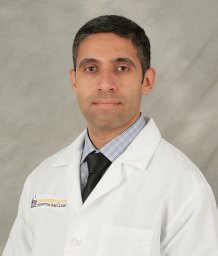 Al-Qurayshi Zaid合作论文数Department of Surgery, Tulane University School of Medicine5Sabrina Saeed合作论文数4
 Robert Dauchy合作论文数4
 Anil S Paramesh合作论文数4Frakes Jessica合作论文数4
 Steven Hill合作论文数Centre for Science and Policy, University of Cambridge4Shulin Xiang合作论文数4
 Jason B. Fleming合作论文数Department of Surgery, UT Southwestern Medical Center4David E. Blask合作论文数4
 Samer Naffouje合作论文数3
 Melissa A Wren合作论文数3Lin Yuan合作论文数3Lauren Pointer合作论文数2Sanjay Sikka合作论文数2Jordan McDonald合作论文数2
 Ralph Corsetti合作论文数2John B Hamner合作论文数2
 Anupam Rishi合作论文数Radiat Oncol, H Lee Moffitt Canc Ctr & Res Inst2
 Kavin Sugumar合作论文数Department of Surgery, University Hospitals Seidman Cancer Center and Case Comprehensive Cancer Center2
 Belancio Victoria P合作论文数Dept Struct & Cellular Biol, Tulane Univ2Hodul Pamela J合作论文数2Killackey Mary T合作论文数2Jeon Hoonbae合作论文数2
 Whitney Summers合作论文数2
 Vijay Adarsh合作论文数Department of General Surgery, Hamad Medical Corporation2Powers Benjamin D合作论文数2
 Aaron E Hoffman合作论文数2Lulu Mao合作论文数2
 Mokenge P. Malafa合作论文数Department of Gastrointestinal Oncology, Moffitt Cancer Center, H.Lee Moffitt Cancer Center and Research Institute;Department of Oncologic Sciences, College of Medicine, University of South Florida2Tripp Frasch合作论文数2Paul L. Friedlander合作论文数1Peter W Lundberg合作论文数1Celine Satija合作论文数1Perry H. Liu合作论文数1Peter Meade合作论文数1Ryan K Wong合作论文数1Megan A. Satyadi合作论文数1Lauren M Slakey合作论文数1Amberly Reynolds合作论文数1Anthony C Wood合作论文数1Jack Hua合作论文数1Nazanin Khakpour合作论文数1




