As a widespread and reversible post-translational modification of proteins, S-glutathionylation specifically generates the mixed disulfides between cysteine residues and glutathione, which regulates various biological processes including oxidative stress, nitrosative stress and signal transduction. The identification of proteins and specific sites that undergo S-glutathionylation is crucial for understanding the underlying mechanisms and regulatory effects of S-glutathionylation. Experimental identification of S-glutathionylation sites is laborious and time-consuming, whereas computational predictions are more attractive due to their high speed and convenience. Here, we developed a novel computational framework DeepGSH (http://deepgsh.cancerbio.info/) for species-specific S-glutathionylation sites prediction, based on deep learning and particle swarm optimization algorithms. 5-fold cross validation indicated that DeepGSH was able to achieve an AUC of 0.8393 and 0.8458 for Homo sapiens and Mus musculus. According to critical evaluation and comparison, DeepGSH showed excellent robustness and better performance than existing tools in both species, demonstrating DeepGSH was suitable for S-glutathionylation prediction. The prediction results of DeepGSH might provide guidance for experimental validation of S-glutathionylation sites and helpful information to understand the intrinsic mechanisms.
Stem-cell differentiation is a complex biological process controlled by a series of functional protein clusters and signaling transductions, especially metabolism-related pathways. Although previous studies have quantified the proteome and phosphoproteome for stem-cell differentiation, the investigation of acylation-mediated regulation is still absent. In this study, we quantitatively profiled the proteome, acetylome, and succinylome in pluripotent human embryonic stem cells (hESCs) and differentiated hepatocyte-like cells (HLCs). In total, 3843 proteins, 185 acetylation sites in 103 proteins, and 602 succinylation sites in 391 proteins were quantified. The quantitative proteome showed that in differentiated HLCs the TGF-β, JAK-STAT, and RAS signaling pathways were activated, whereas ECM-related processes such as sulfates and leucine degradation were depressed. Interestingly, it was observed that the acetylation and succinylation were more intensive in hESCs, whereas protein processing in endoplasmic reticulum and the carbon metabolic pathways were especially highly succinylated. Because the metabolism patterns in pluripotent hESCs and the differentiated HLCs were different, we proposed that the dynamic acylations, especially succinylation, might regulate the Warburg-like effect and TCA cycle during differentiation. Taken together, we systematically profiled the protein and acylation levels of regulation in pluripotent hESCs and differentiated HLCs, and the results indicated the important roles of acylation in pluripotency maintenance and differentiation.
Long noncoding RNAs(lncRNAs)have been increasingly implicated in a variety of human diseases,including autoimmune disease(Wu et al.,2015),neurodegenerative diseases(Wapinski and Chang,2011)and cancer(Huarte,2015).Due to recent advances in next-generation sequencing technologies,tens of thousands of lnc RNAs have been identified and annotated,a number of them
As an abundant post-translational modification, reversible phosphorylation is critical for the dynamic regulation of various biological processes. prkC, a critical serine/threonine-protein kinase in bacteria, plays important roles in regulation of signaling transduction. Identification of prkC-specific phosphorylation sites is fundamental for understanding the molecular mechanism of phosphorylation-mediated signaling. However, experimental identification of substrates for prkC is time-consuming and labor-intensive, and computational methods for kinase-specific phosphorylation prediction in bacteria have yet to be developed. In this study, we manually curated the experimentally identified substrates and phosphorylation sites of prkC from the published literature. The analyses of the sequence preferences showed that the substrate recognition pattern for prkC might be miscellaneous, and a complex strategy should be employed to predict potential prkC-specific phosphorylation sites. To develop the predictor, the amino acid location feature extraction method and the support vector machine algorithm were employed, and the methods achieved promising performance. Through 10-fold cross validation, the predictor reached a sensitivity of 91.67% at the specificity of 95.12%. Then, we developed freely accessible software, which is provided at http://free.cancerbio.info/prkc/. Based on the predictor, hundreds of potential prkC-specific phosphorylation sites were annotated based on the known bacterial phosphorylation sites. prkC-PSP was the first predictor for prkC-specific phosphorylation sites, and its prediction performance was promising. We anticipated that these analyses and the predictor could be helpful for further studies of prkC-mediated phosphorylation.
 Kai Yu合作论文数4
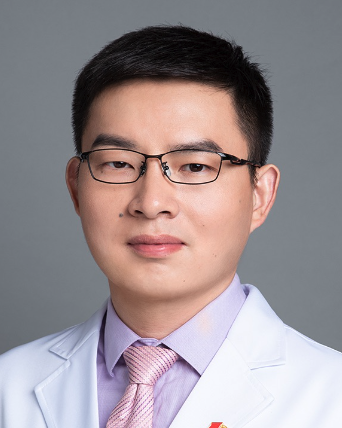 Ze-Xian Liu (刘泽先)合作论文数Sun Yat-sen University Cancer Center3Ze-Kun Liu合作论文数2
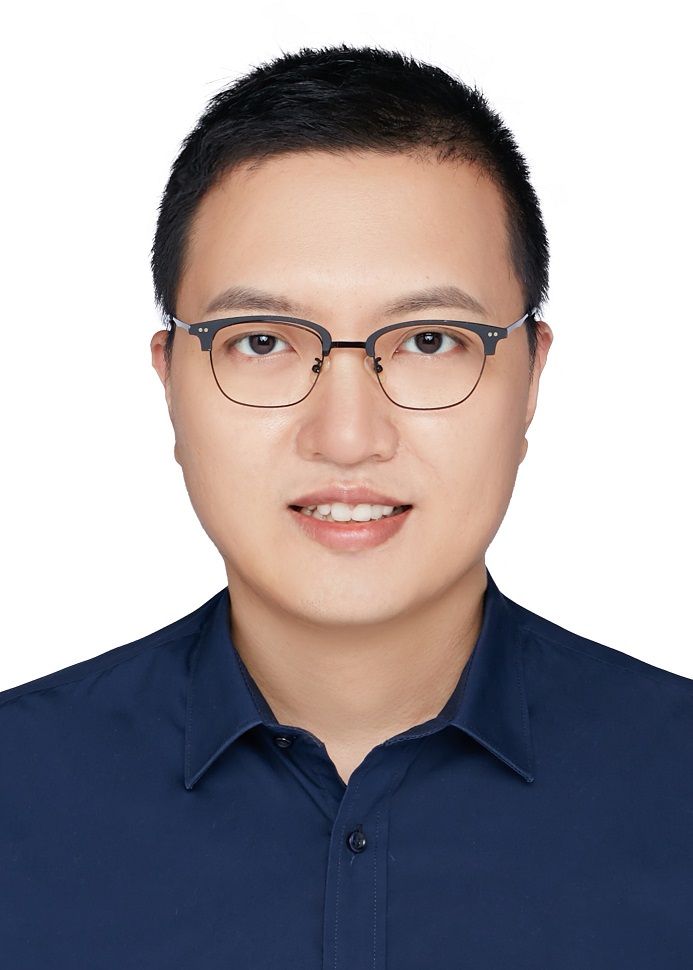 Qingbin Zhang (张庆斌)合作论文数School of Physics, Huazhong University of Science and Technology2Chen Bu合作论文数1Zhixue Gan合作论文数1Hongwan Zhang合作论文数State Key Laboratory of Oncology in South China, Collaborative Innovation Center for Cancer Medicine, Sun Yat-sen University Cancer Center, Guangdong 510060, China1Qingfeng Zhang合作论文数State Key Laboratory of Oncology in South China, Collaborative Innovation Center for Cancer Medicine, Sun Yat-sen University Cancer Center, Guangzhou 510060, China.1Linhong Zhao合作论文数1Shihua Li合作论文数State Key Laboratory of Oncology in South China, Collaborative Innovation Center for Cancer Medicine, Sun Yat-sen University Cancer Center1
 Jian Zheng (郑健)合作论文数Sun Yat-sen University Cancer Center1
 Han Cheng (程涵)合作论文数School of Life Sciences, Zhengzhou University1Zhongyi Cheng合作论文数1Qi Zhao (赵奇)合作论文数吉林大学1Zhao Yuanyuan合作论文数1Sanjun Yin合作论文数1
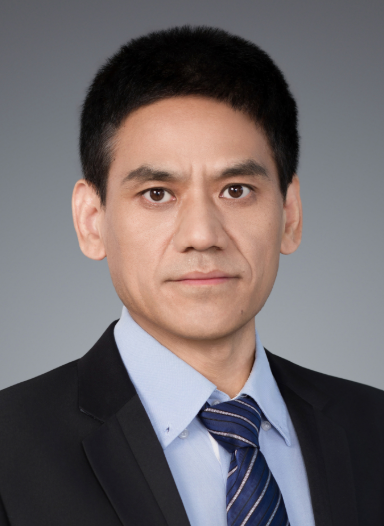 Jianfeng Chang (常建锋)合作论文数School of Life Sciences and Technology, Tongji University1
 Zhixiang Zuo (左志向)合作论文数Cancer Omics Lab, Cancer Center, Sun Yat-sen University1




