Student pharmacists pursuing residency often report feeling extreme pressure to be licensed by their residency program's deadline, which may be as early as July 1 or the start of residency. American Society of Health-System Pharmacists accreditation standards, however, only require a resident to be licensed for two-thirds of their residency program for successful completion. Although expecting licensure as soon as possible may achieve some residency programmatic fiscal and experiential goals, those benefits to the program must be balanced with what is feasible and appropriate for the resident. This commentary aims to encourage residency programs to select a deadline for licensure that is more reasonable and reflective of the current licensure climate for several reasons: (1) data do not support an increased likelihood of passing the North American Pharmacist Licensure Examination and jurisprudence examination when both are taken prior to the start of the residency; (2) students and schools have limited control over test date availability; (3) no evidence-based licensure examination preparation approach exists; (4) unreasonable licensure deadlines may contribute to premature testing and resident burnout; and (5) examination failures may be mitigated with adequate study time postgraduation.
OBJECTIVE:To determine the short-term impact of redesigning first professional year (first-year pharmacy [P1]) content using cognitive load theory on academic success and student well-being. METHODS:This retrospective study compared outcomes from the P1 fall/spring semesters and academic year for the classes of 2026 (n = 99) and 2027 (n = 104) after a content redesign implemented in fall 2023. Student demographics, nonacademic factors (perceived stress, impostor syndrome, testing anxiety, Grit), and academic factors (grade point averages, progression rates, grades, remediations) were collected and analyzed. Data comparisons between cohorts utilized the Mann-Whitney test for continuous variables, χ2 test for categorical variables, and risk estimates for dichotomous variables. RESULTS:Academic outcomes showed no significant differences between cohorts. First-generation and non-White students in the class of 2026 were 3 times and 4.8 times more likely, respectively, to receive one or more grades below C- in the P1 year. Following curricular redesign, first-generation and non-White students in the class of 2027 did not exhibit increased likelihood of earning grades below C-. Non-White students in the class of 2027 no longer faced increased risk of not progressing to the P2 year, a significant improvement from the class of 2026, which showed a 6.9-fold increased risk. Additionally, remediating content during the P1 fall semester correlated with higher academic risk. CONCLUSION:Curricular redesign utilizing cognitive load theory achieved comparable academic performance in P1 students overall, with notable benefits for first-generation and non-White students. This approach effectively identified students at risk, facilitating targeted and timely interventions.
BACKGROUND AND PURPOSE:The COVID-19 pandemic accelerated the emergence of telehealth, showcasing feasible and scalable ways to deliver remote patient care services during and beyond the pandemic. This underscores the need to equip students with the requisite skills to engage in telehealth patient care services and navigate the evolving landscape of healthcare delivery. Literature reveals that students recognize the critical role of medication therapy management (MTM) in patient care and education and desire more training to develop proficiency in delivering these services. Integrating telehealth MTM training within pharmacy experiential education curricula aligns with education standards and evolving needs of the profession, enhances student competencies, and offers practical exposure to real world MTM application and patient care. EDUCATIONAL ACTIVITY AND SETTING:An innovative MTM introductory pharmacy practice experience (IPPE) was developed and implemented by The University of Tennessee Health Science Center College of Pharmacy in partnership with AdhereHealth. The course provides students with hands-on, real-world telehealth patient care experience. It allows students to address patient medication adherence and social determinants of health (SDOH) and communicate with patients and healthcare providers to optimize medication outcomes for thousands of patients across the country with a Proportion of Days Covered (PDC) less than 80%. FINDINGS:From 2021 through 2023, the novel MTM experience has provided MTM telehealth training for 390 s-year students across the three COP campuses, leading to over 6500 completed targeted medication reviews and SDOH assessments and over 154,000 total patient outreach attempts across the United States. Assessment data suggest that the innovative MTM IPPE improves student self-efficacy and efficiency in delivery of telehealth patient care. Additionally, both MTM in general and this specific IPPE can be effective in addressing SDOH. The authors list factors believed to contribute to successful operation of a telehealth MTM IPPE for consideration prior to implementation, including offering the experience in dedicated call center space on campus, providing a clear orientation to the MTM IPPE expectations, resources, and purpose, a personalized precepting approach, appropriate technology and regular tech support, and structuring student assessment to emphasize focus on learning and skill improvement, not the grade. SUMMARY:The MTM IPPE demonstrated feasibility and effectiveness as a means for purposeful integration of MTM telehealth and SDOH exposure within experiential education. The experiences and resources shared demonstrate that an MTM IPPE can be successfully scaled and implemented at other institutions.
OBJECTIVE:The study aimed to assess the influence of student-generated TikTok videos on quiz performance and to evaluate student perspectives on this tool for learning the top 300 drug facts. METHODS:This mixed-methods cohort study was conducted in Fall 2021 with second-year pharmacy (P2) students (n = 169). Students could create videos in small groups tasked with developing and viewing TikTok videos or use traditional study methods (top 300 drugs flashcards). Pre and poststudy surveys and focus groups assessed perceptions and demographics. Quiz performance was compared between TikTok creators, viewers, and nonparticipants using Kruskal-Wallis tests, with thematic analysis applied to qualitative data. RESULTS:The survey response rate was 94.1% (159/169). A total of 112 students watched TikTok videos to study ("viewers"; 70.4%), while 47 did not ("nonviewers"; 29.6%); 106 students created videos ("creators"; 66.7%), while 53 did not ("noncreators"; 33.3%). No significant difference in quiz scores was noted between TikTok viewers and nonviewers. Similarly, no significant difference in quiz scores was observed between TikTok creators and noncreators. Thematic analysis revealed that creating videos helped with understanding but was time-consuming, and viewing the videos for study purposes was reportedly distracting. CONCLUSION:Student perceptions supported the educational value of TikTok videos, but neither producing nor watching significantly affected quiz performance. Although creating and viewing these videos had benefits, such as making studying more fun and accessible, there were also some limitations, including the laborious process of creating the videos and distractions.
OBJECTIVE:To examine the implementation and effectiveness of a continuing professional development (CPD) elective for fourth-year student pharmacists. METHODS:A 4-week, remote CPD elective was developed and implemented during the COVID-19 pandemic for the Class of 2021. Students worked through each step of the CPD cycle, logged activities that facilitated the achievement of self-identified goals, and submitted a final CPD portfolio and written reflection describing their experience applying the CPD approach. Data were collected using in-depth, semistructured interviews and electronic, web-based surveys. Early implementation outcomes measured included acceptability, appropriateness, and feasibility. The interview guide was based on the Consolidated Framework for Implementation Research. RESULTS:All CPD elective students (100%, n = 80) completed course requirements and surveys and passed the course. Implementation outcomes were 83.4% acceptability, 93% appropriateness, and 86.6% feasibility. Students reported full (62.9%) or partial (35%) achievement of self-identified goals and satisfaction with their learning outcomes (92.5%). Compared to Class of 2021 students not taking the elective, CPD elective students were more likely to have used a structured tool to identify professional strengths, areas of improvement, and learning opportunities, and to document a learning plan to achieve their goals. Twelve students participated in interviews. Students responded positively to the CPD experience and recognized the value of CPD training in achieving professional goals and preparing for lifelong learning. Participants appreciated the personalization, autonomy, and flexibility the elective offered, which increased perceived motivation and engagement in the learning process. CONCLUSION:The CPD elective provided an acceptable, appropriate, feasible, and effective CPD experience within the PharmD curriculum. Findings may be used to support the development of future CPD activities within pharmacy education.
OBJECTIVE:As more pharmacy students are pursuing postgraduate training, colleges of pharmacy are investigating ways to predict success in matching for residency or fellowship. While data have been published about characteristics predictive of matching, we sought to study student scores, rotation types, and rotation evaluations as predictors of success. METHODS:Data were collected from students in the graduating classes of 2021, 2022, and 2023. Students were surveyed on participation in mock interviews, numbers of programs to which they applied, and number of interviews received. In addition, data were collected on impostor phenomenon, grit, perceived stress, anxiety, grade point average (GPA), types of patient care rotations, and preceptor evaluations. RESULTS:Overall, 295 students were included, with 69 unsuccessful and 226 successful students. Successful students were more likely to have lower Perceived Stress Scale-10 scores in the final 3 semesters of school, a higher GPA, more elective patient care rotations, and more preceptors who answered "Yes" to "Would you hire this student?" after graduation. In the multivariate logistic regression analysis, final GPA and preceptors answering affirmatively to "Would you hire this student?" were independent predictors of success in obtaining a postgraduate position. CONCLUSION:As colleges of pharmacy prepare students for postgraduate residencies or fellowships, in addition to GPA, stress levels during the final 3 semesters of pharmacy school may be areas on which to focus. Given that willingness of a preceptor to hire a student after graduation was a predictor of success in securing a postgraduate position, this should be explored in future research.
The 2023 Educational Affairs Committee reviewed relevant position statements and publications to update the 2014 ACCP position statement on the educational outcomes (EOs) necessary for pharmacy students to enter postgraduate year 1 (PGY1) residency training. The committee initially aligned entry‐level graduate outcomes with current PGY1 residency competencies achieved after postgraduate training. The committee then used these alignments to identify consistencies, insufficiencies, and gaps in preparation. This process revealed that the EOs and entrustable professional activities from curricular outcomes and entrustable professional activities and the North American Pharmacist Licensure Examination blueprint could serve as a partial list of outcomes necessary to enter postgraduate training; however, some of the outcomes necessary to enter residency were not consistently addressed. To improve residency readiness, the committee recommends that both academic programs and the individual learner evaluate and seek opportunities to address any curricular gaps in alignment. The findings also underscore the need for a single set of well‐defined and mutually agreed‐on educational competencies that evolve over time and embrace the knowledge, skills, and attitudes that demonstrate residency readiness.
This commentary provides an overview of the current literature and best practices for online learning and assessment within the didactic curriculum of pharmacy education, building on the 2022 ACCP commentary addressing remote experiential learning. Lessons learned from online delivery of curricula and best practices for programs to create the optimal online learning environment for students are reviewed. Although benefits of online learning have been found, such as flexibility, convenience, and efficient use of time, with similar short‐term student performance, the potential long‐term implications on pharmacy students are not fully known, particularly concerning board pass rates, job attainment, and knowledge/skills application in the workplace. This commentary reviews and recommends the types of teaching modalities that align best with an online format for knowledge acquisition and student satisfaction. The most challenging part of didactic curricula to teach remotely is skills development. Proficiency in skills (e.g., compounding preparations or physical assessment) is best evaluated in person to promote student self‐confidence in pharmacy practice and patient care. This commentary reviews the needed components for designing quality online courses, all in the context of remembering the significance of instructor engagement. The commentary also discusses the importance of bidirectional feedback for the instructor and student and the deliberate use of formative assessments of learning to gauge student performance. A review of online summative and high‐stakes assessments is included with a focus on ensuring academic integrity while also minimizing any impact on student performance and anxiety. As pharmacy education has learned from the experiences with the COVID‐19 transition to online learning, consideration should be given to best practices regarding when and how to use online modalities to teach students and foster student learning. Regardless of the format, courses should engage the student and instructor and be evaluated routinely to promote achievement of learning outcomes.
To evaluate the impact of summer course retakes when a D or F was earned on on-time student progression at the University of Tennessee Health Science Center College of Pharmacy.
To evaluate the academic transition of first-generation (FG) students to a Doctor of Pharmacy (PharmD) program.
Objective: To evaluate the academic transition of first-generation (FG) students to a Doctor of Pharmacy program and the impact of early intervention/outreach.Methods: The retrospective study evaluated the first semester performance in three classes of student pharmacists (beginning fall 2020, 2021, 2022) at a public university in the mid-South. Student demographics (age, sex, race, relationship status), nonacademic factors (Grit, impostor syndrome, testing anxiety, perceived stress), and academic factors (grade point average, academic probation, early intervention) were assessed. In fall 2022, a required academic meeting was added to the early intervention process after exam one for high-risk students. The data between FG and non-FG students were compared; Mann-Whitney tests for continuous variables and Chi-square tests with risk estimates for categorical variables. Results: There were 152 FG and 274 non-FG students identified over the three classes. A total of 88 (57.9%) FG students represented racial minority groups. More FG students and non-White students were identified for early intervention. First-generation students were more likely to receive two or more grades less than C- and less likely to progress to the spring. No significance was noted with generational status and undergraduate grade point average, academic performance, or nonacademic factors. The required meeting after exam one in fall 2022 resulted in less disparity between FG and non-FG students identified for early intervention for exam two.Conclusion: First-generation and non-White students were more likely to struggle when transitioning to the Doctor of Pharmacy curriculum. A proactive, individualized approach incorporated into early intervention procedures is needed to promote academic success and belonging.
To determine if exam review session attendance affects first-year students' academic performance.
Objective: To investigate the relationship between imposter phenomenon (IP) and Myers-Briggs Type Indicator (MBTI) personality types in pharmacy students.Methods: This was a retrospective, observational study of doctor of pharmacy students who had previously completed MBTI and Clance Imposter Phenomenon Scale (CIPS) assessments. CIPS scores and categories were compared between the 4 MBTI personality type dichotomies using independent samples t tests and chi-square. Results: Mean CIPS score for included pharmacy students (N = 668) was 62.52 (SD 14.82). Clance Imposter Phenomenon Scale scores were significantly higher in students with MBTI of introversion (mean 64.14, SD 14.27), intuition (mean 63.80, SD 15.78), and perceiving (mean 64.38, SD 15.55) as compared to their dichotomous counterparts. No significant difference in mean CIPS scores was found within the thinking/feeling dichotomy. When analyzing IP risk associated with the various MBTI personality dichotomies, introverts were at a 1.8 times greater risk of high/severe IP than extroverts. Additionally, students with perceiving personality types were at a 1.4 times greater risk of high/severe IP than those with judging personality types. Conclusion: Our study suggests that pharmacy students with introversion, intuitive, and perceptive personality types exhibit higher CIPS scores, and those with introversion or perceptive personality types are at risk for high/ severe IP. Given the common MBTI types and a high degree of IP in pharmacy students, our findings underlie the need for open, targeted discussions about IP and proactively incorporating strategies and resources within a curriculum to support students in normalizing and easing anxiety.
Objective. Blended learning combines traditional face-to-face education with online instruction. This learner-centered approach has been shown to improve student engagement, critical thinking, and performance outcomes. The objective of this study was to assess and trend student pharmacist perceptions of blended and online learning used to teach pharmacy management, leadership, and economics within a Doctor of Pharmacy (PharmD) curriculum.Methods. Qualitative methods were employed using in-depth, semistructured interviews. Second- and third-year student pharmacists were recruited by purposeful and snowball sampling and interviewed to a point of saturation. The interview guide was based on social cognitive theory. Themes identified through initial deductive thematic analysis were categorized by the three domains of social cognitive theory: cognitive, behavioral, and environmental factors. The coding team additionally analyzed the transcripts using inductive thematic analysis to ensure no themes outside of social cognitive theory were missed.Results. Twenty students were interviewed. Themes reveal perceptions that blended learning facilitated greater understanding of course material, increased motivation among learners, provided more flexibility in workload completion, and was a more enjoyable way to learn compared to traditional didactic instruction. Furthermore, blended learning offered additional distinct advantages over traditional and online-only pedagogies.Conclusion. Student pharmacists perceived blended and online learning positively and acceptable for the delivery of a pharmacy course on management, leadership, and economics over traditional didactic instruction. Blended learning may enhance innovation, leadership, management, and economics content delivery and the student learning experience.
To describe the design, implementation, and outcomes of an 8-week capstone course that assesses student readiness for Advanced Pharmacy Practice Experiences (APPE)
Remote proctoring is often used to ensure testing integrity in a distance education environment but may impact academic performance. This quasi-experimental study aimed to evaluate changes in examination scores after transitioning to remote proctoring during the COVID-19 pandemic. Student pharmacists (n = 384) served as their own controls in this before-after analysis of examination scores with in-person versus remote proctoring. To assess differences in examination scores among students with varying levels of testing anxiety, students were classified into low, moderate, or high testing anxiety groups based on their Cognitive Test Anxiety Scale–Second Edition (CTAS-2) score. Students were also stratified into two groups based on their cumulative grade point average (GPA). After transitioning to remote proctoring, examination scores significantly decreased for first-year (P1) students but significantly increased for second-year (P2) students. When stratified by CTAS-2 score, no significant difference in examination scores was found. When stratified by GPA, no significant difference in examination scores was found for P1 students, but a significant improvement was noted for P2 students with remote proctoring. The results of this study indicate that examination scores do not consistently improve or decline after introducing remote proctoring even when considering a student’s GPA and level of testing anxiety.
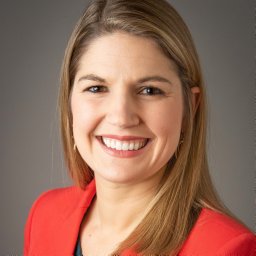 Elizabeth A Hall合作论文数University of Tennessee Health Science Center College of Pharmacy11
 Chasity M Shelton合作论文数College of Pharmacy, The University of Tennessee Health Science Center6
 Christina A. Spivey合作论文数6Karl R. Kodweis合作论文数5
 Marie A. Chisholm-Burns合作论文数Oregon Health & Science University4Crill Catherine M合作论文数Department of Pharmacy, The University of Tennessee Health Science Center3
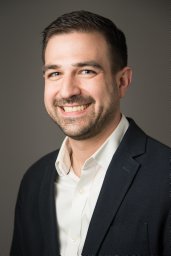 Kenneth C Hohmeier合作论文数Department of Clinical Pharmacy, University of Tennessee Health Science Campus3Trompeter Jessica M合作论文数3Jennifer Chonlahan合作论文数2Sara Stallworth合作论文数2
 Kelsey D. Frederick合作论文数Corresponding author.2Rachel E Barenie合作论文数College of Pharmacy, University of Tennessee Health Science Center2
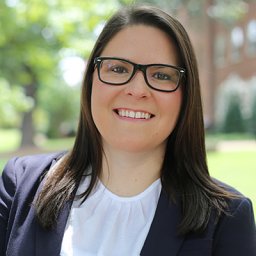 Chelsea Renfro合作论文数College of Pharmacy, University of Tennessee Health Science Center2
 Karen Farris合作论文数Department of Clinical Pharmacy, College of Pharmacy, University of Michigan-Ann Arbor2
 Justin Gatwood合作论文数2
 Andrew Crannage合作论文数St. Louis College of Pharmacy/Mercy Hospital;Pharmacy Practice, St. Louis College of Pharmacy/Mercy Hospital2Toni L. Ripley合作论文数2Eric F. Schneider合作论文数1
 Jere Russell May合作论文数1Jessica R. Merlo合作论文数1Deborah Sturpe合作论文数1Pamela L Stamm合作论文数1Deanna McDanel合作论文数1Kristen Cook合作论文数1randall p sharp合作论文数1Michelle L Rager合作论文数1Zachary Anderson合作论文数1Carrie M Marvin合作论文数1Lauren T Biliter合作论文数1Hailey Kendrex合作论文数1Devin Scott合作论文数1
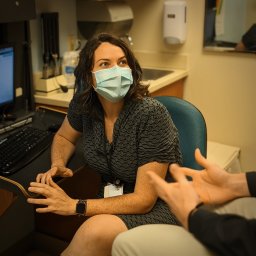 Stephanie L Ballard合作论文数UPMC Shadyside Family Hlth Ctr1Nicole Slater合作论文数1Alina Cernasev合作论文数1Ashlee McMillan合作论文数1
 Kelly C. Lee合作论文数Skaggs School of Pharmacy and Pharmaceutical Sciences, University of California, San Diego1
 Katherine L March合作论文数Clin Pharm Dept, Methodist Univ Hosp1Jeremy Fox合作论文数1Hilary Jasmin合作论文数1
 Seena L Haines合作论文数1Fravel Michelle A合作论文数1Scheid Dewey C合作论文数College of Medicine, University of Oklahoma Health Sciences Center1Boucher Bradley A合作论文数1
 Leslie A Hamilton合作论文数1Hamrick Terri S合作论文数College of Veterinary Medicine, North Carolina State University1
 Shaunta Martina Ray合作论文数1Jones Melissa C合作论文数1Bongartz Jenny合作论文数1Hope K A合作论文数1




