PURPOSE:To investigate the impact of an adjuvant Web-based teaching program on medical students' learning during clinical rotations.METHOD:From April 2003 to May 2004, 351 students completing clinical rotations in surgery-urology at four U.S. medical schools were invited to volunteer for the study. Web-based teaching cases were developed covering four core urologic topics. Students were block randomized to receive Web-based teaching on two of the four topics. Before and after a designated duration at each institution (ranging one to three weeks), students completed a validated 28-item Web-based test (Cronbach's alpha = .76) covering all four topics. The test was also administered to a subset of students at one school at the conclusion of their third-year to measure long-term learning.RESULTS:Eighty-one percent of all eligible students (286/351) volunteered to participate in the study, 73% of whom (210/286) completed the Web-based program. Compared to controls, Web-based teaching significantly increased test scores in the four topics at each medical school (p < .001, mixed analysis of variance), corresponding to a Cohen's d effect size of 1.52 (95% confidence interval [CI], 1.23-1.80). Learning efficiency was increased three-fold by Web-based teaching (Cohen's d effect size 1.16; 95% CI 1.13-1.19). Students who were tested a median of 4.8 months later demonstrated significantly higher scores for Web-based teaching compared to non-Web-based teaching (p = .007, paired t-test). Limited learning was noted in the absence of Web-based teaching.CONCLUSIONS:This randomized controlled trial provides Class I evidence that Web-based teaching as an adjunct to clinical experiences can significantly and durably improve medical students' learning.
PURPOSE:After the development and implementation of a novel urology curriculum for medical students we evaluated urological learning by medical students using a validated measure of learning in the 4 clinical areas of benign prostatic hyperplasia, erectile dysfunction, prostate cancer and prostate specific antigen screening.MATERIALS AND METHODS:Third year medical students completed an online validated pre-test and post-test immediately before and after the mandatory 1-week clinical rotation in urology. Online pre-surveys and post-surveys were also administered. Overall student participation was 90% (37 of 41) with 63% of students (26 of 41) completing all 4 tests and surveys.RESULTS:Student overall test scores improved significantly upon completion of the 1-week clinical rotation in urology (p <0.001). A trend toward increased learning by male students was identified (p = 0.07). Significant variation in exposure to outpatient clinics and in the performance of physical examination skills was observed among the different teaching sites.CONCLUSIONS:This study demonstrates significant learning by medical students during their 1-week clinical rotation in urology. Further data are needed to confirm the trend toward increased learning by males and elucidate its etiology. Scheduling changes have been implemented to address the inconsistencies across clinical sites.
PURPOSE:To date published efforts to assess and improve medical student learning in urology have been limited due to the lack of an assessment tool with which to measure student learning. We report the development of a validated measure of medical student learning in urology.MATERIALS AND METHODS:Four core topics in clinical urology were selected as the focus of the test development, namely prostate cancer, screening with prostate specific antigen, benign prostatic hyperplasia and erectile dysfunction. Detailed curricula and multiple choice questions were created for each topic. Content validity of the curriculum and 28 item examination was established by a panel of 2 urologists and 2 medical physicians. Instrument reliability was determined by administering the test on line to third-year surgery students. Test construct validity was established through its administration to 19 urology residents and attending physicians.RESULTS:Reliability of the 28-item test instrument was measured by Cronbach's alpha at 0.76 and its 1-week test-retest reliability was 0.72. All urology experts performed well on the test. Mean urological expert scores were significantly higher than mean student post-test scores (24.9 +/- 2.1 vs 17.8 +/- 3.8, 2-tailed t test p <0.001). Urological experts with greater urological training had higher scores than those with less residency training.CONCLUSIONS:This study documents the development of a validated measure of medical student learning in urology. This validated instrument has the potential to improve educational quality control at medical schools and facilitate the development of effective, evidence based teaching methods.
Purpose. To assess the format, content, method, and placement of medical ethics education in medical schools; the faculty and curricular resources and institutional structure and support of medical ethics; and the perceptions of ethics education among deans of medical education and medical ethics course directors at U.S. and Canadian medical schools. Method. Two questionnaires were mailed to 125 U.S. medical schools and 16 Canadian schools: one to be completed by the deans of medical education and one to be completed by the medical ethics course director. Descriptive statistics were used to compare responses. Results. In all, 123 (87%) deans and 91 (64%) course directors responded, providing information about 91 schools (six Canadian). All responding institutions offered some formal instruction in medical ethics, and among these, 71 (78%) incorporated ethics into required preclinical courses. The primary pedagogic course structure was small-group discussion and the primary pedagogic method was case discussions. One-fifth of schools provided no funding for ethics teaching, and 47 (52%) did not fund curricular development in ethics. Institutions with a dedicated ethics faculty member were twice as likely to have a mandatory introductory ethics course (64% versus 32%, p < .05). The primary obstacles to ethics education were thought to be a lack of time in the curriculum, a lack of qualified teachers, and a lack of time in faculty schedules. Conclusions. Within a few decades the number of U.S. and Canadian medical schools requiring medical ethics has increased. Nevertheless, significant variation in the content, method, and timing of ethics education suggests consensus about curricular content and pedagogic methods remains lacking. Further progress in ethics education may depend on institutions’ willingness to devote more curricular time and funding to medical ethics.
Whether medical school faculty should be provided with assessments of students made by previous teachers remains controversial. To document which schools have implemented policies that address this issue and to characterize the specific features of these policies, in 1998 the authors conducted a direct mail survey of deans of student affairs and medical education at 144 medical schools in the United States, Canada, and Puerto Rico.Replies were received from 129 (90%) of the 144 medical schools. Of those schools, 72 (56%) reported having policies that address this issue. The policies permit the sharing of information in 38 (53%) of the 72 schools that had policies; therefore, at the time of this study, 29% of the 129 medical schools that responded to the survey had a policy that permits the sharing of assessment information. The policies permit the sharing of information related to problems with academic performance (35%), professional conduct (35%), physical health (25%), and miscellaneous circumstances, such as learning disability (5%). Information may be shared with clerkship coordinators (44%), course directors (35%), faculty mentors (11%), clinical faculty supervisors (8%), and resident supervisors (3%).The findings show that there is considerable diversity in the format and content of policies that address the issue of whether medical school faculty should be provided with information about students' assessments made by previous teachers. The authors explain why policies that require the provision of such information are helpful to medical school faculty, and offer recommendations based on the survey findings.
Skin infections account for a significant portion of dermatologic disease, often resulting in or as a consequence of a disruption in the skin's integrity. This article covers the presentation, diagnosis, and treatment of the more common bacterial infections. The infections presented herein include impetigo, ecthyma, folliculitis, carbuncles/furuncles, cellulitis, toxic shock syndrome, and ecthyma gangrenosum. Once a diagnosis is made, treatment is based on the culture and antibiotic sensitivities of the offending organisms.
Skin infections account for a significant portion of dermatologic diseases, often resulting in, or as a consequence of a disruption in the skin's integrity. This paper covers the presentation, diagnosis, and treatment of the more common viral and fungal skin infections. The viral infections presented in this paper include herpes simplex virus, herpes zoster, condyloma acuminata, and molluscum contagiosum. The fungal infections presented include tinea pedis, tinea cruris, tinea capitis, tinea unguium, tinea versicolor, and candidiasis. Once a diagnosis is made, treatment with appropriate antifungal, antiviral, destructive, or immune modifying therapies can be instituted.
Psoriasis, a common skin disorder, affects over 1 percent of the population of the United States. The majority of these patients have limited disease that can be managed with topical therapy. Topical treatment includes corticosteroids, tar, anthralin and keratolytic agents. Calcipotriene, a new topical treatment for psoriasis of mild to moderate severity, is a vitamin D derivative that inhibits epidermal cell proliferation in vitro. Treatment with calcipotriene results in decreased redness, scaling and thickness of the plaque. Calcipotriene is comparable to mid-potency topical corticosteroids in efficacy, but it does not cause skin atrophy and apparently does not lead to tachyphylaxis. Irritant dermatitis is a common side effect of calcipotriene, especially when it is applied to the face. Careful patient monitoring is recommended because alterations in calcium metabolism have been reported to occur with use of calcipotriene.
Background: Managed care in the American health care system may limit access to health care specialists.Objective: We assessed primary care providers' abilities at diagnosing and treating patients with a previously undiagnosed skin disorder.Methods: Patients with previously undiagnosed skin disorders were seen and examined sequentially by three groups of physicians: (1) internal medicine residents, (2) board-certified internal medicine attending physicians and (3) dermatology faculty. The internal medicine residents and attending physicians' diagnoses were compared with the dermatologists'. Appropriateness of therapy ordered by the internal medicine residents and attending physicians was assessed.Results: Medical residents' diagnoses were correct in 43% of the patients whereas the attending physicians diagnosed 52% of cases correctly. Attending physicians and residents frequently ordered therapy inappropriate for the patient's diagnosis. Internal medicine residents and attending physicians were more likely to order skin biopsies than dermatologists.Conclusion: Our results confirm earlier studies that nondermatologists perform poorly in the diagnosis and treatment of skin disease. Primary care providers should receive more training in dermatology, or dermatologists should be permitted to act as primary caregivers to patients with skin disease.
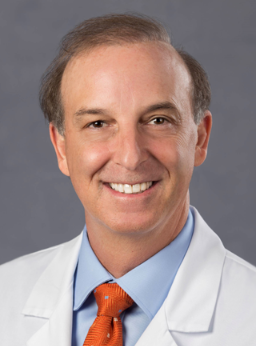 Robert Scott Kirsner合作论文数Dr Phillip Frost Department of Dermatology and Cutaneous Surgery, Miller School of Medicine, University of Miami;Department of Public Health Sciences, Miller School of Medicine, University of Miami;University of Miami Wound Clinic5
 B. Price Kerfoot合作论文数3
 Harley Baker合作论文数3BA Masser合作论文数2WC Dewolf合作论文数2
 Kevin Volkan合作论文数Office for Educational Development, Harvard Medical School2Jennifer Trent合作论文数2J R Taylor合作论文数1William C. DeWolf合作论文数1Thomas L. Jackson合作论文数1
 Lisa Lehmann合作论文数Harvard Medical School1William C. Hulbert合作论文数1
 Robert Oates合作论文数Department of Urology, Chobanian & Avedisian School of Medicine, Boston University;Boston Medical Center1
 Willard Stein Kasoff合作论文数1
 Wayne Gold合作论文数Department of Medicine, Temerty Faculty of Medicine, University of Toronto1




