Importance As transcatheter aortic valve replacement (TAVR) is considered for younger and lower-risk populations, the durability of bioprosthetic valves is increasingly important. Limited data exist on long-term (7 years and beyond) valve durability. Objective To report 7-year valve durability outcomes for low-risk patients with symptomatic severe aortic stenosis treated with TAVR vs surgery. Design, Setting, and Participants Between March 2016 and October 2017, a total of 1000 patients were enrolled at 71 centers in the US and Canada and randomized to undergo TAVR vs surgery. The patient population for the present analysis consisted of all patients who underwent valve implantation (495 with TAVR and 453 with surgery). The last 7-year follow-up occurred in March 2025. Interventions Patients were randomized to balloon-expandable TAVR with the SAPIEN 3 valve or surgery with any commercially available valve. Main Outcomes and Measures The main outcomes of this analysis were stage 2 or 3 bioprosthetic valve dysfunction (BVD) related to structural valve deterioration (SVD), thrombosis, or endocarditis; all-cause bioprosthetic valve failure (BVF); BVF related to SVD; and aortic valve reintervention at 7 years. Analyses are presented as cumulative incidence rates with death as a competing risk. Results The mean (SD) age of the study population was 73.5 (6.0) years, and 657 participants (69.3%) were male. Of 671 patients who were still alive and enrolled in the study at 7-year follow-up, 537 (80.0%) were available for echocardiographic analysis. Cumulative incidence rates of stage 2 or 3 SVD-related BVD (7.3% vs 7.6%; hazard ratio [HR], 0.96; 95% CI, 0.59-1.57; P = .88), all-cause BVF (6.9% vs 7.5%; HR, 0.91; 95% CI, 0.55-1.49; P = .69), SVD-related BVF (3.9% vs 5.3%; HR, 0.72; 95% CI, 0.39-1.36; P = .31), and valve reintervention (6.0% vs 5.5%; HR, 1.09; 95% CI, 0.62-1.90; P = .77) were low and similar for TAVR and surgery, respectively. Stage 2 or 3 thrombosis-related BVD (subclinical and clinical) occurred more frequently with TAVR (5.2% vs 0.9%; HR, 5.52; 95% CI, 1.92-15.85; P < .001), although most events occurred within 3 years and few progressed to BVF. Rates of stage 2 or 3 endocarditis-related BVD were also low and similar (0.4% in the TAVR group vs 0.5% in the surgery group; HR, 0.85; 95% CI, 0.12-6.07; P = .87). The proportion of patients alive and free of all-cause BVF was 73.4% (331/451) with TAVR vs 74.8% (288/385) with surgery ( P = .69). Conclusions and Relevance In this ad hoc analysis of a randomized clinical trial among low-risk patients with symptomatic severe aortic stenosis randomized to TAVR or surgery, both TAVR and surgery demonstrated comparable and sustained valve durability, with low and similar rates of SVD, all-cause BVF, and reintervention through 7 years. These findings may inform discussions of valve replacement strategies. Trial Registration ClinicalTrials.gov Identifier: NCT02675114
BACKGROUND:The COMPASSION S3 trial (Congenital Multicenter Trial of Pulmonic Valve Dysfunction Studying the SAPIEN 3 Interventional Transcatheter Heart Valve) was designed to evaluate the safety and effectiveness of the SAPIEN 3 transcatheter heart valve (THV) for transcatheter pulmonic valve replacement in patients with a dysfunctional right ventricular outflow tract (RVOT) conduit or previously implanted valve in the pulmonic position. Here, 5-year clinical and hemodynamic outcomes for patients in the main cohort and the continued access protocol are reported. METHODS:The COMPASSION S3 trial was a single-arm, multicenter study enrolling patients with either moderate-to-severe pulmonic regurgitation, a mean RVOT gradient ≥35 mm Hg, or both. The primary end point was THV dysfunction at 1 year, a nonhierarchical composite of RVOT reintervention, ≥moderate total pulmonic regurgitation, and mean RVOT gradient >40 mm Hg. Clinical and echocardiographic outcomes were assessed at baseline, discharge, 30 days, 6 months, 1 year, and then annually to 5 years. RESULTS:Between 2016 and 2020, 69 patients were enrolled and successfully implanted with the SAPIEN 3 THV. The mean patient age was 32.1 years, and most patients (70.8%) had a conduit as the most recent prior intervention. At 5 years, the rate of THV dysfunction was 12.0%: 3 patients required reintervention, 2 patients had ≥moderate pulmonic regurgitation, and 1 patient had a mean gradient >40 mm Hg. There were 3 cases of device-related endocarditis (4.4%). One death occurred on postoperative day 560 due to cardiogenic shock. No cases of tricuspid valve injury, stent fractures, or valve malposition were reported. Post-transcatheter pulmonic valve replacement, mean gradients were low and stable through 5-year follow-up. Through 5 years, >95% of patients had ≤mild total pulmonic regurgitation, and 97.9% of patients had none/trace paravalvular regurgitation. CONCLUSIONS:Five-year results from the COMPASSION S3 trial demonstrate that the SAPIEN 3 THV provides durable RVOT relief with low rates of reintervention or endocarditis, supporting the device as a safe and versatile option for transcatheter pulmonic valve replacement across diverse anatomies and clinical scenarios. REGISTRATION:URL: https://www.clinicaltrials.gov; Unique identifier: NCT02744677.
Background The Small Annuli Randomized to Evolut or SAPIEN Trial showed superior hemodynamics of self-expanding valves (SEVs) over balloon-expandable valves (BEVs) in patients with small aortic annuli (SAA). The long-term clinical implications of these hemodynamic differences are unknown. Methods We conducted an observational cohort study of patients with SAA, defined as an aortic valve annular area ≤430 mm2 on cardiac computed tomography, who underwent transcatheter aortic valve replacement using BEV or SEV at a single institution between August 2013 and February 2021. Patients undergoing valve-in-valve procedures or alternative access were excluded. Patient-prosthesis mismatch (PPM) was defined as moderate when indexed effective orifice area of 0.65-0.85 cm2/m2 and severe when indexed effective orifice area was <0.65 cm2/m2 (or <0.55 cm2/m2 for body mass index >30 kg/m2). The primary outcome of the study was mortality and major adverse cardiovascular events. Results A total of 258 patients were included. The majority were female (81%) with intermediate surgical risk (median STS risk score 4.23); 90 patients (35%) received a BEV (median age 80 years [73, 86]) and 168 (65%) received a SEV (81 years [75, 85], p = 0.699). Comorbidities and risk profiles were well balanced between groups. At 30 days post-transcatheter aortic valve replacement, SEV had lower aortic valve mean gradients (8 mmHg [6, 11] vs. BEV 14 mmHg [10, 18], p < 0.001), lower peak velocities (1.86 m/s [1.60, 2.34] vs. BEV 2.52 m/s [2.14, 2.90], p < 0.001), and were less likely to have PPM (SEV 18% vs. BEV 42% (p < 0.001). At 3 years, both groups had similar mortality (SEV 23% vs. BEV 22%, p = 0.875). PPM was not associated with long-term mortality. Conclusions In patients with SAA, we observed no difference in mortality between SEV and BEV up to 3 years after the index procedure, despite early differences in valve hemodynamics.
Left ventricular assist devices (LVADs) have changed the landscape for patients with advanced heart failure (HF). With advances in pump design and management, patients with LVADs are living longer with improved quality of life despite having more comorbidities and complex structural heart disease. As such, HF cardiologists and surgeons collaborate more frequently with structural heart interventionalists to address the complex problems of patients with LVADs who present at different points of failure in their circuits. Unlike heart transplants and total artificial heart recipients, the native heart and its components must function to maintain successful circulatory support from these assist devices. Multiple points of potential failure of the native heart and the LVAD circuit exist that can result in significant morbidity and mortality. These include regurgitant valve lesions, interatrial shunts, outflow cannula obstruction, and pump thrombosis. Transcatheter interventions can be applied and tailored specifically to the anatomy of the individual in these situations to improve the lives and outcomes of our LVAD patients. This review provides a comprehensive approach for diagnosing and treating structural heart disease associated with patients who have LVADs, focusing on multidisciplinary collaboration and individualized interventional strategies.
Heart failure with reduced or preserved ejection fraction is associated with elevated left atrial pressure at rest due to fluid overload or during exercise, leading to pulmonary venous congestion. Even with available treatments, heart failure hospitalizations remain high, and improvements in quality-of-life scores and functional capacity are modest. Thus, there is growing interest in non-pharmacological methods to decompress the left atrium and improve heart failure symptoms and outcomes. Left-to-right shunts have emerged as a potential therapeutic option to reduce left atrial hypertension, improve quality of life, and impact long-term outcomes. This nascent field carries both potential therapeutic promise and many unanswered questions. Recent data have questioned whether the effects of this therapy vary based on the left ventricular ejection fraction, pulmonary vascular resistance, and/or right ventricular structure and function. This review discusses the basis for left-to-right shunt therapies, synthesizes past and ongoing clinical trials, and offers future directions.
Background:Transcatheter aortic valves (TAVs) are subject to degeneration and repeat intervention. TAVs are increasingly used in clinical practice, but there is a paucity of data regarding repeat interventions. Methods:We sought to describe and compare clinical characteristics and outcomes of TAV in TAV procedures vs. surgical explant procedures after an index transcatheter aortic valve replacement (TAVR) at The Christ Hospital Health Network (Cincinnati, OH) from January 2015 to August 2023. Results:A total of 1314 patients underwent TAVR procedures during the study period. Of these patients, 31 (2.3%) underwent repeat interventions (25 TAV in TAV and 6 surgical explants) and were included. The median [interquartile range] time from index TAVR to a repeat intervention was 5.02 years [1.01-7.12] for TAV in TAV and 2.55 years [1.36-3.20] for surgical explants (p = 0.386). Patients undergoing TAV in TAV were more likely to have structural valve deterioration (60%), whereas patients undergoing surgical explants were more likely to present with infective endocarditis (50%). Major adverse cardiovascular event rates were similar at discharge (20 vs. 17%, p = 1.00). No mortality events were presented in TAVR explant patients. Two strokes presented in TAVR explant patients, 1 at discharge and 1 at 30 days. Conclusions:Repeat interventions are uncommon in the first decade after TAVR. In clinical practice, the mechanism of failure of the TAVR valve is an important determinant of subsequent treatment; most patients with structural valve deterioration receive a TAV in TAV procedure, whereas surgical explants are usually reserved for infective endocarditis.
BACKGROUND The risk-benefit ratio of the Absorb bioresorbable vascular scaffold (BVS) may vary before and after 3 years, the time point of complete bioresorption of the poly-L-lactic acid scaffold. OBJECTIVES The aim of this study was to determine the time-varying outcomes of the Absorb BVS compared with cobalt-chromium everolimus-eluting stents (EES) from a large individual-patient-data pooled analysis of randomized trials. METHODS The individual patient data from 5 trials that randomized 5,988 patients undergoing percutaneous coronary intervention to the Absorb BVS vs EES with 5-year follow-up were pooled. The primary effectiveness and safety endpoints were target lesion failure (TLF) (cardiac death, target vessel myocardial infarction, or ischemia-driven target lesion revascularization) and device thrombosis (DT). RESULTS Between 0 and 5 years, TLF occurred in 15.9% BVS patients vs 13.1% EES patients (HR: 1.25; 95% CI: 1.08-1.43; P = 0.002), and DT occurred in 2.2% vs 1.0%, respectively (HR: 2.38; 95% CI: 1.49-3.79; P = 0.0002). Between 0 and 3 years, TLF occurred in 12.4% BVS patients vs 9.3% EES patients (HR: 1.35; 95% CI: 1.15-1.59; P = 0.0002), and DT occurred in 2.0% vs 0.6%, respectively (HR: 3.58; 95% CI: 2.01-6.36; P < 0.0001). Between 3 and 5 years, TLF occurred in 4.5% BVS patients vs 4.7% EES patients (HR: 0.99; 95% CI: 0.76-1.27; P = 0.91), and DT occurred in 0.2% vs 0.4%, respectively (HR: 0.49; 95% CI: 0.18-1.38; P = 0.17). By spline analysis, the TLF hazard by 5 years was lower with BVS than EES. CONCLUSIONS Compared with EES treatment, BVS increased TLF and DT rates through 5-year follow-up. However, the period of excess risk for the first-generation Absorb BVS ended at 3 years, when poly-L-lactic acid bioresorption is complete. Thereafter event rates were comparable or lower with BVS. (ABSORB II Randomized Controlled Trial, NCT01425281; A Clinical Evaluation of AbsorbTM Bioresorbable Vascular Scaffold [AbsorbTM BVS] System in Chinese Population - ABSORB CHINA Randomized Controlled Trial [ABSORB CHINA], NCT01923740; AVJ-301 Clinical Trial: A Clinical Evaluation of AVJ-301 [AbsorbTM BVS] in Japanese Population [ABSORB JAPAN], NCT01844284; ABSORB III Randomized Controlled Trial [ABSORB III], NCT01751906; Absorb IV Randomized Controlled Trial, NCT02173379) (JACC Cardiovasc Interv. 2025;18:1-11) (c) 2025 by the American College of Cardiology Foundation.
Elevation in left atrial pressure with subsequent pulmonary congestion is central to the pathology of heart failure. Interatrial shunts have emerged as a potential therapeutic strategy in patients with heart failure, especially those with diastolic dysfunction. These devices decrease left atrial pressure by shunting blood into the right atrium. Normal right heart flow is characterized by a predominant vortex formation in the right atrium, which then enters the right ventricle as a direct flow that preserves kinetic energy and right ventricular work efficiency. Examining the abnormal right heart blood flow patterns in naturally occurring interatrial shunts using 4-dimensional flow magnetic resonance imaging can improve our understanding of the effects of various interatrial shunt devices currently being investigated for heart failure management.
Untreated clinically significant aortic regurgitation (AR) is frequently seen in the general population and is associated with worse outcomes, including higher mortality. Surgical aortic valve replacement is currently the treatment of choice for severe AR. However, a significant proportion of these patients are not good surgical candidates due to advanced age, frailty, and underlying comorbidities, prompting the need for transcatheter options. Current guidelines do not recommend transcatheter aortic valve replacement (TAVR) for severe AR with commercially available transcatheter heart valves (THVs). Off-label use of commercial TAVR devices has been associated with lower procedural success, increased complications, mainly valve embolization and residual AR, and poor clinical outcomes. The suboptimal results of TAVR with the current generation THVs are attributed to anatomical factors such as a lack of annular calcium, a large aortic annulus, and a dilated aortic root, posing challenges for device anchoring. TAVR with dedicated devices for AR, such as the JenaValve and the J-Valve, is rapidly evolving, with preliminary evidence suggesting higher procedural success rates and improved clinical outcomes during short-term follow-up. There is a significant unmet need for the development of transcatheter therapies with dedicated THVs for severe AR, and both the JenaValve and J-Valve systems are undergoing rigorous clinical trial testing before regulatory approval in the United States.
Background:Calcium modification techniques have improved the outcomes of endovascular treatment for severely calcified stenotic lesions. In contrast to balloon angioplasty and modified balloons, intravascular lithotripsy (IVL) modifies both superficial and deep vascular calcium by delivering pulsatile sonic energy, which creates circumferential and longitudinal fractures with subsequent optimization of therapies such as stent implantation. We describe the clinical and procedural characteristics, as well as outcomes, from our initial experience with the Shockwave Javelin peripheral IVL catheter (Shockwave Medical), a novel forward IVL platform designed for difficult-to-cross calcified lesions. Methods:The first 10 patients treated with this catheter at our institution (The Christ Hospital, Cincinnati, Ohio) were included. The primary outcome was device success, defined as the ability to deliver and advance across the target lesion, pressurize, pulse, flush, and retrieve the Javelin IVL catheter. Safety outcomes included in-hospital death and procedural complication rates. Results:A total of 16 lesions in 10 patients were analyzed following IVL therapy using the Javelin device. The mean age at the time of the procedure was 74.1 ± 7.6 years. Of the 10 patients, 4 were classified as Rutherford class III, 1 as Rutherford class IV, and 5 as Rutherford class V. Additionally, 9 of 16 lesions were chronic total occlusions. All 16 lesions exhibited significant arterial calcification, with grade 3 (19%) or grade 4 (81%) calcification based on the Peripheral Arterial Calcium Scoring System (PACSS), which quantifies the severity of arterial calcification to guide treatment planning. Device success was achieved in 15/16 lesions. All patients received the maximum allowable 120 pulses with the Javelin catheter. None of the patients required a second Javelin device, but 3 of 16 lesions were treated with additional balloon-based IVL catheters. Three everolimus-eluting resorbable scaffolds were placed across 3 lesions (all below the knee). Drug-coated balloons were utilized in 5 of 16 lesions (all above the knee). Following forward IVL with the Javelin device, no arterial dissections were observed, and 3 arterial dissections occurred following subsequent balloon dilatation, none of which resulted in residual dissection after resorbable scaffold implantation. No in-hospital mortality or other postprocedural complications were noted. Conclusions:The Javelin peripheral IVL catheter appears to demonstrate high device success rates in real-world complex peripheral arterial stenoses and safely facilitates access to additional therapies. Further studies are required to better define the safety and effectiveness of Javelin IVL treatment for heavily calcified peripheral lesions.
 Eric Topol合作论文数Department of Molecular Medicine, The Scripps Research Institute;Division of Cardiovascular Diseases, Scripps Clinic;Skaggs Graduate School of Chemical and Biological Sciences, The Scripps Research Institute138
 Gregg Stone合作论文数The Zena and Michael A. Wiener Cardiovascular Institute, Icahn School of Medicine at Mount Sinai101
 Barry George合作论文数82
 Robert M. Califf合作论文数Food and Drug Administration80
 Stephen Ellis合作论文数Department of Cardiovascular Medicine, Cleveland Clinic Foundation79
 Laura Mauri合作论文数Medtronic56
 Donald E. Cutlip合作论文数Cardiac Catherization Lab, Beth Israel Deaconess Medical Center;Harvard Medical School54
 Jeffrey J. Popma合作论文数Medtronic51
 Martin Leon合作论文数Center for Interventional Vascular Therapy, Columbia University Medical Center51
 A. Michael Lincoff合作论文数Department of Cardiovascular Medicine, Cleveland Clinic;Coordinating Center for Clinical Research, Cleveland Clinic46
 Robert W. Yeh合作论文数Beth Israel Deaconess Medical Center;Medicine Department, Harvard Medical School;Baim Institute for Clinical Research44
 James Enlou Tcheng合作论文数Department of Medicine, School of Medicine, Duke University43
 Eugene S. Chung合作论文数The Christ Hospital42
 Alexandra Lansky合作论文数Section of Cardiovascular Medicine, Departmenr of Internal Medicine, Yale School of Medicine, Yale University;Barts Heart Centre, St Bartholomew's Hospital;The William Harvey Research Institute, Faculty of Medicine and Dentistry, Queen Mary University of London38
 Patrick Serruys合作论文数CORRIB Research Centre for Advanced Imaging and Core Laboratory, University of Galway;National University of Ireland38
 Cw Abbottsmith合作论文数36
 Santiago Garcia合作论文数35
 Joe Massaro合作论文数School of Public Health, Boston University;Harvard Clinical Research Institute34Dominic J. Allocco合作论文数34Richard Stack合作论文数33
 Wojciech Mazur合作论文数The Christ Hospital33NS Kleiman合作论文数33Timothy D. Henry合作论文数31RJ CANDELA合作论文数31
 Gabriel Steg合作论文数Bioquantis;Institut universitaire de France;iVASC Research Consortium;Hôpital Bichat;Laboratory for Vascular Translational Science, INSERM;Université Paris Diderot29
 Stephan Windecker合作论文数Faculty of Medicine, University of Bern;Department of Cardiology, University Cardiovascular Center Bern University Hospital29
 David R. Holmes III合作论文数Graduate School of Biomedical Sciences, Mayo Clinic;Department of Physiology & Biomedical Engineering, Mayo Clinic;National Institutes of Health28
 Takeshi Kimura合作论文数Department of Cardiovascular Medicine, Graduate School of Medicine, Kyoto University;Department of Cardiovascular Medicine, Kyoto University Hospital28
 Rajendra Makkar合作论文数Smidt Heart Institute, Cedars-Sinai Medical Center28
 Shigeru Saito合作论文数26
 David J. Cohen合作论文数University of Missouri-Kansas City26
 Erik Magnus Ohman合作论文数Department of Medicine, Duke University School of Medicine26Joseph Choo合作论文数25
 Charles A. Simonton合作论文数Abiomed25
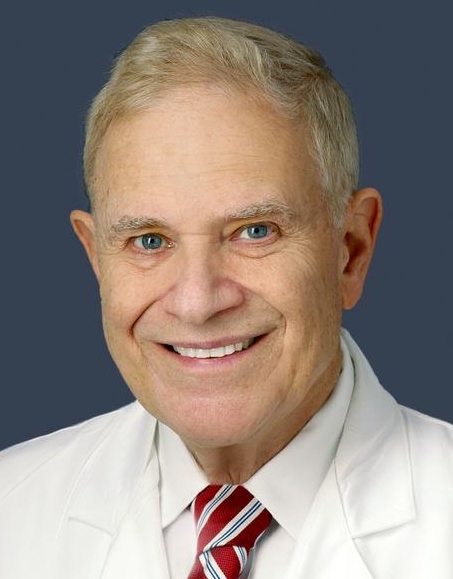 Ron Waksman合作论文数Division of Cardiology, MedStar Heart Institute;Georgetown University24John J Young合作论文数23
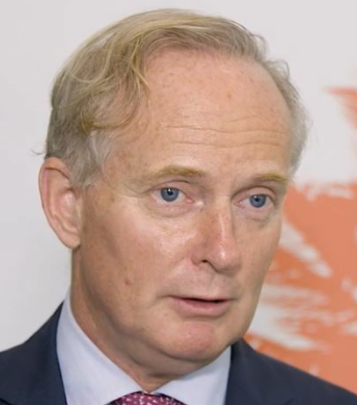 Pieter C Smits合作论文数Department of Cardiology, Thorax Centre, Erasmus Medical Centre;Department of Interventional Cardiology, Maasstad Hospital Rotterdam;Maasstad Ziekenhuis23
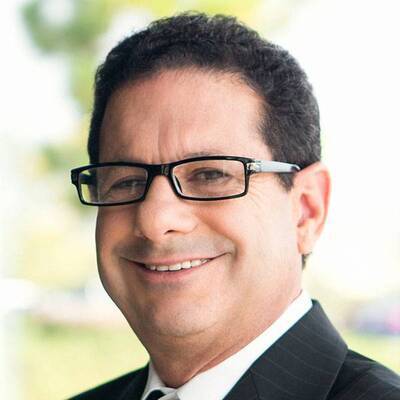 Paul Teirstein合作论文数Scripps Clinic;Prebys Cardiovascular Institute23Louis A. Cannon合作论文数22Michael J. Reardon合作论文数22
 Vinod H. Thourani合作论文数Piedmont Healthcare21Satya S. Shreenivas合作论文数Department of Medicine, University of Pennsylvania School of Medicine21Tm Broderick合作论文数20James Hermiller合作论文数20
 Paul Gurbel合作论文数Center for Thrombosis Research, inai Hospital of Baltimore20Kn Sigmon合作论文数19Onuma Yoshinobu合作论文数19
 Krishnankutty (Krishna) Sudhir合作论文数Center for Cardiovascular Technology, Stanford University;Sahajanand Medical Technologies;Abbott Laboratories19
 Howard C. Herrmann合作论文数Perelman School of Medicine, University of Pennsylvania;Interventional Cardiology, Cardiovascular Division, Hospital of the University of Pennsylvania;Medtronic;Johnson & Johnson MedTech;Various Medical Device Companies19




