Isocitrate dehydrogenase (IDH)-mutant gliomas are the most common malignant primary brain tumors in young adults. This condition imposes a substantial burden on patients and their caregivers, marked by neurocognitive deficits and high mortality rates due to tumor progression, coupled with significant morbidity from current treatment modalities. Although surgery, radiation therapy, and chemotherapy improve survival, these treatments can adversely affect cognitive function, quality of life, finances, employment status, and overall independence. Consequently, there is an urgent need for innovative strategies that delay progression and the use of radiation therapy and chemotherapy. The recent Federal Drug Administration (FDA) approval of vorasidenib, a brain-penetrant small molecule targeting mutant IDH1/2 proteins, heralds a shift in the therapeutic landscape for IDH-mutant gliomas. In this review, we address the role of vorasidenib in the treatment of IDH-mutant gliomas, providing a roadmap for its incorporation into daily practice. We discuss ongoing clinical trials with vorasidenib and other IDH inhibitors, as single-agent or in combination with other therapies, as well as current challenges and future directions.
Abstract INTRODUCTION The Phase 3 INDIGO study (NCT04164901) evaluated vorasidenib, an oral,brain-penetrant, dual inhibitor of mutated isocitrate dehydrogenase 1/2 (mIDH1/2), in patients with mIDH1/2 diffuse glioma. The primary endpoint of progression-free survival (PFS) per blinded independent review committee (BIRC), and key secondary endpoint of time to next intervention (TTNI), were met in the positive, preplanned second interim analysis (IA2). The study was unblinded in March 2023 following independent data monitoring committee recommendation. Herein, we present results after an additional 6 months of follow-up between the database lock for IA2 (September 6, 2022) and study unblinding (March 7, 2023). METHODS Patients with residual/recurrent grade 2 mIDH1/2 oligodendroglioma or astrocytoma were enrolled (aged ≥12 years; Karnofsky Performance Status, ≥80; measurable non-enhancing disease; surgery as only prior treatment; no immediate need of chemoradiotherapy). Patients were randomized 1:1 to vorasidenib 40 mg or placebo daily in 28-day cycles. RESULTS Overall, 331 patients were randomized (median age, 40.0 years; oligodendroglioma, 172; astrocytoma, 159). As of March 7, 2023, 123/168 (73%) patients remained on vorasidenib and 72/163 (44%) remained on placebo. PFS per BIRC remained in favor of vorasidenib (HR, 0.35; 95% CI, 0.25–0.49) and was consistent with PFS per investigator assessment (HR, 0.34; 95% CI, 0.23–0.50). Median PFS per BIRC: vorasidenib, not estimable (NE; 95% CI, 22.1–NE); placebo, 11.4 months (95% CI, 11.1–13.9). TTNI also remained in favor of vorasidenib (HR, 0.25; 95% CI, 0.16–0.40). Median TTNI: vorasidenib, NE (95% CI, NE–NE); placebo, 20.1 months (95% CI, 17.5–27.1). No new safety signals emerged. CONCLUSIONS Vorasidenib is a targeted therapy for patients with predominantly non-enhancing mIDH1/2 diffuse glioma following surgical intervention, as shown in the INDIGO population. These additional 6 months of follow-up confirm the previously reported statistically significant and clinically meaningful improvements in PFS and TTNI with vorasidenib.
Patients with RRD-HGG treated with ICI (n = 75). A, Cohort characteristics. B, Flow of patients with RRD-HGGs treated with ICIs and salvage regimens. MEK-i, MEK inhibitor. C, Progression-free (PFS1) and overall survival (OS1) on anti–PD-1/PDL1 monotherapy. D, Overall survival (OS2) for 55 patients progressing on monotherapy stratified by continued (n = 38) or no ICI (n = 17). PPAP, polymerase proofreading associated polyposis syndrome; CMMRD, constitutional mismatch repair deficiency syndrome.
Background Constitutional mismatch repair deficiency (CMMRD) syndrome is a rare and aggressive cancer predisposition syndrome. Because a scarcity of data on this condition contributes to management challenges and poor outcomes, we aimed to describe the clinical spectrum, cancer biology, and impact of genetics on patient survival in CMMRD. Methods In this cohort study, we collected cross-sectional and longitudinal data on all patients with CMMRD, with no age limits, registered with the International Replication Repair Deficiency Consortium (IRRDC) across more than 50 countries. Clinical data were extracted from the IRRDC database, medical records, and physician-completed case record forms. The primary objective was to describe the clinical features, cancer spectrum, and biology of the condition. Secondary objectives included estimations of cancer incidence and of the impact of the specific mismatch-repair gene and genotype on cancer onset and survival, including after cancer surveillance and immunotherapy interventions. Findings We analysed data from 201 patients (103 males, 98 females) enrolled between June 5, 2007 and Sept 9, 2022. Median age at diagnosis of CMMRD or a related cancer was 8.9 years (IQR 5.9-12.6), and median follow-up from diagnosis was 7.2 years (3.6-14.8). Endogamy among minorities and closed communities contributed to high homozygosity within countries with low consanguinity. Frequent dermatological manifestations (117 [93%] of 126 patients with complete data) led to a clinical overlap with neurofibromatosis type 1 (35 [28%] of 126). 339 cancers were reported in 194 (97%) of 201 patients. The cumulative cancer incidence by age 18 years was 90% (95% CI 80-99). Median time between cancer diagnoses for patients with more than one cancer was 1.9 years (IQR 0.8-3.9). Neoplasms developed in 15 organs and included early-onset adult cancers. CNS tumours were the most frequent (173 [51%] cancers), followed by gastrointestinal (75 [22%]), haematological (61 [18%]), and other cancer types (30 [9%]). Patients with CNS tumours had the poorest overall survival rates (39% [95% CI 30-52] at 10 years from diagnosis; log-rank p<0.0001 across four cancer types), followed by those with haematological cancers (67% [55-82]), gastrointestinal cancers (89% [81-97]), and other solid tumours (96% [88-100]). All cancers showed high mutation and microsatellite indel burdens, and pathognomonic mutational signatures. MLH1 or MSH2 variants caused earlier cancer onset than PMS2 or MSH6 variants, and inferior survival (overall survival at age 15 years 63% [95% CI 55-73] for PMS2, 49% [35-68] for MSH6, 19% [6-66] for MLH1, and 0% for MSH2; p<0.0001). Frameshift or truncating variants within the same gene caused earlier cancers and inferior outcomes compared with missense variants (p<0.0001). The greater deleterious effects of MLH1 and MSH2 variants as compared with PMS2 and MSH6 variants persisted despite overall improvements in survival after surveillance or immune checkpoint inhibitor interventions. fInterpretation The very high cancer burden and unique genomic landscape of CMMRD highlight the benefit of comprehensive assays in timely diagnosis and precision approaches toward surveillance and immunotherapy. These data will guide the clinical management of children and patients who survive into adulthood with CMMRD. Copyright (c) 2024 Elsevier Ltd. All rights reserved, including those for text and data mining, AI training, and similar technologies.
Demographics and details of treatment in patients who continued ICI progression (n=38)
Patients treated with nivolumab and trametinib (n = 5). A, Objective responses in bifocal glioblastoma progressing on nivolumab. B, Swimmer's plot summarizing events in each patient. C, The patient progressing at primary and distant sites on nivolumab had complete response on being simultaneously treated with radiation and addition of trametinib to nivolumab. T-cell receptor (TCR) clonotype analysis shows an initial increase in TCRB after starting on nivolumab, and invigoration of response at salvage treatment postprogression. This was observed both in terms of increased absolute clonal counts after adding trametinib, as well as clonal selection, plausibly for more tumor-specific TCR clones (as shown by the colored bars), as this correlated with the response seen in radiology. MEK-i, MEK inhibitor.
Abstract BACKGROUND Brain metastases (BM) are the most common malignant CNS tumors in adults, associated with decreased survival and severe impairment to quality of life. The majority of BM originate from lung cancer (40-50%), where availability of new drug therapies calls for personalized risk-benefit calculations. While several prognostic tools were developed to support therapeutic decision-making in the specific context of BM detection, our experience in the clinic suggests none is currently used routinely. MATERIAL AND METHODS We compared the predictive capabilities of two different prognostic scores on a retrospective cohort of 90 lung cancer patients treated for BM at the Tel Aviv Sourasky Medical Center. Both scores were computed for each patient. Lung-GPA score is based on age, Karnofsy performance status (KPS), number of BM, number of extra-cranial metastases and molecular features when relevant (for NSCLC patients, EGFR/ALK mutations, PD-L1 expression). LabBM score is based on levels of hemoglobin, albumin, CRP, LDH and platelets in blood tests taken at BM diagnosis. RESULTS Median age at diagnosis was 67.1 (range 36-88), 43 patients were female, mean number of BM was four (range 1-10), 79 patients had NSCLC, of which 15 (18.9%) had confirmed EGFR/ALK mutations, and 11 had SCLC. Median survival was 6.8 mo (range 0.5mo-103mo). Survival rates at 3mo, 6mo, and 12mo were 73%, 51%, and 40%, respectively. Both scores were significantly predictive of OS at these times, and direct comparison between them using ROC analysis revealed no differences in predictive ability for survival at 3mo (0.7 for LabBM and 0.67 for Lung-GPA); at 6mo (0.7 for LabBM and 0.74 for Lung-GPA) and at 12mo (0.61 for LabBM and 0.71 for Lung-GPA). CONCLUSION In a real-world cohort of patients with lung cancer BM we find that Lung-GPA score and LabBM score both show a similar prognostic ability. Future studies should examine whether predictive scores could improve by use of patient data currently not captured by either score, such as treatment response or neuroimaging-based features.
Abstract INTRODUCTION The Phase 3 INDIGO study (NCT04164901) evaluated vorasidenib, an oral, brain-penetrant, dual inhibitor of mutated isocitrate dehydrogenase 1/2 (mIDH1/2), in patients with mIDH1/2 diffuse glioma. The primary endpoint of progression-free survival (PFS) per blinded independent review committee (BIRC), and key secondary endpoint of time to next intervention (TTNI), were met in the positive, preplanned second interim analysis (IA2). The study was unblinded in March 2023 following independent data monitoring committee recommendation. Here, we present results after an additional 6 months of follow-up between the database lock for IA2 (September 6, 2022) and study unblinding (March 7, 2023). METHODS Patients with residual/recurrent grade 2 mIDH1/2 oligodendroglioma or astrocytoma were enrolled (≥12 years; Karnofsky Performance Status ≥80; measurable non-enhancing disease; surgery as only prior treatment; no immediate need of chemoradiotherapy). Patients were randomized 1:1 to vorasidenib 40 mg or placebo daily in 28-day cycles. RESULTS Overall, 331 patients were randomized (median age: 40.0 years; oligodendroglioma: 172; astrocytoma: 159). As of March 7, 2023, 123/168 (73%) patients remained on vorasidenib and 72/163 (44%) remained on placebo. PFS per BIRC remained in favor of vorasidenib (HR, 0.35; 95% CI, 0.25–0.49), and was consistent with PFS per investigator assessment (HR, 0.34; 95% CI, 0.23–0.50). Median PFS per BIRC: vorasidenib, not estimable (NE; 95% CI, 22.1–NE); placebo, 11.4 months (95% CI, 11.1–13.9). TTNI also remained in favor of vorasidenib (HR, 0.25; 95% CI, 0.16–0.40). Median TTNI: vorasidenib, NE (95% CI, NE–NE); placebo, 20.1 months (95% CI, 17.5–27.1). No new safety signals emerged. CONCLUSIONS Vorasidenib is a targeted therapy for patients with predominantly non-enhancing mIDH1/2 diffuse glioma following surgical intervention, as shown in the INDIGO population. These additional 6 months of follow-up confirm the previously reported statistically significant and clinically meaningful improvements in PFS and TTNI with vorasidenib.
Delayed response after initial progression on continued anti–PD-1 monotherapy. A, Delayed response after initial progression on nivolumab monotherapy. B, Cyst decompression and biopsy at progression showed a more mitotically active and higher grade tumor with higher TMB and increased CD8 T-cell infiltration. C, Mutation overlap showed minimal overlap of the somatic mutational spectrum between the two time points (200X magnification; scale bars represent 50 µm). D, Normalized expression counts of immune markers before initiation and after progression on anti–PD-1 monotherapy using the NanoString platform (100X magnification, scale bars represent 100 µm; Methods).
Current treatment outcome of patients with glioblastoma (GBM) remains poor. Following standard therapy, recurrence is universal with limited survival. Tumors from 173 GBM patients are analysed for somatic mutations to generate a personalized peptide vaccine targeting tumor-specific neoantigens. All patients were treated within the scope of an individual healing attempt. Among all vaccinated patients, including 70 treated prior to progression (primary) and 103 treated after progression (recurrent), the median overall survival from first diagnosis is 31.9 months (95% CI: 25.0-36.5). Adverse events are infrequent and are predominantly grade 1 or 2. A vaccine-induced immune response to at least one of the vaccinated peptides is detected in blood samples of 87 of 97 (90%) monitored patients. Vaccine-specific T-cell responses are durable in most patients. Significantly prolonged survival is observed for patients with multiple vaccine-induced T-cell responses (53 months) compared to those with no/low induced responses (27 months; P = 0.03). Altogether, our results highlight that the application of personalized neoantigen-targeting peptide vaccine is feasible and represents a promising potential treatment option for GBM patients.
Patients receiving dual-checkpoint inhibition with ipilimumab and anti–PD-1 after failing ICI monotherapy (n = 24). A, Swimmer's plot for each patient, showing the best documented radiologic response at any time during treatment. Inset, representative radiologic image showing response to dual-checkpoint inhibition. B, Progression-free (PFS2) and overall survival (OS2). C, Normalized CTLA4 expression counts generated using NanoString platform (Methods) for in-house non-RRD, nonmalignant brain controls, and at different time points for RRD-HGG. D, Paired analysis of normalized CTLA4 expression counts before and after anti–PD-1 therapy for the same patient. E, Toxicities (≥CTCAE grade 3) observed in CMMRD and Lynch syndrome patients on dual ICI.
Supplementary Figures S1 to S5, with each figure followed by its corresponding legend in the next page
To evaluate the impact of vorasidenib on health-related quality of life (HRQoL), neurocognition and seizure activity.
Background: We evaluated vorasidenib (VOR), a dual inhibitor of mIDH1/2, in patients with mIDH1/2 glioma (Phase 3; NCT04164901). Methods: Patients with residual/recurrent grade 2 mIDH1/2 oligodendroglioma or astrocytoma were enrolled (age ≥12; Karnofsky Performance Score ≥80; measurable non-enhancing disease; surgery as only prior treatment; not in immediate need of chemoradiotherapy). Patients were stratified by 1p19q status and baseline tumor size and randomized 1:1 to VOR 40 mg or placebo (PBO) daily in 28-day cycles. Endpoints included imaging-based progression-free survival (PFS), time to next intervention (TTNI), tumor growth rate (TGR), health-related quality of life (HRQoL), neurocognition and seizure activity. Results: 331 patients were randomized (VOR, 168; PBO, 163). The median age was 40.0 years. 172 and 159 patients had histologically confirmed oligodendroglioma and astrocytoma, respectively. Treatment with VOR significantly improved PFS and TTNI. Median PFS: VOR, 27.7 mos; PBO, 11.1 mos ( P =0.000000067). Median TTNI: VOR, not reached; PBO, 17.8 mos ( P =0.000000019). Treatment with VOR resulted in shrinkage of tumor volume. Post-treatment TGR: VOR, -2.5% (95% CI: -4.7, -0.2); PBO, 13.9% (95% CI: 11.1, 16.8). HRQoL and neurocognition were preserved and seizure control was maintained. VOR had a manageable safety profile. Conclusions: VOR was effective in mIDH1/2 diffuse glioma not in immediate need of chemoradiotherapy.
Impact of radiotherapy. A, Patient progressing on nivolumab received reirradiation, following which further progression prompted the addition of ipilimumab. This was followed by radiologic flare, and continued treatment with supportive care led to delayed response. B, Impact of reirradiation on survival. C, Impact of additional reirradiation (RT) in patients who received nivolumab and ipilimumab. D, Relative contribution of the radiation-induced indel signature (ID8) in RRD-HGG and controls from the GLASS cohort (Methods). E, Paired analysis of the relative contribution of ID8 before (at diagnosis) and after the second progression (post primary radiation, and then immunotherapy at first progression) in five patients.
Baseline characteristics of patients with RRD high-grade gliomas treated with immune-checkpoint inhibition (ICI) (n=75)
Genomic features of patients with RRD-HGG treated with salvage therapies (n = 38). A, Onco-plot summarizing clinical and genomic features of patients who progressed on anti–PD-1 monotherapy and continued ICI treatment. B, Impact of TMB on survival. C, Impact of genomic MSI as measured by the tumor MMRDness score on survival (Methods).
Abstract Immune checkpoint inhibition (ICI) is effective for replication-repair-deficient, high-grade gliomas (RRD-HGG). The clinical/biological impact of immune-directed approaches after failing ICI monotherapy is unknown. We performed an international study on 75 patients treated with anti–PD-1; 20 are progression free (median follow-up, 3.7 years). After second progression/recurrence (n = 55), continuing ICI-based salvage prolonged survival to 11.6 months (n = 38; P < 0.001), particularly for those with extreme mutation burden (P = 0.03). Delayed, sustained responses were observed, associated with changes in mutational spectra and the immune microenvironment. Response to reirradiation was explained by an absence of deleterious postradiation indel signatures (ID8). CTLA4 expression increased over time, and subsequent CTLA4 inhibition resulted in response/stable disease in 75%. RAS–MAPK-pathway inhibition led to the reinvigoration of peripheral immune and radiologic responses. Local (flare) and systemic immune adverse events were frequent (biallelic mismatch-repair deficiency > Lynch syndrome). We provide a mechanistic rationale for the sustained benefit in RRD-HGG from immune-directed/synergistic salvage therapies. Future approaches need to be tailored to patient and tumor biology. Significance: Hypermutant RRD-HGG are susceptible to checkpoint inhibitors beyond initial progression, leading to improved survival when reirradiation and synergistic immune/targeted agents are added. This is driven by their unique biological and immune properties, which evolve over time. Future research should focus on combinatorial regimens that increase patient survival while limiting immune toxicity. This article is featured in Selected Articles from This Issue, p. 201
 Felix Bokstein合作论文数Neuro-Oncology Service, Tel Aviv Sourasky Medical Center75
 Zvi Ram合作论文数Department of Neurosurgery, Tel Aviv Medical Center32
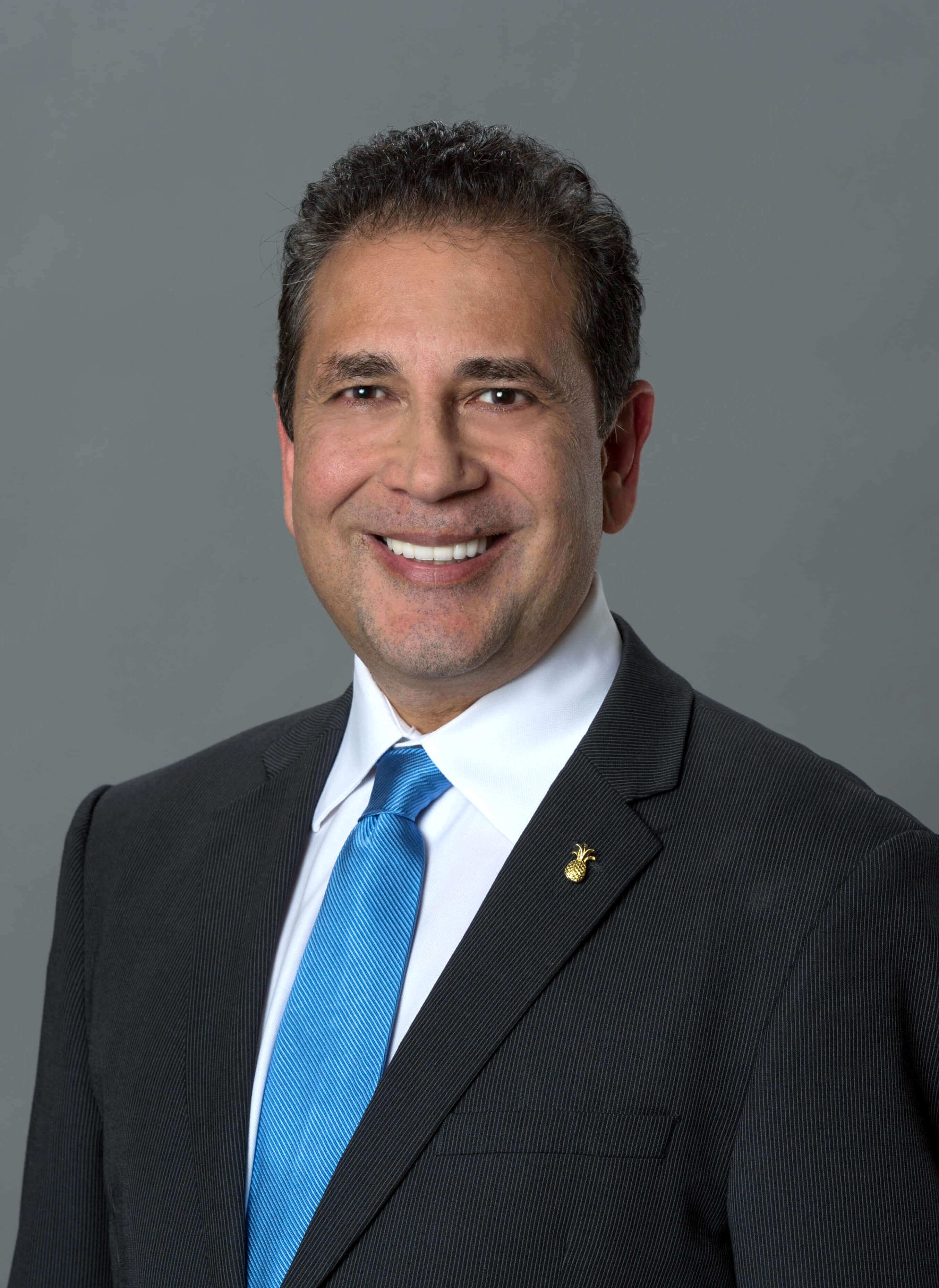 Minesh Mehta合作论文数Department of Radiation Oncology, Herbert Wertheim College of Medicine, Florida International University;Miami Cancer Institute24
 Patrick Y. Wen合作论文数Department of Neurology, Harvard Medical School;Center For Neuro-Oncology, Dana-Farber Cancer Institute24Warren Mason合作论文数Department of Medicine, Temerty Faculty of Medicine, University of Toronto21
 Mark R. Gilbert合作论文数Center for Cancer Research, National Cancer Institute, National Institutes of Health21O. Aizenstein合作论文数20
 Katherine Barnett Peters合作论文数Department of Neurology, Duke University School of Medicine;Duke Cancer Institute20Yust-Katz Shlomit合作论文数20
 Mehdi Touat合作论文数Drug Development Department (DITEP), University Paris Sud19
 Timothy Cloughesy合作论文数Department of Molecular and Medical Pharmacology, David Geffen School of Medicine, University of California, Los Angeles;Brain Research Institute, University of California, Los Angeles19Alexander Lossos合作论文数19
 Moran Artzi合作论文数Functional Brain Imaging Center, Tel Aviv Sourasky Medical Center19Michal Nisnboym合作论文数18
 Dafna Ben Bashat合作论文数The Functional Brain Center, The Wohl Institute for Advanced Imaging, Tel Aviv Sourasky Medical Center, Tel Aviv, Israel18
 Wolfgang Wick合作论文数Department Kopfklinik, Universitätsklinikum Heidelberg;Universität Heidelberg18Frank Lieberman合作论文数18Ashok Panigrahy合作论文数17Rebecca A. Raphael合作论文数17Ambika P. Jaswal合作论文数17Sarah Vincze合作论文数17Kathryn E. Day合作论文数17
 Reidann Elizabeth Sever合作论文数17Chaim Sneiderman合作论文数17Bo Li合作论文数17Dhivyaa Rajasundaram合作论文数17thomas pearce合作论文数17Zujian Xiong合作论文数17
 Andreas Hottinger合作论文数Center for Research in Neuroscience, Faculty of Biology and Medicine, University of Lausanne17Baoli Hu合作论文数17
 Uttam Shikhar合作论文数Biomedical Optical Imaging Laboratory (BOIL),, University of Pittsburgh17
 Itay Raphael合作论文数University of Texas San Antonio - Biology17
 Ian F. Pollack合作论文数Department of Neurological Surgery, School of Medicine, University of Pittsburgh17
 Carolyn J. Anderson合作论文数Department of Chemistry, College of Arts and Science, University of Missouri;MIZZOU Molecular Imaging and Theranostics Center, University of Missouri17Nedrow Jessie R合作论文数Departments of †Radiology, ‡Pharmacology and Chemical Biology, and §Bioengineering, University of Pittsburgh17Edwards Wilson合作论文数17
 Paul D. Brown合作论文数Department of Radiation Oncology, Mayo Clinic17Lesley M. Foley合作论文数17Joseph D Latoche合作论文数Departments of Medicine;Molecular Genetics and Biochemistry , and Cell Biology and Physiology;University of Pittsburgh;Departments of Medicine, University of Pittsburgh17
 Andrew A. Kanner合作论文数Department of Neurosurgery, Tel Aviv Sourasky Medical Center17
 T. Kevin Hitchens合作论文数Advanced Imaging Center, University of Pittsburgh17
 Jan Drappatz合作论文数Center for Neuro-Oncology, Department of Medical Oncology, Dana-Farber/Brigham and Women’s Cancer Center, 44 Binney St, Boston, MA 02115, USA17Gary Kohanbash合作论文数Brain Tumor Program G12.a Research Pavilion at the Hillman Cancer Center, University of Pittsburgh Cancer Institute17
 Sameer Agnihotri合作论文数Hospital for Sick Childrens Research Institute, University Health Network17
 Riccardo Soffietti合作论文数17
 Hanieh Karimi合作论文数16Lee Yi Yen合作论文数15David Gass合作论文数15Melissa Edwards合作论文数15




