Lesbian, Gay, Bisexual, Transgender, Queer, Intersex and Asexual (LGBTQIA+) people struggle to identify a healthcare service that understands their problems and needs. Additionally, healthcare professionals also find it difficult to care for LGBTQIA+ as very little is studied or heard about management. The article presents a protocol for a pilot study aimed at the development of an LGBTQIA+ care curriculum for health science professionals. The study includes Phase I: The development of a curriculum based on a literature review and focus group discussion among LGBTQIA+ individuals, and Phase II: Pilot testing of LGBTQIA+ care curriculum. The study outcome will reflect the improvement in the knowledge of healthcare professionals on LGBTQIA+ care.
Objectives. To compare pre- and post-operative pure tone audiometric and impedance audiometric analysis following conventional and endoscopic microdebrider assisted adenoidectomy and compare the outcomes. Methods. Patients diagnosed with chronic adenoiditis were divided in groups of 25 each. Patients in the first group underwent conventional curettage adenoidectomy, while those in second group underwent endoscopic microdebrider assisted adenoidectomy. Pre- and post-operative pure tone and impedance audiometry were performed for all patients and outcomes were compared. Results. The endoscopic microdebrider assisted method resulted in significantly better outcomes compared to conventional curettage. Criteria such as hearing threshold (p value 0.004 at second follow-up), peak pressure (p value 0.045 at first follow-up) and tympanogram (p value 0.016) showed that the endoscopic method was better, while peak compliance (p value 0.340 at first follow-up) did not show any significant difference between groups. Conclusions. The endoscopic microdebrider assisted method for adenoidectomy has a definite advantage of better visualisation resulting in better clearance of tissue, leading to enhanced middle ear function compared to conventional curettage.
Uremic pruritus has an impact on the quality of life and sleep of hemodialysis patients, but the majority of cases go unreported and untreated unless severe, due to a lack of awareness. The purpose of this study is to determine the prevalence, associated factors, and impact on health-related quality of life (HR-QOL) and sleep in hemodialysis patients. A single-center observational study of 3 months wherein 120 adults on maintenance hemodialysis were included. Baseline characteristics, dialysis-related factors, and lab parameters influencing uremic pruritus were recorded. Those with uremic pruritus completed “12-item pruritus severity scale (12-PSS)”, “SKINDEX10”, and “Itch-MOS” questionnaires to evaluate severity, impact on HR-QOL, and sleep respectively. Sixty seven over one hundred twenty (55.83%) patients had pruritus and majority were mild (40.83%) as per 12-PSS. Those with pruritus (n=67) had a mean age of 56.5±11.3 years, most were males (82%), chronic glomerulonephritis (29.1%) was the commonest cause of end-stage kidney disease, 3 active smokers, and 4 seropositive. 65(97%) patients were on twice-weekly dialysis, 36/67 had <5 years’ dialysis vintage and acceptable adequacy. There was no significant association between uremic pruritus and dialysis-related/laboratory parameters. Patients with uremic pruritus demonstrated significantly worse “HR-QOL” (p<0.001) on the “SKINDEX-10”, and patients' “Itch-MOS” scores demonstrated a significant decline in sleep quality with increasing pruritus severity (p<0.001). The majority of patients on maintenance hemodialysis experience uremic pruritus. None of the clinical characteristics, dialysis-related factors, and laboratory parameters affected uremic pruritus. Uremic pruritus patients had the worst HR-QOL & their sleep quality significantly declined as pruritus severity escalated. Study approval was obtained from Institutional Research Committee and Institutional Ethical Committee (IEC 642/2021). Clinical Trial Registry of India (CTRI) registration (CTRI/2022/01/039143) was also obtained.
Lesbian, Gay, Bisexual, Transgender, Queer, Intersex and Asexual (LGBTQIA+) people struggle to identify a healthcare service that understands their problems and needs. Additionally, healthcare professionals also find it difficult to care for LGBTQIA+ as very little is studied or heard about management. The article presents a protocol for a pilot study aimed at the development of an LGBTQIA+ care curriculum for health science professionals. The study includes Phase I: The development of a curriculum based on a literature review and focus group discussion among LGBTQIA+ individuals, and Phase II: Pilot testing of LGBTQIA+ care curriculum. The study outcome will reflect the improvement in the knowledge of healthcare professionals on LGBTQIA+ care.
Objectives: The objective of this study is to analyze the effect of glycemic control and factors like time since the diagnosis of type 2 diabetes mellitus on hearing. Materials and Methods: Hearing of 75 type 2 diabetes mellitus patients aged 40-55 years categorized into three groups of 25 patients based on their glycemic control (HbA1c %) and also based on time since the diagnosis was assessed using pure-tone audiometry (PTA) and distortion-product otoacoustic emissions (DPOAE). Results: Of 68% of the study population showing hearing loss, 40 patients (76.92%) had sensorineural hearing loss (SNHL) and 11 patients showed mixed hearing loss. The highest incidence of SNHL was seen in patients with poor glycemic control (45%) (P = 0.01) and in those with longer duration of diabetes >10 years (50%). Maximum patients showed moderate-to-moderately severe degree of hearing loss, affecting higher frequencies (P < 0.05). Bilateral SNHL was observed in 24% of patients. The absence of DPOAE was seen statistically significantly more in patients with uncontrolled glycemic control (P = 0.008) and those with the duration of diabetes of 5-10 years, affecting mid-to-high frequencies (2 and 8 kHz) (P < 0.01). Our study showed nine patients with normal PTA thresholds with absent DPOAE's. Age showed a statistically significant correlation in DPOAE outcomes with respect to glycemic control only (P = 0.038). Patients on treatment with both insulin and oral hypoglycemic agents showed the highest incidence of hearing loss but with no significant correlation. Conclusion: Patients with poor and uncontrolled glycemic control are likely to have more hearing loss. Subclinical hearing loss due to cochlear dysfunction seen commonly in patients with diabetes can be detected earliest with the aid of otoacoustic emissions in conjunction with PTA.
INTRODUCTION:The sinonasal tract is an area that may be affected by various types of neoplastic lesions with more variety than what is encountered in other parts of the upper airway and food passage.CASE REPORT:An elderly gentleman of 65 years complained of nose block on both sides for 3 months. On examination, he had firm polypoidal masses arising from the middle meatus and septum on both sides. Computed tomography scan of the sinuses revealed polypoidal mucosal thickening in bilateral sinuses with bilateral concha bullosa. The patient underwent functional endoscopic sinus surgery with the complete excision of the masses from the lateral wall and septum under general anesthesia. The results of the histopathological examination showed inflammatory changes in polypoidal tissues from the right maxillary, bilateral ethmoidal sinuses, and bilateral septal masses. The lesion in the left middle meatus showed the features of respiratory epithelial adenomatoid hamartoma (READ). The case had no evidence of residual or recurrent lesion during 6 months after the surgery.CONCLUSION:The READ is a rare lesion observed in the sinonasal tract. It is a diagnostic dilemma for clinicians as it can be misdiagnosed as neoplastic lesions, such as inverted papilloma or adenocarcinoma, which would warrant radical surgery or sinonasal polyposis and be treated inadequately.
 Bontha V. Babu合作论文数2
 Nirmal Krishnan合作论文数2Bhavana B Bhat合作论文数Dept Audiol & Speech Language Pathol, Kasturba Med Coll & Hosp2
 Renjulal Yesodharan合作论文数Manipal Acad Higher Educ, Manipal Coll Nursing2
 Latha T.合作论文数Manipal College of Nursing Manipal, Manipal University2
 Vijendra Shenoy合作论文数Associate Professor, Department of Otorhinolaryngology, Head &Kasturba Medical College, Manipal University;Kasturba Medical College, Manipal University2
 Mamatha Shivananda Pai合作论文数2Vikram Palimar合作论文数Department of Forensic Medicine, Kasturba Medical College2N S Reddy合作论文数1Praneetha Puvvula合作论文数1Navya Parvathareddy合作论文数1Oj Giri合作论文数1Ajith M. Nayak合作论文数1Dhruv Joshi合作论文数1jayashree s bhat合作论文数1
 Mohan V Bhojaraja合作论文数1
 Divya Datta合作论文数Nephrology, Kasturba Medical College1
 Thripthi Rai合作论文数1Meera Niranjan Khadilkar合作论文数Manipal Acad Higher Educ, Kasturba Med Coll1
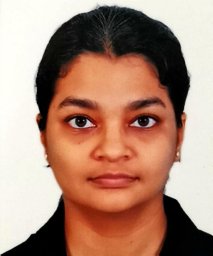 Indu Rao合作论文数Manipal Acad Higher Educ, Kasturba Med Coll1
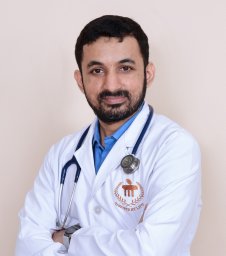 Srinivas Vinayak Shenoy合作论文数Manipal Acad Higher Educ, Kasturba Med Coll Manipal1Sahu Kausalya Kumari合作论文数1
 Nagaraju Shankar P合作论文数Kasturba Medical College, Manipal University1Dharshan Rangaswamy合作论文数1
 Mulky Panduranga Kamath合作论文数Department of ORLHNS Attavara, Kasturba Medical College1Ravindra Prabhu Attur合作论文数Department of Nephrology, Kasturba Medical College1
 Deviprasad Dosemane合作论文数1




