Purpose In acute ischemic stroke for large vessel occlusions, delayed or failed access to intracranial occlusions has a negative impact on procedural and clinical outcomes. The aim of this review is to identify and quantify access failures and challenges in mechanical thrombectomy. Methods A systematic literature review of PubMed and Scopus databases from January 2014 to October 2020 was performed. Articles reporting consecutive patients were used to calculate a crude failure rate of femoral and alternative accesses. Results A total of 50 articles met the inclusion criteria, totalling 12,838 interventions. Failure to access the occlusion through transfemoral access occurred in 4.4% of patients, most commonly due to challenging supra-aortic vessel anatomy, decreasing to 3.6% when all alternative access routes were attempted. Failed access from alternative routes (direct carotid, radial and brachial approaches) attempted first-line or after failed femoral attempt were reported in 7.3% of patients. The occurrence rate of potentially challenging features (anatomical, diseases or others) ranged from 4.7% to 47.4%, primarily impacting the access time, procedure time, recanalization and clinical outcomes. Conclusion Failure to access the occlusion is a significant contributor to failed recanalization, regardless of access routes. Challenging, but eventually successful access is also a relevant factor in procedural and clinical outcomes; however challenging access requires a universal definition to enable quantification, so that methods for procedural optimization can be critically assessed.
Background and Objectives: The cushioning effect of large, healthy arteries reduces pulsatile afterload to the heart, reduces pulsatility in the microvasculature of target organs, and promotes coronary/cerebral perfusion [1]. With age, large arteries become stiffer, which increases both pulse wave velocity (PWV) and pulse pressure (PP). This results in isolated systolic hypertension [2], which is characterized by increased systolic blood pressure (SBP) with normal or low diastolic blood pressure (DBP) leading to left ventricular afterload. This study aims to replicate, experimentally, arterial stiffness of hypertensive patients, and proposes a novel thoracic endograft for restoring the arterial cushioning function. Methods: The experimental setup comprised of two stiff descending aorta silicone replicas (DASR 1&2), pulse duplicator, heated blood mimicking fluid, pressure and flow sensors. An internal annular viscoelastic cushion, referred to as the ‘WaveGraft’, was deployed in DASR2. Firstly, pulsatile flow was directed through DASR1, (stiff vessel only), then it was diverted through DASR2 (vessel including WaveGraft). Results: When compared to the stiff vessel replica (DASR1), the WaveGraft (DASR2) data showed significant reduction in PWV(−60%), SBP(−9%) and PP(−35%), while DBP increased by 10%. An increase in diastolic perfusion by up to 150%, was observed from the recorded data. Conclusion: This work successfully replicated, key features of aortic hemodynamics in hypertension, linked to the increase in arterial stiffness. The WaveGraft concept showed great potential in altering blood pressure, flowrates and PWV, which may become an important clinical tool in the management of isolated systolic hypertension, heart failure, chronic kidney disease and other chronic conditions.
INTRODUCTION: This review aimed to evaluate open surgical repair (OSR) and hybrid repair (HR) in the treatment of unruptured aortic arch aneurysms. EVIDENCE ACQUISITION: A systematic search was undertaken using the following databases, PubMed, Cochrane Database of Systematic Reviews (CDSR), Web of Science and Scopus to identify all studies that were published with regard to OSR and HR up to August 2019. EVIDENCE SYNTHESIS: Six retrospective observational studies published from 2009 to 2018 were included. A total of 171 (34.1%) patients treated with HR and 331 (65.9%) patients treated with OSR. No significant difference was found in 30-day mortality (P=0.31, 95%, CI [0.59, 2.29]) and all-cause mortality at 12 months (P=0.27, 95% CI [1.07, 4.61]). Postoperative stroke occurred in 22/331 (6.6%) cases in OSR group compared to 20/171 (11.9%) cases in the HR group (P=0.80; 95% CI [0.90, 2.84], I-2=0%). Postoperative paraplegia (P=0.21; 95% CI [0.35, 4.29] and renal dysfunction (P=0.20; 95% CI [0.39, 1.36]) were insignificant between OSR and HR. Patients treated with OSR (7.5 +/- 5.4 days) required significantly longer length of ICU stay in comparison to patients treated with HR (4.6 +/- 2.4 days) (P<0.0001, 95% CI [-6.44, 0.57]). CONCLUSIONS: The results of this review suggest no evidence that HR is superior to OSR. HR led to in a decrease in postoperative paraplegia, renal dysfunction and postoperative bleeding compared to OSR although this difference was insignificant. In addition, HR significantly reduced the number days in ICU.
BACKGROUND: The aim of this study was to experimentally assess the preoperative and postoperative hemodynamic flow patterns in six complex aortic arch aneurysm cases treated with the streamliner multilayer flow modulator (SMFM) device and examine what effect the SMFM has on aortic branch patency. METHODS: Six arch aneurysm were included. Six patient specific flexible models were produced to assess hemodynamic flow patterns pre and post-SMFM within a custom-built flow simulator. The following experimental assessments were conducted 1) comparison of pre and postoperative analysis in cases (cases F1, F3 and S1) treated with one SMFM; 2) comparison of preoperative and postoperative analysis in cases (cases F2, S2 and S3) treated with two SMFM; and 3) examine the effect of SMFM on pressure and blood flow rate through the supra-aortic vessels. RESULTS: Improved blood flow was observed in cases F1 and S1 with one SMFM and in case S3 treated with 2 SMFMs. Cases F2 and S2 treated with 2 SMFMs showed increased recirculation with disorganized blood flow at the wall of the aneurysm sac pre and postoperative. Type IIIb endoleak was observed in case F2 treated with 2 SMFMs and disorganized mosaic flow pattern in the aneurysm sac. Treatment with 1 and 2 SMFMs improved blood flow rate through the branching vessels and preserved systolic pressure within normal physiological conditions within the supra-aortic vessels in all six cases. CONCLUSIONS: Treatment of aortic arch aneurysms incorporating major branching vessels using the SMFM device has the potential of altering the sac hemodynamic without compromising branching vessels.
Atrial fibrillation is the most significant contributor to thrombus formation within the heart and is responsible for 45% of all cardio embolic strokes, which account for approximately 15% of acute ischemic strokes cases worldwide. Atrial fibrillation can result in a reduction of normal cardiac output and cycle length of up to 30% and 40%, respectively. A total of 240 embolus analogues were released into a thin-walled, patient-specific aortic arch under normal (60 embolus analogues) and varying atrial fibrillation (180 embolus analogues) pulsatile flow conditions. Under healthy flow conditions (n = 60), the embolus analogues tended to follow the flow rate split through each outlet vessel. There was an increase in clot trajectories along the common carotid arteries under atrial fibrillation flow conditions. A shorter pulse period (0.3 s) displayed the highest percentage of clots travelling to the brain (24%), with a greater percentage of clots travelling through the left common carotid artery (17%). This study provides an experimental insight into the effect varying cardiac output and cycle length can have on the trajectory of a cardiac source blood clots travelling to the cerebral vasculature and possibly causing a stroke.
OBJECTIVE(S):The Fontan procedure is a common palliative intervention for sufferers of single ventricle congenital heart defects that results in an anastomosis of the venous return to the pulmonary arteries called the total cavopulmonary connection (TCPC). In patients with palliated single ventricular heart defects, the Fontan circulation passively directs systemic venous return to the pulmonary circulation in the absence of a functional sub-pulmonary ventricle. Therefore, the Fontan circulation is highly dependent on favourable flow and energetics, and minimal energy loss is of great importance. The majority of in vitro studies, to date, employ a rigid TCPC model. Recently, few studies have incorporated flexible TCPC models, without the inclusion of commercially available conduits used in these surgical scenarios.METHOD:The methodology set out in this study successfully utilizes patient-specific phantoms along with the corresponding flowrate waveforms to characterise the flow haemodynamic performance of extracardiac Gore-Tex conduits. This was achieved by comparing a rigid and flexible TCPC models against a flexible model with an integrated Gore-Tex conduit.RESULTS:The flexible model with the integrated Gore-Tex graft exhibited greater levels of energy losses when compared to the rigid walled model. With this, the flow fields showed greater levels of turbulence in the complaint and Gore-Tex models compared to the rigid model under ultrasound analysis.CONCLUSION:This study shows that vessel compliance along with the incorporation of Gore-Tex extracardiac conduits have significant impact on the flow haemodynamics in a patient-specific surgical scenario.
The Bidirectional Glenn (BDG) or cavopulmonary connection is typically undertaken to volume unload the single ventricle in an effort to preserve ventricular and atrioventricular valve function. The geometry of this surgical palliation has been shown to influence the fluid energy loss as well as the distribution of flow that enters through the superior vena cava. In-vitro and in-silico studies to date have been performed on rigid wall models, while this investigation looks at the impact of flexible thin walled models versus rigid walls. Rigid and compliant models of two patient-specific Glenn geometries were fabricated and tested under various flow conditions, within a biosimulator capable of replicating patient specific flow conditions. It was found that the compliant models exhibit greater levels of energy loss compared to the rigid models. Along with these findings greater levels of turbulence was found in both compliant models compared to their rigid counterparts under ultrasound examinations. This shows that vessel compliance has a significant impact on the hemodynamics within hypoplastic left heart syndrome.
Background and Purpose- Cardiogenic emboli account for 15% to 20% of acute ischemic stroke cases worldwide. However, the chance of such emboli, of varying sizes, causing a stroke under various flow types has not been evaluated. Methods- A patient-specific aortic arch model was fabricated from a medical image dataset of a 77-year-old male case, with atrial fibrillation and distal occlusion of the right M1 vessel. One hundred and eighty mammalian embolus analogs (EAs) were released one by one into the model under normal and atrial fibrillation flow conditions. A further 270 clots were fabricated using varying levels of thrombin (5-20 National Institutes of Health units thrombin). The effect of releasing several clots simultaneously was also examined by grouping EAs into 18 multiples of 5, 4, 3, and 2 clots, resulting in 504 EAs released. Results- EAs with a length of ≤10 mm were the most common geometry to travel through the common carotid arteries (44%); however, longer clots also traveled through these narrow vessels. Twenty two percent of EAs ranged from 10-20mm in length, 27% from 20-30mm and 7% were >30 mm in length. Higher density clots increased the propensity for clots to travel along the cerebral vessels ( P<0.05). Releasing more clots during each test, increased the probability of at least one clot traveling through an aortic arch branching vessel. Conclusions- Embolus trajectory through the branching vessels of the aortic arch is not exclusively dependent on embolus size. EAs tend to travel proportionally with outlet flow rates, with a greater chance of a stroke caused by multiple breakaway emboli.
Atrial fibrillation (AF) is the most common irregular heartbeat among the world's population and is a major contributor to cardiogenic embolisms and acute ischemic stroke (AIS). However, the role AF flow plays in the trajectory paths of cardiogenic emboli has not been experimentally investigated. A physiological simulation system was designed to analyze the trajectory patterns of bovine embolus analogs (EAs) (n = 720) through four patient-specific models, under three flow conditions: steady flow, normal pulsatile flow, and AF pulsatile flow. It was seen that EA trajectory paths were proportional to the percentage flowrate split of 25-31% along the branching vessels. Overall, AF flow conditions increased trajectories through the left-(LCCA) and right (RCCA)-common carotid artery by 25% with respect to normal pulsatile flow. There was no statistical difference in the distribution of clot trajectories when the clot was released from the right, left, or anterior positions. Significantly, more EAs traveled through the brachiocephalic trunk (BCT) than through the LCCA or the left subclavian. Yet of the EAs that traveled through the common carotid arteries, there was a greater affiliation toward the LCCA compared to the RCCA (p<0.05).
Embolus Analogues (EAs) can provide understanding of the mechanical characteristics of blood clots of cardiac origin. Bovine EAs (n = 29) were fabricated with varying concentrations of thrombin (0–20 NIHU/ml blood). Histological staining confirmed that EA composition compared sufficiently with human samples reported in literature. EAs were mechanically described under seven testing conditions: tensile, compression, shear wave ultrasound elastography (SWE), parallel plate rheometry, indentation, creep and relaxation. The Young modulus of bovine EAs in tension varied from 7 kPa (5% strain) to 84 kPa (50% strain). The compressive Young modulus increased with increasing thrombin concentration, which was in agreement with the SWE results. There was no significant difference in Young modulus throughout the clot (p < 0.05). The EAs displayed a non-linear response under parallel plate rheometry, creep and stress relaxation. The 3rd order Mooney–Rivlin constitutive equation and Standard Linear Solid model were used to fit the non-linear stress–strain response and time-dependent properties, respectively. This is the first study in which bovine EAs, with and without addition of thrombin, are histologically and mechanically described with corresponding proposed constitutive equations. The equations and experimental data determined can be applied for future numerical and experimental testing of mammalian EAs and cardiac source clots.
Predicting aortic aneurysm ruptures is a complex problem that has been investigated by many research teams over several decades. Work on this issue is notably complex and involves both the mechanical behavior of the artery and the blood flow. Magnetic resonance imaging (MRI) can provide measurements concerning the shape of an organ and the blood that flows through it. Measuring local distortion of the artery wall is the first essential factor to evaluate in a ruptured artery. This paper aims to demonstrate the feasibility of this measure using MRI on a phantom of an abdominal aortic aneurysm (AAA) with realistic shape. The aortic geometry is obtained from a series of cine-MR images and reconstructed using Mimics software. From 4D flow and MRI measurements, the field of velocity is determined and introduced into a computational fluid dynamic (CFD) model to determine the mechanical boundaries applied on the wall artery (pressure and ultimately wall shear stress (WSS)). These factors are then converted into a solid model that enables wall deformations to be calculated. This approach was applied to a silicone phantom model of an AAA reconstructed from a patient's computed tomography-scan examination. The calculated deformations were then compared to those obtained in identical conditions by stereovision. The results of both methods were found to be close. Deformations of the studied AAA phantom with complex shape were obtained within a gap of 12% by modeling from MR data.
Purpose: To examine the safety and short-term efficacy of the Streamliner Multilayer Flow Modulator (SMFM) in the management of patients with complex thoracoabdominal aortic pathology who are unfit for alternative interventions. Methods: Biomedical databases were systematically searched for articles published between 2008 and 2015 on the SMFM. A patient-level meta-analysis was used to evaluate aneurysm-related survival. Secondary outcomes were all-cause survival, stroke, spinal cord ischemia, renal impairment, and branch vessel patency. Other considerations were the impact of compliance with the instructions for use (IFU) on clinical outcome. Mean values and Kaplan-Meier estimates are presented with the 95% confidence interval (CI). Results: Fifteen articles (3 multicenter cohort studies, 3 observational cohort studies, and 9 case reports) were included, presenting 171 patients (mean age 68.8±12.3 years; 139 men). The mean aneurysm diameter was 6.7±1.6 cm (95% CI 6.4 to 6.9 cm). Technical success reported in 15 studies was 77.2%. Aneurysm-related survival at 1 year was 78.7% (95% CI 71.7% to 84.4%). One-year all-cause survival was 53.7% (95% CI 46.0% to 61.3%). There were no reported cases of spinal cord ischemia, renal insult, or stroke. Conclusion: The SMFM can be safely utilized in some patients with complex thoracoabdominal pathologies provided operators adhere to the IFU. The SMFM is a novel technology with no long-term published data on its sustained effectiveness and a lack of comparative studies. Randomized clinical trials, registries, and continued assessment are essential before this flow-modulating technology can be widely disseminated.
The study of the wall strain distribution could be helpful to improve the decision criterion for surgery of aortic aneurysm. Recently, numerical simulations can complete the data obtained from imaging measurement in order to develop reliable models. However, the used medical imaging tools are not experimentally validated, in metrological point of view. The aim of this study focused on accuracy and reliability of measurement obtained from kinetic MR sequences. The measures of deformations from MRI were compare to those obtained from stereovision system. Cylindrical phantom of silicone material similar to arterial behavior simulated a symmetric aneurysm was designed. A MRI compatible experimental system reproducing a cardiovascular system with phantom was developed. The acquisition of 40 images per cardiac cycle is triggered with a simulated ECG signal with the same frequency as the pump. In parallel, in-vitro measurement by stereovision system were acquired to obtain local strain by 3D reconstruction with digital image correlation (DIC). The maximum strain calculated with MRI and stereovision at the level of the maximum strain, as the evolution of the strain field along the aneurysm with a pressure of 136 mmHg, are close.
The prediction of the risk of rupture of abdominal aortic aneurysm (AAA) is a complex problem. Currently the criteria to predict rupture of abdominal aortic aneurysms are aneurysm diameter and growth rates. It is generally believed that study of the wall strain distribution could be helpful to find a better decision criterion for surgery of aortic aneurysms before their rupture. The wall strain distribution depends on many biological and biomechanical factors such as elastic properties of the aorta, turbulent blood flow, anatomy of the aorta, presence of thrombus or not and so on. Recently, numerical simulations to estimate rupture-potential have received many attentions. However, none of the medical imaging tools for screening and monitoring of AAAs were studied in terms of mechanical behavior and experimentally to demonstrate their capability to measure relevant variables. The aim of this study was to develop a metrological approach for deployment testing of the ability of techniques for measuring local in-vitro deformations based on comparison of stereovision and MRI. In this paper, we present the implementation approach and results of the study based on cylindrical phantoms with or without AAA representing, respectively, healthy and unhealthy artery. Through this study, an experimental device was developed for the behavior study of AAA during a cardiac cycle. The results show that the stereovision techniques used in laboratory is well suited and is qualitatively and quantitatively equivalent with MRI measurements.
A complete circle of Willis (CoW) is found in approximately 30–50% of the population. Anatomical variations, such as absent or surgically clamped vessels, can result in undesirable flow patterns. These can affect the brain’s ability to maintain cerebral perfusion and the formation of cerebral aneurysms. An experimental test system was developed to simulate cerebral physiological conditions through three flexible 3D patient-specific models of complete and incomplete CoW geometries. Flow visualizations were performed with isobaric dyes and the mapped dye streamlines were tracked throughout the models. Three to seven flow impact locations were observed for all configurations, corresponding to known sites for aneurysmal formation. Uni and bi-directional cross-flows occurred along the communicating arteries. The greatest shunting of flow occurred for a missing pre-communicating anterior (A1) and posterior (P1) cerebral arteries. The anterior cerebral arteries had the greatest reduction (15–37%) in efferent flow rates for missing either a unilateral A1 or bilateral P1 segments. The bi-directional cross-flows, with multiple afferent flow mixing, observed along the communicating arteries may explain the propensity of aneurysm formation at these sites. Reductions in efferent flow rates due to aplastic vessel configurations may affect normal brain function.
Abdominal aortic aneurysm (AAA) represents an asymptomatic cardiovascular type of disease, that is diagnosed in elder people over 60 years old. It is characterised by a ballooning of the abdominal aorta, which grows, at different rates in different patients. If left untreated, it will rupture causing severe internal bleeding, which can lead to shock or death [1]. Medical devices such as bifurcated stent grafts (SG) are used for the treatment of this disease. To help improve SG performance, biomedical engineers design benchtop models for testing.
The variation in computational assumptions for analysing abdominal aortic aneurysm haemodynamics can influence the desired output results and computational cost. Such assumptions for abdominal aortic aneurysm modelling include static/transient pressures, steady/transient flows and rigid/compliant walls. Six computational methods and these various assumptions were simulated and compared within a realistic abdominal aortic aneurysm model with and without intraluminal thrombus. A full transient fluid–structure interaction was required to analyse the flow patterns within the compliant abdominal aortic aneurysms models. Rigid wall computational fluid dynamics overestimates the velocity magnitude by as much as 40%−65% and the wall shear stress by 30%−50%. These differences were attributed to the deforming walls which reduced the outlet volumetric flow rate for the transient fluid–structure interaction during the majority of the systolic phase. Static finite element analysis accurately approximates the deformations and von Mises stresses when compared with transient fluid–structure interaction. Simplifying the modelling complexity reduces the computational cost significantly. In conclusion, the deformation and von Mises stress can be approximately found by static finite element analysis, while for compliant models a full transient fluid–structure interaction analysis is required for acquiring the fluid flow phenomenon.
 Liam Morris合作论文数29
 B. Sillard合作论文数12
 Tim M Mcgloughlin合作论文数11J.P. Deshayes合作论文数11Henri Bricard合作论文数10
 Florian Stefanov合作论文数8C. Lefrançois合作论文数8
 Paul Fahy合作论文数7P. Ségol合作论文数7Niamh Hynes合作论文数6Carine Gachon合作论文数6
 Prof Sherif Sultan合作论文数6Juillion Patrick合作论文数5
 Alain Lalande合作论文数Laboratoire Électronique, Informatique et Image, Université Bourgogne Europe;University Hospital of Dijon5T. Lochu合作论文数5David Joannic合作论文数5
 Jean Francois Fontaine合作论文数5
 Ala Elhelali合作论文数4A DERLON合作论文数4
 Edel P Kavanagh合作论文数4Ene Florentina合作论文数4
 Malone Fiona合作论文数4
 Jens Fiehler合作论文数Center for Radiology and Endoscopy, Universitatsklinikum Hamburg-Eppendorf;Department of Neuroradiological diagnostics and intervention, Universitatsklinikum Hamburg-Eppendorf4Maurice Gignoux合作论文数4
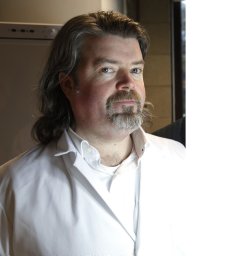 Michael T. Walsh合作论文数and the Materials and Surface Science Institute, University of Limerick4
 J-H Buhk合作论文数Department of Neuroradiology, University of Göttingen3Fournier L合作论文数3Wang Yufei合作论文数3A Lequerrec合作论文数2P Denise合作论文数2Eugene McCarthy合作论文数2Peter McCarthy合作论文数2A. Callanan合作论文数2Shane McHugo合作论文数2Marchand P合作论文数2O'Flynn Padraig合作论文数2P. O'Donnell合作论文数2Eric E Roupie合作论文数2Pierce Grace合作论文数2E Marie合作论文数2E Touchard合作论文数2A. Le Querrec合作论文数2F. Wallis合作论文数2Annemarie Justum合作论文数2J. Moussu合作论文数2V Guillouf合作论文数2J.C. Gelin合作论文数2J Tartière合作论文数2Michael Gilvarry合作论文数1




