Persistent Low-Level Viremia (pLLV) has been associated with Virologic Failure (VF). Use of Single Tablet ART Regimens (STRs) is associated with improved adherence and virologic outcomes. The prevalence and implications of LLV amongst PWH initiating STRs is not well-studied. We examined virologic implications of LLV in those initiating STRs in the US military HIV Natural History Study (NHS).Figure 1.Graphical Representation of Virologic Strata used in the analysisTable 1Baseline Characteristics of NHS participants initiating STRs With and Without Virologic Failure NHS participants have unrestricted access to care and medications, minimizing the barriers to achieving and maintaining virologic suppression (VS); included participants had ≥2 viral loads (VL) measured with an assay with a lower limit of detection of ≤50 copies/ml, 6 months post STR initiation. VF was defined as a VL ≥200 copies/mL on 2 consecutive determinations spanning at-least 30 days or any VL ≥1000 copies/mL after VS. Participants were categorized into mutually exclusive LLV categories: intermittent LLV (iLLV) (VL of 50–199 copies/mL on < 25% of measurements), pLLV (VL of 50–199 copies/mL on ≥25% of measurements), high-levels of low level viremia (hLLV) VL of 200–1000 copies/mL) that did not meet criteria for VF, and VS (all VL < 50 copies/mL), Figure 1. VL measurements during ART interruptions were not included. Participants were censored at last follow- up or at VF. Adjusted time updated Cox proportional hazards models were used to evaluate the association between prespecified risk factors and VF.Table 2Adjusted Hazard Ratios for Factors Associated with Virologic Failure Amongst Those Initiation Single Tablet ART Regiments A total of 990 participants (median age,28.5 years at STR initiation, 97% male and 45% African American) contributed a median of 5.8 years follow up and 9 VL measures; 63 participants (6.4%) experienced VF, Table 1. A total of 292 (26.6%) participants experienced LLV: pLLV (n=42, 1.2%), iLLV (n=173, 17.6%), or hLLV (n=77, 7.8%). Both pLLV (adjusted HR (aHR) 7.7 [95% CI: 3.2 – 18.4)] and hLLV were associated with VF (aHR 3.1 [95% CI: 1.6 – 5.8]). VF was also associated with suboptimal adherence, characterized by medication possession ratios of < 90%, Table 2. LLV was common in participants initiating STRs, about 1 in 4 participants had one or more episodes. Even after adjusting for adherence, both pLLV and hLLV were associated with VF. Our observations suggest that pLLV is more than just a random phenomenon and argue for closer clinical monitoring of PWH with pLLV and hLLV on STRs. All Authors: No reported disclosures
Analgesics are sometimes taken prior to vaccination to prevent adverse reactions. Although several studies have examined the immunogenicity impact of post-vaccination analgesics, few have assessed the effect of analgesics taken prior to vaccination. This study compares antibody responses to hemagglutination (HA) among adults with and without analgesic use prior to influenza vaccine receipt. It further analyzes differences in immunogenicity according to analgesic type. Pragmatic Assessment of Influenza Vaccine Effectiveness in the DoD (PAIVED) was an open-label, randomized clinical trial comparing the effectiveness of FDA-licensed influenza vaccines on adult military healthcare beneficiaries. A subset of participants provided venous blood samples collected pre-vaccination and 30 days post-vaccination. Participants included in this analysis provided venous blood samples and reported on analgesic use within 24 hours prior to vaccine receipt. Of 1,173 PAIVED participants with pre- and post-vaccination anti-HA antibody titers, 684 (58%) answered the analgesic question. Among those, 71 (10%) reported taking an analgesic within 24 hours prior to vaccine receipt. The most prevalent analgesics were nonsteroidal anti-inflammatory drugs (NSAIDs) including ibuprofen (total NSAIDs, n=37; ibuprofen, n=19) and acetaminophen (n=28). Those who took a pre-vaccination analgesic were significantly older and more often female (Table 1). There were no significant differences in the average change in geometric mean titer (GMT) among subjects with a pre-vaccination analgesic compared to those without, including when stratified by analgesic type (Figure 1). While a higher percentage of people who took acetaminophen seroconverted (4-fold rise in antibody titer) compared to those who took ibuprofen or other NSAIDs, this finding was not statistically significant (Figure 2). Overall, pre-vaccination analgesic use in PAIVED did not have a significant impact on influenza vaccine immunogenicity, although there was a suggestion that acetaminophen may have a more favorable effect on anti-HA seroconversion than NSAIDs for some vaccine strains. Assessment of the interplay among factors potentially influencing these findings may provide useful insight. All Authors: No reported disclosures
BackgroundUnsupervised, self-collected nasal swabs (SCNS) are a convenient alternative to collection by health-care workers for influenza-like illness (ILI) surveillance. We compared viral respiratory pathogen detection in paired SCNS versus research coordinator-collected nasal swabs (CCNS).MethodsAdult Military Health System beneficiaries were enrolled in a prospective influenza vaccine effectiveness trial. Following vaccination, participants were contacted weekly to ascertain ILI symptoms. In the event of an ILI, participants completed a symptom diary, a SCNS, and were offered a visit for CCNS. We evaluated respiratory pathogen detection by PCR, concordance between paired swabs (Cohen’s Kappa statistic), and the impact of the timing (days post symptom onset [DPSO]) of collection on detection.Results3,357 ILIs were reported during the study period and paired (SCNS and CCNS) swabs were obtained during 1,048 ILIs. Among the paired swabs, SCNS were generally collected earlier than CCNS (median DPSO: 3.0 versus CCNS: 7.0; p < 0.001) and a higher proportion reported moderate or severe symptoms at the time of SCNS collection (43.9% versus 33.3%; p < 0.001). Among 988 swab pairs collected 0–7 days apart, viral pathogen detection was higher in SCNS (39%) versus CCNS (31%) (p < 0.001; K = 0.59). Paired swabs collected within 7 DPSO (K: 0.63 versus 0.42) were associated with a higher concordance.ConclusionSCNS are a feasible and useful alternative to CCNS for respiratory virus surveillance and research as it allows an average earlier collection time. Detection of viral pathogens is increased by obtaining swabs within 7 days of symptom onset.Clinical trial registrationhttps://clinicaltrials.gov/study/NCT03734237?term=NCT03734237&rank=1, NCT03734237.
People with HIV exhibit elevated inflammation and cardiovascular risk despite antiretroviral therapy. To define the genetic architecture of inflammasome-associated inflammation, we performed whole-genome sequencing and quantified plasma IL-6, IL-1β, and IL-18 in 1,000 ART-suppressed PWH from the U.S. Military HIV Natural History Study. Genome-wide analyses identified 14 loci implicating antiviral defense (DDX17, DDX41, EEA1, BCL11A), lipid metabolism (ABCA1, ABCA12, ABCC1, AGMO), and vascular remodeling (KLHL29, RNF213, ETV1). Transcriptome-wide analyses across cardiovascular and immune tissues identified regulatory programs linking interferon signaling, immune activation, and vascular biology to circulating cytokine levels. Mendelian randomization analyses supported causal relationships between inflammasome-associated cytokines and vascular events. Functional integration with genome-wide CRISPR perturbation datasets in primary CD4+ T cells linked cytokine-associated loci to HIV antiviral pathways and cytokine regulatory networks. External validation in cohorts without HIV demonstrated pathway-level convergence despite limited variant-level overlap. These findings define genetic mechanisms linking inflammasome signaling, antiviral defense, and cardiovascular risk.
Tactical Combat Casualty Care (TCCC) guidelines have his-torically recommended antibiotics for combat wounds due to potential delays in evacuation and wound contamination. The currently recommended agents, moxifloxacin (oral) and ertap-enem (parenteral), have not been recently reviewed. This paper documents the findings of a multidisciplinary panel convened in 2023 to re-evaluate TCCC antibiotic recommendations con-sidering current antibiotic options, emerging data regarding multi-drug resistance (MDR), and evolving combat wound microbiology. The panel addressed four key questions through literature review and expert discussion: the optimal timing for antibiotic administration, whether recommendations change for invasive procedures, the inclusion of topical antibiotics, and the need to update antibiotic choices. The review reaffirmed the importance of early antibiotic administration, recommended antibiotic prophylaxis for any invasive procedure in the TCCC setting, found insufficient evidence to recommend topical an-tibiotics at this time, and proposed updates to the antibiotic choices based on factors like spectrum, side effects, stability, dosing, and cost. The panel recommends changing the oral antibiotic to cefadroxil (preferred) or cephalexin (alternative) and the parenteral antibiotic to ceftriaxone. In light of these changes in TCCC antibiotics, considerations should be made within Prolonged Casualty Care guidelines for the narrower spectrum of antibiotics and surveillance for unanticipated in-creases in specific injury patterns such as post-traumatic en-dophthalmitis, open fractures, or abdominal injuries.
BACKGROUND:Post-COVID conditions (PCC) are difficult to characterize, diagnose, predict, and treat due to overlapping symptoms and poorly understood pathology. Identifying inflammatory profiles may improve clinical prognostication and trial endpoints. METHODS:This analysis included 1988 SARS-CoV-2 positive U.S. Military Health System beneficiaries who had quantitative post-COVID symptom scores. Among participants who reported moderate-to-severe symptoms on surveys collected 6 months post-SARS-CoV-2 infection, principal component analysis followed by k-means clustering identified distinct clusters of symptoms. RESULTS:Three symptom-based clusters were identified: a sensory cluster (loss of smell and/or taste), a fatigue/difficulty thinking cluster, and a difficulty breathing/exercise intolerance cluster. Individuals within the sensory cluster were all outpatients during their initial COVID-19 presentation. The difficulty breathing cluster had a higher likelihood of obesity and COVID-19 hospitalization than those with no/mild symptoms at 6 months post-infection. Multinomial regression linked early post-infection D-dimer and IL-1RA elevation to fatigue/difficulty thinking and elevated ICAM-1 concentrations to sensory symptoms. CONCLUSIONS:We identified three distinct symptom-based PCC phenotypes with specific clinical risk factors and early post-infection inflammatory predictors. With further validation and characterization, this framework may allow more precise classification of PCC cases and potentially improve the diagnosis, prognostication, and treatment of PCC.
Catatonia, a neuropsychiatric condition characterized by abnormal speech, volition, and movement, is primarily thought of as a symptom of a primary psychiatric pathology, but there are a variety of non-psychiatric medical conditions that must be considered. As a result of symptomatic complexity and the wide range of differential diagnoses, catatonia-like symptoms can cloud the clinical evaluation and complicate treatment regimens. Within the realm of catatonic-like diagnoses is functional neurological disorder because of its vast range of potential presentations. Functional neurologic disorder can be diagnosed by evidence of incompatibility between neurologic symptoms and recognized neurological or medical conditions. Clinical uncertainty is further intensified in the presence of co-morbid medical etiologies because of inability to neatly delegate symptoms to a specific diagnosis. The blurred spectrum between catatonia and functional neurologic disorder is highlighted in this patient’s complex clinical presentation while being further obscured in the setting of a possible overlying encephalitis exacerbating the presentation. This case report presents a unique case of a Marine recruit whose inconsistent catatonic symptoms caused diagnostic uncertainty and were ultimately decided to have neurologic and psychiatric contributions, highlighting that diagnoses are not mutually exclusive and should be continually re-assessed as new data become available. This report also showcases the distinctiveness of U.S. Marine culture and possible physical manifestations because of imposed psychological stress.
BACKGROUND:Viral blips have been associated with larger reservoir size and slower decay. Earlier antiretroviral therapy (ART) initiation may decrease the risk of blips. METHODS:We analyzed participants from the US Military HIV Natural History Study with an estimated human immunodeficiency virus (HIV) seroconversion date, viral suppression ≤400 copies/mL within 1 year after starting ART, and at least 3 HIV RNA measurements after suppression. A blip was defined as HIV RNA 401-1000 copies/mL preceded and followed by HIV RNA ≤400 copies/mL without changing ART. Cox proportional hazards models were used to estimate hazard ratios (HRs) and 95% confidence intervals (CIs) for factors potentially associated with the time from viral suppression to first blip. RESULTS:From 1996 through 2022, among 1413 participants on stable suppressive ART, 88 (6.2%) had at least one blip, including 68 (77.3%) with only a single blip. The overall incidence was 1.2 blips per 100 person-years (95% CI: .9-1.4). In multivariable modeling, ART initiation within 24 months of estimated HIV acquisition was independently associated with decreased hazard of viral blips compared with ART initiation after more than 24 months (0-6 months HR: 0.29 and 95% CI: .18-.48; 6-12 months HR: 0.43 and 95% CI: .31-.59; 12-24 months HR: 0.46 and 95% CI: .35-.60). CONCLUSIONS:Participants who initiated ART within 2 years of HIV acquisition had lower hazard of blips, potentially reflecting smaller reservoir size and suggesting reservoir plasticity that extends beyond the acute phase of HIV.
ABSTRACT Antigen-based rapid diagnostic tests (Ag-RDTs) provide timely results, are simple to use, and are less expensive than molecular assays. Recent studies suggest that antigen-based testing aligns with virus culture-based results (a proxy of contagiousness at the peak viral phase of illness); however, the performance of Ag-RDTs for newer SARS-CoV-2 variants is unclear. In this study, we (i) assessed the performance of Ag-RDTs and diagnostic antibodies to detect a range of SARS-CoV-2 variants and (ii) determined whether Ag-RDT results correlated with culture positivity. We noted only minor differences in the limit of detection by variant for all assays, and we demonstrated consistent antibody affinity to the N protein among the different variants. We observed moderate to high sensitivity (46.8%–83.9%) for Ag-RDTs when compared to PCR positivity (100%), and all variants were assessed on each assay. Ag-RDT sensitivity and PCR Ct showed an inverse correlation with the detection of viable virus. Collectively, our results demonstrate that commercially available Ag-RDTs offer variable sensitivity compared to PCR, show similar diagnostic validity across variants, and may predict the risk of transmissibility. These findings may be used to support more tailored SARS-CoV-2 isolation strategies, particularly if other studies clarify the direct association between Ag-RDT positivity and transmission risk. The apparent trade-off between sensitivity in the detection of any PCR-positive infection and concordance with infectious virus positivity may also inform new RDT diagnostic development strategies for SARS-CoV-2 and other epidemic respiratory pathogens. IMPORTANCE Despite the availability of vaccines, COVID-19 continues to be a major health concern, and antigen-based rapid diagnostic tests (Ag-RDTs) are commonly used as point-of-care or at-home diagnostic tests. In this study, we evaluated the performance of two commercially available Ag-RDTs and a research Ag-RDT to detect multiple SARS-CoV-2 variants using upper respiratory tract swab samples from clinical COVID-19 cases. Furthermore, we determined whether Ag-RDT results correlated with culture positivity, a potential proxy of viral transmissibility. Our results have important implications to inform future testing and response strategies during periods of high COVID-19 transmission with new variants.
Background:Previous research has shown that vaccination reduces risk of post-coronavirus disease 2019 (COVID-19) venous thrombosis or embolism (VTE), but the effect of vaccine boosting on post-COVID-19 VTE risk reduction is unclear. We sought to estimate the effect of COVID-19 vaccination on the risk of post-COVID-19 VTE and to examine if the magnitude of this association differed among variant eras. Methods:We performed a case-control study of Military Health System (MHS) beneficiaries who tested positive for severe acute respiratory syndrome coronavirus 2 (SARS-CoV-2) in 2020-2022. Cases were defined as those with medically attended VTE within 90 days after their first positive SARS-CoV-2 test; controls were defined as SARS-CoV-2 infections without incident VTE by 90 days. Multivariate logistic regression estimated the odds of post-SARS-CoV-2 VTE based on pre-COVID-19 vaccine status, adjusting for other VTE risk factors. Results:A total of 4646 MHS beneficiaries were included in this analysis; 1370 received a primary vaccine series and a further 790 received at least 1 booster at time of infection; 71 had VTE within 90 days of SARS-CoV-2 infection. Those who were vaccinated had lower odds of VTE (adjusted odds ratio [95% confidence interval]) compared to the unvaccinated following infection (primary series: 0.28 [.13-.62]; booster dose: 0.06 [.01-.46]). Post-COVID-19 VTE risk was lowest during the Omicron era, but VTEs were too rare to examine for an interaction of variant era and vaccine effect. Conclusions:Among MHS beneficiaries, COVID-19 vaccination was associated with a reduced risk of post-COVID-19 VTE diagnosis; estimated risk reduction was larger among those who received a booster.
BACKGROUND:Chronic neuropsychological sequelae following SARS-CoV-2 infection, including depression, anxiety, fatigue, and general cognitive difficulties, are a major public health concern. Given the potential impact of long-term neuropsychological impairment, it is important to characterize the frequency and predictors of this post-infection phenotype. METHODS:The Epidemiology, Immunology, and Clinical Characteristics of Emerging Infectious Diseases with Pandemic Potential (EPICC) study is a longitudinal study assessing the impact of SARS-CoV-2 infection in U.S. Military Healthcare System (MHS) beneficiaries, i.e. those eligible for care in the MHS including active duty servicemembers, dependents, and retirees. Four broad areas of neuropsychological symptoms were assessed cross-sectionally among subjects 1-6 months post-infection/enrollment, including: depression (Patient Health Questionnaire-9), anxiety (General Anxiety Disorder-7), fatigue (PROMIS® Fatigue 7a), and cognitive function (PROMIS® Cognitive Function 8a and PROMIS® Cognitive Function abilities 8a). Multivariable Poisson regression models compared participants with and without SARS-CoV-2 infection history on these measures, adjusting for sex, ethnicity, active-duty status, age, and months post-first positive or enrollment of questionnaire completion (MPFP/E); models for fatigue and cognitive function were also adjusted for depression and anxiety scores. RESULTS:The study population included 2383 participants who completed all five instruments within six MPFP/E, of whom 687 (28.8%) had at least one positive SARS-CoV-2 test. Compared to those who had never tested positive for SARS-CoV-2, the positive group was more likely to meet instrument-based criteria for depression (15.4% vs 10.3%, p<0.001), fatigue (20.1% vs 8.0%, p<0.001), impaired cognitive function (15.7% vs 8.6%, p<0.001), and impaired cognitive function abilities (24.3% vs 16.3%, p<0.001). In multivariable models, SARS-CoV-2 positive participants, assessed at an average of 2.7 months after infection, had increased risk of moderate to severe depression (RR: 1.44, 95% CI 1.12-1.84), fatigue (RR: 2.07, 95% CI 1.62-2.65), impaired cognitive function (RR: 1.64, 95% CI 1.27-2.11), and impaired cognitive function abilities (RR: 1.41, 95% CI 1.15-1.71); MPFP/E was not significant. CONCLUSIONS:Participants with a history of SARS-CoV-2 infection were up to twice as likely to report cognitive impairment and fatigue as the group without prior SARS-CoV-2 infection. These findings underscore the continued importance of preventing SARS-CoV-2 infection and while time since infection/enrollment was not significant through 6 months of follow-up, this highlights the need for additional research into the long-term impacts of COVID-19 to mitigate and reverse these neuropsychological outcomes.
Coronavirus disease 2019 (COVID-19) vaccine breakthrough infections have been important for all circulating severe acute respiratory syndrome coronavirus 2 (SARS-CoV-2) variant periods, but the contribution of vaccine-specific SARS-CoV-2 viral diversification to vaccine failure remains unclear. This study analyzed 595 SARS-CoV-2 sequences collected from the Military Health System beneficiaries between December 2020 and April 2022 to investigate the impact of vaccination on viral diversity. By comparing sequences based on the vaccination status of the participant, we found limited evidence indicating that vaccination was associated with increased viral diversity in the SARS-CoV-2 spike, and we show little to no evidence of a substantial sieve effect within major variants; rather, we show that rapid variant replacement constrained intragenotype COVID-19 vaccine strain immune escape. These data suggest that, during past and perhaps future periods of rapid SARS-CoV-2 variant replacement, vaccine-mediated effects were subsumed with other drivers of viral diversity due to the massive scale of infections and vaccinations that occurred in a short time frame. However, our results also highlight some limitations of using sieve analysis methods outside of placebo-controlled clinical trials.
Abstract Background SARS-CoV-2 most severely affects older age groups, while children experience minimal disease. We measured elements of adaptive immunity in children and adults with SARS-CoV-2 to define the age-dependent viral and host response. Methods Participants were enrolled in the Epidemiology, Immunology, and Clinical Characteristics of Emerging Infectious Diseases with Pandemic Potential (EPICC) study. Eligibility required that individuals present with COVID-19-like symptoms between March 2020 to March 2022. Magnitude of viral RNA was determined by quantitative PCR. SARS-CoV-2-specific antibodies were measured from blood with multiplex microsphere immunoassays. Results Serologic responses against the spike protein were measured at early and convalescent time points and compared by age, predominant infecting SARS-CoV-2 variant, and vaccination status. In those with mild disease, the seropositivity rates did not differ based on age. The magnitude of the anti-spike IgG response differed by age at early time points. Only the oldest age group differed at convalescent time points. Conclusions The serologic response to SAR-CoV-2 differs with age, implicating host immunity in pathogenesis. Improved understanding of the host immune response has the potential to optimize vaccine design. Disclaimer:The views expressed are those of the authors and do not reflect the official policy of the Department of the Army, Department of the Navy, the Department of the Air Force, the Department of Defense or the U.S. Government and the Henry M. Jackson Foundation for the Advancement of Military Medicine, Inc. (HJF). The investigators have adhered to the policies for protection of human subjects as prescribed in 45 CFR 46. This work was supported by the Defense Health Program (grant number HU00012020067) and the National Institute of Allergy and Infectious Diseases (grant number HU00011920111).
Abstract Background Defining the magnitude and quality of antibodies induced by infection and vaccination for SARS-CoV-2 during pregnancy and that cross the placenta can improve strategies to protect both mothers and infants. Methods Maternal peripheral and neonatal cord blood were collected from participants enrolled in a prospective longitudinal cohort study, the Epidemiology, Immunology, and Clinical Characteristics of pathogens with pandemic potential (EPICC), after presenting to a military treatment facility between March 2020 and March of 2022 with either COVID-19 or receipt of the COVID-19 vaccine. SARS-CoV-2 spike-specific IgG and neutralizing titers (NT) were measured with a multiplex microsphere immunoassay and a pseudovirus assay, respectively. Antibody dependent cellular cytotoxicity (ADCC), antibody dependent cellular phagocytosis (ADCP) and opsonization were measured with cell and bead-based assays. Results During the study period 20 pregnant participants were enrolled. Paired biospecimens (maternal blood/cord blood) were collected near birth from 17; 11 had a history of SARS-CoV-2 infection and 6 had both infection and received the BNT162b2 vaccine during pregnancy. The average anti-spike IgG at time of birth from mothers who were infected versus infected and vaccinated during pregnancy was 165.5 and 2592.7 BAU/ml, respectively (p=0.006). Average NT titers in infected versus infected and vaccinated mothers were 131.7 and 971.5 IC50, respectively (p = 0.0001). Anti-spike IgG and NT were not significantly different within dyads. Interestingly, ADCC was generally higher in newborn cord blood compared to maternal peripheral blood by 2.5-fold in both groups, while ADCP and opsonization was not. Conclusion Our study showed that hybrid immunity, comprised of infection and vaccination during pregnancy, increased the total magnitude and neutralizing potential of anti-SARS-CoV-2 antibodies in mothers and infants. Both hybrid immunity and isolated infection resulted in an increased transfer of ADCC activity across the placenta. Hybrid immunity is now common and determining the effect on maternal antibody levels and the characteristics of those antibodies can help inform maternal immunization strategies and protocols. Disclosures Julia Rozman, BS, AstraZeneca: TBD Mark P. Simons, PhD, AstraZeneca: The IDCRP and HJF were funded to conduct an unrelated phase III COVID-19 monoclonal antibody immunoprophylaxis trial as part of US Govt COVID Response David Tribble, MD, DrPH, AstraZeneca: The IDCRP and HJF were funded to conduct an unrelated phase III COVID-19 monoclonal antibody immunoprophylaxis trial as part of US Govt COVID response Timothy Burgess, MD, MPH, AstraZeneca: The IDCRP and the Henry M. Jackson Foundation (HJF) were funded to conduct an unrelated phase III COVID-19 monoclonal antibody immunoprophylaxis trial Simon Pollett, MBBS, AstraZeneca: The IDCRP and the Henry M. Jackson Foundation (HJF) were funded to conduct an unrelated phase III COVID-19 monoclonal antibody immunoprophylaxis trial
Periprosthetic joint infection (PJI) is a rare but devastating complication of total joint arthroplasty. Identifying the offending infectious agent is essential to appropriate treatment, and uncommon pathogens often lead to a diagnostic delay. This case describes the first known instance of a total knee arthroplasty (TKA) with Rothia mucilaginosa, a typical respiratory tract organism. This report aims to provide insight into the treatment of this atypical PJI, as there are only six previously published cases of Rothia species PJI septic arthritis. The patient is a 64-year-old diabetic male who underwent a right TKA and left TKA ∼6 months later. Approximately 3 weeks status post-left TKA, he showed evidence of left PJI. One year after treatment and recovery from his left PJI, he presented with several months of right knee pain and fatigue. Subsequent labs and imaging revealed right PJI. No recent history of dental disease or work was observed. He then underwent two-stage revision right knee arthroplasty and microbial cultures yielded Rothia mucilaginosa. After initial empiric treatment, antibiotic therapy was narrowed to 6 weeks of vancomycin. Following negative aspiration cultures the patient underwent reimplantation of right TKA components. One year following treatment, the patient was fully recovered with no evidence of infection. This case emphasizes the possibility of microbial persistence despite various antibiotic treatment regimens for the patient's contralateral knee arthroplasty and PJI. Additionally, this case demonstrates the importance of two-stage revision in patients with PJI, and the viability of treating Rothia species PJIs with vancomycin.
Neutralizing auto-antibodies (auto-Abs) that target type I interferons (IFN), a group of cytokines that induce innate immune responses upon viral infection, are found within approximately 10–20% of patients with critical COVID-19. We sought to determine if neutralizing type I IFN auto-Abs contribute to severe COVID-19 in patients within the Military Health System (MHS). The Epidemiology, Immunology, and Clinical Characteristics of Emerging Infectious Diseases with Pandemic Potential (EPICC) cohort collected demographic data, clinical data and sera from SARS-CoV-2 infected patients enrolled across 10 U.S. military treatment facilities. We screened sera collected <21 days post-symptom onset from 214 COVID-19 inpatients and 312 COVID-19 outpatients for IFN auto-Ab positivity and neutralizing activity using Luminex and intracellular flow cytometry, respectively. Similar to previous reports, we detected neutralizing auto-Abs against IFN-α and/or IFN-ω in a significantly higher frequency of inpatients (9 total, 4.2%) versus outpatients (1, 0.32%) (p=0.009). Remarkably, IFN auto-Abs persisted 6–12 months post-infection in most inpatients, including several with a prior history of autoimmune disease. Among inpatients, multivariate logistic regression analyses demonstrated that type I IFN auto-Abs were associated with a greater risk of severe and critical COVID-19 (adjusted odds ratio (aOR) = 16.40 and 6.44, respectively) after adjusting for age, sex and comorbidity burden. Our results confirm a robust association between critical COVID-19 and the presence of type I IFN auto-Abs, which may predispose to other severe respiratory viral infections that cause substantial morbidity and mortality in the MHS. This work was supported by awards from the Defense Health Program (HU00012020067) and the National Institute of Allergy and Infectious Disease (HU00011920111). The protocol was executed by the Infectious Disease Clinical Research Program (IDCRP), a Department of Defense (DoD) program executed by the Uniformed Services University of the Health Sciences (USUHS) through a cooperative agreement by the Henry M. Jackson Foundation for the Advancement of Military Medicine, Inc. (HJF).
Background Accurate COVID-19 prognosis is a critical aspect of acute and long-term clinical management. We identified discrete clusters of early stage-symptoms which may delineate groups with distinct disease severity phenotypes, including risk of developing long-term symptoms and associated inflammatory profiles. Methods 1,273 SARS-CoV-2 positive U.S. Military Health System beneficiaries with quantitative symptom scores (FLU-PRO Plus) were included in this analysis. We employed machine-learning approaches to identify symptom clusters and compared risk of hospitalization, long-term symptoms, as well as peak CRP and IL-6 concentrations. Results We identified three distinct clusters of participants based on their FLU-PRO Plus symptoms: cluster 1 (“Nasal cluster”) is highly correlated with reporting runny/stuffy nose and sneezing, cluster 2 (“Sensory cluster”) is highly correlated with loss of smell or taste, and cluster 3 (“Respiratory/Systemic cluster”) is highly correlated with the respiratory (cough, trouble breathing, among others) and systemic (body aches, chills, among others) domain symptoms. Participants in the Respiratory/Systemic cluster were twice as likely as those in the Nasal cluster to have been hospitalized, and 1.5 times as likely to report that they had not returned-to-activities, which remained significant after controlling for confounding covariates (P < 0.01). Respiratory/Systemic and Sensory clusters were more likely to have symptoms at six-months post-symptom-onset (P = 0.03). We observed higher peak CRP and IL-6 in the Respiratory/Systemic cluster (P < 0.01). Conclusions We identified early symptom profiles potentially associated with hospitalization, return-to-activities, long-term symptoms, and inflammatory profiles. These findings may assist in patient prognosis, including prediction of long COVID risk.
Background:The long-term effects of coronavirus disease 2019 (COVID-19) on physical fitness are unclear, and the impact of vaccination on that relationship is uncertain.Methods:We compared survey responses in a 1-year study of US military service members with (n = 1923) and without (n = 1591) a history of severe acute respiratory syndrome coronavirus 2 (SARS-CoV-2) infection. We fit Poisson regression models to estimate the association between history of SARS-CoV-2 infection and fitness impairment, adjusting for time since infection, demographics, and baseline health.Results:The participants in this analysis were primarily young adults aged 18-39 years (75%), and 71.5% were male. Participants with a history of SARS-CoV-2 infection were more likely to report difficulty exercising (38.7% vs 18.4%; P < .01), difficulty performing daily activities (30.4% vs 12.7%; P < .01), and decreased fitness test (FT) scores (42.7% vs 26.2%; P < .01) than those without a history of infection. SARS-CoV-2-infected participants were at higher risk of these outcomes after adjusting for other factors (unvaccinated: exercising: adjusted risk ratio [aRR], 3.99; 95% CI, 3.36-4.73; activities: aRR, 5.02; 95% CI, 4.09-6.16; FT affected: aRR, 2.55; 95% CI, 2.19-2.98). Among SARS-CoV-2-positive participants, full vaccination before infection was associated with a lower risk of post-COVID-19 fitness impairment (fully vaccinated: exercise: aRR, 0.81; 95% CI, 0.70-0.95; activities: aRR, 0.76; 95% CI, 0.64-0.91; FT: aRR, 0.87; 95% CI, 0.76-1.00; boosted: exercise: aRR, 0.62; 95% CI, 0.51-0.74; activities: aRR, 0.52; 95% CI, 0.41-0.65; FT: aRR, 0.59; 95% CI, 0.49-0.70).Conclusions:In this study of generally young, healthy military service members, SARS-CoV-2 infection was associated with lower self-reported fitness and exercise capacity; vaccination and boosting were associated with lower risk of self-reported fitness loss.
Prior severe acute respiratory syndrome coronavirus 2 (SARS-CoV-2) infection followed by vaccination, or vice versa, provides a greater and more durable immunoglobulin G response than SARS-CoV-2 infection- or vaccine-induced immunity alone. The timing between SARS-CoV-2 infection and vaccination shapes the magnitude of post vaccine responses. Background Comparison of humoral responses in severe acute respiratory syndrome coronavirus 2 (SARS-CoV-2) vaccinees, those with SARS-CoV-2 infection, or combinations of vaccine/ infection ("hybrid immunity") may clarify predictors of vaccine immunogenicity. Methods We studied 2660 US Military Health System beneficiaries with a history of SARS-CoV-2 infection-alone (n = 705), vaccination-alone (n = 932), vaccine-after-infection (n = 869), and vaccine-breakthrough-infection (n = 154). Peak anti-spike-immunoglobulin G (IgG) responses through 183 days were compared, with adjustment for vaccine product, demography, and comorbidities. We excluded those with evidence of clinical or subclinical SARS-CoV-2 reinfection from all groups. Results Multivariable regression results indicated that vaccine-after-infection anti-spike-IgG responses were higher than infection-alone (P < .01), regardless of prior infection severity. An increased time between infection and vaccination was associated with greater post-vaccination IgG response (P < .01). Vaccination-alone elicited a greater IgG response but more rapid waning of IgG (P < .01) compared with infection-alone (P < .01). BNT162b2 and mRNA-1273 vaccine-receipt was associated with greater IgG responses compared with JNJ-78436735 vaccine-receipt (P < .01), regardless of infection history. Those with vaccine-after-infection or vaccine-breakthrough-infection had a more durable anti-spike-IgG response compared to infection-alone (P < .01). Conclusions Vaccine-receipt elicited higher anti-spike-IgG responses than infection-alone, although IgG levels waned faster in those vaccinated (compared to infection-alone). Vaccine-after-infection elicits a greater humoral response compared with vaccine or infection alone; and the timing, but not disease severity, of prior infection predicted these post-vaccination IgG responses. While differences between groups were small in magnitude, these results offer insights into vaccine immunogenicity variations that may help inform vaccination timing strategies.
 Agan Brian K合作论文数41Anuradha Ganesan合作论文数39
 Maves Ryan C合作论文数U.S. Naval Medical Research Center Detachment37Rhonda E Colombo合作论文数35David A Lindholm合作论文数33Timothy Burgess合作论文数33Stephanie A. Richard合作论文数Centers for Disease Control and Prevention, The Public Health Prevention Service33Simon Pollett合作论文数32David R. Tribble合作论文数31Katrin Mende合作论文数31Lalani Tahaniyat合作论文数30Mark P Simons合作论文数Naval Med Res Unit 6, Dept Bacteriol, Venezuela Ave Block 36, Bellavista, Callao, Peru29
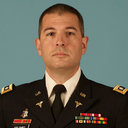 Christopher Colombo合作论文数29Rupal Mody合作论文数26Nikhil A Huprikar合作论文数24Milissa Jones合作论文数20
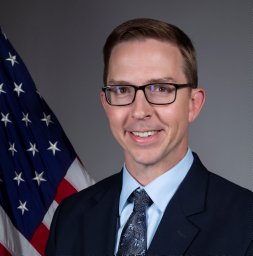 Anthony C Fries合作论文数US Air Force School of Aerospace Medicine20Ewers Evan C合作论文数20Alfred Smith合作论文数19
 Nusrat J Epsi合作论文数Henry M. Jackson Foundation for the Advancement of Military Medicine, Inc19Samantha Bazan合作论文数18Catherine M Berjohn合作论文数18Julia S Rozman合作论文数Henry M. Jackson Foundation for the Advancement of Military Medicine, Inc.17Cristian Madar合作论文数14David L Saunders合作论文数12
 Celia Byrne合作论文数Uniformed Serv Univ Hlth Sci12
 Laing Eric D合作论文数Dept Microbiol & Immunol, Uniformed Serv Univ Hlth Sci12Carlos J Maldonado合作论文数11Sharon Chi合作论文数11Ann I Scher合作论文数Dept Prevent Med & Biostat, Uniformed Serv Univ Hlth Sci10
 Jennifer Rusiecki合作论文数10Charlotte A. Lanteri合作论文数10Margaret Sanchez Edwards合作论文数9Caroline English合作论文数9Jeffrey Livezey合作论文数Dept Pediat, Uniformed Serv Univ Hlth Sci9Malloy Allison M W合作论文数9
 Christopher C. Broder合作论文数Department of Defense, Uniformed Services University8Gregory Utz合作论文数7Schofield Christina合作论文数7
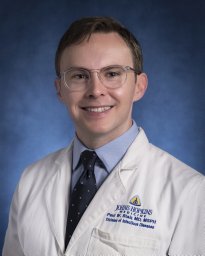 Blair Paul合作论文数Department of Medicine, George Washington University School of Medicine and Health Sciences7John H Powers合作论文数6
 Josh G Chenoweth合作论文数6Scott E Evans合作论文数5Emily C Samuels合作论文数5Okulicz Jason F合作论文数5
 Robert O'Connell合作论文数5
 Burton F. Dickey合作论文数Department of Pulmonary Medicine, Division of Internal Medicine, The University of Texas M. D. Anderson Cancer Center;Department of Medicine, Baylor College of Medicine;Escuela de Medicina, Tecnologico de Monterrey5Schully Kevin L合作论文数4Deiss Robert G合作论文数4




