The interesting pharmacological properties of neoboutomellerones 1 and 2 were the basis for the assembly of a small library of analogues consisting of natural products isolated from the plant Neoboutonia melleri and of semisynthetic derivatives. As the two enone systems (C23-C24a and C1-C3) and the two hydroxyls groups (C22 and C26) of neoboutomellerones are required for activity, modifications were focused on these functional groups. Biological evaluation by using a cellular assay for proteasome activity provided clues regarding the mechanism of action of these natural products and synthetic derivatives. Certain neoboutomellerone derivatives inhibited the proliferation of human WM-266-4 melanoma tumor cells at submicromolar concentration and warrant evaluation as anticancer agents.
Thirty new cycloartane derivatives (1-3, 5-12, 14-32) have been isolated from the leaves of Neoboutonia melleri. Their novelty stems from the loss of one of the C-4 methyl groups (1-3, 5-12, 14-25, and 32) and from the presence of an "extra" carbon atom in the side chain (1-3, 5-12, 14-20, 26-29, and 30-32). Furthermore, compound 32 possesses a rare triterpene skeleton with the cyclopropane ring fused onto C-1 and C-10, instead of C-9 and C-10. The structures were determined by spectrometric means, chemical correlations, and X-ray crystallography of derivative 1c. The substitution pattern in ring A, with a cyclopropyl ring conjugated with an α,β-unsaturated carbonyl moiety, confers to the molecule a particular reactivity, giving rise to a formal inversion of the stereochemistry of the cyclopropane ring under UV irradiation. These compounds showed an interesting level of activity on the proteasome pathway, thus motivating their evaluation as possible anticancer agents. The large number of isolated compounds permitted a structure-activity relationship analysis, which showed that the presence of the two enone functions was a requirement for the activity.
We previously demonstrated that 4‐oxoretinol (4‐oxo‐ROL) activated retinoic acid receptors (RARs) in F9 stem cells. We showed that 4‐oxo‐ROL inhibited the proliferation of normal human mammary epithelial cells (HMECs). To understand the mechanisms by which 4‐oxo‐ROL regulates HMEC growth we examined gene expression profiles following 4‐oxo‐ROL or all‐trans retinoic acid (tRA). We also compared growth inhibition by tRA, 4‐oxo‐ROL, or 4‐oxo‐RA. All three retinoids inhibited HMEC proliferation. Gene expression analyses indicated that 4‐oxo‐ROL and tRA modulated gene expression in closely related pathways. The expression of many genes, e.g. ATP‐binding cassette G1 (ABCG1); adrenergic receptorβ2 (ADRB2); ras‐related C3 botulinum toxin substrate (RAC2); and short‐chain dehydrogenase/reductase 1 gene (SDR1) was changed after 4‐oxo‐ROL or tRA. Metabolism of these retinoids was analyzed by high‐performance liquid chromatography (HPLC). In 1 µM tRA treated HMECs all of the tRA was found intracellularly, and tRA was the predominant intracellular retinoid. In 1 µM 4‐oxo‐ROL treated HMECs most 4‐oxo‐ROL was esterified to 4‐oxoretinyl esters, no tRA was detected, and 4‐oxo‐ROL and 4‐oxo‐RA were observed intracellularly. In 1 µM 4‐oxoretinoic acid (4‐oxo‐RA) treated HMECs little intracellular 4‐oxo‐RA was detected; most 4‐oxo‐RA was in the medium. Our results indicate that: (a) 4‐oxo‐ROL regulates gene expression and inhibits proliferation of HMECs; (b) 4‐oxo‐ROL and tRA regulate some of the same genes; (c) more tRA is found in cells, as compared to 4‐oxoretinoic acid, when each drug is added at the same concentration in the medium; and (d) the mechanism by which 4‐oxo‐ROL exerts its biological activity does not involve intracellular tRA production. J. Cell. Physiol. 220: 771–779, 2009. © 2009 Wiley‐Liss, Inc.
Murine embryonic stem (ES) cells cultured without leukemia inhibitory factor (LIF) or with retinoids differentiate and concomitantly metabolize retinol (vitamin A) to 4-oxoretinol. Our objective was to examine the effects of retinol or 4-oxoretinol on cellular retinoic acid binding protein (CRABP) I and II mRNA levels and retinol metabolism. ES cells were cultured with or without LIF, and with various doses of all-trans-retinol, all-trans-4-oxoretinol, or all-trans-retinoic acid (RA). In ES cells treated with retinol or 4-oxoretinol in the absence of LIF the CRABP-I (Crabp1, NM_013496; GI:7304974) and CRABP-II (Crabp2, NM_007759; GI:33469074) mRNA levels at 72h were 66+/-4 and 413+/-6 fold higher, respectively, than the levels in control ES cells cultured without retinoids and in the presence of LIF. The increase in CRABPI mRNA occurred through an increase in CRABPI gene transcription. CRABPI protein was also increased by >50-fold in cells treated with retinol in the absence of LIF. However [(3)H]4-oxoretinol does not bind to murine CRABPI or CRABPII. CYP26A1 mRNA levels and [(3)H]4-oxoretinol production from [(3)H]retinol increased in cells cultured without LIF and with exogenous retinoids. The enormous increases in CRABPI and II transcripts ( approximately 60 and 400-fold, respectively) in the absence of LIF may regulate aspects of the ES cell differentiation program in response to retinol.
The retro-retinoids 14-hydroxy-4,14-retro-retinol (14-HRR) and anhydroretinol (AR) are endogenous metabolites of retinol (Vitamin A). 14-HRR and retinol, but not retinoic acid, promote the proliferation of lymphocytes and fibroblasts when cultured in serum-free medium, whereas AR competitively inhibits these growth-supportive effects. Retinol and all-trans-retinoic acid are potent teratogens. This study shows the teratogenic potencies of 14-HRR and AR compared to retinol at a single gestational time. Also reported is the metabolism of these retinoids in nonpregnant mouse liver, the primary storage tissue of vitamin A, where many retinoids will be present at their highest concentration. Additionally, measurement of these metabolite concentrations was carried out in pregnant mouse plasma and embryos because they are the most relevant to teratology. Single intraperitoneal administration of 60 mg/kg of all-trans-retinol (retinol) to C57BL/6J mice at gestational day 7.5 produced a significant induction of eye and axial skeletal malformations. The equivalent dose of 14-HRR or AR induced a lower frequency of embryolethality and eye and axial skeletal malformations indicating that these retro-retinoids are less potent teratogens than retinol. The distribution of 14-HRR, AR, retinol, and their metabolites was determined in the liver at a single time point after retinoid administration. Two hours after 60 mg/kg of 14-HRR treatment, HRR esters are detected. Two hours after 600 mg/kg of AR treatment, 14-HRR is detected, suggesting that 14-HRR, a reported metabolite of retinol, can be biosynthesized from AR. In both cases, neither retinoic acid nor retro-retinoid acidic metabolites were detected. Two hours after 60 mg/kg of retinol treatment, 14-HRR, 13,14-dihydroxyretinol (DHR), AR, and retinoic acid were detected. A new endogenous retro-retinoid, to which the 4-hydro-5-hydroxy-anhydroretinol structure is proposed, was detected in all liver extracts. Retinoic acid, 14-HRR, and DHR were present in plasma and embryos of retinol-treated pregnant mice. Plasma and embryos of AR-treated pregnant mice contained 14-HRR and AR, but the retinoic acid concentration did not increase compared to controls. In summary, the retro-retinoids 14-HRR and AR are weaker teratogens than retinol. The low teratogenicity observed might be due to the facts that 14-HRR and AR do not contain the terminal carboxylic group involved in binding and activation of the retinoic acid nuclear receptors and they are not metabolized to acidic retinoids.
Retinoids, vitamin A (retinol) and its metabolic derivatives, are required for normal vertebrate development. In murine embryonic stem (ES) cells, which remain undifferentiated when cultured in the presence of LIF (leukemia inhibitory factor), little metabolism of exogenously added retinol takes place. After LIF removal, ES cells metabolize exogenously added retinol to 4-hydroxyretinol and 4-oxoretinol and concomitantly differentiate. The conversion of retinol to 4-oxoretinol is a high-capacity reaction because most of the exogenous retinol is metabolized rapidly, even when cells are exposed to physiological ( approximately 1 microM) concentrations of retinol in the medium. No retinoic acid or 4-oxoRA synthesis from retinol was detected in ES cells cultured with or without LIF. The cytochrome P450 enzyme CYP26 (retinoic acid hydroxylase) is responsible for the metabolism of retinol to 4-oxoretinol, and CYP26 mRNA is greatly induced (>15-fold) after LIF removal. Concomitant with the expression of CYP26, differentiating ES cells grown in the absence of LIF activate the expression of the differentiation marker gene FGF-5 whereas the expression of the stem cell marker gene FGF-4 decreases. The strong correlation between the production of polar metabolites of retinol and the differentiation of ES cells upon removal of LIF suggests that one important action of LIF in these cells is to prevent retinol metabolism to biologically active, polar metabolites such as 4-oxoretinol.
The retro-retinoid anhydroretinol (AR), a physiological metabolite of retinol (vitamin A), induces cell death in multiple in vitro systems. AR-induced cell death is blocked by retinol and its metabolite 14-hydroxy-4,14-retro-retinol. AR has been shown also to prevent mammary cancer induced by N-methyl-N-nitrosourea in rats. We report that AR kills cells by generating reactive oxygen species. Direct measurements show that the addition of AR to lymphoblastoid cells increases the intracellular oxidative stress in a time- and dose-dependent manner. Furthermore, the amount of induced oxidative stress directly correlates with the number of dying cells. The addition of retinol, 14-hydroxy-4,14-retro-retinol, or the antioxidant, alpha-tocopherol (vitamin E), decreases AR-induced oxidative stress and proportionally reduces AR-induced cell death. In contrast, pretreatment with caspase inhibitors, known to inhibit apoptosis, has no effect on AR-induced cell death. This is the first demonstration of cellular reactive oxygen species production by a natural retinoid.
All-trans-retinoic acid (RA) is used as a differentiation therapy for acute promyelocytic leukemia. Patients can become resistant to RA, and this resistance is thought to be mediated in part by an increase in the rate of RA metabolism. We have characterized the metabolism of all-trans-retinol (ROL; vitamin A) in NB4 cells, which are human promyelocytic leukemia cells. NB4 cells metabolize ROL into a variety of compounds, including all-trans-4-hydroxyretinol, all-trans-4-oxoretinol (4-oxoROL), 14-hydroxy-4,14-retro-retinol, anhydroretinol, and several ROL esters. No metabolism of ROL to RA or to RA derivatives in NB4 cells was detected. The rate of ROL metabolism increased after cell differentiation; in a 24-h period, differentiated cells metabolized 2-fold more ROL than did undifferentiated cells. The major difference in the ROL metabolism pattern between undifferentiated and differentiated cells was an approximately 10-fold increase in the production of all-trans-4-hydroxyretinol and 4-oxoROL in differentiated cells. Furthermore, exogenously added 4-oxoROL was capable of eliciting NB4 cell differentiation, as measured by growth inhibition, nitroblue tetrazolium reduction, nuclear body relocalization of PML, and surface expression of CD11b. In addition, 4-oxoROL synergized with IFN-gamma in the promotion of NB4 cell growth arrest. Following treatment of NB4 cells with 4-oxoROL to induce differentiation, the production of 4-oxoROL from ROL was observed; this indicated that 4-oxoROL induces its own synthesis in NB4 cells. In addition, 48 h after the administration of 1 microM 4-oxoROL, NB4 cells maintained a high intracellular concentration (17 microM) of 4-oxoROL. These unique properties of 4-oxoROL may provide advantages over RA in the treatment of promyelocytic leukemia cells because it may be possible to maintain cytodifferentiating concentrations of 4-oxoROL in the cells for extended periods of time.
Murine 3T3 cells arrest in a quiescent, nondividing state when transferred into medium containing little or no serum. Within the first day after transfer, fibroblasts can be activated to proliferate by platelet-derived growth factor (PDGF) alone; cells starved longer than 1 day, however, are activated only by serum. We demonstrate that endogenous vitamin A (retinol) or retinol supplied by serum prevents cell death and that retinol, in combination with PDGF, can fully replace serum in activating cells starved longer than 1 day. The physiological retinol derivative 14-hydroxy-4, 14-retro-retinol, but not retinoic acid, can replace retinol in rescuing or activating 3T3 cells. Anhydroretinol, another physiological retinol metabolite that acts as a competitive antagonist of retinol, blocks cell activation by serum, indicating that retinol is a necessary component of serum. It previously has been proposed that activation of 3T3 cells requires two factors in serum, an activation factor shown to be PDGF and an unidentified survival factor. We report that retinol is the survival factor in serum.
To understand the signaling and growth-inhibitory effects of retinoids, we have examined the metabolism of [3H]retinol in a number of estrogen receptor-positive (ER+) and estrogen receptor-negative (ER-) human breast cancer cell lines. We have also assayed the metabolism of [3H]retinol in normal human mammary epithelial cells. The ER+ breast cancer cell lines MCF-7 and T47D produce [3H]4-oxoretinol from [3H]retinol; the production of [3H]4-oxoretinol is increased by initial culture in the presence of nonradiolabeled retinoic acid (RA) or N-(4-hydroxyphenyl)retinamide, indicating that these drugs enhance [3H]retinol metabolism to [3H]4-oxoretinol. No metabolism of [3H]retinol to [3H]RA in these ER+ tumor lines was detected. ER- breast cancer lines MDA-MB-231, MDA-MB-468, and BT20 do not metabolize [3H]retinol to [3H]4-oxoretinol. In the ER- tumor lines, most of the [3H]retinol remains unmetabolized during the 24-h culture period; MDA-MB-468 and BT20 metabolize some [3H]retinol to [3H]RA. Unlike the majority of the tumor lines, the normal human breast epithelial cell strains AD074 and MCF10A rapidly metabolize [3H]retinol to [3H]retinyl esters. No detectable [3H]RA is produced from [3H]retinol in AD074 and MCF10A cells. Thus, the normal breast epithelial strains, the ER+ tumor lines and the ER- tumor lines differ greatly in their pathways of [3H]retinol metabolism. The levels of cellular retinol binding protein-I mRNA expression are not correlated with the levels or types of various retinol metabolites. Whereas the normal breast epithelial cells and the ER+ tumor lines are growth inhibited by RA, N-(4-hydroxyphenyl)retinamide, and 4-oxoretinol, only the 4-oxoretinol is growth inhibitory in the ER- tumor lines. The cellular retinoic acid-binding protein II mRNA levels are not correlated with the growth inhibition by RA or 4-oxoretinol in the normal and tumor lines.
Retinoids are a large family of natural and synthetic compounds related to vitamin A that have pleiotropic effects on body physiology, reproduction, immunity, and embryonic development. The diverse activities of retinoids are primarily mediated by two families of nuclear retinoic acid receptors, the RARs and RXRs. Retinoic acids are thought to be the only natural ligands for these receptors and are widely assumed to be the active principle of vitamin A. However, during an unbiased, bioactivity-guided fractionation of Xenopus embryos, we were unable to detect significant levels of all-trans or 9-cis retinoic acids. Instead, we found that the major bioactive retinoid in the Xenopus egg and early embryo is 4-oxoretinaldehyde, which is capable of binding to and transactivating RARs. In addition to its inherent activity, 4-oxoretinaldehyde appears to be a metabolic precursor of two other RAR ligands, 4-oxoretinoic acid and 4-oxoretinol. The remarkable increase in activity of retinaldehyde and retinol as a consequence of 4-oxo derivatization suggests that this metabolic step could serve a critical regulatory function during embryogenesis.
All-trans-retinoic acid (at-RA) induces cell differentiation in a wide variety of cell types, including F9 embryonic teratocarcinoma cells, and can influence axial pattern formation during embryonic development. We now identify a novel retinoid synthetic pathway in differentiating F9 cells that results in the intracellular production of 4-oxoretinol (4-oxo-ROL) from retinol (vitamin A). Approximately 10-15% of the total retinol in the culture is metabolized to 4-hydroxyretinol and 4-oxo-ROL by the at-RA-treated, differentiating F9 cells over an 18-hr period, but no detectable metabolism of all-trans-retinol to at-RA, or 9-cis-retinoic acid is observed in these cells. Remarkably, we show that 4-oxo-ROL can bind and activate transcription of the retinoic acid receptors whereas all-trans-retinol shows neither activity. Low doses of 4-oxo-ROL (e.g., 10(-9) or 10(-10) M) can activate the retinoic acid receptors even though, unlike at-RA, 4-oxo-ROL does not contain an acid moiety at the carbon 15 position. 4-oxo-ROL does not bind or transcriptionally activate the retinoid X receptors. Treatment of F9 cells with 4-oxo-ROL induces differentiation without conversion to the acid and 4-oxo-ROL is active in causing axial truncation when administered to Xenopus embryos at the blastula stage. Thus, 4-oxo-ROL is a natural, biologically active retinoid that is present in differentiated F9 cells. Our data suggest that 4-oxo-ROL may be a novel signaling molecule and regulator of cell differentiation.
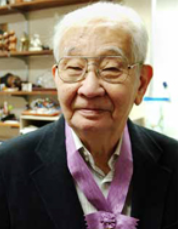 Koji Nakanishi (中西香爾)合作论文数Department of Chemistry, Columbia University30
 Jochen Buck合作论文数Pharmacology, Weill Cornell Graduate School of Medical Sciences, Cornell University17
 Ulrich Hammerling合作论文数13K. Nakanishi合作论文数11
 Lorraine Gudas合作论文数Pharmacology and Toxicology of the Pharmacology Department, Weill Cornell Medical College, Cornell University8
 John Lee Spudich (John Spudich)合作论文数Department of Biochemistry & Molecular Biology, McGovern Medical School, Health Science Center at Houston, University of Texas6RC BRUENING合作论文数5Shuanghua Hu合作论文数5
 Randy Johnson合作论文数Department of Cancer Biology, Graduate School of Biomedical Sciences, The University of Texas MD Anderson Cancer Center5Jureepan Saranak合作论文数5Kw Foster合作论文数4Dw Corson合作论文数4V Balogh-Nair合作论文数4M C Cornwall合作论文数4
 Bing Yan (闫兵)合作论文数Institute of Environmental Research at Greater Bay, Guangzhou University4Kazunori Odashima合作论文数4Paul Mazur合作论文数4Ef Macnichol合作论文数3D. GARGIULO合作论文数3Joséphine Beck合作论文数3Vj Rao合作论文数3Zarrilli G R合作论文数3
 Nina Berova合作论文数Department of Chemistry, Columbia University3Jun Wang合作论文数3
 Frederic Cantagrel合作论文数3P Franklin合作论文数3Lakshmi Sastry合作论文数3Felix Grün合作论文数Department of Developmental & Cell Biology, University of California Irvine3Arh Hwang Chen合作论文数3Masami Okabe合作论文数3Christophe Long合作论文数3T Lien合作论文数2J Bolado合作论文数2Marcus F. Boehm合作论文数2Ah Chen合作论文数2Tg Ebrey合作论文数2YQ Chen合作论文数2Ma Gawinowicz合作论文数2Arh-Hwang Chen合作论文数2Cg Caldwell合作论文数2Rk Crouch合作论文数2Y Koutalos合作论文数2T Takahashi合作论文数2K Nakanishi合作论文数2
 David N. Zacks合作论文数Department of Ophthalmology and Visual Sciences, Kellogg Eye Center, Michigan Medicine, University of Michigan2
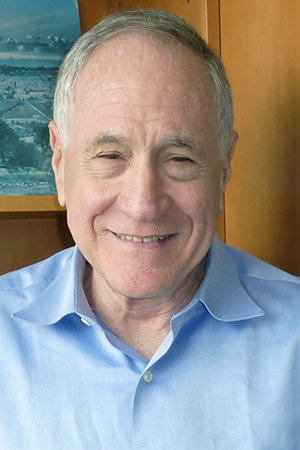 Barry Honig合作论文数Center for Computational Biology and Bioinformatics, Columbia University;Laboratory of Molecular Biophysics, Department of Systems Biology, Columbia University Irving Medical Center2Aussagues Yannick合作论文数2
 Fabien Plisson合作论文数2




