BACKGROUND:The diagnosis of postpartum haemorrhage (PPH) depends heavily on accurate and timely blood loss assessment, yet no gold standard assessment method is available. Gravimetric methods are recommended for low-resource settings, but they require an accurate blood density value for interpretation. Currently, there are no data on the blood density of pregnant or labour women. OBJECTIVE:This study measured the blood density of Indonesian pregnant women to improve the reliability of the gravimetric results in estimating postpartum blood loss. METHODS:This cross-sectional study was conducted at a Private Midwifery Service Clinic in Bogor, Indonesia, involving 44 pregnant women who were at 37 weeks of gestation or later. During antenatal visits, 5 ml venous blood samples were collected, with women experiencing high-risk pregnancies being excluded. Descriptive statistics summarised the characteristics of the participants. Spearman's rank-order correlation was used to assess associations between study variables, and the Kruskal-Wallis test evaluated group differences. RESULTS:The mean blood density was 1.060 ± 0.080 g/ml (range: 0.860-1.194 g/ml), with stable indoor and outdoor temperatures of 27 °C (SD = 1.13 °C and 1.22 °C, respectively). No significant correlations were found between blood density and maternal age, pre-pregnancy BMI, or gestational weight gain (p > 0.05). Kruskal-Wallis tests also revealed no significant differences across these variables (p > 0.05). CONCLUSION:Blood density among Indonesian pregnant women corresponds with established human reference values, supporting the use of population-specific blood density values to improve gravimetric blood loss estimation accuracy, thus facilitating early detection and prompt intervention of PPH. The observed variability suggests that factors other than demographics, maternal anthropometry, and the environment may affect blood density, necessitating further investigation in larger multisite studies. This study was reported in accordance with the STROBE checklist; the completed checklist is available as Supporting Information (S1 File). This study employed a cross-sectional design to measure blood densities of pregnant women at a single point in time. Participants were recruited during antenatal visits at Dyan's Private Midwifery-Service Clinic, Gunung Putri, Bogor, West Java, Indonesia. The health facility is a primary-level facility led by midwives and serves as the community's first point of contact for maternal and child health services. The health facility offers routine maternal health services, including antenatal care, childbirth assistance, postpartum follow-up, and family planning. As a primary-level facility, this health facility only provided care for women with low-risk pregnancies following the midwife's authority, while women with high-risk pregnancies or obstetrical/pathological conditions were referred to referral or obstetrician-led care facilities. The facility, situated in Gunung Putri, an industrial area adjacent to the capital city (Jakarta), serves a stable yet demographically diverse population drawn from various provinces and socioeconomic backgrounds, offering heterogeneous and broadly representative of Indonesia's diverse demographics. Although not fully representative of rural or coastal populations, the site offers a scientifically appropriate environment for studying blood density among pregnant Indonesian women. Prior to the commencement of the study, the participating facility provided permission for data collection. Data collection began on 8th January 2025 and ended on 21st April 2025. This study included pregnant women 37 weeks pregnant or older (based on the first day of the last menstrual cycle). To measure blood density, 5 ml venous blood samples were collected from all eligible participants. Pregnant women at high risk of pregnancy complications were not eligible to participate in the study. To ensure appropriate representation of the target population in this study, the sample size was determined using the Slovin formula by considering the total number of antenatal visits at Dyan's Private Midwifery Service Clinic between November 2023 and October 2024, which was 2,576. With an error tolerance of 0.15, a sample of 44 pregnant women was deemed sufficient to balance statistical precision with study feasibility. Given the exploratory, cross-sectional nature of the work, which focused on estimating blood density rather than group comparisons or hypothesis testing, this margin of error provided an acceptable level of precision. Accordingly, a sample size of 44 was adequate to support the optimisation of the gravimetric method for estimating postpartum blood loss. A consecutive sampling method was used to recruit participants. All pregnant women at the study site who met the predefined inclusion criteria were invited to participate in the study. Recruitment continued until the target sample size was achieved. As a preliminary cross-sectional study to estimate blood density and not population-level prevalence, consecutive sampling was considered suitable. All eligible participants were enrolled during the study period to minimise selection bias.
Mental health conditions have risen across the world. However, evidence on the availability and readiness of mental health services in resource-poor countries like Nepal is scarce. This study examined the readiness of health facilities to deliver mental health services and factors associated with service readiness in Nepal. The study used data from the 2021 Nepal Health Facility Survey (n = 394 health facilities offering mental health services). Aligning with the WHO's Service Availability and Readiness Assessment framework, the mental health service readiness score was determined for staff, guidelines, and medicine domains. A weighted additive model to define both domain-specific and overall readiness was used, followed by ordinary least squares and quantile regression methods to examine the factors associated with service readiness. The results showed that one-quarter of health facilities were providing mental health services. The overall readiness score was 22.2%, with domain scores of 14% for staff and guidelines, and 30% for medicines. Ordinary least squares regression showed that health facility type (lower in private facilities and basic health centres), province (lower in Madhesh province), and user fee (higher in facilities charging a separate user fee) were significantly associated with service readiness. The quantile regression demonstrated that the effect of these variables varied with the order of the quantile groups. Service readiness for mental health services provision is sub-optimal in Nepal, with few trained health workers, an absence of guidelines and protocols, and limited access to medicines.
The procedures that either directly or indirectly contribute to the mission of an organization in providing timely, courteous and compassionate care. Good medical care in all its ramifications. Price is a separate consideration. Providing what is known as best medical practice to patients. True quality cannot be achieved without the patient‘s willingness to receive ―quality care‖ - the benchmark for ―quality care‖ is ultimately defined by the patient.
BACKGROUND:Type 2 diabetes (T2D) is a global public health problem, and its prevalence in resource-poor countries like Nepal has been rapidly increasing. However, there is a lack of a contextual and consistently structured, guided approach tailored to the integrated management of T2D in Nepal. Therefore, this study aims to co-design a pathway and manual for a dietitian-led dietary approach to the management of T2D in Nepal. METHODS:The study used a co-design method guided by the "Design Thinking" approach. Data were collected through a purposively selected group of 14 participants who participated in a co-design workshop, and nine participants with whom qualitative interviews were conducted to validate the co-designed contents. Before conducting the co-design workshop, nineteen one-on-one consultative meetings were carried out with various stakeholders. The data analysis followed the content analysis technique and presented results under common broader themes. RESULTS:The results from the first part of a co-design workshop are presented under themes including complexities of diabetes management in the Nepalese context, social and behavioural challenges, dietary adherence challenges and service providers' responses, and treatment approaches. The results from the second part of the workshop are presented under the themes, including the pathway for the dietitian-led dietary approach for the management of diabetes and the contents and design of the Nutrition Education Manual for the management of T2D. CONCLUSIONS:The pathway co-designed for integrated management of T2D offers a contextual framework for understanding the mechanisms of change underlying the integrated efforts in T2D management. At the same time, the Nutrition Education Manual provides practical guidance for promoting healthy dietary behaviours among patients with T2D.
The landscape of healthcare research in Nepal has changed significantly over the last three decades, bringing in many challenges. A roundtable discussions during the Britain-Nepal Academic Council (BNAC) Nepal Study Days in 2023 examined the following three current issues in health research in Nepal: i) the process and practice of ethical issues; ii) lack of validated and standardised research tools for data collection; and iii) researcher integrity and quality of research publications. This commentary explores these challenges in detail. It also suggests way forward in which the Nepal Health Research Council could play a leading role in addressing these issues through capacity building and resource development.
Trigger finger (TF) causes pain and impaired hand function. Percutaneous release of the A1 pulley demonstrates a better outcome than steroid injection in the treatment of TF; however, evidence remains limited. Therefore, this study aimed to compare the effect of percutaneous release of the A1 pulley compared to local steroid injection in the treatment of trigger fingers in Nepal. A hospital-based randomized clinical trial among 92 patients aged 18 years and above suffering from trigger fingers that were unresponsive to conservative treatment was conducted to evaluate the effect of the percutaneous release of A1 pulley and steroid injection. Quinnell’s classification, visual analogue scale (VAS) scoring system and thickness of A1 pulley, as well as the flexor tendon in the affected site, were assessed before and after intervention at six months. Student’s t-test, Mann-Whitney U test and chi-square tests were performed to compare the effectiveness of both treatments. Percutaneous release of the A1 pulley showed better functional improvement than steroid injection, with a p-value of < 0.001 and medium effect size of 0.43. The pain score was also decreased more in the percutaneous release group than the steroid group (-5.1 ± 1.4 versus − 3.7 ± 1.8), with the group difference of 1.3 (95
Dengue outbreaks are a recurring public health challenge in urban areas of Nepal, necessitating proactive engagement of community stakeholders to ensure effective prevention and control measures. However, there is limited evidence of community engagement in dengue management in urban settings in Nepal. This study aimed to assess the community stakeholders’ perceptions and experiences on dengue outbreak management in urban settings in Nepal. A qualitative study with interpretive phenomenology approach was conducted among community leaders and female community health volunteers (FCHVs) who were directly involved in the prevention and control of Dengue outbreaks in Lalitpur Metropolitan City. The participants were selected based on the purposive sampling with inclusion criteria. Twenty face-to-face, in-depth interviews were conducted between April 2023 and June 2023 among the local community stakeholders. The data were analysed using a thematic analysis approach guided by the Health Belief Model as a theoretical framework. Findings are presented under two broader themes (i) Community contributions in awareness building, and (ii) Stakeholders’ experiences on dengue management and prevention. The study identified perceived severity and susceptibility, driven by recurrent dengue outbreaks, as key motivators for stakeholders engagement and actions in dengue outbreak management. Community-based initiatives, such as awareness programs and home-to-home visits, were considered effective in increasing public engagement. However, challenges such as delayed actions, the community’s limited knowledge of dengue prevention and control, reluctance for consistent source reduction, inadequate water supply, and adverse sociocultural practices posed significant barriers to dengue management. Despite these obstacles, stakeholders expressed strong self-efficacy and commitment to the prevention and control of potential dengue outbreaks in future. Local stakeholder engagement was considered crucial in dengue outbreak prevention and control. However, proactive, timely planning, continuous dissemination of dengue education, improved health infrastructures, and enhanced collaboration and coordination among community members and authorities are essential for the effective management of dengue outbreaks.
Mental health issues among ethnic minority populations in the UK are a significant concern. Synthesised evidence related to coping strategies to improve mental health among these groups is lacking. This scoping review aimed to identify and consolidate literature on coping strategies used by ethnic minority groups in the UK to overcome their mental health problems. This review reflects a strengths-based approach that emphasises how ethnic minority populations deploy coping strategies in response to mental health challenges, rather than merely focusing on barriers. This scoping review was guided by the methodological framework provided by Arksey and O'Malley. Literature was searched in MEDLINE, CINAHL, PsycINFO, and Science Direct databases. The review result was reported following the PRISMA extension for Scoping Reviews (PRISMA-ScR) Checklist. A total of 2888 records were identified from the database search after removing the duplicates, and 17 records were included in the review. Different coping strategies and their barriers and challenges were identified and presented under three primary themes: (i) Self-help and immediate personal and social support networks, (ii) Community-based and professional mental health services, and (iii) Challenges and barriers. A broader understanding of the community strengths and resources of ethnic minorities and their adequate integration with mental health services can strengthen the existing efforts in improving the mental health of ethnic minority populations in the UK.
Background Nutrition education is being used to encourage school adolescents to adopt healthy eating habits. To the best of our knowledge, very little study has been undertaken in Nepal to examine the effectiveness of nutrition education programs. This study aimed to assess the effect of nutrition education on nutritional knowledge, attitude, and diet quality among school-going adolescents in selected private schools in Nepal. Methods A quasi-experimental study was conducted among 226 students aged 12 − 19 years of two selected private schools in Banepa municipality of Nepal. Students ( n = 113) from the first school were assigned to intervention and the same number of students from the second school were enrolled in the study as the control. Over 12 weeks, students in the intervention group received one hour of nutrition education in the form of mini-lectures and interactive discussions, whilst students in the control group received no education. The student’s two-sample t-test was used to compare two groups and to assess the effectiveness of the nutrition education program. Results Between the intervention and control group, the magnitude of difference in knowledge score was 1.80 (95% CI: 1.11 − 2.49), emotional eating was 0.98 (95% CI: 0.42 − 1.54), uncontrolled eating was 3.60 (95% CI: 2.10 − 5.09), and cognitive restraint of eating was 2.26 (95% CI: 1.51 − 3.01). Conclusions A tailored health education intervention was found to be effective in increase nutritional knowledge and attitude among school-going adolescents. Adopting nutrition education interventions as part of public health school intervention builds positive knowledge, attitudes, and healthy eating habits in school-going adolescents.
Quality of life (QoL) is a subjective measure reflecting individuals’ evaluations based on their personal goals and values. While global research shows the role of neighborhood factors like ethnic diversity and socio-cultural dynamics on QoL, these are unexplored in the Nepali context. Therefore, this study examined the relationship between neighborhood environment and QoL among Nepali older adults in eastern Nepal. This cross-sectional study involved 847 non-institutionalized older adults (aged ≥ 60 years) from two districts in eastern Nepal. QoL was evaluated using the 13-item brief Older People’s Quality of Life questionnaire, where a mean score of < 3 indicated low/poor QoL. The neighborhood environment, conceptualized across three domains (demographic, socio-cultural, and built environment), included ethnic diversity, connections with family, friends, and neighbors, cultural ties, residential stability, and rurality. Their association with QoL was examined using multivariable logistic regression. Around 20
The study aims to assess the factors determining the access and utilization of sexual and reproductive health (SRH) services among people with disabilities residing in the Kathmandu Valley of Nepal. A cross-sectional study was conducted among randomly selected 422 people with disabilities in Kathmandu Valley. Data were collected through face-to-face interviews using structured questionnaires. Bivariate and multivariate logistic regression analyses were conducted. Among a total of 422 participants, 32.7% had utilized SRH-related education, information, and counselling services. Contraceptive-related services were utilized by 47.6% of participants, pregnancy-related services by 27.7%, safe abortion-related services by 13.0%, and HIV testing and treatment services by 3.6%. Likewise, 16.8% of participants utilized STI screening, diagnosis, and management services. Males were 2.5 times more likely to utilize SRH services compared to females (AOR = 2.5, 95% CI = 1.4-4.2), whereas unmarried participants were less likely to utilize SRH services as compared to single/separated/divorced (AOR = 0.2, 95% CI = 0.0-0.5). Similarly, participants who were living with their families compared to those living alone (AOR = 3.4, 95% CI = 1.4-7.7), and participants who were unemployed compared to employed (AOR = 1.8, 95% CI = 1.0-3.5) had higher odds for utilization of SRH services. There are significant variations depending on the intersections of various characteristics affecting the utilization rate across different SRH services among people with disabilities. Contraceptive-related services were the most utilized service, whereas safe abortion, pregnancy related services, STI screening and management services and HIV testing and treatment services were less utilized services.
BACKGROUND:The global aging population is growing rapidly, and Nepal is no exception. This increase is driven by changes in socioeconomic conditions, health behaviours, and advancements in the health system. In Nepal, almost a quarter of the national population are older adults (≥45 years), whose health status is rarely elaborated. This study was carried out to assess the socioeconomic, behavioural, and health-related characteristics of older adults in Nepal. METHODS:A community-based cross-sectional study was conducted among 4,179 randomly selected older adults residing in Bagmati Province from July 2022 to June 2023, via a multi-stage sampling technique. A semi-structured questionnaire including Geriatric Depression Scale, Activity of Daily Living, and Instrumental Activity of Daily Living along with sociodemographic and health profiles were used for the data collection through face-to-face interviews. The data were described in frequency and percentage across the local levels (urban/rural) and gender. Chi-square tests were done for bivariate analyses. RESULTS:The mean age of the population was 61.66±11.1 years. The prevalence of multimorbidity, disability, and depression was found to be 27.6%, 23.3%, and 35.1% respectively. There was no significant difference between multimorbidity and depression across local levels, while there was a significant difference across disability status. There was a significant difference between multimorbidity and depression across genders. CONCLUSIONS:This study provides comprehensive insights into the socioeconomic status, behavioural factors, and health status of older adults in Nepal. Study findings can inform interventions and policies at local levels to consider the unique needs of the older population in Nepal.
Traditionally, adult children have served as primary caretakers and providers for older Nepali adults. However, out-migration of adult children for employment and other opportunities is increasing. Health-related quality of life (HRQOL) in older Nepali adults in general and in the context of adult children’s migration is poorly understood. This study aims to assess HRQOL of older Nepali adults and its relationship with adult children’s migration. We used existing cross-sectional survey data on 260 older adults from Krishnapur municipality, which has witnessed a high rate of adult migration. HRQOL, quantified using the SF-12 scale, is expressed in terms of a physical (PCS) and mental (MCS) health component. A higher PCS and MCS score, each ranging from 0 to 100, indicates better physical and mental health, respectively. The correlates of HRQOL were assessed in simple and multiple linear regression. Participants had suboptimal HRQOL [mean (± SD): PCS = 40.4 ± 9.2 and MCS = 45.2 ± 7.7]. After adjusting for covariates, adult children’s migration was associated with lower MCS scores (β: -2.33, 95%CI: -4.21, -0.44). Individuals with more than one child had higher MCS scores (β: 2.14, 95%CI: 0.19, 4.09). Females (β: -3.64, 95%CI: -7.21, -0.06) and those with a history of unemployment (β: -6.36, 95%CI: -10.57, -2.15) had lower PCS scores than their respective counterparts. The presence of chronic conditions was associated with significantly lower PCS and MCS scores. Our findings suggest that adult children’s migration may negatively affect HRQOL among older Nepali adults, specifically their psychological well-being. Further research investigating potential moderating factors that may serve as important buffers is needed.
Health insurance has been recognised as a crucial policy measure to enhance citizens' well-being by reducing the financial burden globally. Nepal has also adopted this scheme to support achieving universal health coverage. Various factors influence the overall performance of the program in Nepal. However, there is a lack of evidence on how different factors have influenced the insurance program in the Nepalese context. Therefore, this study aims to explore facilitators and barriers to the utilisation of national health insurance services among service users and other stakeholders. A qualitative study was conducted by interviewing both demand-side participants and supply-side participants in the Bhaktapur District of Nepal. Thematic network analysis was used to analyse data using RQDA software. The socio-ecological model guides the presentation of the identified factors. The study followed the COREQ guidelines to ensure standard reporting of the results. Factors that encourage the use of health insurance services involve individual, community, and policy-related factors. These factors encompass changes in seeking treatment, assistance during enrollment and renewal by enrollment assistant, proximity to the initial point of contact for care, and policy features like individual cards, contribution amount and cashless treatment system. Likewise, lack of physical infrastructure, poor staff management, long waiting times, poor medicine availability, and delays in budget reimbursement were perceived as organisational barriers. At the interpersonal level, obstacles encompass challenges related to staff behaviour, interpersonal relationships, and the information provided by service providers. Identified health services delivery barriers at different levels emphasised the critical need for improving the quality of healthcare and services delivery mechanisms. Overcoming these obstacles is essential for realising health insurance scheme objectives and progressing toward Universal Health Coverage (UHC).
Introduction Mental health and wellbeing is a global public health concern. However, there is limited evidence on managing the mental health needs of the Nepalese migrant population in the UK. This paper is focused on exploring coping strategies employed by older Nepalese migrant women in managing their mental distress. Methods A qualitative study informed by a narrative approach was conducted among twenty Nepalese older women living in London. Interviews were analysed using thematic analysis. Results Findings identified three major coping strategies used by Nepalese older women: i) Engaging others to access human, social and economic resources in problem focussed strategies; ii) Using emotion-focussed strategies through drawing on human and social resources; and iii) Employing emotion-focussed strategies through prayer and acceptance. Each strategy reflected the strategic use of existing resources, highlighting a strong sense of ownership over their mental wellbeing. Conclusion Nepalese women used both problem-focused and emotion-focused coping strategies to manage their mental distress while living in the UK. However, they had poor awareness of the availability or potential benefits of mental health services in managing their distress and were not able to identify their everyday survival as strengths. We assert social interventions that build on women’s abilities are essential to promote mental health and wellbeing.
Background Stakeholder engagement is widely considered democratic, transparent, and essential in the shared decision-making process for improving health services. However, the integrated evidence of stakeholders’ engagement activities in maternal and newborn health (MNH) services in the context of low- and middle-income countries (LMICs) is lacking. Therefore, this review aims to generate synthesised evidence of different practices for stakeholder engagements, characteristics of stakeholder engagements and outcomes of stakeholder engagements in improving the MNH services uptake and delivery. Methods The systematic review reporting followed the Preferred Reporting Items for Systematic Reviews and Meta-Analysis (PRISMA) checklist. The literature was searched in PubMed, CINAHL, PsycINFO, Science Direct and Scopus databases. The identified records were screened using Covidence software, and data were extracted from included records using a predefined template. The mixed methods appraisal tool was used to assess the quality of the included studies. The spectrum of stakeholder engagement provided by the International Association for Public Participation (IAP2) was used as a guiding framework for synthesising the evidence related to stakeholder engagement. Results A total of 1473 records were identified through the initial search after removing the duplicates. Twenty-six studies were included in the final review. The review results related to service users and other stakeholders’ engagement are presented under three overarching themes: (i) Methods and contexts of stakeholders’ engagement, (ii) Outcomes of stakeholders’ engagement, and (iii) Facilitators and barriers to stakeholders’ engagement. Conclusion Various participatory approaches were utilised to engage the service users and other stakeholders in improving MNH service uptake and delivery. A wide range of service user- and provider-led outcomes were identified due to stakeholder engagement. Trial registration PROSPERO registration number: CRD42022314613.
Background:Despite being one of the most preventable forms of cancer, cervical cancer remains an important public health problem, especially in developing countries. However, there is limited evidence regarding awareness and practice of screening for cervical cancer among women in resource-poor settings like Nepal. This study is aimed at assessing the awareness of cervical cancer, risk perception, and practice of Pap smear tests among adult women of Dhulikhel municipality of Kavreplanchowk district in Nepal. Methodology. A community-based cross-sectional study was conducted among 422 women (aged 18-45 years) residing across the Dhulikhel municipality of Nepal. Systematic random sampling method with face-to-face interviews was conducted to collect data. A descriptive analysis was performed to assess the sociodemographic characteristics of the participants. The chi-square test was used to determine the factors associated with risk perception and participants' demographic characteristics.Results:The mean age (±SD) of the participants was 30.7 ± 7.9 years. This study found that around 55% and 38% of women had heard about cervical cancer and Pap smear test, respectively. Of those who had heard of the Pap test, only 37.6% had ever practiced the test. Similarly, 33.2% and 12.1% knew about the correct age group and time interval to perform the Pap test, respectively. Among those who had heard about cervical cancer, nearly 57% had positive perceptions toward cervical cancer. In addition, risk perception of cervical cancer was found to be associated with participant age, family type, and marital status.Conclusion:The women had inadequate knowledge and practice of cervical cancer and Pap smear test. This study concluded the need for a context-specific and effective health awareness program to promote preventive measures for cervical cancer and enhance the practice of Pap smear test in the community.
Niranjan, Ankush Kiran PhDa; Patel, Shailesh Kumar PhDb; K.C., Nikhil PhDc; Rana, Jigyasa PhDd; Agrawal, Aditya PhDc; Kumar, Rakesh PhDe; Pandey, Megha Katare PhDf; Tiwari, Sita Prasad PhDg; Singh, Devendra Raj MSc, MSSh, Author Information
 Dev Ram Sunuwar合作论文数Department of Nutrition and Dietetics, Nepal Armed Police Force Hospital18
 Kshitij Karki合作论文数GTA Fdn, Kathmandu, Nepal16
 Rajeeb Kumar Sah合作论文数Dept Allied Hlth Profess Sport & Exercise, Univ Huddersfield14
 Pranil Man Singh Pradhan合作论文数10
 Saruna Ghimire合作论文数Scripps Gerontol Ctr, Miami Univ9
 Bibha Simkhada合作论文数School of Medicine & Dentistry, University of Aberdeen9
 Lalita Kumari Sah合作论文数Fac Med Hlth & Social Care, Canterbury Christ Church Univ8
 Dhirendra Nath合作论文数7Sylvia Szabo合作论文数Coll Future Convergence, Dongguk Univ6Sunita Singh合作论文数4
 Darwin Zoe合作论文数4Rachit Sharma合作论文数3
 Uday N Yadav合作论文数National Centre for Epidemiology and Population Health, The Australian National University3
 Bipin Adhikari合作论文数Nepal Community Health and Development Centre3Pushpa Rai合作论文数2Mandeep Karki合作论文数2Megha Katare Pandey合作论文数2
 Sita Prasad Tiwari合作论文数2Eva M Jeffers合作论文数2
 Sunil Kumar Shah合作论文数2Suvash Nayaju合作论文数2Ankush K Niranjan合作论文数2
 Sushmita Ghimire合作论文数2
 K C Nikhil合作论文数2Kailash Kumar Bhandari合作论文数2
 Jigyasa Rana合作论文数Nagpur Department of Veterinary Anatomy and Histology, #N#Nagpur Veterinary College2
 Dikshya Maharjan合作论文数2
 Vintuna Shrestha合作论文数2
 Man Kumar Tamang合作论文数Queensland Brain Institute, The University of Queensland2
 Sudarshan Paudel合作论文数2
 Sabuj Kanti Mistry合作论文数James P Grant School of Public Health, BRAC University2
 Aditya Agrawal合作论文数Div Anim Biochem, Indian Vet Res Inst2Isha Karmacharya合作论文数2Narendra Kumar Chaudhary合作论文数2
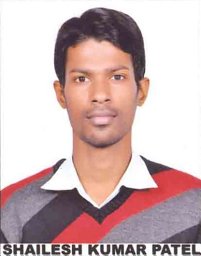 Shailesh Kumar Patel合作论文数Departments of Veterinary Pathology.2McLaughlin Sara J合作论文数Department of Health Behavior and Health Education, University of Michigan School of Public Health2
 Edwin Van Teijlingen合作论文数Bournemouth University;Manmohan Memorial Institute of Health Sciences, Tribhuvan University2Robinson Sally合作论文数2
 Dhungana Raja Ram合作论文数Nepal Family Development Foundation2
 Neeraj Gupta合作论文数Department of Neonatology, MAMC;Department of Pediatrics, All India Institute of Medical Sciences;Department of Neonatology, All India Institute of Medical Sciences2
 Zoe Matthews合作论文数University of Southampton2
 O.P. Yadav合作论文数2
 Dixit R合作论文数2
 Padam Simkhada合作论文数School of Health and Related Research (ScHARR),, University of Sheffield2Prajita Mali合作论文数1Prabesh Karki合作论文数1Manohara Khadka合作论文数1Ibadat Dhillon合作论文数1
 Chandrakala Sharma合作论文数1




