Stroke clinical trials are essential for advancing stroke care but can face challenges with recruitment, retention, clinical relevance, and translation into real-world practice. We propose that integrating community engagement and implementation science approaches into stroke trials can help address these needs. We conceptualize clinical trials as an evidence-based practice and highlight that implementation frameworks linked to implementation strategies can be used to anticipate and address multilevel trial determinants. We also describe how engaging constituents across the trial lifecycle can support negotiation of inevitable trade-offs and alignment of trial decisions with the needs, capacities, and priorities of those affected, including those responsible for implementing findings. We propose that integrating community engagement and implementation science has the potential to improve trial efficiency, strengthen relevance, accelerate translation into real-world practice, and advance stroke health for all.
Participant retention is essential to minimize bias, preserve statistical power, and strengthen the validity of clinical trial findings. Although retention strategies are widely used, many lack rigorous evaluation. We evaluated whether sending a holiday card, compared with usual follow-up procedure, improves follow-up completion among clinical trial participants recruited from a resource-constrained emergency department. We conducted a Study Within a Trial (SWAT) embedded within Reach Out, a 2 × 2 × 2 randomized trial of a mobile health-based behavioral intervention designed to reduce blood pressure among individuals with elevated blood pressure identified from a resource-constrained emergency department. All participants received standard retention strategies as part of the parent trial, with participants randomized to the SWAT intervention group additionally receiving a holiday card. The primary outcome was completion of the next available outcome assessment (6- or 12-month assessment). We estimated absolute differences with 95
OBJECTIVE:Assess associations between destinations near stroke survivor's residence - places like restaurants, recreation centers, and stores that offer opportunities for physical activity and socialization outside of the home and work - and their poststroke outcomes. METHODS:We included non-Hispanic white and Mexican American incident stroke survivors enrolled in the Brain Attack Surveillance in Corpus Christi project (2009-19), a population-based cohort in Texas. EXPOSURE:count of destinations within 0.5-miles around survivors' residences. Outcomes assessed at approximately 3-, 6-, and 12-months poststroke: cognition (Modified Mini-Mental State Examination), functioning (activities of daily living (ADL)/instrumental ADL), health-related quality of life (abbreviated Stroke-Specific Quality of Life scale), and depression (Patient Health Questionnaire-8). We fit adjusted linear mixed models and considered interactions with follow-up time and stroke severity (NIH stroke scale - mild (<5), moderate-severe (≥5)). RESULTS:We included 1,786 survivors who completed 3 (N = 1,321), 6 (N = 677), or 12-month interviews (N = 652). Median age was 64 years, 55% male, and 74% mild stroke. Stroke severity modified associations with functioning (p = 0.09) and quality of life (p = 0.05), follow-up time did not (p > 0.25). Among moderate-severe stroke survivors, more destinations were associated with more favorable functioning (mean difference=-0.12, 95% CI=-0.22, -0.01) and quality of life (mean difference=0.16, 95% CI=0.03, 0.30). No associations were observed among mild stroke survivors or with cognition or depression (p > 0.05). INTERPRETATION:Among moderate-severe stroke survivors, more nearby destinations were associated with more favorable functioning and quality of life in the first year. Future research is needed to explore if specific types of destinations may support more favorable outcomes.
Objective: Obstructive sleep apnea (OSA) is a prevalent yet underdiagnosed condition characterized by repetitive upper airway obstruction during sleep. Current gold standard diagnostic standards rely on polysomnography (PSG), which is resource-intensive. Since upper airway characteristics impact both OSA and speech production, speech processing has emerged as a promising alternative for OSA screening. However, prior work has focused primarily on acoustic features. This study aims to develop a speech-based screening and severity estimation pipeline for OSA using self-supervised learning (SSL) and multimodal acoustic features. Methods: We proposed a novel fusion framework combining SSL-derived speech representations from pre-trained neural networks with traditional acoustic features and time-frequency representations of speech phase and magnitude. Elongated vowels recorded during wakefulness were used to screen for OSA at two apnea-hypopnea index (AHI) thresholds (10 and 30 events/hour) and to estimate AHI. Data were collected across three research sites, comprising participants of varied sex, race, and OSA severity. Results: For OSA screening, the models achieved balanced accuracies of 0.79 (AHI $\geq$10) and 0.74 (AHI $\geq$30) in females, and 0.80 and 0.78 in males, respectively. AHI estimation yielded mean absolute errors of 12.0 events/hour (r = 0.63) in females and 14.7 events/hour (r = 0.52) in males. Conclusion: Our results demonstrate the feasibility of using speech, especially vowel phonation during wakefulness, as a biomarker for OSA risk and severity estimation. The approach generalizes well across diverse demographic groups. Significance: This study presents a significant step toward accessible, low-burden, and cost-effective OSA screening, with broad implications for scalable sleep health assessments.
IntroductionContinuous positive airway pressure (CPAP) clinical trials require integrated CPAP support programs, especially in challenging patient populations. Herein, we describe the CPAP support program devised and implemented within the largest CPAP trial to date in patients with recent acute stroke, the Sleep for Stroke Management and Recovery Trial (Sleep SMART).MethodsWe developed a comprehensive, primarily remote, multi-level and -component automatically-adjusting CPAP (APAP) use support strategy for application across diverse enrollment sites with varied resources. Although many components were pre-planned, some were developed during the conduct of the trial, reflecting innovation and adaption to new technologies. Sites received training and guidance on APAP during the inpatient setting, and a robust telemedicine-based support program was implemented to maximize participant convenience and access. The APAP support program included patient-level behavioral and educational strategies, technical support, objective monitoring and feedback, social support, and system-level facilitation to address the complex determinants of APAP use.ResultsAmong the 146 sites across the United States, 138 enrolled at least one participant, and 129 sites randomized at least one participant. Overall, 1,892 participants were equally randomized (1:1) between the two treatment arms from 2019 to 2025, and outcome assessments are ongoing.DiscussionIn this large multicenter clinical trial of APAP in stroke patients, a range of APAP support components were implemented at site- and participant-levels. A comprehensive and standardized APAP support program can be delivered, using a combination of centralized and non-centralized tools, without reliance on local sleep medicine expertise for a clinically complex and difficult-to-treat population.Clinical trial registrationclinicaltrials.gov, identifier NCT03812653.
BACKGROUND:Informed consent forms (ICFs) for clinical trials are often written above the recommended eighth-grade level. We aimed to compare the readability of original ICFs used for National Institutes of Health-funded stroke-related clinical trials with ICFs edited for readability using artificial intelligence. METHODS:Publicly available ICFs associated with National Institutes of Health-funded stroke-related clinical trials were accessed through ClinicalTrials.gov (search period: inception to August 12, 2025). Using ChatGPT-4o, we created a customized Generative Pre-Trained Transformer (GPT) designed to lower the reading level to eighth grade or below while maintaining ICF content. We processed each ICF using this GPT to create edited ICFs. Standard readability metrics, including the Flesch-Kincaid grade level (primary outcome), were compared between original and edited ICFs using paired t tests or the McNemar test (cross-sectional design). We also assessed semantic similarity using the MPNet language model, which produced continuous scores from 0 (no similarity) to 1 (perfect similarity). RESULTS:ICFs were available for 46 stroke trials, including behavioral (n=21), device (n=15), drug (n=5), and other (n=5) intervention types. Mean reading levels were 11.52 for the original and 9.47 for the GPT-edited ICFs using the Flesch-Kincaid grade level (P<0.001). Only 1 (2%) of the original ICFs and 18 (39%) of the GPT-edited ICFs had a Flesch-Kincaid reading level at or below eighth grade (P<0.001). Both the Simple Measure of Gobbledygook and Gunning Fog Index favored the GPT-edited ICFs by 1 to 2 grade levels. The Flesch Reading Ease score favored the GPT-edited ICFs by about 8 points. The mean similarity score was 0.85 (SD=0.04). CONCLUSIONS:GPT-edited ICFs achieved a readability reduction of approximately 2 grade levels compared with the original ICFs while preserving high semantic similarity. Customized GPTs may be a useful tool to improve the readability of clinical trial ICFs.
Introduction: Among Black Americans, the time between stroke symptom onset and hospital arrival is longer than among White Americans. We aimed to adapt and test a stroke preparedness intervention for emergency department patients in Flint Michigan, a majority Black American community. Methods: In this randomized controlled trial (2/2022–8/2023), eligible participants were ≥18 years old, English-speaking, and lacked severe pain or any other medical condition that might distract from participation. Participants were administered the video-STAT, which queries response to 4 stroke and 4 non-stroke video vignettes (scored 0-8 for correctly designating intent to call 911 for stroke) and tests recognition of stroke vignettes (scored 0-4). Only responses to stroke video vignettes are scored. Participants were randomized to the intervention condition (a pamphlet and video teaching stroke symptoms and the importance of calling 911) or the control condition (a pamphlet about the American Heart Association’s Life’s Simple 7). The primary outcome was the intent to call 911 score immediately post-exposure (secondary endpoint) and at 1 month (primary endpoint). The secondary outcome was the stroke recognition score. Linear mixed models adjusting for pre-exposure intent to call 911 or stroke recognition score, and demographic and clinical covariates evaluated the association between treatment group and the outcomes. Results: A total of 330 people participated (n=171 control group; n=159 intervention group; mean age= 45, 61% female, 49% Black participants). Pre-exposure, the control and intervention groups did not differ in intent to call 911 (mean ± standard deviation (SD) score of 5.3 ± 2.2 and 5.4 ± 2.1 in the control and intervention groups) or recognition of stroke vignette scores (mean ± SD score of 2.9 ± 1.0 and 2.8 ± 1.1 in the control and intervention groups). Post-exposure, the intervention group had a higher intent to call 911 score than the control group (adjusted mean between-group difference, 1.14 [95% CI, 0.78 – 1.50] immediately post-exposure; 1.12 [95% CI, 0.64 -1.59] at 1-month post-exposure). The intervention group also correctly recognized more stroke vignettes than the control group (adjusted mean difference, 0.40 [95% CI, 0.23-0.56] immediately post-exposure; 0.51 [95% CI, 0.30-0.72] at 1-month post-exposure). Conclusions: The ED-based educational intervention resulted in greater intent to call 911 for stroke and greater stroke symptom recognition.
Introduction: Residing in a neighborhood with greater destinations – places where you engage with the community aside from home and work – has been associated with more favorable functioning, and quality of life, particularly among moderate-severe stroke survivors. Prior studies were limited by cross-sectional design, confounding, or defining the neighborhood by census tract. Hypothesis: Greater number of destinations within a 0.5-mile radius of the survivor’s residence is associated with more favorable poststroke functioning, quality of life, and depression over the first year. Methods: We included non-Hispanic White and Mexican American first-ever stroke (ischemic or intracerebral hemorrhage) survivors enrolled in the Brain Attack Surveillance in Corpus Christi project (2009-19), a population-based cohort in Nueces County, Texas. Our exposure is the count of destinations within a 0.5 mile around the survivor’s residence at the time of their initial admission for stroke. We considered 11 types of destinations (Figure 1). Outcomes were assessed at approximately 3, 6, and 12-months poststroke and included functioning (activities of daily living (ADL)/instrumental ADL), health-related quality of life (abbreviated Stroke-Specific Quality of Life scale), and depression (Patient Health Questionnaire-8). We applied inverse probability weighting and multiple imputation to account for attrition and missing data. We fit adjusted linear mixed models, accounted for repeated measures, and considered interactions with follow-up time and stroke severity (NIH stroke scale - mild (<5) or moderate-severe (≥5)). Results: We included 1,114 Mexican American and 672 Non-Hispanic White stroke survivors who completed the 3-month (N=1,321), 6-month (N=677), or 12-month interview (N=652) (Figure 2). Median age was 64 years, 55% male, and 74% with mild stroke. Stroke severity modified the association of destinations with functioning (p=0.091) and quality of life (p=0.048). Results are shown in Figure 3. No associations were observed between destinations and depression (p>0.05). Associations did not differ by follow-up time (p>0.25). Conclusions: Among moderate-severe stroke survivors, greater number of nearby destinations was associated with more favorable functioning and quality of life in the first year poststroke. Future research is needed to determine if specific types of destinations may support poststroke outcomes.
Objectives:Post-stroke fatigue (PSF) is common and often disabling. Its causes are poorly understood. Sleep-disordered breathing (SDB) is highly prevalent after stroke, and causes fatigue. In a multi-center cohort study, we evaluated whether SDB measured shortly after stroke was associated with PSF at 3-months, and thus whether SDB might represent an intervention target for PSF. Methods:Ischemic stroke (IS) patients within the Brain Attack Surveillance in Corpus Christi (BASIC) project were offered overnight SDB screening with a well-validated device shortly after stroke. The primary exposure was the respiratory event index (REI; apneas plus hypopneas per hour of recording), measured using a home sleep apnea test, the ApneaLink Plus™. The primary outcome was PSF, measured 3-months post-stroke using the SF-36 vitality scale, which has been validated for use among stroke patients and has a minimally important difference of 5 points on a 100-point scale. Associations between REI and 3-month PSF were evaluated using multivariable linear regression adjusting for clinical and sociodemographic factors. Results:A total of 355 IS participants completed baseline SDB screening and 3-month PSF assessments. Participants were 44% female, 60% Mexican American, with median initial NIHSS of 2 (IQR: 1-5). SDB assessments occurred at a median of 11 days (IQR 5-20) from the initial stroke presentation. SDB was common, with a median baseline REI of 17 (IQR 10-28). The mean 3-month SF-36 fatigue score was 55 (SD 26), consistent with a moderate fatigue level. No association between baseline REI and 3-month PSF was observed in unadjusted (β=0.95, 95% CI= -1.16, 3.05) or fully adjusted models (β=0.66, 95% CI= -1.40, 2.73), and the 95% confidence intervals for this association did not include the minimally important difference threshold of 5-points. In the fully adjusted model, age and MA ethnicity were associated with lower fatigue scores. Female sex and current depression treatment were associated with higher fatigue scores. Discussion:SDB in the immediate post-stroke period did not predict PSF at 3-months. Though identification and treatment of post-stroke SDB may be important, these efforts are unlikely to impact PSF.
Background Generative artificial intelligence may help facilitate clinical trials. We sought to determine whether a customized generative pretrained transformer (GPT) could assist clinical trial sites within a randomized, controlled trial with rapid responses to protocol and procedure-related questions.Methods Within a large clinical trial, Sleep SMART (Sleep for Stroke Management and Recovery Trial), we developed, tested, and implemented a customized GPT designed to answer, in real-time, procedure-related questions. This support was offered to all active trial sites and questions and responses were monitored by the central study team. An anonymous survey also queried primary study coordinators about their experiences with the GPT.Results Of the 785 questions entered during a 10-month implementation period, 75% were able to be answered per the GPT. On manual review, of the 588 that the GPT reportedly answered, only 13 (2%) were not helpful responses, 12 (2%) were incomplete responses, 5 (1%) were misleading, and 3 (1%) contained the correct response but also provided some conflicting messaging. Of 95 primary study coordinators to whom the survey was sent, 45 (47%) responded. Of those, 21 (47%) reported having used the GPT. Of the 19 who provided more detailed information, 89% found it to be very helpful (n=11) or helpful (n=6). Most (79%) found the responses to be accurate (n=15) or partially accurate (n=2), and 89% were very satisfied (n=10) or satisfied (n=7) with the GPT.Conclusions This novel use of a customized GPT suggests it could be valuable in support of clinical sites within a large trial. Further research should confirm equivalent accuracy and safety through a direct comparison to human support.Registration URL: https://clinicaltrials.gov/; Unique Identifier: NCT03812653.
Continuous Positive Airway Pressure (CPAP) therapy is a common and effective treatment for obstructive sleep apnea (OSA). Among patients with stroke and OSA, CPAP therapy is associated with reduced stroke risk and improved recovery but is limited by generally poor adherence. We aimed to explore the association between clinical factors and the first 3 months of CPAP use within a stroke rehabilitation population who were provided with enhanced CPAP support. Stroke patients admitted to inpatient rehabilitation (IPR) were enrolled and tested for OSA with a portable sleep apnea test. Eligible participants were provided CPAP for 3 months along with a multicomponent CPAP adherence intervention, including technical support, motivational interviewing, and mobile health interventions. Associations between demographics, stroke severity, and OSA-related factors and average CPAP use over 3 months were evaluated using t-tests. Thirty-three of 36 participants met criteria for OSA [mean age= 58 ± 11 years, 67% male, 52% non-Hispanic white (NHW)]. The mean respiratory event index (REI) was 21/hour and mean NIH Stroke Scale score was 6. Three participants withdrew from the study during IPR. Among the 30 remaining participants, mean nightly CPAP use over 3 months was 3.1 hours. Mean nightly CPAP use during IPR (3.3 ± 0.9 hours over a mean of 12.6 ± 2.4 days) was predictive of mean CPAP use after IPR (3.0 ± 1.1 hours), p = 0.01 (linear model). Mean nightly CPAP use was 4.8 hours among those with REI ≥ 30 compared to 2.4 hours among participants with REI< 30 (p=0.04). Mean CPAP use did not differ by stroke severity, oxygen desaturation index, age, gender or obesity. In this study of enhanced CPAP support initiated during stroke IPR, OSA severity, but not stroke severity, was associated with CPAP use over a 3-month period. CPAP use during IPR was associated with CPAP use after IPR. Further investigations regarding the relationships of stroke, sleep apnea, and CPAP adherence are warranted to improve outcomes for patients with these common, and often comorbid, conditions.
BACKGROUND:We tested the Stroke Preparedness in the Emergency Department Intervention, an emergency department-based intervention that teaches stroke symptoms and the importance of calling 911, in a racially diverse community. METHODS:This was a National Institutes of Health-funded, single-center, participant-blinded parallel-group trial of adult emergency department patients randomized 1:1 to a brief pamphlet and video stroke preparedness intervention versus a general cardiovascular health control condition (Life's Simple 7; from February 2022 to August 2023). The primary outcome was intent to call 911 in response to 4 video vignettes (Video STAT instrument) depicting an actor having an acute stroke (stroke action score, range 0-8) at 1 month (delayed posttest). Secondary outcomes were recognition of the 4 videos depicting an acute stroke (stroke recognition score; range, 0-4) and the stroke action score immediately after treatment. Linear mixed models evaluated the association between intervention groups and each outcome, with adjustment for baseline characteristics, in a prespecified per-protocol analysis. RESULTS:Of the 353 participants randomized, 330 participants were included (159 in the intervention group, 171 in the control group, 61% female, 49% Black adults). The intervention group had a higher intent to call 911 than the control group on the immediate posttest (adjusted mean stroke action score difference, 1.14 points higher [95% CI, 0.78-1.50]; P<0.001) and on the delayed posttest (1.12 points higher [95% CI, 0.64-1.59]; P<0.001). The intervention group had higher stroke recognition than the control group on the immediate posttest (adjusted mean stroke recognition score difference, 0.40 points higher [95% CI, 0.23-0.56]; P<0.001) and on the delayed posttest (0.51 points higher [95% CI, 0.30-0.72]; P<0.001). Treatment effects did not differ by sex or race (P>0.05). CONCLUSIONS:Among an adult emergency department population, a brief intervention increased intent to call 911 for stroke and increased recognition of stroke symptoms.
Accumulating evidence supports a link between sleep disorders, disturbed sleep, and adverse brain health, ranging from stroke to subclinical cerebrovascular disease to cognitive outcomes, including the development of Alzheimer disease and Alzheimer disease-related dementias. Sleep disorders such as sleep-disordered breathing (eg, obstructive sleep apnea), and other sleep disturbances, as well, some of which are also considered sleep disorders (eg, insomnia, sleep fragmentation, circadian rhythm disorders, and extreme sleep duration), have been associated with adverse brain health. Understanding the causal role of sleep disorders and disturbances in the development of adverse brain health is complicated by the common development of sleep disorders among individuals with neurodegenerative disease. In addition to the role of sleep disorders in stroke and cerebrovascular injury, mechanistic hypotheses linking sleep with brain health and biomarker data (blood-based, cerebrospinal fluid-based, and imaging) suggest direct links to Alzheimer disease-specific pathology. These potential mechanisms and the increasing understanding of the "glymphatic system," and the recognition of the importance of sleep in poststroke recovery, as well, support a biological basis for the indirect (through the worsening of vascular disease) and direct (through specific effects on neuropathology) connections between sleep disorders and brain health. Given promising evidence for the benefits of treatment and prevention, sleep disorders and disturbances represent potential targets for early treatment that may improve brain health more broadly. In this scientific statement, we discuss the evidence supporting an association between sleep disorders and disturbances and poor brain health ranging from stroke to dementia and opportunities for prevention and early treatment.
Background: Post-stroke fatigue (PSF) is a common and often disabling symptom, the causes of which are poorly understood. Sleep-disordered breathing (SDB) is highly prevalent among stroke survivors, and can cause fatigue. We examined whether SDB measured shortly after stroke predicted PSF at 3-months, and thus whether SDB might represent an intervention target for the treatment/prevention of PSF. Methods: Ischemic stroke (IS) patients within the Brain Attack Surveillance in Corpus Christi (BASIC) project were identified through active and passive surveillance, and were offered SDB screening with a well-validated cardiopulmonary sleep apnea testing device. The primary exposure was the respiratory event index (REI; sum of apneas plus hypopneas per hour of recording), measured shortly after stroke. The primary outcome was PSF, measured 3-months post-stroke, using the SF-36 vitality scale. Linear regression was used to evaluate the association between baseline REI and 3-month PSF, adjusting for clinical and sociodemographic factors listed in the Table, which were obtained from chart review and interviews. Results: A total of 355 IS participants completed baseline SDB screening and 3-month PSF assessments from May 2016 to December 2019. Participants were 44% female, 60% Mexican American (MA), and had a median NIHSS of 2 (IQR: 1-5). Multivariable regression model results are presented in the Table. No association between baseline REI and 3-month PSF was observed in unadjusted (β=0.95, 95% CI=-1.16, 3.05) or fully adjusted models (β=0.66, 95% CI=-1.40, 2.73). In the fully adjusted model, female sex and depression were associated with greater fatigue, while older age and MA ethnicity were associated with less fatigue. Conclusions: SDB in the immediate post-stroke period, at least in this predominantly MA sample, does not predict PSF at 3-months. Though identification and treatment of post-stroke SDB may be important, these efforts are unlikely to impact PSF.
Background Stroke survivors believe neighborhood resources such as community centers are beneficial; however, little is known about the influence of these resources on stroke outcomes. We evaluated whether residing in neighborhoods with greater resource density is associated with favorable post‐stroke outcomes. Methods and Results We included Mexican American and non‐Hispanic White stroke survivors from the Brain Attack Surveillance in Corpus Christi project (2009–2019). The exposure was density of neighborhood resources (eg, community centers, restaurants, stores) within a residential census tract at stroke onset. Outcomes included time to death and recurrence, and at 3 months following stroke: disability (activities of daily living/instrumental activities of daily living), cognition (Modified Mini‐Mental State Exam), depression (Patient Health Questionnaire‐8), and quality of life (abbreviated Stroke‐Specific Quality of Life scale). We fit multivariable Cox regression and mixed linear models. We considered interactions with stroke severity, ethnicity, and sex. Among 1786 stroke survivors, median age was 64 years (interquartile range, 56–73), 55% men, and 62% Mexican American. Resource density was not associated with death, recurrence, or depression. Greater resource density (75th versus 25th percentile) was associated with more favorable cognition (Modified Mini‐Mental State Exam mean difference=0.838, 95% CI=0.092, 1.584) and among moderate–severe stroke survivors, with more favorable functioning (activities of daily living/instrumental activities of daily living=−0.156 [95% CI, −0.284 to 0.027]) and quality of life (abbreviated Stroke‐Specific Quality of Life scale=0.194 [95% CI, 0.029–0.359]). Conclusions We observed associations between greater resource density and cognition overall and with functioning and quality of life among moderate–severe stroke survivors. Further research is needed to confirm these findings and determine if neighborhood resources may be a tool for recovery.
X-linked lymphoproliferative disease (XLP1) results from SH2D1A gene mutations affecting the SLAM-associated protein (SAP). A regulated lentiviral vector (LV), XLP-SMART LV, designed to express SAP at therapeutic levels in T, NK, and NKT cells, is crucial for effective gene therapy. We experimentally identified 34 genomic regulatory elements of the SH2D1A gene and designed XLP-SMART LVs to emulate the lineage and stage-specific control of SAP. We screened them for their on-target enhancer activity in T, NK, and NKT cells and their off-target enhancer activity in B cell and myeloid populations. In combination, three enhancer elements increased SAP promoter expression up to 4-fold in on-target populations in vitro. NSG-Tg(Hu-IL15) xenograft studies with XLPSMART LVs demonstrated up to 7-fold greater expression in on-target cells over a control EFS-LV, with no off-target expression. The XLP-SMART LVs exhibited stage-specific T and NK cell expression in peripheral blood, bone marrow, spleen, and thymic tissues (mimicking expression patterns of SAP). Transduction of XLP1 patient CD8+ T cells or BM CD34+ cells with and NK cytotoxicity to wild-type levels, respectively. These data demonstrate that it is feasible to create a lineage and stage-specific LV to restore the XLP1 phenotype by gene therapy.
Background Hypertension, a key modifiable risk factor for cardiovascular disease, is more prevalent among Black and low-income individuals. To address this health disparity, leveraging safety-net emergency departments for scalable mobile health (mHealth) interventions, specifically using text messaging for self-measured blood pressure (SMBP) monitoring, presents a promising strategy. This study investigates patterns of engagement, associated factors, and the impact of engagement on lowering blood pressure (BP) in an underserved population. Objective We aimed to identify patterns of engagement with prompted SMBP monitoring with feedback, factors associated with engagement, and the association of engagement with lowered BP. Methods This is a secondary analysis of data from Reach Out, an mHealth, factorial trial among 488 hypertensive patients recruited from a safety-net emergency department in Flint, Michigan. Reach Out participants were randomized to weekly or daily text message prompts to measure their BP and text in their responses. Engagement was defined as a BP response to the prompt. The k-means clustering algorithm and visualization were used to determine the pattern of SMBP engagement by SMBP prompt frequency—weekly or daily. BP was remotely measured at 12 months. For each prompt frequency group, logistic regression models were used to assess the univariate association of demographics, access to care, and comorbidities with high engagement. We then used linear mixed-effects models to explore the association between engagement and systolic BP at 12 months, estimated using average marginal effects. Results For both SMBP prompt groups, the optimal number of engagement clusters was 2, which we defined as high and low engagement. Of the 241 weekly participants, 189 (78.4%) were low (response rate: mean 20%, SD 23.4) engagers, and 52 (21.6%) were high (response rate: mean 86%, SD 14.7) engagers. Of the 247 daily participants, 221 (89.5%) were low engagers (response rate: mean 9%, SD 12.2), and 26 (10.5%) were high (response rate: mean 67%, SD 8.7) engagers. Among weekly participants, those who were older (>65 years of age), attended some college (vs no college), married or lived with someone, had Medicare (vs Medicaid), were under the care of a primary care doctor, and took antihypertensive medication in the last 6 months had higher odds of high engagement. Participants who lacked transportation to appointments had lower odds of high engagement. In both prompt frequency groups, participants who were high engagers had a greater decline in BP compared to low engagers. Conclusions Participants randomized to weekly SMBP monitoring prompts responded more frequently overall and were more likely to be classed as high engagers compared to participants who received daily prompts. High engagement was associated with a larger decrease in BP. New strategies to encourage engagement are needed for participants with lower access to care.
ObjectivesPost-stroke fatigue (PSF) is common and often disabling. Sleep-disordered breathing (SDB) is highly prevalent among stroke survivors and can cause fatigue. We explored the relationship between SDB and PSF over time.Materials and MethodsIschemic stroke (IS) patients within the BASIC project were offered SDB screening with a well-validated cardiopulmonary sleep apnea test at 0, 3-, 6-, and 12-months post-stroke. The primary exposure was the respiratory event index (REI; sum of apneas plus hypopneas per hour). The primary outcome was PSF, measured by the SF-36 vitality scale. Associations between REI and PSF were evaluated using linear regression including time-by-REI interactions, allowing the effect of REI to vary over time.ResultsOf the 411 IS patients who completed at least one outcome interview, 44% were female, 61% Mexican American (MA), 26% non-Hispanic white, with a mean age of 64 (SD 10). Averaged across timepoints, REI was not associated with PSF. In a time-varying model, higher REI was associated with greater PSF at 3-months (β=1.75, CI=0.08, 3.43), but not at 6- or 12-months. Across timepoints, female sex, depressive symptoms, and comorbidity burden were associated with greater PSF, whereas MA ethnicity was associated with less PSF.ConclusionsHigher REI was associated with modestly greater PSF in the early post-stroke period, but no association was observed at 6 months and beyond. SDB may be a modest modifiable risk factor for early PSF, but its treatment is unlikely to have a substantial impact on long-term PSF. MA ethnicity seems to be protective against PSF.
OBJECTIVES:The objective of this study was to quantify trends (2008-2019) in stroke outcomes by race-ethnicity. METHODS:Patients with ischemic stroke from a population-based study were interviewed at 90 days to assess outcomes. Linear regression with multiple imputation and inverse probability weighting was used to model trends. RESULTS:The median age was 66 years (n = 1,449); 61% were Mexican American (MA). QOL remained stable with no race-ethnic difference in trends (p for time*race-ethnicity interaction = 0.81). Neurologic outcomes improved for MA (p < 0.01) but not non-Hispanic White (NHW) persons with stroke (p = 0.23) with no race-ethnic difference in trends (p for interaction = 0.23). For functional outcomes, trends were stable and then improved in MA persons with stroke (p for interaction = 0.01), whereas trends were stable in NHW persons with stroke (p = 0.52). For cognitive outcomes, there was little change in NHW persons with stroke (p = 0.50); in MA persons with stroke, there was improvement followed by decline and then improvement (p = 0.03). No race-ethnic differences in trends in functional (p for interaction = 0.51) or cognitive (p for interaction = 0.21) outcomes were noted. DISCUSSION:Outcome improvements were noted in MA but not NHW persons with stroke; race-ethnic differences were not present in 2019. Understanding factors contributing to favorable trends in MA persons may be informative for improving outcomes in all persons.
Background High blood pressure (BP) increases recurrent stroke risk. Methods and Results We assessed hypertension prevalence, treatment, control, medication adherence, and predictors of uncontrolled BP 90 days after ischemic or hemorrhagic stroke among 561 Mexican American and non‐Hispanic White (NHW) survivors of stroke from the BASIC (Brain Attack Surveillance in Corpus Christi) cohort from 2011 to 2014. Uncontrolled BP was defined as average BP ≥140/90 mm Hg at 90 days poststroke. Hypertension was uncontrolled BP or antihypertensive medication prescribed or hypertension history. Treatment was antihypertensive use. Adherence was missing zero antihypertensive doses per week. We investigated predictors of uncontrolled BP using logistic regression adjusting for patient factors. Median (interquartile range) age was 68 (59–78) years, 64% were Mexican American, and 90% of strokes were ischemic. Overall, 94.3% of survivors of stroke had hypertension (95.6% Mexican American versus 92.0% non‐Hispanic White; P =0.09). Of these, 87.9% were treated (87.3% Mexican American versus 89.1% non‐Hispanic White; P =0.54). Among the total population, 38.3% (95% CI, 34.4%–42.4%) had uncontrolled BP. Among those with uncontrolled BP prescribed an antihypertensive, 84.5% reported treatment adherence (95% CI, 78.8%–89.3%). Uncontrolled BP 90 days poststroke was less likely in patients with stroke who had a primary care physician (adjusted odds ratio [aOR], 0.45 [95% CI, 0.24–0.83]; P =0.01), greater stroke severity (aOR per‐1‐point‐higher National Institutes of Health Stroke Scale score, 0.96 [95% CI, 0.93–0.99]; P =0.02), or more depressive symptoms (aOR per‐1‐point‐higher Personal Health Questionnaire Depression Scale‐8 score, 0.95 [95% CI, 0.92–0.99] among those with a history of hypertension at baseline; P =0.009). Conclusions Greater than one third of survivors of stroke have uncontrolled BP at 90 days poststroke in this population‐based study. Interventions are needed to improve BP control after stroke.
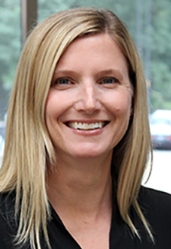 Lynda Lisabeth合作论文数School of Public Health, University of Michigan163
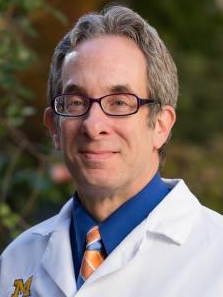 Lewis B. Morgenstern合作论文数Department of Neurology, University of Michigan;University of Michigan Medical School;School of Public Health, University of Michigan141
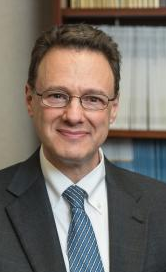 Ronald Chervin合作论文数Department of Neurology, University of Michigan Medical School;Division of Sleep Medicine, University of Michigan57
 Lesli E Skolarus合作论文数56Erin Case合作论文数54Melinda A. Smith合作论文数49
 Brisa N Sánchez合作论文数Department of Biostatistics, School of Public Health, University of Michigan-Ann Arbor44
 William J. Meurer合作论文数Department of Emergency Medicine, University of Michigan Medical School42
 Darin Zahuranec合作论文数Department of Neurology, Medical School, University of Michigan41Nelda Garcia合作论文数39
 Kevin A. Kerber合作论文数Center for Health and Research Transformation, University of Michigan;Department of Neurology, University of Medicine and Health Sciences33
 James F Burke合作论文数Department of Neurology, The Ohio State University;Addiction Research Center, University of Michigan;Department of Neurology, University of Michigan32
 Magdy H. Selim合作论文数Department of Neurology, Beth Israel Deaconess Medical Center, Harvard Medical School24James F. Meschia合作论文数24
 Jonathan Rosand合作论文数Center for Genomic Medicine, Massachusetts General Hospital;Henry and Allison McCance Center for Brain Health, Massachusetts General Hospital;Harvard University24
 David L. Tirschwell合作论文数Medicine Stroke Center, University of Washington23Scott Silliman合作论文数22
 Xu Shi合作论文数Department of Biostatistics, School of Public Health, University of Michigan-Ann Arbor21Woo Daniel合作论文数21
 Bradford B. Worrall合作论文数Department of Neurology, School of Medicine, University of Virginia21
 Christopher D. Anderson合作论文数Mass General Research Institute, Massachusetts General Hospital;Department of Neurology, Center for Genomic Medicine;Brigham and Women's Hospital21
 Steven Greenberg合作论文数Harvard Medical School;Massachusetts General Hospital;Mass General Research Institute19Arne Lindgren合作论文数17Agnieszka Slowik合作论文数16
 Guido J. Falcone合作论文数Department of Neurology, Yale School of Medicine, Yale University;Yale New Haven Hospital16
 Jennifer Juhl Majersik合作论文数School of Medicine, University of Utah16MA Smith合作论文数15
 Alessandro Biffi合作论文数Rome15Jordi Jimenez-Conde合作论文数14
 Anand Viswanathan合作论文数Engineering Research Center, Johns Hopkins University14Ayres Alison M合作论文数13Kristin Schwab合作论文数13Joan E. Cowdery合作论文数Eastern Michigan University;University of Michigan;Eastern Michigan University, University of Michigan13HOLLIS R P合作论文数12Chengwei Li合作论文数12
 Jonggyu Baek合作论文数Department of Biostatistics, University of Michigan12
 Joan Montaner Villalonga合作论文数Instituto de Biomedicina de Sevilla12Bo Norrving合作论文数12
 Joshua Goldstein合作论文数Center for Neurologic Emergencies, Department of Emergency Medicine, Massachusetts General Hospital, Harvard Medical School12
 Kathleen Mullen Conley合作论文数12
 Jaume Roquer合作论文数Universitat Autònoma de Barcelona, Hospital Universitari del Mar Passeig Marítim12
 Israel Fernandez合作论文数11
 Nicole R. Gonzales合作论文数Univ of Colorado11
 Deborah A Levine合作论文数11Adelman Eric E合作论文数11Hansen Björn M合作论文数11
 Carl D. Langefeld合作论文数School of Medicine, Wake Forest University;Department of Biostatistical Sciences, Wake Forest University11
 A. Mark Fendrick合作论文数Department of Internal Medicine, University of Michigan11Madeline Kwicklis合作论文数10




