Neurofibromatosis-1 (NF1) presents complex challenges due to its multisystemic effects, including kyphoscoliosis, dural ectasia, and arteriovenous fistulas (AVF). We present a case of a 31-year-old male with NF1 exhibiting severe cervical kyphoscoliosis, dural ectasia, a bisected cervical cord, and an arteriovenous fistula, highlighting the intricacies of managing such intricate cases. Rapid weakening in the patient's right arm and leg prompted imaging revealing severe cervical kyphotic deformity and a dural fold dividing the spinal cord. Surgical intervention addressed a high-flow arteriovenous fistula involving the right vertebral artery and an epidural vein, necessitating sacrifice of the artery. Posterior fusion and laminectomy were performed, resulting in stable neurological status postoperatively and significant improvement in sensory loss and weakness at three months. This case underscores the importance of a tailored posterior-only approach, involving dural fold release, to allow the spinal cord to relocate to a less tense position, thus demonstrating effective decompression in complex NF1 cases with concurrent kyphotic deformity and vertebral artery AVF.
OBJECTIVE This study aimed to investigate the impact of pelvic incidence (PI) and lumbar lordosis (LL) matching on health-related quality of life (HRQOL) outcomes in patients undergoing one- or two-level lumbar fusions for degenerative pathology. The study also examined changes in alignment and HRQOL over a 24-month follow-up period. METHODS A retrospective cohort study used data from a multicenter, prospectively collected database. Radiographic parameters were measured preoperatively and at 3-month and 24-month postoperative time points. Patients were categorized as having alignment (PI-LL ≤ 10°) or malalignment (PI-LL > 10°) at all time points. The Oswestry Disability Index scores were collected at the same time points. Statistical analyses assessed differences in HRQOL scores and radiographic parameters between the aligned and malaligned groups. RESULTS Seventy-six patients were included. Both the aligned and malaligned groups showed improved HRQOL scores after surgery, but patients with proper alignment (PI-LL ≤ 10°) had significantly better HRQOL scores at the 24-month follow-up. Alignment remained stable from 3 months to 24 months postoperatively, with minimal movement between the aligned and malaligned groups. CONCLUSIONS Proper PI-LL matching in one- and two-level lumbar fusions for degenerative pathology leads to improved HRQOL outcomes at the 24-month follow-up. Patients with maintained proper alignment after surgery experience continued improvement in disability levels. Surgeons should consider longer follow-up for patients who do not achieve proper alignment initially, as 24 months is crucial for assessing the consequences of malalignment in short-segment lumbar fusions.
INTRODUCTION: Despite its rising popularity, little has been described about locum tenens employment (locums) in neurosurgery. This study provides the first nationwide overview of the locums neurosurgery experience. METHODS: An anonymous online survey examined practice characteristics of respondents, extent of and satisfaction with locums, motivations for pursuing locums, case volumes, agencies used, compensation, and positive/ negative aspects of experiences. Responses were collected between November 2020 and February 2021. RESULTS: Response rate for the 1852 neurosurgeons who opened the survey request was 4.9%; 36 of 91 respondents had previously worked locums and were commonly motivated by compensation or transitioning to new jobs or retirement. In our response group, 92% of locums respondents had taken more than one position and 47% had taken more than 10. Neurosurgeons performing <200 cases/year were significantly more likely to have also worked locums than those performing >200 cases/year (41.6% locums, 12.7% non-locums, P = 0.001). Responses showed that 69% of locums respondents earned $2000 e $2999/day and 16% earned >$3500/day. Nearly 78% of locums respondents were satisfied with their experience(s) and 86% would take another future locums position. Being in practice for >15 years was significantly associated with satisfaction with locums ( P = 0.03). Reported flaws included unfamiliarity with hospitals, limited continuity of care, credentialing burdens, and inadequate travel compensation. CONCLUSIONS: Locums is utilized by neurosurgeons across multiple practice types and may serve to complement workloads or "fill in gaps " between longer-term employment. Overall, locums neurosurgeons are well compensated, and the majority are satisfied with their experience(s). Inevitably, flaws still exist with locums employment, which may be the focus of organized efforts aiming to improve the experience.
Transforaminal lumbar interbody fusions (TLIFs) are performed for various lumbar spine pathologies. Posterior migration of an interbody cage is a complication that may result in neurologic injury and require reoperation. Sparse information exists regarding the safety and efficacy of a transdural approach for cage retrieval. We describe a surgical technique, in which centrally retropulsed cages were safely retrieved transdurally. A patient with prior L3-S1 posterior lumbar fusion and L4-S1 TLIFs presented with radiculopathy and weakness in dorsiflexion. Imaging revealed posterior central migration of TLIF cages causing compression of the traversing L5 nerve root. Cages were removed transdurally; the correction was performed with an all-posterior T10-pelvis fusion. Aside from temporary weakness in right-sided dorsiflexion, the patient experienced complete resolution in their radiculopathy and strength returned to its presurgical state by 3 months. The transdural approach for interbody removal can be safely performed and should be a tool in the spine surgeon's armamentarium.
BACKGROUND CONTEXT Cost-effective pathways in health care are vital in this current health care system. Applying lean methodology with accurate cost accounting provides further descriptions of value for specific interventions. In this study, we apply time driven activity-based costing (TDABC) to assess the cost-effectiveness of a multidisciplinary adult spinal deformity conference that was designed based on value streams under lean methodology. PURPOSE To understand costs and provide an initial framework associated with conference implementation as it pertains to complication prevention. STUDY DESIGN/SETTING Single institution prospective cohort. PATIENT SAMPLE Consecutive patients indicated for adult spinal deformity reconstruction of greater than 6 levels performed by 1 of 3 fellowship-trained spine surgeons, were prospectively recorded from August 2022 to December 2022. Inclusion criteria required that the episode of care followed the institution's complex spine fusion lean methodology-based value stream, which includes presentation at monthly complex spine conferences attended by a multidisciplinary treatment team (anesthesia, pain management, neuropsychology, medicine, physiatry, neurosurgery, and orthopedic surgery). OUTCOME MEASURES Total cost of conference stakeholders' time was calculated based on TDABC parameters. Complication prevention rates were determined from a published study from this institution using patients undergoing a similar process. Complication costs were obtained from literature. METHODS Total time spent by each team member on conference preparation, presentation, and follow-up tasks was recorded for each conference. Data was aggregated to determine the average amount of time required to prepare and present one patient. Using a 2022 mean hourly rate based on our urban hospital setting, a wage value was calculated for each personnel type, and applied to the minutes spent by that personnel type. Total cost of the conference was annualized and then calculated from the time spent in the three phases of the conference multiplied by the wage rate. Published data regarding complication rates before and after conference implementation as well as costs associated with different complications were used to calculate total cost reduction. RESULTS Implementation of a multidisciplinary approach to adult spinal deformity resulted in a 51% decrease in all complications at 30 days (RR 0.49 [95% CI 0.30-0.78]). Total cost savings from complication reduction was $418,518 annually. With 3 active adult spine surgeons there were 108 patients presented per year. Total time investment was 237.06 minutes/patient (total annual cost $16,411). Implementation of this conference resulted in a savings of $402,107/year. CONCLUSIONS The decision to implement a cost-saving tool in the management of patients with complex spinal disorders lies heavily on the shoulders of the spine team to lead a multidisciplinary conference. This combination of TDABC and lean methodology showed significant cost-savings associated with implementation of a multidisciplinary adult spinal deformity conference. These findings should be used to further encourage clinicians and administrators to allocate appropriate resources to improve the safety and value of their patient care through the reduction of complications and costs. FDA Device/Drug Status This abstract does not discuss or include any applicable devices or drugs. Cost-effective pathways in health care are vital in this current health care system. Applying lean methodology with accurate cost accounting provides further descriptions of value for specific interventions. In this study, we apply time driven activity-based costing (TDABC) to assess the cost-effectiveness of a multidisciplinary adult spinal deformity conference that was designed based on value streams under lean methodology. To understand costs and provide an initial framework associated with conference implementation as it pertains to complication prevention. Single institution prospective cohort. Consecutive patients indicated for adult spinal deformity reconstruction of greater than 6 levels performed by 1 of 3 fellowship-trained spine surgeons, were prospectively recorded from August 2022 to December 2022. Inclusion criteria required that the episode of care followed the institution's complex spine fusion lean methodology-based value stream, which includes presentation at monthly complex spine conferences attended by a multidisciplinary treatment team (anesthesia, pain management, neuropsychology, medicine, physiatry, neurosurgery, and orthopedic surgery). Total cost of conference stakeholders' time was calculated based on TDABC parameters. Complication prevention rates were determined from a published study from this institution using patients undergoing a similar process. Complication costs were obtained from literature. Total time spent by each team member on conference preparation, presentation, and follow-up tasks was recorded for each conference. Data was aggregated to determine the average amount of time required to prepare and present one patient. Using a 2022 mean hourly rate based on our urban hospital setting, a wage value was calculated for each personnel type, and applied to the minutes spent by that personnel type. Total cost of the conference was annualized and then calculated from the time spent in the three phases of the conference multiplied by the wage rate. Published data regarding complication rates before and after conference implementation as well as costs associated with different complications were used to calculate total cost reduction. Implementation of a multidisciplinary approach to adult spinal deformity resulted in a 51% decrease in all complications at 30 days (RR 0.49 [95% CI 0.30-0.78]). Total cost savings from complication reduction was $418,518 annually. With 3 active adult spine surgeons there were 108 patients presented per year. Total time investment was 237.06 minutes/patient (total annual cost $16,411). Implementation of this conference resulted in a savings of $402,107/year. The decision to implement a cost-saving tool in the management of patients with complex spinal disorders lies heavily on the shoulders of the spine team to lead a multidisciplinary conference. This combination of TDABC and lean methodology showed significant cost-savings associated with implementation of a multidisciplinary adult spinal deformity conference. These findings should be used to further encourage clinicians and administrators to allocate appropriate resources to improve the safety and value of their patient care through the reduction of complications and costs.
Participation in the health care and government advocacy arena may represent new and challenging perspectives for the traditional neurosurgeon. However, those with a strong understanding of the laws, rules, regulations, and fiscal allocation process can directly influence the practice of neurosurgery in the United States. We seek to shine light on the black box of how health care laws are passed, the influence and techniques of lobbying, and the role and rules surrounding political action committees. This practical review of health care advocacy is supplemented by a blueprint for engagement in the political arena for the practicing neurosurgeon.
Medical malpractice litigation is something that every neurosurgeon encounters in his or her career and causes significant strife to amateur physicians attempting to navigate the medicolegal process. Neurosurgery in particular is one of the highest risk specialties for litigation. This calls to order the importance of a clear understanding of the medicolegal proceedings that may follow after a complaint has been filed. This report describes the steps to be taken by the physician in the instance that litigation is expected or considered a possibility. We describe the elements that comprise a medical malpractice claim, details of the lawsuit process including hospital peer review and expert witness selection, and how to communicate appropriately with the patients and their families in an empathetic way. It is imperative to gain an appropriate understanding of the entirety of the malpractice claim process to ease the anxiety of litigation for the physician and decrease the amount of avoidable complications.
Neurosurgery is considered to have one of the greatest risks of medical malpractice claims. However, medicolegal issues in neurosurgery are often disregarded and underrated worldwide. Medical errors in the neurosurgical field can be attributed to multiple factors, including highly morbid pathologies, the technical difficulty of neurosurgical procedures, and the involvement and interaction of a multidisciplinary team in the care of neurosurgical patients. Health care providers worldwide are at risk of lawsuits, sometimes even when no deviation from the standard of care had occurred in a given case. Often, governments use additional tactics to decrease the burden on compensators and extrajudicial institutions and to decrease the court's flow of irrational litigation. Continuous amendments to health care acts and newer reforms to address these issues have materialized worldwide. In the present narrative review, we have reviewed the global perspectives of medicolegal issues, with a focus on neurosurgical discipline.
OBJECTIVEThere are approximately 85,000 lawsuits filed against medical practitioners every year in the US. Among these lawsuits, neurosurgery has been identified as a "high-risk specialty" with exceptional chance of having medical malpractice suits filed. Major issues affecting the overall medicolegal environment include tort reform, the formation of medical review panels, the increasing practice of defensive medicine, and the rising costs of medical insurance. In this study, the authors provide a concise update of the current medicolegal environments of the 50 states and provide a general guide to favorable and unfavorable states in which to practice neurosurgery.METHODSData were acquired related to state-by-state medical review panel status, noneconomic damage caps, economic damage caps, and civil suit filing fees. States were placed into 5 categories based on the status of their current medicolegal environment.RESULTSOf the 50 states in the US, 18 have established a medical review panel process. Fifteen states have a mandatory medical review process, whereas 3 states rely on a voluntary process. Thirty-five states have tort reform and have placed a cap on noneconomic damages. These caps range from $250,000 to $2,350,000, with the median cap of $465,900. Only 8 states have placed a cap on total economic damages. These caps range from $500,000 to $2,350,000, with the median cap of $1,050,000. All states have a filing fee for a medical malpractice lawsuit. These costs range from $37 to $884, with the median cost for filing of $335.CONCLUSIONSMedicolegal healthcare reform will continue to play a vital role in physicians' lives. It will dictate if physicians may practice proactively or be forced to act defensively. With medicolegal reform varying greatly among states, it will ultimately dictate if physicians move into or away from certain states and thus guide the availability of healthcare services. A desirable legal system for neurosurgeons, including caps on economic and noneconomic damages and availability of medical review panels, can lead to safer practice.
Introduction: The Defense Health Agency has shifted focus of military medicine to operational readiness. As such, neurosurgery remains a critical wartime specialty. We investigate the factors impacting recruitment and retention of military neurosurgeons. Methods: Survey of military neurosurgeons was performed via the American Association of Neurological Surgeons/Congress of Neurological Surgeons Joint Committee of Military Neurosurgeons and the Council of State Neurosurgical Societies. Retention and recruitment were queried. Results: 93/119 (78.2%) current or previously affiliated military neurosurgeons would recommend service as a military neurosurgeon to a colleague. Those who felt a sense of patriotism were 4.3 times more likely to recommend military service (P = 0.027, CI 1.19-16.82). Those who developed a sense of camaraderie showed a trend to recommending military neurosurgery (P = 0.058, CI 0.95-9.78). Those with a current military obligation were.28 times (P = 0.02, CI 0.09-0.85) as likely to recommend service. Military physicians who felt a need for reform to increase salary were 2.5 times less likely to be retained. Discussion: Service in the US military is a positive experience with camaraderie, patriotism, and unique military experiences predictive of recruitment. Meanwhile, focus on pay discrepancy can result in lost retention. These factors should be explored regarding recruitment and retention of military neurosurgeons.
The orbitopterional approach provides an excellent combination of basal access and suprasellar access. This approach also allows for less brain retraction when resecting larger suprasellar tumors that are more superiorly projecting due to a more frontal and inferior trajectory. In this operative video, the authors thoroughly detail an orbitopterional craniotomy utilizing a one-piece modified orbitozygomatic technique. This technique involves opening the craniotomy through a standard pterional incision. The craniotomy is performed using the standard three burr holes of a pterional approach; however, the osteotomy is extended anteriorly through the frontal process of the zygomatic bone as well as through the supraorbital rim. In this operative video atlas, the authors illustrate the operative anatomy, as well as surgical strategy and techniques to resect a large suprasellar craniopharyngioma in a 4-year-old male. Other reasonable approach options for a lesion of this size would include a standard pterional approach, a supraorbital approach, or expanded endoscopic transsphenoidal approach. The lesion was quite high and thus, the supraorbital approach may confine access to the superior portion of the tumor. While recognizing that some groups may have chosen the endoscopic expanded transsphenoidal approach for this lesion, the authors describe more confidence in achieving the goal of a safe and maximal resection with the orbitopterional approach. The link to the video can be found at: https://youtu.be/eznsK16BzR8 .
INTRODUCTION:Subependymomas are benign intraventricular tumours that most often occur asymptomatically and are found incidentally on autopsy. Symptomatic examples requiring surgical intervention are exceedingly rare.CASE PRESENTATION:A 55-year-old man with no history of neurological symptoms presented with multiple episodes of loss of consciousness and increasing headaches. MRI revealed a lobulated intraventricular mass centred at the right Foramen of Monro. Obstructive hydrocephalus with localised midline shift and a second lesion were noted. Right frontal craniotomy with total removal via transcortical resection was performed.DISCUSSION:Symptomatic subependymomas generally present with signs of hydrocephalus due to obstruction of cerebrospinal fluid pathways. There is only one other reported case of multifocal subependymomas in a symptomatic patient. An example of multiple supratentorial subependymomas causing obstructive hydrocephalus has not been previously reported.CONCLUSIONS:Multiple subependymomas are rare. Judicious surgical management with full excision led to symptomatic improvement in our patient.
 Bharat Guthikonda合作论文数Department of Neurosurgery, LSU Health Shreveport7
 Richard Menger合作论文数Health Sciences Center, Louisiana State University6
 Sandeep Kandregula合作论文数Dept Neurosurg, LSU Hlth Shreveport4
 Jean-Christophe Leveque合作论文数Molecular and Developmental Neuroscience Laboratory;Department of Psychiatry;Harvard Medical School, Massachusetts General Hospital;Massachusetts General Hospital, Harvard Medical School4Jeffrey Cozzens合作论文数3
 Krystle Trosclair合作论文数3
 Joshua M Rosenow合作论文数Department of Neurological Surgery, Feinberg School of Medicine, Northwestern University3
 Kristopher T Kimmell合作论文数3
 Schirmer M. Clemens合作论文数Geisinger3
 Agarwal Nitin合作论文数3Mazzola Catherine A合作论文数3
 Philip Louie合作论文数Department of Orthopaedic Surgery, Rush University Medical Center3
 Rajiv Sethi合作论文数Barnard College, Columbia University3
 Aiyush Bansal合作论文数2Jason Stacy合作论文数2Audrey Demand合作论文数2Alexis Vega合作论文数2Caroline E Drolet合作论文数Divis Publ Hlth, Michigan State Univ2
 Savardekar Amey合作论文数Louisiana State University Health Sciences Center Shreveport2Kosty Jennifer合作论文数Department of Neurosurgery, University of Cincinnati;and.2
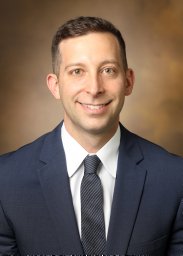 Zuckerman Scott L合作论文数Spinal Column Surgical Outcomes and Quality Research Laboratory, Vanderbilt University2
 Venu Nemani合作论文数2Thomas Hanks合作论文数1Nimer Abushehab合作论文数1
 Patrick D Kelly合作论文数1Jared Brougham合作论文数1Joseph Strunk合作论文数1Laura Stone McGuire合作论文数1Katie O Orrico合作论文数1Michelle Gilbert合作论文数1
 Kristin Huntoon合作论文数1Edward Burkhardt合作论文数1Racheal Wolfson合作论文数HSC Shreveport, Louisiana State University1Rimal H. Dossani合作论文数1
 Pouya Entezami合作论文数Department of Neurosurgery, Albany Medical Center1
 Robert F. Heary合作论文数New Jersey Medical School1
 Arjun Pendharkar合作论文数School of Medicine, Stanford University1
 Jai Deep Thakur合作论文数Department of Neurosurgery, University of South Alabama1
 Namath S Hussain合作论文数Department of Neurosurgery, Swedish Neuroscience Institute1Perez-Cruet Mick J合作论文数1
 Jason L Schroeder合作论文数1Hefner M合作论文数Health Sciences Center, Louisiana State University1Storey Christopher M合作论文数1
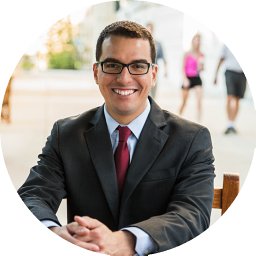 Adeeb Nimer合作论文数Beth Israel Deaconess Med Ctr, Neurosurg Serv1
 Esfahani Darian R合作论文数Department of Neurosurgery, University of Illinois at Chicago1Robert E. Mrak合作论文数1Deborah L. Benzil合作论文数Departments of Neurosurgery (Harris, Benzil),, New York Medical College1
 Hai Sun合作论文数8000 Cummings Hall | Thayer School of Engineering | Dartmouth College | Hanover, NH 037551
 Lawrence Shuer合作论文数Neurosurgery Department, Stanford University1




