Introduction:IFNγ plays both positive and negative roles in the regulation of innate and adaptive immune responses against tumors and virally infected tissues by upregulating CXCL10 and PD-L1 expression. Methods:To identify novel pathways and drugs that regulate the IFNγ-dependent PD-L1, we expressed GFP under the control of mouse PD-L1 promoter in mouse cancer cells that up regulate PD-L1 and CXCL10 in response to IFNγ stimulation. Using these cells, we screened an FDA approved library of 1496 small molecules known for their ability to inhibit IFNγ-dependent increase in PD-L1. Results:We identified 46 drugs that up regulated and 4 that down regulated IFNγ-dependent PD-L1 expression. We discovered that in addition to the known JAK inhibitors Ruxolitinib and Baricitinib, Dinaciclib, a CDK1/2/5/9 inhibitor, and Ganetespib, a Hsp90 inhibitor, significantly inhibit both PD-L1 and CXCL10 expression in the model cells. Furthermore, both drugs suppressed IFNγ-dependent CXCL10 and PD-L1 expression in-vitro in primary human lung cells and human cancer cells. These drugs also significantly inhibited delayed-type hypersensitivity (DTH) in-vivo in an inflammation mouse model. Discussion:Our novel screening platform can therefore be used in the future to identify novel immunomodulators and pathways in cancer and inflammation, expanding therapeutic horizons.
Supplementary Figures 1-4 from Multiple Adaptive Mechanisms to Chronic Liver Disease Revealed at Early Stages of Liver Carcinogenesis in the Mdr2-Knockout Mice
ˆCCL24 is a pro-fibrotic, pro-inflammatory chemokine expressed in several chronic fibrotic diseases. In the liver, CCL24 plays a role in fibrosis and inflammation, and blocking CCL24 led to reduced liver injury in experimental models. We studied the role of CCL24 in primary sclerosing cholangitis (PSC) and evaluated the potential therapeutic effect of blocking CCL24 in this disease. Multidrug resistance gene 2-knockout (Mdr2-/-) mice demonstrated CCL24 expression in liver macrophages and were used as a relevant experimental PSC model. CCL24-neutralizing monoclonal antibody, CM-101, significantly improved inflammation, fibrosis, and cholestasis-related markers in the biliary area. Moreover, using spatial transcriptomics, we observed reduced proliferation and senescence of cholangiocytes following CCL24 neutralization. Next, we demonstrated that CCL24 expression was elevated under pro-fibrotic conditions in primary human cholangiocytes and macrophages, and it induced proliferation of primary human hepatic stellate cells and cholangiocytes, which was attenuated following CCL24 inhibition. Correspondingly, CCL24 was found to be highly expressed in liver biopsies of patients with PSC. CCL24 serum levels correlated with Enhanced Liver Fibrosis score, most notably in patients with high alkaline phosphatase levels. These results suggest that blocking CCL24 may have a therapeutic effect in patients with PSC by reducing liver inflammation, fibrosis, and cholestasis.
Supplementary Data from Molecular Mechanisms of Liver Carcinogenesis in the Mdr2-Knockout Mice
Supplementary Tables 1-3 from Multiple Adaptive Mechanisms to Chronic Liver Disease Revealed at Early Stages of Liver Carcinogenesis in the Mdr2-Knockout Mice
The oncofetal long noncoding RNA (lncRNA) H19 is postnatally repressed in most tissues, and re-expressed in many cancers, including hepatocellular carcinoma (HCC). The role of H19 in carcinogenesis is a subject of controversy. We aimed to examine the role of H19 in chronic inflammation-mediated hepatocarcinogenesis using the Mdr2/Abcb4 knockout (Mdr2-KO) mouse, a well-established HCC model. For this goal, we have generated Mdr2-KO/H19-KO double knockout (dKO) mice and followed spontaneous tumor development in the dKO and control Mdr2-KO mice. Cellular localization of H19 and effects of H19 loss in the liver were determined in young and old Mdr2-KO mice. Tumor incidence and tumor load were both significantly decreased in the liver of dKO versus Mdr2-KO females. The expression levels of H19 and Igf2 were variable in nontumor liver tissues of Mdr2-KO females and were significantly downregulated in most matched tumors. In nontumor liver tissue of aged Mdr2-KO females, H19 was expressed mainly in hepatocytes, and hepatocyte proliferation was increased compared to dKO females. At an early age, dKO females displayed lower levels of liver injury and B-cell infiltration, with higher percentage of binuclear hepatocytes. In human samples, H19 expression was higher in females, positively correlated with cirrhosis (in nontumor liver samples) and negatively correlated with CTNNB1 (beta-catenin) mutations and patients' survival (in tumors). Our data demonstrate that the lncRNA H19 is pro-oncogenic during the development of chronic inflammation-mediated HCC in the Mdr2-KO mouse model, mainly by increasing liver injury and decreasing hepatocyte polyploidy in young mice.
Chronic liver inflammation (CLI) is a risk factor for development of hepatocellular carcinoma (HCC). Galectin-1 (Gal1) is involved in the regulation of inflammation, angiogenesis, and tumorigenesis, exhibiting multiple anti-inflammatory and protumorigenic activities. We aimed to explore its regulatory role in CLI and HCC progression using an established model of CLI-mediated HCC development, Abcb4 [multidrug-resistance 2 (Mdr2)]-knockout (KO) mice, which express high levels of Gal1 in the liver. We generated double-KO (dKO) Gal1-KO/Mdr2-KO mice on C57BL/6 and FVB/N genetic backgrounds and compared HCC development in the generated strains with their parental Mdr2-KO strains. Loss of Gal1 increased liver injury, inflammation, fibrosis, and ductular reaction in dKO mice of both strains starting from an early age. Aged dKO mutants displayed earlier hepatocarcinogenesis and increased tumor size compared with control Mdr2-KO mice. We found that osteopontin, a well-known modulator of HCC development, and oncogenic proteins Ntrk2 (TrkB) and S100A4 were overexpressed in dKO compared with Mdr2-KO livers. Our results demonstrate that in Mdr2-KO mice, a model of CLI-mediated HCC, Gal1-mediated protection from hepatitis, liver fibrosis, and HCC initiation dominates over its known procarcinogenic activities at later stages of HCC development. These findings suggest that anti-Gal1 treatments may not be applicable at all stages of CLI-mediated HCC.-Potikha, T., Pappo, O., Mizrahi, L., Olam, D., Maller, S. M., Rabinovich, G. A., Galun, E., Goldenberg, D. S. Lack of galectin-1 exacerbates chronic hepatitis, liver fibrosis, and carcinogenesis in murine hepatocellular carcinoma model.
Chronic inflammation precedes the majority of hepatocellular carcinoma (HCC) cases. We investigated the chemopreventive potential of S-adenosylmethionine (SAM), an essential donor for all methylation reactions in the cell, at the late precancerous stage of HCC development using the Mdr2-knockout (Mdr2-KO, Abcb4-/-) mice, a model of inflammation-mediated hepatocarcinogenesis. Previously, we revealed down-regulation of the genes regulating SAM metabolism in the liver of these mice at the precancerous stages. Now, we have supplied Mdr2-KO mice at the late precancerous stage with SAM during either a short-term (17 days) or a long-term (51 days) period and explored the effects of such supplementation on tumor development, DNA methylation and gene expression in the liver. The short-term SAM supplementation significantly decreased the number of small tumor nodules, proliferating hepatocytes and the total DNA methylation level, while it increased expression of the tumor suppressor proteins Mat1a and p21. Surprisingly, the long-term SAM supplementation did not affect tumor growth and hepatocyte proliferation, while it increased the total liver DNA methylation. Our results demonstrate that the short-term SAM supplementation in the Mdr2-KO mice inhibited liver tumor development potentially by increasing multiple tumor suppressor mechanisms resulting in cell cycle arrest. The long-term SAM supplementation resulted in a bypass of the cell cycle arrest in this HCC model by a yet unknown mechanism.
Abstract CXCR4 expression in neuroblastoma tumors correlates with disease severity. In this study, we describe mechanisms by which CXCR4 signaling controls neuroblastoma tumor growth and response to therapy. We found that overexpression of CXCR4 or stimulation with CXCL12 supports neuroblastoma tumorigenesis. Moreover, CXCR4 inhibition with the high-affinity CXCR4 antagonist BL-8040 prevented tumor growth and reduced survival of tumor cells. These effects were mediated by the upregulation of miR-15a/16-1, which resulted in downregulation of their target genes BCL-2 and cyclin D1, as well as inhibition of ERK. Overexpression of miR-15a/16-1 in cells increased cell death, whereas antagomirs to miR-15a/16-1 abolished the proapoptotic effects of BL-8040. CXCR4 overexpression also increased miR-15a/16-1, shifting their oncogenic dependency from the BCL-2 to the ERK signaling pathway. Overall, our results demonstrate the therapeutic potential of CXCR4 inhibition in neuroblastoma treatment and provide a rationale to test combination therapies employing CXCR4 and BCL-2 inhibitors to increase the efficacy of these agents. Significance: These results provide a mechanistic rationale for combination therapy of CXCR4 and BCL-2 inhibitors to treat a common and commonly aggressive pediatric cancer.Cancer Res; 78(6); 1471–83. ©2017 AACR.
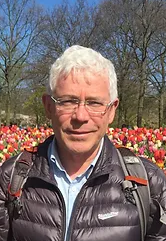 Eithan Galun合作论文数Goldyne Savad Gene Therapy Institute, Hadassah Hebrew University Hospital;Hebrew University22
 Lina Mizrahi合作论文数16
 Amnon Peled合作论文数Goldyne Savad;Institute of Gene Therapy;Hadassah University Hospital;Institute of Gene Therapy, Hadassah University Hospital16
 Daniel Goldenberg合作论文数13Michal Abraham合作论文数12Lola Weiss合作论文数12Orit Pappo合作论文数11Barashi Neta合作论文数9
 Rinat Abramovitch合作论文数8Klein Shiri合作论文数8Katia Beider合作论文数8
 Mark Katzenellenbogen合作论文数8
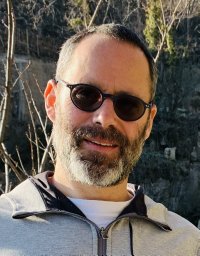 Ori Wald合作论文数Department of Cardiothoracic Surgery, Hadassah University Hospital8Hanna Wald合作论文数8Domany, Eytan合作论文数7
 Naama Klopstock合作论文数7E Galun合作论文数6Elia Dery合作论文数6Yaniv Harel合作论文数6Weiss Ido D合作论文数6Orly Eizenberg合作论文数6Yaron Pereg合作论文数6Baruch Bulvik合作论文数6D Goldenberg合作论文数5
 Jasmine Jacob-Hirsch合作论文数5Schnitzer-Perlman Temima合作论文数The Goldyne Savad Institute of Gene Therapy, Hadassah-Hebrew University Medical Center5Barash Hila合作论文数4
 Arnon Nagler合作论文数Hemato-Oncology Center, Sheba Tel Hashomer City of Health;EBMT;Tel Aviv University;Israeli Bone Marrow Association4Evgeniy Stoyanov合作论文数3K. Beider合作论文数3Avi Katav合作论文数3Amariglio Ninette合作论文数3
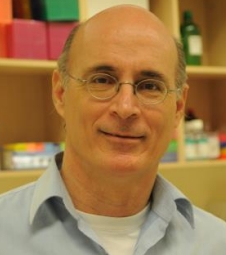 Gideon Rechavi合作论文数Sheba Cancer Research Center;Sackler Faculty of Medicine, Tel Aviv University;Cancer Biology Research Center, Tel Aviv University;Wohl Institute for Translational Medicine3
 Maya Koren-Michowitz合作论文数3Adi Mor合作论文数3Inbal Mishalian合作论文数3H. Bitner合作论文数2Michal Segal合作论文数2Omer Levi合作论文数2Gidi Rechavi合作论文数2Ophir Hay合作论文数2A. Shimoni合作论文数2S. Klein合作论文数2
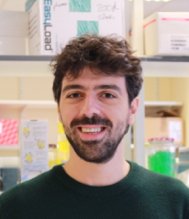 Caruso Stefano合作论文数2
 Francesca Saffioti合作论文数UCL Institute for Liver and Digestive Health, University College London;Royal Free London, NHS Foundation Trust;UCL Institute for Liver and Digestive Health, University College London & Royal Free London2Bitner Hanna合作论文数2
 Ezra Ella合作论文数2Greenman Raanan合作论文数2




