Lifestyle disorders and mental issues like stress, anxiety and depression have shown to have an adverse effect on cognitive skills. Most recent advances on brain–computer interfaces (BCI) research have focused on non-invasive neuroimaging techniques such as electroencephalogram (EEG) for understanding spatiotemporal and spectral characteristics of the brain associated with various cognitive tasks such as motor coordination, attention, memory, visual and auditory perception. To understand the neural correlates associated with static and dynamic yoga postures, a study using surface-based EEG technique was conducted among 70 healthy subjects randomized into three groups as control, experimental group 1 and group 2. As a reference for analyzing the effects of yoga, three cognitive tasks, namely digit letter substitution task, visual perception task and word memory task, were also accustomed to the participant’s post-EEG recording. Preliminary results on spectral analysis related alpha rhythms changes suggesting an increase in attention and beta rhythms increased as attributed in rhythmic learning. A t-test correlate also indicated that there may not be critical gender-based variations to these functions after yoga-meditation-based practices expanding possibilities in using techniques for stress reduction and wellness.
COVID-19 pandemic has brought uncertainty in educational response, skilling methods, and training practices among teachers and institutions. Even before the pandemic shutdowns, the incorporation of virtual laboratories within classroom education had brought transformations in teaching laboratory courses. Virtual laboratories were integrated as training platforms for complementing learning objectives in laboratory education especially during this pandemic imposed shutdown. In context of suspended face-to-face teaching, this study explores the role of virtual laboratories as Massive Open Online Courses (MOOCs) in ensuring the continuity of teaching–learning, providing alternative ways for skill training from home. As an innovative approach, the study presents push–pull mooring theory to analyze switching intention of users from offline conventional education to online education. The study explores the complements of physical experiments brought in with animations, simulations, and remote laboratory set-ups for providing skill trainings to learners. To test whether virtualization techniques have global impact in education sector, the study included a comparative analysis of student users during the academic year 2019 (before-COVID) who had a blended approach of learning and those of the year 2020 (post-COVID), with remote learning. Initial before-COVID behavioral analysis on university students (n = 1059) indicated the substantial popularity of virtual laboratories in education for skill training and instructor dependency. Usage adoption of virtual laboratories increased during the pandemic-imposed lockdowns and learners were being less instructor dependent. 24% of students accessed more 10 times a week without the instructor being present and overall, 90% contributed to a minimum of 5 usages a week. In terms of Kolb’s learning styles, most of the virtual laboratory learners were assimilators. The results suggest virtual laboratories may have a prominent role in inquiry based and self-guided education with minimum instructor dependency, which may be crucial for complementing practice skills and planning online tools to add to this post-COVID-19 teaching and learning scenarios.
Exploring the neural basis of music perception and processing has become relevant in neuroscience research for studying human cognition and emotion. Recently many neuroimaging studies have seen brain structure differences in responses to various auditory cue, including music stimuli among diverse individuals. Research still lacks to correlate cortical dynamics in accordance with music familiarity among professionally trained musicians and amateur subjects. With this context, this short-term study reports on effectively recording and computational analysis of neural signals for understanding the cortical network correlates associated with different auditory cues (Western music, Indian classical music, Guitar music and stressor noise) on trained and amateur subjects. On the basis of cognitive battery score analysis, the study recruited 20 volunteering healthy subjects, and grouped as trained subjects (N=10), having music training and amateur subjects (N=10), having no prior music training. EEG recordings were taken for 7 minutes in an eye closed relaxed state, for different auditory stimuli, in a sound proof and dimly lit Indian laboratory settings. In both amateur and trained subjects, heat maps indicated cortical re-organization of ɵ, α, β, and γ rhythms when exposed to different auditory stimuli at similar time bins. Cortical mapping indicated frontal (F3, F4, F7, F8), temporal (T7, T8) and parietal (P7 and P8) as functional regions for processing an auditory information with improved cognitive, attention, memory and language processing skills among trained and amateur subjects in response to familiar music stimuli. With other biosignals analysis techniques and using electrical engineering principles, the study could be further expanded to explore brain anatomy with music therapy as a tool in clinical, therapeutic and community settings.
Recent advances in brain computer interfaces (BCI) have brought paradigm shifts in pre-clinical neuroscience research relating various levels of information abstraction in brain. Recent years have seen several neuro electrophysiology studies on traditional and cultural stress reduction methods especially, related to short duration practices that can alleviate workplace stress. With stress reduction using sustainable methods in context, this paper reports on the analysis of biosignals for understanding the neural dynamics in human subjects practicing traditional relaxation techniques using electroencephalography (EEG) technique. The study was conducted among 20 healthy volunteering undergraduate students. Students were randomized as experimental group (N=10), provided yoga and meditation training for 8 weeks, and control group (N=10) with no experience on yoga or meditation. As a reference for analyzing the effect of relaxation techniques in daily life activities, three cognitive tasks, namely, word memory task, psychomotor vigilance task, and steady hand-game task were performed by participants as a pre-EEG recording task. EEG recordings were taken for 160 seconds in eyes-opened relaxed state in a dimly-lit sound-proof environment. In experimental group, after practicing integrated yoga-meditation technique for 8 weeks, a post EEG recording was taken. Relating several functional areas of the brain, cortical activation of the α, β, γ and θ rhythms in the frontal, temporal and parietal lobes of the brain with significant power spectral density variations in experiment group indicating diversity in brain patterns among week-1 to week-8 practitioners was observed. This short-term study indicates the plausibility of integrated yoga-meditation as sustainable relaxation techniques that can influence in improving the coordination in daily life tasks.
Learning styles are defined as a characteristic feature that determines cognitive and psychosocial behavior of learners, perceiving of knowledge, interaction and processing of information in different learning environments. Applying learning style theories in pedagogic concept has brought multiple dimensions in categorizing learning strategies, although such studies on laboratory skill education are limited. Kolb's Experiential Learning Model, has been widely accepted as an efficient pedagogical model of learning. In this paper, we explore the pedagogical basis for designing life sciences laboratory education and applying Kolb's learning style inventory for classifying learners into different categories. In the context of bioscience laboratory education, most students learners were reflective observers or assimilators (60%) or divergers (20%) and hence seemed most apt for virtual laboratory based education due to acclivity to standard demonstrations and lectures. Only 20% were convergers or accommodators. Unlike in some engineering students, this classification suggests bioscience laboratory education may be complemented using web-based tools and will need better assessments and virtualization methods.
Background. Over the last few decades, in developing nations including India, there have been rapid developments in information and communication technologies with progress towards sustainable development goals facilitating universal access to education. With the aim of augmenting laboratory skill training, India’s Ministry of Human Resource Development (MHRD)’s National Mission on Education through Information and Communication Technology (NME-ICT), launched Virtual laboratories project, enabling professors and institutions to deliver interactive animations, mathematical simulators and remotely-controlled equipment for online experiments in biosciences and engineering courses. Towards that mission of improving teaching and learning quality and with a focus on improving access to users in geographically remote and economically constrained institutes in India, we developed and deployed over 30 web-based laboratories consisting of over 360 computer-based online experiments. This paper focuses on the design, development, deployment of virtual laboratories and assesses the role of online experiments in providing self-learning and novel pedagogical practices for user communities. Methods. As part of deployment, we evaluated the role virtual laboratories in facilitating self-organized learning and usage perception as a teaching tool in a blended education system. Direct feedback data was collected through organized workshops from 386 university-level students, 192 final year higher secondary school (pre-university) students and 234 college professors from various places across India. We also included online feedback from 2012-2018 to interpret usage analysis and adaptability of virtual and remote labs by online users. Results. More than 80% of students who used virtual laboratories scored higher in examinations compared to a control group. With 386 students, 80% suggested adapted to self-learning using virtual laboratories. 82% of university teachers who employ virtual laboratories indicated using them to complement teaching material and reduce teaching time. Increase in online usage and feedback suggests novel trends in incorporating online platforms as pedagogical tools. Discussion. Feedback indicated virtual laboratories altered and enhanced student’s autonomous learning abilities and improved interaction in blended classrooms. Pedagogical analysis suggests the use of ICT-enabled virtual laboratories as a self-organized distance education learning platform for university and pre-university students from economically challenged or time-restrained environments. Online usage statistics indicated steady increase of new users on this online repository suggesting global acceptance of virtual laboratories as a complementing laboratory skill-training online repository.
Localization of neural activities from electroencephalography measurements and attributing a motor task to its neural signature is becoming a trend in neuroscience and brain computer interface research. For elucidating brain functions in healthy subjects and motor dysfunctions patients, a motor-related squeeze task, a simple daily task was employed in this study. Using low-cost electroencephalography devices in mapping human brain for understanding neural microcircuitry roles during a squeeze task as a biomarker for brain function was the objective. EEG data was recorded from eight healthy righthanded volunteers (4 female and 4 male) of different age group, performing squeeze task on a rubber ball applying graded forces. Using time and frequency domain analysis, we show frontal asymmetry attributed to activity from electrodes in AF3, AF4, F3, F4, F7 and F8 role-specific regions for identifying motor planning and motor execution characterized by predominant mu and beta oscillations.
Underweight (BMI < 18.5) and obese (BMI ≥ 30) patients may not tolerate coronary artery bypass graft (CABG) surgery as well as other patients. High and low body mass indices seem to pose a substantial risk of developing post-operative pulmonary complications in subjects undergoing cardiac surgery. To what extent body mass index (BMI) influences postoperative pulmonary complications has not yet been defined.
Introduction: Older people have limitations in their functional and regenerative abilities, and are more prone to diseases and infirmities, when compared to younger adults. Ageing is seen to decrease physical fitness, which includes the components of endurance, strength, flexibility and agility. This decrease can lead to difficulties in functioning normally and carrying out activities of daily living. Exercise training has been seen to have positive effects on fitness levels, cardio-respiratory functions, fall risk and cognitive function in elderly individuals. Aim: To study the effect of a multi-component exercise program on functional mobility, functional exercise capacity and quality of life in elderly individuals. Materials and Methods: A total of 30 older adults above the age of 65 years, who were able to ambulate independently and able to understand instructions, and who did not suffer from severe musculoskeletal, neurological or cardiopulmonary disease were given an exercise program of 10 weeks duration which comprised of aerobic, resistance, functional and balance training components. The subjects were assessed using the 8-foot up and go test (8 UG) for functional mobility, Six Minute Walk Test (6 MWT) for functional exercise capacity and short form 36 scale (SF-36) for quality of life at baseline and every two weeks up to the end of the intervention. Results: Paired t-test results for the three outcome measures namely 8 UG, 6MWT and SF-36 showed a significant difference in all three measures when post-intervention scores were compared with pre-intervention scores (p<0.01). Multivariate analysis was done to test the significance of the values obtained at intervals of two weeks during the intervention, which showed that, all the three outcome measures showed a significant difference between the weeks (p<0.01). Conclusion: A 10-week multi-component exercise program comprising of aerobic, resistance, functional and balance exercises significantly improved the mobility, functional exercise capacity and health- related quality of life in elderly individuals.
Organizations and universities have started preparing teachers and students to use mathematical models delivered through technology for improving student's understanding of concepts, pedagogy and laboratory skill training. Bioscience education has started involving virtual laboratories as an appropriate technology to allow student's reflective learning. This paper showcases recent attempts in using mathematical models as virtual laboratories in enhancing biology education. The purpose of this article is to list common simulations used in demonstration of classroom topics in undergraduate and postgraduate bioscience education in India and a review of the effectiveness of virtual labs in blended classroom education. Based on our experience of having designed, developed and deployed 360+ online experiments, this paper also reports usage-based studies in augmenting student learning and choice of models that help design such online tools.
Background: The aim of induction of labour is to achieve vaginal delivery in advance of the normal timing of parturition and to avoid operative delivery. The objective was to study the incidence of instrumental delivery and cesarean section in nulliparous women with unfavourable bishops score at term. Methods: This study was conducted on 200 patients in nulliparous women with unfavourable bishop score, cephalic presentation and no previous history of abortion. Results: The most frequent cause of induction of labour was postdatism (47.5%) followed by PIH (25.5%) and PROM (13%). 143 (71.5%) women had normal vaginal delivery whereas in 54 women (27%) cesarean section was done. 2 women (1%) had forceps application for delivery and remaining 1 women (0.5%) had ventouse delivery. Out of 200 patients 9 had maternal complication of induction of labour. Conclusions: In present study 71.5% women had normal vaginal delivery, 27% had cesarean section. Mean bishop score at induction was 3.31 which improved to 4.0 after 12 hours of gel instillation. The mean induction to delivery interval was 13.38 hrs in present study, 54.5% patients were delivered within 12 hours of gel instillation in this study. Most common indication of cesarean section was failed progress followed by fetal distress.
Internet-enabled technologies for robotics education are gaining importance as online platforms promoting skill training. Understanding the use and design of robotics are now introduced at university undergraduate levels, but in developing economies establishing usable hardware and software platforms face several challenges like cost, equipment etc. Remote labs help providing alternatives to some of the challenges. We developed an online laboratory for bioinspired robotics using a low-cost 6 degree-of-freedom robotic articulator with a neuro-inspired controller. Cerebellum-inspired neural network algorithm approximates forward and inverse kinematics for movement coordination. With over 210000 registered users, the remote lab has been perceived as an interactive online learning tool and a practice platform. Direct feedback from 60 students and 100 university teachers indicated that the remote laboratory motivated self-organized learning and was useful as teaching material to aid robotics skill education.
Over the last few years, research was aimed to investigate neuromorphic computing methodologies for understanding the functions and behavior of biological neurons on a real-time basis. In neuron electrical models, the principles of computational neuroscience is translated on to analog hardware and the circuits reproduces the bio-physical properties of neurons. Our aim was to implement analog neuron models based on Hodgkin-Huxley formalism, and to deploy it as an educational platform for understanding the cellular and behavioral neuroscience. We have taken multiple analog hardware models and implemented its corresponding equivalent for studying the pedagogical concepts such as spiking, bursting, effects of ion channels, effect of pharmacological agents on spiking properties. We implemented remote electrical laboratories for science and engineering education bridging computing systems and neural studies. Initial implementation of the remote labs were done with commercial software which was later replaced with Free and Open Source Software (FOSS) architecture. Pedagogical analysis indicated, effectiveness in the usage of analog neuron model as a learning material for complementing neuroscience education in universities. Post-deployment studies on students and teachers includes perceived use of remote experimentation in a blended classroom scenario.
This paper is on free and open source software architecture (FOSS) for remote labs in order to address the affordability and scalability of robotic education technology for sustainable deployments. The proposed Raspberry Pi-Arduino-based model architecture ensures lower cost while allowing some scalability, interoperability, portability and interchangeability to the low-cost online laboratory. Remotely controlled lab provides training skills in bio-inspired robotics. Our previous studies had shown that the implementation of remotely controlled online labs in the curriculum improved active learning among students, collaboration, and augmented problem solving skills. The preliminary implementation involved proprietary software, as the remote experiment accessibility platform, which was later replaced with FOSS technology. The advantages with FOSS included a significantly lower cost and scalability for concurrent usage. The paper also reports on usage analysis and common issues in both cases of implementations.
In this paper, we implemented a virtual laboratory of neurons and synapses via dynamical models on a web-based platform to aid neurophysiology and computational neuroscience education. Online labs are one of the best alternatives to many universities confronting socio-economic issues in maintaining infrastructure for good laboratory practice. The neural network virtual laboratory was implemented using HTML5 and JQuery, which allowed users to access the lab as a browser-based app. The simulator allows reconstructions of population code and biophysics of single neuron firing dynamics and hence will allow experimentalists to explore its use for hypothesis-based predictions. Such tools as educational aids allow an interrelationship of cognitive, social, and teaching presence. We found students could easily reproduce the common voltage and current clamp protocols on such models without significant instructor assistance and the platform was developed to allow further extensions like raster plots, network computations using extensions to code modules. With new technologies, we foresee a potential redesign of the use of such virtual labs for large-scale modeling as teaching and learning tools in blended learning environments.
Hysteresis loop tracing (HLT) experiment is an undergraduate experiment for physics and engineering students to demonstrate magnetic properties of ferrite materials. In this paper, we explore a new approach of setting- up triggered testing of magnetic hysteresis via a remotely controlled loop tracer. To aid student learners, through an experimental design, we focused on factors such as analytical expression of mathematical model and modeling of reversible changes, which were crucial for learning hysteresis components. The goal was to study the phenomena of magnetic hysteresis and to calculate the retentivity, coercivity and saturation magnetization of a material using a hybrid model including simulation and remotely controlled hysteresis loop tracer. The remotely controlled equipment allowed recording the applied magnetic field (H) from an internet-enabled computer. To analyze learning experiences using online laboratories, we evaluated usage of online experiment among engineering students (N=200) by organized hands-on workshops and direct feedback collection. We found students adapted to use simulations and remotely controlled lab equipment augmenting laboratory skills, equipment accessibility and blended learning experiences.
Myofascial pain syndrome (MPS) is one of the common musculoskeletal conditions of the shoulder which may develop sensory-motor and autonomic dysfunctions at the various level of the neuromuscular system. The pain and dysfunction caused by MPS were primarily treated with physical therapy and pharmacological agents in order to achieve painfree movements. However, in recent years intramuscular electrical stimulation (IMES) with conventional electrode placement was used by researchers to maximise therapeutic values. But, in this study an inverse electrode placement was used to deliver electrical impulses intramuscularly to achieve neuro-modulation at the various level of the nervous system. Nine patients with MPS were treated with intramuscular electrode stimulation using inversely placed electrodes for a period of three weeks. All nine subjects recovered from their shoulder pain and disability within the few weeks of intervention. So, this inverse electrode placement may be more appropriate for chronic pain management.
ICT-enabled virtual and remote labs have become a platform augmenting user engagement in blended education scenarios enhancing University education in rural India. A novel trend is the use of remote laboratories as learning and teaching tools in classrooms and elsewhere. This paper reports case studies based on our deployment of 20 web-based virtual labs with more than 170+ online experiments in Biotechnology and Biomedical engineering discipline with content for undergraduate and postgraduate education. Via hands-on workshops and direct feedback using questionnaires, we studied the role of remote lab experiments as learning and teaching tools. Although less reliable than direct feedback, we also included online feedback to perceive blended and remote learning styles among various users. Student and teacher user groups suggested significant usage adaptability of experimental process and indicated usage of remote labs as supplementary tools for complementing laboratory education. Usage analysis implicated the role of online labs as interactive textbooks augmenting student interaction and positive correlates to learning.
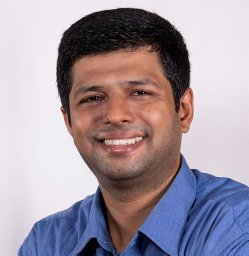 Shyam Diwakar合作论文数Amrita Vishwa Vidyapeetham, Amrita University25
 Krishnashree Achuthan合作论文数Amrita Vishwa Vidyapeetham20
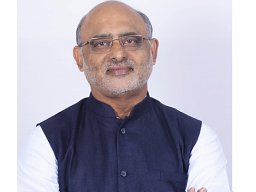 Bipin G Nair合作论文数Amrita Vishwa Vidyapeetham, Amrita University19
 Nijin Nizar合作论文数17
 Rakhi Radhamani合作论文数17
 Hemalatha Sasidharakurup合作论文数8B B Putti合作论文数2Haripriya Santhakumar合作论文数2
 Ajith Soman合作论文数Dept Obstet & Gynecol, Govt Med Coll2
 Sandeep Bodda合作论文数Amrita Vishwa Vidyapeetham, Amrita Mind Brain Ctr2
 Asha Vijayan合作论文数Amrita School of Biotechnology, Amrita University),2Hareesh Singanamala合作论文数2Nedungadi, P.合作论文数1Sanjay Eapen Samuel合作论文数1Kalpana Mehta合作论文数1Leena Verma合作论文数1Ajay Thakur合作论文数1Gopalakrishnan Mundyat合作论文数1Akhil Santosh合作论文数1Shobhana Pillai合作论文数1Abhijith Anil Sekhar合作论文数1Midhun Krishna Vannathi Kuniyil合作论文数1Sreehari Sudheer Jitha合作论文数1Dharmendra Singh Fathepuriya合作论文数1Harsha Biliangady合作论文数1
 Sunil Sharma合作论文数1
 Sreejith Bindhu合作论文数1
 Aadityan Sridharan合作论文数Department of Physics, Amrita Vishwa Vidyapeetham1Sukumar Shanmugam合作论文数1
 Chaitanya Nutakki合作论文数1
 Joshua Freeman合作论文数Amrita Center for Wireless Networks & Applic.;c;Amrita Center for Wireless Networks & Applic.1Parangan, M.合作论文数1
 Nagarajan Akshay合作论文数AMMACHI Labs., Amrita Vishwa Vidyapeetham;c;AMMACHI Labs., Amrita Vishwa Vidyapeetham1
 Manjusha Nair合作论文数Amrita Sch. of Eng., Amrita Vishwa Vidyapeetham (Amrita Univ.),;c;Amrita Sch. of Eng., Amrita Vishwa Vidyapeetham (Amrita Univ.),1Mathias Lawrence合作论文数1Sharath Sasidharan合作论文数1
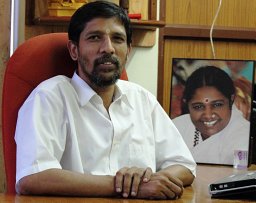 Raghu Raman合作论文数amrita vishwa vidyapeetham1
 Manjula Shantaram合作论文数1
 Sanjeeva Srivastava合作论文数Department of Agricultural, Food and Nutritional Science, University of Alberta1Arvind Makker合作论文数1Robina Makker合作论文数1




