The present study was designed to detect possible biomarkers associated with diabetic foot ulcer (DFU) incidence in an effort to develop novel treatments for this condition. The GSE7014 and GSE29221 gene expression datasets were downloaded from the Gene Expression Omnibus (GEO) database, after which differentially expressed genes (DEGs) were identified between DFU and healthy samples. These DEGs were then arranged into a protein-protein interaction (PPI) network, and Kyoto Encyclopedia of Genes and Genomes (KEGG) pathway and Gene Ontology (GO) term enrichment analyses were performed to explore the functional roles of these genes. In total, 1192 DEGs were identified in the GSE7014 dataset (900 upregulated, 292 downregulated), while 1177 were identified in the GSE29221 dataset (257 upregulated, 919 downregulated). GO analyses revealed these DEGs to be significantly enriched in biological processes including sarcomere organization, muscle filament sliding, and the regulation of cardiac conduction, molecular functions including structural constituent of muscle, protein binding, and calcium ion binding, and cellular components including Z disc, myosin filament, and M band. These DEGs were also enriched in the adrenergic signaling in cardiomyoctes, dilated cardiomyopathy, and tight junction KEGG pathways. Together, the findings of these bioinformatics analyses thus identified key hub genes associated with DFU development.
SIPA1, a GTPase activating protein that negatively regulates Ras-related protein (Rap), is a potential modulator of tumor metastasis and recurrence. In this study, we first showed that SIPA1 facilitated the stemness features of breast cancer cells, such as of tumorsphere formation capability and the expression of stemness marker CD44. In addition, SIPA1 promoted the expression of four stemness-associated transcription factors through increasing the expression of SMAD2 and SMAD3 in vitro and in vivo. The stemness features were abolished by blocking the phosphorylation of SMAD3 with its specific inhibitor SIS3. Furthermore, SIPA1 decreased the breast cancer cell sensitivity to chemotherapy drugs. This effect was, however, competitively reversed by blocking the SMAD3 phosphorylation by SIS3 treatment in breast cancer cells. Taken together, SIPA1 promotes and sustains the stemness of breast cancer cells and their resistance to chemotherapy by increasing the expression of SMAD2 and SMAD3, and blocking SMAD3 phosphorylation could suppress the cancer cell stemness and increase the sensitivity to chemotherapy in breast cancer cells expressing a high level of SIPA1.
 Sha Qi合作论文数1Long Qian (钱隆)合作论文数1Yan Chen合作论文数1Yiping Gong合作论文数1Qiong Han合作论文数1Jing Xia合作论文数1Xue Zhang合作论文数Zhongnan Hospital, Wuhan University1Nagahiro Minato合作论文数1JuePing Feng (冯觉平)合作论文数1
 Jun Weng (翁俊)合作论文数College of Life Science and Technology, Huazhong University of Science and Technology1
 Ming Zhang合作论文数Jilin University, Jilin University1
 Li Su (苏莉)合作论文数School of Life Science and Technology, Huazhong University of Science and Technology1Xin Zhao (赵欣)合作论文数1
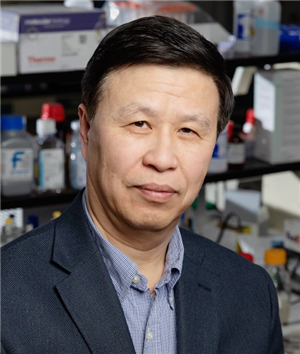 Ning Wang合作论文数Department of Bioengineering, Grainger College of Engineering, University of Illinois Urbana-Champaign;Department of Mechanical Science and Engineering, Grainger College of Engineering, University of Illinois Urbana-Champaign1
 Danmou Xing (邢丹谋)合作论文数Hospital of Universal Love;Tongji Medical College, Huazhong University of Science & Technology1
 Qiongrong Chen (陈琼荣)合作论文数Union Jiangbei Hospital1




