The reaction of 8-hydroxyquinoline and (2R,7R,11S,16S)-1,8,10,17-tetraazapentacyclo [8.8.1.1.8,170.2,70.11,16]icosane under Mannich-type conditions afforded a new quinoline-functionalized diazabicyclic derivative in 27% yield. The structure of the product was established by FT-IR, 1H and 13C NMR, HSQC, HMBC, and ESI-MS analyses, which confirmed the connectivity between the two quinoline units and the perhydrobenzimidazole heterocyclic fragment. The conformational strain of the perhydroimidazolidine fragment prevents the rearrangement pathway previously reported for related systems, such as cyclic aminal 1,3,6,8-tetraazatricyclo [4.4.1.13,8]dodecane (TATD), leading to a different reaction outcome. The results demonstrate that the conformationally constrained aminal exhibits reactivity distinct from that reported for TATD-derived systems, providing new insight into the behavior of cyclic aminals in Mannich-type reactions.
Using the density functional theory (DFT), we analyzed the electronic properties of 42 Schiff bases, revealing key descriptors such as HOMO, LUMO and electronegativity, which correlate with their reactive behavior and adsorption. Principal component analysis (PCA) and hierarchical cluster analysis (HCA) identified five clusters linked to different corrosion inhibition potentials. The most promising compounds exhibited high electron donation capabilities, increasing their potential adsorption on metallic surfaces of carbon steel. Compounds with electron removal groups (EWGs), such as 4-NO2Ph, showed reduced antioxidant activity by the effect of the nitro group on electron density, whereas bulky substituents such as 4-tBuOPh displayed a moderate antioxidant activity, this indicates that groups (EWgs) with antioxidant activity are related to the % of corrosion inhibition. Although they are different processes it is evident that the presence of such substituents, which are abundant in the literature, can be utilized as organic inhibitors. Subsequently, promising compounds, based on the theoretical and statistical study were evaluated in corrosion inhibition processes on carbon steel surfaces in an acid medium (HCl 1.0 M), by potentiodynamic polarization and electrochemical impedance spectroscopy (EIS). Compounds containing EWGs, particularly halogens, exhibited high inhibition efficiency. Compound (E)-1-(4-chlorophenyl)N-phenylmethanimine demonstrated excellent performance, with high charge transfer resistance and inhibition efficiency (95.54 %), suggesting effective protection against corrosion. In contrast, compound (E)-1-(4-nitrophenyl)-N-phenylmethanimine showed limited inhibition with low impedance and unstable protective films. Surface morphology analysis by scanning electron microscopy (SEM) revealed that coatings with compound (E)1-(4-chlorophenyl)-N-phenylmethanimine had more uniform textures and better corrosion resistance, while compound (E)-1-compound(4-(tert-butoxy)phenyl)-N-phenylmethanimine exhibited moderate inhibition but more uniform surface characteristics. The evaluated molecules do not have prior information in this type of test. The results obtained also highlight the importance of electronic properties and surface microstructure in the effectiveness of Schiff base compounds as corrosion inhibitors, highlighting their potential for the development of multifunctional protective coatings.
Imidazolidin-2-thiones are versatile sulfur-containing heterocycles with broad biological relevance. The synthesis of (3aR,7aR)-1,3-bis(4-aminobenzyl)octahydro-2H-benzo[d]imidazole-2-thione (an imidazolidin-2-thione derivative) from trans-(R, R)-diaminocyclohexane is presented via a three-step sequence: formation of a Schiff base from 1,2-diamine and 4-nitrobenzaldehyde, followed by reduction with NaBH4; thiocarbonylation under microwave irradiation (MW) to generate the imidazolidin-2-thione core; and reduction of the nitro substituents to amines using an iron/CaCl2 system. The structure of the final compound was confirmed by detailed 1H and 13C NMR analyses, demonstrating the preservation of the bicyclic backbone and the successful conversion of the nitro functional group. The overall yield of the sequence was 28%, with the reduction of the nitro group identified as the rate-limiting step. This protocol represents a viable synthetic strategy for obtaining functionalized imidazolidin-2-thiones useful for the development of novel bioactive sulfur-containing heterocycles.
In the present work, we describe the synthesis of a new heterocyclic derivative, 2-(naphthalen-1-yl)-2,3,5,6-tetrahydro-1H-isoquinolino[8,1,2-hij]quinazoline 1, using the reaction between the aminal 1,3,6,8-tetraazatricyclo[4.4.1.13,8]dodecane 2 (TATD) and 1-naphthylamine 3 as the first scaffold of a four-step linear synthetic route. In the first step, a condensation catalyzed by acetic acid in 96% ethanol was carried out, leading to the formation of the intermediate 3-(naphthalen-1-yl)-1,2,3,4-tetrahydrobenzo[h]quinazoline 4. Subsequently, this intermediate was acylated with 2-chloroacetyl chloride in the presence of triethylamine and under an inert atmosphere, obtaining the compound 2-chloro-1-(3-(naphthalen-1-yl)-3,4-dihydrobenzo[h]quinazolin-1(2H)-yl)ethan-1-one 5. In the third step, an intramolecular Friedel-Crafts cyclization was carried out using aluminum trichloride as a catalyst, yielding 2-(naphthalen-1-yl)-1,2,3,6-tetrahydro-5H-isoquinolino[8,1,2-hij]quinazolin-5-one 6. Finally, the reduction of this lactam with phosphorus pentachloride and sodium borohydride under anhydrous conditions led to the further closure of the polycyclic system, yielding the final product 1. The proposed route demonstrates the feasibility of using TATD 2 as a versatile precursor for constructing condensed heterocyclic systems of structural interest and potential relevance in advanced organic synthesis.
4,4′-substituted-2,2′-((hexahydro-1H-benzo[d]imidazole-1,3(2H)-diyl)bis(methylene))bisphenols (1a–d) and 2,6-bis{[3-(2-hydroxy-5-substitutedbenzyl)octahydro-1H-benzimidazol-1-yl]methyl}-4-substitutedphenols (2a–b) were synthesized via microwave (MW) irradiation of aminal (2R,7R,11S,16S)-1,8,10,17-tetraazapentacyclo[8.8.1.1.8,170.2,70.11,16]icosane 2 with p-substituted phenols. Microwave (MW) irradiation improved reaction rates and yields at 80 °C. Compounds 1a–d were racemic, and 2a–b were diastereomeric. NMR spectra revealed key signals for the perhydrobenzimidazole fragment, aromatic rings, and aminal carbons. Differences in the 13C NMR spectra highlighted structural variations, such as distinct carbonyl and methoxyl signals in 2d. MW irradiation at higher temperatures (100–120 °C) reduced yields of 1, especially for phenols with methyl (Me) and methoxy (OMe) groups, suggesting a shift toward the formation of compound 2. Additionally, higher temperatures led to polymerization byproducts, emphasizing the impact of MW energy on reaction pathways. These results provide valuable insights for designing molecules with potential applications in materials science and medicinal chemistry.
Thiadiazole derivatives, such as 1,2,3-thiadiazole, 1,2,5-thiadiazole, benzo[c][1,2,5]thiadiazole, and benzo[d][1,2,3]thiadiazole, have garnered significant attention due to their exceptional chemical and physical properties. These molecules, which contain sulfur and nitrogen atoms in their heterocyclic structure, have a variety of applications in agriculture, materials, and pharmaceuticals. In this review, we examine the most commonly used synthetic methods for these compounds, with a focus on the most recent techniques, including green synthesis, solid-phase chemistry, and catalytic processes, which enable greater efficiency, improved selectivity, and reduced environmental impact. Advances in the structural modification of these molecules to improve their photophysical properties and biocompatibility are also discussed. Finally, we highlight future research directions and emerging applications of thiadiazole derivatives across molecular medicine, nanotechnology, and agriculture, underscoring their potential to revolutionize multiple scientific and technological fields.
Pyrrole-type compounds are widely known for their potential biological activity. However, methods for synthesizing 2,3,4,5-tetrasubstituted pyrroles remain limited. This study explores an intramolecular cyclocondensation of 2-amino acid-derived enamines to yield novel 1-(5-substituted-4-hydroxy-2-methyl-1H-pyrrol-3-yl)ethan-1-ones. Using ʟ-alanine, ʟ-tyrosine, ʟ-phenylalanine, and ʟ-tryptophan, the corresponding 2-amino esters were synthesized, converted into enamines, and cyclized under microwave irradiation (55–86% yield). The highest yield was obtained from methyl ʟ-phenylalaninate (R1 = CH2Ph, R4 = Me). Steric hindrance from bulkier groups reduced yields, while the electronic nature of R1 influenced reactivity. Structural analysis (NMR, HR-ESI-MS) confirmed product identities, and a 5-exo-trig cyclization mechanism explained base-mediated deprotonation and steric effects. These findings highlight steric and electronic factors in this cyclocondensation, guiding reaction optimization for valuable heterocycles.
A pseudo-multicomponent one-pot protocol for the synthesis of 1,3-disubstituted imidazolidin-2-one is described, employing trans-(R,R)-diaminocyclohexane for the in situ formation of the Schiff base, followed by reduction to produce the respective diamine and cyclization with carbonyldiimidazole (CDI). This approach utilizes statistical analysis to optimize the reaction conditions, allowing a pseudo-multicomponent protocol to be proposed. The developed method demonstrates sustainability, efficiency, and potential applications in green chemistry, achieving yields ranging from 55% to 81%. This represents a significant advance in synthesizing heterocyclic compounds with biological and pharmacological applications.
In this work, the synthesis of Schiff bases derived from trans-(R,R)-diaminocyclohexane by microwave irradiation (MW) is presented. The reaction yields varied between 31% and 69%, being influenced by the electronic nature of the substituents (H, Cl, Br, NO2, MeO, t-BuO, BnO, and 4-(4-Me)PhO) and the reaction temperature. The spectrophotometric properties of the products were investigated by UV-Vis spectrophotometry, revealing bathochromic and hypsochromic effects attributable to the different substituent groups. These effects were interpreted by DFT calculations with the B3LYP functional using the 6-311G(d,p) basis set. The results suggest that the electronic properties of the substituents in the para position have a significant impact on the spectroscopic characteristics of the Schiff bases. The synthesized Schiff bases exhibit great potential for applications in areas such as optical sensors and functional materials, as the substituents can precisely modulate their spectrophotometric properties. This opens up new opportunities for designing compounds with tunable properties for various technological and scientific applications.
Zanthoxylum simulans Hance, commonly known as Sichuan pepper, is a well-known medicinal plant recognized for its potential as a source of bioactive specialized metabolites. As part of our interest in natural antifungal compounds, the present study describes the discovery of an unreported N-alcoxycarbonylbenzo[c]phenanthridinium salt, N-methoxycarbonyl-9,12-dimethoxy-norchelerythrine 1 (a type-III benzo[c]phenanthridine), isolated from Z. simulans seedlings, which were propagated under controlled greenhouse conditions. Six-month seedlings were harvested and subjected to cold acid–base extraction. Chromatographic techniques achieved the isolation of 1 from raw alkaloid extract. The structural elucidation of 1 was accomplished through comprehensive spectroscopic analysis, including nuclear magnetic resonance and high-resolution mass spectrometry. Fusarium oxysporum, a fungal pathogen responsible for substantial agricultural losses, was exposed to different concentrations of the novel compound, exhibiting potent antifungal efficacy (IC50 < 3 µM) and fungicide effects. These findings highlight the potential of benzophenanthridines as antifungal leads and underscore the importance of exploring natural products for agricultural applications.
The synthesis of indole phytoalexin-like analogs related to alkyl (((1-(4-substitutedphenyl)-3-oxo-3-phenylpropyl)thio)carbonothioyl)-ʟ-tryptophanate 1a–d and the evaluation of their antifungal activity against the phytopathogen Fusarium oxysporum is reported. The target compounds were synthesized in the following two stages: (1) the initial esterification of ʟ-tryptophan, which reacted with trimethyl silane chloride and simple aliphatic alcohols (R = Me, Et) under microwave irradiation (MWI) at 100 °C to obtain the respective alkyl ester 2a–b; (2) the resulting mixture of ʟ-tryptophanates 2a–b with carbon disulfide and (E)-chalcone 3a–b under MWI at 50 °C during 60 min, followed by purification through classical column chromatography (55–76% yields). The products were obtained as mixtures of (S,R) and (S,S) diastereoisomers. An LC-DAD-MS analysis allowed us to establish the ratio of these diastereoisomers, and subsequent DFT/B3LYP-based computational calculations of the NMR 1H chemical shifts suggested that the major diastereoisomer involved an (S,R) absolute configuration, comprising more than 60% of the mixture. The compounds 1a–d were subjected to an antifungal activity test against the phytopathogen F. oxysporum using an amended medium-based assay. Compound series 1 showed inhibition percentages of 80% at the first concentration and IC50 values between 0.33 and 5.71 mM, demonstrating greater potential as antifungal agents compared to other ʟ-tryptophan derivatives like alkyl (2S)-3-(1H-indol-3-yl)-2-{[(1Z)-3-oxobut-1-en-1-yl]amino}propanoate, which presented lower inhibition percentages. In summary, phytoalexin analogs derived from ʟ-tryptophan and (E)-chalcones significantly inhibited the mycelial growth of Fusarium oxysporum, indicating their potential as effective antifungal agents.
One of the main problems affecting the world is food scarcity which is occasioned by different causes, including difficult climatic conditions, economic and technical limitations, infrastructure and transportation, food safety and insecurity, and diseases caused by microorganisms (phytopathogens) such as Fusarium oxysporum whose damage triggers a series of irreversible effects on several crops, causing economic losses worldwide. Given the complexity that the chemical control of phytopathogens represents, various investigations have been refocused on exploring new biomimetic actions that lead to synthesizing new compounds with potential antifungal activity. In addition, computational chemistry and chemoinformatics tools (molecular docking and molecular dynamics) make it possible to understand and often predict these compounds' mechanisms of action, thereby formulating Quantitative Structure-Activity Relationship (QSAR) models. These strategies have established an important advance in designing new molecules capable of inhibiting pathogens from a rational development of antifungal compounds. This article reviewed the novel synthetic bioisosteres of secondary metabolites biologically active against Fusarium oxysporum, their synthetic protocols, and the strategies implemented for its control. The most innovative examples of this class of active organic compounds are presented, such as N,S-dialkyl dithiocarbamates, Schiff bases, N-alkyl substituted amides, and several heterocyclic systems with potential antifungal activity. Likewise, the use of computational tools is discussed, showing how these results can conduce to the design of new antifungal agents.
Corrosion is a natural electrochemical process that converts metals into their most stable form, oxides. Coating metals with paints is done most effectively if oxide scales are removed, which is done by exposing the metals to corrosive media such as HCl, H2SO4, HNO3, and NaCl. However, corrosive solutions also attack the metal surface, and adding an inhibitor to the acid environment becomes necessary. Inhibitors can be inorganic or organic and are evaluated through techniques such as Potentiodynamic Polarization (PDP) and Impedance Spectroscopy (EIS). This work evaluated coumarin-type organic molecules compounds as potential corrosion inhibitors through the DFT B3LYP calculations of quantum descriptors. The results were analyzed using Principal Components Analysis (PCA), it is established that the values of inhibitory efficiency of 1, and 33, showed that the corrosion of the metallic surface which can be seen in the inhibitory efficiency values 1 (57,14 %) and 33 (82,86 %), it is evident that 33 has the highest effect respect other coumarins being identified as phenol and naphthol derivatives. These compounds were synthesized employing sequential reactions from the respective phenol: Pechmann cyclization, nitration, and reduction reactions. Then, the compounds were evaluated as anti -corrosive agents for carbon steel in the presence of 1.0 M HCl. The cathodic and anodic current densities in the HCl solution containing coumarin 1 exhibit lower values than the 33 and the Blank solutions. The obtained data reveals that as the amount of coumarins 1 (3.2 mg), and 33 (2.8 mg) increases, the corrosion current density (icorr) decreases to values of 3.08 and 4.90 mA.cm-2, respectively. These results were validated through the electrochemical evaluation of the molecules obtained by Potentiodynamic Polarization (PDP), Impedance Spectroscopy. (EIS) and Scanning Electron Microscopy (SEM).
The multicomponent reaction between ʟ-tryptophan 1, 2-oxobutanoic acid 2, and 1-butanol in the presence of SiMe3Cl was studied using microwave irradiation conditions. The main product was identified as an unreported acetal-containing compound, namely, butyl (2,2-dibutoxybutanoyl)-ʟ-tryptophanate (3), yielding 89%. NMR experiments demonstrated that the adjacent methylene protons of the acetal group appeared as two signals exhibiting their behavior as diastereotopic protons. DFT/B3LYP calculations revealed an asymmetric molecular structure with specific angles, leading to an explanation of the NMR results. The calculated chemical shifts showed slight differences with the experimental values and suggested magnetic anisotropy and inductive deprotection around the methylene hydrogen atoms in the acetal location. The reaction mechanism was proposed in which SiMe3Cl plays a crucial role by promoting water removal through key steps.
Chitosan (CS) is a polymer made up of mainly deacetylated β-1,4 D-glucosamine units, which is part of a large group of D-glucosamine oligomers known as chitooligosaccharides, which can be obtained from chitin, most abundant natural polymer after cellulose and central component of the shrimp exoskeleton. It is known that it can be used for the development of materials, among which its use stands out in wastewater treatment (removal of metal ions, dyes, and as a membrane in purification processes), food industry (anti-cholesterol and fat, packaging material, preservative, and food additive), agriculture (seed and fertilizer coating, controlled release agrochemicals), pulp and paper industry (surface treatment, adhesive paper), cosmetics (body creams, lotions, etc.), in the engineering of tissues, wound healing, as excipients for drug administration, gels, membranes, nanofibers, beads, microparticles, nanoparticles, scaffolds, sponges, and diverse biological ones, specifically antibacterial and antifungal activities. This article reviews the main contributions published in the last ten years regarding the use and application of CS in medical chemistry. The applications exposed here involve regenerative medicine in the design of bioprocesses and tissue engineering, Pharmaceutical sciences to obtain biomaterials, polymers, biomedicine, and the use of nanomaterials and nanotechnology, toxicology, and Clinical Pharmaceuticals, emphasizing the perspectives and the direction that can take research in this area.
 Augusto Rivera合作论文数22
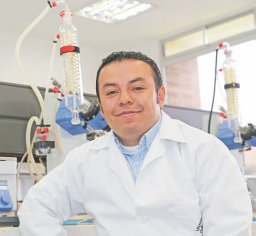 Coy-Barrera Ericsson合作论文数Laboratorio de Química Bioorgánica, Universidad Militar Nueva Granada22Jaime Ríos-Motta合作论文数20
 Karla Fejfarová合作论文数Imper CZ18
 Michal Dušek合作论文数Department of Structure Analysis, Division of Solid State Physics, Institute of Physics, Czech Academy of Sciences15
 Lili Dahiana Becerra合作论文数Bioorgan Chem Lab, Univ Militar Nueva Granada10Paola Borrego-Muñoz合作论文数Bioorgan Chem Lab, Univ Mil Nueva Granada9Jaime R&#;os-Motta合作论文数5Michal Du&#;ek合作论文数4Diego Cárdenas-Laverde合作论文数3
 Felipe Ospina合作论文数Fac Chem, Bielefeld Univ3
 Vaclav Eigner合作论文数2leonardo jimenezcruz合作论文数2Willy Cely-Veloza合作论文数2Kučeráková Monika合作论文数2J. Ríos-Motta合作论文数1
 Maria Andrea Angarita Rodriguez合作论文数1
 Coy Barrera Carlos Andres合作论文数Laboratorio de Investigación en Productos Naturales Vegetales, Universidad Nacional de Colombia1
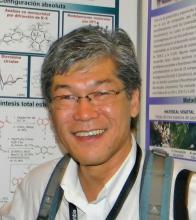 Massuo Jorge Kato合作论文数Departamento de Química Fundamental, Universidade de Sao Paulo;Instituto de Química, Universidade de Sao Paulo1
 Juan Bautista Carda合作论文数1
 Daniel Rodríguez合作论文数1
 Lydia Fumiko Yamaguchi合作论文数Departamento de Bioquı&#x;Instituto de Quı́mica, Universidade de São Paulo;Instituto de Quı́mica, Universidade de São Paulo1Gabriel Peris合作论文数1




