Modern smartphones are not only used for communication via phone calls but also for a variety of other purposes such as emailing or storing personal data. To enable these services, most smartphones possess a large memory capacity to save files and application data. As smartphones are not only used for legal purposes but also for criminal actions, this data can contain valuable evidence for forensic investigators. In order to be able to analyze this data, it is very important to understand the way smartphones store and delete data. Therefore, it is necessary to understand the file system that is used to handle the smartphone’s internal flash memory. The major focus within this diploma thesis is the analysis of the flash file system YAFFS2 which is used by the popular Android smartphones. To that purpose, YAFFS2 is theoretically and practically analyzed in a forensic perspective in order to determine possibilities to recover modified or deleted files from a smartphone’s flash memory. Additionally, YAFFS2 is compared to the common file system NTFS within this diploma thesis. This diploma thesis also includes a chapter discussing ways to safely delete files from a YAFFS2 flash memory.
Abstract In order to efficiently reverse engineer code tools are necessary which perform signifi- cantly more than simple disassembly. Such tools should aid the reverse engineer in the areas in which manual work is known,to be tedious and error-prone. The engineer on his part aids the tool in the areas where automatic disassembly fails due to code obfuscation. This way the reverse engineer can concentrate on the actual work and can delegate the tedious parts to the utility at hand. To show how such an utility could look like and of
 Jan Drewes合作论文数Center for Mind/Brain Sciences (CIMeC),, Trento University2
 Matthias Sitte合作论文数2
 Denis Steinemann合作论文数1
 Christian Kahl合作论文数Quantitative Analytics Group, ABN AMRO1
 Cristoforo Simonetto合作论文数1
 Mark Pauly合作论文数School of Computer and Communication Sciences, École polytechnique fédérale de Lausanne;Rayform SA1
 Thomas Schaaf合作论文数Solventum1C. Bayer合作论文数1Michael Ratz合作论文数Department of Gene Technology, School of Engineering Sciences in Chemistry, Biotechnology and Health, KTH Royal Institute of Technology1
 Gottfried Lechner合作论文数Telecommunications Research Center1Christian Engel合作论文数1
 Amir Madany Mamlouk合作论文数Institute for Neuro- and Bioinformatics, University of Lübeck1Michael Klaput合作论文数1Ludwig-Maximilians-Universitat Munich合作论文数1
 Bernhard Reitinger合作论文数Beamionic;Robotic Eyes1Fabian Kostadinov合作论文数1
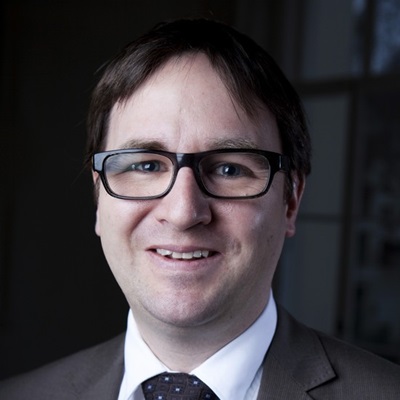 Christoph Salzmann合作论文数University College London1Sebastian Kusch合作论文数1Eberhard-Karls-Universitat Tubingen合作论文数1Stephan Hohne合作论文数1Dominik Lang合作论文数1Andreas Dewald合作论文数1Digital Techniques合作论文数1
 Valentin Dallmeier合作论文数UniversitA¤t des Saarlandes, FR Informatik1Marie-Fleur Revel合作论文数1Diplom-Ingenieur合作论文数1Juliane Becker合作论文数1Dieter Imboden合作论文数1
 Christian Glasner合作论文数* The thesis is available for download in the following formats:1
 Dejan Pangercic合作论文数Apex.AI1Simone Brander合作论文数1
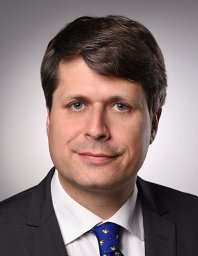 Johannes A. Russer合作论文数Department of Electrical and Computer Engineering, University of Illinois at Urbana-Champaign1
 Florian Kraft合作论文数1
 Christian Zimmermann合作论文数Robert Bosch GmbH1Charlotte Lager合作论文数1Using Pulse Shape Correction合作论文数1Co-Advisor合作论文数1Olaf Lenz合作论文数1Christian Paleani合作论文数1
 Stephan Didas合作论文数Faculty of Mathematics and Computer Science; Saarland University,1Michael Stilkerich合作论文数1Chair Ix合作论文数1Stylianos Pyrzas合作论文数Department of Physics;University of Warwick;Department of Physics, University of Warwick1Katja Baumbach合作论文数1Richard Keiser合作论文数Institute for Scientific Computing1Katrin Pappert合作论文数1
 Lucile Sassatelli合作论文数RLE, Massachusetts Institute of Technology1
 Swen Gaudl合作论文数1Daniel Brinkers合作论文数1




