Background and Aims Many terrestrial orchids have an obligate dependence on their mycorrhizal associations for nutrient acquisition, particularly during germination and early seedling growth. Though important in plant growth and development, phosphorus (P) nutrition studies in mixotrophic orchids have been limited to only a few orchid species and their fungal symbionts. For the first time, we demonstrate the role of a range of fungi in the acquisition and transport of inorganic P to four phylogenetically distinct green-leaved terrestrial orchid species (Diuris magnifica, Disa bracteata, Pterostylis sanguinea and Microtis media subsp. media) that naturally grow in P-impoverished soils. Methods Mycorrhizal P uptake and transfer to orchids was determined and visualized using agar microcosms with a diffusion barrier between P source (P-33 orthophosphate) and orchid seedlings, allowing extramatrical hyphae to reach the source. Key Results Extramatrical hyphae of the studied orchid species were effective in capturing and transporting inorganic P into the plant. Following 7 d of exposure, between 0.5 % (D. bracteata) and 47 % (D. magnifica) of the P supplied was transported to the plants (at rates between 0.001 and 0.097 fmol h(-1)). This experimental approach was capable of distinguishing species based on their P-foraging efficiency, and highlighted the role that fungi play in P nutrition during early seedling development. Conclusions Our study shows that orchids occurring naturally on P-impoverished soils can obtain significant amounts of inorganic P from their mycorrhizal partners, and significantly more uptake of P supplied than previously shown in other green-leaved orchids. These results provide support for differences in mycorrhiza-mediated P acquisition between orchid species and fungal symbionts in green-leaved orchids at the seedling stage. The plant-fungus combinations of this study also provide evidence for plant-mediated niche differentiation occurring, with ecological implications in P-limited systems.
In contrast to the situation in plants inhabiting most of the world's ecosystems, mycorrhizal fungi are usually absent from roots of the only two native vascular plant species of maritime Antarctica, Deschampsia antarctica and Colobanthus quitensis. Instead, a range of ascomycete fungi, termed dark septate endophytes (DSEs), frequently colonise the roots of these plant species. We demonstrate that colonisation of Antarctic vascular plants by DSEs facilitates not only the acquisition of organic nitrogen as early protein breakdown products, but also as non-proteinaceous d-amino acids and their short peptides, accumulated in slowly-decomposing organic matter, such as moss peat. Our findings suggest that, in a warming maritime Antarctic, this symbiosis has a key role in accelerating the replacement of formerly dominant moss communities by vascular plants, and in increasing the rate at which ancient carbon stores laid down as moss peat over centuries or millennia are returned to the atmosphere as CO2.
Arbuscular mycorrhizas are widespread in land plants including liverworts, some of the closest living relatives of the first plants to colonize land 500 million years ago (MYA). Previous investigations reported near-exclusive colonization of liverworts by the most recently evolved arbuscular mycorrhizal fungi, the Glomeraceae, indicating a recent acquisition from flowering plants at odds with the widely held notion that arbuscular mycorrhizal-like associations in liverworts represent the ancestral symbiotic condition in land plants. We performed an analysis of symbiotic fungi in 674 globally collected liverworts using molecular phylogenetics and electron microscopy. Here, we show every order of arbuscular mycorrhizal fungi colonizes early-diverging liverworts, with non-Glomeraceae being at least 10 times more common than in flowering plants. Arbuscular mycorrhizal fungi in liverworts and other ancient plant lineages (hornworts, lycopods, and ferns) were delimited into 58 taxa and 36 singletons, of which at least 43 are novel and specific to liverworts. The discovery that early plant lineages are colonized by early-diverging fungi supports the hypothesis that arbuscular mycorrhizas are an ancestral symbiosis for all land plants.
A previous study of 76 plant species on Spitsbergen in the High Arctic concluded that structures resembling arbuscular mycorrhizas were absent from roots. Here, we report a survey examining the roots of 13 grass and forb species collected from 12 sites on the island for arbuscular mycorrhizal (AM) colonisation. Of the 102 individuals collected, we recorded AM endophytes in the roots of 41 plants of 11 species (Alopecurus ovatus, Deschampsia alpina, Festuca rubra ssp. richardsonii, putative viviparous hybrids of Poa arctica and Poa pratensis, Poa arctica ssp. arctica, Trisetum spicatum, Coptidium spitsbergense, Ranunculus nivalis, Ranunculus pygmaeus, Ranunculus sulphureus and Taraxacum arcticum) sampled from 10 sites. Both coarse AM endophyte, with hyphae of 5–10 μm width, vesicles and occasional arbuscules, and fine endophyte, consisting of hyphae of 1–3 μm width and sparse arbuscules, were recorded in roots. Coarse AM hyphae, vesicles, arbuscules and fine endophyte hyphae occupied 1.0–30.7, 0.8–18.3, 0.7–11.9 and 0.7–12.8% of the root lengths of colonised plants, respectively. Principal component analysis indicated no associations between the abundances of AM structures in roots and edaphic factors. We conclude that the AM symbiosis is present in grass and forb roots on Spitsbergen.
The CEA contributions to the Broader Approach proje cts, IFERC, IFMIF [1] and JT-60SA [2] which included the deliveries of components and services ar now approaching completion. For IFERC, the supercomputer Helios, provided by CEA, will perform in the end 2016 its last runs after 5 years of operation with a very high availability and utiliza tion rate. For IFMIF, the CEA contributions includ e the deliveries and the commissioning of the prototy pe injector, of the beam diagnostics and beam control system which are now ready at Rokkasho and the prototype of the high energy SRF LINAC for which the manufacturing and delivery of most co mp nents will be completed end 2016. For JT60SA, the first TF coils have been produced, tested at the cold test facility at CEA Saclay and delivered to Naka. The JT-60SA cryogenic system is now commissioned at Naka. The five superconducting magnet power supplies, in charge of CEA, have performed successfully the factory acceptance tests. They were delivered at Naka mid-2 016 and their installation was completed midSeptember 2016. The first units of the mechanical s tructures of the JT-60SA magnetic field system, Outer Intercoil Structures and Gravity Supports wer e also delivered. This report synthetizes the achieved performances for all of these manufactured components and starts to draw the manufacturing and operation feedbacks gained by CEA in associatio n w th its industrial sub-contractors.
Arginine is an important amino acid but has been barely studied in plants. The little research that has been done indicates that the pathways of synthesis are similar to those found in animals and procaryotes. However little is known about the cellular and tissue localization of the amino acid in plants. The research reported in this paper was designed to examine whether MALDI-MSI was sufficiently sensitive to examine the distribution of this amino acid in plant material, and whether the synthetic pathways were co-located. In wheat and orchid roots, the amount of arginine in tissues varies greatly and the pathways for its synthesis were not always detected with the amino acid.
The majority of plants require symbiotic interactions with other organisms to complete at least a portion of their life cycles. However, the reliance of plants on these interactions varies, and the net benefit to plant individuals is dependent on the environmental context in which they occur (Thompson, 2005). One particularly interesting group of obligate symbiotic plants are mycoheterotrophs. Rather than deriving carbon from photosynthesis, mycoheterotrophic plants meet all or a portion of their carbon demands via symbiotic interactions with fungi that are often simultaneously engaged in mutualisms with surrounding autotrophic trees (Merckx, 2013). Via these tripartite networks, autotrophic trees are the ultimate carbon source for many mycoheterotrophic species. Mycoheterotrophic plants can be either fully mycoheterotrophic – where they have lost the ability to photosynthesize and are completely dependent on fungi to meet their carbon demands, or partially mycoheterotrophic – a kind of mixotrophy where some autotrophy is retained (Merckx et al., 2009). Similar to many host–parasite interactions, a hallmark of many fully mycoheterotrophic plants is extreme specificity to species (Bidartondo & Bruns, 2005), or even genotypes of fungal hosts (Barrett et al., 2010). Although some exceptions exist (Hynson & Bruns, 2009; Roy et al., 2009), the reason(s) for this frequent extreme specificity are not fully understood. However, two non-exclusive explanations prevail: (1) as exploiters of the mycorrhizal mutualism, mycoheterotrophs fine-tune their physiology to maximize their interactions with specific fungal hosts, thus preventing broad host switching (Hynson & Bruns, 2010); (2) neighborhood interactions such as partner filtering, prevent mycoheterotrophs from exploiting certain fungi (Egger & Hibbett, 2004). Because they retain some autotrophy (and thus the ability to reciprocate on the mycorrhizal mutualism), under each of these scenarios partial mycoheterotrophs would not be expected to form specific mycorrhizal associations unless the fitness benefits of fungal exploitation outweigh those of cooperation. Accordingly, among partial mycoheterotrophs studied thus far evidence of fungal partner specificity is somewhat limited; Pyrola japonica Klenze ex Alef. (Ericaceae) and Limodorum abortivum (L.) Sw. (Orchidaceae) associate with a range of ectomycorrhizal taxa, but predominantly partner with Russula Pers. spp., and Corallorhiza trifida Châtel (Orchidaceae) partners solely with ectomycorrhizal Tomentella Pers. ex Pat. spp., but appears to gain little carbon from photosynthesis (Girlanda et al., 2006; Zimmer et al., 2008; Cameron et al., 2009; Matsuda et al., 2012). Furthermore, the majority of studies on partial mycoheterotrophs examine the degree of partial mycoheterotrophy and fungal partner specificity within single or among a few plant populations (Bidartondo et al., 2004; Julou et al., 2005; Abadie et al., 2006; Tedersoo et al., 2007; Matsuda et al., 2012; Johansson et al., 2015). While these efforts provide good baseline data, a more complete test of mycorrhizal specificity among partial mycoheterotrophs would include wider geographic samplings of these species and their fungal symbionts. Assuming coevolution, across a species range its symbiotic partnerships will be shaped by geographic selection mosaics that depend upon population-specific biotic and abiotic conditions (sensu Thompson, 2005). Here we set out to examine the fungal partnerships of a putative partial mycoheterotroph, Moneses uniflora (L.) A. Gray (Ericaceae), across a large portion of its natural range. Analyzing the naturally abundant carbon and nitrogen stable isotope ratios of understory plants has been a useful technique to infer partial mycoheterotrophy in nature (Gebauer & Meyer, 2003; Julou et al., 2005; Hynson et al., 2013). The carbon stable isotope composition of partial mycoheterotrophs tends to be enriched in the heavy isotope of carbon (13C) compared to surrounding autotrophic species, but depleted in 13C relative to full mycoheterotrophs (Hynson et al., 2013). Within an ecological foodweb as substrates are processed and consumed there is a corresponding isotopic enrichment that can be detected in the consumer (Fry, 2006). Therefore, the enrichment in 13C found in mycoheterotrophs is owed to all or a portion of their carbon demands being met through the uptake of compounds that have been previously processed by fungi, rather than direct uptake of atmospheric CO2 through photosynthesis (Gebauer & Meyer, 2003; Hynson et al., 2013). Many partially and fully mycoheterotrophic taxa are also enriched in the heavy isotope of nitrogen (15N) relative to surrounding autotrophic species, and some leafy green ericaceous understory species are enriched only in 15N without any detectable differences in their 13C composition from surrounding autotrophs (Hynson et al., 2013). This latter group has been referred to as ‘cryptic mycoheterotrophs’ where their 15N enrichment may be indicative of the uptake of fungal-assimilated organic compounds that would inherently include carbon. However, whether this carbon is used by plants for their own growth is unclear (Hynson et al., 2013). Therefore, green plants that associate with ectomycorrhizal fungi and are enriched in both 13C and 15N relative to surrounding autotrophs are the clearest examples of partial mycoheterotrophy. In addition to examining fungal partner specificity, we determine the dependency of M. uniflora populations on fungal nutrition through the use of carbon and nitrogen stable isotope analyses. Over a 2-d period in July 2011 we sampled seven sites containing M. uniflora from the northwest corner of the contiguous United States on the Olympic Peninsula in Washington State (Supporting Information Table S1). The temperate rainforest vegetation of these sites is dominated by dense Tsuga heterophylla (Raf.) Sarg. and Picea sitchensis (Bong.) Carrière canopies. All sampling sites were old growth forests (> 100 yr old) with dark shaded understories located in one of the wettest regions on Earth with 343 cm of average precipitation annually. We selected our sampling sites of M. uniflora based on the following criteria: at least one cluster of M. uniflora was growing within 0.5 m of at least two other understory species, with at least two individuals per species. Due to the rhizomatous nature of M. uniflora, determining individuals in the field is challenging. To avoid sampling the same individual twice, we separated our sampling sites by at least 10 m. At each site we excavated one cluster of M. uniflora and separated the leaves from the roots for the isotopic analyses. A subset of our root samples were used for molecular identification of their mycorrhizal fungi. At some sites, additional M. uniflora roots were harvested along with neighboring spruce seedlings, which were analyzed to determine the identities of their mycorrhizal fungi as described later. As site specific references for the stable isotope composition of fully autotrophic and fully mycoheterotrophic plants, tissues of each group (when available for the latter) were also collected (Table S1). The green orchid Neottia cordata (L.) Rich. was also sampled from three of the seven sites (Table S1). To control for microsite variability that may influence the stable isotope composition of plant tissues, autotrophic and mycoheterotrophic leaf samples were taken from within a 0.5 m radius of their corresponding M. uniflora cluster and from similar heights as the leaves of M. uniflora. In July 2010, roots of five M. uniflora individuals from two additional populations were sampled in northeastern Scotland and we followed up the root sampling efforts with leaf samples for stable isotope analyses from the same sites in August 2013. One site is in Balblair Wood near Golspie in East Sutherland and another in the nearby woods around the Bonar Bridge, Ardgay Golf Club (Table S1). The plants from Scotland receive 98.5 cm average annual precipitation in open, 100-yr-old Scots pine forests (Pinus sylvestris L.) mixed with silver birch (Betula pendula Roth), beech (Fagus sylvatica L.) and larch (Larix decidua Mill.). Leaf samples were collected and processed in a similar manner to those from the Olympic Peninsula except that three M. uniflora rosettes were sampled in each forest, along with three replicates of three species of understory autotrophic reference plants collected from a slightly larger area than those on the Olympic Peninsula (1 m radius from M. uniflora, Table S1). In July 2010 and 2011 roots from 15 individuals of M. uniflora were sampled near the Gideåbergs bog south of Ramsele in northern Sweden and in August 2013 this site was re-sampled for stable isotope analyses of leaves. The forest is dominated by spruce (Picea abies (L.) H.Karst.) with a diversity of mosses and herbs in the understory. This area has an average of 49.87 cm of precipitation a year. At our sampling site, leaves of eight individuals of M. uniflora were collected as outlined earlier. Leaves from replicates of neighboring autotrophic species and flowering stalks of the fully mycoheterotrophic orchid Epipogium aphyllum Sw. were also collected as references (Table S1). Molecular identification of mycorrhizal fungi from M. uniflora roots collected at all sites, and P. stichensis seedlings from the Olympic Peninsula were carried out as in Bidartondo & Duckett (2010). All sequences were compared to GenBank sequences and unique representatives were accessioned in the same database. Sequences with ≥ 99% similarity to known fungal species were given the same name, those with < 99% similarity were given generic or familial names accordingly (Nilsson et al., 2008, accession numbers KP896155–KP896159, Table 1). Stable isotope analyses were done following the methods of Hynson et al. (2009). Because leaf stable isotope compositions are influenced by local environmental conditions, to make comparisons of these values across our study sites we used a data normalizing calculation known as an isotope enrichment factor (ε) approach (Preiss & Gebauer, 2008). Details on the calculation of enrichment factors and our statistical analyses can be found in Methods S1. We generated DNA sequence data from 27 M. uniflora plants, and independent of locality, all M. uniflora roots analyzed were associated with fungi in the family Atheliaceae (Table 1). On the Olympic Peninsula, independent of site, all M. uniflora roots were associated with the ectomycorrhizal species Tylospora fibrillosa (Burt) Donk, or another Atheliaceae species likely in the genus Tylospora (Table 1). These species were also detected on the ectomycorrhizal roots of neighboring P. sitchensis seedlings, confirming the potential for a common mycelial network between M. uniflora and surrounding autotrophs. All M. uniflora roots from the two Scottish sites and the single Swedish site were associated with another ectomycorrhizal athelioid species – Amphinema byssoides (Pers.) J. Erikss. or an unknown species of Atheliaceae likely in the genus Amphinema (Table 1). Except for plants from Sweden, M. uniflora ε13C values were significantly different from surrounding autotrophs (P = 0.003 for Scotland, and P = 0.004 for the Olympic Peninsula, Fig. 1). These differences however, were owed to a significant depletion in 13C relative to autotrophs found in Scottish M. uniflora plants and a significant enrichment in 13C for Olympic Peninsula plants. All M. uniflora plants were significantly enriched in 15N relative to their localities’ autotrophic species (P = 0.001 for Sweden, and P < 0.001 for Scotland and the Olympic Peninsula, Fig. 1). In Sweden, the fully mycoheterotrophic orchid E. aphyllum was significantly enriched in both 13C and 15N relative to M. uniflora and autotrophic species (P < 0.001, Fig. 1). On the Olympic Peninsula the fully mycoheterotrophic orchid Corallorhiza striata Lindl. was also significantly enriched in both 13C and 15N relative to M. uniflora, autotrophic species, and the green orchid N. cordata (P < 0.001, Fig. 1). Neottia cordata was significantly enriched in 13C (P = 0.037), but not 15N compared to autotrophic species; while it was not significantly different from M. uniflora for 13C enrichment, it was significantly more depleted in 15N (P = 0.027, Fig. 1). The single sample of Hypopitys monotropa Crantz did not allow statistical comparisons to other species, although it is clearly enriched in both 13C and 15N compared to autotrophic species and M. uniflora (Fig. 1). Mean isotope enrichment factors for both 13C and 15N for all species and autotrophic reference plants from each locality are reported in Table S2. From sampling across a large portion of its geographic range, we found that M. uniflora is specialized on ectomycorrhizal Atheliaceae species. However, depending on locality, the fungal partners either belonged to the genus Tylospora (Olympic Peninsula) or Amphinema (Sweden and Scotland, Table 1). Furthermore, there was some variation in the species or genotypes of fungi associating with individual M. uniflora plants collected from relatively nearby populations on the Olympic Peninsula and in Sweden (Table 1). These results point to geographic selection mosaics for M. uniflora where fungal partner identity is dependent upon the local abiotic and biotic environments in which these interactions occur (Piculell et al., 2008). Tylospora fibrillosa is a common, and often-dominant ectomycorrhizal species associated with P. sitchensis plantations in Europe (Erland, 1995; Palfner et al., 2005). Conversely, A. byssoides is common and often dominant among conifer seedlings in nurseries, but rarely encountered in the wild (A. F. S. Taylor, pers. comm.). However, this genus is phylogenetically diverse (Larsson et al., 2004), thus more intensive sampling of conifer trees at our sites would be necessary to determine the overall abundance of the Amphinema spp. found associating with M. uniflora. We found that M. uniflora from the Olympic Peninsula behaves isotopically as a partial mycoheterotroph where it is significantly enriched in the heavy isotopes of carbon and nitrogen relative to surrounding autotrophic understory plants. This evidence was corroborated through finding the same ectomycorrhizal fungus colonizing both M. uniflora and P. sitchensis (Table 1). While M. uniflora plants from the Olympic Peninsula were only on average 1.33(SE 0.45)‰ enriched in 13C relative to autotrophs (Table S1), this enrichment is within the range of other Pyroleae species considered to be partially mycoheterotrophic (Tedersoo et al., 2007; Zimmer et al., 2007). Conversely, despite also associating with specific ectomycorrhizal fungi, M. uniflora populations from Sweden and Scotland show no indications of partial mycoheterotrophy based on their 13C enrichment (Fig. 1). This finding is similar to another recent study of M. uniflora in Sweden by Johansson et al. (2015). All M. uniflora plants were significantly enriched in 15N by a minimum average of 2.52(SE 0.29)‰ relative to surrounding autotrophic species, possibly indicating cryptic mycoheterotrophy in Swedish and Scottish populations. When interpreting our isotope data, factors other than reliance on fungal nutrition that can lead to 15N and 13C enrichment such as remobilization of stored carbon, changes in stomatal conductance and photosynthetic rate, should be considered, as discussed in detail in Hynson et al. (2012). However, because M. uniflora isotope enrichment factors from the Olympic Peninsula were significantly and consistently enriched in both 13C and 15N relative to six other understory species, one of which is from the same plant family (Vaccinium parvifolium Sm.), partial mycoheterotrophy at these sites is the most likely explanation. Differences in the carbon stable isotope compositions of M. uniflora from different localities could be related to differences in neighborhood interactions with different fungal communities. Relative to other ectomycorrhizal fungi, members of Atheliaceae may be more vulnerable to exploitation by M. uniflora, but based on individuals' local abundance and local interactions with autotrophic hosts, vary in their ability to support mycoheterotrophy. However, additional factors that could affect plant 13C abundance, such as environmental conditions, and differences in plant or fungal partners’ physiology at the intraspecific and interspecific levels, deserve further attention. Mycorrhizal specificity and variations in the carbon isotope enrichment of M. uniflora across a significant portion of its geographic range are now revealed. However, how this specificity and phenotypic plasticity relates to abiotic and biotic interactions within and among plant populations needs to be further explored. While most fully mycoheterotrophic taxa are highly specialized on particular fungal partners, fungal partner specificity is not a requisite for plants to become fully mycoheterotrophic (Hynson & Bruns, 2009; Roy et al., 2009). Therefore, the role of fungal partner specificity in the evolution of mycoheterotrophy deserves further attention. Geographic selection mosaics have now emerged as a useful framework for examining the biotic and abiotic factors that may select for mycorrhizal specificity in conjunction with partial mycoheterotrophy. However, the question remains: are partial mycoheterotrophs or cryptic mycoheterotrophs coevolving with their fungal partners? To explicitly test this would involve a biogeographic approach that identifies coevolutionary hot and cold spots, selection mosaics and trait mixing (Gomulkiewicz et al., 2007). The first two can only be measured if the fitness of partnering genotypes can be accurately assessed (a persistent challenge for mycorrhizal fungi). Thus, tests of trait mixing (the production of locally mismatched phenotypes) may be relatively more approachable (Bidartondo & Bruns, 2005). In addition to biotic interactions with fungi, abiotic conditions such as light availability could select for the evolution of partial mycoheterotrophy. The understories of the temperate rainforests on the Olympic Peninsula are exceedingly light limited, and the plant species that occur there have evolved adaptations in order to do so (Kirk & Franklin, 1992). So, it seems intuitive that light limitation may exert a strong selective pressure for partial mycoheterotrophy in M. uniflora (but see Preiss et al. (2010), Hynson et al. (2012), and Matsuda et al. (2012) for diverging results on the effect of light availability on partial mycoheterotrophy). Until now, fungal partner specificity was not a trait clearly associated with other partial mycoheterotrophs or Pyroleae species in general. The current study adds to the growing body of knowledge on the evolution of mycoheterotrophy and fungal partner specificity, the path to which appears to have many origins. The authors would like to thank Steve Trudell and Anthony Amend for assistance with fieldwork on the Olympic Peninsula. The authors would also like to acknowledge the valuable feedback provided by Marc-André Selosse and anonymous reviewers. D.J.R. was funded by the Leverhulme Trust. Please note: Wiley Blackwell are not responsible for the content or functionality of any supporting information supplied by the authors. Any queries (other than missing material) should be directed to the New Phytologist Central Office. Table S1 Sampling site locations including latitude and longitude, species collected and replicates (n) from each site and group Table S2 Mean ε13C or ε15N isotope enrichment factors by group or species with replicates (n), and locality Methods S1 Enrichment factor calculation equation and statistical analyses. Please note: The publisher is not responsible for the content or functionality of any supporting information supplied by the authors. Any queries (other than missing content) should be directed to the corresponding author for the article.
Extraradical mycelia of mycorrhizal fungi are normally the ohidden halfo of the symbiosis, but they are powerful underground influences upon biogeochemical cycling, the composition of plant communities, and agroecosystem functioning. Mycorrhizal mycelial networks are the most dynamic and functionally diverse components of the symbiosis, and recent estimates suggest they are empowered by receiving as much as 10% or more of the net photosynthate of their host plants. They often constitute 20%-30% of total soil microbial biomass yet are undetected by standard measures of biomass used by soil scientists and agromomists. Mycorrhizal mycelia provide extensive pathways for carbon and nutrient fluxes through soil, often exceeding tens of metres per gram of soil. We consider the amounts of photosynthate opowero allocated to these mycelial networks and how this is used in fungal respiration, biomass, and growth and in influencing soil, plant, and ecosystem processes. The costs and functional obenefitso to plants linking to these networks are fungal specific and, because of variations in physiology and host specificity, are not shared equally; some plants even depend exclusively on these networks for carbon. We briefly assess the potential contribution of extraradical mycorrhizal mycelium to sustainable agriculture and maintenance of biodiversity and highlight technologies that promise new vistas and improved fine-scale resolution of the dynamic spatial and temporal functioning of these networks in soil.
This paper details the progress, achievement and st tus of the various CEA contributions to the Broader Approach projects: IFERC/CSC, IFMIF-EVE DA and STP/JT-60SA recorded since the 2012 IAEA conference. I) Introduction The Broader Approach, BA, Agreement to ITER was sig ned by Europe and Japan, in February 2007, for a first period of ten years. The Agreement comp rises 3 projects: IFERC, the International Fusion Energy Research Center, including the Computational Simulation Center, CSC; IFMIF-EVEDA, Engineering Design and Validation of a 14MeV neutro ns irradiation facility for material testing and STP, the ITER Satellite Tokamak Program with the JT -60SA project. CEA, in charge of the French commitments, as European Voluntary Contributor Desi gnated by the French government, is participating to these projects, respectively in va lue for 85%, 33% and 42% of the EU contribution. The purpose of the BA is to support ITER operation and to contribute to DEMO design and studies. This report synthesizes progress and status of CEA contributions to the BA projects. Beyond its BA commitments, CEA is also involved in the developmen t of the JT-60SA Research Plan and in the preparation of its Commissioning and Operation. II) Status of the CEA contribution to IFERC-CSC II-a) Helios status and upgrade The IFERC objectives are to promote DEMO Design R&D Activities, ITER Remote Experimentation, and to implement a Supercomputer Simulation Centre (CSC) for large scale simulation activities for fusion plasma experimental data analysis, ITER scen arios and performance simulations, and for DEMO Design. The IFERC centre, located at Rokkasho, Japan, is hosting the various IFERC facilities including the CSC. CEA provided the PetaFlops Class “Helios” supercomputer, the associated peripheral equipment and services for 5 years of op eration including maintenance. According to schedule, the Helios supercomputer, designed and as sembled by Bull Company, entered into operation in January 2012. Helios has a classical architectur with 4410 compute nodes federated by a fat-tree InfiniBand network. Each node contains 16 cores (2 Intel Sandy-Bridge processors with 8 cores each). The total computing power was 1.237 PFlop/s Linpack which yield a 12 place in the June 2012 Top 500 list. At the time, it was the largest supercomp uter dedicated to a single scientific community. Th e Helios architecture was optimised and upgraded by B ull in 2014 on the basis of the feedback of the first two years of operation and following the reco mmendations made by a dedicated working group of making available for the fusion community additiona l odes on Helios equipped with Intel Xeon Phi co-processors (fig.1); with the primary goal of pre paring codes to the most promising architecture of future supercomputers. This upgraded has consisted in a ding 5 racks equipped with 180 nodes fully integrated to the Helios configuration. Each node i ncludes two Intel Xeon Phi 6110p co-processors (60 cores running at 1 GHz), two Intel Xeon E5-2450 mic roprocessors (8 cores running at 2.1 GHz) and 48 GB of shared memory in addition to 8 GB of priva te memory per co-processor. In addition, programming environment tools for Intel Xeon Phi we re installed (including Intel tools supporting
The importance of mycorrhizas in heathland and boreal forest biomes, which together cover much of the landmass of the Northern Hemisphere and store most of the global stocks of carbon, is reviewed. The taxonomic affinities of the organisms forming these symbiotic partnerships are assessed, and the distinctive structural features of the ericoid mycorrhizas of heathland dwarf shrubs and the ectomycorrhizas of boreal forest trees are described. It is stressed that neither in terms of the geographical distribution of the plants nor in terms of the occurrence of their characteristic mycorrhizas in the soil profile should these biomes be considered to be mutually exclusive. What unites them is their apparent affinity for acidic organic soils of inherently low accessibility of the major nutrients nitrogen (N) and phosphorus (P). These properties relate directly to the nature of the nutrient-poor recalcitrant litter produced by their host plants and through positive-feedback mechanisms that are reinforced by selective removal of labile nutrients by the mycorrhizas. We suggest that coevolution of these plant litter traits with mycorrhizal associations that are adapted to them has been one of the defining features of these ecosystems. Ericoid and ectomycorrhizal fungi have biochemical and physiological attributes that make them highly efficient at scavenging for organic sources of N and P in surface soil horizons. In so doing, they restrict supplies of these elements to the decomposer communities. Case studies involving exploitation of N and P in defined organic substrates are described. In both biomes the dominant plants depend upon the abilities of their fungal partners to recover nutrients, so the symbioses control nutrient cycles, productivity, species composition, and functioning of these ecosystems. It is in this context that the fungal symbionts are here considered to be drivers of nutritional processes in their respective biomes. Through their influences upon the quality of carbon residues mycorrhizal fungi must also affect the sink-source balance for this key element in soil. There is an urgent need for the evaluation of the relative contributions of symbiotic and saprotrophic components of the microflora to the processes of carbon storage and cycling in these biomes, particularly in the context of global climate change and impacts of anthropogenic pollutant N deposition.
The colonization of land by plants relied on fundamental biological innovations, among which was symbiosis with fungi to enhance nutrient uptake. Here we present evidence that several species representing the earliest groups of land plants are symbiotic with fungi of the Mucoromy-cotina. This finding brings up the possibility that terrestrialization was facilitated by these fungi rather than, as conventionally proposed, by members of the Glomeromycota. Since the 1970s it has been assumed, largely from the observation that vascular plant fossils of the early Devonian (400 Ma) show arbuscule-like structures, that fungi of the Glomeromycota were the earliest to form mycorrhizas, and evolutionary trees have, until now, placed Glomeromycota as the oldest known lineage of endomycorrhizal fungi. Our observation that Endogone-like fungi are widely associated with the earliest branching land plants, and give way to glomeromycotan fungi in later lineages, raises the new hypothesis that members of the Mucoromycotina rather than the Glomeromycota enabled the establishment and growth of early land colonists.
A new prototyped version of the SiTR_130 chip has b een achieved end of 2008 to process the signal from 88 strips and was tested in 2009. The g oal of this work is to pursue developing this Front-End and Readout chip for the Silicon strips a t the ILC able to equip larger size Silicon prototype than those currently built for the EUDET project. The goal is to achieve the handling of at least 128 channels and improve furth er e digital treatment of the information with implementing full programmability, flexibility , fault-tolerance for use in a large scale beam test infrastructure. A new version is being de signed for 2010, able to treat 128 channels. This Memo is also a NIMA article published for the TIPP09 Proceedings. EUDET-MEMO-2009-21 2
There is a well-established link between hyperbilirubinaemia and hearing loss in paediatrics, but the cellular mechanisms have not been elucidated. Here we used the Gunn rat model of hyperbilirubinaemia to investigate bilirubin-induced hearing loss. In vivo auditory brainstem responses revealed that Gunn rats have severe auditory deficits within 18 h of exposure to high bilirubin levels. Using an in vitro preparation of the auditory brainstem from these rats, extracellular multi-electrode array recording from the medial nucleus of the trapezoid body (MNTB) showed longer latency and decreased amplitude of evoked field potentials following bilirubin exposure, suggestive of transmission failure at this synaptic relay. Whole-cell patch-clamp recordings confirmed that the electrophysiological properties of the postsynaptic MNTB neurons were unaffected by bilirubin, with no change in action potential waveforms or current-voltage relationships. However, stimulation of the trapezoid body was unable to elicit large calyceal EPSCs in MNTB neurons of hyperbilirubinaemic rats, indicative of damage at a presynaptic site. Multi-photon imaging of anterograde-labelled calyceal projections revealed axonal staining and presynaptic profiles around MNTB principal neuron somata. Following induction of hyperbilirubinaemia the giant synapses were largely destroyed. Electron microscopy confirmed loss of presynaptic calyceal terminals and supported the electrophysiological evidence for healthy postsynaptic neurons. MNTB neurons express high levels of neuronal nitric oxide synthase (nNOS). Nitric oxide has been implicated in mechanisms of bilirubin toxicity elsewhere in the brain, and antagonism of nNOS by 7-nitroindazole protected hearing during bilirubin exposure. We conclude that bilirubin-induced deafness is caused by degeneration of excitatory synaptic terminals in the auditory brainstem.
We review the distributions and functions of mycorrhizas and dark septate root endophytes in polar regions. Arbuscular mycorrhizas (AM) are present in the Arctic and Antarctic to 82 °N and 63 °S, respectively, with fine endophyte being the dominant form of AM in roots at higher latitudes. Ecto- (ECM) and ericoid (ERM) mycorrhizas both occur in the Arctic to 79 °N, owing to the presence of species of Salix, Dryas, Vaccinium and Cassiope to this latitude. ECM and ERM are not present in Antarctic ecosystems, owing to an absence of suitable hosts. Arbutoid and orchid mycorrhizas are infrequent in the Arctic, whilst the latter are present at one location in the sub-Antarctic. Data from studies of AM, ECM and ERM colonisation along a latitudinal transect through the Arctic indicate that the frequency of plant species not colonised by mycorrhizas increases at higher latitudes, largely owing to an increase in non-mycorrhizal and a decrease in obligately mycorrhizal plant families at more northerly locations. A separate group of root- and rhizoid-associated fungi, the dark septate root endophytes (DSE), are widespread to 82 °N and 77 °S, and are apparently more frequent than mycorrhizal fungi in polar regions. The functions of DSE are largely unclear, but studies suggest beneficial effects on plant growth under defined conditions. We advocate further research into the effects of DSE on their host plants in polar regions.
It was announced on Tuesday, March 9, that Albany State's Dick Crossett had made the E.C.A.C. All-East small college division basketball squad for the 1965 season. Crossett led the Peds to a 16-6 season and paced the team in its record-breaking skeing of 12 consecutive wins from,December to Mid February. ( a a . i a l la i ior tmai lr Crossett tallied 1103 d p I l I S UCpariRIBIII points in his college carI H M B A M Q*»mmA » 3 7 2 * P^ s e a s o n AII0HNC6S 56C0H0 in 20 games (18.6 per € • « • « • « ! D«nn i ia l S*)«» was second in WCaSUndl Ddlll|IICl the country among small The athletic department °&* i n k i n g perhas announced that its secoentages, with a 669 mark, . . . c . u „ In making the All-East squad, ond sports banquet oi tne CrosgBtt j 0 l n s the company of outy e a r Will b e h e l d t o m o r r o w standing hoopsters such as Steve e v e n i n g at 7 :00 in W a l d e n Nlsenson, Hofstra, Ed Mandell, AlALIrWtTUPIHTPRB» Tutsdoy, Morch 16, 1965
While measurements of tissue stable isotope signatures and isotope mixing models have suggested that the green orchid Corallorhiza trifida is photosynthetically active and hence only partially mycoheterotrophic, these assumptions have not been validated by direct analysis of carbon assimilation. The photosynthetic capabilities of three orchid species assumed on the basis of the indirect methods or chlorophyll content to have differing trophic strategies: Neottia nidus-avis (fully mycoheterotrophic), Cephalanthera damasonium (partially autotrophic), C. trifida (partially autotrophic), as well as saplings of an autotrophic tree, Fagus sylvatica, were investigated by combining the determination of chlorophyll content and fluorescence, with direct measurement of the potential for CO(2) assimilation using (13)C isotope tracers in the field. Chlorophyll content and fluorescence values were indicative of ineffective photochemical processes in Neottia and reduced efficiency of photochemical processes in Corallorhiza. These differences are reflected in the mean assimilation rates of (13)CO(2) of 594 +/- 129, 331 +/- 72, 12.4 +/- 2.4 and 7.3 +/- 0.9 microg g(-1) h(-1) for Fagus, Cephalanthera, Corallorhiza and Neottia, respectively. Our study, while confirming the fully mycoheterotrophic status of Neottia and the partially autotrophic condition in Cephalanthera, also demonstrates under field conditions that Corallorhiza is physiologically closer to the fully mycoheterotrophic condition than has previously been recognized.
 Jonathan R Leake合作论文数School of Biosciences, The University of Sheffield35
 Martin Bidartondo合作论文数Department of Life Sciences, Faculty of Natural Sciences, Imperial College London;Department of Ecosystem Stewardship, Royal Botanic Gardens, Kew8
 David Johnson合作论文数Department of Earth and Environmental Sciences, School of Natural Sciences, Faculty of Science and Engineering, The University of Manchester8
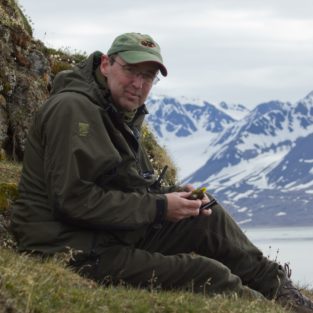 Kevin Newsham合作论文数British Antarctic Survey7
 Peter Högberg合作论文数Department of Forest Ecology and Management, Swedish University of Agricultural Sciences7
 J. Perez-Moreno合作论文数6
 Jeffrey Duckett合作论文数Plants Division, Department of Life Sciences, Natural History Museum6
 John A. Lee (John Lee)合作论文数Department of Animal and Plant Sciences, School of Biosciences, University of Sheffield6
 Philip Grime合作论文数School of Biosciences, University of Sheffield;The Buxton Climate Change Impacts Laboratory, University of Sheffield6
 Duncan Cameron合作论文数Department of Animal and Plant Sciences, The University of Sheffield;Institute for Sustainable Food, The University of Sheffield6J. A. DUDDRIDGE合作论文数6S. G. Garsed合作论文数5
 Sally Smith合作论文数School of Agriculture, Food and Wine, University of Adelaide5A.-S. D. Siamantziouras合作论文数4
 Andrew C Terry合作论文数4S. L. McKendrick合作论文数4G. D. Bending合作论文数4
 Joern Steinert合作论文数School of Life Sciences, Faculty of Medicine and Health Sciences, The University of Nottingham4
 John A. Finn合作论文数Environm Res Ctr, TEAGASC4Forsythe Ian D合作论文数4
 Michel Loreau合作论文数Theoretical and Experimental Ecology Station, National Centre for Scientific Research;Peking University;Institute for Advanced Study in Toulouse4
 Bernhard Schmid合作论文数Department of Geography, University of Zurich4R. Francis合作论文数4
 Roger D. Finlay (Roger Finlay)合作论文数Department of Forest Mycology and Plant Pathology, Division of Forest Microbiology, Swedish University of Agricultural Sciences4
 Jasmin Joshi合作论文数Institut für Umweltwissenschaften;Universität Zürich-Irchel;Geobotanisches Institut;Geobotanisches Institut, Universität Zürich-Irchel4
 Jesus Perez Moreno合作论文数Department of Soil Science Microbiology, Colegio de Postgraduados4
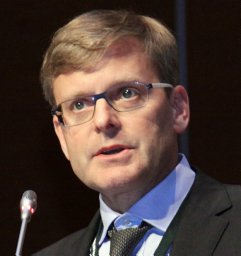 Paul W. Leadley合作论文数Lab Ecol Systemat & Evolut, Univ Paris 114D. P. Wright合作论文数4
 Andy Hector合作论文数Department of Plant Sciences, University of Oxford4
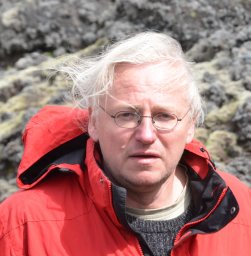 Carl Beierkuhnlein合作论文数Department of Biogeography, University of Bayreuth Biogeography4
 Christa Mulder合作论文数University of Alaska Fairbanks4J. D. Scholes合作论文数4Simon J. Kerley合作论文数4
 Panayiotis G Dimitrakopoulos合作论文数Biodiversity Conservation Laboratory, University of the Aegean4Rosalyn H Upson合作论文数4
 Ari Jumpponen合作论文数Division of Biology, College of Arts and Sciences, Kansas State University4
 Andreas Y. Troumbis合作论文数Biodiversity Conservation Laboratory, University of the Aegean4
 Eva M. Spehn合作论文数Inst . of Environmental Sciences;Univ . of Zurich;Inst . of Environmental Sciences, Univ . of Zurich4
 Maria C Caldeira合作论文数Dept. Eng. Florestal, Instituto Superior de Agronomia4DP STRIBLEY合作论文数4A. Malibari合作论文数3E. Bazeley-White合作论文数3S. J. Otway合作论文数3M DIEMER合作论文数3Sh Hillier合作论文数3Irene Johnson合作论文数3Cecilia Palmborg合作论文数3
 Gareth Phoenix合作论文数School of Biosciences, Faculty of Science, The University of Sheffield3
 Ian Woodward合作论文数Department of Animal and Plant Sciences, School of Biosciences, The University of Sheffield3




