Multimodal large language models have demonstrated comparable performance to that of radiology trainees on multiple-choice board-style exams. However, to develop clinically useful multimodal LLM tools, high-quality benchmarks curated by domain experts are essential. To curate released and holdout datasets of 100 chest radiographic studies each and propose an artificial intelligence (AI)-assisted expert labeling procedure to allow radiologists to label studies more efficiently. A total of 13,735 deidentified chest radiographs and their corresponding reports from the MIDRC were used. GPT-4o extracted abnormal findings from the reports, which were then mapped to 12 benchmark labels with a locally hosted LLM (Phi-4-Reasoning). From these studies, 1,000 were sampled on the basis of the AI-suggested benchmark labels for expert review; the sampling algorithm ensured that the selected studies were clinically relevant and captured a range of difficulty levels. Seventeen chest radiologists participated, and they marked "Agree all", "Agree mostly" or "Disagree" to indicate their assessment of the correctness of the LLM suggested labels. Each chest radiograph was evaluated by three experts. Of these, at least two radiologists selected "Agree All" for 381 radiographs. From this set, 200 were selected, prioritizing those with less common or multiple finding labels, and divided into 100 released radiographs and 100 reserved as the holdout dataset. The holdout dataset is used exclusively by RSNA to independently evaluate different models. A benchmark of 200 chest radiographic studies with 12 benchmark labels was created and made publicly available https://imaging.rsna.org, with each chest radiograph verified by three radiologists. In addition, an AI-assisted labeling procedure was developed to help radiologists label at scale, minimize unnecessary omissions, and support a semicollaborative environment.
Both fibrosis and hypertrophy contribute to abnormal myocardial mechanics in hypertrophic cardiomyopathy (HCM). We sought to assess the relationships between regional structural and functional parameters in HCM by cardiac magnetic resonance (CMR). This was a retrospective single-center study of HCM patients and age-matched controls with either hypertensive heart disease (HHD) or normal CMRs. CMR feature tracking was performed to assess global and segmental 2D-radial, circumferential, and longitudinal LV strain, while native and post-contrast T1 parametric mapping analysis was performed to assess the global and regional T1 values and ECV fraction. Of 100 patients (age 56 ± 15 years; 66% male), 62 were in the HCM group and 38 in the control group (19 healthy individuals and 19 with HHD). Compared to the control group, global circumferential strain (−16.1 ± 5.9% vs. −20.8 ± 3.6%, p < 0.001) and radial strain (45.2 ± 14.1% vs. 32.1 ± 14.0%, p < 0.001) were worse in the HCM group. Among the HCM patients, there were significant correlations between segmental native T1 values at the most hypertrophied segment and global longitudinal strain (r = 0.27, p = 0.031), global circumferential strain (r = 0.34, p = 0.006), global radial strain (r = −0.29, p = 0.024), and left ventricular ejection fraction (LVEF) (r = −0.31, p = 0.014). In HCM, higher myocardial T1 at the most hypertrophied segment correlated with worse global LV myocardial strain and LVEF by CMR.
Fragmented QRS (fQRS) on electrocardiogram (ECG) may reflect myocardial fibrosis in both ischemic and nonischemic cardiomyopathy. Gray zone on cardiac magnetic resonance (CMR), which represents a heterogeneous interface between dense scar and viable myocardium, is a known predictor of appropriate implantable cardioverter-defibrillator (ICD) shocks or death. The relationship between fQRS and myocardial scar on CMR remains poorly studied and may improve risk stratification for ICD therapy. This study aimed to evaluate the relationship between fQRS and scar core/gray zone by CMR late gadolinium enhancement (LGE), and to determine whether fQRS predicts benefit from ICD therapy. We included 388 adults who underwent CMR followed by ICD implantation for primary or secondary prevention between 2005 and 2018 at 2 tertiary centers. ECGs were assessed for fQRS and CMR images were independently evaluated. The primary endpoint was a composite of all-cause mortality or appropriate ICD shock. Mean age was 61 ± 13 years and mean left ventricular ejection fraction (LVEF) was 32%. LGE was present in 69% and fQRS in 28%. fQRS was associated with greater scar burden on visual LGE assessment (p = 0.036), but not with quantitative LGE measures (2SD, 4SD, FWHM) or gray zone. Over a median follow-up of 61 months, 36% experienced the primary outcome. In multivariable analysis adjusting for LVEF and other prognosticators, fQRS was not independently associated with the primary outcome (HR 0.85; 95% CI: 0.67-1.08; p = 0.20). In conclusion, fQRS is associated with scar burden by visual assessment but does not provide incremental predictive value for ICD benefit.
This study proposes a semi-weakly supervised learning approach for pulmonary embolism (PE) detection on CT pulmonary angiography (CTPA) to alleviate the resource-intensive burden of exhaustive medical image annotation. Attention-based CNN-RNN models were trained on the RSNA pulmonary embolism CT dataset and externally validated on a pooled dataset (Aida and FUMPE). Three configurations included weak (examination-level labels only), strong (all examination and slice-level labels), and semi-weak (examination-level labels plus a limited subset of slice-level labels). The proportion of slice-level labels varying from 0 to 100%. Notably, semi-weakly supervised models using approximately one-quarter of the total slice-level labels achieved an AUC of 0.928, closely matching the strongly supervised model’s AUC of 0.932. External validation yielded AUCs of 0.999 for the semi-weak and 1.000 for the strong model. By reducing labeling requirements without sacrificing diagnostic accuracy, this method streamlines model development, accelerates the integration of models into clinical practice, and enhances patient care.
The prevalence of pericardial calcification at chest CT was higher in adult patients with cystic fibrosis (CF) than in individuals without CF; pericardial calcification progressed over time.
BackgroundCardiac amyloidosis is increasingly recognized as a significant contributor to cardiovascular morbidity and mortality. With the emergence of novel therapies, there is a growing interest in prognostication of patients with cardiac amyloidosis using cardiac magnetic resonance imaging (CMR). In this systematic review and meta-analysis, we aimed to examine the prognostic significance of myocardial native T1 and T2, and extracellular volume (ECV).MethodsObservational cohort studies or single arms of clinical trials were eligible. MEDLINE, EMBASE and CENTRAL were systematically searched from their respective dates of inception to January 2023. No exclusions were made based on date of publication, study outcomes, or study language. The study populations composed of adult patients (≥18 years old) with amyloid cardiomyopathy. All studies included the use of CMR with and without intravenous gadolinium contrast administration to assess myocardial native T1 mapping, T2 mapping, and ECV in association with the pre-specified primary outcome of all-cause mortality. Data were extracted from eligible primary studies by two independent reviewers and pooled via the inverse variance method using random effects models for meta-analysis.ResultsA total of 3852 citations were reviewed. A final nine studies including a total of 955 patients (mean age 65 ± 10 years old, 32% female, mean left ventricular ejection fraction (LVEF) 59 ± 12% and 24% had NYHA class III or IV symptoms) with cardiac amyloidosis [light chain amyloidosis (AL) 50%, transthyretin amyloidosis (ATTR) 49%, other 1%] were eligible for inclusion and suitable for data extraction. All included studies were single centered (seven with 1.5 T MRI scanners, two with 3.0 T MRI scanners) and non-randomized in design, with follow-up spanning from 8 to 64 months (median follow-up = 25 months); 320 patients died during follow-up, rendering a weighted mortality rate of 33% across studies. Compared with patients with AL amyloid, patients with ATTR amyloid had significantly higher mean left ventricular mass index (LVMi) (102 ± 34 g/m2 vs 127 ± 37 g/m2, p = 0.02). N-terminal pro-brain natriuretic peptide (NT-proBNP), troponin T levels, mean native T1 values, ECV and T2 values did not differ between patients with ATTR amyloid and AL amyloid (all p > 0.25). Overall, the hazard ratios for mortality were 1.33 (95% CI = [1.10, 1.60]; p = 0.003; I2 = 29%) for every 60 ms higher T1 time, 1.16 (95% CI = [1.09, 1.23], p < 0.0001; I2 = 76%) for every 3% higher ECV, and 5.23 (95% CI = [2.27, 12.02]; p < 0.0001; I2 = 0%) for myocardial-to-skeletal T2 ratio below the mean (vs above the mean).ConclusionHigher native T1 time and ECV, and lower myocardial to skeletal T2 ratio, on CMR are associated with worse mortality in patients with cardiac amyloidosis. Therefore, tissue mapping using CMR may offer a useful non-invasive technique to monitor disease progression and determine prognosis in patients with cardiac amyloidosis.
BackgroundTranscatheter tricuspid valve replacement (TTVR) abolishes tricuspid regurgitation (TR) and has emerged as a definitive treatment for TR.ObjectivesThe purpose of this multicenter, observational study was to determine the clinical characteristics and short-term outcomes of patients with TR screened for TTVR.MethodsPatients underwent TTVR screening at 7 centers on a compassionate-use basis. The primary endpoints were NYHA functional class and TR grade at 30-day follow-up. Secondary endpoints included all-cause mortality, heart failure hospitalization, technical success, and reasons for TTVR screening failure.ResultsA total of 149 patients (median age 79 years [Q1-Q3: 72-84 years], 54% women) underwent TTVR screening. The TTVR screening failure rate was 74%, mainly related to large tricuspid annular diameter. Patients undergoing TTVR (n = 38) had significant functional improvements (NYHA functional class I or II from 21% to 68%; P < 0.001), with TR ≤1+ in 97% at 30-day follow-up (P < 0.001 from baseline). Technical success was achieved in 91%, with no intraprocedural mortality or conversion to surgery. At 30-day follow-up, mortality was 8%, heart failure hospitalization 5%, major bleeding 18%, and reintervention 9%. Patients who failed screening for TTVR and subsequently underwent “bailout” transcatheter edge-to-edge repair (n = 26) had favorable outcomes (NYHA functional class I or II from 27% to 58%; P < 0.001), with TR ≤1+ in 43% at 30-day follow-up (P < 0.001 from baseline).ConclusionsThis first real-world report of TTVR screening demonstrated a high screening failure rate, mainly related to large tricuspid annular diameter. Patients undergoing TTVR had superior TR reduction and symptom alleviation compared with bailout tricuspid transcatheter edge-to-edge repair, at the cost of greater procedural complications.
Sodium-glucose cotransporter-2 (SGLT2) inhibitors have demonstrated reduction in heart failure outcomes in patients with type 2 diabetes mellitus, although the exact mechanism of benefit remains unclear. Alteration in left atrial (LA) function due to chronic pressure or volume overload is a hallmark of heart failure.
Abstract Background Sodium-glucose cotransporter-2 (SGLT2) inhibitors have demonstrated reduction in heart failure outcomes in patients with type 2 diabetes mellitus, although the exact mechanism of benefit remains unclear. Alteration in left atrial (LA) function due to chronic pressure or volume overload is a hallmark of heart failure. Objective To evaluate the effect of the SGLT2 inhibitor empagliflozin on LA volume and function. Methods 90 patients with coronary artery disease and type 2 diabetes (T2DM) were randomized to empagliflozin (n = 44) or placebo (n = 46), and underwent cardiac magnetic resonance (CMR) imaging at baseline and after 6 months. The main outcome was change in LA volume; LA function, including active and passive components, was also measured by a blinded reader. Results At baseline, there was no significant difference in LA volumes between the empagliflozin (indexed maximum LA volume 26.4 ± 8.4mL/m2, minimum LA volume 11.1 ± 5.7mL/m2) and placebo (indexed maximum LA volume 28.7 ± 8.2mL/m2, minimum LA volume 12.6 ± 5.0mL/m2) groups. After 6 months, changes in LA volumes did not differ with adjusted difference (empagliflozin minus placebo): 0.99 mL/m2 (95% CI: -1.7 to 3.7 mL/m2; p = 0.47) for indexed maximum LA volume, and 0.87 mL/m2 (95% CI: -0.9 to 2.6 mL/m2; p = 0.32) for indexed minimum LA volume. Changes in total LA emptying fraction were also similar, with between-group adjusted mean difference − 0.01 (95% CI: -0.05 to 0.03, p = 0.59). Conclusion SGLT2 inhibition with empagliflozin for 6 months did not have a significant impact on LA volume and function in patients with T2DM and coronary artery disease. (Effects of Empagliflozin on Cardiac Structure in Patients with Type 2 Diabetes [EMPA-HEART]; NCT02998970).
Aims Type 2 diabetes mellitus (T2DM) increases the risk of major cardiovascular events. In SAVOR-TIMI53 trial, the excess heart failure (HF) hospitalization among patients with T2DM in the saxagliptin group remains poorly understood. Our aim was to evaluate left ventricular (LV) diastolic function after 6 months of saxagliptin treatment using cardiac magnetic resonance imaging (CMR) in patients with T2DM. Methods In this prospective study, 16 T2DM patients without HF were prescribed saxagliptin as part of routine guideline-directed management. CMR performed at baseline and 6 months after initiation of saxagliptin treatment were evaluated in a blinded fashion. We assessed LV diastolic function by measuring LV peak filling rate with correction for end-diastolic volume (PFR/LVEDV), time to peak filling rate with correction for cardiac cycle (TPF/RR), and early diastolic strain rate parameters [global longitudinal diastolic strain rate (GLSR-E), global circumferential diastolic strain rate (GCSR-E)] by feature tracking (FT-CMR). Results Among the 16 patients (mean age of 59.9, 69% males, mean hemoglobin A1c 8.3%, mean left ventricular ejection fraction 57%), mean PFR was 314 +/- 108 ml/s at baseline and did not change over 6 months (- 2.7, 95% CI - 35.6, 30.2, p = 0.86). There were also no significant changes in other diastolic parameters including PFR/EDV, TPF, TPF/RR, and GLSR-E and GCSR-E (all p > 0.50). Conclusion In T2DM patients without HF receiving saxagliptin over 6 months, there were no significant subclinical changes in LV diastolic function as assessed by CMR.
PurposeTo compare the predictive value of different myocardial scar quantification thresholds using cardiac MRI for appropriate implantable cardioverter defibrillator (ICD) shock and mortality.Materials and MethodsIn this retrospective, two-center observational cohort study, patients with ischemic or nonischemic cardiomyopathy underwent cardiac MRI prior to ICD implantation. Late gadolinium enhancement (LGE) was first determined visually and then quantified by blinded cardiac MRI readers using different SDs above the mean signal of normal myocardium, full-width half-maximum, and manual thresholding. The intermediate signal "gray zone" was calculated as the differences between different SDs.ResultsAmong 374 consecutive eligible patients (mean age, 61 years ± 13 [SD]; mean left ventricular ejection fraction, 32% ± 14; secondary prevention, 62.7%), those with LGE had a higher rate of appropriate ICD shock or death than those without (37.5% vs 26.6%, log-rank P = .04) over a median follow-up of 61 months. In multivariable analysis, none of the thresholds for quantifying scar was a significant predictor of mortality or appropriate ICD shock, while the extent of gray zone was an independent predictor (adjusted hazard ratio per 1 g = 1.025; 95% CI: 1.008, 1.043; P = .005) regardless of the presence or absence of ischemic heart disease (P interaction = .57). Model discrimination was highest for the model incorporating the gray zone (between 2 SD and 4 SD).ConclusionPresence of LGE was associated with a higher rate of appropriate ICD shock or death. Although none of the scar quantification techniques predicted outcomes, the gray zone both in infarct and nonischemic scar was an independent predictor and may refine risk stratification.Keywords: MRI, Scar Quantification, Implantable Cardioverter Defibrillator, Sudden Cardiac Death Supplemental material is available for this article. © RSNA, 2023.
Supplemental material is available for this article. Keywords: CT, Pulmonary Arteries, Embolism/Thrombosis, Feature Detection © RSNA, 2023.
We evaluated left atrial (LA) remodeling using cardiac MRI (CMR) in patients with human epidermal growth factor receptor 2 (HER2)–positive breast cancer during and after trastuzumab therapy. In this prospective 2-center longitudinal study, 41 women with HER2-positive breast cancer received adjuvant trastuzumab for 12 months, in addition to standard chemotherapy. Serial CMRs were performed at baseline, 6, 12, and 18 months after initiation of trastuzumab. LA volumes were measured by a blinded reader. Linear mixed model was used to evaluate longitudinal changes. Of 41 women (mean age 52 ± 11 [SD] years; 56% received anthracycline), one patient experienced trastuzumab-induced cardiotoxicity (TIC) for which trastuzumab was interrupted for one cycle. Mean baseline left ventricular ejection fraction (LVEF) was 68.0 ± 5.9% and LA ejection fraction (LAEF) was 66.0 ± 6.6%. Compared to baseline, LAEF decreased significantly at 6 months (62.7 ± 5.7%, p = 0.027) and 12 months (62.2 ± 6.1%, p = 0.003), while indexed LA minimum volume (LAmin) significantly increased at 12 months (11.6 ± 4.9 ml/m2 vs 13.8 ± 4.5 ml/m2, p = 0.002). At 18 months, all changes from baseline were no longer significant. From baseline to 6 months, change in LAEF correlated with change in LVEF (Spearman’s r = 0.41, p = 0.014). No significant interactions (all p > 0.10) were detected between time and anthracycline use for LA parameters. Among trastuzumab-treated patients with low incidence of TIC, we observed a small but significant decline in LAEF and increase in LAmin that persisted for the duration of therapy and recovered 6 months after therapy cessation. These findings suggest that trastuzumab has concurrent detrimental effects on atrial and ventricular remodeling. • In trastuzumab-treated breast cancer patients evaluated by cardiac MRI, left atrial ejection fraction declined and minimum volume increased during treatment and recovered to baseline after trastuzumab cessation. • Changes in left atrial ejection fraction correlated with changes in left ventricular ejection fraction in the first 6 months of trastuzumab treatment. • Trastuzumab therapy is associated with concurrent detrimental effects on left atrial and ventricular remodeling.
OBJECTIVES The aim of this study was to report the midterm outcomes at 1 year in the expanded first-in-human experience with the transfemoral EVOQUE system (Edwards Lifesciences) for tricuspid regurgitation (TR). BACKGROUND Untreated TR is associated with excess mortality and morbidity. The first-in-human experience with the EVOQUE tricuspid valve replacement system reported favorable 30-day outcomes with no mortality in a compassionate use population. METHODS Twenty-seven patients with severe TR were treated with the EVOQUE system in a compassionate use experience at 7 centers between May 2019 and July 2020. All patients had clinical right-sided heart failure (HF) and were deemed inoperable and unsuitable for transcatheter edge-to-edge repair by the institutional heart teams. The clinical outcomes collected included all-cause mortality, symptom status, TR severity, HF hospitalization, and major adverse cardiovascular events. RESULTS At baseline, all patients (age: 77 +/- 8 years, 89% female) were at high surgical risk (mean Society of Thoracic Surgeons score: 8.6% +/- 5.5%), with 89% New York Heart Association functional class III/IV. TR was predominantly functional in etiology (19/27, 70%). At 1 year, mortality was 7% (2/27), 70% of patients were New York Heart Association functional class I/II, and 96% and 87% of patients had a TR grade <= 2+ and <= 1+, respectively. Between 30 days and 1 year, 2 patients experienced HF hospitalizations, and 1 patient required a new pacemaker implantation. CONCLUSIONS In this early, compassionate use experience, the transfemoral transcatheter EVOQUE tricuspid valve replacement system demonstrated durable efficacy, persistent improvement in symptom status, and low rates of mortality and HF hospitalizations at a 1-year follow-up. Further studies are underway to validate its efficacy. (C) 2022 by the American College of Cardiology Foundation.
 Andrew T. Yan合作论文数St Michael's Hospital, University of Toronto42
 Laura Jimenez Juan合作论文数Department of Medical Imaging, Temerty Faculty of Medicine, University of Toronto;St. Michael's Hospital;Sunnybrook Research Institute, Sunnybrook Health Sciences Centre29
 Kim Connelly合作论文数Department of Physiology, Temerty Faculty of Medicine, University of Toronto;Division of Cardiology, St. Michael’s Hospital;Keenan Research Centre for Biomedical Science, St. Michael's Hospital;Li Ka Shing Knowledge Institute, St. Michael's Hospital23Anish Kirpalani合作论文数Department of Medical Imaging, Temerty Faculty of Medicine, University of Toronto18
 Andrew M. Crean合作论文数Toronto General Hospital17
 Ming-Yen Ng (黄明锬)合作论文数Department of Diagnostic Radiology, School of Clinical Medicine, Li Ka Shing Faculty of Medicine, The University of Hong Kong16
 Ron Wald合作论文数Department of Medicine, St. Michael’s Hospital;Department of Medicine, University of Toronto11Rachel M. Wald合作论文数11Geraldine Ong合作论文数Department of Medicint, St. Michael's Hospital, University of Toronto10
 Jonathon A. Leipsic合作论文数Department of Radiology, University of British Columbia9Mercedeh Kiaii合作论文数9
 Bernd Wintersperger合作论文数Joined Department of Medical Imaging, Toronto General Hospital;Temerty Faculty of Medicine, University of Toronto;Department of Medical Imaging, University of Toronto8
 Paaladinesh Thavendiranathan合作论文数Toronto General Hospital Research Institute, University Health Network;Faculty of Medicine, University of Toronto7
 Gauri Rani Karur合作论文数Department of Medical Imaging, Temerty Faculty of Medicine, University of Toronto7Fam Neil P合作论文数7Nguyen Elsie T合作论文数7
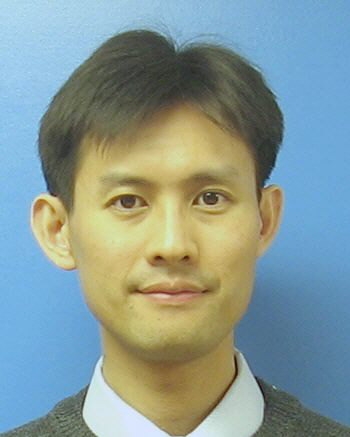 Kelvin Kar-Wing Chan合作论文数Department of Medicine, University of Toronto;Institute of Health Policy, Management and Evaluation, University of Toronto;Sunnybrook Research Institute;Odette Cancer Centre, Sunnybrook Health Sciences Centre;Canadian Centre for Applied Research in Cancer Control;Provincial Drug Reimbursement Programs, Cancer Care Ontario6
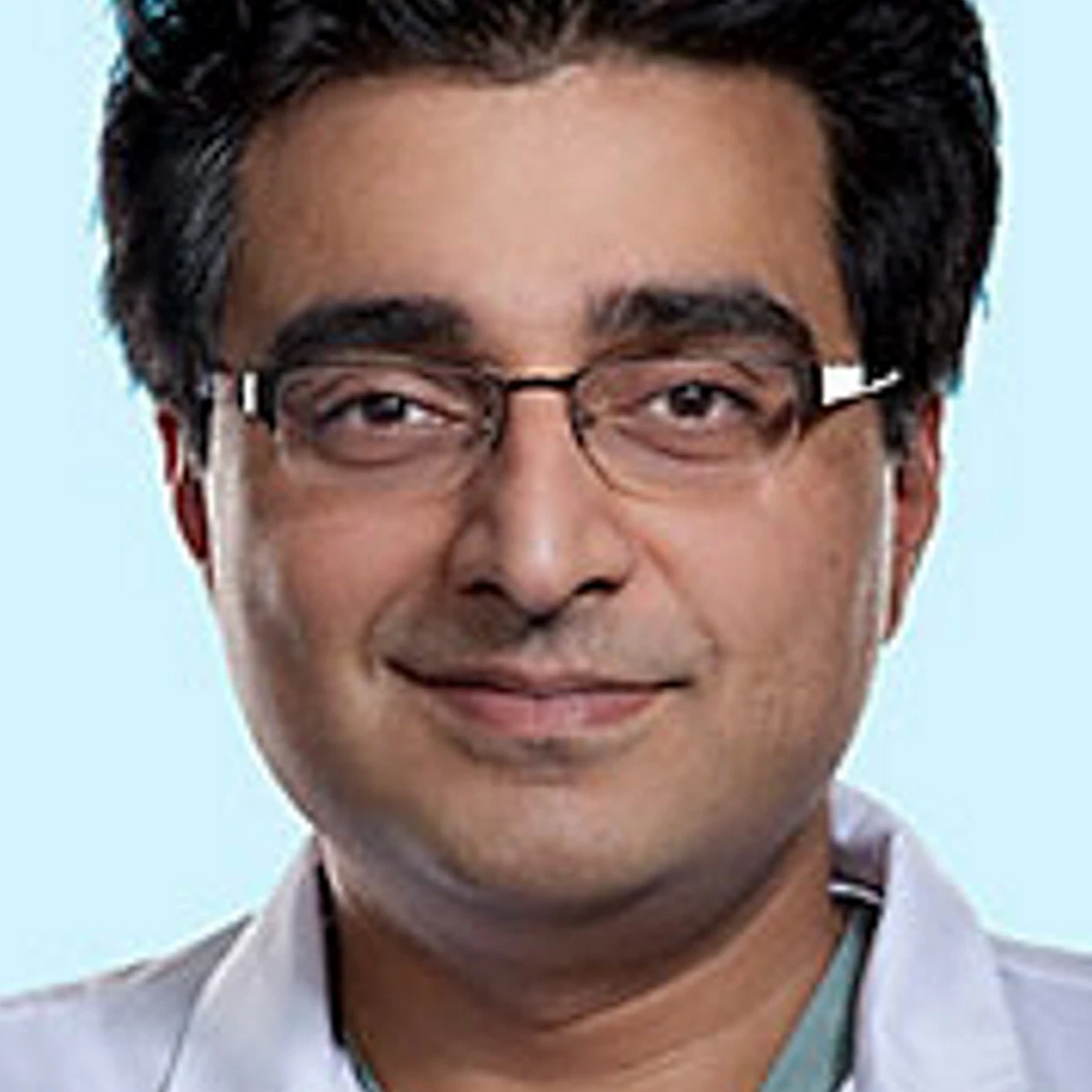 Subodh Verma合作论文数Department of Pharmacology and Toxicology, Temerty Faculty of Medicine, University of Toronto;Division of Cardiac Surgery, St. Michael's Hospital6
 Paul Dorian合作论文数Li Ka Shing Knowledge Institute, St. Michael’s Hospital, University of Toronto;Division of Clinical Pharmacology, Department of Medicine, Temerty Faculty of Medicine, University of Toronto6Marc B Goldstein合作论文数6Sebastian Ley合作论文数5Archana Rai合作论文数5Yin Ge合作论文数Temerty Faculty of Medicine, University of Toronto;St. Michael's Hospital5
 Mark Peterson合作论文数Department of Physical Medicine and Rehabilitation, Medical School, University of Michigan;Michigan Institute for Data Science, University of Michigan5Li Qin合作论文数5Barfett Joseph John合作论文数5Narinder Paul合作论文数Division of Agricultural Extension Education;Sher-e-Kashmir University of Agricultural Sciences and Technology;Division of Agricultural Extension Education, Sher-e-Kashmir University of Agricultural Sciences and Technology5Yan Raymond T合作论文数4
 Christine Brezden-Masley合作论文数Institute of Health Policy, Management and Evaluation, University of Toronto;Marvelle Koffler Breast Centre, Mount Sinai Hospital;Li Ka Shing Knowledge Institute, St Michael’s Hospital;Lunenfeld-Tanenbaum Research Institute4
 Cyril David Mazer合作论文数Department of Anesthesiology and Pain Medicine, Temerty Faculty of Medicine, University of Toronto4
 Shobhit Mathur合作论文数Department of Medical Imaging, Temerty Faculty of Medicine, University of Toronto4
 Kate Hanneman合作论文数Department of Medical Imaging, Temerty Faculty of Medicine, University of Toronto4
 Errol Colak合作论文数Department of Medical Imaging, Temerty Faculty of Medicine, University of Toronto4
 Darren Yuen合作论文数Department of Laboratory Medicine and Pathobiology, Temerty Faculty of Medicine, University of Toronto4Chen Yingming Amy合作论文数4Tan Nigel S合作论文数4Alnasser Sami合作论文数4
 David Latter合作论文数Department of Surgery, Temerty Faculty of Medicine, University of Toronto4Hwee Teoh合作论文数Terrence Donnelly Laboratories;Division of Respirology and Department of Critical Care;University of Toronto;Terrence Donnelly Laboratories, University of Toronto4Adrian Quan合作论文数4Susheel Kodali合作论文数3
 Hadas Moshonov合作论文数3Kathy C. K. Wong合作论文数3
 Ashita Barthur合作论文数3Vinita Dhir合作论文数3Katharina Schnitzler合作论文数3Faeez M Ali合作论文数3Olugbenga Bello合作论文数3




