The “Building Code Requirements for Structural Concrete” (“Code”) covers the materials, design, and construction of structural concrete used in buildings and where applicable in nonbuilding structures. The Code also covers the strength evaluation of existing concrete structures. Among the subjects covered are: contract documents; inspection; materials; durability requirements; concrete quality, mixing, and placing; formwork; embedded pipes; construction joints; reinforcement details; analysis and design; strength and serviceability; flexural and axial loads; shear and torsion; development and splices of reinforcement; slab systems; walls; footings; precast concrete; composite flexural members; prestressed concrete; shells and folded plate members; strength evaluation of existing structures; provisions for seismic design; structural plain concrete; strut-and-tie modeling in Appendix A; alternative design provisions in Appendix B; alternative load and strength reduction factors in Appendix C; and anchoring to concrete in Appendix D. The quality and testing of materials used in construction are covered by reference to the appropriate ASTM standard specifications. Welding of reinforcement is covered by reference to the appropriate American Welding Society (AWS) standard. Uses of the Code include adoption by reference in general building codes, and earlier editions have been widely used in this manner. The Code is written in a format that allows such reference without change to its language. Therefore, background details or suggestions for carrying out the requirements or intent of the Code portion cannot be included. The Commentary is provided for this purpose. Some of the considerations of the committee in developing the Code portion are discussed within the Commentary, with emphasis given to the explanation of new or revised provisions. Much of the research data referenced in preparing the Code is cited for the user desiring to study individual questions in greater detail. Other documents that provide suggestions for carrying out the requirements of the Code are also cited.
Commentaries are intended for guidance in planning, desig ing, executing, and inspecting construction. This document is intended for the use of individuals who are compete to evaluate the significance and limitations of its conten and recommendations and who will accept responsibility for the application of the material it contains. The American Concrete Institute disclaims any and all responsibility for th stated principles. The Institute shall not be liable for any lo or damage arising therefrom. Reference to this document shall not be made in contr documents. If items found in this document are desired the Architect/Engineer to be a part of the contract doc ments, they shall be restated in mandatory language for corporation by the Architect/Engineer.
 JG MACGREGOR合作论文数4Charles W. Dolan合作论文数2
 James K. Wight合作论文数Civil and Environmental Engineering, University of Michigan, Ann Arbor2Terence C. Holland合作论文数1Robert N. Bruce合作论文数1H. KENT PRESTON合作论文数1Anthony E. Fiorato合作论文数1Gregory P. Chacos合作论文数1morris schupack合作论文数1SY ONG合作论文数1Bruce W. Russell合作论文数1
 Michael E. Kreger合作论文数1Luis B. Fargier-Gabaldon合作论文数1Thomas E. Cousins合作论文数1Luis E. Garcia合作论文数1LeRoy A. Lutz合作论文数1Wn Marianos合作论文数1francis jaques合作论文数1L. S. Paul Johal合作论文数1SD Nakaki合作论文数1Jose Pincheira合作论文数1Neal S. Anderson合作论文数1Harry Gleich合作论文数1
 Dominic Kelly合作论文数1
 Kenneth Clark Hover合作论文数Civil and Environmental Engineering, College of Engineering, Cornell University1
 John F. Stanton合作论文数Department of Civil & Environmental Engineering, University of Washington1
 Neil M. Hawkins合作论文数Department of Civil & Environmental Engineering, The Grainger College of Engineering, University of Illinois at Urbana-Champaign1
 Gary J. Klein合作论文数Wiss,Janney,Elstner Associates,Inc.1
 R. Douglas Hooton合作论文数Department of Civil & Mineral Engineering, Faculty of Applied Science and Engineering, University of Toronto1David H Sanders合作论文数Civil Engineering Department, University of Nevada1
 Denis Mitchell合作论文数Department of Civil Engineering and Applied Mechanics, McGill University1
 Julio A. Ramirez合作论文数Lyles School of Civil and Construction Engineering, Purdue University;Network Coordination Office Center, Natural Hazards Engineering Research Infrastructure, Purdue University1
 Steven H. Kosmatka合作论文数1Roberto Stark合作论文数1Joe Maffei合作论文数1Randall W. Poston合作论文数Department of Civil and Environmental Engineering and Geodetic Science;Ohio State University;WDP & Associates , Inc;Department of Civil and Environmental Engineering and Geodetic Science, Ohio State University1Jason J. Krohn合作论文数1Lisa R. Feldman合作论文数1
 Robert J. Frosch合作论文数School of Civil Engineering, Purdue University1
 Catherine French合作论文数Department of Civil, Environmental, and Geo- Engineering, College of Science and Engineering, University of Minnesota1
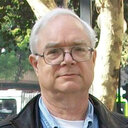 Ned Cleland合作论文数1
 Sergio M. Alcocer合作论文数National Autonomous University of Mexico1
 Ronald A Cook合作论文数1Gustavo J. Parra-Montesinos合作论文数1Robert F. Mast合作论文数1
 Andrea J. Schokker合作论文数Pennsylvania State University1
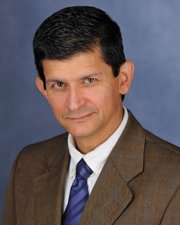 Andres Lepage合作论文数Engineering Unit A1
 John E. Breen合作论文数The University of Texas1
 David Darwin合作论文数Department of Civil, Environmental & Architectural Engineering, School of Engineering, University of Kansas;Craig and Diane Martin National Center for Construction Safety, University of Kansas;Infrastructure Research Institute, University of Kansas1




