Abstract Background The Variable-Loop Circular Catheter (VLCC) is a bidirectional multi-electrode catheter capable of electroanatomical mapping and pulsed field energy delivery for the treatment of atrial fibrillation (AF). Objective to compare Grid projected annotation (GRID) versus projected Ablation tags (ABLt) in predicting lesion area coverage for Pulmonary Vein Isolation (PVI) with VLCC. Methods Consecutive AF patients undergoing PVI with VLCC were prospectively enrolled in our centre between April 2024 and October 2025. Ablation area was visualized using projected 1 mm³ grid points (GRID) or 2 mm projected ablation tags (ABLt) corresponding to each electrode of the VLCC for every ablation. Bipolar voltage maps were performed with VLCC to quantify the lesion areas per PV segment (10-segment model) after PVI. Anatomical maps with GRID or ABLt annotation without voltage data were used to calculate predicted lesion area. The predictive capability of GRID/ABLt was calculated using the formula GRID or ABLt Area in Low Voltage Area/ Total Low Voltage Area and expressed as a percentage. Results We enrolled 65 patients (64.5 ± 9.5 years, 55.4% males, 15.3% Persistent AF) and a total of 258 PVs. All patients underwent PVI. Median procedural time was 58 min (45-75), dwelling time 30 min (25-50) and fluoroscopy time 4 min (3-7). GRID and ABLt annotation were consistent with PV lesion area resulting in a Pearson’s correlation coefficient of 0.91 (p < 0.0001) and 0.82 (p < 0.0001), respectively. GRID showed a higher predictive capability of overall PV lesion area compared to ABLt (95.8% vs 77.6%; p<0.0001) and also for all PV segments (p<0.01) (Figure 1). GRID annotation demonstrated a lower bias (0.031) and narrow limits of concordance (0.421- -0.344) compared to ABLt demonstrated a higher bias (-0.33) and larger limits of concordance (0.356 - −1.016). Conclusions GRID showed a higher predictive capability of PV lesion area compared to ABLt
Pulsed field ablation (PFA) uses high-intensity electric fields to create myocardial lesions and may potentially interact with cardiac implantable electronic devices (CIEDs). This multicenter study evaluated the effects of different PFA technologies on electrical integrity and device-related complications in patients undergoing left- and right-sided atrial ablation. Consecutive patients with CIEDs undergoing catheter ablation with 4 PFA technologies were included. CIED interrogation was performed at baseline, after ablation, and at ≥ 3-month follow-up. Study endpoints were electrical integrity, defined as changes in sensing, pacing threshold, or impedance, and clinically relevant PFA-related CIED malfunction. Real-time device monitoring was performed in a subgroup to assess electromagnetic interference (EMI). A total of 157 patients were included. PFA was performed using a pentaspline catheter in 110 patients, a lattice-tip catheter in 26, a variable-loop circular catheter in 16, and a circular array catheter in 5. No significant changes in lead parameters were observed immediately after ablation or at 3-month follow-up, including in patients undergoing right atrial PFA. PFA was frequently associated with EMI-related oversensing (93
BACKGROUND:In vivo electroanatomic mapping has enabled functional characterization of the human sinoatrial node (SAN), yet precise localization of SAN exit zones (SAN-EZs) and preferential conduction pathways-particularly along the Bachmann bundle (BB)-remains challenging without direct anatomic validation. OBJECTIVE:This study aimed to establish a translational framework integrating human in vivo peak frequency (PF) mapping with preclinical anatomic and histologic validation of the SAN-BB conduction axis. METHODS:High-density endocardial electroanatomic mapping with PF analysis was performed in patients with inappropriate sinus tachycardia, sick sinus syndrome, and normal SAN function. Emphasis maps combining local activation time and PF were used to identify the SAN-EZ and preferential conduction pathways. To address anatomy, complementary preclinical studies were performed using contrast-enhanced micro-computed tomography, 3-dimensional reconstruction, and histology of donor human hearts, focusing on BB microstructure, insertion sites, and myocyte orientation. Frequency analysis was additionally applied to preclinical hearts to compare the BB with the surrounding right atrial myocardium. RESULTS:In vivo PF mapping reliably identified the SAN-EZ and preferential conduction pathways using a 350-450 Hz frequency band. Patients with sick sinus syndrome exhibited reduced SAN-EZ overlap and fewer superior and septal pathways. Preclinical micro-computed tomography and histology in cadaveric human hearts confirmed the anatomic substrate underlying septal conduction. Frequency analysis of swine hearts revealed higher dominant frequencies within the BB than adjacent right atrial myocardium, supporting in vivo findings. CONCLUSION:By integrating human functional mapping with preclinical anatomic and histologic validation, this study provides a translational framework for PF-based identification of the SAN-EZ and BB-mediated conduction.
Physiological pacing of the atrium, specifically targeting the Bachmann bundle area (BBA), has been associated with improved interatrial conduction and reduced atrial arrhythmia risk. The Bachmann bundle (BB) is the principal interatrial conduction tract, yet its electrophysiological definition in humans remains incompletely characterized. This study aimed to describe the electrogram features of the BBA using 3D electroanatomical-mapping (EAM) with peak-frequency (PF) analysis during atrial lead implantation. All patients undergoing dual-chamber pacemaker implantation with the atrial lead positioned in the BBA were included. Right atrial mapping was performed using either a quadripolar or the HD Grid catheter. PF maps were created and PFs at the targeted site were measured before and after lead positioning. Procedural parameters, P-wave duration (PWD) and pacing thresholds were analyzed. Twelve consecutive patients undergoing dual-chamber pacemaker implantation with the atrial lead positioned in the (BBA) were prospectively studied. The optimal PF band for BBA localization was 400–500 Hz (AUC = 0.83, sensitivity 87
Background:In patients with symptomatic permanent atrial fibrillation (AF) who are not candidates for rhythm control, atrioventricular node (AVN) ablation followed by ventricular pacing "ablate-and-pace" offers reliable rate control and symptom relief. Conventional transvenous systems are effective but associated with lead- and pocket-related complications. Leadless pacemakers represent a promising alternative, yet comparative data in this setting remain scarce. The aim is to compare clinical outcomes of leadless vs. transvenous single-chamber pacemakers in patients undergoing AVN ablation for permanent AF. Methods:We conducted a retrospective, multicenter study (LEAD-AP) of 168 consecutive patients undergoing ablate-and-pace between 2,017 and 2024 across four European centers. Patients received either a leadless pacemaker (n = 56) or a conventional transvenous VVI pacemaker (n = 112). The primary efficacy endpoint was the composite of all-cause mortality, cardiovascular mortality, AF-related hospitalizations, unplanned visits and device-related hospitalizations or reinterventions. The secondary efficacy endpoint was device-related hospitalizations or reinterventions. The primary safety endpoint was acute complications within 30 days. Results:Patients in the leadless group more frequently underwent a single-step ablate-and-pace strategy (96.4% vs. 10.9%, p < 0.001), resulting in shorter hospitalization (1.1 days ± 3.1 vs. 5.7 days ± 2.2, p = 0.008). At 24 months of follow-up, there was no statistically significant difference between patients with leadless pacemaker vs. standard single-chamber VVI pacemaker in the event-free survival for the clinical efficacy endpoint (82.1% vs. 80.4% Log-Rank p = 0.29). Conclusions:Leadless pacemakers provide comparable safety and efficacy to transvenous systems in ablate-and-pace patients, while enabling shorter hospitalization through a streamlined single-step approach.
Background: Left atrial appendage occlusion (LAAO) requires a significant upfront investment, which is in contrast with the more gradual, long-term costs of direct oral anticoagulants (DOACs). Objective: We performed a budget impact analysis exploring the financial impact of increasing the number of LAAO procedures in a high-stroke-risk population over a 10-year time horizon from the perspective of the healthcare providers under the Italian National Healthcare Service. Methods: Two alternative scenarios simulating an increased uptake of the LAAO therapy were compared to the estimated volume of LAAO procedures performed (baseline scenario: 1341 procedures): (1) Alternative Scenario I (3314 procedures) based on the level of penetration observed in the Italian region performing the highest rate of LAAO procedures; (2) Alternative Scenario II (7672 procedures): LAAO therapy uptake set to attain 5% of the estimated target population. Clinical data were extracted from a propensity-matched, multicenter cohort of 554 AF patients at a very high thromboembolic risk profile (CHA2DS2-VASc score ≥ 5) treated with LAAO or DOACs. Results: Cumulative cost savings in Alternative Scenario I were around €4.9 million compared to the baseline. When comparing Scenario II to the baseline scenario, savings added up to €15.8 million over 10 years. The break-even point occurred between the seventh and eighth years. Cost savings were observed even in the instance that all DOAC prices would decrease as generics became available. Conclusions: The widespread use of LAAO therapies in a population of AF patients at very high stroke risk may yield substantial long-term benefits, as the initial investment in the LAAO procedure and device would be counterbalanced within 8 years.
Background:We conducted a multicenter study to compare procedural and 1-year outcomes of pulmonary vein isolation (PVI) using lattice-tip (LT) vs pentaspline (PS) pulsed field ablation catheters in patients with paroxysmal atrial fibrillation. Objective:This study aimed to compare procedural metrics and arrhythmia-free survival during the 1-year follow-up. Methods:Procedures were performed between August 2023 and December 2024. A propensity score matching technique was adopted (LT-to-PS ratio 1:2). Results:Among 447 patients with paroxysmal atrial fibrillation undergoing first-time PVI with either an LT (n = 74) or a PS catheter (n = 391), propensity score matching yielded 50 (LT group) and 100 patients (PS group), respectively. No differences were reported for first-pass isolation per patient (96% [LT group] vs 97% [PS group]; P = .75) and per pulmonary vein (98.9% [LT group] vs 99.2% [PS group]; P = .75). The LT group showed longer procedural (56 vs 50; P < .0001) and dwelling times (40 vs 30; P < .0001) but reduced fluoroscopy times (5 vs 10; P < .0001). No differences were reported for overall (2% vs 2%; P = 1.0) and major complications (0% vs 0%; P = 1.0). At 1-year follow-up, similar freedom from atrial tachyarrhythmia (86.2% [LT group] vs 83% [PS group]; P = .59) and atrial fibrillation (90.7% [LT group] vs 85.8% [PS group]; P = .41) was observed. Conclusion:First-time PVI using an LT or a PS pulsed field ablation catheter showed high efficacy and 1-year freedom from atrial tachyarrhythmias, without differences between groups. The LT catheter yielded longer procedural and dwelling times, but a significant reduction in fluoroscopy time.
BACKGROUND:Several sinus rhythm substrate mapping strategies have been described for ventricular tachycardia (VT) ablation. OBJECTIVES:The aim of this study was to evaluate a novel sinus rhythm mapping method for identifying critical isthmus sites based on both repolarization and activation mapping (repolarization depolarization mapping [REDEEM]). METHODS:Patients undergoing VT ablation at 2 centers were retrospectively analyzed. The local activation time (LAT) map was performed with the LAT set to the last deflection (LATlatest) method. Each LAT map was divided into 8 isochrones. Deceleration zones (DZs) were defined as >3 isochrones within 10 mm. Unipolar repolarization mapping was performed by using the Wyatt method. A steep repolarization heterogeneity was defined as a "repolarization cliff" if 2 contiguous areas within 1 cm distance showed a difference in repolarization time >100 milliseconds. RESULTS:A total of 20 patients with 20 mapped VTs were included. The VT exit site or any boundary of the diastolic channel overlapped with a repolarization cliff in 20 VTs (100.0%) and with a DZ in 14 VTs (70.0%). The VT entrance site was found to overlap with a repolarization cliff in 2 VTs (10.0%) and with a DZ in 18 VTs (90.0%). The mid-isthmus was found in an area connecting a DZ with a repolarization cliff in 19 VTs (95.0%). The positive predictive value of a repolarization cliff for any isthmus site was 63.2%, and the positive predictive value of a DZ for any isthmus site was 40.1%. CONCLUSIONS:The REDEEM method is feasible and shows anatomical associations with VT isthmus sites. This hypothesis-generating study provides mechanistic insights that warrant prospective validation.
BACKGROUND Brugada syndrome (BrS) is a cardiac channelopathy predisposing individuals to malignant ventricular arrhythmias (VAs) and sudden cardiac death. Substrate modification with catheter ablation (CA) has emerged as an interesting option to prevent recurrence of VA. OBJECTIVE This systematic review and meta-analysis aimed to assess the efficacy and safety of CA in patients with high-risk symptomatic BrS. METHODS We conducted a systematic review and meta-analysis of studies comparing CA with standard therapy in patients with symptomatic BrS. We systematically searched PubMed and Embase databases from inception to June 15, 2025. The primary endpoint was recurrence of malignant VA or appropriate implantable cardioverter-defibrillator therapy during follow-up. Random-effects models were used to calculate pooled risk ratios with 95% confidence intervals (CIs). RESULTS Five studies with 584 patients were included in the meta-analysis (331 ablation and 253 control). CA was associated with a 78% reduction in the primary endpoint compared with standard therapy (risk ratio 0.22; 95% CI 0.05-0.99; P = .049), with an estimated number needed to treat of 2.5. The time-to-event analysis confirmed the robustness of the findings (hazard ratio 0.17; 95% CI 0.04-0.73; P = .017). Procedural success rates were high: electrocardiogram normalization after Ajmaline challenge in 98.1% (95% CI 83.9-100.0), elimination of abnormal electrograms in 100% (95% CI 99.6-100.0), and noninducibility achieved in 94.9% of patients. Complication rate was low at 2.4% (95% CI 0.0-9.0). CONCLUSION These findings support CA to prevent recurrence of VA in patients with symptomatic BrS on top of standard therapy, with high procedural success rates and an acceptable safety profile.
BACKGROUND:Vagal responses (VR) are frequently observed during pulmonary vein isolation (PVI) with pulsed field ablation (PFA). OBJECTIVES:The aim of this study was to compare the effectiveness of 2 different anticholinergic (AC) medications, namely glycopyrrolate (GLY) or atropine (ATP), for VR prophylaxis in patients undergoing PVI via a pentaspline PFA catheter. METHODS:Consecutive patients with atrial fibrillation undergoing first-time PVI with PFA were prospectively enrolled at 4 centers between April 2023 and March 2024. Intravenous GLY 0.2 mg (Group GLY) or ATP 1 mg (Group ATP) were administered prophylactically before transseptal access. Clinically relevant VRs included sinus bradycardia (<40 beats/min), asystole (>6 seconds), atrioventricular block, and the need for temporary backup pacing. The incidence of periprocedural VRs was compared with that of patients without prophylactic AC drug administration (Group noAC). Drug-related adverse events were compared between the 2 AC drugs. RESULTS:We enrolled 240 patients (age 61 ± 12 years, 60.0% male) (GLY: n = 80; ATP: n = 80; noAC: n = 80). Intraprocedural VRs were observed in 65 patients (27.1%). GLY and ATP effectively reduced overall VRs (GLY: 7.5% vs ATP: 11.3% vs noAC: 62.5%; P < 0.001), asystole (GLY: 1.3% vs ATP: 2.5% vs noAC: 33.8%; P < 0.001), and need for temporary backup pacing (GLY: 1.3% vs ATP: 5.0% vs noAC: 23.8%; P < 0.001). The risk of overall drug-related adverse events (8.8% vs 0%; P = 0.007) and drug-induced atrial fibrillation (5% vs 0%; P = 0.043) was significantly higher with ATP. CONCLUSIONS:Prophylactic AC drug administration effectively prevented clinically relevant VRs in patients undergoing PVI with PFA. Both AC drugs were equally highly effective, but ATP showed a significantly higher rate of drug-induced adverse events.
Background Effective balloon positionnking during pulmonary vein isolation (PVI) with a radiofrequency balloon (RFB) is crucial for optimal energy delivery, maximising lesion formation, and preventing gaps. Traditionally, fluoroscopy is used to guide pulmonary vein (PV) occlusion, however, this method exposes patients to radiation. Recently, RFBs equipped with 3D electroanatomical mapping (EAM) offer an alternative approach, potentially achieving the same results with reduced radiation exposure. Our main aim was to evaluate procedural characteristics, such as acute isolation and time-to-isolation (TTI), when the RFB is positioned based only on fluoroscopy feedback vs. fluoroscopy and a 3D-EAM. The secondary objective was to assess PVI durability through mandated remapping in asymptomatic patients from both groups. Methods A total of 60 patients were enrolled and underwent either a fluoroscopy-guided (FLUO, 30 patients) or fluoroscopy + 3D-EAM (3D-MAP, 30 patients) ablation. In each group, 15 patients without any documented recurrence underwent protocol-mandated repeat 3D-EAM six months after the index ablation. Procedural outcomes, lesion metrics, and safety profiles were assessed and compared between groups. Results At a median follow-up of 579 days, freedom from any atrial tachyarrhythmias (ATAs) was 89.7% in the FLUO group and 92.3% in the 3D-EAM group (P > 0.05). The latter was associated with significantly reduced fluoroscopy exposure (median 10.5 vs. 7.0 min, P < 0.005). Procedure time and efficacy metrics, including single-shot isolation rates and TTI, were comparable between groups. Durable PVI on a per PV basis was present in 54/60 (90%) vs. 57/60 (94%) of PVs in the FLUO and 3D-EAM groups, respectively (P = 0.9). Conclusion Radiofrequency balloon led to a high rate of durable PVI whether its guided by fluoroscopy only or 3D mapping. The latter allowed avoiding dye comsuption and a reduction of fluoroscopic times.
Vagal responses (VR) are frequently observed during pulmonary vein isolation (PVI) with pulsed field ablation (PFA). To compare the effectiveness of two different anticholinergic (AC) medications, namely Glycopyrrolate (GLY) or Atropine (ATP), for VR prophylaxis in patients undergoing PVI via a pentaspline PFA catheter. Consecutive AF patients undergoing first-time PVI with PFA were prospectively enrolled at four centres between April 2023 and February 2024. Intravenous GLY 0.2mg [Group GLY] or Atropine 1mg [Group ATP] were administered prophylactically before transseptal access. Clinically relevant VRs included sinus bradycardia (<40 beats/min), asystole (>6 sec), atrioventricular block (AVB), need for temporary backup pacing. The incidence of periprocedural VRs was compared with that of patients without prophylactic AC drug administration (Group noAC). Drug-related adverse events were compared between the two anticholinergic drugs. We enrolled 240 (61±12 years, 60.0% males) patients (GLY:80 patients; ATP: 80 patients; noAC: 80 patients). Intraprocedural VRs were observed in 65 (27.1%) patients. GLY and ATP effectively reduced overall VRs (GLY: 7.5% vs. ATP: 11.3% vs. noAC:62.5%; p<0.001), asystole (GLY: 1.3% vs. ATP: 2.5% vs. noAC: 33.8%; p<0.001), and need for temporary backup pacing (GLY: 1.3% vs. ATP: 5.0% vs. noAC: 23.8%; p<0.001). The risk of overall drug-related adverse events (8.8% vs 0%; p=0.007) and drug-induced AF (5% vs 0%; p=0.043) was significantly higher with ATP. Prophylactic AC drug administration effectively prevented clinically relevant VRs in patients undergoing PVI with PFA. Both AC drugs were equally highly effective, but ATP was associated with a significantly higher risk of drug-induced adverse events.
 Sanghamitra Mohanty合作论文数Department of Internal Medicine, Dell Medical School, The University of Texas at Austin;College of Natural Sciences, The University of Texas at Austin253
 Andrea Natale合作论文数HCA Healthcare;Texas Cardiac Arrhythmia Institute, St. David's Health Care;Scripps Green Hospital220
 Luigi Di Biase合作论文数Department of Medicine, Albert Einstein College of Medicine220
 Gianni Carola合作论文数St. David's Medical Center, Texas Cardiac Arrhythmia Institute210
 Amid Al-Ahmad合作论文数St. David's Medical Center, Texas Cardiac Arrhythmia Institute203Horton Rodney合作论文数191
 Trivedi Chintan合作论文数St. David's Medical Center, Texas Cardiac Arrhythmia Institute166
 Carlo de Asmundis合作论文数143
 Gian Battista Chierchia合作论文数Heart Rhythm Management Ctr, UZ Brussel VUB139
 G. Joseph Gallinghouse合作论文数Texas Cardiac Arrhythmia124J. David Burkhardt合作论文数119
 Bassiouny Mohamed合作论文数Department of Cardiovascular Medicine, Cleveland Clinic Foundation117
 Giampaolo Vetta合作论文数Department of Clinical and Experimental Medicine, University of Messina114Luigi Pannone合作论文数Univ Ziekenhuis Brussel, Vrije Univ Brussel113Alexandre Almorad合作论文数106Sieira Juan合作论文数95Antonio Sorgente合作论文数Division of Cardiology, Fondazione Cardiocentro Ticino95Michele Magnocavallo合作论文数Department of Clinical, Internal, Anesthesiologist and Cardiovascular Sciences, Sapienza University of Rome94
 Erwin Ströker合作论文数Heart Rhythm Management Center, Universitair Ziekenhuis Brussel;Vrije Universiteit Brussel88Gezim Bala合作论文数80Andrea Sarkozy合作论文数79John Burkhardt合作论文数69
 Jorge Romero合作论文数67
 Bryan T Macdonald合作论文数67
 Ingrid Overeinder合作论文数61Carlo Lavalle合作论文数Dept Cardiovasc Resp Nephrol, Sapienza Univ59Alvise Del Monte合作论文数58
 Giovanni B. Forleo合作论文数University of Rome Tor Vergata56Angel Quintero Mayedo合作论文数52
 Mark La Meir合作论文数University of Brussels51
 Javier Sanchez合作论文数50
 Dhanunjaya D J Lakkireddy合作论文数Overland Park Regional Medical Center, Kansas City Heart Rhythm Institute, HCA Midwest Health;Belton Regional Medical Center, Kansas City Heart Rhythm Institute, HCA Midwest Health;University of Missouri46
 Pedro Brugada合作论文数46Patrick M. Hranitzky合作论文数46
 Serge Boveda合作论文数39Lorenzo Marcon合作论文数38javier sanchez合作论文数38
 Ioannis Doundoulakis合作论文数38Antonio Parlavecchio合作论文数37
 Cinzia Monaco合作论文数36Isabella Alviz合作论文数Albert Einstein Coll Med, Montefiore Einstein Ctr Heart & Vasc Care34
 Nicola Tarantino合作论文数Cardiology Department, University of Foggia34
 Rodolfo Caminiti合作论文数Rheumatol Clin Madonna Scoglio Cotronei31Qiong Chen合作论文数Henan Prov Peoples Hosp30
 Vincenzo Mirco La Fazia合作论文数28
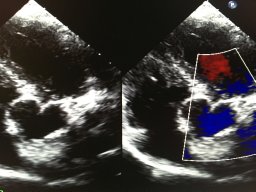 David F. Briceno合作论文数28
 Gopinathannair Rakesh合作论文数Division of Cardiovascular Medicine, University of Louisville27G. Gallinghouse合作论文数26




