Background: Long non-coding Ribonucleic Acids (lncRNAs) can be localized to different cellular compartments, such as the nuclear and the cytoplasmic regions. Their biological functions are influenced by the region of the cell where they are located. Compared to the vast number of lncRNAs, only a relatively small proportion have annotations regarding their subcellular localization. It would be helpful if those few annotated lncRNAs could be leveraged to develop predictive models for localization of other lncRNAs. Methods: Conventional computational methods use q-mer profiles from lncRNA sequences and train machine learning models such as support vector machines and logistic regression with the profiles. These methods focus on the exact q-mer. Given possible sequence mutations and other uncertainties in genomic sequences and their role in biological function, a consideration of these variabilities might improve our ability to model lncRNAs and their localization. Thus, we build on inexact q-mers and use machine learning/deep learning techniques to study three specific problems in lncRNA subcellular localization, namely, prediction of lncRNA localization using inexact q-mers, the issue of whether lncRNA localization is cell-type-specific, and the notion of switching (lncRNA) genes. Results: We performed our analysis using data on lncRNA localization across 15 cell lines. Our results showed that using inexact q-mers (with q = 6) can improve the lncRNA localization prediction performance compared to using exact q-mers. Further, we showed that lncRNA localization, in general, is not cell-line-specific. We also identified a category of LncRNAs which switch cellular compartments between different cell lines (we call them switching lncRNAs). These switching lncRNAs complicate the problem of predicting lncRNA localization using machine learning models, showing that lncRNA localization is still a major challenge.
Adverse drug events represent a key challenge in public health, especially concerning drug safety profiling and drug surveillance. Drug-drug interactions represent one of the most popular types of adverse drug events. Most computational approaches to this problem have used different types of drug-related information utilizing different machine-learning algorithms to predict potential drug interactions. In this work, we focus on genetic information about the drugs, particularly the protein sequence and protein structure of protein targets in drug interaction networks, to predict potential drug interactions. We collected various drug information like drug-drug interaction (DDI), Drug attributes like drug active ingredients, protein targets, protein sequence, protein structure etc. We proposed a similarity-based Neural Network framework called protein sequence-structure similarity network (PS3N) and used this to predict novel DDI's. The drug-drug similarities are computed using different categories of drug information based on multiple similarity metrics. Our method outperforms the state-of-the-art and achieves competitive results. Our performance evaluations on different datasets showed the predictive performance as follows: Precision 91%-98%, Recall 90%-96%, F1 Score 86%-95%, Area Under Curve (AUC) 88%-99%, and Accuracy 86%-95%. Our evaluation demonstrates the effectiveness of PS3N in predicting DDI's, including the clinical significance of some new DDI's discovered by the model.
Using Deep Learning in computer-aided diagnosis systems has been of great interest due to its impressive performance in the general domain and medical domain. However, a notable challenge is the lack of explainability of many advanced models, which poses risks in critical applications such as diagnosing findings in CXR. To address this problem, we propose ItpCtrl-AI, a novel end-to-end interpretable and controllable framework that mirrors the decision-making process of the radiologist. By emulating the eye gaze patterns of radiologists, our framework initially determines the focal areas and assesses the significance of each pixel within those regions. As a result, the model generates an attention heatmap representing radiologists’ attention, which is then used to extract attended visual information to diagnose the findings. By allowing the directional input, our framework is controllable by the user. Furthermore, by displaying the eye gaze heatmap which guides the diagnostic conclusion, the underlying rationale behind the model’s decision is revealed, thereby making it interpretable.In addition to developing an interpretable and controllable framework, our work includes the creation of a dataset, named Diagnosed-Gaze++, which aligns medical findings with eye gaze data. Our extensive experimentation validates the effectiveness of our approach in generating accurate attention heatmaps and diagnoses. The experimental results show that our model not only accurately identifies medical findings but also precisely produces the eye gaze attention of radiologists. The dataset, models, and source code will be made publicly available upon acceptance.
Mild cognitive impairment (MCI) is a clinical condition characterized by a decline in cognitive ability and progression of cognitive impairment. It is often considered a transitional stage between normal aging and Alzheimer’s disease (AD). This study aimed to compare deep learning (DL) and traditional machine learning (ML) methods in predicting MCI using plasma proteomic biomarkers. A total of 239 adults were selected from the Alzheimer’s Disease Neuroimaging Initiative (ADNI) cohort along with a pool of 146 plasma proteomic biomarkers. We evaluated seven traditional ML models (support vector machines (SVMs), logistic regression (LR), naïve Bayes (NB), random forest (RF), k-nearest neighbor (KNN), gradient boosting machine (GBM), and extreme gradient boosting (XGBoost)) and six variations of a deep neural network (DNN) model—the DL model in the H2O package. Least Absolute Shrinkage and Selection Operator (LASSO) selected 35 proteomic biomarkers from the pool. Based on grid search, the DNN model with an activation function of “Rectifier With Dropout” with 2 layers and 32 of 35 selected proteomic biomarkers revealed the best model with the highest accuracy of 0.995 and an F1 Score of 0.996, while among seven traditional ML methods, XGBoost was the best with an accuracy of 0.986 and an F1 Score of 0.985. Several biomarkers were correlated with the APOE-ε4 genotype, polygenic hazard score (PHS), and three clinical cerebrospinal fluid biomarkers (Aβ42, tTau, and pTau). Bioinformatics analysis using Gene Ontology (GO) and Kyoto Encyclopedia of Genes and Genomes (KEGG) revealed several molecular functions and pathways associated with the selected biomarkers, including cytokine-cytokine receptor interaction, cholesterol metabolism, and regulation of lipid localization. The results showed that the DL model may represent a promising tool in the prediction of MCI. These plasma proteomic biomarkers may help with early diagnosis, prognostic risk stratification, and early treatment interventions for individuals at risk for MCI.
The increased popularity of digital healthcare services has prompted the development of different types of datadriven healthcare APIs on top of electronic health records, offering the convenience of aided diagnostic services without compromising privacy. Defense against the unauthorized extraction of healthcare APIs is important due to: 1) the unauthorized cloned model could serve online as fake healthcare service providers and pose harm to the general public; 2) protected training data containing private electronic health records could be further extracted from the stolen model. It is therefore important to protect the data-driven healthcare APIs from unauthorized clone and extraction. In this work, we propose a principled defense strategy with adaptive teleportation of incoming queries to effectively guard against extraction attacks of healthcare APIs. The proposed mechanism prevents unauthorized copy of model functionality while maintaining the utility of APIs to serve benign queries. The adaptive teleportation operations are generated based on the formulated bi-level optimization target and follows the evolution trajectory depicted by the Wasserstein gradient flows, which effectively push attacking queries to cross decision boundary while constraining the deviation level of benign queries, utilizing the fact that attacker generated pseudo-queries are mostly closer to decision boundaries than normal queries. This provides misleading information on malicious queries while preserving model utility. We performed detailed analysis of the proposed mechanism on three healthcare related prediction tasks including in-hospital mortality, bleed risk and ischemic risk prediction for validation of its effectiveness under different types of attacking scenarios. The proposed mechanism is significantly more effective to suppress the performance of cloned model while maintaining comparable serving utility compared to existing defense approaches.
Large Language Models (LLMs) like ChatGPT have become the most popular regenerative AI applications, used for obtaining responses for queries in different domains. The responses of ChatGPT are already becoming mainstream and are challenging conventional methods of learning. This article focuses on the application of ChatGPT for academic instructional purposes in the field of computer engineering and related majors. The capability of ChatGPT for instructional purposes is evaluated based on the responses to different questions about these engineering streams. This article explores different opportunities (with use cases), that ChatGPT can provide in augmenting the learning experience. It also provides scenarios of limitations and modifying the evaluation process to prevent the use of ChatGPT, which may lead to an inaccurate dissemination of accepted facts. In this paper, common classroom problems and their respective responses from ChatGPT in the domains of Computer Science, Cyber Security, Data Science, and Electrical Engineering are analyzed to determine the categories of queries for which ChatGPT offers reliable responses and those for which it may be factually incorrect. A student survey is performed to demonstrate that students must be made aware that ChatGPT may not be suitable for certain types of queries and means of upgrading the evaluation process.
This is a mini-review capturing the views and opinions of selected participants at the 2021 IEEE BIBM 3rd Annual LncRNA Workshop, held in Dubai, UAE. The views and opinions are expressed on five broad themes related to problems in lncRNA, namely, challenges in the computational analysis of lncRNAs, lncRNAs and cancer, lncRNAs in sports, lncRNAs and COVID-19, and lncRNAs in human brain activity.
Effective analysis of tabular data still poses a significant problem in deep learning, mainly because features in tabular datasets are often heterogeneous and have different levels of relevance. This work introduces TabSeq, a novel framework for the sequential ordering of features, addressing the vital necessity to optimize the learning process. Features are only sometimes equally informative, and for certain deep learning models, their random arrangement can hinder the model’s learning capacity. Finding the optimum sequence order for such features could improve the deep learning models’ learning process. The novel feature ordering technique, which we provide in this work, is based on clustering and incorporates both local ordering and global ordering. It is designed to be used with a multi-head attention mechanism in a denoising autoencoder network. Our framework uses clustering to align comparable features and improve data organization. Multi-head attention focuses on essential characteristics, whereas denoising autoencoder highlights important aspects by rebuilding from distorted inputs. This method improves the capability to learn from tabular data while lowering redundancy. Our research demonstrating improved performance through appropriate feature sequence rearrangement utilizing raw antibody microarray and two other real-world biomedical datasets validates the impact of feature ordering. These results demonstrate that feature ordering can be a viable approach to improved deep learning of tabular data.
Despite recent significant progress, Multi-Object Tracking (MOT) faces limitations such as reliance on prior knowledge and pre-defined categories and struggles with unseen objects. To address these issues, Generic Multiple Object Tracking (GMOT) has emerged as an alternative approach, requiring less prior information. However, current GMOT methods often rely on initial bounding boxes and struggle to handle variations in factors such as viewpoint, lighting, occlusion, and scale, among others. Our contributions commence with the introduction of the Referring GMOT dataset a collection of videos, each accompanied by detailed textual descriptions of their attributes. Subsequently, we propose Z - GMOT, a cutting-edge tracking solution capable of tracking objects from never-seen categories without the need of initial bounding boxes or predefined categories. Within our Z - GMOT framework, we introduce two novel components: (i) iGLIP, an improved Grounded language-image pretraining, for accurately detecting unseen objects with specific characteristics. (ii) MA - SORT, a novel object association approach that adeptly integrates motion and appearance-based matching strategies to tackle the complex task of tracking objects with high similarity. Our contributions are benchmarked through extensive experiments conducted on the Referring GMOT dataset for GMOT task. Additionally, to assess the generalizability of the proposed Z - GMOT, we conduct ablation studies on the DanceTrack and MOT20 datasets for the MOT task. Our dataset, code, and models are released at: https://fsoft-aic.github.io/Z-GMOT.
Large variance exists in Electroencephalogram (EEG) signals with its pattern differing significantly across subjects. It is a challenging problem to perform online sequential decoding of EEG signals across different subjects, where a sequence of subjects arrive in temporal order and no signal data is jointly available beforehand. The challenges include the following two aspects: 1) the knowledge learned from previous subjects doesn’t readily fit to future subjects, and fast adaptation is needed in the process; 2) the EEG classifier could drastically erase information of learnt subjects as learning progresses, namely catastrophic forgetting. Most existing EEG decoding explorations use sizable data for pre-training purposes, and to the best of our knowledge we are the first to tackle this challenging online sequential decoding setting. In this work, we propose a unified bi-level meta-learning framework that enables the EEG decoder to simultaneously perform fast adaptation on future subjects and retain knowledge of previous subjects. In addition, we extend to the more general subject-agnostic scenario and propose a subject shift detection algorithm for situations that subject identity and the occurrence of subject shifts are unknown. We conducted experiments on three public EEG datasets for both subject-aware and subject-agnostic scenarios. The proposed method demonstrates its effectiveness in most of the ablation settings, e.g. an improvement of 5.73% for forgetting mitigation and 3.50% for forward adaptation on SEED dataset for subject agnostic scenarios.
Background Parent-of-origin allele-specific gene expression (ASE) can be detected in interspecies hybrids by virtue of RNA sequence variants between the parental haplotypes. ASE is detectable by differential expression analysis (DEA) applied to the counts of RNA-seq read pairs aligned to parental references, but aligners do not always choose the correct parental reference. Results We used public data for species that are known to hybridize. We measured our ability to assign RNA-seq read pairs to their proper transcriptome or genome references. We tested software packages that assign each read pair to a reference position and found that they often favored the incorrect species reference. To address this problem, we introduce a post process that extracts alignment features and trains a random forest classifier to choose the better alignment. On each simulated hybrid dataset tested, our machine-learning post-processor achieved higher accuracy than the aligner by itself at choosing the correct parent-of-origin per RNA-seq read pair. Conclusions For the parent-of-origin classification of RNA-seq, machine learning can improve the accuracy of alignment-based methods. This approach could be useful for enhancing ASE detection in interspecies hybrids, though RNA-seq from real hybrids may present challenges not captured by our simulations. We believe this is the first application of machine learning to this problem domain.
Developing an interpretable system for generating reports in chest X-ray (CXR) analysis is becoming increasingly crucial in Computer-aided Diagnosis (CAD) systems, enabling radiologists to comprehend the decisions made by these systems. Despite the growth of diverse datasets and methods focusing on report generation, there remains a notable gap in how closely these models's generated reports align with the interpretations of real radiologists. In this study, we tackle this challenge by initially introducing Fine-Grained CXR (FG-CXR) dataset, which provides fine-grained paired information between the captions generated by radiologists and the corresponding gaze attention heatmaps for each anatomy. Unlike existing datasets that include a raw sequence of gaze alongside a report, with significant misalignment between gaze location and report content, our FG-CXR dataset offers a more grained alignment between gaze attention and diagnosis transcript. Furthermore, our analysis reveals that simply applying black-box image captioning methods to generate reports cannot adequately explain which information in CXR is utilized and how long needs to attend to accurately generate reports. Consequently, we propose a novel explainable radiologist's attention generator network (Gen-XAI) that mimics the diagnosis process of radiologists, explicitly constraining its output to closely align with both radiologist's gaze attention and transcript. Finally, we perform extensive experiments to illustrate the effectiveness of our method. Our datasets and checkpoint is available at https://github.com/UARK-AICV/FG-CXR.
Developing multi-label classification models under significant class imbalance, and when annotating data requires expert-level knowledge remains a major challenge. Additionally, interdependency and correlation among labels are common in multi-label problems. In this work, we introduce a novel framework to address these challenges. Our approach extracts robust discriminative features from unlabeled data through self-supervised contrastive learning and uses an adaptive data augmentation mechanism (ACBA) to balance the dataset. Independent binary classifiers are trained for each class, using a new custom Focal Weighted Cross-Entropy (FWCE) loss function to focus on hard-to-classify examples. A correlation learning module then refines predictions by integrating statistical and domain-specific knowledge. Finally, a meta-learner, employing a Gated Recurrent Unit (GRU) and multi-head attention, identifies complex relationships between classes, even for those that rarely occur together. We used the detection of thoracic diseases using chest X-rays, a domain with a major class imbalance and highly associated labels, to validate our approach. Our findings demonstrate the potential of our method to apply to other medical and non-medical imaging scenarios with similar multi-label classification problems.
The lncATLAS database quantifies the relative cytoplasmic versus nuclear abundance of long non-coding RNAs (lncRNAs) observed in 15 human cell lines. The literature describes several machine learning models trained and evaluated on these and similar datasets. These reports showed moderate performance, e.g. 72-74% accuracy, on test subsets of the data withheld from training. In all these reports, the datasets were filtered to include genes with extreme values while excluding genes with values in the middle range and the filters were applied prior to partitioning the data into training and testing subsets. Using several models and lncATLAS data, we show that this 'middle exclusion' protocol boosts performance metrics without boosting model performance on unfiltered test data. We show that various models achieve only about 60% accuracy when evaluated on unfiltered lncRNA data. We suggest that the problem of predicting lncRNA subcellular localization from nucleotide sequences is more challenging than currently perceived. We provide a basic model and evaluation procedure as a benchmark for future studies of this problem. Graphical Abstract
Electroencephalography (EEG) based Brain Computer Interface (BCI) systems play a significant role in facilitating how individuals with neurological impairments effectively interact with their environment. In real world applications of BCI system for clinical assistance and rehabilitation training, the EEG classifier often needs to learn on sequentially arriving subjects in an online manner. As patterns of EEG signals can be significantly different for different subjects, the EEG classifier can easily erase knowledge of learnt subjects after learning on later ones as it performs decoding in online streaming scenario, namely catastrophic forgetting. In this work, we tackle this problem with a memory-based approach, which considers the following conditions: (1) subjects arrive sequentially in an online manner, with no large scale dataset available for joint training beforehand, (2) data volume from the different subjects could be imbalanced, (3) decoding difficulty of the sequential streaming signal vary, (4) continual classification for a long time is required. This online sequential EEG decoding problem is more challenging than classic cross subject EEG decoding as there is no large-scale training data from the different subjects available beforehand. The proposed model keeps a small balanced memory buffer during sequential learning, with memory data dynamically selected based on joint consideration of data volume and informativeness. Furthermore, for the more general scenarios where subject identity is unknown to the EEG decoder, aka. subject agnostic scenario, we propose a kernel based subject shift detection method that identifies underlying subject changes on the fly in a computationally efficient manner. We develop challenging benchmarks of streaming EEG data from sequentially arriving subjects with both balanced and imbalanced data volumes, and performed extensive experiments with a detailed ablation study on the proposed model. The results show the effectiveness of our proposed approach, enabling the decoder to maintain performance on all previously seen subjects over a long period of sequential decoding. The model demonstrates the potential for real-world applications.
The success of self-supervised learning (SSL) has been the focus of multiple recent theoretical and empirical studies, including the role of data augmentation (in feature decoupling) as well as complete and dimensional representation collapse. While complete collapse is well-studied and addressed, dimensional collapse has only gain attention and addressed in recent years mostly using variants of redundancy reduction (aka whitening) techniques. In this paper, we further explore a complementary approach to whitening via feature decoupling for improved representation learning while avoiding representation collapse. In particular, we perform feature decoupling by early promotion of useful features via careful feature coloring. The coloring technique is developed based on a Bayesian prior of the augmented data, which is inherently encoded for feature decoupling. We show that our proposed framework is complementary to the state-of-the-art techniques, while outperforming both contrastive and recent non-contrastive methods. We also study the different effects of coloring approach to formulate it as a general complementary technique along with other baselines.
Temporal action detection (TAD) involves the localization and classification of action instances within untrimmed videos. While standard TAD follows fully supervised learning with closed-set setting on large training data, recent zero-shot TAD methods showcase the promising open-set setting by leveraging large-scale contrastive visual-language (ViL) pretrained models. However, existing zero-shot TAD methods have limitations on how to properly construct the strong relationship between two interdependent tasks of localization and classification and adapt ViL model to video understanding. In this work, we present ZEE-TAD, featuring two modules: dual-localization and zero-shot proposal classification. The former is a Transformer-based module that detects action events while selectively collecting crucial semantic embeddings for later recognition. The latter one, CLIP-based module, generates semantic embeddings from text and frame inputs for each temporal unit. Additionally, we enhance discriminative capability on unseen classes by minimally updating the frozen CLIP encoder with lightweight adapters. Extensive experiments on THUMOS14 and ActivityNet-1.3 datasets demonstrate our approach's superior performance in zero-shot TAD and effective knowledge transfer from ViL models to unseen action categories. Code is available at https://github.com/UARK-AICV/ZEETAD.
Background ChatGPT showcases exceptional conversational capabilities and extensive cross-disciplinary knowledge. In addition, it can perform multiple roles in a single chat session. This unique multirole-playing feature positions ChatGPT as a promising tool for exploring interdisciplinary subjects. Objective The aim of this study was to evaluate ChatGPT’s competency in addressing interdisciplinary inquiries based on a case study exploring the opportunities and challenges of chatbot uses in sports rehabilitation. Methods We developed a model termed PanelGPT to assess ChatGPT’s competency in addressing interdisciplinary topics through simulated panel discussions. Taking chatbot uses in sports rehabilitation as an example of an interdisciplinary topic, we prompted ChatGPT through PanelGPT to role-play a physiotherapist, psychologist, nutritionist, artificial intelligence expert, and athlete in a simulated panel discussion. During the simulation, we posed questions to the panel while ChatGPT acted as both the panelists for responses and the moderator for steering the discussion. We performed the simulation using ChatGPT-4 and evaluated the responses by referring to the literature and our human expertise. Results By tackling questions related to chatbot uses in sports rehabilitation with respect to patient education, physiotherapy, physiology, nutrition, and ethical considerations, responses from the ChatGPT-simulated panel discussion reasonably pointed to various benefits such as 24/7 support, personalized advice, automated tracking, and reminders. ChatGPT also correctly emphasized the importance of patient education, and identified challenges such as limited interaction modes, inaccuracies in emotion-related advice, assurance of data privacy and security, transparency in data handling, and fairness in model training. It also stressed that chatbots are to assist as a copilot, not to replace human health care professionals in the rehabilitation process. Conclusions ChatGPT exhibits strong competency in addressing interdisciplinary inquiry by simulating multiple experts from complementary backgrounds, with significant implications in assisting medical education.
Genome-wide association study of color spaces across the four cultivated Capsicum spp. revealed a shared set of genes influencing fruit color, suggesting mechanisms and pathways across Capsicum species are conserved during the speciation. Notably, Cytochrome P450 of the carotenoid pathway, MYB transcription factor, and pentatricopeptide repeat-containing protein are the major genes responsible for fruit color variation across the Capsicum species. Peppers (Capsicum spp.) rank among the most widely consumed spices globally. Fruit color, serving as a determinant for use in food colorants and cosmeceuticals and an indicator of nutritional contents, significantly influences market quality and price. Cultivated Capsicum species display extensive phenotypic diversity, especially in fruit coloration. Our study leveraged the genetic variance within four Capsicum species (Capsicum baccatum, Capsicum chinense, Capsicum frutescens, and Capsicum annuum) to elucidate the genetic mechanisms driving color variation in peppers and related Solanaceae species. We analyzed color metrics and chromatic attributes (Red, Green, Blue, L*, a*, b*, Luminosity, Hue, and Chroma) on samples cultivated over six years (2015–2021). We resolved genomic regions associated with fruit color diversity through the sets of SNPs obtained from Genotyping by Sequencing (GBS) and genome-wide association study (GWAS) with a Multi-Locus Mixed Linear Model (MLMM). Significant SNPs with FDR correction were identified, within the Cytochrome P450, MYB-related genes, Pentatricopeptide repeat proteins, and ABC transporter family were the most common among the four species, indicating comparative evolution of fruit colors. We further validated the role of a pentatricopeptide repeat-containing protein (Chr01:31,205,460) and a cytochrome P450 enzyme (Chr08:45,351,919) via competitive allele-specific PCR (KASP) genotyping. Our findings advance the understanding of the genetic underpinnings of Capsicum fruit coloration, with developed KASP assays holding potential for applications in crop breeding and aligning with consumer preferences. This study provides a cornerstone for future research into exploiting Capsicum's diverse fruit color variation.
Background ChatGPT showcases exceptional conversational capabilities and extensive cross-disciplinary knowledge. In addition, it can perform multiple roles in a single chat session. This unique multirole-playing feature positions ChatGPT as a promising tool for exploring interdisciplinary subjects. Objective The aim of this study was to evaluate ChatGPT’s competency in addressing interdisciplinary inquiries based on a case study exploring the opportunities and challenges of chatbot uses in sports rehabilitation. Methods We developed a model termed PanelGPT to assess ChatGPT’s competency in addressing interdisciplinary topics through simulated panel discussions. Taking chatbot uses in sports rehabilitation as an example of an interdisciplinary topic, we prompted ChatGPT through PanelGPT to role-play a physiotherapist, psychologist, nutritionist, artificial intelligence expert, and athlete in a simulated panel discussion. During the simulation, we posed questions to the panel while ChatGPT acted as both the panelists for responses and the moderator for steering the discussion. We performed the simulation using ChatGPT-4 and evaluated the responses by referring to the literature and our human expertise. Results By tackling questions related to chatbot uses in sports rehabilitation with respect to patient education, physiotherapy, physiology, nutrition, and ethical considerations, responses from the ChatGPT-simulated panel discussion reasonably pointed to various benefits such as 24/7 support, personalized advice, automated tracking, and reminders. ChatGPT also correctly emphasized the importance of patient education, and identified challenges such as limited interaction modes, inaccuracies in emotion-related advice, assurance of data privacy and security, transparency in data handling, and fairness in model training. It also stressed that chatbots are to assist as a copilot, not to replace human health care professionals in the rehabilitation process. Conclusions ChatGPT exhibits strong competency in addressing interdisciplinary inquiry by simulating multiple experts from complementary backgrounds, with significant implications in assisting medical education.
 Gianfranco Doretto合作论文数Lane Department of Computer Science and Electrical Engineering, West Virginia University39
 Jie Lin (林劼)合作论文数福建师范大学数学与信息学院13Richard Beal合作论文数13
 Salman Mohamadi合作论文数Department of Electrical Engineering, Amirkabir University of Technology Iran11Yue Jiang (江育娥)合作论文数福建师范大学数学与信息学院11
 Umasankar Kandaswamy合作论文数Clarkson University11
 Ahmed Abbasi合作论文数Department of IT, Analytics, and Operations, Mendoza College of Business, University of Notre Dame10
 Amar Mukherjee合作论文数9
 Thi Hoang Ngan Le合作论文数Department of Computer Science & Computer Engineering, College of Engineering, University of Arkansas9
 Gangqing Hu合作论文数8
 Yong Zhang (张勇)合作论文数Southeast University, Southeast Univ7
 Timothy C. Bell合作论文数Department of Computer Science and Software Engineering7
 Binghua Jiang (江秉华)合作论文数School of Basic Medical Sciences, Nanjing Medical University;The Scripps Research Institute7
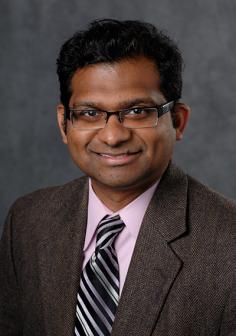 Arun Ross合作论文数Integrated Pattern Recognition and Biometrics Lab, Department of Computer Science and Engineering, College of Engineering, Michigan State University7Weijun Yi合作论文数6
 Syed Ashiqur Rahman合作论文数W Virginia Univ, Lane Dept Comp Sci & Elect Engn, Morgantown, WV 26506 USA6
 Xiaobo Zhou合作论文数Department of Bioinformatics and Systems Medicine, D. Bradley Mcwilliams School of Biomedical Informatics, University of Texas Health Science Center Houston6
 Wanhong Zheng合作论文数Department of Behavioral Medicine & Psychiatry, West Virginia University;Department of Neuroscience, School of Medicine, West Virginia University;Rockefeller Neuroscience Institute, West Virginia University6
 Marco Piccirilli合作论文数West Virginia University6
 Brijesh Patel合作论文数5Thinh Phan合作论文数5
 Pariya Pourmohammadi合作论文数5
 Iqbal Nouyed合作论文数Sch. of Eng. & Comput. Sci., Indep. Univ.;c;Sch. of Eng. & Comput. Sci., Indep. Univ.5
 Michael P. Strager合作论文数Natural Resource Economics;West Virginia University;Natural Resource Economics, West Virginia University5
 Mohammad Hossein Yaghmaee合作论文数Department of Computer Engineering, Ferdowsi University of Mashhad5
 Jeremy Dawson合作论文数Lane Department of Computer Science and Electrical Engineering, West Virginia University5Stanislav Pidhorskyi合作论文数4
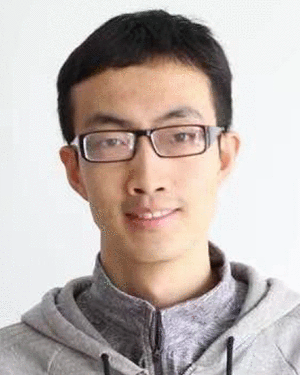 Tiehang Duan合作论文数Department of Computer Science and Engineering, State University of New York at Buffalo4
 Marie Abate合作论文数4
 Stephanie Schuckers合作论文数Department of Electrical and Computer Engineering, Center for Air and Aquatic Resources Engineering and Sciences, Coulter School of Engineering, Clarkson University4Fang Li合作论文数4Tao Cui合作论文数NCI (National Cancer Institute)'s caBIG Vocabulary Knowledge Center4Partho P. Sengupta合作论文数4
 E. James Harner合作论文数4
 Natalia Schmid合作论文数Lane Department of Computer Science and Electrical Engineering, West Virginia University4Fei Nan合作论文数4
 Shengqiao Li合作论文数4Matt Powell合作论文数3Joseph C McBee合作论文数3
 Nhat-Tan Bui合作论文数Columbia University3
 Toma, T.T.合作论文数3
 Chun Xu合作论文数3
 Cao Deng合作论文数BGI-Tech, BGI-Shenzhen;BGI-Tech, BGI-Shenzhen3
 Padma Nimmakayala合作论文数Gus R. Douglass Institute, West Virginia State University;the U.S. Vegetable Laboratory, ARS;and the Department of Horticultural Science, North Carolina State University;West Virginia State University, North Carolina State University3
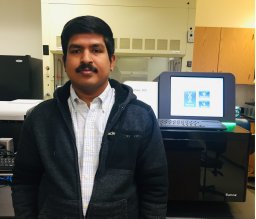 Purushothaman Natarajan合作论文数Genomics Laboratory, SRM University3
 Jun Tan合作论文数3
 Moon-Chuen Lee合作论文数3
 Li Liu合作论文数3Aliya Farheen合作论文数West Virginia University3




