Steady-state visual evoked potentials (SSVEPs) are widely used in brain-computer interfaces (BCIs) due to their stability and high signal-to-noise ratio. However, decoding short-time SSVEPs remains a key bottleneck that limits system performance. We propose a framework that integrates time series forecasting with SSVEP decoding to extend the effective data length and improve recognition accuracy for short recordings. Specifically, we introduce the Time-Frequency Fusion Network (TFFNet), a deep-learning-based forecasting model that forecasts short-time SSVEP signals for up to 40 stimulus classes. We then combine TFFNet with the state-of-the-art ensemble Task-Related Component Analysis by classifying extended segments formed by concatenating the original signal with its forecasting signal. Experiments on two public SSVEP datasets show that the proposed method significantly improves short-time SSVEP recognition and outperforms state-of-the-art baselines across all tested lengths; at 0.4 s, it achieves information transfer rates of 262.35 and 175.61 bits/min on the two datasets, respectively. Correlation analyses further corroborate the effectiveness of the forecasting strategy. To our knowledge, this is the first study to incorporate time series forecasting into SSVEP decoding, offering a generalizable approach to enhance SSVEP-BCI performance under short recording intervals.
BACKGROUND:Neuroimaging studies frequently report aberrant spontaneous brain activity and functional connectivity within core functional networks, including the default mode network (DMN), frontoparietal network (FPN), and salience network (SN) in subclinical depression (SD). However, the dynamic coordination among these networks remains poorly understood, impeding comprehensive elucidation of the underlying neuropathology of SD. METHODS:Resting-state functional magnetic resonance imaging (fMRI) data were collected from subjects with SD (n = 26) and healthy controls (HCs, n = 33). A preclustering-based co-activation pattern method was developed to investigate the dynamic patterns of network coordination. Finally, machine learning analysis was conducted to evaluate the potential of network dynamics for clinical diagnosis. RESULTS:Subjects with SD exhibited decreased dwell time in the SN and increased transition frequency from the SN to DMN, which was positively correlated with depressive severity. Furthermore, an ensemble learning model based on SN-DMN dynamic features achieved a classification accuracy of 96.44% in distinguishing SD from HC. CONCLUSION:These findings underscore the potential of altered SN-DMN dynamics as candidates for future neuroimaging markers of SD and support a neurocognitive model whereby altered SN-DMN dynamic coordination makes subjects with SD more prone to internal directed attention biases, thereby contributing to self-related depressive symptoms like rumination.
!CRISPR–Cas systems have evolved from bacterial adaptive immune mechanisms into programmable tools for sequence-specific nucleic acid recognition. At the same time, nanopore sensing has developed into a label-free single-molecule method that records ionic current changes as analytes pass through or interact with a nanoscale pore. Combining CRISPR-based recognition with nanopore electrical readout has created a flexible biosensing strategy in which sequence-specific targeting can be translated directly into measurable signals. Rather than representing a single sensing paradigm, CRISPR–nanopore integration comprises multiple mechanistically distinct architectures, each defined by a specific coupling between CRISPR biochemistry and nanopore signal generation. Within these systems, CRISPR effectors may be used for direct cleavage, dCas9-mediated binding, or Cas9-guided target enrichment before nanopore analysis. Depending on the selected effector and nanopore configuration, current CRISPR–nanopore platforms can be broadly grouped into labeling-based detection, enrichment-assisted long-read sequencing, and collateral cleavage–based reporter readout. Among these approaches, the long-read capability of nanopores is especially useful because it allows targeted genomic regions to be examined over extended sequence contexts. Such capability supports analysis of single-nucleotide polymorphisms, structural variants, fusion junctions, and native epigenetic modifications within a largely amplification-free workflow. Recent developments are discussed in the context of analytical performance, practical implementation, and emerging diagnostic applications. Despite rapid progress, wider implementation is still limited by challenges in multiplexing, signal stability, and assay standardization. Further advances in CRISPR engineering, nanopore design, computational signal analysis, and workflow automation are expected to improve robustness and support translation toward practical biosensing and diagnostic applications.
Objective: Speech, as the core of advanced human cognition, is fundamental to social interaction and daily life. Electroencephalogram (EEG)-based speech brain-computer interface (BCI) offers a novel communication pathway for patients with speech disorders, where deep learning has demonstrated significant advantages. Given the established dominance of the left hemisphere in speech processing, exploring methods to extract speech related neural features fully is crucial for enhancing decoding per formance. Approach: In this study, EEG signals were recorded during a silent speech task involving the articulation of 10 distinct Chinese characters. Leveraging the principle of language function lateralization, we proposed a novel deep learning model, the cross hemispheric spatial-temporal attention network (CHSTAN), for EEG-based silent speech recognition. A multiscale temporal con volution block was employed to extract the temporal dynamics of EEG signals. A hemispheric spatial convolutional block was designed to independently process spatial information from the left and right hemispheres. Furthermore, the cross-attention mechanism was introduced to enhance inter-hemispheric feature inter action and specifically reinforce left-hemispheric feature representation for the final classification. Results: We compared CHSTAN with other existing methods using 5-fold cross-validation on the collected dataset. CHSTAN achieved an average classification accuracy of 49.88% and an average F1-score of 48.75% in decoding the 10 Chinese characters, significantly outperforming other methods. Conclusion: The results indicate that the CHSTAN performs effectively in silent speech EEG classification tasks. Notably, the feature patterns learned through its innovative architecture correspond to neural speech processing mechanism. Significance: CHSTAN provides valuable insights and practical solutions for improving the performance of EEG-based speech decoding.
To investigate the causes, manifestations, risk factors and management of anesthetic complications of extensive spinal nerve block (ESNB) and total spinal anesthesia (TSA) during percutaneous spinal endoscopic surgery under local anesthesia. We retrospectively reviewed 16,798 patients who underwent percutaneous spinal endoscopic surgery under local anesthesia across three institutions between February 2012 to February 2023. Patient demographics, including gender, age and Body Mass Index (BMI) were collected, along with surgical characteristics such as surgical sites, involved segments, surgical approaches and procedures. Local anesthetic dosage, as well as the onset time, manifestations, management, recovery and prognosis of intraoperative ESNB and TSA were recorded. Statistical analysis including regression analysis was used to identify potential risk factors. 9 patients (0.05
Objective.Motor imagery brain-computer interfaces hold significant promise for neurorehabilitation, yet their performance is often compromised by electroencephalography (EEG) non-stationarity, low signal-to-noise ratios, and severe cross-session variability. Current decoding methods typically suffer from fragmented optimization, treating temporal, spectral, and spatial features in isolation.Approach.We propose common temporal-spectral-spatial patterns (CTSSP), a unified framework that jointly optimizes filters across all three domains. The algorithm integrates: (1) multi-scale temporal segmentation to capture dynamic neural evolution, (2) channel-adaptive finite impulse response filters to enhance task-relevant rhythms, and (3) low-rank regularization to improve generalization.Main results.Evaluated across five public datasets, CTSSP achieves state-of-the-art performance. It yielded mean accuracies of 76.9% (within-subject), 68.8% (cross-session), and 69.8% (cross-subject). In within-subject and cross-session scenarios, CTSSP significantly outperformed competing baselines by margins of 2.6%-14.6% (p< 0.001) and 2.3%-13.8% (p< 0.05), respectively. In cross-subject tasks, it achieved the highest average accuracy, proving competitive against deep learning models. Neurophysiological visualization confirms that the learned filters align closely with motor cortex activation mechanisms.Significance.CTSSP effectively overcomes the limitations of decoupled feature extraction by extracting robust, interpretable, and coupled temporal-spectral-spatial patterns. It offers a powerful, data-efficient solution for decoding MI EEG in noisy, non-stationary environments. The code is available athttps://github.com/PLC-TJU/CTSSP.
Real-time monitoring of sustained attention fluctuations during continuous complex tasks is vital for enhancing task performance and preventing accidents. Attention modulates neurons in the visual cortex in various ways to improve the visual sensitivity at an attended location. EEG-based brain-computer interfaces (BCIs) offer one of the most effective approaches for monitoring the state of human individuals. Whether transient responses evoked by brief stimuli, steady-state responses elicited by prolonged stimuli, or spontaneous neural oscillations, researchers can extract recognized electrophysiological features that reflect attention levels. However, unimodal features face inherent limitations, such as the low signal-to-noise ratio of transient responses and susceptibility of spontaneous rhythms to electrophysiological interference. Nevertheless, few studies have explored multimodal feature fusion for attention state monitoring. Here, we developed an innovative continuous go/no-go task to concurrently evoke both event-related potential (ERP) and steady-state visual evoked potential (SSVEP), while modulating spontaneous oscillatory activities through attentional engagement. To maximize the attentional modulation effect, we integrated the contrast-response functions of the modulation effect of attention on SSVEP and implemented 12 stimulus contrast levels to identify optimal visual stimulation intensity. Results from 25 subjects demonstrated that the decline in sustained attention during a continuous task was predictable before behavioral mistakes. Classification performance peaked at 31.60% stimulus contrast condition using the fused features combining spontaneous beta-band oscillations and SSVEP responses (average: 74.48%; best: 90.83%). These findings advance the development of more robust real-time attention monitoring systems based on BCI technology.
The blood-brain barrier (BBB), while indispensable for maintaining central nervous system (CNS) homeostasis, constitutes the principal impediment to effective therapeutic delivery for neurodegenerative disorders, particularly hindering spatially resolved modulation of extracellular ions and reactive oxygen species (ROS) within the neural microenvironment. Contemporary electrochemical methodologies have emerged as a paradigm shift for dynamically reconciling these dual parameters, thereby enabling targeted neuroregulation. Critical review of this field reveals a distinct evolution from passive physiological interventions to active electrochemical engineering approaches. Current research, however, encounters persistent translational barriers including insufficient spatiotemporal resolution in neural interfaces, incomplete mechanistic understanding of ROS-ionic crosstalk, and scalability limitations of nanoscale delivery systems. To transcend these limitations, the synergistic convergence of electrochemical platforms with machine learning (ML)-guided predictive analytics, near-infrared (NIR) phototherapy, and biocompatible nanocarrier-mediated delivery systems constitutes a strategic imperative in next-generation neurotherapeutic development. Such interdisciplinary convergence is not merely incremental but rather a fundamental prerequisite for realizing clinically translatable neural microenvironment modulation.
With the advancement of neuroscience and computer science, electroencephalography (EEG) has drawn increasing attention as a promising modality for biometric identification, owing to its universality, permanence, and security. However, existing studies have pointed out that maintaining stable and temporally robust inter-individual features remains a major challenge in EEG-based identification. Therefore, developing effective methods for cross-time EEG-based identity recognition is essential for achieving reliable and practical biometric systems. In this study, we propose a novel EEG-based identification framework grounded in symmetric positive definite (SPD) manifolds. Specifically, we utilize the spatial covariance matrices of EEG signals to represent individual differences and introduce an enhanced feature extraction method (E-SPD-M) that simultaneously captures temporal, spatial, and spectral characteristics. These matrices are embedded into the Riemannian manifold to construct a discriminative representation space. For each subject, we build a personalized classification model and integrate their outputs to achieve accurate identification. Furthermore, we construct a comprehensive multi-task, cross-time EEG dataset and validate our approach on both our dataset and a publicly available longitudinal EEG dataset (M3CV). Experimental results demonstrate that our method achieves superior cross-time identification performance. Overall, this work offers a novel pathway for improving EEG-based biometric algorithms and extending the application of Riemannian geometry in the field.
The accurate delineation of ischemic stroke lesions in magnetic resonance imaging (MRI) is impeded by heterogeneous lesion morphology and the computational expense of modeling global context in three‑dimensional data. In cerebral infarction assessment, diffusion‑weighted imaging, apparent diffusion coefficient, T2‑weighted imaging and T2star sequences (including susceptibility weighted image processing) each offer complementary information, yet existing fusion strategies often fail to adapt to missing modalities or capture long‑range dependencies efficiently. Here we present GPMNet, a lightweight convolutional framework that integrates an adaptive multimodal feature fusion module-employing dynamic cross‑attention to spatially weight and merge signals from all four MRI sequences-and a gated parallel state‑space module that models global voxel interactions in linear time via dual gated branches. We trained the network end-to-end on the ATLAS R2.0 dataset and our own dataset collected at HuanHu Hospital (Tianjin, China), labeled as HHD. The training used a combined Dice-binary cross-entropy and TOPK10 loss, and the outputs were refined using ensemble inference and connected-domain filtering. GPMNet achieved Dice coefficients of 0.6604 and 0.7171 on the two cohorts respectively, achieving superior results compared to other state-of-the-art algorithms. Moreover, the Grad-CAM-based interpretability analysis confirms that the model's attention corresponds to true ischemic areas across modalities, offering visual evidence of its diagnostic reliability and enhancing the transparency of the segmentation process. Our approach delivered rapid, high‑precision stroke segmentation and establishes a scalable paradigm for resource‑efficient clinical imaging applications.
The existing strategies for spinal cord injury (SCI) repair are restricted by the limitations of experimental models and intervention measures. Although the potential of stem cells, biomaterials, and electromagnetic stimulation has been demonstrated in animal models, their clinical translation has been relatively ineffective. In the present study, using the concepts of biomimetic neural tissue engineering to address the complex spatiotemporal characteristics of injured spinal cord repair, we created a programmable controlled-release bionic spinal cord graft with a topological scaffold composed of silk fibroin and collagen. By employing microfluidic drug-loaded microsphere technology and dual regulation by exosomes and extracellular matrix derived from human stem cells, the graft exhibited sustained release of neurotrophic factors, providing a beneficial regenerative microenvironment for SCI repair. In a mouse T10 3-mm hemisection SCI model, the graft facilitated tissue repair of the injured spinal cord, vascular remodeling, sensory and motor functional reconstruction, bladder function recovery, and the reversal of muscle atrophy. This study presents a new strategy for effective injured spinal cord repair using a programmable controlled-release bionic spinal cord graft, and the results suggest potential for application in humans for spinal cord repair and functional reconstruction.
Transcranial acoustoelectric brain imaging (tABI) is a potential brain activity imaging technique with high spatiotemporal resolution. Precise focus of transcranial ultrasound is critical for realizing millimeter-level spatial resolution in tABI. In this study, a precise focusing simulation platform is proposed by constructing a high-precision 3D skull model from Bama pig computed tomography data and a mathematical model equation by considering the skull’s heterogeneous properties. Then, the delay parameters derived from the simulation platform improve the precision of transcranial ultrasound focusing, enabling precise localization of brain activation sources with tABI. Phantom experimental results demonstrate that the transcranial ultrasound field is precisely focused at the target with a 0.20 mm deviation when delay parameters are obtained from the proposed simulation platform, whereas it exhibits divergence when using delay parameters derived from pure water or homogeneous skull models. Furthermore, using the proposed simulation platform, tABI can accurately identify intracranial electrical signals of distinct frequencies and precisely locate the corresponding activation sources with a spatial deviation of 0.50 mm. These results demonstrate that the proposed simulation platform is a powerful tool for the precise focusing of tABI.
Patients with bipolar disorder (BD) exhibit deficits in emotional conflict control. These abnormalities may be related to alterations in distinct cognitive subprocesses involved in emotional conflict processing; however, the specific stages affected remain unclear. Given the temporal and stage-dependent nature of emotional conflict control, examining specific processing stages may clarify the mechanisms underlying these deficits in BD. Therefore, this study combined a face-word emotional Stroop task with EEG, integrating event-related potentials (ERPs) and brain functional network analyses to characterize the cognitive subprocesses involved in emotional conflict control in bipolar II disorder (BD-II). BD-II patients showed significant abnormalities in early cognitive stages, including emotional stimulus perception and conflict monitoring (p < 0.05). These abnormalities were mainly reflected by reduced N200 amplitudes, right temporal region (T8)-centered network changes, and alterations in both global topology and frontal network organization. Machine learning analysis further suggested that these abnormal electrophysiological features may contain information relevant to distinguishing BD-II patients from healthy controls (HC), yielding an accuracy of 83.3% on the held-out test set. In summary, this study suggests that emotional conflict control deficits in BD-II are mainly reflected in early-stage electrophysiological abnormalities, with ERP amplitude changes and T8-centered right temporal network alterations representing the core findings. These findings provide candidate EEG features for further investigation of emotional conflict control abnormalities in BD-II, but require validation in larger independent samples.
Event-related potential (ERP)-based brain-computer interface (BCI) systems are approaching sub-microvolt-level resolution, enabling detailed decoding of sophisticated cognitive processes. This progress has increased the demand for robust classifiers. Current algorithms encounter two fundamental challenges when decoding ERPs: data scarcity and class imbalance. To address these challenges, we propose a joint-shrinkage pattern matching (JSPM) algorithm consisting of two modules. First, a novel joint-shrinkage spatial filter is constructed by integrating shrinkage-based regularization with the $\mathcal{{l}}_{2,{\bm{p}}}$-norm. This regularization approach effectively bridges the gap between complex structured regularization and implementation simplicity, which introduces automated regularization to enhance module robustness under data-scarce conditions. The $\mathcal{{l}}_{2,{\bm{p}}}$-norm provides a flexible feature distance measurement, enabling adaptation to data quality variability. Second, a weighted template matching module mitigates decision boundary shift caused by class imbalance. Using error-related potentials (ErrPs) as representative signals, we validated the algorithm through comprehensive comparisons. JSPM significantly outperformed 14 state-of-the-art classifiers on one self-collected and two public ErrP datasets. With only 40 imbalanced training samples, it achieved up to 14.84% higher average balanced accuracy (bAcc) than competing methods, maintaining a 4.88% average bAcc advantage over its nearest competitor. Notably, JSPM significantly enhanced inter-class discriminability for ErrP features with approximately 1 μV amplitude, achieving a maximum bAcc enhancement of 8.80% compared to deep learning methods. Overall, JSPM effectively addresses small-sample and imbalanced ERP decoding in BCI systems, facilitating the transition from laboratory research to real-world applications.
The healthy brain has been proposed to operate near a critical state, reflecting a balance between neuronal excitation and inhibition. In contrast, stroke disrupts neural activity and brain network function, yet its impact on critical dynamics remains unclear. In this study, we investigated whether brain critical dynamics are altered in persons with chronic stroke using resting-state EEG. Several criticality-related metrics were compared between stroke patients and healthy controls, including neuronal avalanche statistics, branching parameter, Fano factor, long-range temporal correlations (LRTC), and neuronal-avalanche-based LRTC. These complementary metrics provide a multifaceted assessment of critical brain dynamics. Compared with healthy controls, stroke patients exhibited a significant reduction in probability of large-scale neuronal avalanches, along with lower branching parameters and Fano factors. In addition, stroke patients showed frequency-specific alterations in LRTC, with significant reductions observed in the beta and gamma bands. The scaling exponent (α) derived from neuronal-avalanche-based LRTC was also reduced. These findings indicate that stroke induces a subcritical shift in brain dynamics and provide a novel understanding of post-stroke brain dysfunction from a dynamical systems perspective.
Traumatic spinal cord injury (TSCI) typically leads to persistent motor and sensory deficits. Interdisciplinary advances have supported preclinical research into tissue engineering approaches for TSCI repair, with the core objective of reconstructing damaged neural tissue and restoring both anatomical integrity and physiological neural function. Many published reviews provide only a descriptive categorization of biomaterials, without establishing a systematic design logic aligned with stepwise pathological shifts after TSCI. This review summarizes tissue engineering interventions for TSCI and develops a biomaterial design system tailored to distinct phases of pathological injury. It elucidates intrinsic connections among material structure, physicochemical properties, and in vivo biological performance. This work further examines appropriate animal model selection and practical hurdles that restrict the bench-to-clinic translation of preclinical therapeutic effects. Finally, it identifies key bottlenecks hindering clinical translation and provides theoretical ideas for the development of neural regenerative biomaterials and the translational research of TSCI repair.
Global warming is expected to alter indoor thermal environments and indoor air composition, yet the specific effects of these changes on learning and cognition remain insufficiently understood. In this climate chamber study, we examined the combined effects of experimentally elevated indoor CO₂ concentrations (500 and 5000 ppm, added from a gas cylinder under constant ventilation) and temperatures (22 °C and 28 °C) on cognitive-related outcomes. Twenty-four participants completed a within-subject protocol involving two neuropsychological tasks (Stroop and delayed-matching-to-sample), subjective evaluations, physiological measurements, and electroencephalography (EEG). EEG features were further used to construct a deep learning-based Cognitive Comfort Model (CCM). Significant interactions between CO₂ level and temperature were observed for noise acceptability, thermal comfort, and EEG power in the alpha, theta, and delta bands, whereas behavioral task performance showed only limited changes across conditions. These results suggest that combined thermal-CO₂ stress can modulate subjective comfort and neural indicators of cognitive load even when overt performance is largely preserved. Our findings help to clarify the specific effects of elevated CO₂ and temperature, independent of general poor ventilation, and support the refinement of indoor environmental control strategies aimed at protecting cognitive well-being in warming climates.
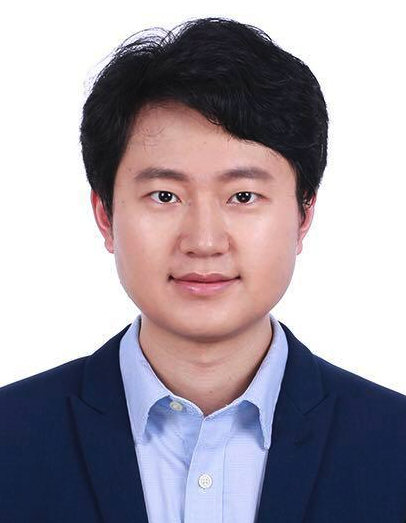 Minpeng Xu (许敏鹏)合作论文数Tianjin University266
 Zhiqi Hong (洪之奇)合作论文数Zhejiang University178
 Shuang Liu (刘爽)合作论文数Medical School of Tianjin University178
 Feng He (何峰)合作论文数Tianjin University School of Medicine;Department of Biomedical Engineering, School of Precision Instrument and Opto-Electronics Engineering, Tianjin University128
 Xingwei An (安兴伟)合作论文数Medical School, Tianjin University95
 Yufeng Ke (柯余峰)合作论文数Medical School of Tianjin University90
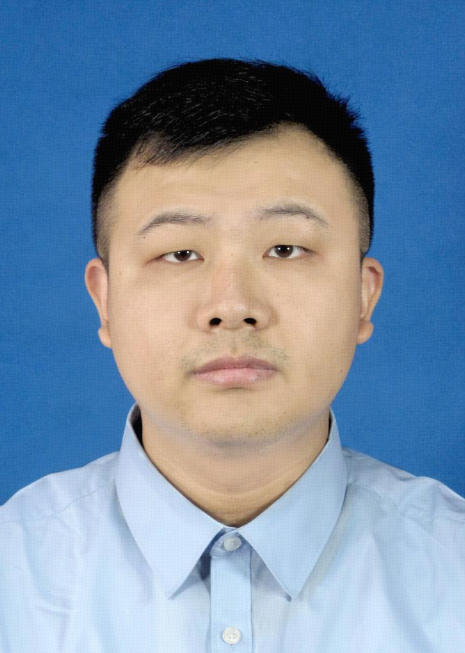 Long Chen (陈龙)合作论文数Medical School of Tianjin University88
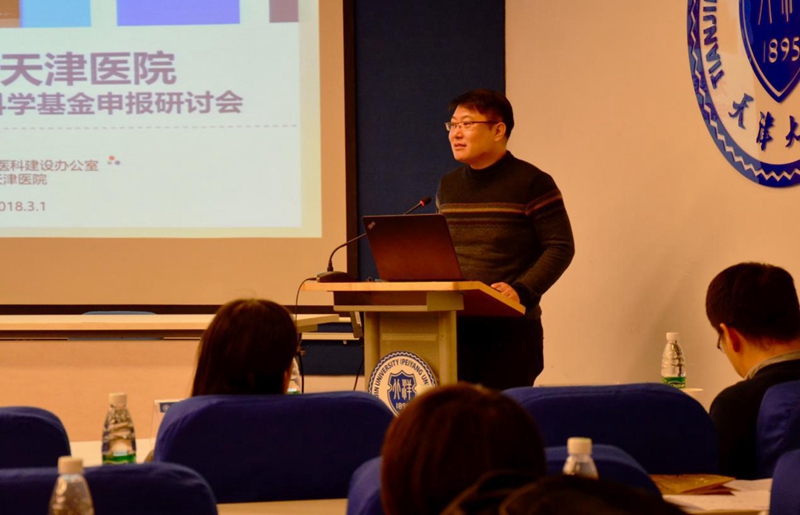 Bai-Kun Wan (万柏坤)合作论文数School of Precision Instrument and Opto-Electronics Engineering,Tianjin University87
 Peng Zhou (周鹏)合作论文数School of Medicine, Tianjin University;Department of Biomedical Engineering, School of Precision Instrument and Opto-electronics Engineering, Tianjin University;Hebei University of Technology80
 Bokun Wan (万柏坤)合作论文数Tianjin University78
 Lixin Zhang (张力新)合作论文数School of Precision Instrument and Optoelectronics Engineering, Tianjin University68
 Rui Xu (徐瑞)合作论文数Medical School of Tianjin University67
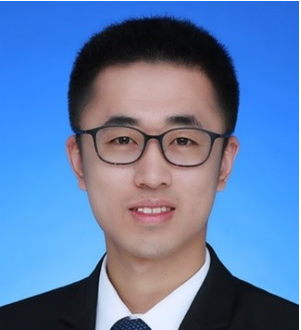 Zhongpeng Wang (王仲朋)合作论文数Academy of Medical Engineering and Translational Medicine, Tianjin University61
 Jiajia Yang (杨佳佳)合作论文数Medical School of Tianjin University61
 Xizi Song (宋西姊)合作论文数Medical School of Tianjin University;Department of Graduate, Tianjin University of Sport60
 Kun Wang (王昆)合作论文数School of Mechanical Engineering, Tianjin University58
 Lin Meng (孟琳)合作论文数Medical College, Tianjin University53
 Xiuyun Liu (刘秀云)合作论文数Medical School, Tianjin University51Xiaolin Xiao (肖晓琳)合作论文数Acad Med Engn & Translat Med, Tianjin Univ49
 Yuan Liu (刘源)合作论文数Medical School, Tianjin University44
 Weibo Yi合作论文数44
 Xiaoya Liu (刘潇雅)合作论文数Medical School, Tianjin University41
 Jiayuan Meng (孟嘉源)合作论文数University of Virginia41
 Yong Hu (胡勇)合作论文数Department of Orthopaedics and Traumatology, School of Clinical Medicine, The University of Hong Kong;Neural Eng. & Clin Electrophysiology Laboratory, The University of Hong Kong;Shenzhen Hospital, The University of Hong Kong;Shenzhen Institute of Research and Innovation, The University of Hong Kong;Institute of Biomedical Engineering, Chinese Academy of Medical Sciences37
 Tzyy-Ping Jung (钟子平)合作论文数Academy of Medical Engineering and Translational Medicine, Tianjin University;Center for Advanced Neurological Engineering, Institute for Neural Computation and Institute of Engineering in Medicine, University of California, San Diego35
 Xin Zhao (赵欣)合作论文数School of Mechanical Engineering, Tianjin University34
 Chenguang Zheng (郑晨光)合作论文数Medical School of Tianjin University29Bin Gu合作论文数27
 Yijie Zhou (周伊婕)合作论文数Medical School of Tianjin University27
 Xiaopeng Si (司霄鹏)合作论文数27
 Guangjian Ni (倪广健)合作论文数Medical School, Tianjin University;School of Precision Instrument and Opto-electronics Engineering, Tianjin University25Longlong Cheng (程龙龙)合作论文数China Electric Data Services Co. Ltd.25
 Yuanyuan Chen合作论文数23
 Meijun Pang (庞美俊)合作论文数School of Medicine, Tianjin University21
 Haiqing Yu合作论文数21
 Chunfang Wang合作论文数20
 Tang Jiabei合作论文数20
 Shuang Qiu合作论文数Department of Computer Science, City University of Hong Kong;Department of Systems Engineering, College of Engineering, City University of Hong Kong20XueJun Jiao (焦学军)合作论文数19XueMin Wang (王学民)合作论文数19
 Lei Zhang (张蕾)合作论文数College of Intelligence and Computing, Tianjin University;Institute of Software and Information Security Engineering, Tianjin University19
 Erwei Yin (印二威)合作论文数Tianjin Artificial Intelligence Innovation Center;National Academy of Defense Technology Innovation, Academy of Military Science of the Chinese People's Liberation Army19
 Yanru Bai合作论文数18
 SUN Chang-cheng (孙长城)合作论文数17
 Xinrui Chen合作论文数17
 Kuo Zhang (张阔)合作论文数Medical College, Tianjin University17
 Xiaosong Gu (顾晓松)合作论文数Nantong University;School of Medicine, Tianjin University;School of Medicine, Nanjing University of Chinese Medicine17
 Shanguang Chen (陈善广)合作论文数China Manned Space Agency17Lichao Xu (徐立超)合作论文数16




