PDF file - 50K, aplan-Meier analyses of stage III colon cancer patients according to treatment arm and MSI status. DFS, disease-free survival; FU/LV, 5-fluorouracil and leucovorin; IFL, irinotecan, 5-fluorouracil and leucovorin; MSI, microsatellite instability; MSS, microsatellite stable; OS, overall survival; RFS, recurrence-free survival.
PDF file - 42K, Distribution of stage III colon cancer according to MSI, KRAS and BRAF status.
6501 Background: Clinically annotated specimens from cancer clinical trial participants offer an opportunity for discovery and validation of pharmacogenomic findings. This observational study assessed patient (pt) and institutional factors that may contribute to participation in pharmacogenomic components of prospective cancer clinical trials. No trial in the study used pharmacogenomic results to guide therapy, but germline DNA was collected from consenting pts for future study of potential heritable variations associated with clinical outcome. Methods: Pt demographic data (age, sex, diagnosis, self-reported race) and institutional characteristics (CALGB/CTSU site, diversity, accrual rate) were evaluated for 8546 pts enrolled in 7 CALGB phase III trials with a pharmacogenomic component. Participation was defined as pt consent specific to this component documented in the CALGB database. Results: Most pts (81%) enrolled on the clinical trials consented to participate in the pharmacogenomic component. In a multivariable analysis, site (CALGB vs CTSU), self-reported race (non-white vs white) and institutional diversity (% minority cancer pts on national trials) were significantly associated with participation. Pts from CALGB sites were more likely to participate than pts at CTSU sites (OR 2.09, CI 1.60-2.73, p<0.0001). Non-white pts were less likely to participate than white pts (OR 0.48, CI 0.41-0.56, p<0.0001). A significant interaction between site and race was observed (OR 0.41, CI 0.37-0.47, p<0.0001). As institutional diversity increased, likelihood of participation in the pharmacogenomic component decreased for both white (p=0.0001) and non-white pts (p=0.054). Conclusions: Pharmacogenomic studies are achievable in the context of multicenter cancer clinical trials, but optimization of pt and institution participation is needed. Institutional factorsappear to be more important than pt demographics. To promote equitable pt benefit, prospective studies should be conducted to understand barriers and incentives to participation in pharmacogenomic research at the patient, clinician and institutional levels.
AbstractPurpose: Alterations in the RAS-RAF-MAP2K (MEK)-MAPK signaling pathway are major drivers in colorectal carcinogenesis. In colorectal cancer, BRAF mutation is associated with microsatellite instability (MSI), and typically predicts inferior prognosis. We examined the effect of BRAF mutation on survival and treatment efficacy in patients with stage III colon cancer.Methods: We assessed status of BRAF c.1799T>A (p.V600E) mutation and MSI in 506 stage III colon cancer patients enrolled in a randomized adjuvant chemotherapy trial [5-fluorouracil and leucovorin (FU/LV) vs. irinotecan (CPT11), FU and LV (IFL); CALGB 89803]. Cox proportional hazards model was used to assess the prognostic role of BRAF mutation, adjusting for clinical features, adjuvant chemotherapy arm, and MSI status.Results: Compared with 431 BRAF wild-type patients, 75 BRAF-mutated patients experienced significantly worse overall survival [OS; log-rank P = 0.015; multivariate HR = 1.66; 95% CI: 1.05–2.63]. By assessing combined status of BRAF and MSI, it seemed that BRAF-mutated MSS (microsatellite stable) tumor was an unfavorable subtype, whereas BRAF wild-type MSI-high tumor was a favorable subtype, and BRAF-mutated MSI-high tumor and BRAF wild-type MSS tumor were intermediate subtypes. Among patients with BRAF-mutated tumors, a nonsignificant trend toward improved OS was observed for IFL versus FU/LV arm (multivariate HR = 0.52; 95% CI: 0.25–1.10). Among patients with BRAF wild-type cancer, IFL conferred no suggestion of benefit beyond FU/LV alone (multivariate HR = 1.02; 95% CI: 0.72–1.46).Conclusions: BRAF mutation is associated with inferior survival in stage III colon cancer. Additional studies are necessary to assess whether there is any predictive role of BRAF mutation for irinotecan-based therapy. Clin Cancer Res; 18(3); 890–900. ©2011 AACR.
Background Although preclinical and epidemiological data suggest that statins may have antineoplastic properties, the impact of statin use on patient survival after a curative resection of stage III colon cancer is unknown.Methods We conducted a prospective observational study of 842 patients with stage III colon cancer enrolled in a randomized adjuvant chemotherapy trial from April 1999 to May 2001 to investigate the relationship between statin use and survival. Disease-free survival (DFS), recurrence-free survival (RFS), and overall survival (OS) were investigated by Kaplan-Meier curves and log-rank tests in the overall study population and in a subset of patients stratified by KRAS mutation status (n = 394), and Cox proportional hazards regression was used to assess the simultaneous impact of confounding variables. All statistical tests were two-sided.Results Among 842 patients, 134 (15.9%) reported statin use after completing adjuvant chemotherapy. DFS among statin users and nonusers was similar (hazard ratio [HR] of cancer recurrence or death = 1.04, 95% confidence interval [CI] = 0.73 to 1.49). RFS and OS were also similar between statin users and nonusers (adjusted HR of cancer recurrence = 1.14, 95% CI = 0.77 to 1.69; adjusted HR of death = 1.15, 95% CI = 0.77 to 1.71). Survival outcomes were similar regardless of increasing duration of statin use before cancer diagnosis (P-trend = .63, .63, and .59 for DFS, RFS, and OS, respectively). The impact of statin use did not differ by tumor KRAS mutation status, with similar DFS, RFS, and OS for statin use among mutant and wild-type subgroups (P-interaction = .84, .67, and .98 for DFS, RFS, and OS, respectively).Conclusion Statin use during and after adjuvant chemotherapy was not associated with improved DFS, RFS, or OS in patients with stage III colon cancer, regardless of KRAS mutation status. J Natl Cancer Inst 2011; 103: 1540-1551
Abstract Background and Aims: Cancer and Leukemia Group B 80303 was a randomized, phase III study in patients with advanced pancreatic cancer treated with gemcitabine plus either bevacizumab or placebo. We prospectively collected germline DNA and conducted a genome-wide association study (GWAS) using overall survival (OS) as the endpoint. Experimental Design: DNA from 351 patients was genotyped for more than 550,000 single-nucleotide polymorphisms (SNP). Associations between OS and SNPs were investigated using the log-linear 2-way multiplicative Cox proportional hazards model. The subset of 294 genetically European patients was used for the primary analysis. Results: A nonsynonymous SNP in interleukin (IL)17F (rs763780, H161R) and an intronic SNP in strong linkage disequilibrium (rs7771466) were associated with OS using genome-wide criteria (P ≤ 10−7). Median OS was significantly shorter (P = 2.61 × 10⁻⁸) for the rs763780 heterozygotes [3.1 months; 95% confidence interval (CI), 2.3–4.3] than for the patients without this variant (6.8 months; 95% CI, 5.8–7.3). After adjustment by stratification factors, the P value for the association was 9.51 × 10⁻⁷. Conclusions: The variant 161R form of IL-17F is a natural antagonist of the antiangiogenic effects of wild-type 161H IL-17F, and angiogenesis may play an important role in the metastatic spread of pancreatic cancer. In this preliminary study, we hypothesize that the angiogenetic potential of pancreatic cancers in patients with variant IL-17F is higher than that of tumors in patients with wild-type IL-17F, conferring worse prognosis. This exploratory GWAS may provide the foundation for testing the biology and clinical effects of novel genes and their heritable variants through mechanistic and confirmatory studies in pancreatic cancer. Clin Cancer Res; 18(2); 577–84. ©2011 AACR.
BACKGROUND:The purpose of this study was to assess the efficacy and safety of 5-fluorouracil (5FU) and gemcitabine administered concurrently with radiation in patients with locally advanced, nonmetastatic pancreatic cancer. METHODS:Eligible patients had histologically confirmed pancreatic adenocarcinoma deemed locally unresectable without evidence of metastatic disease. In addition, all patients underwent laparoscopy or laparotomy before study entry to rule out peritoneal carcinomatosis. Patients received radiation therapy (50.4 Gy) with concurrent infusional 5FU (200 mg/m(2) 5 days/week) and weekly gemcitabine (200 mg/m(2) ). After a 3-week break, patients received weekly gemcitabine at 1000 mg/m(2) for 3 of 4 weeks, for 4 cycles. The primary endpoint of the trial was the proportion of patients surviving 9 months from study entry. Secondary endpoints included objective tumor response, CA19-9 response, overall survival (OS) time to progression (TTP), and toxicity. RESULTS:Between November 2001 and October 2004, 81 patients were enrolled, 78 of whom were eligible for analysis. With a median follow-up of 55.2 months, the median OS was 12.2 months (95% confidence interval [CI], 10.9-14.9) and the median TTP was 10 months (95% CI, 6.4-12.0). An objective tumor response was seen in 19 patients (25%), and among 56 patients with an elevated CA19-9 at baseline, 29 (52%) had a sustained CA19-9 response. Overall, 41% of patients had grade 3 or greater treatment-related gastrointestinal adverse events. CONCLUSIONS:The combination of 5FU, gemcitabine, and radiation is well tolerated. Survival is comparable with the best results of other recent studies of 5FU and radiation or gemcitabine and radiation.
BACKGROUND:Cigarette smoking has been shown to increase the risk of developing colorectal cancer, particularly smoking early in life. Little is known about the impact of tobacco use on colon cancer recurrence among colon cancer survivors. METHODS:The authors prospectively collected lifetime smoking history from stage III colon cancer patients enrolled in a phase 3 trial via self-report questionnaires during and 6 months after completion of adjuvant chemotherapy. Smoking status was defined as never, current, or past. Lifetime pack-years were defined as number of lifetime packs of cigarettes. Patients were followed for recurrence or death. RESULTS:Data on smoking history were captured on 1045 patients with stage III colon cancer receiving adjuvant therapy (46% never smokers; 44% past; 10% current). The adjusted hazard ratio (HR) for disease-free survival (DFS) was 0.99 (95% confidence interval [CI], 0.70-1.41), 1.17 (95% CI 0.89-1.55), and 1.22 (95% CI 0.92-1.61) for lifetime pack-years 0-10, 10-20, and 20+, respectively, compared with never smoking (P = .16). In a preplanned exploratory analysis of smoking intensity early in life, the adjusted HR for 12+ pack-years before age 30 years for DFS was 1.37 (95% CI, 1.02-1.84) compared with never smoking (P = .04). The adjusted HR for DFS was 1.18 (95% CI, 0.92-1.50) for past smokers and 1.10 (95% CI, 0.73-1.64) for current smokers, compared with never smokers. CONCLUSIONS:Total tobacco usage early in life may be an important, independent prognostic factor of cancer recurrences and mortality in patients with stage III colon cancer.
The risk of developing brain metastases after definitive treatment of locally advanced nonsmall cell lung cancer (NSCLC) is approximately 30%‐50%. The risk for patients with early stage disease is less defined. The authors sought to investigate this further and to study potential risk factors.
BACKGROUND: The purpose of this study was to assess the efficacy and safety of 5-fluorouracil (5FU) and gemcitabine administered concurrently with radiation in patients with locally advanced, nonmetastatic pancreatic cancer. METHODS: Eligible patients had histologically confirmed pancreatic adenocarcinoma deemed locally unresectable without evidence of metastatic disease. In addition, all patients underwent laparoscopy or laparotomy before study entry to rule out peritoneal carcinomatosis. Patients received radiation therapy (50.4 Gy) with concurrent infusional 5FU (200 mg/m(2) 5 days/week) and weekly gemcitabine (200 mg/m(2)). After a 3-week break, patients received weekly gemcitabine at 1000 mg/m(2) for 3 of 4 weeks, for 4 cycles. The primary endpoint of the trial was the proportion of patients surviving 9 months from study entry. Secondary endpoints included objective tumor response, CA19-9 response, overall survival (OS) time to progression (TTP), and toxicity. RESULTS: Between November 2001 and October 2004, 81 patients were enrolled, 78 of whom were eligible for analysis. With a median follow-up of 55.2 months, the median OS was 12.2 months (95% confidence interval [CI], 10.9-14.9) and the median TTP was 10 months (95% CI, 6.4-12.0). An objective tumor response was seen in 19 patients (25%), and among 56 patients with an elevated CA19-9 at baseline, 29 (52%) had a sustained CA19-9 response. Overall, 41% of patients had grade 3 or greater treatment-related gastrointestinal adverse events. CONCLUSIONS: The combination of 5FU, gemcitabine, and radiation is well tolerated. Survival is comparable with the best results of other recent studies of 5FU and radiation or gemcitabine and radiation. Cancer 2011; 117: 2620-8. (C) 2010 American Cancer Society.
PURPOSEMultivitamin use is widespread in the United States, especially among patients with cancer. However, the influence of multivitamin supplementation on cancer recurrence and death after a curative resection of colon cancer is unknown.PATIENTS AND METHODSWe conducted a prospective, observational study of 1,038 patients with stage III colon cancer enrolled in a randomized adjuvant chemotherapy trial. Patients reported on multivitamin use during and 6 months after adjuvant chemotherapy. Patients were observed until March 2009 for disease recurrence and death. To minimize bias by occult recurrence, we excluded patients who recurred or died within 90 days of their multivitamin assessment.RESULTSAmong 1,038 patients, 518 (49.9%) reported multivitamin use during adjuvant chemotherapy. Compared with nonusers, the multivariate hazard ratio (HR) for disease-free survival was 0.94 (95% CI, 0.77 to 1.15) for patients who used multivitamins. Similarly, multivitamin use during adjuvant chemotherapy was not significantly associated with recurrence-free survival (multivariate HR, 0.93; 95% CI, 0.75 to 1.15) or overall survival (multivariate HR 0.92; 95% CI, 0.74 to 1.16). Multivitamin use reported 6 months after completion of adjuvant chemotherapy was also not associated with improved patient outcome, and consistent use both during and following adjuvant therapy conferred no benefit. Neither an increasing number of tablets nor increasing duration of use before cancer diagnosis was associated with cancer recurrence or mortality. Multivitamin use also did not improve the rates of grade 3 and higher GI toxicity.CONCLUSIONMultivitamin use during and after adjuvant chemotherapy was not significantly associated with improved outcomes in patients with stage III colon cancer.
BACKGROUND:The Cancer and Leukemia Group B (CALGB) conducted a phase II study evaluating sunitinib in patients with progressive metastatic pancreas adenocarcinoma following prior gemcitabine-based therapy (trial CALGB 80603; ClinicalTrials.gov identifier, NCT00397787). The primary endpoint was to determine the disease control rate (DCR) as measured by the Response Evaluation Criteria in Solid Tumors (complete response, partial response [PR], and stable disease) at 6 weeks.PATIENTS AND METHODS:Patients aged ≥18 years with an Eastern Cooperative Oncology Group (ECOG) performance status score of 0-2 and with progressive pancreas adenocarcinoma following treatment with gemcitabine were eligible. Sunitinib was dosed at 50 mg orally days 1-28, every 42 days (1 cycle). The statistical plan called for a three-stage design. A DCR ≥15% was considered worthy of further study.RESULTS:In total, 77 patients were enrolled. Forty-two (54.6%) enrollees were male. The median age was 65 years. The ECOG performance status score distribution was: 0, 39%; 1, 50%; 2, 11%. The DCR was 21.6%; one patient (1.4%) had a PR and 15 patients (20.3%) had stable disease as their best response. The progression-free survival time was 1.31 months (95% confidence interval [CI] 1.25-1.38 months) and overall survival time was 3.68 months (95% CI, 3.06-4.24 months).CONCLUSIONS:The study met its primary endpoint; however sunitinib had minimal activity and moderate toxicity in a population of gemcitabine-refractory pancreas adenocarcinoma patients. For future studies, limiting enrollment to patients with an ECOG performance status score of 0-1 is recommended.
Introduction: Most adjuvant lung cancer trials only report first sites of failure. The relative timing of local (i.e., local/regional) versus distant recurrence after surgery could potentially affect reported rates of local failure. We assessed this phenomenon in a large group of patients undergoing surgery for early-stage lung cancer. Methods: This institutional review board-approved retrospective study identified all patients who underwent surgery at Duke University Medical Center for pathologic stages I to II non-small cell lung cancer between 1995 and 2005. Medical records and pertinent radiographs were reviewed to assess for local and distant sites of recurrence. Both first and subsequent failures were examined. The time interval between surgery and date of local and/or distant failure was compared using the Mann-Whitney U test. Results: Of 975 patients undergoing surgery, 250 patients developed recurrent disease (43 local only, 110 distant only, and 97 both). The median time from surgery to local failure was 13.9 months (range, 1–79). The median time to distant failure was 12.5 months (range, 1–79 months). These were not significantly different (p = 0.34). Among 97 patients who experienced both local and distant failure, 72 (74%) failed at both sites simultaneously, 19 (20%) failed at local sites first, and 6 (6%) failed at distant sites first. Conclusions: The time interval from surgery to either local or distant failure is not significantly different. Patterns of failure analyses in which only first sites of failure are scored will underestimate the frequency of local recurrence. Nevertheless, the magnitude of this error is expected to be small.
PURPOSE:The combination of gemcitabine plus bevacizumab produced a 21% response rate and a median survival of 8.8 months in a multicenter phase II trial in patients with metastatic pancreatic cancer. These encouraging data led Cancer and Leukemia Group B (CALGB) to conduct a double-blind, placebo-controlled, randomized phase III trial of gemcitabine/bevacizumab versus gemcitabine/placebo in advanced pancreatic cancer patients. PATIENTS AND METHODS:Eligible patients had no prior therapy for advanced disease, Eastern Cooperative Oncology Group (ECOG) performance status 0 to 2, no tumor invasion of adjacent organs, and no increased bleeding risk. The primary end point was overall survival. Patients were stratified by performance status, extent of disease, and prior radiotherapy. Patients received gemcitabine at 1,000 mg/m(2) over 30 minutes on days 1, 8, and 15 every 28 days and bevacizumab at 10 mg/kg or placebo on days 1 and 15 every 28 days. RESULTS:Between June 2004 and April 2006, 602 patients were enrolled onto the study and 535 were treated. Median overall survival was 5.8 months for gemcitabine/bevacizumab and 5.9 months for gemcitabine/placebo (P = .95). Median progression-free survival was 3.8 and 2.9 months, respectively (P = .07). Overall response rates were 13% and 10%, respectively. Patients with a performance status of 0, 1, and 2 survived a median of 7.9, 4.8, and 2.4 months, respectively. The only statistically significant differences in grades 3 and 4 toxicity occurred for hypertension (10% v 3%; P < .001) and proteinuria (5% v 1%; P = .002); venous thrombosis grade > or = 3 was equivalent in both arms (14% and 15%, respectively). CONCLUSION:The addition of bevacizumab to gemcitabine does not improve survival in advanced pancreatic cancer patients.
Purpose: To study the temporal nature of regional lung density changes and to assess whether the dose-dependent nature of these changes is associated with patient- and treatment-associated factors.Methods and Materials: Between 1991 and 2004, 118 patients with interpretable pre- and post-radiation therapy (RT) chest computed tomography (CT) scans were evaluated. Changes in regional lung density were related to regional dose to define a dose-response curve (DRC) for RT-induced lung injury using three-dimensional planning tools and image fusion. Multiple post-RT follow-up CT scans were evaluated by fitting linear-quadratic models of density changes on dose with time as the covariate. Various patient- and treatment-related factors were examined as well.Results: There was a dose-dependent increase in regional lung density at nearly all post-RT follow-up intervals. The population volume-weighted changes evolved over the initial 6-month period after RT and reached a plateau thereafter (p < 0.001). On univariate analysis, patient age greater than 65 years (p = 0.003) and/or the use of pre-RT surgery (p < 0.001) were associated with significantly greater changes in CT density at both 6 and 12 months after RT, but the magnitude of this effect was modest.Conclusions: There appears to be a temporal nature for the dose-dependent increases in lung density. Nondosimetric clinical factors tend to have no, or a modest, impact on these changes. (C) 2010 Elsevier Inc.
BACKGROUND: The objective of the current study was to evaluate the actuarial risk of local failure (LF) after surgery for stage I to 11 nonsmall cell lung cancer (NSCLC) and assess surgical and pathologic factors affecting this risk. METHODS: The records, including pertinent radiologic studies, of all patients who underwent surgery for T1 to T2, NO to N1 NSCLC at Duke University between 1995 and 2005 were reviewed. Risks of disease recurrence were estimated using the Kaplan-Meier method, A multivariate Cox regression analysis assessed factors associated with LF in the entire cohort and a subgroup undergoing optimal surgery for stage 113 to 11 disease. RESULTS: For all 975 consecutive patients, the S-year actuarial risk of local and/or distant disease recurrence was 36%. First sites of failure were local only (25%), local and distant (29%), and distant only (46%). The 5-year actuarial risk of LF was 23%. On multivariate analysis, squamous/large cell histology (hazards ratio [HR], 1.98), stage > IA (HR, 2.02), and sublobar resections (HR, 1.99) were found to be independently associated with a higher risk of LF. For the subset of patients (n = 445) undergoing at least a lobectomy with negative surgical margins and currently considered for adjuvant chemotherapy (stage IB-II disease), the 5-year actuarial risk of LF was 27%. Within this subgroup, squamous/large cell histology (HR, 2.5) and lymphovascular space invasion (HR, 1.74) were associated with a higher risk of LF The 5-year rate of LF was 13%, 32%, and 47%, respectively, with 0, 1, or 2 risk factors. CONCLUSIONS: Greater than half of disease recurrences after surgery for early stage NSCLC involved local sites. Pathologic factors may help to distinguish those patients at highest risk. Cancer 2009;115:5218-27. (C) 2009 American Cancer Society.
 Donna Niedzwiecki合作论文数Department of Biostatistics and Bioinformatics, School of Medicine, Duke University;Duke Cancer Institute, Duke University;Toray Industries, Inc.20
 Richard M Goldberg合作论文数Department of Medicine, School of Medicine, West Virginia University;Cancer Institute, West Virginia University20
 Robert J. Mayer合作论文数19
 Charles S. Fuchs合作论文数Genentech and Roche;EvolveImmune Therapeutics13
 Leonard Saltz合作论文数Memorial Sloan Kettering Cancer Center;Weill Medical College, Cornell University12Alexander Hantel合作论文数12Whittom Renaud合作论文数11
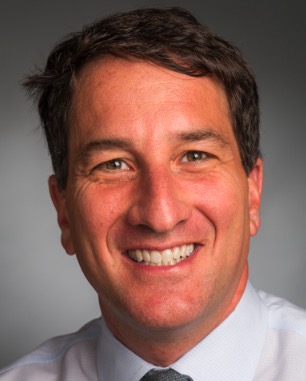 Jeffrey A. Meyerhardt合作论文数Colon and Rectal Cancer Center, Dana-Farber Cancer Institute;Harvard Medical School11
 Mark J. Ratain合作论文数The University of Chicago Medical Center;The University of Chicago10
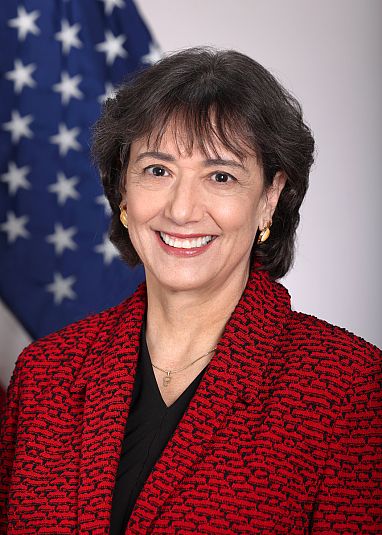 Monica M. Bertagnolli合作论文数National Institutes of Health;Alliance for Clinical Trials in Oncology Foundation;Alliance for Clinical Trials in Oncology8
 Al B Benson合作论文数Division of Hematology and Oncology, Department of Medicine, Feinberg School of Medicine, Northwestern University;Robert H. Lurie Comprehensive Cancer Center, Feinberg School of Medicine, Northwestern University8
 Joel Tepper合作论文数Department of Radiation Oncology, School of Medicine, University of North Carolina at Chapel Hill8Paul L. Schaefer合作论文数8
 Lawrence B. Marks合作论文数Department of Radiation Oncology, UNC School of Medicine7
 Richard L. Schilsky合作论文数University of Chicago7
 Terence Z. Wong合作论文数Department of Medicine, School of Medicine, Duke University School of Medicine6
 Shuji Ogino (荻野周史)合作论文数Harvard Medical School, Harvard University;Department of Epidemiology, Harvard T.H. Chan School of Public Health, Harvard University;Brigham and Women's Hospital6Kimmie Ng合作论文数6Sumin Zhou (周苏闽)合作论文数The Technology Transfer Center of Huaiyin Institute of Technology6Hedy L. Kindler合作论文数6
 Kouros Owzar合作论文数Department of Biostatistics and Bioinformatics, Duke University School of Medicine5
 Nadine J. McCleary合作论文数Dana-Farber Cancer Institute5
 Elizabeth S Evans合作论文数Department of Radiation Oncology, Duke University Medical Center5
 Alan P. Venook合作论文数Department of Medicine, School of Medicine, University of California San Francisco;Helen Diller Family Comprehensive Cancer Center, University of California San Francisco5
 Alex Miller合作论文数5Jessica L. Hubbs合作论文数5
 Christopher Ryan Kelsey合作论文数Department of Radiation Oncology, School of Medicine, Duke University4
 Donna Spiegelman合作论文数Center for Methods in Implementation and Prevention Science, Yale School of Public Health, Yale University;Department of Biostatistics, Yale School of Public Health, Yale University;Department of Epidemiology, Harvard T.H. Chan School of Public Health, Harvard University;Department of Biostatistics, Harvard T.H. Chan School of Public Health, Harvard University4Helen Kastrissios合作论文数Division of Clinical Pharmacology, Stanford University4Kim L. Light合作论文数4Kaori Shima合作论文数Department of Medical Oncology, Dana-Farber Cancer Institute and Harvard Medical School4A. William Blackstock合作论文数4Jessamy A Boyd合作论文数3
 Herbert Ira Hurwitz合作论文数Department of Medicine, Duke University School of Medicine;Genentech3
 Ryan David P合作论文数3J. Thomas Buckley合作论文数3Innocenti Federico合作论文数3
 Heidi Nelson合作论文数Department of Surgery, Mayo Clinic3
 Richard Larson合作论文数Department of Medicine, University of Chicago3Daohai Yu合作论文数3Robert G. Prosnitz合作论文数3
 Patricia H Hardenbergh合作论文数3Junan Zhang合作论文数3
 Howard L. McLeod合作论文数Center for Precision Medicine & Functional Genomics, Utah Tech University;Clarified Precision Medicine3Paula Friedman合作论文数3Michael A. Blazing合作论文数3
 Harvey J. Mamon合作论文数Brigham and Women's Hospital;Harvard Medical School;Division of Gastrointestinal Radiation Oncology, Dana-Farber Cancer Institute3Jennifer A. Chan合作论文数2




