Cutaneous T-cell lymphoma (CTCL) is a rare disease with a high symptom burden, negatively impacting patients’ quality of life (QoL). There is no agreed-upon CTCL-specific metric to measure QoL in CTCL. Thus, we created a novel questionnaire to fill this gap. Eighty CTCLpatients participated in this cross-sectional survey study. An iterative process of principal components analysis (PCA) yielded a 5-component solution with 20 items; this patient-reported outcomes (PRO) questionnaire, the CTCL-PRO-20, had high internal-consistency reliability (Cronbach’s α=0.93). Components measured self-consciousness (α =.94), treatment burden (α=.92), lack of CTCL resources (α=.74), sleep/fatigue (α=.87), and skin concerns (α=.88). High Pearson correlations were observed between the CTCL-PRO-20 and QoL measures more relevant to patients’ experiences (e.g., MF/SS-CTCL QoL and Skindex-29); lower correlations were observed with the generic-QoL (SF-36) and single-focused (e.g., sleep-disturbance) measures. Patients with stable/no active disease (vs. progressive disease) reported significantly lower treatment-burden scores (better QoL). Patients who received systemic and topical treatments (vs. no treatment) reported significantly higher CTCL-PRO-20 scores (poorer QoL). This single-center study provides preliminary evidence of construct and convergent validity of the CTCL-PRO-20 and its components, warranting further validation in a well-powered study to examine its sensitivity to change after treatment intervention.
BACKGROUND:Women and certain groups remain underrepresented among academic-medicine faculty at senior ranks (associate professor or professor). Variables associated with attrition before promotion to senior rank remain understudied. METHODS:The Association of American Medical Colleges provided data for a national cohort of 129,860 U.S. MD-granting medical-school matriculants in academic years 1993-1994 through 2000-2001; the authors included graduates from 1997 through 2012, first appointed to full-time instructor or assistant professor between 2000 and 2020. Independent predictors of attrition before reaching senior rank (vs. retention, with or without promotion to senior rank) were identified using multivariable logistic regression analysis. RESULTS:Of 35,902 graduates appointed to instructor or assistant professor, 34,478 (96.0%) had complete data for analysis. Faculty were more likely to leave academic medicine before promotion to senior rank if they were female (vs. male), Asian, and underrepresented groups in medicine (each vs. White), had any (vs. no) debt, reported non-academic (vs. full-time faculty) career plans at graduation, were first appointed as instructor (vs. assistant professor), at institutions where tenure was unavailable (vs. not on tenure track), and in a Family Medicine or Psychiatry (vs. Medicine) department. Faculty were less likely to leave academic medicine before promotion to senior rank if they had at least one year (vs. no) research during residency, were first appointed at research-intensive (vs. non-research-intensive) institutions, in a Pediatrics or Surgery (vs. Medicine) department, and had received any (vs. no) research or other federal grants. CONCLUSION:This national-cohort study contributes new knowledge to the literature about variables independently associated with academic-medicine attrition before promotion to senior rank, many of which are amenable to intervention. Programs that can foster students' and trainees' interest in academic-medicine careers, reduce debt, and promote grant-writing skills might reduce attrition before reaching senior rank and increase academic-medicine workforce diversity.
BACKGROUND:As clinical practice provides >50% of medical schools' revenue, research-intensive medical schools often seek to retain fellows with clinical-care interests. Fellows' considerations when deciding whether to stay at research-intensive institutions where they trained remain understudied. We sought to identify experiential factors associated with faculty-position offers and decisions of fellows in training. METHODS:We conducted a mixed-methods study using a survey and semi-structured interview. We invited 471 fellows training in all clinical departments at our institution to complete an anonymous survey between April and June 2021 to examine their level of agreement (strongly disagree [1] to strongly agree [7]) with positive training and mentoring experiences and their academic-medicine career goals in association with being offered a position and, if offered, accepting or declining. After survey completion, we invited fellows for interviews about their decision-making to seek, accept, or decline post-fellowship faculty-positions as well as what our institution could do to encourage fellows to accept offered positions. RESULTS:We analyzed survey data from 168 (35.7%) fellows. Of 48 fellows who were offered faculty positions, 21 accepted and 27 declined; 56 fellows were not offered a position and 64 were too early in training to have received an offer. Fellows who were offered/accepted positions reported higher mean (SD) agreement with positive training (5.9 [1.2]; p < 0.02) and mentoring (6.1 [1.0]; p < 0.001) experiences and having academic-medicine career goals (5.8 [0.8]; p < 0.001) than fellows in other faculty-offer groups. In interviews, 24 fellows reported career goals and institutional resources as influencing decisions. Fellows described institutional opportunities for intervention, especially enhanced communication about institutional priorities and potential positions. CONCLUSIONS:Clear communication with clinical fellows about their academic-medicine career goals and fellowship-training and mentoring experiences can inform decision-making about faculty offers and better equip institutional leaders to retain fellows who align with institutional needs.
Introduction Addressing systemic bias in medical school assessment is an urgent task for medical education. This paper outlines recommendations on topic areas for further research on systemic bias, developed from a workshop discussion at the 2023 annual meeting of the Society of Directors of Research in Medical Education.Materials and Methods During the workshop, directors engaged in small-group discussions on guidelines to address bias in assessment practices following a proposed categorization of ‘Do’s,’ ‘Don’ts,’ and ‘Don’t knows’ and listed their insights using anonymous sticky notes, which were shared and discussed with the larger group of participants. The authors performed a content analysis of the notes through deductive and inductive coding. We reviewed and discussed our analysis to reach consensus.Results The workshop included 31 participants from 28 institutions across the US and Canada, generating 51 unique notes. Participants identified 23 research areas in need of further study. The inductive analysis of proposed research areas revealed four main topics: 1) The role of interventions, including pre-medical academic interventions, medical-education interventions, assessment approaches, and wellness interventions; 2) Professional development, including the definition and assessment of professionalism and professional identity formation; 3) Context, including patient care and systemic influences; and 4) Research approaches.Discussion While limited to data from a single workshop, the results offered perspectives about areas for further research shared by a group of directors of medical education research units from diverse backgrounds. The workshop produced valuable insights into the need for more evidence-based interventions that promote more equitable assessment practices grounded in real-world situations and that attenuate the effects of bias.
Introduction:Little is known about attrition before American Board of Orthopaedic Surgery (ABOS) board certification for orthopaedic residents training in Accreditation Council for Graduate Medical Education (ACGME)-accredited orthopaedics programs. This national-cohort study examined orthopaedic surgery attrition, associated risk factors, and specialties pursued by residents who left orthopaedics. Methods:From August 2022 through July 2023, we analyzed deidentified, individual-level data from the Association of American Medical Colleges for 129,860 US MD-granting medical-school matriculants in academic years 1993 to 1994 through 2000 to 2001. Graduates with records of training ≥1 year in orthopaedic surgery during GME and of board certification as of May 2020 were included. Retention was defined as being ABOS-certified; attrition was defined as being certified by another specialty board and not ABOS. We identified variables independently associated with attrition from orthopaedics using multivariable logistic regression analysis and reported adjusted odds ratios (OR) and 95% confidence intervals (CI). Results:Of 4,319 US medical-school graduates from 1997 to 2009 with ≥1 year of orthopaedic surgery GME, 4,085 (94.6%) obtained ABOS board certification (retention) and 234 did not (attrition). Women (OR 2.8, 95% CI 2.0-3.9), first-generation college graduates (OR 1.6, 95% CI 1.1-2.2), Asians (OR 1.9, 95% CI 1.4-2.7), and residents who placed greater importance on innovation/research in choosing medicine as a career (OR 1.4, 95% CI 1.1-1.7) and completed ≥1 year of research during GME (OR 2.4, 95% CI 1.7-3.5) were more likely to leave orthopaedics. Overall, 121 trainees who left orthopaedics selected surgical specialties for board certification, most commonly plastic surgery (n = 66) and general surgery (n = 45). Conclusions:The increased risk of attrition among women, Asians, first-generation college graduates, and trainees endorsing higher importance of innovation/research in choosing medicine and participating in research during GME raises concerns about the potential loss of underrepresented groups among orthopaedic surgeons and surgeon-scientists. Efforts to mitigate attrition among residents in high-risk groups are warranted.
BackgroundPrevalence and risk of poor psychological outcomes following rhabdomyosarcoma (RMS) are not well-established.MethodsParticipants in this cross-sectional, case-control study (n = 713 survivors, 42.5% female; mean [SD] age, 30.5 [6.6] years; n = 706 siblings, 57.2% female; mean age, 32.8,[7.9] years) completed measures of neurocognition, emotional distress, and health-related quality of life (HRQOL). Multivariable logistic regression models identified treatments, health behaviors, and chronic conditions associated with impairment.ResultsRelative to siblings, more survivors reported neurocognitive impairment (task efficiency: 21.1% vs. 13.7%, emotional regulation: 16.7% vs. 11.0%, memory: 19.3% vs. 15.1%), elevated emotional distress (somatic distress: 12.9% vs. 4.7%, anxiety: 11.7% vs. 5.9%, depression: 22.8% vs. 16.9%) and poorer HRQOL (physical functioning: 11.1% vs. 2.8%, role functioning due to physical problems: 16.8% vs. 8.2%, pain: 17.5% vs. 10.0%, vitality: 22.3% vs. 13.8%, social functioning: 14.4% vs. 6.8%, emotional functioning: 17.1% vs. 10.6%). Cranial radiation increased risk for impaired task efficiency (odds ratio [OR], 2.30; 95% confidence interval [CI], 1.14-4.63), whereas chest and pelvic radiation predicted increased risk of physical functioning (OR, 2.68; 95% CI, 1.16-6.21 and OR, 3.44; 95% CI, 1.70-6.95, respectively). Smoking was associated with impaired task efficiency (OR, 2.06; 95% CI, 1.14-3.70), memory (OR, 2.23; 95% CI, 1.26-3.95), anxiety (OR, 2.71; 95% CI, 1.36-5.41) and depression (OR, 1.77; 95% CI, 1.01-3.11). Neurologic conditions increased risk of anxiety (OR, 2.30; 95% CI, 1.04-5.10), and hearing conditions increased risk of depression (OR, 1.79; 95% CI, 1.05-3.03). Neurologic and hearing conditions, respectively, were associated with impaired memory (OR, 2.44; 95% CI, 1.20-4.95 and OR, 1.87; 95% CI, 1.05-3.35) and poor health perception (OR, 2.62; 95% CI, 1.62-1.28 and OR, 2.33; 95% CI, 1.34-4.06).ConclusionsRMS survivors are at significant risk for poor psychological outcomes. Advancing therapies for local control, smoking cessation, and managing chronic medical conditions may mitigate poor outcomes following RMS. Research on psychological outcomes following pediatric rhabdomyosarcoma is scarce, limiting the understanding of the prevalence of and risk factors for neurocognitive impairment, emotional distress, and quality of life among survivors. This study showed that rhabdomyosarcoma survivors are at significant risk for poor psychological outcomes, and advancing therapies for local tumor control, smoking cessation, and managing chronic medical conditions may be important for mitigating risk.
INTRODUCTION Telemedicine infectious diseases consultations (tele-ID consults) improves access to healthcare for underserved/resource-limited communities. However, factors promoting or hindering implementation of tele-ID consults in low-resource settings are understudied. This study sought to fill this gap by describing perceived barriers and facilitators tele-ID consults at three rural hospitals in southeastern Missouri. METHODS Twelve in-depth, semi-structured interviews were conducted with a purposively sampled group of information-rich hospital stakeholders from three rural, southeastern Missouri hospitals with partial or no on-site availability of ID physicians. Our literature-informed interview guide elicited participants' knowledge and experience with tele-ID consults, perceptions on ID consultation needs, and perceived barriers to and facilitators of tele-ID consults. Interview transcripts were coded using an iterative process of inductive analysis to identify core themes related to barriers and facilitators. RESULTS Perceived barriers to adopting and implementing tele-ID consults included logistical challenges, technology and devices, negative emotional responses, patient-related factors, concerns about reduced quality of care when using telemedicine, lack of acceptance or buy-in from physicians or staff, and legal concerns. Key facilitators included perceived need, perceived benefits to patients and physicians, flexibility and openness to change among staff members and patients, telemedicine champions, prior experiences, and enthusiasm. DISCUSSION Our findings demonstrate that rural hospitals need tele-ID consults and have the capacity to implement tele-ID consults, but operational and technical feasibility challenges remain. Adoption and implementation of tele-ID consults may reduce ID-physician shortage-related service gaps by permitting ID physician's greater geographic reach.
e23161 Background: Improving quality of life (QoL) is key to clinical decision-making for patients with cutaneous T-cell lymphoma (CTCL). Currently there is no measure of QoL that captures concerns of patients with advanced-stage CTCL. A thematic analysis of interviews with early- and late-stage patients with CTCL identified novel QoL domains. Using these data, we developed questionnaire items for a new QoL measure (CTCL-PRO-18). Methods: Consented patients completed our new survey and previously validated metrics: SF-36, MF/SS-CTCL QoL, VAS-Itch (past 24 hours), Skindex-29, CES-D, and PROMIS™ Sleep Disturbance. Principal component analysis (PCA) with varimax rotation reduced the number of items on our measure; Cronbach’s alpha evaluated the internal-consistency reliability of items that loaded on each component and the overall measure. We examined the construct and convergent validity of the CTCL-PRO-18 using Pearson correlations, and differences in QoL outcomes by patient demographics and disease status using analyses of variance (ANOVA). Results: 82 patients (47 male; 69 white, 11 Black, 2 Hispanic) completed the surveys. The PCA yielded an 18-item, 5-component solution: 6-item self-consciousness; 3-item burden of treatment; 3-item concern about sores; 3-item sleep/fatigue; and 3-item lack of available CTCL resources. The 5 subscales and overall CTCL-PRO-18 measure had acceptably high reliabilities; Cronbach’s alphas ranged from .74 to .93. Correlations between the CTCL-PRO-18 and each of the previously validated measures were statistically significant (P < .005). Correlations between CTCL-PRO-18 and SF-36 (subscales ranged r =-.320 to -.624), CESD ( r= .645), PROMIS™ Sleep Disturbance ( r= .4780), and VAS-Itch ( r= .665) were moderate. Correlations between CTCL-PRO-18 and MF/SS-CTCL QoL ( r= .720) and Skindex-29 ( r= .814) were high. Correlations between the overall CTCL-PRO-18 and each of its subscales were significant (P < .001) and ranged from .571 (Burden of Treatment) to .882 (Self-consciousness). ANOVAs showed no statistically significant gender or racial/ethnic (white vs. Black/Hispanic race/ethnicity) differences in the CTCL-PRO-18 or the 5 component scores. Burden of Treatment scores were significantly lower for patients with no active disease compared with patients with reduced symptoms and active disease (4.9 [SD 3.9], 6.4 [3.2], and 8.2 [3.8], respectively; P = .018). Conclusions: The CTCL-PRO-18 and its 5 subscales had high internal-consistency reliability. Correlations were higher between the CTCL-PRO-18 and other CTCL-relevant measures (Skindex-29, MF/SS-CTCL QoL) than they were between the CTCL-PRO-18 and less CTCL-specific measures, providing preliminary evidence of the construct and convergent validity of the CTCL-PRO-18. Examination of the discriminant validity of this metric is warranted.
Introduction:Little is known about risk factors for changes in students' interest in orthopaedics during medical school. We aimed to identify variables associated with diminished (vs. sustained) and emerging (vs. no) plans to become board certified in orthopaedic surgery. Methods:We conducted a retrospective national-cohort study of students who matriculated in US MD-granting medical schools in academic years 1993 to 1994 through 2000 to 2001. The outcome measure was the evolution of students' board-certification plans in orthopaedic surgery from matriculation to graduation using responses on the Association of American Medical Colleges' Matriculating Student Questionnaire and Graduation Questionnaire. Covariates included demographic, attitudinal, experiential, and career intention variables. Results:Of 53,560 graduates with complete data, 2,765 students reported diminished interest in becoming board certified in orthopaedics, 1,345 reported emerging interest, and 1,327 reported sustained interest. In multivariable logistic regression models, students who were female (adjusted odds ratio [aOR] 1.83, 95% confidence interval [CI] 1.43-2.34), Asian (aOR 1.46, 95% CI 1.18-1.82), reported greater importance of social responsibility (aOR 1.16, 95% CI 1.02-1.33) and prestige (aOR 1.20, 95% CI 1.10-1.30) in choosing a medicine career, and planned full-time university faculty careers (aOR 1.58, 95% CI 1.33-1.89) at graduation were independently more likely to have diminished (vs. sustained) interest. Students who participated in research and/or authorship electives (aOR 3.50, 95% CI 3.00-4.07) and who attended private institutions (aOR 1.23, 95% CI 1.10-1.39) were more likely to have emerging (vs. no) interest. Conclusions:Twice as many students lost interest than gained interest in orthopaedics during medical school, and the cohort of students interested in orthopaedics became less diverse over the course of medical school. Several risk factors amenable to change were identified. Interventions that target these risk factors are warranted to increase the diversity of the orthopaedic surgery workforce.
This cohort study analyzes the attrition rates of students from MD-PhD training programs by race and ethnicity.
Supplementary Table 1 from Accuracy of Perceived Risk of Recurrence Among Patients With Early-Stage Breast Cancer
IntroductionCognitive load (CL) theory provides a framework to inform simulation instructional design. Reliable measures of CL types (intrinsic [IL], extraneous [EL], and germane load [GL]) in simulation are lacking. We developed the novel Cognitive Load Assessment Scales in Simulation (CLAS-Sim) and report validity evidence using Kane's framework.MethodsThis quasi-experimental study tested the effect of a segmented/pause-and-debrief or standard/end-of-case-debrief intervention on pediatric residents' performance and self-rated CL in 2 complex- and simple-case simulations. After each simulation, participants completed 22 items measuring CL types. Three validity inferences were examined: scoring (instrument development and principal component analysis); generalization (internal consistency reliability of CL-component items across cases); and extrapolation [CLAS-Sim correlations with the single-item Paas scale, which measures overall CL; differences in primary task performance (high vs low); and discriminant validity of IL under different instructional-design conditions].ResultsSeventy-four residents completed both simulations and postcase CLAS-Sim measures. The principal component analysis yielded 3 components: 4-item IL, 4-item EL, and 3-item GL scales (Cronbach's alpha, 0.68-0.77). The Paas scores correlated with CLAS-Sim IL and total CL scores in both cases (r(s) range, 0.39-0.70; P <= 0.001). High complex-case performers reported lower IL and total CL (analyses of variance, each P < 0.001). In multivariate analyses of variance, CLAS-Sim IL, GL, and total CL varied across both cases by arm (each P <= 0.018); the segmented-debrief arm reported lower IL than the standard-debrief arm in both cases (each P <= 0.01).ConclusionsThe CLAS-Sim demonstrates preliminary validity evidence for distinguishing 3 CL types but requires further study to evaluate the impact of simulation-design elements on CL and learning.
Diversity of healthcare providers increases patient engagement, satisfaction, and health outcomes, highlighting the importance of representation and culturally humble care.1Gomez L.E. Bernet P. Diversity improves performance and outcomes.J Natl Med Assoc. 2019; 111: 383-392Crossref PubMed Scopus (383) Google Scholar Obstetrics and gynecology is one of the most racially and ethnically diverse medical specialties with a higher proportion of Black and Hispanic physicians who are more likely to practice in areas of higher poverty than other specialties.2Rayburn W.F. Xierali I.M. Castillo-Page L. Nivet M.A. Racial and ethnic differences between obstetrician-gynecologists and other adult medical specialists.Obstet Gynecol. 2016; 127: 148-152Crossref PubMed Scopus (43) Google Scholar,3McAlister R.P. Andriole D.A. Rowland P.A. Jeffe D.B. Have predictors of obstetrics and gynecology career choice among contemporary US medical graduates changed over time?.Am J Obstet Gynecol. 2007; 196 (275.e1–7)Abstract Full Text Full Text PDF PubMed Scopus (9) Google Scholar However, the need for increased diversity among obstetrics and gynecology trainees persists, and recruitment by resource-rich hospitals continues to be a barrier to increasing practice in more resource-scarce settings.4Williams Jr., T.E. Satiani B. Ellison E.C. A comparison of future recruitment needs in urban and rural hospitals: the rural imperative.Surgery. 2011; 150: 617-625Abstract Full Text Full Text PDF PubMed Scopus (46) Google Scholar We aimed to identify student sociodemographic characteristics and experiences associated with intention to pursue obstetrics and gynecology and practice in underserved areas. The Association of American Medical Colleges provided deidentified, self-reported data from its annual Student Record System and Graduation Questionnaire for respondents who matriculated at US MD-conferring medical schools in the academic years 2007 to 2012 (Supplemental Figure), as previously described.5Nguyen M. Cerasani M. Dinka L.A. et al.Association of demographic factors and medical school experiences with students' intention to pursue a surgical specialty and practice in underserved areas.JAMA Surg. 2021; 156e214898Crossref Scopus (11) Google Scholar Descriptive statistics were reported as frequencies with percentages. We used multivariable log-binomial regression to estimate crude risk ratios (RRs) and adjusted RRs (aRRs) and 95% confidence intervals (CIs) for intention to enter obstetrics and gynecology and to practice in underserved areas. All models were adjusted for sex, race and ethnicity, first-generation status, and age. The Albany Medical College Institutional Review Board approved the study (Supplemental Materials and Methods). A total of 57,307 medical graduates (65.1%) completed the questionnaire (Supplemental Figure) and specified a specialty; 3649 medical graduates (6.4%) reported intention to pursue obstetrics and gynecology, of which 1361 (37.3%) intended to practice in an underserved area. Male respondents were significantly less likely than females to report intention to pursue obstetrics and gynecology (aRR, 0.15; 95% CI, 0.14–0.17) and practice in an underserved area (aRR, 0.82; 95% CI, 0.71–0.96) (Table). Race and ethnicity were significantly associated with intention to practice in underserved areas among respondents choosing obstetrics and gynecology. Non-Hispanic Black or African American (aRR, 2.14; 95% CI, 1.92–2.39), Hispanic (aRR, 1.38; 95% CI, 1.19–1.59), and non-Hispanic Asian (aRR, 1.18; 95% CI, 1.01–1.38) respondents were more likely to report intention to practice in underserved areas than non-Hispanic White respondents. In addition, intention to practice in underserved areas was associated with higher levels of debt, older age at matriculation, degree programs, and receipt of scholarship. With the exception of working on a thesis project, working on research, and having authorship on an oral or poster presentation, all medical school experiences on the questionnaire were significantly associated with intention to practice in underserved areas. For example, respondents with health disparities (aRR, 1.76; 95% CI, 1.54–2.02) and global health experiences (aRR, 2.07; 95% CI, 1.77–2.41) more often reported intention to practice in underserved areas than respondents without those experiences (Table).TableCharacteristics and experiences of graduating medical students from US medical schools who matriculated in academic years 2007–2012 and completed the Graduation Questionnaire items for specialty choice and intention to practice in underserved areasCharacteristicTotal (N=57,307)Intention to pursue obstetrics and gynecologyIntention to practice in underserved areas among respondents intending to pursue obstetrics and gynecology (n=3644)aOf note, 5 respondents who reported intention to pursue obstetrics and gynecology did not respond to intention to practice in underserved areasn (%)n=3649RR (95% CI)Adjusted RR (95% CI)bAll models were adjusted for sex, race and ethnicity, first-generation status, and agen (%)n=1361RR (95% CI)Adjusted RR (95% CI)bAll models were adjusted for sex, race and ethnicity, first-generation status, and ageSociodemographic CharacteristicsSex Male29,825527 (1.8)0.16 (0.14–0.17)0.15 (0.14–0.17)158 (30.0)0.79 (0.68–0.89)0.82 (0.71–0.96) Female27,4823122 (11.4)RefRef1203 (38.6)RefRefSelf-reported race and ethnicity Hawaiian Native or Other Pacific Islander877 (8.0)1.23 (0.61–2.51)0.93 (0.40–2.13)3 (42.9)1.79 (0.99–3.21)1.14 (0.38–3.41) Hispanic4127358 (8.7)1.33 (1.20–1.48)1.23 (1.10–1.39)172 (48.3)1.55 (1.37–1.76)1.38 (1.19–1.59) Native American or Alaska Native1199 (7.6)1.15 (0.62–2.18)1.05 (0.52–2.12)5 (55.6)1.37 (0.58–3.29)1.16 (0.48–2.84) Non-Hispanic Asian10,523411(3.9)0.60 (0.54–0.66)0.54 (0.48–0.60)152 (37.2)1.19 (1.04–1.37)1.18 (1.01–1.38) Non-Hispanic Black or African American2880312 (10.8)1.66 (1.49–1.86)1.20 (1.05–1.37)215 (68.9)2.22 (2.01–2.44)2.14 (1.92–2.39) Non-Hispanic, more than one race1532106 (6.9)1.06 (0.88–1.28)0.89 (0.73–1.09)51 (48.1)1.55 (1.29–1.90)1.51 (1.21–1.89) Non-Hispanic, none of the above2327117 (5.0)0.77 (0.43–0.92)0.67 (0.54–0.83)39 (33.3)1.07 (0.82–1.39)1.25 (0.95–1.65) Non-Hispanic White35,7122329 (6.5)RefRef724 (31.1)RefRefTotal debtcData were missing for total debt (n=7293), generation status (n=8556), scholarship (n=297), experience with a free clinic (n=1), thesis project (n=16,998), and author on an oral or poster presentation (n=1922). No debt7983400 (5.0)RefRef119 (29.8)RefRef <$100,0008492485 (5.7)1.13 (1.00–1.30)1.06 (0.92–1.21)163 (33.6)1.13 (0.93–1.37)1.09 (0.88–1.35) $100,000–$199,99915,5691057 (6.8)1.35 (1.21–1.52)1.18 (1.04–1.32)382 (36.2)1.21 (1.02–1.44)1.20 (1.00–1.44) $200,000–$299,99913,739965 (7.0)1.40 (1.25–1.57)1.28 (1.14–1.45)403 (41.8)1.40 (1.19–1.66)1.35 (1.12–1.62) ≥$300,0004231316 (7.5)1.49 (1.29–1.72)1.31 (1.12–1.52)152 (48.1)1.62 (1.34–1.95)1.36 (1.10–1.68)Generation statuscData were missing for total debt (n=7293), generation status (n=8556), scholarship (n=297), experience with a free clinic (n=1), thesis project (n=16,998), and author on an oral or poster presentation (n=1922). First-generation college graduate5517364 (6.6)1.04 (0.94–1.16)1.04 (0.94–1.15)163 (44.8)1.27 (1.12–1.44)1.11 (0.99–1.24) Continuing-generation student43,2342722 (6.3)RefRef959 (35.3)RefRefAge at matriculation <23 y25,7911654 (6.4)RefRef530 (32.1)RefRef ≥23 y31,5161995 (6.3)0.99 (0.92–1.05)1.03 (0.96–1.10)831 (41.7)1.30 (1.19–1.42)1.24 (1.13–1.36)Degree program MD52,3763412 (6.1)RefRef1262 (37.0)RefRef MD and PhD169347 (2.8)0.43 (0.32–0.57)0.52 (0.39–0.71)13 (27.7)0.75 (0.47–1.19)0.88 (0.44–1.75) Other dual advanced degrees1584109 (6.9)1.06 (0.88–1.27)1.04 (0.86–1.27)59 (54.1)1.46 (1.22–1.75)2.37 (1.54–3.66) Bachelor's degree and MD165481 (4.9)0.75 (0.61–0.93)0.85 (0.65–1.12)27 (33.3)0.90 (0.66–1.23)0.99 (0.53–1.86)Acquired a scholarshipcData were missing for total debt (n=7293), generation status (n=8556), scholarship (n=297), experience with a free clinic (n=1), thesis project (n=16,998), and author on an oral or poster presentation (n=1922). No22,0661303 (5.9)RefRef397 (30.5)RefRef Yes34,9442337 (6.7)1.13 (1.06–1.21)1.04 (0.97–1.12)964 (41.2)1.35 (1.23–1.49)1.30 (1.17–1.44)Medical school experiencesProvided health education in the community No34,3922033 (5.9)RefRef659 (32.5)RefRef Yes22,9151616 (7.1)1.19 (1.12–1.27)1.12 (1.05–1.21)702 (43.5)1.34 (1.23–1.45)1.91 (1.62–2.25)Participated in a community-based research project No41,5552573 (6.2)RefRef837 (32.6)RefRef Yes15,7521076 (6.8)1.10 (1.03–1.18)1.03 (0.96–1.11)524 (48.8)1.50 (1.28–1.62)1.30 (1.19–1.41)Cultural awareness and cultural competency experience No17,890907 (5.1)RefRef255 (28.2)RefRef Yes39,4172742 (7.0)1.37 (1.28–1.48)1.23 (1.14–1.33)1106 (40.4)1.43 (1.28–1.61)1.42 (1.25–1.61)Participated in educating students about careers in health professions or biological sciences No31,1861802 (5.8)RefRef589 (32.8)RefRef Yes26,1211847 (7.1)1.22 (1.15–1.30)1.12 (1.05–1.20)772 (41.8)1.28 (1.17–1.39)1.22 (1.10–1.34)Experience with a free clinic for the underserved populationcData were missing for total debt (n=7293), generation status (n=8556), scholarship (n=297), experience with a free clinic (n=1), thesis project (n=16,998), and author on an oral or poster presentation (n=1922). No14,996712 (4.8)RefRef207 (29.1)RefRef Yes42,3102937 (6.9)1.46 (1.35–1.58)1.29 (1.18–1.40)1154 (39.4)1.35 (1.19–1.53)1.28 (1.13–1.46)Health disparities experience No18,131958 (5.3)RefRef234 (24.5)RefRef Yes29,1762691 (6.9)1.30 (1.21–1.40)1.12 (1.04–1.21)1127 (41.9)1.71 (1.52–1.93)1.76 (1.54–2.02)Global health experience No40,0822201 (5.5)RefRef684 (31.1)RefRef Yes17,2251448 (8.4)1.53 (1.44–1.63)1.27 (1.19–1.36)677 (46.9)1.51 (1.29–1.64)2.07 (1.77–2.41)Learned the proper use of the interpreter when needed No15,072809 (5.4)276 (34.2) Yes42,2352840 (6.7)1.52 (1.16–1.35)1.13 (1.04–1.23)1085 (38.2)1.12 (1.01–1.24)1.17 (1.04–1.31)Learned another language to improve patient communication No43,2212523 (5.8)843 (33.4) Yes14,0861126 (8.0)1.37 (1.28–1.47)1.22 (1.13–1.31)518 (46.1)1.33 (1.20–1.46)1.28 (1.18–1.40)Worked on a research project No16,6481111 (6.7)442 (39.9) Yes40,6592538 (6.2)0.94 (0.87–1.00)1.06 (0.99–1.14)919 (36.2)0.91 (0.83–0.99)0.98 (0.90–1.08)Worked on a thesis projectcData were missing for total debt (n=7293), generation status (n=8556), scholarship (n=297), experience with a free clinic (n=1), thesis project (n=16,998), and author on an oral or poster presentation (n=1922). No37,2332513 (6.8)984 (39.2) Yes3076171 (5.6)0.82 (0.71–0.96)0.93 (0.80–1.09)71 (41.5)1.06 (0.88–1.27)1.06 (0.88–1.28)Author on a peer-review oral or poster presentationcData were missing for total debt (n=7293), generation status (n=8556), scholarship (n=297), experience with a free clinic (n=1), thesis project (n=16,998), and author on an oral or poster presentation (n=1922). No13,894876 (6.3)314 (35.9) Yes14,738851 (5.8)0.92 (0.84–1.00)0.99 (0.90–1.09)297 (35.0)0.97 (0.86–1.11)1.00 (0.89–1.14)Percentages shown are row percentages.CI, confidence interval; Ref, referent; RR, risk ratio.Martinez. Pursuing obstetrics and gynecology training and practice in underserved areas. Am J Obstet Gynecol 2023.a Of note, 5 respondents who reported intention to pursue obstetrics and gynecology did not respond to intention to practice in underserved areasb All models were adjusted for sex, race and ethnicity, first-generation status, and agec Data were missing for total debt (n=7293), generation status (n=8556), scholarship (n=297), experience with a free clinic (n=1), thesis project (n=16,998), and author on an oral or poster presentation (n=1922). Open table in a new tab Percentages shown are row percentages. CI, confidence interval; Ref, referent; RR, risk ratio. Martinez. Pursuing obstetrics and gynecology training and practice in underserved areas. Am J Obstet Gynecol 2023. This comparative study focused on US medical school graduates to explore the association of sociodemographic factors and medical school experiences with intent to practice in underserved areas within obstetrics and gynecology. We found that race and ethnicity, sex, debt, and medical school experiences were associated with intention to practice in both obstetrics and gynecology and underserved areas. Specifically, respondents who identified as non-Hispanic Black or African American and Hispanic were significantly more likely to state intention to pursue obstetrics and gynecology and practice in underserved areas. Given the association with higher levels of debt, targeted financial education could maximize student utilization of financial incentive programs and assist in navigating the financial feasibility of career options. This, in turn, may increase the number of students planning to practice in underserved communities.
promising PFS and OS in r/r TFH subtype of TCL and supports further development of this approach.Furthermore, correlative studies to delineate the components of TME that contribute to primary or acquired resistance to immune checkpoint blockade are planned.
Background: Improving the number of plastic and reconstructive surgeons who provide care to patients in underserved communities is critical to achieving health equity. We aimed to identify factors associated with graduating medical students’ intentions to pursue plastic surgery and practice in underserved areas. Methods: De-identified data for US medical school graduates were obtained from the Association of American Medical Colleges for students who matriculated in academic years 2007–2008 and 2011–2012. Data collected included self-reported demographic and future practice intentions. Multivariate analysis was conducted to determine indicators of students’ interest in plastic surgery, and their intention to practice in underserved areas. Results: Of the 57,307 graduating US medical students in our cohort who completed the Graduation Questionnaire, 532 (0.9%) reported an intention to pursue plastic surgery. Hispanic [adjusted odds ratio (aOR): 1.45; 95% confidence interval (95% CI), 1.07–1.98] and multiracial (aOR: 1.59; 95% CI, 1.03–2.45) students were more likely to pursue plastic surgery compared with other surgical specialties. Among students interested in plastic surgery, compared with non-Hispanic White students, Black (aOR: 6.15; 95% CI, 1.96–19.26) students were more likely to report intention to practice in underserved areas. Students with community-engagement experiences were more likely to report intention to practice in underserved areas. Conclusions: Diversity among medical trainees pursuing plastic and reconstructive surgery is critical for maintaining and expanding plastic surgery services rendered in underserved areas. These findings suggest that student demographics and experiences with community-engagement experiences are positive indicators of practicing in underserved communities.
PURPOSE:The authors aimed to gain a better understanding of students' and teachers' perspectives about whether clinical clerkship feedback is provided equitably irrespective of a student's race/ethnicity.METHOD:A secondary analysis of existing interview data was conducted, focusing on racial/ethnic disparities in clinical grading. Data had been acquired from 29 students and 30 teachers at 3 U.S. medical schools. The authors performed secondary coding on all 59 transcripts, writing memos focused on statements related to aspects of feedback equity and developing a template for coding students' and teachers' observations and descriptions specific to clinical feedback. Using the template, memos were coded, and thematic categories emerged describing perspectives on clinical feedback.RESULTS:Forty-eight (22 teachers and 26 students) participants' transcripts provided narratives about feedback. Both student and teacher narratives described how students who are racially/ethnically underrepresented in medicine may receive less helpful formative clinical feedback needed for professional development. Thematic analysis of narratives yielded 3 themes related to feedback inequities: 1) teachers' racial/ethnic biases influence the feedback they provide students, 2) teachers have limited skill sets to provide equitable feedback, and 3) racial/ethnic inequities in the clinical learning environment shape clinical and feedback experiences.CONCLUSIONS:Narratives indicated that both students and teachers perceived racial/ethnic inequities in clinical feedback. Teacher- and learning environment-related factors influenced these racial/ethnic inequities. These results can inform medical education's efforts to mitigate biases in the learning environment and provide equitable feedback to ensure every student has what they need to develop into the competent physician they aspire to be.
AbstractObjective:To evaluate the attitudes of infectious diseases (ID) and critical care physicians toward antimicrobial stewardship in the intensive care unit (ICU).Design:Anonymous, cross-sectional, web-based surveys.Setting:Surveys were completed in March–November 2017, and data were analyzed from December 2017 to December 2019.Participants:ID and critical care fellows and attending physicians.Methods:We included 10 demographic and 17 newly developed, 5-point, Likert-scaled items measuring attitudes toward ICU antimicrobial stewardship and transdisciplinary collaboration. Exploratory principal components analysis (PCA) was used for data reduction. Multivariable linear regression models explored demographic and attitudinal variables.Results:Of 372 respondents, 315 physicians had complete data (72% attendings, 28% fellows; 63% ID specialists, and 37% critical care specialists). Our PCA yielded a 3-item factor measuring which specialty should assume ICU antimicrobial stewardship (Cronbach standardized α = 0.71; higher scores indicate that ID physicians should be stewards), and a 4-item factor measuring value of ICU transdisciplinary collaborations (α = 0.62; higher scores indicate higher value). In regression models, ID physicians (vs critical care physicians), placed higher value on ICU collaborations and expressed discomfort with uncertain diagnoses. These factors were independently associated with stronger agreement that ID physicians should be ICU antimicrobial stewards. The following factors were independently associated with higher value of transdisciplinary collaboration: female sex, less discomfort with uncertain diagnoses, and stronger agreement with ID physicians as ICU antimicrobial stewards.Conclusions:ID and critical care physicians endorsed their own group for antimicrobial stewardship, but both groups placed high value on ICU transdisciplinary collaborations. Physicians who were more uncomfortable with uncertain diagnoses reported preference for ID physicians to coordinate ICU antimicrobial stewardship; however, physicians who were less uncomfortable with uncertain diagnoses placed greater value on ICU collaborations.
Objective: The parent-proxy Preschool HEAR-QL (Hearing Environments And Reflections on Quality of Life) is a quality of life (QOL) measure for 2 to 6-year-old children with hearing loss (HL). We compared Preschool HEAR-QL scores for children with HL and children with normal hearing (NH) to examine the measure's discriminant validity. Study Design: Cross-sectional study. Setting: Three tertiary care pediatric otolaryngology clinics. Patients: Two hundred forty-eight parents of children 2 to 6 years old with NH or HL participated. Interventions: None. Main Outcome Measure: The Preschool HEAR-QL has five domains: Behavior and Attention, Hearing Environments, New Social Situations, Social Interactions, and Communications. Scores range from 0 to 100; higher scores indicate higher QOL. Scores for children with NH and with HL were compared using analysis of variance (ANOVA) and area under the receiver operating characteristic (AUROC) curves. Results: Total HEAR-QL mean (SD) scores were higher for children with NH compared to children with HL (75.7 [10.5] vs. 67.5 [15.5], p < 0.001). Scores were not significantly different between children with unilateral and bilateral HL. Children 2 to 4 years old received lower Communications-domain scores than children 4 to 6 years old across all children (63.7 [25.4] vs. 74.1 [24.3], p = 0.01) and within the HL cohort (61.3 [25.1] vs. 72.6 [25.3]; p = 0.009). The Hearing Environments domain displayed excellent discrimination (AUROC = 0.858); other domains showed little to no discrimination. Conclusions: The Hearing Environments-domain of the Preschool HEAR-QL differentiated between children with and without HL. Children with NH had higher scores than children with HL on both Total HEAR-QL and Hearing Environment-domain scores.
 Mario Schootman合作论文数1;Department of Medicine and Pediatrics;Washington University;School of Medicine78
 Maria Pérez合作论文数Department of Medicine, Washington University School of Medicine65
 Julie A. Margenthaler合作论文数48
 Dorothy A Andriole合作论文数46Rebecca L. Aft合作论文数40Deshpande Anjali D合作论文数23
 Graham A. Colditz合作论文数Division of Public Health Sciences, Department of Surgery, School of Medicine, Washington University in St. Louis18
 William Gillanders合作论文数18
 Victoria J. Fraser合作论文数Division of Infectious Diseases, John T. Milliken Department of Medicine, School of Medicine, Washington University in St. Louis;Clinical Research Training Center, Washington University in St. Louis;Barnes-Jewish Hospital;Barnes-Jewish West County Hospital18Ying Liu合作论文数17
 Matthew W. Kreuter合作论文数Health Communication Research Laboratory, George Warren Brown School of Social Work, Washington University in St. Louis15
 Tess Thompson合作论文数George Warren Brown School of Social Work, Washington University in St Louis14
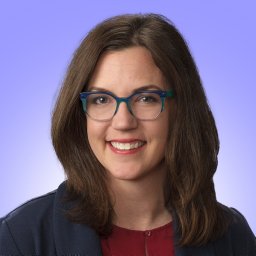 Sandi L Pruitt合作论文数Center for Health Promotion and Prevention Research, UT Houston School of Public Health14Min Lian合作论文数12Elmore Leisha合作论文数11
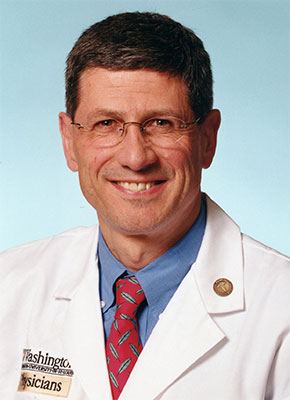 Nicholas O. Davidson合作论文数Division of Gastroenterology, John T. Milliken Department of Medicine, Washington University School of Medicine in St. Louis;Digestive Disease Research Core Center, Washington University11
 Robert H. Tai合作论文数Curry School of Education, University of Virginia10Sunita Mutha合作论文数the Robert Wood Johnson Clinical Scholars Program, Stanford University10
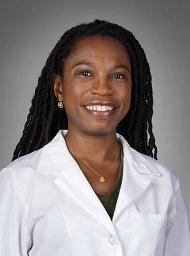 Oluwadamilola Fayanju合作论文数Department of Surgery, Washington University School of Medicine9Alison J. Whelan合作论文数8Judith E. C. Lieu合作论文数8Jennifer L. Gnerlich合作论文数7Julianne A. Sefko合作论文数7Heather L. Hageman合作论文数7Jane Garbutt合作论文数7Hyacinth R. C. Mason合作论文数6Mytien Nguyen合作论文数Yale School of Medicine, New Haven, CT.6
 Jan M. Eberth合作论文数Department of Health Management and Policy, Dornsife School of Public Health, Drexel University;Sidney Kimmel Cancer Center – Jefferson Health6Awad Michael M合作论文数6
 Ryan C. Fields合作论文数Division of General Surgery, Department of Surgery, School of Medicine, Washington University;Barnes-Jewish Hospital;Siteman Cancer Center, Barnes-Jewish West County Hospital6
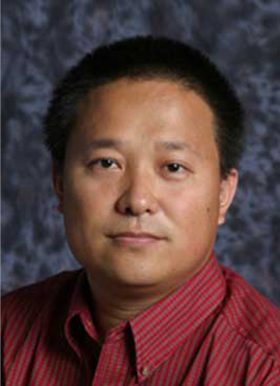 Feng Gao合作论文数Mary Culver Department of Surgery, Washington University School of Medicine in St. Louis6
 Heather D. Wathington合作论文数6Isaiah R. Turnbull合作论文数Department of Pathology and Immunology, Washington University School of Medicine6
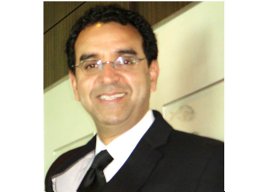 Mohamed Boutjdir合作论文数VA Medical Center, SUNY Downstate Medical Center6
 Thomas Bailey合作论文数Washington University School of Medicine, Washington University in St. Louis6Kenneth Schechtman合作论文数5Amy Musiek合作论文数Division of Dermatology, Washington University School of Medicine5
 Christine C. Ekenga合作论文数Gangarosa Dept Environm Hlth, Emory Univ5Josephine E A Boyington合作论文数5
 Bradley Evanoff合作论文数5Fahd A Ahmad合作论文数5
 Devasmita Chakraverty合作论文数Biology Education, IPN Leibniz Institute for Science and Mathematics Education5
 Linda M Mundy合作论文数Department of Community Health, Saint Louis University School of Public Health5Yan Yan合作论文数5
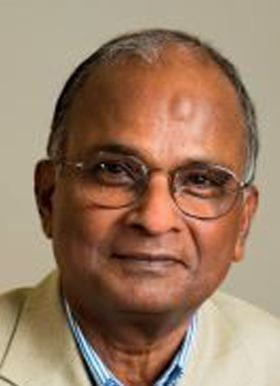 D.C. Rao合作论文数School of Medicine, Washington University in St. Louis;Institute for Public Health, Washington University in St. Louis5
 Betty Pace合作论文数Department of Molecular and Cell Biology and Sickle Cell Disease Research Center, University of Texas at Dallas5Rebecca P. Mcalister合作论文数5
 Treva Rice合作论文数5Anjali D. Deshpande合作论文数5




