The utility of serum free light chain measurements (SFLC) to predict renal outcome, to optimize prognosis and avoid dialysis, was investigated in myeloma patients with renal impairment treated with carfilzomibdexamethasone. We found a significant correlation between the change in involved SFLC at Cycle 2 with renal function, from which a threshold to change therapy is proposed to avoid suboptimal outcome. Disease response and survival were favorable but there was significant toxicity including cardiac impairment and infections. Background and Purpose: Renal impairment (RI) confers adverse prognosis in myeloma; its reversal and avoidance of dialysis are crucial. We investigated whether serum free light chain (SFLC) measurements can predict renal outcome, to enable change in therapy to optimize prognosis and avoid dialysis. Patients and Methods: We investigated 36 myeloma patients (17 newly diagnosed [ND]; 19 relapsed refractory [RR]; with median of 5 prior lines) with eGFR 15-40 ml/min treated with carfilzomib (Cfz)-dexamethasone to determine whether SFLC kinetics can predict renal outcomes, and assess efficacy and tolerability. Results: The change in involved SFLC at Cycle 2 Day 1 was significantly correlated with renal function; for every one log10 reduction in involved SFLC, eGFR increased by 9.0-15.0 mL/min at cycles 2-4, with SFLC reduction of 54%-78%. At a median follow-up of 30.6 months, renal outcomes were favorable-CRrenal 25%, MRrenal 36%. Disease responses (ND 100%, RR 75%), progression-free survival (ND 32.2 months, RR 11.1 months) and overall survival (ND not reached, RR 42.0 months) were comparable to patients without RI. There was significant toxicity, including Cfz-related cardiac impairment of 20% within a cohort with high co-morbidity, and a high incidence of infections. Conclusion: We propose that one log10 reduction in involved SFLC at Cycle 2 Day 1 is an appropriate target for reducing the risk of dialysis in myeloma patients with RI; below this threshold patients may benefit from a change in therapy. While Cfz-dexamethasone achieved favorable renal and disease outcomes, toxicity can be significant in this vulnerable cohort.
Multiple myeloma (MM) is an incurable disease of the bone marrow (BM) characterized by the uncontrolled proliferation of neoplastic plasma cells. While CD8+ T cells have an established role in disease control, few studies have focused on these cells within the MM tumor microenvironment (TME). We analyzed CD8+ T cells in the BM and peripheral blood (PB) of untreated patients with MM and non-myeloma controls using flow cytometry, mass cytometry and single-cell RNA sequencing, using several novel bioinformatics workflows. Inter-tissue differences were most evident in the differential expression of Granzymes B and K, which were strongly associated with two distinct subsets of CD8+ T cells delineated by the expression of CD69, accounting for roughly 50% of BM-CD8+ T cells of all assessed cohorts. While few differences were observable between health and disease in the BM-restricted CD8CD69+ T-cell subset, the CD8+CD69- T-cell subset in the BM of untreated MM patients demonstrated increased representation of highly differentiated effector cells and evident compositional parallels between the PB, absent in age-matched controls, where a marked reduction of effector cells was observed. We demonstrate the transcriptional signature of BM-CD8+ T cells from patients with MM more closely resembles TCR-activated CD8+ T cells from age-matched controls than their resting counterparts.
BACKGROUND:While remaining incurable, median overall survival for MM now exceeds 5 years. Yet few studies have investigated how modifiable lifestyle factors influence survival. We investigate whether adiposity, diet, alcohol, or smoking are associated with MM-related fatality. RESEARCH DESIGN AND METHODS:We recruited 760 incident cases of MM via cancer registries in two Australian states during 2010-2016. Participants returned questionnaires on health and lifestyle. Follow-up ended in 2020. Flexible parametric survival models were used to estimate hazard ratios (HR) and 95% confidence intervals (CI) for lifestyle exposures and risk of all-cause and MM-specific fatality. RESULTS:Higher pre-diagnosis Alternative Healthy Eating Index (AHEI) scores were associated with reduced MM-specific fatality (per 10-unit score, HR = 0.84, 95%CI = 0.70-0.99). Pre-diagnosis alcohol consumption was inversely associated with MM-specific fatality, compared with nondrinkers (0.1-20 g per day, HR = 0.59, 95%CI = 0.39-0.90; >20 g per day, HR = 0.67, 95%CI = 0.40-1.13). Tobacco smoking was associated with increased all-cause fatality compared with never smoking (former smokers: HR = 1.44, 95%CI = 1.10-1.88; current smokers: HR = 1.30, 95%CI = 0.80-2.10). There was no association between pre-enrollment body mass index (BMI) and MM-specific or all-cause fatality. CONCLUSIONS:Our findings support established recommendations for healthy diets and against smoking. Higher quality diet, as measured by the AHEI, may improve survival post diagnosis with MM.
Infection remains the leading cause of morbidity and mortality in patients with multiple myeloma because of the cumulative effect of disease, treatment, and host-related factors. Given that infectious risk is cumulative through the course of the disease, preventing infections is paramount. Optimal preventive strategies include vaccination against common pathogens, antimicrobial prophylaxis, infection control measures, and immunoglobulin replacement in a small subset of patients; however, there are no universally accepted guidelines for infection prevention. This Review provides a consensus statement from a panel of 36 experts with global representation, which was convened by The International Myeloma Society to review existing literature and current guidelines, address issues associated with the risk of infection and prevention of infectious complications in multiple myeloma in the context of emerging therapies, and offer recommendations for preventing these complications.
The classical paradigm of host-tumor interaction, i.e. elimination, equilibrium, and escape (EEE), is reflected in the clinical behavior of myeloma which progresses from the premalignant condition, Monoclonal Gammopathy of Unknown Significance (MGUS). Despite the role of other immune cells, CD4+ regulatory T cells (Treg) and cytotoxic CD8+ T cells have emerged as the dominant effectors of host control of the myeloma clone. Progression from MGUS to myeloma is associated with alterations in Tregs and terminal effector CD8+ T cells (TTE). These changes involve CD39 and CD69 expression, affecting the adenosine pathway and residency in the bone marrow (BM) microenvironment, together with oligoclonal expansion within CD8+ TTE cells. In this mini-review article, in the context of earlier data, we summarize our recent understanding of Treg involvement in the adenosine pathway, the significance of oligoclonal expansion within CD8+ TTE cells and BM-residency of CD8+ TTE cells in MGUS and newly diagnosed multiple myeloma patients.
Genetic sequencing of the myeloma genome has not revealed a specific disease-determining genetic alteration. Multiple disease subclones exist at diagnosis and vary in clinical importance with time and drug sensitivity. New diagnostic criteria have identified indications for early introduction of therapy. Autologous stem cell transplantation remains an essential component of therapy in young and fit patients. The use of continual suppressive (maintenance) therapy has been established as an important component in therapy. Immune therapies and the harnessing of the innate immune system offer great promise for future treatments. Since 2005, quality of life, supportive therapies, and survival have dramatically improved over a decade of remarkable progress. The common manifestations of multiple myeloma, such as bone pain, fatigue and weight loss, may be non-specific and are often initially ignored or missed by patients and medical practitioners.
Genetic sequencing of the myeloma genome has not revealed a specific disease‐determining genetic alteration. Multiple disease subclones exist at diagnosis and vary in clinical importance with time and drug sensitivity. New diagnostic criteria have identified indications for early introduction of therapy. Autologous stem cell transplantation remains an essential component of therapy in young and fit patients. The use of continual suppressive (maintenance) therapy has been established as an important component in therapy. Immune therapies and the harnessing of the innate immune system offer great promise for future treatments. Since 2005, quality of life, supportive therapies, and survival have dramatically improved over a decade of remarkable progress. The common manifestations of multiple myeloma, such as bone pain, fatigue and weight loss, may be non‐specific and are often initially ignored or missed by patients and medical practitioners.
Background DLBCL is the most common subtype of non-Hodgkin lymphoma in elderly patients (age ≥70). R-CHOP is the standard of care for upfront treatment of fit patients, but may not be tolerated in patients with advanced age and/or comorbidities. There is no established standard of care for this group of patients and dose reduction (R-miniCHOP) or avoidance/replacement of anthracyclines are common strategies, aiming to deliver tolerable immunochemotherapy and provide meaningful outcomes and potential cure. R-CEEP is a dose-reduced regimen that incorporates etoposide and an alternate anthracycline epirubicin. We describe our single-centre experience with R-CEEP for elderly (age ≥70) or unfit patients (CIRS-G >6) with newly-diagnosed or relapsed DLBCL deemed unsuitable for R-CHOP. Method All patients receiving R-CEEP for a histological diagnosis of DLBCL at Royal Prince Alfred Hospital from 2000 to 2019 were retrospectively reviewed. R-CEEP (rituximab 375mg/m2 day 1, cyclophosphamide 300mg/m2 day 1, epirubicin 50mg/m2 day 1, etoposide 100mg/m2 day 1 and prednisolone 50mg daily for days 1-5) was delivered every 14 or 21 days at physician discretion planning for 6 cycles. GCSF and antimicrobial prophylaxis were used at physician discretion. The cardiac ejection fraction was assessed as satisfactory (>50%) prior to commencement. Baseline demographics, R-IPI, co-morbidities as assessed by CIRS-G, treatment response and adverse events (AEs) were recorded. Results Data from 61 patients were reviewed; 54 received R-CEEP for de novo DLBCL and 7 for DLBCL with a background of previously-treated lymphoma (1 DLBCL; 6 low-grade NHL). The median age at diagnosis was 80 (range 34-93), with 79% aged 75 and 28% aged 85. Thirty-three patients (54%) were female; 87% had Ann Arbor stage III/IV and 52% had R-IPI 3-5. Median CIRS-G was 9 (range 2-20) with 74% of patients having CIRS-G >6. GCSF prophylaxis was used in 67%. The median follow-up was 2.7 years (range 0.1-10.0 years). Overall response was 54/61 (89%), with complete response (CR) in 42 (69%), partial response (PR) in 12 (20%) and progressive disease (PD) in 1 (2%). Response was not assessed in 6 patients due to early treatment discontinuation for palliation or AEs (4), cerebral palsy (1) and loss to follow-up (1). In patients receiving R-CEEP as upfront therapy, CR was obtained in 38/54 (70%), PR in 10/54 (19%) and 6 were not assessed as above. In the 7 patients receiving R-CEEP as salvage therapy, 4 obtained CR, 2 PR and 1 had PD. Median PFS and OS for the total cohort were 5.2 and 9.4 years respectively; for de novo DLBCL patients, 7.1 and 9.4 years and for patients receiving salvage therapy, 1.1 and 2.0 years. There was no statistically significant difference in PFS or OS when comparing patients aged <80 and ≥80, or with CIRS-G ≤6 and >6, or CIRS-G ≤9 and >9. Relapsed disease was identified in 19 patients (31%) during follow-up. Of the 75 AEs reported, grade 3/4 AEs accounted for 67%. Infective complications were the most frequent (53%; 40) and febrile neutropenia accounted for 8 AEs. Grade 3/4 haematological toxicity occurred in 19% (14). Despite this, the majority (43/61; 70%) received six cycles of R-CEEP. In the remaining 18 patients, 5 completed 6 cycles with dose-reduction and 13 patients discontinued therapy due to serious AEs (9), treatment intolerance (2) or patient preference (2). Of the 29 deaths recorded during the follow-up period, 18 were due to relapsed/progressive disease; 5 to infection (4 of these in CR, 0.5 to 9 years after the end of treatment, and 1 of urinary sepsis in a patient 3 months after early treatment discontinuation due to toxicity) and 6 to unrelated causes. Discussion We demonstrate that R-CEEP is an effective and deliverable immunochemotherapy in elderly or unfit patients with DLBCL. Furthermore, survival outcomes were not impacted by CIRS-G >9 or age ≥80, illustrating efficacy and tolerability even in patients predicted to have a particularly poor prognosis. Our cohort outcomes are not inferior to those reported in elderly fit patients treated with other dose-reduced regimens including R-miniCHOP (Peyrade et al, Lancet Oncology 2011) and R-miniCEOP (with epirubicin; Merli et al, Leukemia and Lymphoma 2012). This data supports the use of R-CEEP as an alternative immunochemotherapy option for patients with DLBCL who may not be candidates for R-CHOP. Disclosures Iland: Celgene: Other: Speaker honorarium. Ho:La Jolla: Other: investigator meeting travel costs; Novartis: Other: investigator meeting travel costs; Janssen: Other: investigator meeting travel costs; Celgene: Other: investigator meeting travel costs.
Abstract BACKGROUND & METHODS Cfz/Dex is a standard of care in relapsed MM, and renal impairment is a poor prognostic factor. The ALLG MM16 trial was initiated to assess the feasibility of treating patients (pts) who have significant RI (eGFR 15 - 40 ml/min) with Cfz/Dex, and to determine whether an early reduction in serum free light chains (SFLC), with a short half-life, could predict renal outcome. A pre-planned interim analysis was conducted after Cycle 1 of the 32nd registered pt, to assess disease and renal response, predictive value of early SFLC measurements and tolerability. Of concern was whether acute kidney injury (AKI) in the early stages of Cfz treatment may be more common in pts with RI. eGFR was calculated using the MDRD formula. SFLC was measured by the FreeLite assay. RESULTS Patient characteristics Mean age was 56.7 ±1 yr; Stage II/III: 4/28. Median eGFR at enrolment was 27 (IQR 21-32) ml/min. The first 11 pts received Cfz 20/27 mg/m2. After a safety analysis, the next 21 pts were treated at 20/56 mg/m2. Twelve pts were treatment naïve (TN) (all receiving 20/56) and 20 pts had relapsed MM (median 3 prior lines; range 1 - 8). One to 29 cycles were administered, median 4.5 in 20/27 and 4 in 20/56 group. Median follow up was 5.1 (0.1 - 26.5) months. Disease Response Of pts who received ≥4 cycles, 83% achieved ≥PR. In TN pts, best response rates were sCR 33%, CR 17%, VGPR 33%, PR 17%; in relapsed pts, CR 17%, VGPR 25%, PR 33%, PD 25%. Renal response After the first 2 cycles, 24% of pts had a complete renal response (IMWG criteria). To determine if Cfz acutely worsened eGFR, change in eGFR from baseline to day 7 (D7) and D28 was calculated. D7 eGFR showed substantial improvement in TN compared to relapsed pts (+5.6 vs -1.2 ml/min). At D28, the improvement in TN vs relapsed pts (+21.4 vs +3.5 ml/min), and in the 20/56 vs 20/27 group (+14.2 vs +3.5 ml/min) was more pronounced. Comparable results were seen in serum creatinine. Early free light chain kinetics Mean change in involved SFLC after 1 & 2 cycles were -54.5% and -67.0% respectively, with mean increase in eGFR of 9.3 and 11.4 ml/min. Involved LC reduction was significantly greater in 20/56 vs 20/27 doses (at C2D1, 81 vs 13%; p<0.001). Early SFLC measurements were performed at C1D3 (24 h post 2nd Cfz dose) and C1D10 (24 h post 4th dose). The change in involved SFLC (∆LC) between baseline and C1D3 was predictive of change in eGFR at C3D1 and C4D1 (Fig 1A & B). For every one log10reduction in involved LC at C1D3, there was an increase in eGFR of 18.2 and 14.8 ml/min at C3 and C4. ∆LC from baseline to C1D10 was also predictive of change in eGFR at C3 (Fig 1C). Thus ∆LC measured early in C1 (C1D3, C1D10) can be used to predict the likelihood of renal response within 2 cycles. Any ∆LC below the required efficacy could be an indication to change treatment strategy. Tolerability A total of 25 pts have ceased treatment: disease progression (10), CR after 10 cycles per protocol (2), autologous transplant (3), AE (8), investigator or pt decision (1 each). Total AEs (CTCAE V.4.0) were more frequent in more severe RI (78% in 30-60 ml/min; 89% 15-30 ml/min). AEs ≥Grade (Gd) 3 occurred in 50%. The most common ≥Gd 3 AEs were thrombocytopenia (12.5%), cardiac dysfunction (12.5%) and anemia (9%). AEs of particular interest were hypertension (Gd 2 - 3, 19%) and tumour lysis syndrome (6%). There was only 1 case (3%) of AKI (Gd 2). More respiratory AEs occurred in the 20/56 compared to 20/27 cohort (5 vs 1) and all 3 cases of cardiac dysfunction occurred in 20/56 group, but there were no differences in other AEs. To date 8/32 pts have died, all in relapsed MM group - primary causes were myeloma (5), infection (1), respiratory failure (1) and chronic kidney injury (1). CONCLUSIONS In MM pts with RI, Cfz/dex showed disease response rates comparable to pts with normal renal function in ENDEAVOR. There was no increased AKI due to Cfz; instead, creatinine and eGFR improved with time, with a greater improvement in the 20/56 dose group and in TN pts. Our results also demonstrate the value of early SFLC kinetics measured at C1D3 and C1D10 in predicting renal response. A suboptimal early ∆LC may be an appropriate indicator to use a higher dose density to achieve a better renal outcome. Disclosures Ho: Janssen: Honoraria, Membership on an entity's Board of Directors or advisory committees; Novartis: Honoraria, Membership on an entity's Board of Directors or advisory committees; Takeda: Honoraria, Membership on an entity's Board of Directors or advisory committees, Other: Travel to meeting; Celgene: Other: Travel to meeting ; Amgen: Honoraria, Membership on an entity's Board of Directors or advisory committees. Spencer:Celgene: Honoraria, Research Funding, Speakers Bureau; Janssen-Cilag: Honoraria, Research Funding, Speakers Bureau; Amgen: Honoraria, Research Funding; BMS: Research Funding; Takeda: Honoraria, Research Funding, Speakers Bureau; STA: Honoraria. Mollee:Celgene: Membership on an entity's Board of Directors or advisory committees; Amgen: Membership on an entity's Board of Directors or advisory committees; Janssen: Consultancy, Membership on an entity's Board of Directors or advisory committees, Research Funding. Bryant:Celgene: Consultancy, Honoraria. Trotman:PCYC: Research Funding; Beigene: Research Funding; Celgene: Other: Unremunerated member of Ad Board, Research Funding; F. Hoffman-La Roche: Other: Travel to meeting, Unremunerated member of Ad Board, Research Funding; Janssen: Other: Unremunerated member of Ad Board, Research Funding; Takeda: Other: Unremunerated member of Ad Board. Gibbs:Amgen: Honoraria. Joshua:Amgen: Honoraria.
Only modest advances in AML therapy have occurred in the past decade and relapse due to residual disease remains the major challenge. The potential of the immune system to address this is evident in the success of allogeneic transplantation, however this leads to considerable morbidity. Dendritic cell (DC) vaccination can generate leukemia-specific autologous immunity with little toxicity. Promising results have been achieved with vaccines developed in vitro from purified monocytes (Mo-DC). We now demonstrate that blood DC (BDC) have superior function to Mo-DC. Whilst BDC are reduced at diagnosis in AML, they recover following chemotherapy and allogeneic transplantation, can be purified using CMRF-56 antibody technology, and can stimulate functional T cell responses. While most AML patients in remission had a relatively normal T cell landscape, those who had received fludarabine as salvage therapy have persistent T cell abnormalities including reduced number, altered subset distribution, failure to expand, and increased activation-induced cell death. Furthermore, PD-1 and TIM-3 are increased on CD4T cells in AML patients in remission and their blockade enhances the expansion of leukemia-specific T cells. This confirms the feasibility of a BDC vaccine to consolidate remission in AML and suggests it should be tested in conjunction with checkpoint blockade.
Multiple myeloma (MM) is a haematological malignancy characterised by the clonal proliferation of plasma cells in the bone marrow. More than 80% of patients with MM display evidence of myeloma bone disease (MBD), characterised by the formation of osteolytic lesions throughout the axial and appendicular skeleton. MBD significantly increases the risk of skeletal-related events such as pathologic fracture, spinal cord compression and hypercalcaemia. MBD is the result of MM plasma cells-mediated activation of osteoclast activity and suppression of osteoblast activity. Bisphosphonates (BP), pyrophosphate analogues with high bone affinity, are the only pharmacological agents currently recommended for the treatment and prevention of MBD and remain the standard of care. Pamidronate and zoledronic acid are the most commonly used BP to treat MBD. Although generally safe, frequent high doses of BP are associated with adverse events such as renal toxicity and osteonecrosis of the jaw. As such, optimal duration and dosing of BP therapy is required in order to minimise BP-associated adverse events. The following guidelines provide currently available evidence for the adoption of a tailored approach when using BP for the management of MBD.
The randomized phase 3 ENDEAVOR study ( N =929) compared carfilzomib and dexamethasone (Kd) with bortezomib and dexamethasone (Vd) in relapsed multiple myeloma (RMM). We performed a subgroup analysis from ENDEAVOR in patients categorized by number of prior lines of therapy or by prior treatment. Median progression-free survival (PFS) for patients with one prior line was 22.2 months for Kd vs 10.1 months for Vd, and median PFS for patients with ⩾2 prior lines was 14.9 months for Kd vs 8.4 months for Vd. For patients with prior bortezomib exposure, the median PFS was 15.6 months for Kd vs 8.1 months for Vd, and for patients with prior lenalidomide exposure the median PFS was 12.9 months for Kd vs 7.3 months for Vd. Overall response rates (Kd vs Vd) were 81.9 vs 65.5% (one prior line), 72.0 vs 59.7% (⩾2 prior lines), 71.2 vs 60.3% (prior bortezomib) and 70.1 vs 59.3% (prior lenalidomide). The safety profile in the prior lines subgroups was qualitatively similar to that in the broader ENDEAVOR population. In RMM, outcomes are improved when receiving treatment with carfilzomib compared with bortezomib, regardless of the number of prior therapy lines or prior exposure to bortezomib or lenalidomide.
Relapse of acute myeloid leukaemia (AML) after chemotherapy is common. Allogeneic haematopoietic cell transplantation (AlloHCT) extends remission through immune-mediated removal of residual leukaemic blasts, but is associated with high morbidity and mortality. Therapeutic dendritic cell (DC) vaccination has the potential to provide immune control with minimal toxicity. Trials using monocyte-derived DC (Mo-DC) to vaccinate AML patients in complete remission (CR) have demonstrated limited anti-leukaemia T cell responses and modest clinical effects. A major clinical limitation of Mo-DC is their poor migration to draining lymph nodes. Blood DC (BDC) have an innate capacity to migrate toward lymph node homing chemokines in vitro, and can be expected to have superior in vivo migration. We have developed a BDC vaccine purified using the humanised antibody, CMRF-56, which enriches for CD1c and CD141 BDC in a single-step purification. We propose that this vaccine could be generated from AML patients in CR. BDC were enumerated by TruCOUNT analysis in AML patients to determine which BDC are present in CR. Whilst CD1c and CD141 BDC are significantly reduced at diagnosis (289/ml, 83/ml, n = 6), they recover in CR 6–16 weeks post-chemotherapy (7607/ml, 411/ml, n = 8), representing 59.9 + /-5.9% and 55.5+ /-9.3% of normal levels respectively. CD1c BDC from AML patients in CR up-regulate similar amounts of CMRF-56 antigen to healthy donors (n = 5, p = 0.4) allowing for their purification. Importantly, CMRF-56 is not expressed by primary AML blasts (n = 5). Upon purification and GM-CSF activation, CMRF-56+ BDC from AML CR patients were able to expand anti-viral and Wilms Tumour 1-specific autologous T cells in vitro. This data supports the feasibility of preparing a functional CMRF-56+ BDC vaccine from AML patients in CR. This may consolidate remission after chemotherapy or AlloHCT by stimulating effective immune responses to control residual disease and prevent otherwise predictable relapse.
An active role for the immune system in controlling the malignant plasma cell clone in myeloma has been postulated for many years. The clinical states of monoclonal gammopathy of undetermined significance, plateau phase disease, and smoldering myeloma all suggest that a significant host-tumor interaction is taking place. The fundamental role of the cytotoxic T cell in tumor elimination and control has been exemplified by the dramatic efficacy of adoptive T-cell therapies in many hemopoietic malignancies. However, tumor-host cross-talk results in suppression of the endogenous cytotoxic T-cell response against the malignant plasma cell.Whereas patients with myeloma do not clinically exhibit a T-cell immunodeficiency state, with, for example, increased mycobacterial infections, a number of abnormalities of T-cell function are evident. The major abnormalities of T cells include clonal expansions and associated immunosenescence, alterations of regulatory T cells/T helper 17 cells (Treg/Th17 ratio) and acquired membrane abnormalities, due to trogocytosis, which result in acquired Treg cells. Dendritic cell dysfunction associated with impaired antigen processing and presentation caused by abnormalities of the bone marrow microenvironment plays an additional role.In this perspective, we examine the T-cell abnormalities in myeloma and postulate that, whereas cytotoxic T cells interacting with the tumor are dysfunctional, residual T cells still function adequately against external pathogens and thus protect patients from the infections normally associated with a generalized T-cell immunodeficiency state. The so-called 3 E’s of host-tumor interaction (elimination, equilibrium, and escape) are clearly reflected in the immune landscape and clinical behavior of myeloma. Clinical Lymphoma, Myeloma & Leukemia, Vol. -, No. -, --Crown Copyright a 2016 Published by Elsevier Inc. All rights reserved.
There are numerous transcriptional, proteomic and functional differences between monocyte-derived dendritic cells (Mo-DC) and primary blood dendritic cells (BDC). The CMRF-56 monoclonal antibody (mAb) recognizes a cell surface marker, which is upregulated on BDC following overnight culture. Given its unique ability to select a heterogeneous population of BDC, we engineered a human chimeric (h)CMRF-56 IgG4 mAb to isolate primary BDC for potential therapeutic vaccination. The ability to select multiple primary BDC subsets from patients and load them with in vitro transcribed (IVT) mRNA encoding tumor antigen might circumvent the issues limiting the efficacy of Mo-DC. After optimizing and validating the purification of hCMRF-56(+) BDC, we showed that transfection of hCMRF-56(+) BDC with mRNA resulted in efficient mRNA translation and antigen presentation by myeloid BDC subsets, while preserving superior DC functions compared to Mo-DC. Immune selected and transfected hCMRF-56(+) BDC migrated very efficiently in vitro and as effectively as cytokine matured Mo-DC in vivo. Compared to Mo-DC, hCMRF-56(+) BDC transfected with influenza matrix protein M1 displayed superior MHC peptide presentation and generated potent antigen specific CD8(+) T-cell recall responses, while Wilms tumor 1 (WT1) transfected CMRF-56(+) BDC generated effective primary autologous cytotoxic T-cell responses. The ability of the combined DC subsets within hCMRF-56(+) BDC to present mRNA delivered tumor antigens merits phase I evaluation as a reproducible generic platform for the next generation of active DC immune therapies.
 J Gibson合作论文数107
 Joy Ho合作论文数Central Clinical School, Faculty of Medicine and Health, The University of Sydney;Multiple Myeloma Research Unit, Institute of Haematology, Royal Prince Alfred Hospital;Thalassemia/Haemoglobinopathy Unit, Institute of Haematology, Royal Prince Alfred Hospital72Harry Kronenberg合作论文数58Rd Brown合作论文数49John Gibson合作论文数School of Medicine, Faculty of Medicine and Health, The University of Sydney46
 Bob Brown合作论文数Department of Surgery & Cancer, Faculty of Medicine, Imperial College London24
 Belinda B Pope合作论文数21Yang Shihong合作论文数21Ross Brown合作论文数Queensland University of Technology21
 Meletios A. Dimopoulos合作论文数Department of Clinical Therapeutics, School of Medicine, National and Kapodistrian University of Athens21
 Sze Daniel Man-Yuen合作论文数Department of Health Technology and Informatics, The Hong Kong Polytechnic University20
 Christian Bryant合作论文数20
 Andrew Spencer合作论文数The Alfred Hospital;Alfred Health;Australian Centre for Blood Diseases, School of Translational Medicine, Faculty of Medicine, Nursing and Health Sciences, Monash University16
 Jeffrey Szer合作论文数Royal Melbourne Hosp15
 Noemi Horvath合作论文数15Ka Rickard合作论文数14
 Jesús San Miguel合作论文数Cancer Center Clínica Universidad de Navarra, Clinica Universidad de Navarra14H. Ludwig合作论文数13
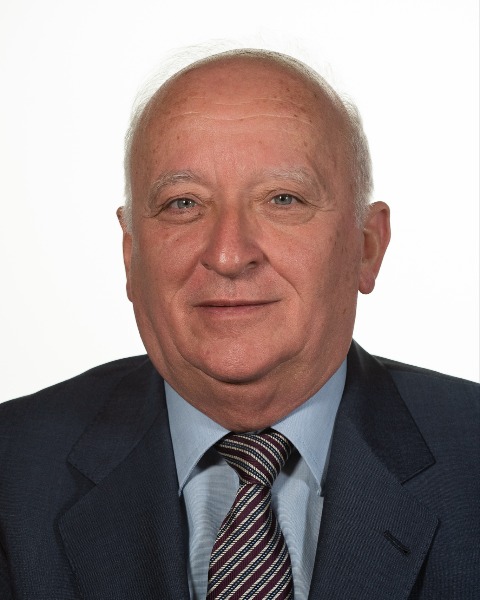 Joan Bladé合作论文数Clínic Barcelona;University of Barcelona12
 Robert Kyle合作论文数College of Medicine, Mayo Clinic11
 Derek Hart合作论文数ANZAC Research Institute11Ingemar Turesson合作论文数Department of Hematology and Oncology, Skane University Hospital, Lund University;Lund University Cancer Centre11
 Ruben Niesvizky合作论文数Joan and Sanford I. Weill Department of Medicine, Weill Cornell Medicine, Cornell University11Leonie Snowdon合作论文数11
 Philippe Moreau合作论文数Department of Hematology, University Hospital of Nantes11Harry J Iland合作论文数11
 Roman Hájek合作论文数Department of Hematooncology, Faculty of Medicine, University of Ostrava;University Hospital Ostrava;Masaryk University11
 Jane Matthews合作论文数10E Yuen合作论文数10
 Chng Wee Joo合作论文数Yong Loo Lin School of Medicine, National University of Singapore;National University Health System;Singapore Translational Cancer Consortium10
 Brian G. M. Durie合作论文数Division of Hematology/Oncology, Cedars Sinai Medical Center;Cedars-Sinai Samuel Oschin Cancer Center10Kazuyuki Shimizu合作论文数10
 Kenneth C. Anderson合作论文数Dana-Farber Cancer Institute;Harvard Medical School10
 Paul G. Richardson合作论文数Jerome Lipper Multiple Myeloma Center, Dana-Farber Cancer Institute;Harvard Medical School10
 Mario Boccadoro合作论文数Department of Molecular Biotechnology and Health Sciences, Universita degli Studi di Torino;European Myeloma Network9Favaloro James合作论文数9
 S. Vincent Rajkumar合作论文数Division of Hematology, Mayo Clinic;Mayo Clinic Comprehensive Cancer Center9
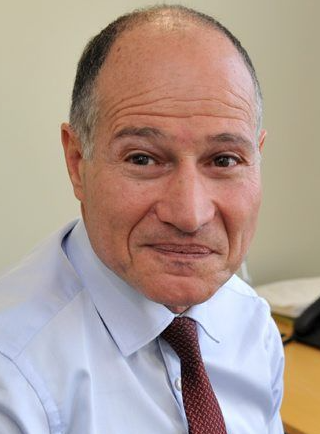 Michel Attal合作论文数Institut Universitaire du Cancer Toulouse Oncopole9Antony Basten合作论文数9Alaine Wearne合作论文数9Jan Westin合作论文数9Thomas Exner合作论文数9
 Antonio Palumbo合作论文数GSK;USZ Universitats Spital Zurich9
 Hartmut Goldschmidt合作论文数Universität Belgrad;Nationalen Centrums für Tumorerkrankungen Heidelberg, Universitätsklinikum Heidelberg;Medizinischen Klinik Heidelberg, Universitätsklinikum Heidelberg9H Suen合作论文数8SE FRANCIS合作论文数8Xf Luo合作论文数8D Hart合作论文数8A Murray合作论文数8




