Objectives Individually, rare diseases are rare. Collectively, they are common. Their diagnosis and management places a significant financial burden on the NHS (£3.4 billion in the last 10 years) and, for patients, these conditions are life-long, life-limiting and lack support groups and management models.1 The UK Strategy for Rare Diseases (2021) includes faster diagnosis and care co-ordination as two of its priorities – recognising significant unmet need.2 The SWAN clinic is a specialist clinic designed to investigate patients with possible rare undiagnosed conditions and is one of the first to be commissioned in the UK as a dedicated service for children. The main aim of the clinic is to provide a diagnosis for patients suspected of having a rare undiagnosed disease as well as looking to improve the care coordination and management of these patients using a multi-disciplinary approach. Methods The service was funded by the Welsh Government as a 2-year pilot commissioned through Welsh Health Specialist Services Committee (WHSSC) from 31.12.2021 to 31.03.2024. Referrals to the outpatient service were invited from March 2022. The service has been evaluated quantitatively; looking at the number of diagnoses made following referral and whether referral has led to changes to the patients treatment or management, and qualitatively; by using specifically developed Patient-Reported Outcome Measures (PROMs) and Patient-Reported Experience Measures (PREMs) and using patient stories. Results 54 referrals have been made to the service from multiple specialists with 42 accepted for further evaluation. All had undergone some form of genetic testing prior to referral. To date, 5 new diagnoses have been made resulting in treatment changes and opportunities for reproductive counselling. Following review patients have had changes to their management (n=19), new referrals (n=28), additional investigations arranged (n=25) and holistic support provided (n=30). Many patients are undergoing genetic reanalysis (n=21), had further genetic testing initiated (n=20) or been entered into research trials (n=9). International recognition of the service and acceptance into the UDNI (Undiagnosed Diseases International Network) is enabling further investigative possibilities. PREMs and PROMs evaluation indicate a desire and need for such a service by patients with undiagnosed conditions. Conclusion We present a replicable framework for reviewing and managing undiagnosed patients with the aim of limiting the time to diagnosis and improving patient care – making a significant difference to patients' lives. The service has received positive media attention and has assisted in development of models of care currently being considered in the other four UK nations. References A preliminary assessment of the potential impact or rare diseases on the NHS, Imperial College Health Partners – Julia Watkins & Matthew O'Connell, November 2018 UK rare diseases framework, department of health and social care, January 2021
Background While several studies have summarised the clinical effectiveness evidence for extracorporeal membrane oxygenation (ECMO), there are no evidence syntheses of the impact of centres’ ECMO patient volume on patient outcomes or the impact of bedside ECMO care being delivered by either a perfusionist or a nurse. There is also limited information on the cost-effectiveness of ECMO. Purpose This review was carried out to evaluate the clinical effectiveness and cost of different service delivery models of pulmonary ECMO to inform NHS Wales commissioning policy. Research Design The study utilised rapid review methodology, consisting of a systematic literature search and the inclusion of the highest quality of evidence available. Data Collection Out of 1997 records identified via literature searches, 12 studies fell within the scope. The 2 meta-analyses comparing ECMO with lung-protective ventilation favoured ECMO. Results Five studies looking at the clinical impact of centre patient volume had large heterogeneity. Three studies estimated that with sufficient patient volume, nurse-delivered ECMO was cost-saving, with thresholds varying between 92 and 155 patient days per year. Three studies looked at the cost impact of ECMO delivery, with ECMO being cost incurring, but potentially cost-effective, with costs per patient being lower at higher volume centres. Conclusions The available evidence supports the use of ECMO in adult respiratory failure patients, despite it being cost-incurring. ECMO can be nurse-delivered without a significant negative impact on patient care. Yet decision-makers need to consider their local circumstances when making commissioning decisions.
We are delighted that The Lancet Respiratory Medicine is promoting high-quality research on preterm-born individuals who have had bronchopulmonary dysplasia in infancy.1Improving lifelong respiratory health after preterm birth.Lancet Respir Med. 2022; 10 (Editorial): 121Summary Full Text Full Text PDF PubMed Scopus (2) Google Scholar Clearly, bronchopulmonary dysplasia has important implications in infancy, including increased respiratory symptoms and increased hospital admission. However, we believe that the focus on respiratory outcomes after preterm birth must be much broader than just bronchopulmonary dysplasia, especially as bronchopulmonary dysplasia is a poor predictor of the development of prematurity-associated lung disease. Gestation and intrauterine growth restriction are more closely associated with the development of prematurity-associated lung disease than is bronchopulmonary dysplasia.2Hart K Cousins M Watkins WJ et al.Association of early life factors with prematurity-associated lung disease: prospective cohort study.Eur Respir J. 2021; (published Oct 8.)https://doi.org/10.1183/13993003.01766-2021Crossref Scopus (6) Google Scholar In a preterm cohort, 40% of individuals with bronchopulmonary dysplasia had a low FEV1 of at most 85%, but 25% without bronchopulmonary dysplasia also had a predicted FEV1 of at most 85%, despite including children born up to 34 weeks' gestation.2Hart K Cousins M Watkins WJ et al.Association of early life factors with prematurity-associated lung disease: prospective cohort study.Eur Respir J. 2021; (published Oct 8.)https://doi.org/10.1183/13993003.01766-2021Crossref Scopus (6) Google Scholar Redefining bronchopulmonary dysplasia will not include this at-risk late preterm group, especially as most of these individuals will not have received any neonatal oxygen therapy. This observation is important because a far greater proportion of births each year occur at 32–36 weeks' gestation (2·7% of annual UK livebirths) than at less than 28 weeks' gestation (0·5%), which is considered a high risk for bronchopulmonary dysplasia. Risks of prematurity extend beyond respiratory disease, including substantial neurodevelopmental, cardiovascular, and nutritional or growth abnormalities. Focus should be on the longitudinal tracking of respiratory symptoms and objective markers such as spirometry and exhaled nitric oxide, which will improve understanding of the underlying mechanisms and help to develop treatments. Advanced imaging methods by MRI of the lungs3Higano NS Spielberg DR Fleck RJ et al.Neonatal pulmonary magnetic resonance imaging of bronchopulmonary dysplasia predicts short-term clinical outcomes.Am J Respir Crit Care Med. 2018; 198: 1302-1311Crossref PubMed Scopus (59) Google Scholar and pulmonary vasculature can provide safe, radiation-free, non-invasive insight into regional lung structure and function, which can be studied longitudinally. Crucially, these patterns of diminished lung function in childhood often persist in adulthood, leading to substantial future morbidity and mortality.4Wan ES Balte P Schwartz JE et al.Association between preserved ratio impaired spirometry and clinical outcomes in US adults.JAMA. 2021; 326: 2287-2298Crossref PubMed Scopus (9) Google Scholar As the Lancet Respiratory Medicine Editorial states,1Improving lifelong respiratory health after preterm birth.Lancet Respir Med. 2022; 10 (Editorial): 121Summary Full Text Full Text PDF PubMed Scopus (2) Google Scholar there is a paucity of evidence to inform the treatment of children with prematurity-associated lung disease. However, we recently showed that treatment with inhaled corticosteroids improved lung function in children with prematurity-associated lung disease but the addition of long-acting bronchodilators to this treatment was superior to placebo or inhaled corticosteroids alone (long-acting bronchodilators cannot be assessed alone given safety concerns), thus providing robust evidence for the first time to manage children with prematurity-associated lung disease.5Goulden N Cousins M Hart K et al.Inhaled corticosteroids alone and in combination with long-acting β-2 receptor agonists to treat reduced lung function in preterm-born children: a randomized clinical trial.JAMA Pediatr. 2021; (published Dec 13.)https://doi.org/10.1001/jamapediatrics.2021.5111Google Scholar In summary, we must investigate beyond bronchopulmonary dysplasia in preterm-born children, because those who do not develop bronchopulmonary dysplasia are also at substantial risk of developing prematurity-associated lung disease. Longitudinal studies of respiratory symptoms, lung function deficits, and state-of-the-art cardiopulmonary imaging are urgently needed if evidence-based therapies are to be developed. Since a low FEV1 is an independent risk for early multisystem morbidity and mortality, studying other organ systems is also essential. We declare no competing interests. Improving lifelong respiratory health after preterm birthBronchopulmonary dysplasia (BPD; also known as chronic lung disease of prematurity) is the most common complication of extremely preterm birth. Neonatal respiratory support and a range of antenatal and postnatal factors can contribute to lung injury and impaired lung growth and repair in preterm infants, increasing the risk of BPD and persistent respiratory disease , with potentially lifelong consequences for health and wellbeing. Recent society guidelines provide new recommendations on the management of infants, children, and adolescents with post-prematurity respiratory disease (PPRD). Full-Text PDF
Our website uses cookies to enhance your experience. By continuing to use our site, or clicking "Continue," you are agreeing to our Cookie Policy | Continue JAMA Pediatrics HomeNew OnlineCurrent IssueFor Authors Podcast Journals JAMA JAMA Network Open JAMA Cardiology JAMA Dermatology JAMA Health Forum JAMA Internal Medicine JAMA Neurology JAMA Oncology JAMA Ophthalmology JAMA Otolaryngology–Head & Neck Surgery JAMA Pediatrics JAMA Psychiatry JAMA Surgery Archives of Neurology & Psychiatry (1919-1959) JN Learning / CMESubscribeJobsInstitutions / LibrariansReprints & Permissions Terms of Use | Privacy Policy | Accessibility Statement 2023 American Medical Association. All Rights Reserved Search All JAMA JAMA Network Open JAMA Cardiology JAMA Dermatology JAMA Forum Archive JAMA Health Forum JAMA Internal Medicine JAMA Neurology JAMA Oncology JAMA Ophthalmology JAMA Otolaryngology–Head & Neck Surgery JAMA Pediatrics JAMA Psychiatry JAMA Surgery Archives of Neurology & Psychiatry Input Search Term Sign In Individual Sign In Sign inCreate an Account Access through your institution Sign In Purchase Options: Buy this article Rent this article Subscribe to the JAMA Pediatrics journal
The Welsh Health Specialised Services Committee (WHSSC) is responsible for planning, commissioning and funding specialised healthcare in Wales. Investment in new technologies or services is based on clinical and economic evidence, using a consistent and transparent process. This is accomplished in three stages. The first stage is the preparation of a rapid evidence review. This then informs the development or update of the relevant Commissioning Policy. The final stage is to prioritise the Commissioning Policy recommendations against all other new services and interventions, to inform WHSSC’s annual commissioning intentions. In 2017, a review was conducted of the WHSSC Commissioning Policy for transcatheter aortic valve implantation for severe aortic stenosis. Prior to this only high-risk patients were eligible for transcatheter aortic valve implantation. The rapid evidence review identified three randomised controlled trials and two economic analyses relevant to the decision problem. Transcatheter aortic valve implantation was generally found to be more expensive and more effective than medical management or surgical aortic valve replacement, with incremental cost-effectiveness ratios around £10,500–£36,000 for inoperable groups and £17,000–£24,000 in high-risk groups. The rapid evidence review, expert advice and stakeholder feedback informed the revision process of the Commissioning Policy for transcatheter aortic valve implantation. This recommended the addition of patients unsuitable for surgical aortic valve replacement and the removal of explicit risk scoring. This recommendation was subject to the prioritisation process (carried out annually). The updated transcatheter aortic valve implantation recommendation was ranked second out of 23 technologies and services competing for additional WHSSC funding. The WHSSC Integrated Commissioning Plan for specialised services in Wales (2019) therefore included funding to support the new criteria for transcatheter aortic valve implantation treatment. In Wales, specialised health services are selected and funded at a national level by the Welsh Health Specialised Services Committee. Specialised services are provided for small numbers of patients, requiring highly specialised professionals or technologies. When the aortic heart valve becomes narrowed with disease it can be replaced with an artificial valve. This normally requires open surgery, which is risky for some patients, particularly those who are frail. Since 2012, the Welsh Health Specialised Services Committee have funded a less invasive procedure called TAVI (transcatheter aortic valve implantation) for patients who could have open surgery but at a high risk. In 2017, this policy needed updating, thus a new evidence review was conducted. This showed that patients at high risk from open surgery were more likely to survive if they underwent TAVI. Others, for whom open surgery was too risky, were also more likely to survive if they underwent TAVI instead of medication. However, TAVI tended to produce more vascular problems, such as blockages or damage to blood vessels. Transcatheter aortic valve implantation is generally more effective and more expensive than either drugs or open surgery in these patient groups, but is within cost-effectiveness limits often used in the UK National Health Service. As a result of the review, experts recommended that TAVI should be available to more patients, which would require greater levels of funding. Transcatheter aortic valve implantation was ranked as second out of 23 new or updated treatments competing for funding allocations. The Welsh Health Specialised Services Committee therefore published a new Commissioning Plan for TAVI in 2019 that now included patients who are considered too risky to undergo open surgery.
IMPORTANCE Decreases in future lung function are a hallmark of preterm birth, but studies for management of decreased lung function are limited. OBJECTIVE To determine whether 12 weeks of treatment with inhaled corticosteroids (ICS) alone or in combination with long-acting beta(2) agonists (LABA) improves spirometry and exercise capacity in school-aged preterm-born children who had percent predicted forced expiratory volume in 1 second (%FEV1) less than or equal to 85% compared with inhaled placebo treatment. DESIGN, SETTING, AND PARTICIPANTS A double-blind, randomized, placebo-controlled trial was conducted to evaluate ICS and ICS/LABA against placebo. Preterm-born children (age, 7-12 years; gestation <= 34 weeks at birth) who did not have clinically significant congenital, cardiopulmonary, or neurodevelopmental abnormalities underwent spirometry, exercise testing, and measurement of fractional exhaled nitric oxide before and after treatment. A total of 144 preterm-born children at the Children's Hospital for Wales in Cardiff, UK, were identified and enrolled between July 1, 2017, and August 31, 2019. INTERVENTIONS Each child was randomized to 1 of 3 cohorts: fluticasone propionate, 50 mu g, with placebo; fluticasone propionate, 50 mu g, with salmeterol, 25 mu g; or placebo inhalers, all given as 2 puffs twice daily for 12 weeks. Children receiving preexisting ICS treatment underwent washout prior to randomization to ICS or ICS/LABA. MAIN OUTCOMES AND MEASURES The primary outcome was between-group differences assessed by adjusted pretreatment and posttreatment differences of %FEV1 using analysis of covariance. Intention-to-treat analysis was conducted. RESULTS Of 144 preterm-born children who were identified with %FEV1 less than or equal to 85%, 53 were randomized. Treatment allocation was 20 children receiving ICS (including 5 with prerandomization ICS), 19 children receiving ICS/LABA (including 4 with prerandomization ICS), and 14 children receiving placebo. The mean (SD) age of children was 10.8 (1.2) years, and 29 of the randomized children (55%) were female. The posttreatment %FEV1 was adjusted for sex, gestation, bronchopulmonary dysplasia, intrauterine growth restriction, pretreatment corticosteroid status, treatment group, and pretreatment values. Posttreatment adjusted means for %FEV1, using analysis of covariance, were 7.7% (95% CI, -0.27% to 15.72%; P = .16) higher in the ICS group and 14.1% (95% CI, 7.3% to 21.0%; P = .002) higher in the ICS/LABA group compared with the placebo group. Active treatment decreased the fractional exhaled nitric oxide and improved postexercise bronchodilator response but did not improve exercise capacity. One child developed cough when starting inhaler treatment; no other adverse events reported during the trial could be attributed to the inhaler treatment. CONCLUSIONS AND RELEVANCE The results of this randomized clinical trial suggest that combined ICS/LABA treatment is beneficial for prematurity-associated lung disease in children.
On Aug 17, 2022, the National Institute for Health and Care Excellence (NICE) published guidance recommending nivolumab plus ipilimumab as an option for treating previously untreated, unresectable malignant pleural mesothelioma in adults with an Eastern Cooperative Oncology Group (ECOG) performance status of 0 or 1, but only if the company, Bristol Myers Squibb, provides it according to the commercial arrangement.
Introduction: Optimal treatment to improve lung function or symptoms in preterm-born children is unknown. Objectives: We established if 12-weeks treatment of inhaled corticosteroids (ICS), alone or in combination with long-acting beta-2 agonists (LABA), improve lung function in school-aged preterm-born children with impaired spirometry, compared to placebo. Methods: Spirometry (at baseline, post exercise and following post-exercise bronchodilator therapy), FENO and exercise testing were performed by preterm-born children with FEV1 ≤85% predicted (%FEV1) as part of the Respiratory Health Outcomes in Neonates (RHiNO) trial, a registered RCT (EudraCT number: 2015-003712-20). Results: 53 children (19 in ICS/LABA group, 20 in ICS group, 14 in placebo group), aged 10.8 years, enrolled to the trial. %FEV1 improved by 14.1% (95% CI 7.3%, 21%; p=0.002) and 7.7% (-0.3%, 15.7%; p=0.16) in the ICS/LABA and ICS groups respectively compared to placebo using ANCOVA, when adjusted for sex, gestation, BPD, IUGR, previous corticosteroid use, treatment group and pre-treatment %FEV1. FENO decreased (9.3 vs 14.0 vs 2.2ppb for ICS/LABA, ICS, placebo groups respectively) in the active treatment groups. While exercise capacity was unchanged, there was an improvement in the post-exercise to post-exercise bronchodilator spirometry from pre- to post-treatment in the ICS/LABA group. Conclusions: ICS/LABA improves lung function in preterm lung disease. We recommend consideration of ICS/LABA in preterm-born children with spirometry deficits, especially if concurrent respiratory symptoms.
Objective Wales has an immunoreactive trypsin (IRT)-DNA cystic fibrosis (CF) newborn screening (NBS) programme. Most CF NBS false negative cases are due to an IRT concentration below the screening threshold. The accuracy of IRT results is dependent on the quality of the dried bloodspot (DBS) sample. The aim of this study was to determine the cause of false negative cases in CF NBS and their relationship to DBS quality. Design Longitudinal birth cohort. Setting Wales 1996–2016. Patients Children with CF. Interventions Identification of all CF patients with triangulation of multiple data sources to detect false negative cases. Main outcome measures False negative cases. Results Over 20 years, 673 952 infants were screened and 239 were diagnosed with CF (incidence 1:2819). The sensitivity of the programme was 0.958, and positive predictive value was 0.476. Eighteen potential false negatives were identified, of whom eight were excluded: four screened outside Wales, two had complex comorbidities, no identified cystic fibrosis transmembrane conductance regulator (CFTR) variants on extended analysis and thus not considered to have CF and two were diagnosed after their 16th birthday. Of the 10 false negatives, 9 had a low DBS IRT and at least one common CFTR variant and thus should have received a sweat test under the programme. DBS cards were available for inspection for five of the nine false negative cases—all were classified as small/insufficient or poor quality. Conclusions The majority of false negatives had a low bloodspot IRT, and this was associated with poor quality DBS. The optimal means to improve the sensitivity of our CF NBS programme would be to improve DBS sample quality.
Cystic fibrosis (CF) is the most common life-limiting inherited condition in Caucasians. It is a multisystem autosomal recessive disorder caused by variants in the gene for cystic fibrosis transmembrane conductance regulator (CFTR) protein, a cell-surface localised chloride channel that regulates absorption and secretion of salt and water across epithelia. Until recently, the treatment for CF was predicated on ameliorating and preventing the downstream symptoms of CFTR dysfunction, primarily recurrent respiratory infections and pancreatic exocrine failure. But a new class of therapy—the CFTR modulators, which treat the basic defect and decrease the complications of CF, leads to significantly improved pulmonary function, decreased respiratory infections and improved nutrition. The newest agent, a combination of elexacaftor, tezacaftor and ivacaftor, will be suitable for approximately 90% of all people with CF and is likely to decrease the morbidity and significantly increase the life expectancy for most people with CF. The major barrier to their widespread introduction has been their cost, with many countries unwilling or unable to fund them. Nevertheless, such is their therapeutic efficacy and their likely potent effect on life expectancy that their advent has wider societal implications for the care of children and adults with CF.
Introduction Early infant diet might influence the risk of subsequent allergic disease. Methods The Merthyr Allergy Prevention Study (MAPS) was a randomised controlled trial in infants at high risk of allergic disease. The trial determined whether a cow's milk exclusion diet for the first 4 months of life decreased the risk of allergic disease including asthma compared with a normal diet. A soya milk preparation was offered to those in the intervention group. A standardised questionnaire for allergic disease was completed at ages 1, 7, 15 and 23 years, with clinical assessment at 1, 7 and 23 years. The effect of the intervention on the risk of atopy, asthma and wheeze at age 23 years was determined. Findings 487 subjects entered the study; at age 23 years 299 completed the questionnaire, of which 119 attended clinical assessment. Subjects randomised to the intervention group had a significantly increased risk of atopy (adjusted OR 2.97, 95% CI 1.30 to 6.80; p=0.01) and asthma (OR 2.07, 95%CI 1.09 to 3.91; p=0.03) at age 23 years, but not wheeze (OR 1.43, 95%CI 0.87 to 2.37; p=0.16). Earlier exposure to cow's milk was associated with a decreased risk of wheeze and asthma at age 23 years, while earlier exposure to soya milk was associated with an increased risk of atopy and asthma. Interpretation In infants at high risk of allergic disease, either cow's milk exclusion or early soya milk introduction for the first 4 months of life increases the risk of atopy, wheeze and asthma in adulthood.
Since the first clinical description in 1952, immunoglobulin replacement therapy remains the mainstay of treatment of patients with X-linked agammaglobulinemia (XLA). However, this therapy only replaces IgG isotype and does not compensate for the loss of Bruton tyrosine kinase in non-B-lymphocytes. Patients may still therefore develop complications despite current standard of care. Here, we describe an XLA patient with persistent chronic norovirus infection, refractory to treatment and causing intestinal failure. The patient underwent haematopoietic stem cell transplantation, curing XLA and allowed clearance of norovirus prior to humoral immunoreconstitution, suggesting non-humoral immunodeficiency in these patients.
The evidence base for modulator therapies in cystic fibrosis (CF) has continued to expand, and it is likely that up to 90% of people with CF could benefit. Worldwide there are however marked inequalities of access to basic CF care and modulator therapies. For infants and young children there is now an evidence base for inhaled hypertonic saline. There is increasing evidence that structural lung disease in CF is not due purely to infection and that mucus retention and inflammation are also key, and further evidence of the value of azithromycin in those chronically infected with Pseudomonas aeruginosa. Finally, exercise is good for you, but airway clearance is better for mucus clearance.
Background: Newborn screening (NBS) for cystic fibrosis (CF) commenced in England in 2007 and includes the variant R117H - either CF disease causing (R117H-5T) or a variant of variable consequence (R117H-7T). Some infants identified through NBS are labelled CF screen positive inconclusive diagnosis (CFSPID). Population studies suggest that the penetrance of R117H is very low. Methods: We abstracted data from the NHS England CF NBS Programme and the UK CF Registry on R117H heterozygotes. We compared the number of infants identified through the NBS Programme with those labelled as CF on the Registry over a similar period. We compared the proportion diagnosed through NBS versus clinical diagnosis, the age at diagnosis (5-year epochs), of those born before 2007 and those born after 2007. We recorded number and age of death in 5-year epochs. We excluded those born in 2007. Results: The Registry identified 253 R117H heterozygotes born before 2007. Most had no poly-T information. 24 were diagnosed through NBS, 101 as children and 127 as adults. After 2009 the NBS programme identified 161 infants heterozygous for R117H, of which 68 were labelled CFSPID. The Registry identified 156 subjects heterozygous for R117H born since 2008, 128 identified through NBS and 28 diagnosed clinically. Overall 14 R117H heterozygotes died, youngest age 25-29 years, oldest 75-79 years, mean age 43.4 years. The NBS programme identified 17.9 infants/yr, the Registry identified 12.8/yr with CF. Conclusions: There is poor characterisation of the poly-T status of R117H heterozygotes. NBS for R117H identifies individuals who would not have been diagnosed clinically, and nearly a third are labelled as CFSPID. The majority of R117H heterozygotes who present clinically are diagnosed in adulthood.
The call for the European Respiratory Society (ERS) to change their e-cigarette and vaping policy, from honourable people with decades of experience fighting the evils of tobacco, is unfortunately misconceived. The three issues of greatest concern are acute toxicity, chronic toxicity and, most importantly, the effects on children and young people. The efficacy of e-cigarettes as an adjunct to smoking cessation are outwith the expertise of paediatric specialists, but we would ask for assurances that any benefits really do outweigh the risks to children and young people (below). Our comments on these key issues are as follows: The ERS has the right approach to e-cigarettes
Introduction: Congenital thoracic malformations (CTM) can be detected antenatally. There is no universal guidance for asymptomatic lesions although surgical resection has been advocated due to potential complications. Current Welsh guideline for neonates with antenatally detected CTM include CXR after birth with hospital observation for 24 hours. Chest computed tomography(CT) is performed at the Children9s Hospital for Wales within the first 3m of age. Aim: To investigate whether initial CXR can predict CTM and subsequent need for surgery. Methods: All infants with chest CT performed under a year of age were identified from 2010-2019 through search criteria for congenital lung lesions. Initial CXR of those with antenatal diagnosis were reviewed together with their clinical records. Results: 67 antenatally detected infants had initial CXR; 23(34%) were normal, 44(66%) were abnormal irrespective of size of lung lesions. 20(87%) with normal CXR had CT confirmed lung lesions of which 9 had elective resection (39% of those with normal CXR). All with abnormal CXR had abnormal CT and 25 required surgery (57% with abnormal CXR) but 10 required emergency resection. Sensitivity, specificity, positive and negative predictive values of CXR confirming CT lung lesions are 69%,100%,100% and 13% respectively whilst CXR as a screening test for surgical resection is poor (74%,42%,56%,61%). Conclusions: Initial CXR is not useful in confirming antenatally detected CTM or surgery. However in the absence of CXR abnormalities, no infants required emergency surgery. This may reassure neonatologists in the safe discharge of neonates until definitive evaluation.
Childhood asthma is a huge global health burden. The spectrum of disease, diagnosis, and management vary depending on where children live in the world and how their community can care for them. Global improvement in diagnosis and management has been unsatisfactory, despite ever more evidence-based guidelines. Guidelines alone are insufficient and need supplementing by government support, changes in policy, access to diagnosis and effective therapy for all children, with research to improve implementation. We propose a worldwide charter for all children with asthma, a roadmap to better education and training which can be adapted for local use. It includes access to effective basic asthma medications. It is not about new expensive medications and biologics as much can be achieved without these. If implemented carefully, the overall cost of care is likely to fall and the global future health and life chance of children with asthma will greatly improve. The key to success will be community involvement together with the local and national development of asthma champions. We call on governments, institutions, and healthcare services to support its implementation.
Introduction: Sampling for airway infection is challenging in children with CF who may not be able to spontaneously expectorate sputum even during exacerbation In the CF Sputum-induction Trial (CF-SpIT) (Ronchetti, et al Lancet Respir Med 2018;6(6):461-71), we compared induced-sputum (IS) to cough swab (CS) and 6-lobe bronchoalveolar lavage (BAL) in children with CF IS isolated 3 times as many pathogens as CS and performed as well as the gold standard 2-lobe BAL in a sensitivity analysis against all pathogens identified IS is now part of routine clinic care in many CF centres, but physiotherapist resources often limit its availability Some of our patients already perform IS at home Face-to-face clinics are currently on hold during the COVID-19 pandemic We took this time to systematically evaluate home sputum-induction testing (HomeSpIT) in our paediatric CF clinic Methods: We approached all children aged >5 years who were already using hypertonic saline (HS) in their home physiotherapy routine Details of how to perform home sputum-induction with an instructional video were provided at www uhwchildren com/respiratory/home-sputum-induction We focussed the HomeSpIT procedure around the simple sequence COUGH, HUFF, COUGH, CLEAR THROAT, SPIT, to be performed during and after HS physiotherapy Patients were posted instructions and a sputum pot, and received a follow-up call Same day routine CS was performed at the hospital during drive-by delivery of the home sputum sample Primary outcome was pathogen detection rate for IS and CS Results: We identified 42 eligible children 4 had no transport and another 4 were unkeen to visit the hospital during COVID-19 lockdown 34 patients therefore attempted HomeSpIT Median age was 11 5 years (IQR 9 1-14 0) 32/34 (96%) were well and had no cough 27/34 (79%) had previously performed at least one clinic IS procedure with a physiotherapist 32/34 (96%) patients managed to produce a sample 100% IS samples were reported as mucoid, mucopurulent or purulent by the microbiology lab 12/32 (38%) IS samples were pathogen-positive compared to 6/32 (19%) CS samples (McNemar test p=0 04) 5/12 (42%) IS samples identified more than one pathogen In total, 19 bacterial pathogens were isolated: P aeruginosa (n=6), S aureus (n=6), S maltophilia (n=3), B cepacia complex (n=1), A xylosoxidans (n=1), S marcescens (n=1) and Acinetobacter (n=1) 19/19 (100%) pathogens were isolated on IS compared with 6/19 (32%) on CS (McNemar test p5 years HomeSpIT isolated 3 times as many pathogens as cough swab, similar to that found with clinic sputum-induction procedures in the CF-SpIT study Establishing HomeSpIT in children with CF age >5 years may initially require some practise for patients, but it will reduce aerosol-producing procedures in clinic, and allow valuable physiotherapist time to be committed to younger children, who require more expertise during sputum-induction procedures
 Julian Forton合作论文数Wellcome Trust Centre for Human Genetics, Oxford University13Kotecha Sailesh合作论文数10
 Stavros Petrou合作论文数Green Templeton College, University of Oxford;Nuffield Department of Primary Care Health Sciences, Medical Sciences Division, University of Oxford10
 Kolamunnage-Dona Ruwanthi合作论文数Department of Biostatistics, University of Liverpool9
 Stephen Holgate合作论文数Faculty of Medicine, University of Southampton8
 Manon Fflur Pritchard合作论文数Advanced Therapies Group, Cardiff University School of Dentistry8David W. Thomas合作论文数8E. Onsøyen合作论文数7
 Paula Williamson合作论文数Institute of Population Health, University of Liverpool;Faculty of Health and Life Sciences, University of Liverpool7
 Katja Hill合作论文数7Powell Colin合作论文数6
 Kerenza Hood合作论文数6CVE Powell合作论文数5
 Chris Course合作论文数Dept Child Hlth, Cardiff Univ5
 Stuart Moat合作论文数Wales Newborn Screening Laboratory, Cardiff and Vale University Health Board5Rye Philip D合作论文数5
 Kevin Southern合作论文数5Dennis Wat合作论文数5Sadiyah Hand合作论文数4K.A. Azzopardi合作论文数4R. Myrvold合作论文数4Ruth Hanks合作论文数4L. Powell合作论文数4Angela Boland合作论文数4Michael Cousins合作论文数4
 Richard Beasley合作论文数Medical Research Institute of New Zealand4Morris I合作论文数4
 Warren Lenney合作论文数4
 Karl Hawkins合作论文数School of Medicine, Swansea University4Diane Rogers合作论文数4j tame合作论文数3L. Thia合作论文数3B Begishvili合作论文数3Louise Yendle合作论文数3
 Kylie Hart合作论文数3R. O'Sullivan合作论文数3
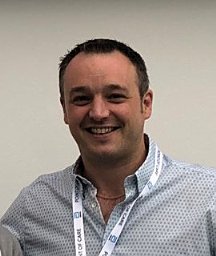 Mark D Lyttle合作论文数3Thia Lena P合作论文数3
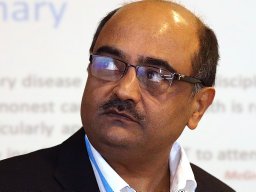 Bhatt Jayesh M合作论文数QMC campus),, Nottingham University Hospitals NHS Trust3
 Jonathan Grigg合作论文数Centre for Genomics and Child Health, Blizard Institute, Faculty of Medicine and Dentistry, Queen Mary University of London3Don M Bradley合作论文数3Jones K P合作论文数3
 Andrew Bush合作论文数National Heart & Lung Institute, Faculty of Medicine, Imperial College London3
 Newton E. Morton合作论文数Cancer Research Campaign Research Group in Genetic Epidemiology, University of Southampton3
 John Henderson合作论文数Faculty of Health Sciences, University of Bristol3
 Thomas Simon合作论文数3
 Pietro Liò合作论文数Department of Computer Science and Technology, University of Cambridge;Cambridge Centre for AI in Medicine, University of Cambridge3Boland A合作论文数3
 Chris Wright合作论文数Biochemical Engineering Group, University of Wales3




