Background Creatine is one of the most extensively studied ergogenic aids, with over three decades of research supporting its role in exercise performance, recovery, and health.Methods This narrative review summarizes the historical development of creatine supplementation and evaluates evidence regarding its mechanisms, efficacy across active, athletic populations (e.g. strength, endurance, team-sport), and tactical (e.g. military, law enforcement) populations, and its safety profile.Results The evidence suggests that creatine enhances phosphocreatine resynthesis and cellular energy availability, resulting in consistent improvements in high-intensity exercise performance, training adaptations, lean body mass, strength, and power. Additional findings indicate that creatine may attenuate exercise-induced muscle damage and inflammation, support recovery, and improve functional outcomes following strenuous activity. Emerging research suggests benefits for endurance and team-sport athletes through enhanced glycogen resynthesis, calcium handling, oxidative stress mitigation, and repeated-sprint performance. In tactical populations, creatine may support occupational readiness by improving strength, hydration status, thermoregulation, cognition, sleep quality, and recovery, with possible neuroprotective and cardiometabolic implications. Soccer-specific evidence demonstrates improvements in repeated-sprint ability and tolerance to high training loads, with preliminary data suggesting protective effects against neurotrauma and gut barrier disruption. Importantly, pooled analyses from hundreds of clinical trials report no greater incidence of adverse events compared with placebo, reinforcing creatine's established safety profile.Conclusion Overall, the evidence suggests that creatine is a versatile supplement with strong evidence to enhance performance and recovery across diverse populations. Future research should prioritize individualized dosing strategies, long-term outcomes in underrepresented groups, and exploration of novel therapeutic applications in health and disease
Firefighters (FFs) and law enforcement officers (LEOs) have heightened cardiovascular disease (CVD), with data suggesting that ≈45% of on-duty FF fatalities are related to CVD, while LEOs have a 1.7 times higher CVD prevalence than the general public. This study compared CVD risk biomarkers, fitness, and body composition between FFs and LEOs. Ninety-eight career, structural male FFs (age = 35.1±9.6 yrs; weight = 94.3±15.4 kg; height = 178.4±13.2 cm) and seventy-three career LEOs (age = 41.4±9.0 yrs; weight = 92.3±16.8 kg; height = 179.6±8.1 cm) from local departments were studied. Participants completed a maximal cardiopulmonary exercise test (CPXT), where VO2max was estimated from the Foster equation. Fasted blood was collected to assess CVD risk biomarkers. Dual-energy X-ray absorptiometry assessed body composition, and waist and hip measures were taken. Analyses with and without women participants were conducted to assess differences in CVD risk biomarkers, fitness, and body composition between the FFs and LEOs. Effect sizes were calculated and reported as Cohen’s d. Univariate general linear model (GLM) analysis of covariance (ANCOVA) were conducted to account for age as a covariate, wherein partial Eta squared (ηₚ²) values were used to assess effect size for the GLM statistics. FFs had higher (p<0.05) CPXT exercise times (FFs: 10.9±1.6 min; LEOs: 10.3±2.0 min; d=0.366) compared to LEOs. FFs also had higher (p<0.05) advanced oxidation protein products (FFs: 134.8±90.1 µM; LEOs: 106.8±67.6 µM; d=0.342), blood cortisol (FFs: 14.2±5.0 µg/dL; LEOs: 12.5±5.6 µg/dL; d=0.325), and waist-to-hip ratios (FF: 0.95±0.06; LEO: 0.89±0.08; d=0.792). These findings suggest that while FFs demonstrated greater CPXT time-to-exhaustion, they also expressed higher stress and CVD risk biomarkers concentrations than LEOs. These data suggest that occupation-specific characteristics and stressors may play a role in the CVD risk profile of first responders.
Previous reports suggest that the menstrual cycle (MC) phases can impact cortisol concentrations. However, research is needed on whether the MC impacts other markers of stress and immune function. It has also been shown that some biomarkers are impacted by time of day, although differences between morning (AM) and afternoon (PM) biomarkers have not been studied over the course of the MC. This study assessed the effect of MC phases and time of day on salivary stress biomarkers [salivary α-amylase (sAA), secretory immunoglobulin A (SIgA)], progesterone, resting blood pressure and resting heart rate (RHR). A single-group repeated measure design was employed in which seventeen participants (n = 17) monitored their MC for two months while attending eight experimental sessions which included both AM and PM sessions during each predicted 1) menses, 2) follicular, 3) ovulatory and 4) luteal phases. Resting blood pressures, heart rates, body composition parameters (assessed via bioelectrical impedance analysis), sAA and SIgA concentrations were assessed. No time of day x MC phase interactions (p > 0.05) were noted for sAA or SIgA, resting blood pressure, heart rate, or body composition parameters. However, sAA and RHR were significantly higher in the PM, while SIgA was significantly higher in the AM. These data suggest that the MC phases do not impact sAA or SIgA, resting blood pressure, heart rates, or body composition parameters. However, time-of-day impacts RHR and concentrations of sAA and SIgA. These findings provide implications for female participants in research dealing with these biomarkers.
Objectives: Reserve Officer Training Corps (ROTC) cadets' highly demanding lifestyle may negatively impact health and performance. As well, reports suggest they are at risk for poor nutrition, i.e., low energy availability or not meeting Military Dietary Reference Intakes. Yet, there are limited data on the barriers to proper nutrition and eating habits among ROTC cadets. This study investigated the dietary habits of ROTC cadets and the factors or barriers influencing them. Methods: Cross-sectional data were obtained from 174 male (n=144) and female (n=30) ROTC cadets (age = 18.7±1.2; height = 176.4±8.5 cm; weight = 74.7±12.8 kg; body mass index = 23.9±3.1 kg/m2) regarding the importance of healthy eating, via validated paper-based questionnaires, which included the Food Choice Questionnaire. Questionnaire data were analyzed using SPSS version 29 software. Shapiro-Wilk Test was used to assess normality for continuous variables. Categorical data are reported as frequencies (n) and total percentages. Chi-square analyses were used to determine independence (p< 0.05) for ethnic groups, sex, and commission status. Results: Of the 174 cadets whom completed the questionnaires, importance was placed on food that keeps them healthy (n=65, 37.3%), is nutritious (n=63, 36.2%), tastes good (n=84, 48.2%), has good monetary value (n=77, 44.2%), helps control body weight (n=33, 18.9%), is low in fat (n=15, 8.6%), makes them feel good (n=50, 28.7%), helps them cope with stress (n=28, 16.0%), helps them to relax (n=32, 18.3%), is low in calories (n=14, 8.0%), and helps them cope with life (n=24, 13.7%). Additionally, chi-squared analyses showed significant associations (p< 0.05) with ethnic groups, sex, and commission status. Conclusions: The cohort of ROTC cadets identified several areas of importance such as food that keeps them healthy, is nutritious, tastes good, has good monetary value, helps control body weight, is low in fat, makes them feel good, helps them cope with stress, helps them to relax, is low in calories, and helps them cope with life. Responses also seemed to vary between sex, ethnic group, and commission status. These findings could aid nutrition practitioners in creating preferable diets with greater adherence in ROTC cadets. Funding Sources: None.
Phaeodactylum tricornutum (PT) is a microalgae extract that contains fucoxanthin and has been shown to enhance cognitive function in younger populations. The present study assessed if PT supplementation affects cognition in healthy, young-old, physically active adults with self-perceptions of cognitive and memory decline. Methods: Forty-three males and females (64.3 ± 6.0 years, 79.8 ± 16.0 kg, 27.0 ± 4.0 kg/m2) with perceptions of cognitive and memory decline completed the double-blind, randomized, parallel-arm, placebo-controlled intervention clinical trial. Participants were counterbalanced by sex and BMI and randomly allocated to their respective 12-week supplementation interventions, which were either the placebo (PL) or 1100 mg/day of PT containing 8.8 mg of fucoxanthin (FX). Fasting blood samples were collected, and cognitive assessments were performed during the testing session at 0, 4, and 12 weeks of intervention. The data were analyzed by multivariate and univariate general linear model (GLM) analyses with repeated measures, pairwise comparisons, and mean changes from baseline analysis with 95% confidence intervals (CIs) to assess the clinical significance of the findings. Results: FX supplementation significantly affected (p < 0.05) or exhibited tendencies toward significance (p > 0.05 to p < 0.10 with effect sizes ranging from medium to large) for word recall, picture recognition reaction time, Stroop color–word test, choice reaction time, and digit vigilance test variables. Additionally, FX supplementation promoted a more consistent clinical improvement from baseline values when examining mean changes with 95% CIs, although most differences were seen over time rather than between groups. Conclusions: The results demonstrate some evidence that FX supplementation can improve working and secondary memory, vigilance, attention, accuracy, and executive function. There was also evidence that FX promoted more positive effects on insulin sensitivity and perceptions about sleep quality with no negative effects on clinical blood panels or perceived side effects. Additional research should investigate how FX may affect cognition in individuals perceiving memory and cognitive decline. Registered clinical trial #NCT05759910.
Background: Microalgae like Phaeodactylum tricornutum (PT) contain the carotenoid, fucoxanthin, which has been purported to promote fat loss, lower blood lipids, and improve glucose management. This study examined whether dietary supplementation with microalgae extracts from PT containing 4.4 mg/d of fucoxanthin affects changes in body composition or health markers in overweight women during an exercise and diet intervention. Materials and Methods: A total of 37 females (28.6 ± 7.9 years, 80.2 ± 14.9 kg, 29.6 ± 3.8 kg/m², 41.4 ± 4.2% fat) fasted for 12 h, donated a fasting blood sample, completed health and mood state inventories, and undertook body composition, health, and exercise assessments. In a counterbalanced, randomized, and double-blind manner, participants ingested a placebo (PL), or microalgae extract of Phaeodactylum tricornutum standardized to 4.4 mg of fucoxanthin (FX) for 12 weeks while participating in a supervised exercise program that included resistance-training and walking (3 days/week) with encouragement to accumulate 10,000 steps/day on remaining days of the week. The diet intervention involved reducing energy intake by about −300 kcal/d (i.e., ≈1400–1600 kcals/d, 55% carbohydrate, 30% fat, 15% protein) to promote a −500 kcal/d energy deficit with exercise. Follow-up testing was performed at 6 and 12 weeks. A general linear model (GLM) with repeated measures statistical analysis was used to analyze group responses and changes from baseline with 95% confidence intervals. Results: Dietary supplementation with microalgae extract from PT containing fucoxanthin for 12 weeks did not promote additional weight loss or fat loss in overweight but otherwise healthy females initiating an exercise and diet intervention designed to promote modest weight loss. However, fucoxanthin supplementation preserved bone mass, increased bone density, and saw greater improvements in walking steps/day, resting heart rate, aerobic capacity, blood lipid profiles, adherence to diet goals, functional activity tolerance, and measures of quality of life. Consequently, there appears to be some benefit to supplementing microalgae extract from PT containing fucoxanthin during a diet and exercise program. Registered clinical trial #NCT04761406.
Background: 2′-Fucosyllactose (2′-FL) is an oligosaccharide contained in human milk and possesses prebiotic and anti-inflammatory effects, which may alleviate skeletal muscle atrophy under caloric restriction. This study evaluated the impacts of 12 weeks of 2′-FL supplementation in conjunction with exercise (10,000 steps/day, 5 days/week) and energy-reduced (−300 kcals/day) dietary interventions on changes in body composition and health-related biomarkers. Methods: A total of 41 overweight and sedentary female and male participants (38.0 ± 13 years, 90.1 ± 15 kg, 31.6 ± 6.6 kg/m2, 36.9 ± 7% fat) took part in a randomized, double-blind, and placebo-controlled study. The participants underwent baseline assessments and were then assigned to ingest 3 g/day of a placebo (PLA) or Momstamin 2′-F while initiating the exercise and weight-loss program. Follow-up tests were performed after 6 and 12 weeks. Data were analyzed using general linear model statistics with repeated measures and mean changes from baseline values with 95% confidence intervals (CIs). Results: No group × time × sex interaction effects were observed, so group × time effects are reported. Participants in both groups saw comparable reductions in weight. However, those with 2′-FL demonstrated a significantly greater reduction in the percentage of body fat and less loss of the fat-free mass. Additionally, there was evidence that 2′-FL supplementation promoted more favorable changes in resting fat oxidation, peak aerobic capacity, IL-4, and platelet aggregation, with some minimal effects on the fermentation of short-chain fatty acids and monosaccharides in fecal samples. Moreover, participants’ perceptions regarding some aspects of the functional capacity and ratings of the quality of life were improved, and the supplementation protocol was well tolerated, although a small, but significant, decrease in BMC was observed. Conclusions: The results support contentions that dietary supplementation of 2′-FL (3 g/d) can promote fat loss and improve exercise- and diet-related markers of health and fitness in overweight sedentary individuals initiating an exercise and weight-loss program. Further research is needed to explore the potential health benefits of 2′-FL supplementation in both healthy and elderly individuals (Registered clinical trial #NCT06547801).
Protein supplementation often refers to increasing the intake of this particular macronutrient through dietary supplements in the form of powders, ready-to-drink shakes, and bars. The primary purpose of protein supplementation is to augment dietary protein intake, aiding individuals in meeting their protein requirements, especially when it may be challenging to do so through regular food (i.e. chicken, beef, fish, pork, etc.) sources alone. A large body of evidence shows that protein has an important role in exercising and sedentary individuals. A PubMed search of "protein and exercise performance" reveals thousands of publications. Despite the considerable volume of evidence, it is somewhat surprising that several persistent questions and misconceptions about protein exist. The following are addressed: 1) Is protein harmful to your kidneys? 2) Does consuming "excess" protein increase fat mass? 3) Can dietary protein have a harmful effect on bone health? 4) Can vegans and vegetarians consume enough protein to support training adaptations? 5) Is cheese or peanut butter a good protein source? 6) Does consuming meat (i.e., animal protein) cause unfavorable health outcomes? 7) Do you need protein if you are not physically active? 8) Do you need to consume protein <= 1 hour following resistance training sessions to create an anabolic environment in skeletal muscle? 9) Do endurance athletes need additional protein? 10) Does one need protein supplements to meet the daily requirements of exercise-trained individuals? 11) Is there a limit to how much protein one can consume in a single meal? To address these questions, we have conducted a thorough scientific assessment of the literature concerning protein supplementation.
Metabolic conditions, such as gout, can result from elevated uric acid (UA) levels. Consuming high-purine meals increases UA levels. Therefore, people with hyperuricemia typically must avoid ingesting such foods. Polyphenols have been shown to reduce uric acid levels and tart cherries (TCs) are a rich source of phenolic and anthocyanin compounds. This proof-of-concept study evaluated whether ingesting TCs with a purine-rich meal affects the uricemic response. Methods: A total of 25 adults (15 males and 10 females, 85.0 ± 17 kg, 40.6 ± 9 years, 29.1 ± 4.9 kg/m2) with elevated fasting UA levels (5.8 ± 1.3 mg/dL) donated a fasting blood sample. In a randomized, double-blind, crossover, placebo-controlled, counterbalanced manner, participants ingested capsules containing 960 mg of a placebo (PLA) or concentrated TC powder containing 20.7 mg of proanthocyanins with a serving of hot soup (10 g of carbohydrate, 2 g protein, and 1 g fat) containing 3 g of purines (1 g of adenosine 5′-monophosphate, 1 g of disodium 5′-guanylate, and 1 g of disodium 5′-inosinate). Blood samples were obtained at 0, 60, 120, 180, and 240 min after ingestion to assess changes in uric acid levels and pharmacokinetic profiles. Cell blood counts, a comprehensive metabolic panel, cytokines, inflammatory markers, and subjective side effects ratings were analyzed on baseline (0 min) and post-treatment (240 min) samples. Participants continued consuming two capsules/day of the assigned treatment for one week and then repeated the experiment. Participants observed a 14-day washout and then repeated the experiment while ingesting the alternate treatment. Data were analyzed using general linear model (GLM) statistics with repeated measures, pairwise comparisons, and percentage change from baseline with 95% confidence intervals (CIs). Results: No statistically significant interaction effects or differences between treatments were seen in uric acid levels or PK profiles. Analysis of percent changes from baseline revealed that TC ingestion reduced the blood glucose levels following the ingestion of the high-purine meal (−4.2% [−7.7, −0.7], p = 0017). Additionally, there was some evidence that TC ingestion attenuated the increase from baseline in IL-1β and IL-10 and increased INF-γ. No significant differences were seen in the remaining health markers or subjective side effects ratings. Conclusions: Acute and one-week TC supplementation did not affect the uricemic response to ingesting a high-purine meal in individuals with mildly elevated UA levels. However, there was some evidence that TC supplementation may blunt the glycemic response to ingesting a meal and influence some inflammatory cytokines. Registered clinical trial NCT04837274.
Background/Objectives: Firefighters, tactical police officers, and warriors often engage in periodic, intermittent, high-intensity physical work in austere environmental conditions and have a heightened risk of premature mortality. In addition, tough decision-making challenges, routine sleep deprivation, and trauma exacerbate this risk. Therefore, identifying strategies to bolster these personnel’s health and occupational performance is critical. Creatine monohydrate (CrM) supplementation may offer several benefits to firefighters and tactical athletes (e.g., police, security, and soldiers) due to its efficacy regarding physical performance, muscle, cardiovascular health, mental health, and cognitive performance. Methods: We conducted a narrative review of the literature with a focus on the benefits and application of creatine monohydrate among firefighters. Results: Recent evidence demonstrates that CrM can improve anaerobic exercise capacity and muscular fitness performance outcomes and aid in thermoregulation, decision-making, sleep, recovery from traumatic brain injuries (TBIs), and mental health. Emerging evidence also suggests that CrM may confer an antioxidant/anti-inflammatory effect, which may be particularly important for firefighters and those performing tactical occupations exposed to oxidative and physiological stress, which can elicit systemic inflammation and increase the risk of chronic diseases. Conclusions: This narrative review highlights the potential applications of CrM for related tactical occupations, with a particular focus on firefighters, and calls for further research into these populations.
OBJECTIVE:This study assessed firefighters' physiological stress response to a live fire training evolution (LFTE). METHODS:Seventy-six ( n = 76) firefighters completed an LFTE. Salivary samples were collected pre-, immediately post, and 30-min post-LFTE and analyzed for α-amylase (AA), cortisol (CORT), and secretory immunoglobulin-A (SIgA). RESULTS:Concentrations of AA, CORT, and SIgA were elevated immediately post LFTE versus pre (P<0.001) and 30-min post (P<0.001). Cohen's d effect size comparing pre and immediately-post means were 0.83, 0.77, and 0.61 for AA, CORT, and SIgA and were 0.54, 0.44, and 0.69 for AA, CORT, and SIgA, comparing immediately-post and 30-min post, respectively. CONCLUSIONS:These data demonstrate the stress response and activation of the hypothalamic-pituitary-adrenal/sympathetic-adreno-medullar axis and immune system immediately after real-world firefighting operations. Future work is needed to understand the impact of elevated stress biomarkers on firefighter performance and disease risk.
Structural firefighters are responsible for protecting properties and saving lives during emergency operations. Despite efforts to prepare firefighters for these hazardous occupational demands, the unfortunate reality is that the incidence of health morbidities is increasing within the fire service. Specifically, cardiovascular disease, cancer, and mental health disorders are among the most documented morbidities in firefighters. Pubmed and Google Scholar search engines were used to identify peer-reviewed English language manuscripts that evaluated firefighters' occupational health threats, allostatic factors associated with their occurrence, and evidence-based strategies to mitigate their impact. This narrative review provides fire departments, practitioners, and researchers with evidence-based practices to enhance firefighters' health.
 Ryan Sowinski合作论文数22Broderick Dickerson合作论文数20Richard B. Kreider合作论文数19Megan Leonard合作论文数Dept Kinesiol & Sport Management, Texas A&M Univ18Dante Xing合作论文数14Joungbo Ko合作论文数14Choongsung Yoo合作论文数Exercise & Sport Nutr Lab, Texas A&M Univ14
 Christopher Rasmussen合作论文数Dynamic Vision Lab, Department of Computer and Information Sciences, University of Delaware14Victoria Jenkins合作论文数12
 McAllister Matthew J合作论文数Exercise Neuromechanics Laboratory, University of Memphis12
 Steven E. Martin合作论文数9Kay Nottingham合作论文数8
 Wesley Kephart合作论文数School of Kinesiology, Auburn University7
 Steven E Martin合作论文数7
 Mark D. Faries合作论文数Baylor University7Adriana Gil合作论文数6Lisa C. Colvin合作论文数6
 Ralf Jager合作论文数6
 Hunter Martaindale合作论文数ALERRT Ctr, Texas State Univ6Martin Purpura合作论文数6
 Jacob Alexander Kendra合作论文数5Rémi Pradelles合作论文数3
 Hunter S Waldman合作论文数Human Performance Research Laboratory, University of North Alabama3
 Wells Shawn合作论文数3Courtney C Dillard合作论文数2Jacquelyn Pence合作论文数2Annette Zapp合作论文数2
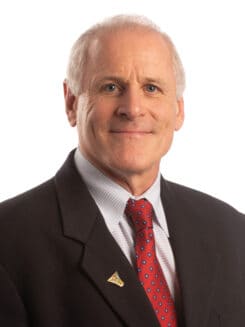 Arny Ferrando合作论文数Donald W. Reynolds Institute on Aging, University of Arkansas for Medical Sciences;Center for Translational Research in Aging & Longevity, University of Arkansas for Medical Sciences;Department of Geriatrics, University of Arkansas for Medical Sciences;College of Medicine, University of Arkansas for Medical Sciences2
 Richard J. Bloomer合作论文数College Health Sciences, University of Memphis2
 Candow Darren G合作论文数Fac Kinesiol & Hlth Studies, Univ Regina2
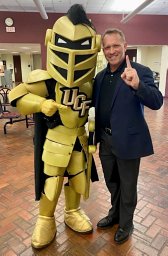 Jeffrey R. Stout合作论文数Metabolic and Body Composition Laboratory, University of Oklahoma2
 Jose Antonio合作论文数Human Performance Laboratory, University of Nebraska-Kearney2
 Chad M Kerksick合作论文数Department of Health and Exercise Science, University of Oklahoma2
 Scott C Forbes合作论文数2
 Sarah N. Lanham合作论文数1Megan H. Lewis合作论文数1Flávia Pereira合作论文数1
 Joel Luedke合作论文数1Jill Joyce合作论文数1Mark G. Abel合作论文数1
 Jigna R. Bhamore合作论文数Dept Chem, Chung Ang Univ1Nicholas Barringer合作论文数1Emily L. Langford合作论文数Dept Hlth Sci & Kinesiol, Georgia Southern Univ1
 Cassandra Evans合作论文数1Sarah N Johnson合作论文数Dept Psychol, Univ Kansas1
 Patrick S Harty合作论文数Exercise & Performance Nutrition Laboratory, Lindenwood University1
 Jeffery Heileson合作论文数Hlth Human Performance & Recreat, Baylor Univ1
 Allison Brager合作论文数Department of Neurobiology, Morehouse School of Medicine1
 Marie van der Merwe合作论文数1




