Abstract The Florida Cancer Research (FL CARES) Network (https://floridacancernetwork.org/) is a statewide collaboration advancing cancer research and improving patient outcomes through coordinated research initiatives and a focus on understanding population-health variation across demographic categories. Funded by the State of Florida Department of Health’s Bankhead-Coley Cancer Research Program, FL CARES unites six research organizations, including the state’s three NCI-designated Cancer Centers. The Network has established a collaborative research consortium with unified policies, coordinated data and metadata standards, and diverse datasets and analysis tools.To accelerate computational research, FL CARES is developing the Platform for Accelerating Collaborative Computational Cancer Research (PAC3R) (https://pac3r.floridacancernetwork.org). This advanced informatics system enables FAIR (findable, accessible, interoperable, reusable) data management, including standardization, harmonization, and integration of multimodal cancer-related datasets. PAC3R is designed to support secure data sharing, deployment of scalable bioinformatics tools, and collaborative analyses across the FL CARES Network.PAC3R builds upon the Sylvester Data Portal (SDP) (https://sdp.miami.edu/), a cloud-based multi-omics platform that manages clinicogenomic and research data for the Sylvester Comprehensive Cancer Center. PAC3R integrates diverse multimodal cancer datasets to support analyses such as transcriptional perturbation signatures, cell sensitivity data, and small-molecule interactions, alongside local cancer panels from Moffitt Cancer Center and Nova Southeastern University. The platform also incorporates large-scale public genomics resources including The Cancer Genome Atlas (TCGA) and the Clinical Proteomic Tumor Analysis Consortium (CPTAC).Overall, the FL CARES Network and its advanced informatics system, the PAC3R platform, demonstrate the power of a unified semantic data model, harmonized datasets, and computational strategies to detect and understand outcome variations across Florida’s populations, supporting the long-term goal of advancing effective cancer prevention, diagnosis, and treatment for all. Citation Format: Jeronimo Pissinis, Michael S. Sinclair, Marcin Pilarczyk, Caty Chung, Dusica Vidovic, Lukas Rupprecht, Franklin Sotolongo, Oliver Mazariegos, Kathleen M. Jagodnik, Carlos Obregon, Tingyi Li, Ling Cen, Jiang Bian, Ji-Hyun Lee, Qianqian Song, Bikhyat Adhikari, Till Krenz, Ritik Bhandari, Umamaheswari Natarajan, Gogce C. Crynen, Appu Rathinavelu, Stuart Chalk, Mondal M. Ananda, Xuefeng Wang, Vasileios Stathias, Stephan Schürer. Florida Cancer Research (FL CARES) network and the Platform for Accelerating Collaborative Computational Cancer Research (PAC3R) [abstract]. In: Proceedings of the American Association for Cancer Research Annual Meeting 2026; Part 1 (Regular Abstracts); 2026 Apr 17-22; San Diego, CA. Philadelphia (PA): AACR; Cancer Res 2026;86(7 Suppl):Abstract nr 2732.
Measurements of severe acute respiratory syndrome coronavirus-2 (SARS-CoV-2) in wastewater can be used to understand the prevalence of COVID-19 cases within a community. Environmental conditions inclusive of physical-chemical water quality characteristics are known to impact wastewater SARS-CoV-2 signals, but they are rarely measured within the sewer infrastructure in areas upstream of wastewater treatment plants (WWTPs). The objectives of this study were to report on measurements of environmental parameters [flow and physical-chemical water quality (water temperature, pH, specific conductivity, dissolved oxygen, and turbidity)] upstream of a WWTP and to evaluate whether the inclusion of these environmental parameters improves correlations between SARS-CoV-2 RNA levels in wastewater, and COVID-19 prevalence in the sewershed community. Measurements of environmental parameters and SARS-CoV-2 RNA in wastewater spanned different time scales (minutes, hours and weeks) and population scales (building, campus, community). For short time scales, water quality parameters did not improve correlations between SARS-CoV-2 in wastewater and COVID-19 prevalence due to high variability of water quality and flows within the sewer system. When averaging data over weekly time scales, regressions showed that inclusion of pH improved correlations between RNA and COVID-19 prevalence. At the cluster scale, for the entire data set, the root mean square error decreased from 6.9 cases per week to 6.5 cases per week. At the community scale benefits were observed only for the delta wave with a decrease in root mean square error from 539 cases per week to 430 cases per week. The inclusion of pH improved correlations between wastewater SARS-CoV-2 and COVID-19 prevalence more frequently when evaluating the cluster sewershed scale (populations of a few thousand) in comparison to the community scale (populations of several 100,000). Given the simplicity of measuring pH and other physical-chemical water quality parameters, their inclusion should be considered as part of wastewater-based epidemiology programs.
The COVID-19 pandemic caused by the SARS-CoV-2 virus dramatically impacted society over five years ago and continues to have an impact today. Since the beginning of the pandemic there have responses and strategies implemented to maintain the public safety of communities affected by SARS-CoV-2. This study is a unique opportunity to analyze nearly four years of SARS-CoV-2 wastewater-based surveillance (WBS) data, obtained from five different laboratories, combined with four years of human health data from three adjacent regions of a large urban community (Miami-Dade County). The objective of this study was to analyze that data and evaluate longitudinal and geographic trends of SARS-CoV-2 levels in wastewater (WW) during the extensive time frame of this study. Additionally, WBS data were analyzed for multiple targets (influenza A/B, norovirus, RSV, HMPV, PMMoV) other than SARS-CoV-2 to assess the potential for expanding WBS to a wider range of targets. We found that SARS-CoV-2 levels correlated strongest with clinical positivity rates across all three geographic regions (Spearman r = 0.81 for the entire period of record), with the most geographically restricted region showing higher correlations (South, r = 0.86) than the region with populations with higher geographic mobility (North, r = 0.69). Stronger correlations (0.80 < r < 0.97) were observed when correlations were established by variant waves rather than single or multiple year time frames (0.73 < r < 0.88). When analyzing the data for targets beyond SARS-CoV-2, results show promise as two laboratories detected norovirus, influenza A/B, RSV, and HMPV at statistically not different frequencies (Chi-squared≥0.6). Overall, results suggest that the clinical metrics used (e.g., positivity), geography, and the time frames of data analyses influence the ability of WBS to predict disease prevalence in a community. The consistency among the laboratories supports that the measurement of a wider range of viral targets can be disaggregated among different laboratories providing flexibility for building national-level WBS programs.
Recent advances in functional genomics and human cellular models have substantially enhanced our understanding of the structure and regulation of the human genome. However, our grasp of the molecular functions of human genes remains incomplete and biased towards specific gene classes. The Molecular Phenotypes of Null Alleles in Cells (MorPhiC) Consortium aims to address this gap by creating a comprehensive catalogue of the molecular and cellular phenotypes associated with null alleles of all human genes using in vitro multicellular systems. In this Perspective, we present the strategic vision of the MorPhiC Consortium and discuss various strategies for generating null alleles, as well as the challenges involved. We describe the cellular models and scalable phenotypic readouts that will be used in the consortium's initial phase, focusing on 1,000 protein-coding genes. The resulting molecular and cellular data will be compiled into a catalogue of null-allele phenotypes. The methodologies developed in this phase will establish best practices for extending these approaches to all human protein-coding genes. The resources generated-including engineered cell lines, plasmids, phenotypic data, genomic information and computational tools-will be made available to the broader research community to facilitate deeper insights into human gene functions.
Florida ranks second in cancer burden in the United States. The Florida CAncer RESearch (FL CARES) Network (https://floridacancernetwork.org/) is a statewide collaboration dedicated to advancing cancer research and improving patient outcomes through education, collaborative research initiatives, and a focus on reducing health disparities by leveraging advanced computational approaches. Funded by the State of Florida Bankhead-Coley Cancer Research Program, FL CARES comprises six research organizations, including Florida's three NCI-designated Cancer Centers. The Network has established a collaborative research consortium with unified policies, coordinated data and metadata standards, and diverse datasets. It incorporates tools like SCAN360, developed at Sylvester Comprehensive Cancer Center, to explore the impact of social determinants of health and environmental factors on cancer outcomes across Florida communities. To further collaborative computational research, FL CARES is developing the Platform for Accelerating Collaborative Computational Cancer Research (PAC3R). This advanced informatics system enables FAIR (findable, accessible, interoperable, reusable) data management, including standardization, harmonization, and integration of multimodal cancer datasets. PAC3R facilitates secure data sharing, scalable bioinformatics tools’ deployment, and collaborative analyses across the Network. Built on the Sylvester Data Portal (https://sdp.miami.edu/), a cloud-based multi-omics platform managing clinicogenomic and research data, PAC3R integrates diverse datasets such as transcriptional perturbation signatures, cell sensitivity data, small molecule interactions, and large-scale genomics from The Cancer Genome Atlas (TCGA) and Clinical Proteomic Tumor Analysis Consortium (CPTAC). Michael Sinclair, Carlos Obregon, Caty Chung, Dusica Vidovic, Lukas Rupprecht, Jeronimo Pissinis, Marcin Pilarczyk, Franklin Sotolongo, Kathleen M. Jagodnik, Till Krenz, Erin Kobetz, Mondal M. Ananda, Ling Cen, Xuefeng Wang, Appu Rathinavelu, Stuart Chalk, Jiang Bian, Ji-Hyun Lee, Qianqian Song, Vasileios Stathias, Stephan C. Schürer. Introducing the Florida Cancer Research (FL CARES) Network and the Platform for Accelerating Collaborative Computational Cancer Research (PAC3R) [abstract]. In: Proceedings of the American Association for Cancer Research Annual Meeting 2025; Part 1 (Regular Abstracts); 2025 Apr 25-30; Chicago, IL. Philadelphia (PA): AACR; Cancer Res 2025;85(8_Suppl_1):Abstract nr 1086.
The Library of Integrated Network-based Cellular Signatures (LINCS), an NIH Common Fund program, has cataloged and analyzed cellular function and molecular activity profiles in response to >80,000 perturbing agents that are potentially disruptive to cells. Because of the importance of proteins and their modifications to the response of specific cellular perturbations, four of the six LINCS centers have included significant proteomics efforts in the characterization of the resulting phenotype. This manuscript aims to describe this effort and the data harmonization and integration of the LINCS proteomics data discussed in recent LINCS papers.
The Illuminating the Druggable Genome (IDG) consortium generated reagents, biological model systems, data, informatic databases, and computational tools. The Resource Dissemination and Outreach Center (RDOC) played a central administrative role, organized internal meetings, fostered collaboration, and coordinated consortium-wide efforts. The RDOC developed and deployed a Resource Management System (RMS) to enable efficient workflows for collecting, accessing, validating, registering, and publishing resource metadata. IDG policies for repositories and standardized representations of resources were established, adopting the FAIR (findable, accessible, interoperable, reusable) principles. The RDOC also developed metrics of IDG impact. Outreach initiatives included digital content, the Protein Illumination Timeline (representing milestones in generating data and reagents), the Target Watch publication series, the e-IDG Symposium series, and leveraging social media platforms.
Drug-induced gene expression profiles can identify potential mechanisms of toxicity. We focus on obtaining signatures for cardiotoxicity of FDA-approved tyrosine kinase inhibitors (TKIs) in human induced-pluripotent-stem-cell-derived cardiomyocytes, using bulk transcriptomic profiles. We use singular value decomposition to identify drug-selective patterns across cell lines obtained from multiple healthy human subjects. Cellular pathways affected by cardiotoxic TKIs include energy metabolism, contractile, and extracellular matrix dynamics. Projecting these pathways to published single cell expression profiles indicates that TKI responses can be evoked in both cardiomyocytes and fibroblasts. Integration of transcriptomic outlier analysis with whole genomic sequencing of our six cell lines enables us to correctly reidentify a genomic variant causally linked to anthracycline-induced cardiotoxicity and predict genomic variants potentially associated with TKI-induced cardiotoxicity. We conclude that mRNA expression profiles when integrated with publicly available genomic, pathway, and single cell transcriptomic datasets, provide multiscale signatures for cardiotoxicity that could be used for drug development and patient stratification. Using a new computational pipeline for identification of drug-selective transcriptomic responses and FAERS data, the authors identified potential pathways and genomic variants indicative of cancer drug cardiotoxicity in iPSC-derived cardiomyocytes.
Wastewater, which contains everything from pathogens to pollutants, is a geospatially-and temporally-linked microbial fingerprint of a given population. As a result, it can be leveraged for monitoring multiple dimensions of public health across locales and time. Here, we integrate targeted and bulk RNA sequencing (n=1,419 samples) to track the viral, bacterial, and functional content over geospatially distinct areas within Miami Dade County from 2020-2022. First, we used targeted amplicon sequencing (n=966) to track diverse SARS-CoV-2 variants across space and time, and we found a tight correspondence with clinical caseloads from University students (N = 1,503) and Miami-Dade County hospital patients (N = 3,939 patients), as well as an 8-day earlier detection of the Delta variant in wastewater vs. in patients. Additionally, in 453 metatranscriptomic samples, we demonstrate that different wastewater sampling locations have clinically and public-health-relevant microbiota that vary as a function of the size of the human population they represent. Through assembly, alignment-based, and phylogenetic approaches, we also detect multiple clinically important viruses (e.g., norovirus ) and describe geospatial and temporal variation in microbial functional genes that indicate the presence of pollutants. Moreover, we found distinct profiles of antimicrobial resistance (AMR) genes and virulence factors across campus buildings, dorms, and hospitals, with hospital wastewater containing a significant increase in AMR abundance. Overall, this effort lays the groundwork for systematic characterization of wastewater to improve public health decision making and a broad platform to detect emerging pathogens.
TIN-X (Target Importance and Novelty eXplorer) is an interactive visualization tool for illuminating associations between diseases and potential drug targets and is publicly available at newdrugtargets.org. TIN-X uses natural language processing to identify disease and protein mentions within PubMed content using previously published tools for named entity recognition (NER) of gene/protein and disease names. Target data is obtained from the Target Central Resource Database (TCRD). Two important metrics, novelty and importance, are computed from this data and when plotted as log(importance) vs. log(novelty), aid the user in visually exploring the novelty of drug targets and their associated importance to diseases. TIN-X Version 3.0 has been significantly improved with an expanded dataset, modernized architecture including a REST API, and an improved user interface (UI). The dataset has been expanded to include not only PubMed publication titles and abstracts, but also full-text articles when available. This results in approximately 9-fold more target/disease associations compared to previous versions of TIN-X. Additionally, the TIN-X database containing this expanded dataset is now hosted in the cloud via Amazon RDS. Recent enhancements to the UI focuses on making it more intuitive for users to find diseases or drug targets of interest while providing a new, sortable table-view mode to accompany the existing plot-view mode. UI improvements also help the user browse the associated PubMed publications to explore and understand the basis of TIN-X’s predicted association between a specific disease and a target of interest. While implementing these upgrades, computational resources are balanced between the webserver and the user’s web browser to achieve adequate performance while accommodating the expanded dataset. Together, these advances aim to extend the duration that users can benefit from TIN-X while providing both an expanded dataset and new features that researchers can use to better illuminate understudied proteins.
Download This Paper Open PDF in Browser Add Paper to My Library Share: Permalink Using these links will ensure access to this page indefinitely Copy URL Copy DOI
Clinical testing has been a vital part of the response to and suppression of the COVID-19 pandemic; however, testing imposes significant burdens on a population. College students had to contend with clinical testing while simultaneously dealing with health risks and the academic pressures brought on by quarantines, changes to virtual platforms, and other disruptions to daily life. The objective of this study was to analyze whether wastewater surveillance can be used to decrease the intensity of clinical testing while maintaining reliable measurements of diseases incidence on campus. Twelve months of human health and wastewater surveillance data for eight residential buildings on a university campus were analyzed to establish how SARS-CoV-2 levels in the wastewater can be used to minimize clinical testing burden on students. Wastewater SARS-CoV-2 levels were used to create multiple scenarios, each with differing levels of testing intensity, which were compared to the actual testing volumes implemented by the university. We found that scenarios in which testing intensity fluctuations matched rise and falls in SARS-CoV-2 wastewater levels had stronger correlations between SARS-CoV-2 levels and recorded clinical positives. In addition to stronger correlations, most scenarios resulted in overall fewer weekly clinical tests performed. We suggest the use of wastewater surveillance to guide COVID-19 testing as it can significantly increase the efficacy of COVID-19 surveillance while reducing the burden placed on college students during a pandemic. Future efforts should be made to integrate wastewater surveillance into clinical testing strategies implemented on college campuses.
Abstract The Illuminating the Druggable Genome (IDG) project aims to improve our understanding of understudied proteins and our ability to study them in the context of disease biology by perturbing them with small molecules, biologics, or other therapeutic modalities. Two main products from the IDG effort are the Target Central Resource Database (TCRD) (http://juniper.health.unm.edu/tcrd/), which curates and aggregates information, and Pharos (https://pharos.nih.gov/), a web interface for users to extract and visualize data from TCRD. Since the 2021 release, TCRD/Pharos has focused on developing visualization and analysis tools that help reveal higher-level patterns in the underlying data. The current iterations of TCRD and Pharos enable users to perform enrichment calculations based on subsets of targets, diseases, or ligands and to create interactive heat maps and UpSet charts of many types of annotations. Using several examples, we show how to address disease biology and drug discovery questions through enrichment calculations and UpSet charts.
Wastewater-based surveillance (WBS) is a noninvasive, epidemiological strategy for assessing the spread of COVID-19 in communities. This strategy was based upon wastewater RNA measurements of the viral target, severe acute respiratory syndrome coronavirus-2 (SARS-CoV-2). The utility of WBS for assessing the spread of COVID-19 has motivated research to measure targets beyond SARS-CoV-2, including pathogens containing DNA. The objective of this study was to establish the necessary steps for isolating DNA from wastewater by modifying a long-standing RNA-specific extraction workflow optimized for SARS-CoV-2 detection. Modifications were made to the sample concentration process and included an evaluation of bead bashing prior to the extraction of either DNA or RNA. Results showed that bead bashing reduced detection of RNA from wastewater but improved recovery of DNA as assessed by quantitative polymerase chain reaction (qPCR). Bead bashing is therefore not recommended for the quantification of RNA viruses using qPCR. Whereas for Mycobacterium bacterial DNA isolation, bead bashing was necessary for improving qPCR quantification. Overall, we recommend 2 separate workflows, one for RNA viruses that does not include bead bashing and one for other microbes that use bead bashing for DNA isolation. The experimentation done here shows that current-standing WBS program methodologies optimized for SARS-CoV-2 need to be modified and reoptimized to allow for alternative pathogens to be readily detected and monitored, expanding its utility as a tool for public health assessment.
The use of wastewater-based surveillance (WBS) for detecting pathogens within communities has been growing since the beginning of the COVID-19 pandemic with early efforts investigating severe acute respiratory syndrome coronavirus-2 (SARS-CoV-2) RNA in wastewater. Recent efforts have shed light on the utilization of WBS for alternative targets, such as fungal pathogens, like Candida auris, in efforts to expand the technology to assess non-viral targets. The objective of this study was to extend workflows developed for SARS-CoV-2 quantification to evaluate whether C. auris can be recovered from wastewater, inclusive of effluent from a wastewater treatment plant (WWTP) and from a hospital with known numbers of patients colonized with C. auris. Measurements of C. auris in wastewater focused on culture-based methods and quantitative PCR (qPCR). Results showed that C. auris can be cultured from wastewater and that levels detected by qPCR were higher in the hospital wastewater compared to the wastewater from the WWTP, suggesting either dilution or degradation of this pathogenic yeast at downstream collection points. The results from this study illustrate that WBS can extend beyond SARS-CoV-2 monitoring to evaluate additional non-viral pathogenic targets and demonstrates that C. auris isolated from wastewater is competent to replicate in vitro using fungal-specific culture media.
Molecular methods have been used to detect human pathogens in wastewater with sampling typically performed at wastewater treatment plants (WWTP) and upstream locations within the sewer system. A wastewater-based surveillance (WBS) program was established at the University of Miami (UM) in 2020, which included measurements of SARS-CoV-2 levels in wastewater from its hospital and within the regional WWTP. In addition to the development of a SARS-CoV-2 quantitative PCR (qPCR) assay, qPCR assays to detect other human pathogens of interest were also developed at UM. Here we report on the use of a modified set of reagents published by the CDC to detect nucleic acids of Monkeypox virus (MPXV) which emerged during May of 2022 to become a concern worldwide. Samples collected from the University hospital and from the regional WWTP were processed through DNA and RNA workflows and analyzed by qPCR to detect a segment of the MPXV CrmB gene. Results show positive detections of MPXV nucleic acids in the hospital and wastewater treatment plant wastewater which coincided with clinical cases in the community and mirrored the overall trend of nationwide MPXV cases reported to the CDC. We recommend the expansion of current WBS programs' methods to detect a broader range of pathogens of concern in wastewater and present evidence that viral RNA in human cells infected by a DNA virus can be detected in wastewater.
The utility of using severe-acute respiratory syndrome coronavirus-2 (SARS-CoV-2) RNA for assessing the prevalence of COVID-19 within communities begins with the design of the sample collection program. The objective of this study was to assess the utility of 24-hour composites as representative samples for measuring multiple microbiological targets in wastewater, and whether normalization of SARS-CoV-2 by endogenous targets can be used to decrease hour to hour variability at different watershed scales. Two sets of experiments were conducted, in tandem with the same wastewater, with samples collected at the building, cluster, and community sewershed scales. The first set of experiments focused on evaluating degradation of microbiological targets: SARS-CoV-2, Simian Immunodeficiency Virus (SIV) - a surrogate spiked into the wastewater, plus human waste indicators of Pepper Mild Mottle Virus (PMMoV), Beta-2 microglobulin (B2M), and fecal coliform bacteria (FC). The second focused on the variability of these targets from samples, collected each hour on the hour. Results show that SARS-CoV-2, PMMoV, and B2M were relatively stable, with minimal degradation over 24-h. SIV, which was spiked-in prior to analysis, degraded significantly and FC increased significantly over the course of 24 h, emphasizing the possibility for decay and growth within wastewater. Hour-to-hour variability of the source wastewater was large between each hour of sampling relative to the variability of the SARS-CoV-2 levels calculated between sewershed scales; thus, differences in SARS-CoV-2 hourly variability were not statistically significant between sewershed scales. Results further provided that the quantified representativeness of 24-h composite samples (i.e., statistical equivalency compared against hourly collected grabs) was dependent upon the molecular target measured. Overall, improvements made by normalization were minimal within this study. Degradation and multiplication for other targets should be evaluated when deciding upon whether to collect composite or grab samples in future studies.
Genomic footprints of pathogens shed by infected individuals can be traced in environmental samples, which can serve as a noninvasive method of infectious disease surveillance. The research evaluates the efficacy of environmental monitoring of SARS-CoV-2 RNA in air, surface swabs and wastewater to predict COVID-19 cases. Using a prospective experimental design, air, surface swabs, and wastewater samples were collected from a college dormitory housing roughly 500 students from March to May 2021 at the University of Miami, Coral Gables, FL. Students were randomly screened for COVID-19 during the study period. SARS-CoV-2 concentration in environmental samples was quantified using Volcano 2nd Generation-qPCR. Descriptive analyses were conducted to examine the associations between time-lagged SARS-CoV-2 in environmental samples and COVID-19 cases. SARS-CoV-2 was detected in air, surface swab and wastewater samples on 52 (63.4 %), 40 (50.0 %) and 57 (68.6 %) days, respectively. On 19 (24 %) of 78 days SARS-CoV-2 was detected in all three sample types. COVID-19 cases were reported on 11 days during the study period and SARS-CoV-2 was also detected two days before the case diagnosis on all 11 (100 %), 9 (81.8 %) and 8 (72.7 %) days in air, surface swab and wastewater samples, respectively. SARS-CoV-2 detection in environmental samples was an indicator of the presence of local COVID-19 cases and a 3-day lead indicator for a potential outbreak at the dormitory building scale. Proactive environmental surveillance of SARS-CoV-2 or other pathogens in multiple environmental media has potential to guide targeted measures to contain and/or mitigate infectious disease outbreaks within communities.
The phenotype of a cell and its underlying molecular state is strongly influenced by extracellular signals, including growth factors, hormones, and extracellular matrix proteins. While these signals are normally tightly controlled, their dysregulation leads to phenotypic and molecular states associated with diverse diseases. To develop a detailed understanding of the linkage between molecular and phenotypic changes, we generated a comprehensive dataset that catalogs the transcriptional, proteomic, epigenomic and phenotypic responses of MCF10A mammary epithelial cells after exposure to the ligands EGF, HGF, OSM, IFNG, TGFB and BMP2. Systematic assessment of the molecular and cellular phenotypes induced by these ligands comprise the LINCS Microenvironment (ME) perturbation dataset, which has been curated and made publicly available for community-wide analysis and development of novel computational methods ( synapse.org/LINCS_MCF10A ). In illustrative analyses, we demonstrate how this dataset can be used to discover functionally related molecular features linked to specific cellular phenotypes. Beyond these analyses, this dataset will serve as a resource for the broader scientific community to mine for biological insights, to compare signals carried across distinct molecular modalities, and to develop new computational methods for integrative data analysis.
Drug Toxicity Signature Generation Center (DToxS) at the Icahn School of Medicine at Mount Sinai is one of the centers for the NIH Library of Integrated Network-Based Cellular Signatures (LINCS) program. Its key aim is to generate proteomic and transcriptomic signatures that can predict cardiotoxic adverse effects of kinase inhibitors approved by the Food and Drug Administration. Towards this goal, high throughput shotgun proteomics experiments (308 cell line/drug combinations +64 control lysates) have been conducted. Using computational network analyses, these proteomic data can be integrated with transcriptomic signatures, generated in tandem, to identify cellular signatures of cardiotoxicity that may predict kinase inhibitor-induced toxicity and enable possible mitigation. Both raw and processed proteomics data have passed several quality control steps and been made publicly available on the PRIDE database. This broad protein kinase inhibitor-stimulated human cardiomyocyte proteomic data and signature set is valuable for prediction of drug toxicities.
 Stephan Schürer合作论文数Institute for Data Science and Computing, University of Miami;Department of Molecular and Cellular Pharmacology, Miller School of Medicine, University of Miami;The Scripps Research Institute66
 IVAN GUTMAN合作论文数Faculty of Science, University of Kragujevac21
 Bruce M. Spiegelman合作论文数Department of Cancer Biology, Dana-Farber Cancer Institute;Blavatnik Institute, Harvard Medical School17
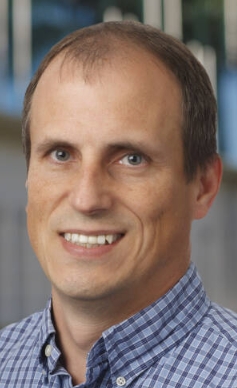 Michael Cameron合作论文数Translational Research Institute, University of Florida;Department Of Molecular Medicine, University of Florida17
 Alexander S. Banks合作论文数College of Physicians and Surgeons, Columbia University17
 Becky Mercer合作论文数16
 Caty Chung合作论文数Scientific Computing, The Scripps Research Institute16
 Koleti Amar合作论文数Center for Computational Science, University of Miami Miami15
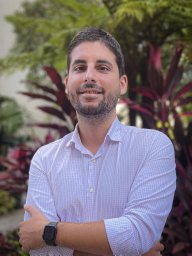 Vasileios Stathias合作论文数Univ Miami, Miami, FL USA14
 Avi Ma'ayan合作论文数Department of Pharmacological Sciences, Icahn School of Medicine at Mount Sinai;Mount Sinai Center for Bioinformatics, Icahn School of Medicine at Mount Sinai;Icahn Genomics Institute, Icahn School of Medicine at Mount Sinai;Mount Sinai Knowledge Management Center for Illuminating the Druggable Genome;Mount Sinai Proteogenomic Data Analysis Center14George S Grills合作论文数13Theodore M. Kamenecka合作论文数13Scott A. Busby合作论文数13
 Naresh Kumar合作论文数12
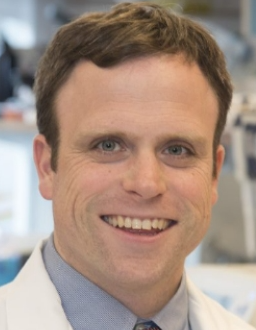 Christopher Mason合作论文数Institute for Computational Biomedicine, Cornell University;Weill Cornell Medicine Brain & Mind Institute, Cornell University;Weill Cornell Medicine Meyer Cancer Center, Cornell University12Helena M. Solo-Gabriele合作论文数Department of Civil, Architectural, and Environmental Engineering, University of Miami12Jennifer Laine合作论文数11Jang Hyun Choi合作论文数11
 Kristina Babler合作论文数11Mario Medvedovic合作论文数Laboratory for Statistical Genomics and Systems Biology, University of Cincinnati College of Medicine11Mark Sharkey合作论文数11Brian D. Reding合作论文数10Bhavarth Shukla合作论文数10Walter E Lamar合作论文数Facil Safety & Compliance, Univ Miami10
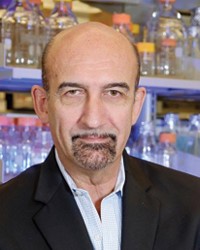 Mario Stevenson合作论文数Division of Infectious Diseases, Department of Medicine, Miller School of Medicine, University of Miami10Ayaaz Amirali合作论文数9Peter Hodder合作论文数9Sion L. Williams合作论文数Department of Neurology;Department of Cell Biology;School of Medicine, University of Miami9Erin Kobetz合作论文数9
 Patrick Griffin合作论文数The Herbert Wertheim UF Scripps Institute for Biomedical Innovation & Technology9
 Marc Birtwistle合作论文数8Natasha Schaefer-Solle合作论文数8
 Ajay Pillai合作论文数Department of Oral &Maxillofacial Surgery, People's Dental Academy;Department of Oral & Maxillofacial Surgery, People's Dental Academy8Samuel Comerford合作论文数7K. Alison Rinderspacher合作论文数7John J Tallon合作论文数7
 Marcin Pilarczyk合作论文数LINCS Data Coordinat & Integrat Ctr DCIC7
 Daniel J Cooper合作论文数Department of Biology, University of Texas at San Antonio, USA7
 Forlin Michele合作论文数†CIBIO, University of Trento7Donald W. Landry合作论文数7Yuli Xie合作论文数7Shi Xian Deng合作论文数7
 Matthew Augusto Roca合作论文数6Melinda M. Boone合作论文数6
 Raymond Terryn合作论文数Univ Miami, Miller Sch Med, Miami, FL 33136 USA6
 Behrouz Shamsaei合作论文数Icahn Sch Med Mt Sinai, LINCS Data Coordinat & Integrat Ctr BD2K, New York, NY 10029 USA6Wen Niu合作论文数Icahn Sch Med Mt Sinai, LINCS Data Coordinat & Integrat Ctr BD2K, New York, NY 10029 USA6
 Yidong Liu (刘屹东)合作论文数Institute of Mechanics, Chinese Academy of Sciences6




