BACKGROUND:Incidence of acute kidney injury (AKI), reflected by raised serum creatinine level, is a common complication following liver transplant. Dexmedetomidine, an α2-adrenergic agonist, has been proposed as a potential renoprotective agent in the preoperative/perioperative setting. However, its effects on renal outcomes after liver transplantation are relatively understudied. AIM:To assess the outcomes of preoperative/perioperative dexmedetomidine on serum creatinine level following liver transplant. METHODS:This systematic review evaluated studies investigating the outcome of preoperative/perioperative systemic dexmedetomidine on postoperative serum creatinine levels following liver transplant. Meta-analysis was performed using random or fixed effects models depending on the degree of statistical heterogeneity. Risk of bias and overall quality of evidence were assessed using standardized methodologies. RESULTS:A total of four studies involving 535 participants (of whom 270 received dexmedetomidine and 265 served as controls) were included in the meta-analysis. Preoperative/perioperative administration of dexmedetomidine was associated with a statistically significant reduction in postoperative serum creatinine levels (mean difference: -0.06 mg/dL; 95%CI: -0.09 to -0.02; P = 0.002). However, reporting of clinically meaningful renal outcomes was limited, and no consistent reduction in AKI was observed across studies. Heterogeneity among studies was substantial (I 2 = 75%, P = 0.007). CONCLUSION:Preoperative/perioperative administration of dexmedetomidine was linked to a modest yet statistically significant decrease in postoperative serum creatinine levels after liver transplantation. Although these results suggest a possible biochemical effect, the clinical relevance remains uncertain, as no consistent improvement in clinically meaningful renal outcomes was demonstrated.
BACKGROUND:Acute pancreatitis (AP) may develop in patients with cirrhosis of the liver due to higher prevalence of etiological factors such as alcoholism and gallstones in them. However, the data are limited regarding the clinical outcomes in patients with AP and underlying cirrhosis. METHODS:National Inpatient Sample (2016-2020) was reviewed to identify adult inpatients with AP. They were divided into three groups based on presence of cirrhosis. STATA was used to compare clinical outcomes and resource utilization using multivariate and propensity score-matched analyses. RESULTS:1.38 million patients were admitted with AP, with 2.2 % and 2.1 % having compensated and decompensated cirrhosis respectively. Compared to non-cirrhotics, patients with decompensated cirrhosis had higher odds of mortality (OR 4.27,95 %C.I.:3.53-5.17,p = 0.001), length of stay (LOS) (1.9 days,95 %C.I.:1.69-2.10,p = 0.001) and total hospitalization charges (THC) (9544$,95 %C.I.:16,484-22,603,p = 0.001); worse secondary outcomes including AP-related: sepsis (OR 2.59,95 %C.I.:2.23-3.00,p-0.001), acute kidney injury (AKI) (OR 1.64,95 %C.I.:1.53-1.77,p = 0.001), shock (OR 2.8,95 %C.I.:2.23-3.51,p = 0.001), acute respiratory failure (OR 1.76,95 %C.I.:1.56-1.99,p = 0.001); and cirrhosis-related: gastrointestinal bleeding (OR 5.08,95 %C.I.:4.62-5.59,p = 0.001) and portal vein thrombosis (OR 9.22,95 %C.I.:8.22-10.36,p = 0.001). Patients with compensated cirrhosis had similar odds of mortality, lower LOS (-0.23 days,95 %C.I.: 0.34 to -0.12,p = 0.001) and THC (-2727$,95 %C.I.: 4091 to -1362,p = 0.001) but higher odds of gastrointestinal bleeding (OR 1.92,95 %C.I.:1.50-2.45,p = 0.001), blood transfusion requirements (OR 1.52,95 %C.I.:1.16-2.00,p = 0.002) and portal vein thrombosis (OR 1.93,95 %C.I.:1.53-2.44,p = 0.001). CONCLUSION:Patients with decompensated cirrhosis had higher odds of mortality, higher healthcare resource utilization, and worse clinical outcomes compared to those without cirrhosis. Patients with compensated cirrhosis had higher odds of portal vein thrombosis, GI bleeding, and blood transfusion. Complications of portal hypertension are likely the primary drivers behind increased odds of mortality in cirrhotic patients with AP. Patients with decompensated cirrhosis also seem to be at a higher risk of complications due to AP.
Atezolizumab-bevacizumab and durvalumab-tremelimumab have established immunotherapy as a first-line standard of care in advanced hepatocellular carcinoma (HCC). Yet, objective response rates (ORRs) remain confined to approximately 15-20%, and no validated predictive biomarker exists for patient selection. Unlike melanoma and lung cancer, conventional markers, including programmed death-ligand 1, microsatellite instability-high status, and tumor mutational burden, have not demonstrated reliable predictive value in HCC. Prior narrative reviews comprehensively catalogued the biomarker landscape through 2022 but predate a wave of clinically significant publications. This narrative review synthesizes evidence published between 2020 and 2026, with particular emphasis on 2023–2026 data, within a unified clinical framework not provided by prior reviews. We critically evaluate tissue-based biomarkers, including the AI-derived Atezolizumab-Bevacizumab Response Signature-Pathology model, spatial multiplex immunohistochemistry, and β-catenin mutational profiling; blood-based biomarkers encompassing circulating tumor DNA for minimal residual disease detection and peripheral immune phenotyping; and serum indices including the CRAFITY score and neutrophil-to-lymphocyte ratio. Hepatitis B virus etiology and non-alcoholic steatohepatitis are discussed as biological modifiers of biomarker performance. We propose an original biomarker-guided clinical algorithm, a comparative clinical readiness table, and a disease-continuum biomarker timeline as practical tools for clinicians and trialists. Prospective biomarker-enrichment trials represent the most critical next step toward clinical translation.
Background: The population mortality burden associated with co-recorded pancreatic cancer and cerebrovascular disease (i.e., deaths in which both conditions are listed on the same death certificate) in the United States remains poorly characterized. We evaluated temporal, demographic, geographic, urbanization, and forecasted mortality trends. Methods: This retrospective population-based study used CDC WONDER Multiple Cause of Death data for adults aged 25 years or older from 1999 to 2024. Individuals younger than 25 years were excluded because pancreatic cancer mortality is extremely uncommon in this age group, resulting in sparse counts and unstable age-adjusted mortality estimates. Deaths were included when both conditions were listed as underlying or contributing causes. Age-adjusted mortality rates (AAMRs) were analysed using Joinpoint regression, and autoregressive integrated moving average models generated 10-year forecasts. Results: Overall, 22,085 deaths were identified. Annual deaths increased from 591 in 1999 to 1630 in 2024 while the AAMR increased from 0.32 to 0.56 per 100,000. Rates were stable from 1999 to 2013, then increased significantly through 2024 (annual percentage change, 6.26%; 95% confidence interval, 5.11-8.25). Mortality was higher among males, reaching 0.65 per 100,000 in 2024, and highest among non-Hispanic Black or African American individuals, at 0.87 per 100,000. Full-period AAPCs were significantly positive across all Census regions, with the highest 2024 AAMR in the Midwest at 0.57 per 100,000. Metropolitan and nonmetropolitan rates reached 0.45 per 100,000 by 2020. The overall AAMR was projected to reach 0.76 per 100,000 by 2034. Conclusions: US co-recorded pancreatic cancer and cerebrovascular disease mortality increased substantially after 2013, with persistent sex, racial, and geographic disparities.
BRCA mutations are well established in breast and ovarian cancers and increasingly recognized in colorectal cancer (CRC), particularly BRCA1 . Dual BRCA1/2 pathogenic variants in CRC remain exceptionally rare. We report a case of early-onset CRC in a young male harboring pathogenic variants in BRCA1 , BRCA2 , and POLE , with no personal or familial cancer history. This mutational triad suggests convergence of homologous recombination deficiency and impaired DNA proofreading, resulting in a hypermutated phenotype. The case may represent a novel molecular CRC subtype and underscores the importance of broad-panel germline testing in young patients, with implications for poly (ADP‑ribose) polymerase and immune checkpoint inhibitor therapy.
We investigated the impact of racial/ethnic disparities in therapy initiation on colorectal cancer (CRC) mortality using Surveillance, Epidemiology, and End Results Program (SEER) database. Adults aged 18–84 years with CRC were identified. Cox models for 60-month all-cause and cancer-specific mortality were adjusted for demographics, stage, tumor site, income, and rural–urban residence. Therapy initiation was slower for Hispanics (HR 0.85) and non-Hispanic Black (NHB) patients (HR 0.80) compared with non-Hispanic Whites (p < 0.001). Each additional month of delay was associated with a 3
BACKGROUND:Early onset colorectal cancer (EO-CRC) is rising globally. We analyzed 22 years of US data to identify specific age, gender, and racial/ethnic groups at highest risk. METHODS:Using the CDC WONDER database (1999-2020), we analyzed CRC incidence in individuals aged 10 to 44. Trends were quantified via annual percentage change (APC) and average annual percentage change (AAPC) using Joinpoint Regression (v.5.0.2). RESULTS:The 10- to 14-year age cohort exhibited the most pronounced increase (AAPC 11.25%; P < 0.001), with an APC of 70.54% from 2012 to 2015. Substantial increases were also observed in the 15-19 (AAPC 9.33%) and 20-24 (AAPC 4.94%) cohorts. Females experienced a peak acceleration of 7.39% between 2013 and 2016. Among racial/ethnic groups, White (AAPC 2.35%) and Hispanic (AAPC 2.38%) populations demonstrated the most rapid incidence growth. CONCLUSION:The sharp escalation of CRC in pediatric and adolescent populations signals a public health crisis, necessitating increased clinical vigilance and investigation into early life environmental drivers.
Anxiety is a common concern among patients undergoing endoscopic procedures, affecting up to 70
Eosinophilic esophagitis (EoE) is a chronic immune-mediated disease characterized by inflammation in the esophagus, occurring in genetically predisposed individuals as a consequence of food antigen sensitization. EoE prevalence has increased exponentially in the last three decades to 40 per 100000 people worldwide, making it a common cause of dysphagia and food impaction in both children and adults. Diagnosis is made by esophageal biopsy showing eosinophilia (≥ 15 eosinophils per high-power field on biopsy). In children the presentation may be feeding intolerance, in adults a form of chronic solid food dysphagia. In EoE, in the absence of treatment, active inflammation inevitably progresses to fibrostenotic remodeling, highlighting the importance of early recognition and therapy. This review outlines the clinical criteria and pathophysiological mechanisms of EoE, biomarkers for the diagnosis of EoE, and the therapeutic strategies for EoE. EoE is characterized by epithelial barrier dysfunction, Th2 inflammation and eosinophil recruitment, with microbiome influences. Diagnosis is made by standard endoscopic biopsy, or by non-intrusive esophageal string test, Cytosponge, or by impedance planimetry. Treatment includes proton pump inhibitors, topical corticosteroids, dietary elimination therapy, endoscopic dilation, and the Food and Drug Administration approved biologic dupilumab. Emerging therapies such as precision medicine and artificial intelligence are also identified as areas for attention.
e16214 Background: Many immune-based regimens are approved for first-line unresectable hepatocellular carcinoma (uHCC), yet real-world treatment selection frequently centers on choosing between IO–IO and IO–VEGF approaches. While prior comparative analyses have ranked available therapies, few studies have performed a focused indirect comparison between these two classes using transparent assumptions or assessed treatment discontinuation due to toxicity as a clinically meaningful outcome. We conducted a targeted indirect comparison to inform this common clinical decision. Methods: We performed a pairwise Bucher indirect comparison using sorafenib as a common comparator, anchored on two phase III randomized trials: HIMALAYA (tremelimumab + durvalumab [STRIDE] vs sorafenib) and IMbrave150 (atezolizumab + bevacizumab vs sorafenib). Published hazard ratios (HRs) for overall survival (OS) and progression-free survival (PFS) were extracted without imputation. Indirect estimates were calculated on the log scale with variance from reported confidence intervals. Safety outcomes included grade ≥3 treatment-related adverse events (TRAEs). Treatment discontinuation due to adverse events was summarised descriptively as definitions varied across trials. Results: STRIDE improved OS versus sorafenib (HR 0.78), while atezolizumab + bevacizumab demonstrated a greater OS benefit (HR 0.66). The indirect comparison yielded an OS HR of 1.18 (95% CI 0.88–1.59) for IO–IO versus IO–VEGF. For PFS, the indirect HR was 1.38 (95% CI 1.06–1.80), favoring IO–VEGF. STRIDE demonstrated lower rates of grade ≥3 TRAEs compared with sorafenib (25.8% vs 36.9%), whereas atezolizumab + bevacizumab showed higher rates (43%), resulting in an indirect RR of 0.74 (95% CI 0.55–1.00) favoring IO–IO. Discontinuation outcomes were summarized descriptively. Conclusions: In this focused indirect comparison, IO–VEGF was associated with improved PFS and a numerically greater OS benefit compared with IO–IO, whereas IO–IO showed a more favorable severe toxicity profile. Rather than offering another broad ranking of regimens, this analysis addresses the practical clinical choice between IO–IO and IO–VEGF using transparent assumptions and clinically relevant tolerability outcomes. These results suggest that first-line treatment selection may be guided by bleeding risk, immune tolerance, and comorbidities. Trial-level inputs and indirect comparison (Bucher; common comparator = sorafenib). Endpoint HIMALAYA (STRIDE vs sorafenib) IMbrave150 (Atezo+Bevvs sorafenib) Indirect (STRIDE vs Atezo+Bev) OS (HR) 0.78 (96.02% CI 0.65–0.93) 0.66 (95% CI 0.52–0.85) 1.18 (95% CI 0.88–1.59) PFS (HR) 0.90 (95% CI 0.77–1.05) 0.65 (95% CI 0.53–0.81) 1.38 (95% CI 1.06–1.80) Grade ≥3 TRAEs 25.8% 43.0% RR 0.74 (95% CI 0.55–1.00) Discontinuation 8.2% (TRAEs) 15.5% (any AE) Descriptive only
Background:The heterogeneity of inflammatory bowel disease (IBD) and its unpredictable course have always been a challenge for gastroenterologists, with regard to predicting the disease response using endoscopic techniques. Machine learning (ML) models have shown some early promise in predicting treatment response in IBD patients. Methods:We conducted a systematic review of studies investigating the application of ML to predict treatment response and remission in IBD patients. We used the CHARMS checklist for data extraction. Bias was assessed with the PROBAST tool. Results:We included in our review 6 studies that evaluated numbers of IBD patients ranging from 67 to 3004. ML models demonstrated low to moderate predictive accuracy for treatment response and remission (area under the receiver operating characteristic curve: 0.489-0.811; sensitivity: 0.46-0.96; specificity: 0.56-0.98). The studies that utilized ML models with more input variables performed better. Furthermore, only 2 studies performed external validation, and half of the studies demonstrated a substantial risk of bias due to missing data/overfitting, and variability in outcome definition. Conclusions:ML models show considerable promise in predicting treatment outcomes and remission in IBD. However, given the substantial bias in studies so far, future studies should use a standardized methodology, external validation, and an interpretable broader input variable.
Background: Metabolic dysfunction-associated steatotic liver disease (MASLD) affects nearly one-fourth of the world population and is closely linked to obesity, metabolic syndrome, and poor diet. We conducted a systematic review and meta-analysis to evaluate the impact of exercise on key clinical outcomes in MASLD patients. Methods: A systematic literature search was conducted until 202 September 5, to identify randomized controlled trials (RCTs), post-hoc analyses, and quasi-experimental designs comparing exercise versus standard therapy in MASLD. A random-effects model pooled data as mean differences (MD) or risk ratios (RR) with 95% confidence intervals (CI). Analyses were conducted using R (version 4.5.1). Results: Our meta-analysis included 21 RCTs, 4 post-hoc analyses, and 1 quasi-experimental study (1124 patients; mean age 52.24 ± 7.24 years). Exercise reduced BMI (MD -0.82), serum cholesterol (MD -14.31), ALT (MD -6.56), AST (MD -5.32), FIB-4 (MD -0.19), and NAFLD fibrosis score (MD -0.59), and increased HDL (MD 4.36) versus standard therapy. Weight (MD -2.11) and HOMA-IR (MD -0.59) were not significantly different. Meta-regression showed age increased HOMA-IR (estimate 0.032) and higher BMI reduced HDL (estimate -0.71). Conclusions: Exercise significantly improves key clinical outcomes in MASLD, including BMI, cholesterol, liver enzymes, and fibrosis markers, supporting physical activity as a core component of MASLD management.
Background: Respiratory failure (RF) is a frequently fatal complication of chronic liver disease (CLD), yet population-level data on RF-related mortality trends among adults with CLD are lacking. This study characterized temporal trends and demographic disparities in RF-related mortality among U.S. adults with CLD from 1999 to 2024. Methods: Death certificate data were obtained from the CDC WONDER database for adults aged ≥25 years with both RF (ICD-10: J96) and CLD (ICD-10: K70–K76) listed as an underlying or contributing cause of death. Age-adjusted mortality rates (AAMRs) per 100,000 were calculated using the 2000 U.S. standard population. Joinpoint regression identified temporal inflection points and annual percentage change (APC). Results: Among 241,075 deaths, the overall AAMR increased 3.2-fold from 2.237 (1999) to 7.162 (2021) per 100,000, then declined to 6.132 by 2024. Joinpoint analysis identified four segments: moderate increase (1999–2006; APC +2.40%), accelerated increase (2006–2018; APC +5.37%), late acceleration period (2018–2021; APC +13.10%), and post-pandemic decline (2021–2024; APC −4.32%; all p < 0.001). The 2024 AAMR remained 174.2% above baseline. The male-to-female rate ratio narrowed from 2.02 to 1.50, with females showing steeper acceleration (+14.38% vs. +12.36%). American Indian or Alaska Native individuals had the highest AAMRs and the most dramatic surge (APC +26.90%). Rural areas surpassed urban AAMRs by 2020, with steeper post-2007 acceleration (+8.74% vs. +5.51%). The Western U.S. consistently had the highest regional rates. Younger adults aged 25–34 and 35–44 showed 2.96-fold and 2.37-fold increases in crude mortality rates, respectively. Approximately 80% of deaths occurred in inpatient settings. Conclusions: RF-related mortality among U.S. adults with CLD increased more than threefold from 1999 to 2021, with a dramatic surge followed by incomplete decline. Persistent disparities by sex, race/ethnicity, urbanization, and region highlight the need for targeted interventions, including expanded screening for alcohol-associated and metabolic liver disease and improved access to hepatology services in underserved communities.
Background: We examined temporal trends in deaths mentioning both pancreatic cancer and renal failure in the United States. Methods: We analyzed CDC WONDER multiple-cause-of-death data for adults aged ≥25 years from 1999 to 2024. Age-adjusted mortality rates (AAMRs) were assessed using Joinpoint regression. Secondary analyses quantified renal-failure co-recording among pancreatic-cancer-involving deaths, renal-failure subtypes, disparities, and comparisons with lung and bronchus, colorectal, and liver and intrahepatic bile duct cancers. Results: Overall, 31,497 deaths mentioned both conditions. The AAMR increased from 0.37 per 100,000 in 1999 to 0.82 in 2024, with the most rapid increase during 2018–2024 (annual percentage change, 10.77%; 95% CI, 7.18–18.22%). Renal failure was co-recorded in 2.98% of pancreatic-cancer-involving deaths. Corresponding proportions were 2.37% for lung and bronchus, 4.75% for colorectal, and 5.77% for liver and intrahepatic bile duct cancer; recent trends did not differ significantly from pancreatic cancer. Acute kidney failure was the most frequently recorded renal subtype (43.22%). In 2024, AAMRs were higher among males and highest among non-Hispanic Black individuals. Conclusions: Renal-failure co-recording with pancreatic cancer increased markedly after 2018 but was not unique to pancreatic cancer. Death-certificate data do not establish temporal sequence or causality; linked clinical data are needed to clarify potentially modifiable kidney-related pathways.
BACKGROUND:Gastrointestinal (GI) endoscopy is a high-throughput, resource-intensive specialty with a substantial environmental impact. As healthcare systems move toward sustainability, the concept of "green endoscopy" (GE) has gained traction. However, the perceptions and engagement of the endoscopy workforce remain underexplored. OBJECTIVE:This systematic review aimed to evaluate awareness, attitudes, and perceived barriers among healthcare professionals regarding sustainability in endoscopy and to synthesize existing knowledge on workforce engagement with GE practices. METHODS:A systematic search of PubMed, Embase, and the Cochrane Library was conducted up to April 1, 2025, supplemented by gray literature. Included studies reported original data on healthcare professionals' knowledge, attitudes, or practices related to sustainable endoscopy. Due to heterogeneity, a synthesis without meta-analysis (SWiM) approach was used. RESULTS:Five cross-sectional studies involving 1684 participants across various regions were included. Awareness of GE ranged from 16.3% to 67%. While most respondents acknowledged the environmental burden of endoscopy, fewer reported institutional guidelines or training. Key barriers included lack of knowledge (35%), absence of institutional policy (32%), infection control concerns (41%), and financial constraints (26%). Few departments conducted audits or offered sustainability education. A generational divide was noted, with senior staff expressing greater environmental concern. CONCLUSION:Although global interest in sustainable endoscopy is rising, a significant gap exists between awareness and practice. Structured education, clear institutional policies, and support from professional bodies are essential to embed sustainability within endoscopy services.
Background: GLP-1 receptor agonists (GLP-1 RAs) are increasingly used for obesity and metabolic disease, but their use in people with chronic pancreatitis is not a chronic pancreatitis-directed indication and direct evidence is limited. We described recorded outcomes among non-diabetic adults carrying a chronic pancreatitis diagnosis who did or did not have recorded GLP-1 RA exposure. Methods: We performed a retrospective propensity score-matched cohort study using the TriNetX Collaborative Network. Chronic pancreatitis was identified from a recorded diagnosis; supporting imaging, histological, functional, or specialist-confirmation criteria were unavailable. The exposed cohort included patients receiving dulaglutide, semaglutide, or tirzepatide (n = 1441 before matching), and the comparator cohort included patients without recorded GLP-1 RA exposure (n = 142,047 before matching). One-to-one propensity score matching generated 1422 patients in each cohort. Outcomes were assessed from 1 to 1095 days after the index date using risk comparisons and time-to-event analyses. Results: Mean follow-up after matching was 458.8 days in the exposed cohort and 664.4 days in the comparator cohort. Recurrent acute pancreatitis was recorded in 19/799 (2.4%) versus 76/704 (10.8%) patients (HR 0.247, 95% CI 0.149-0.409), pancreatic cancer in 10/1373 (0.7%) versus 40/1345 (3.0%) (HR 0.255, 95% CI 0.128-0.511), and all-cause mortality in 21/1419 (1.5%) versus 157/1416 (11.1%) (HR 0.167, 95% CI 0.105-0.263). A similar direction was observed across several coded outcomes. Vitamin D deficiency showed a higher hazard (HR 1.556, 95% CI 1.129-2.145), although its risk comparison was not significant. Conclusions: These estimates describe outcomes in a selected treatment-exposed phenotype of chronic pancreatitis. The findings are hypothesis-generating and should not guide prescribing decisions. Further prospective studies are required to confirm this hypothesis.
 Hassam Ali合作论文数Department of Gastroenterology, East Carolina University/Vidant Medical Center140
 Manesh Kumar Gangwani合作论文数Dept Internal Med, Univ Toledo117
 Saurabh Chandan合作论文数Gastroenterology and Hepatology, University of Nebraska Medical Center77
 Sumant Inamdar合作论文数Department of Gastroenterology, Hofstra North Shore-LIJ School of Medicine67
 Doug Adler合作论文数Center for Advanced Therapeutic Endoscopy, Centura Health-Porter Adventist Hospital60
 Babu P. Mohan合作论文数Department of Gastroenterology & Hepatology, University of Utah Health59
 Neil Sharma合作论文数57
 Muhammad Aziz合作论文数Division of Gastroenterology and Hepatology, University of Toledo50
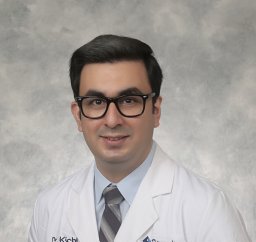 Asim Kichloo合作论文数Dept Internal Med, Cent Michigan Univ50
 Mohammad Al-Haddad合作论文数Division of Gastroenterology and Hepatology, Mayo Clinic College of Medicine49Hayat Umar合作论文数48
 F. Jaber合作论文数Department of Medicine, University of Missouri38
 Farah Wani合作论文数Dept Family Med, Samaritan Med Ctr37
 Daryl Ramai合作论文数37
 Amir Humza Sohail合作论文数Department of General Surgery, New York University Langone Health36
 Bhanu Siva Mohan Pinnam合作论文数35
 Saqr Alsakarneh合作论文数35
 Sahib Singh合作论文数Sinai Hosp Baltimore31Faisal Kamal合作论文数30
 Perisetti Abhilash合作论文数30
 Amna Iqbal合作论文数25
 Madhusudhan R Sanaka合作论文数Gastroenterology, Cleveland Clinic25
 Yash Shah合作论文数24
 Harishankar Gopakumar合作论文数Parkview Hlth, Parkview Res Ctr24Wade Lee-Smith合作论文数24
 Hafeez Shaka合作论文数Department of Internal Medicine, John H. Stroger Hospital of Cook County24
 Patel Pratik合作论文数Department of Internal Medicine, Mayo Clinic24
 Vishali Moond合作论文数23
 Jay A. Bapaye合作论文数Both authors contributed equally to the article and are listed as joint first authors.23
 Zohaib Ahmed合作论文数20
 Andrew Canakis合作论文数Division of Gastroenterology and Hepatology, University of Maryland School of Medicine20
 Goyal Hemant合作论文数Department of Internal Medicine, Mercer University School of Medicine20
 Singh Amandeep合作论文数Crozer-Chester Medical Center20Waqas Rasheed合作论文数19
 Antonio Facciorusso合作论文数19
 Rajat Garg合作论文数19
 Islam Mohamed合作论文数17
 Rishab Hareesha Bharadwaj合作论文数17
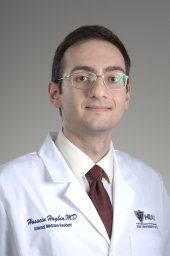 Hossein Haghbin合作论文数Division of Gastroenterology, Ascension Providence Southfield17
 Bilal Mohammad合作论文数17
 Shiza Sarfraz合作论文数16
 Vinay Jahagirdar合作论文数Gandhi Med Coll & Hosp16Sanket Basida合作论文数14Zain El-Amir合作论文数Coll Med, Cent Michigan Univ14
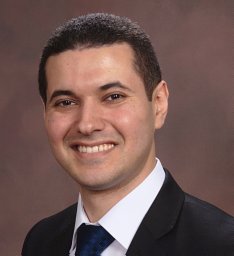 Alastal Yaseen合作论文数Department of Internal Medicine, University of Toledo Medical Center14Sudhir K. Dutta合作论文数14Dhanshree Solanki合作论文数Department of Internal Medicine, Rutgers University13
 Ishaan Vohra合作论文数Department of Gastroenterology and Hepatology, University of Illinois College of Medicine at Peoria13Vinayek Rakesh合作论文数13




