BACKGROUND:Asciminib is a first-in-class STAMP inhibitor used in treating patients with chronic-phase chronic myeloid leukemia (CML-CP). Although its efficacy has been demonstrated in clinical trials, real-world data remain limited, particularly in heavily pretreated populations. METHODS:This multicenter, retrospective study included patients with CML-CP from 25 centers in Turkey who received asciminib through a Managed Access Program. All patients had received at least two prior tyrosine kinase inhibitors (TKIs) or harbored the T315I mutation. Early molecular response (EMR), major molecular response (MMR), and deep molecular response (DMR) were evaluated according to the ELN 2020 criteria. RESULTS:There were 49 patients with a median age of 61 years. Patients had a median of 4 prior TKIs, and resistance was the most common reason for switching (47%). Seven patients (14.2%) carried the T315I mutation. EMR at 3 months was achieved in 80% of evaluable patients, higher among those switched due to intolerance than to resistance (90% vs. 74%), and higher among ponatinib-pretreated than ponatinib-naïve patients (94% vs. 72%). Cumulative MMR and DMR rates were 32.6% and 37.2%, respectively. Higher response rates were observed in patients switched due to toxicities and in those previously treated with ponatinib. Among patients with the T315I mutation, 71.4% maintained or improved their response. Three patients died during follow-up. Asciminib 40 mg BID and 80 mg QD regimens seemed to be comparable regarding both efficacy and safety. CONCLUSION:In this real-world cohort, asciminib was well tolerated and provided meaningful responses in heavily pretreated CML-CP patients, consistent with the published data. Favorable outcomes in ponatinib-pretreated patients may partly reflect prior achievement of optimal response before switching due to limited access.
Background: Chronic lymphocytic leukemia (CLL) is a biologically heterogeneous disease characterized by variable clinical outcomes. The introduction of targeted therapies, particularly the BCL-2 inhibitor venetoclax, has significantly improved treatment outcomes in patients with relapsed/refractory (R/R) CLL. However, real-world data on the safety and effectiveness of venetoclax-based regimens remain limited. Methods: In this multicenter retrospective study, 147 adult patients with R/R CLL treated with venetoclax between April 2019 and August 2025 were analyzed. Venetoclax was administered as monotherapy or in combination with rituximab, obinutuzumab, or ibrutinib. Adverse events were graded according to CTCAE v4.0, and treatment responses were assessed based on IWCLL criteria. Survival outcomes, including overall survival (OS) and progression-free survival (PFS), were evaluated using Kaplan–Meier analysis. Results: The median age at venetoclax initiation was 64 years, and patients had received a median of two prior lines of therapy. Combination therapy was administered in 78.9% of patients. The overall response rate was 83.0%, including complete remission in 65.3% of patients. Grade ≥ 3 hematologic adverse events included neutropenia (18.4%), thrombocytopenia (14.3%), and anemia (7.5%). Tumor lysis syndrome (TLS) occurred in 28.6% of patients, predominantly during the dose ramp-up phase. At a median follow-up of 61 months, median OS and PFS were both 60 months. Bulky disease was associated with inferior survival outcomes. Conclusions: Venetoclax-based therapy is effective and well tolerated in patients with R/R CLL in a real-world setting. High response rates and durable survival outcomes were observed despite the inclusion of patients with high-risk clinical and biological features. These findings support the use of venetoclax as a key component of modern CLL treatment strategies and highlight the importance of real-world evidence in optimizing patient management.
Background/Objectives: Real-world data on the therapeutic use of FLT3 inhibitors in Turkey remain limited. Therefore, we retrospectively evaluated outcomes from 13 academic centers nationwide, focusing on the multikinase inhibitor midostaurin in patients with newly diagnosed FLT3-mutated acute myeloid leukemia (AML). Methods: We collected comprehensive information regarding treatment efficacy, safety, and tolerability. Results: The overall response rate to intensive chemotherapy (3 + 7) plus midostaurin was 87.7%, with a complete remission rate of 84.2%, consistent with previously reported clinical trial results. Treatment discontinuation due to intolerance or toxicity was low (3.5%). One patient discontinued therapy because of septic shock during induction, and another due to a drug-drug interaction during consolidation. Median overall survival was 21.4 months. Allogeneic stem cell transplantation was performed in first remission in 52.6% of patients. Five patients (8.8%) were refractory to induction therapy, and relapse occurred in 21.1% (12 patients). Conclusions: These findings support the effectiveness and acceptable tolerability of midostaurin in routine clinical practice for FLT3-mutated AML.
Refractory/relapsed classical Hodgkin’s lymphoma (R/RcHL) poses significant treatment challenges, with limited success rates in achieving long-term remission. Brentuximab Vedotin (BV), an anti-CD30 monoclonal antibody-drug conjugate, has emerged as a promising therapeutic option. This study aims to evaluate the efficacy and safety of BV monotherapy in R/RcHL patients, particularly regarding survival outcomes and adverse events. This multi-center retrospective study included 82 R/RcHL patients aged 18 and over, treated with BV monotherapy across 14 institutions in Turkey from June 2012 to June 2020. Data on demographics, clinical characteristics, treatment response, adverse events, and overall survival (OS) rates were collected and analyzed. Primary outcomes were overall treatment response rate and OS, while the secondary outcome focused on the adverse event profile of BV treatment. Among the patients (56.1
This study aimed to investigate the clinical manifestations, treatment patterns and clinical outcomes in patients with iTTP across Türkiye via an interim analysis of the Turkish iTTP registry. A total of 215 patients with iTTP (median age at diagnosis 41 years, 58.6% female) diagnosed between 2001 and 2023 were retrospectively analyzed in the interim analysis of the prospective noninterventional observational multicenter iTTP registry study conducted at 19 tertiary hematology centers. Data on patient demographics, disease characteristics on initial admission, treatment characteristics, and responses, exacerbations/relapses, and the survival outcome were registered via electronic case report forms. Infection (15.0%), new drug initiation (9.7%), and pregnancy/postpartum (6.3%) within 3 weeks before diagnosis were the most prevalent potential triggers. Patients presented more commonly with systemic/constitutional (fatigue 68.8%; fever 18.1%) and neurologic (headache 40.0%, vertigo 32.1%), followed by hemorrhagic, gastrointestinal, renal, and cardiovascular manifestations. Based on the PLASMIC risk scoring, 77.8% of patients were initially at high risk for TTP. The initial treatment was commenced within the first 48 hours of hospital admission in 64.1% of patients (36.2% on the day of admission). Treatment was mainly based on TPE exchange (92.1%) and steroids (63.7%), while rituximab was used in 15.8% of patients. The clinical response rate was 79.9%, and clinical remission was achieved in 68.2% of patients. As for the ADAMTS13 levels, partial and complete responses were achieved in 17.7% and 14.6%, respectively. During a median of 30 months (range, 0.1 to 262.4 months) follow-up, 35 patients experienced exacerbations/relapses. Mortality occurred in 11 (5.5%) patients and was found to be disease-related in 6 (3.0%). This interim analysis of the nationwide Turkish iTTP registry study provided valuable data on the real-world clinical practice in the diagnosis and management of iTTP at different hematology clinics across the country.
Objective:This study aimed to investigate the clinical manifestations, treatment patterns, and clinical outcomes of patients with immune thrombotic thrombocytopenic purpura (iTTP) across Türkiye via an interim analysis of the Turkish iTTP Registry. Materials and Methods:A total of 215 patients with iTTP (median age at diagnosis: 41 years; 58.6% female) diagnosed between 2001 and 2023 were retrospectively analyzed in the interim analysis of a prospective non-interventional observational multicenter iTTP registry study (ClinicalTrials.gov Identifier: NCT05950750) conducted at 19 tertiary hematology centers. Data on patient demographics, disease characteristics at initial admission, treatment characteristics and responses, exacerbations/relapses, and survival outcome were obtained from electronic case report forms. Results:Infection (15.0%), new drug initiation (9.7%), and pregnancy/postpartum period (6.3%) within 3 weeks before diagnosis were the most prevalent potential triggers. Patients presented most commonly with systemic/constitutional (fatigue: 68.8%; fever: 18.1%) and neurological (headache: 40.0%; vertigo: 32.1%) symptoms, followed by hemorrhagic, gastrointestinal, renal, and cardiovascular manifestations. Based on PLASMIC risk scoring, 77.8% of patients were initially at high risk for TTP. The initial treatment was begun within the first 48 hours of hospital admission for 64.1% of patients (36.2% on the day of admission). Treatment was mainly based on therapeutic plasma exchange (92.1%) and steroids (63.7%), while rituximab was used in 15.8% of patients. The clinical response rate was 79.9% and clinical remission was achieved by 68.2% of patients. Regarding a thrombospondin type 1 motif member (ADAMTS13) 13 levels, partial and complete responses were achieved by 17.7% and 14.6%, respectively. During a median of 30 months (range: 0.1-262.4 months) of follow-up, 35 patients experienced exacerbations/relapses. Mortality occurred in 11 (5.5%) patients and was found to be disease-related in 6 cases (3.0%). Conclusion:This interim analysis of the nationwide Turkish iTTP Registry study provides valuable data on real-world clinical practices in the diagnosis and management of iTTP at different hematology clinics across the country.
Introduction: Asciminib (ASC), a first-in-class BCR::ABL1 inhibitor Specifically Targeting the ABL Myristoyl Pocket (STAMP), differs from other tyrosine kinase inhibitors (TKIs) with its unique mechanism of action and it has the potential to overcome failure to approved TKIs. It is active against both wild-type and mutated BCR::ABL1, including the T315I. Clinical trials show the high potency and a relatively favorable safety profile of ASC in patients (pts) with CML-CP. In Turkey, ASC has been available through Managed Access Program for CML-CP pts who failed at least two previous TKIs and/or with T315I mutation since May, 2023. The aim of this study is to demonstrate the real-life efficacy and safety of ASC. Methods: All information on demographics, previous treatments, TKI responses and toxicities, and follow-up data were gathered retrospectively. Early molecular response (EMR) was defined as a BCR::ABL1IS transcript level <10% at 3 months. Major molecular response (MMR) and deep molecular response (DMR) were defined as BCR::ABL1IS transcript levels ≤0.1% and ≤0.01% (MR4.0) or deeper, respectively. Results: We included 49 pts from 25 centers, of which 25 (51%) were female and the median age was 61 years (range, 26-80 years). All patients received ASC at recommended doses (200 mg BID for cases harboring T315I and 40 mg BID or 80 mg QD for the rest). The most common comorbidities were hypertension (29%), cardiovascular diseases (20%), and diabetes mellitus (6%). The median number of previous TKIs was 4 (range, 2-6), and median follow-up until ASC start was 78 months (range, 14-322 months). Twenty-three (47%), 10 (20%), and 10 (20%) pts received ASC due to resistance, intolerance, or both resistance and intolerance to previous TKIs, respectively. The remaining 6 pts were switched to ASC due to inaccessibility to ponatinib (PON). Eighteen pts (37%) had previous PON exposure, and PON was the latest TKI in 15 (31%). Of these 15 pts, three and 2 pts were switched to ASC due to resistance or intolerance, respectively, and four pts received ASC both due to resistance and intolerance. Seven of 49 pts (14%) had T315I, and one had G250E. With a median ASC therapy of 8 months (range, 2-13 months), seven pts (14%) experienced all grades hematological adverse events (AEs), of which four (8%) were grade 3-4. Non-hematological AEs were observed in 11 pts (22%), and four (8%) were grade 3-4 toxicities. No pts discontinued ASC for AEs. ASC dose was reduced in 10 pts (20%) due to AEs, and subsequently in five pts, daily dose could be increased to the standard dose. Eight of 49 pts did not have a molecular testing at 3 months, and EMR rate was 80%. EMR rate in pts who were switched to ASC due to intolerance were higher when compared to pts receiving ASC due to resistance (90% vs. 74%, p=0.311). EMR rate in PON-pretreated pts was higher than those achieved in PON-naïve group (94% vs. 72%, p=0.090). For all pts, cumulative MMR and DMR rates were 20% and 35%, respectively. Cumulative MMR rates under ASC in pts with resistance and intolerance to prior TKIs were 26% and 20%, respectively (p=0.712). Cumulative DMR rate in pts who were intolerant to previous TKIs were significantly higher than those who received ASC due to resistance (80% vs. 22%, p=0.02). In PON-naïve group, cumulative MMR and DMR rates were 23% and 26%, respectively, and these were 17% and 50% among PON-pretreated pts, respectively (p=0.624 for MMR and p=0.090 for DMR). Forty-one pts (83.6%) maintained or deepened their responses under ASC, and eight pts who lost their molecular responses and/or experienced progression were all receiving ASC due to resistance. Four pts (8%) discontinued ASC permanently (3 due to progression to advanced-phase disease and one due to unresponsiveness), and two harbored T315I. Among four pts who quit ASC, two died of blast crisis (none had T315I). Conclusion: Although the follow-up is relatively short, we showed that ASC is an effective and safe treatment option in a heavily pretreated population in the real-life setting. Pts with intolerance to previous TKIs had superior molecular responses than those who received ASC for resistance. Nearly 85% of the pts maintained or deepened their responses during ASC therapy. It was expected to observe better response rates under ASC in PON-naïve pts than in PON-pretreated cases, and this is most probably due to the high percentage of pts with optimal responses under PON needing to quit the drug due to the inaccessibility of PON in Turkey.
Objective Langerhans cell histiocytosis (LCH) is a rare inflammatory myeloid neoplasm characterised by the infiltration of CD1a+CD207+ myeloid dendritic cells and immune cells, thus described as an inflammatory myeloid neoplasm that clonally expands. LCH is a histiocytic neoplasm affecting both paediatric and adult populations, with an estimated incidence of 3 to 5 cases per million children and 1 to 2 cases per million adults. LCH can involve all organ systems, with symptoms ranging from single organ disease to multi-system disease. While it can appear in any organ system, LCH has a particular affinity for bones, skin, lungs, and the pituitary gland. In 2016, LCH was reclassified from a reactive disorder to an inflammatory myeloid neoplasm following the identification of the recurrent BRAF V600E mutation in half of the cases and the observation of clonality. Recently, additional BRAF mutations that activate the MAP kinase pathway have been demonstrated, shedding more light on the pathogenesis of LCH. Several studies have suggested a high prevalence of second primary malignancies, including haematological and solid organ neoplasms, in LCH patients. Case Report A 58-year-old male patient, with a known history of hypertension and hypothyroidism, presented to a medical facility in Germany in 2011 with skin lesions on the chest and neck swelling. Following lymph node and skin punch biopsies from the sternum, the patient was diagnosed with LCH, with imaging revealing involvement in the frontal bone of the skull, neck, spleen, axillary, liver, lungs, and skin. The patient was treated with steroids. In 2014, while on holiday in Istanbul, the patient was given 6 cycles of vinblastine in addition to steroids. Steroid treatment was completed over 5 years, followed by regular follow-up. In 2021, the patient presented to Ordu State Hospital with fatigue and skin rashes resembling LCH lesions. Investigations revealed thrombocytosis, erythrocytosis, and leukocytosis. Bone marrow biopsy was reported as normal, and a punch biopsy of the skin lesions showed no evidence supporting LCH. Cytogenetic tests, however, revealed a JAK2+ mutation, which had not been detected in previous tests. The patient was started on hydroxyurea, and imaging showed a 5 cm mass in the spleen, for which splenectomy was recommended, though the patient declined and sought further consultation. Our cytogenetic studies confirmed BCRABL polymerase chain reaction (PCR), PML/RARA, and AML/MDS panel negativity, with JAK2+ positivity. Erythropoietin levels were 6 mU/ml (normal range: 3.7-31.5), LDH was 218 u/l, sedimentation rate was 60 mm/hour, platelet count was 517,000/µl, and white blood cell (WBC) count was 13,000/µl. Physical examination revealed remnants of old skin lesions (Figure 1), and there were no palpable lymph nodes or masses. Imaging showed a significant mass in the spleen and involvement in the frontal bone, liver, lungs, stomach, and neck lymph nodes, similar to previous findings. During follow-up, the patient occasionally reported pain in both legs, and Doppler studies revealed widespread thrombosis, which the patient stated had been occurring for the past 1.5 years but was disregarded. Subcutaneous anticoagulants and anti-stasis treatment (Daflon 1000) were initiated, later transitioning to oral anticoagulants. Follow-up showed improvement in symptoms under hydroxyurea and anticoagulant therapy, but recurring thrombotic events were noted during subsequent check-ups while on oral anticoagulants. Figure 1: Skin findings and biopsy scar marks on the neck, sternum, and abdominal areas of the patient. Conclusion Discussion Several case reports and smaller case series have observed that malignant diseases may occur before, concurrently with, or after LCH, with a frequency higher than by chance alone. Edelbroek, J. R., and colleagues linked the emergence of second malignancies in LCH to prior treatments with chemotherapeutic agents such as etoposide or vinblastine, with the second malignancies being identified as leukaemia and myelodysplastic syndrome (MDS). Another study by Goyal, Gaurav, and colleagues followed 1,392 LCH cases, showing that Hodgkin and non-Hodgkin lymphomas developed in children during follow-up, while adults developed MDS in early follow-up and had an increased risk of developing B-cell acute lymphoblastic leukaemia (B-ALL) after about five years. In children, the leading cause of death was infections, while in adults, it was second primary malignancies. In our literature review, we did not encounter any JAK2+ cases or studies following LCH, making the JAK2+ positivity observed in our LCH patient a potentially unique case. We did find that JAK2+ positivity has been observed in the follow-up of non-Langerhans cell histiocytosis. Given that LCH is rare and second primary malignancies are even more uncommon, identifying such cases remains challenging, and further clinical studies are clearly needed.
Objective Marginal zone lymphoma (MZL) is characterized by the proliferation of B cells in post-germinal centers located in mucosa-associated lymphoid tissue (MALT), lymph nodes, and the spleen. MZL typically presents with an indolent clinical course. The average age at diagnosis is 60, with a slight female predominance, and it accounts for 5-17% of non-Hodgkin lymphomas (NHL). MZL is categorized into three subtypes based on the site of involvement: extranodal, splenic, and nodal MZL. Although these subtypes share many morphological and immunophenotypic characteristics as well as a slow clinical course, they can differ in terms of frequency, pathogenesis, clinical presentation, and treatment approach. The most common subtype is extranodal MZL, while nodal MZL is the least common. Case Report A 51-year-old female patient presented to the clinic with a complaint of diplopia that had lasted for the past week. Physical examination revealed limited lateral gaze and anisocoria in the right eye, with other systemic examinations were normal. There were no B symptoms. Complete blood count, biochemical tests, serum electrolytes, and coagulation tests were within normal limits.Contrast-enhanced orbital MRI showed a lesion in the right intraorbital intraconal area, adjacent to the lateral aspect of the optic nerve and the medial aspect of the lateral rectus muscle. The lesion extended from the retroocular area to the orbital apex, obliterating intraorbital fat planes. It measured 35 × 13 mm in the axial plane, was hypointense on T2-weighted imaging and T1-weighted imaging, and showed homogeneous diffusion restriction on diffusion-weighted imaging. Post-contrast series revealed intense homogeneous enhancement of the soft tissue. The lesion measured 27 × 17 mm in the coronal plane. The findings were primarily suggestive of lymphoma involvement.PET-CT scan identified a hypermetabolic soft tissue lesion in the right intraorbital-retrobulbar area, continuous from the lateral aspect of the lateral rectus muscle to the lateral orbit, consistent with lymphoma. No extraocular nodal or visceral hypermetabolic foci were detected.Orbital biopsy results confirmed marginal zone lymphoma. Although radiotherapy could have been considered as a treatment option for localized involvement, the decision was made to administer 6 cycles of RB (Rituximab and Bendamustine) chemotherapy to the patient in order to avoid complications associated with radiotherapy due to the lesion's location in the orbital region. Follow-up PET-CT after 6 cycles of RB showed complete metabolic response with total regression of the hypermetabolic soft tissue lesion in the right retroocular area. The patient is currently in remission.This case is discussed due to the rare occurrence of ocular involvement in marginal zone lymphoma.
Objective Malaria is a potentially fatal condition caused by parasites that are spread to humans through the bites of infected female Anopheles mosquitoes, according to the World Health Organization (WHO). Two parasite species, Plasmodium falciparum and Plasmodium vivax, are the most significant threats globally, both known to be infectious to humans. Hematological changes are the most frequent consequences of malaria and have a significant impact on the pathophysiology of the disease. Changes in platelet parameters are considered a hallmark of malaria infection. Often, these changes in malaria infection may be a result of higher levels of parasitemia. Thrombocytopenia is frequently observed in malaria infection. This report presents a case of malaria as a rare cause in a patient investigated for thrombocytopenia. Case Report A 34-year-old male patient with no known medical history presented to the emergency department with complaints of fever, chills, and rigors. Upon admission, his lab results showed wbc: 3,2 thousand/ul, hgb:13.2 gr/dl, neutrophils: 2400, plt:12 thousand/ul, CRP: 232 mg/dl, creatinine: 0.9 mg/dl, AST: 100 u/l, total bilirubin: 2.7 mg/dl, ALT: 66 u/l. The patient was a sailor and had recently returned from the Ecuador Gine region 15 days ago. He had also stayed in Ghana for 40 days prior to that. The patient had taken prophylactic medication for malaria once. Physical examination revealed abdominal tenderness and fever. Peripheral blood smear evaluation revealed widespread ring forms (Figure 1). Following consultation with microbiology, the patient was diagnosed with malaria. The health authority was notified, artemether + lumefantrine medication was procured and the patient was referred to the tertiary care facility. It was later learned that the patient started IV treatment for malaria, but his condition deteriorated, he was intubated and subsequently expired. Discussion Malaria remains a global public health concern considering the number of cases and death rate worldwide. Changes in platelet parameters are considered a hallmark of malaria infection, and often these changes in malaria infection may be a result of higher levels of parasitemia. Studies have shown that the median platelet count was significantly decreased in adult patients with malaria compared to apparently healthy individuals. Thrombocytopenia is one of the most frequent complications of malaria infection, though it is not a criterion for severe malaria, and it is commonly observed in both Plasmodium vivax and Plasmodium falciparum malaria. Previous studies have shown a correlation between parasite density and the severity of malaria infection complications. There is uncertainty regarding the degree of platelet parameter changes that occur during malaria infection and the underlying biological mechanisms associated with parasitemia levels. The speculated mechanisms leading to thrombocytopenia include coagulation disturbances, splenomegaly, bone marrow alterations, antibody-mediated platelet destruction, oxidative stress, and the role of platelets as cofactors in triggering severe malaria. There is no clear recommendation for the adequate management of these hematological complications. It is essential to consider thrombocytopenia and changes in platelet parameters in malaria patients. This report also highlights the need for further research on the subject.
ObjectiveMantle cell lymphoma (MCL) is a rare subtype of B-cell lymphoma characterized by clinical and biological heterogeneity. Lymph nodes are the most commonly involved sites. Other important regions affected by the disease are bone marrow and spleen. However, skin involvement is rare in MCL, and most cases occur due to secondary cutaneous spread of disseminated disease. In this report, a case of relapsed, refractory (R/R) MCL with skin lesions is discussed.Case reportA 43-year-old male patient was admitted to our clinic with the complaint of palpable cervical and axillary diffuse lymph nodes. The patient was diagnosed with MCL as a result of lymph node biopsy, and was evaluated as stage 4 and a high-risk disease according to the MIPI scoring system, After chemoimmunotherapy, autologous bone marrow transplantation was performed. The patient who was followed up as a complete response, macular lesions raised from the skin appeared on the lower extremities 4 years after the initial diagnosis (Figure 1), and a skin biopsy was performed; MCL was evaluated as R/R disease. In the immunohistochemical study, CD5, CyclinD1 were positive, Sox-11 was weakly positive, and Ki 67 were evaluated as 100%. The patient was delivered rituximab + ibrutinib (R+I) treatments. After treatment, skin lesions disappeared. After 3 cycles of treatment, the patient underwent an allogeneic bone marrow transplant from his fully compatible sibling. During this period, skin lesions appeared on the trunk, and a skin biopsy was performed; It was evaluated as GVHD (graft versus host disease) and prednol treatment was delivered. The patient, who was evaluated as prednol refractory during the follow-up, was delivered JAK-2 inhibitor and his complaints regressed. The patient was evaluated as a complete metabolic response at the 3rd month post-transplant follow-up.Figure-1 Lower extremity skin involvementMethodologyConclusionMCL is a different type of non-Hodgkin lymphoma that usually affects extranodal sites. The most commonly affected areas are the bone marrow, gastrointestinal tract, and Waldeyer's ring, but the skin is rarely affected. The disease can present with a wide variety of lesions, ranging from petechial erythematous macules to subcutaneous nodules, and very atypical presentations, such as acneiform lesions, have also been reported. Since extremity and trunk involvement is more common, skin involvement can be seen anywhere in the body. Most often, skin lesions are accompanied by systemic symptoms, but a few cases of only cutaneous lesions without systemic involvement have been described. Skin lesions may develop before clinical symptoms appear. In one report describing five cases of MCL involving the skin; 3 patients initially presented with skin lesions but there was evidence of extensive disease at diagnosis. MCL can often involve the skin as a manifestation of disseminated disease and is often associated with blastoid cytological features. Our case also presented with erythematous macular lesions in R/R disease and showed significant improvement in skin lesions and lymphadenopathy with the combination of rituximab + ibrutinib. The poor outcomes seen in MCL patients with TP53 mutations receiving chemoimmunotherapy and second-line Bruton tyrosine kinase inhibitors suggest an urgent need for alternative approaches. There are a number of promising treatments for R/R MCL beyond covalent BTK inhibitors, including CAR T cell therapy and novel immunotherapeutics such as bispecific antibodies. Although most MCL patients have durable responses after chemoimmunotherapy, there is a need to prospectively identify high-risk patient subgroups for whom disease control with standard chemotherapy is poor. Because of the variability of its presentation, which includes nonspecific papules that appear benign, it is important to be aware of the skin manifestations of MCL.
Therapeutic apheresis is an extracorporeal treatment that selectively removes abnormal cells or harmful substances in the blood that are associated with or cause certain diseases. During the last decades the application of therapeutic apheresis has expanded to a broad spectrum of hematological and non-hematological diseases due to various studies on the clinical efficacy of this procedure. In this context there are more than 30 centers performing therapeutic apheresis and registered in the apheresis database in Turkey. Herein, we, The Turkish Apheresis Registry, aimed to analyze some key articles published so far from Turkey regarding the use of apheresis for various indications.
A multicenter, retrospective, observational study was conducted to explore effectiveness and safety of ixazomib plus lenalidomide with dexamethasone (IRd) in relapsed/refractory multiple myeloma (RRMM) patients following at least >= two lines of therapy. Patients' treatment responses, overall response rate, progression-free survival rate, and adverse events were recorded. Mean age of 54 patients was 66.5 +/- 9.1 years. There were 20 patients (37.0%) with progression. Median progression-free survival was 13 months in patients who received a median of three therapy lines in a 7.5-month follow-up period. Overall response rate was 38.5%. Of 54 patients, 19 (40.4%) had at least one adverse event, and nine (19.1%) had an adverse event of at least grade 3 or more. Of 72 adverse events observed in 47 patients, 68% were grade 1 or 2. Treatment was not stopped in any patient due to adverse events. IRd combination therapy was effective and safe in heavily treated RRMM patients.
We evaluated the safety and efficacy of single-agent ibrutinib in 200 patients presenting with relapsed/refractory CLL in real-world settings. With an estimated median OS of 52 months, 146 patients (75%) achieved at least PR; 16 (8.7%) patients discontinued ibrutinib due to adverse events. The results indicate good safety and efficacy for single-agent ibrutinib in R/R CLL in daily practice. Introduction/Background: The emergence of novel agents targeting the B-cell receptor pathway and BCL-2 has significantly changed the therapeutic landscape of CLL. We evaluated the safety and efficacy of single-agent ibrutinib in relapsed/refractory CLL in real-world settings. Patients/Methods: A total of 200 relapsed/refractory CLL patients with a median age of 68 were included in this retrospective, multicenter, non-interventional study. Data of the study were captured from the patient charts of the par ticipating centers. Results: The median for lines of previous chemotherapy was 2 (1-6); 62 (31.8%) patients had del17p and/or p53 mutations (del17p+ /p53mut). Of the study group, 146 (75%) patients achieved at least PR, while 16 (8.7%) patients discontinued ibrutinib due to TEA. The most common drug-related adverse events were neutropenia (n: 31; 17.4%) and thrombocytopenia (n: 40; 22.3%), which were >= grade 3 in 9 (5%) and 5 (3.9%) patients, respectively. Pneumonia (n: 42; 23.7%) was the most common nonhematologic TEA. Atr ial fibrillation (n: 5; 2.8%) and bleeding (n: 11; 6.3%) were relatively rare dur ing the study period. Within a median follow-up period of 17 (1-74) months, 42 (21%) patients died. The estimated median OS of the study cohort was 52 months. Only the response to ibrutinib (CR/PR vs. SD/PD) was significantly associated with OS. Conclusion: Our results indicate good safety and efficacy for single-agent ibrutinib in R/R CLL in daily practice. (C) 2021 Elsevier Inc. All rights reserved.
Achieving preoperative euthyroidism in patients with hyperthyroidism for whom antithyroid drugs (ATDs) cannot be used for treatment is a serious clinical problem. We aimed to evaluate the effectiveness of therapeutic plasma exchange (TPE) in hyperthyroid patients scheduled for surgery and predictive factors for a high number of TPE sessions. We retrospectively analyzed the data of 21 patients with hyperthyroidism who were treated with TPE for preoperative euthyroidism in our institution. Pre- and post-TPE thyroid function tests were compared to assess efficacy. Binary logistic regression analysis was applied to determine predictors of patients requiring a high number of TPE sessions. All patients (20 patients with Graves’ disease and 1 patient with toxic multinodular goiter; 12 women and 9 men; mean age 35.71 ± 12.38 years) had severe hyperthyroidism before TPE. The changes before and after TPE in fT3, fT4, and TSH levels were statistically significant (p < 0.001, p < 0.001, p = 0.002, respectively). The median number of TPE sessions was 8 (range: 1–24). Levels of fT3 before TPE were significantly higher in patients for whom higher numbers of TPE sessions were required (≥8) (OR: 1.427, 95% CI: 1.038–1.961, p = 0.028). Receiver operating characteristic curve analysis revealed an optimum cut-off value of 12.8 pg/ml for fT3 before TPE (91% sensitivity, 80% specificity, area under the curve: 0.927). TPE should be considered as an effective alternative treatment option that can be used to rapidly achieve euthyroidism before surgery when ATDs cannot be used. Pre-TPE fT3 levels of >12.8 pg/ml may be an independent factor predicting the need for higher numbers of TPE sessions (≥8).
AIM:Several clinical studies have demonstrated that arterial stiffness is an early indicator of cardiovascular events. Our study aimed to detect the potential cardiovascular changes using arterial stiffness parameters and compare these changes with echocardiographic aortic stiffness parameters, in cancer patients treated with cardiotoxic chemotherapeutics.METHODS AND RESULTS:Our study is a prospective case-control study. A total of seventy subjects between the ages of 18 and 50 years were included into our study. Thirty of them were newly diagnosed cancer patients and forty constituted the age- and sex-matched control group. Baseline oscillometric arterial and echocardiographic aortic stiffness parameters were measured in all patients. In cancer patients, all of these parameters were measured again, 1 month after chemotherapy protocol was completed. Mean age of the cancer patients was 41.4 ± 5.9 years and mean age of the control group was 39.6 ± 6.6 years (P = 0.258). Before chemotherapy, arterial and aortic stiffness parameters were similar between the study and the control group. After chemotherapy, the oscillometric pulse wave velocity parameter increased compared with the control group and to the prechemotherapy values (P = 0.004 and P < 0.001, respectively). After chemotherapy, the augmentation index parameter increased compared with the control group (P = 0.013). On the other hand, no difference was detected between the groups in terms of echocardiographic aortic stiffness parameters.CONCLUSION:In newly diagnosed cancer patients treated with cardiotoxic chemotherapeutics, considerable impairment occurs in some of the oscillometric arterial stiffness parameters, while there is no substantial effect on echocardiographic aortic stiffness. Arterial stiffness parameters in these patients might be useful in evaluating subclinical cardiovascular damage.
Background and objectives: To consider the effectiveness of apheresis, which is a supportive treatment method, in sepsis. Materials and methods: A hundred and eleven adults with sepsis or septic shock were included in this retrospective study. The demographic characteristics of the patients, the focus and source of infection causing sepsis or septic shock, characteristics of the pathogen, Acute Physiological and Chronic Health Assessment (APACHE) II score, routine laboratory values, which apheresis method was used, the characteristics of the replacement fluids used during the apheresis procedure, the number of apheresis procedures, complications related to the apheresis procedure, the follow-up time after the procedure, and mortality were recorded. The primary outcome was 28day mortality. Results: Sixty-nine (62.2 %) of the patients were male. The mean age of the patients was 47.7 +/- 18.6 years. The most common source of sepsis was hospital-acquired (79.3 %), the most common pathogen causing sepsis was gram-negative bacteria (41.4 %), and the most common infection site was the respiratory tract (58.7 %). The median APACHE II score was 19 (13-24). 92 (82.9 %) of the patients had septic shock. Theropeutic plasma exchange (TPE) was performed in 11.7 % of the patients and immunoabsorbtion IA in 88.3 %. The median number of sessions was 3 (3-5). No procedure-related fatal complication was observed in the study. While 28day mortality was 61.3 % in all patients, when the mortality according to the apheresis procedures was examined, it was 11.3 % and 88.2 % in the patients who underwent TPE and IA, respectively. The most common cause of mortality was multiorgan failure. Conclusions: Apheresis in sepsis can be considered as a salvage treatment. The indication for apheresis in sepsis is still at the level of patient-based individualized decision in line with the studies done so far, including our study. However, there is a need for a multicenter randomized controlled study with a large number of patients in order to give positive or negative recommendations about its effectiveness.
Objective: Pomalidomide is a new generation thalidomide analogue. Effectiveness as a single agent or combination with low dose dexamethasone has been in the treatment of relapse/refractory Multiple Myeloma (MM). The aim of the present study was to share the experience of different oncology centres with pomalidomide treatment in patients with relapsed/refractory MM. Materials and Methods: Seventy-three patients from 16 centres were enrolled into the study. The patients were followed for a median of 6 months. Relapsed/refractory MM patients who received at least one line of treatment before pomalidomide were included into the study. ISS, R-ISS and Eastern Cooperative Oncology Group (ECOG) scores of the patients and treatment-related side effects were evaluated. Results: As a result of the median follow-up for 6 months, 36% (26/72) of the patients presented progression. The estimated median PFS was found 29 months. The Cox regression analysis revealed that ECOG affected PFS only, myeloma subtype; ISS and R-ISS scores did not affect PFS. The most common side effects with pomalidomide treatment in our population include neutropenia, infections, anaemia and thrombocytopenia. Conclusion: In our study, it was statistically shown that the ECOG score was effective in survival in relapsed / refractory MM patients treated by pomalidomide. Therefore, we recommend evaluation of the ECOG score for each patient before treatment in eligible cases.
Aim: We evaluated the clinical feature and the responses to treatments in patients diagnosed and/or followed as chronic immune thrombocytopenic purpura (ITP). Methods: Medical charts of 150 patients diagnosed and/or followed as ITP at Ondokuz Mayıs Medical Faculty between 2003 and 2011 were analyzed retrospectively. As first-line treatments, steroids based treatment and IVIg were used as medical therapy. In patients, who had no response to first and second courses treatments, splenectomy was performed. Results: The median follow-up of 150 patients was 15 months (range 2-83 months). Thrombocytopenia was incidentally detected in 51(34%) of the cases. During the study period, 21(14%) the patients were followed up without treatment. First line medical therapy were given to 129(86%) patients. Of them, complete response (CR) were seen in 93(72%) patients, partial response (PR) in 14(11%) patients and none response (NR) in 22 (17%) patients. There was no significant benefit of high dose steroid therapy over the standard dose therapy (p=0.59). Of the 107 patients who had response to the treatment, relapse were observed in 48(45%) within 2,5 years. Of 40 patients, there were CR in 15(38%) patients, PR in 9(22%) patients and NR in 16(40%) patients. Splenectomy was performed in 38 patients. Of the 48 patients, CR was achieved in 32(84%) patients, PR in 2(%5) patients and NR in 4(16%) patients. Relapse was observed in 12(35%) patients. Conclusion: This study showed that steroids based treatment and splenectomy are very effective treatment in ITP patients. Only 13(8.6%) patients in our study needed further treatment.
 Mehmet Sinan Dal合作论文数Hematoloji ve Kök Hücre Nakil Merkezi, Ankara Onkoloji EAH11
 Nil Guler合作论文数Faculty of Medicine, 19 Mayıs University10
 Fevzi Altuntas合作论文数8
 Turgay Ulas合作论文数Faculty of Medicine, Harran University8
 Mehmet Turgut合作论文数Department of Neurosurgery, Adnan Menderes University Hospital8
 Ibrahim C. Haznedaroglu合作论文数Hacettepe University Hospital;Hacettepe University Medical School in Ankara8
 Beste Turgut合作论文数Medical Faculty, Trakya University8
 Serdal Korkmaz合作论文数8
 Aslı ODABAŞI GIDEN合作论文数7
 Osman İlhami Özcebe合作论文数Department of Internal Medicine, Hacettepe University;Department of Hematology, Hacettepe University Hospitals7
 Engin Kelkitli合作论文数Ondokuz Mayis University School of Medicine7
 Mehmet Ali Erkurt合作论文数Department of Hematology, Gulhane Military Medical Academy7Mehmet Sonmez合作论文数School of Medicine, Karadeniz Technical University7
 Omer Ekinci合作论文数Hematology & BMT Unit, Medicana International Istanbul Hospital6Namdaroğlu Sinem合作论文数6Abdullah Karakus合作论文数5
 Sinan Demircioglu合作论文数5
 Doğu Mehmet Hilmi合作论文数Faculty of Medicine, Pamukkale University5
 Tuba hacıbekiroglu合作论文数Department of Hematology, Ankara Ataturk Training and Research Hospital5
 Cagliyan Gulsum Akgun合作论文数5
 Bulent Eser合作论文数5Sema Karakus合作论文数5
 Gulsum Ozet合作论文数Department of Hematology, Numune Education and Research Hospital5Vildan Ozkocaman合作论文数Department of Internal Medicine, Uludag University School of Medicine5Hilmi Atay合作论文数4Emel Gürkan合作论文数4
 Fehmi Hindilerden合作论文数4
 Eskazan Ahmet Emre合作论文数Cerrahpasa Faculty of Medicine, Istanbul University4
 Abdulkadir Basturk合作论文数4
 Ali Koşar合作论文数Faculty of Engineering and Natural Sciences, Sabanci University4
 Volkan karakus合作论文数4
 Y Buyukasik合作论文数Department of Internal Medicine, Hacettepe University4
 Orhan Ayyildiz合作论文数Faculty of Medicine, Dicle University4
 Fahir Ozkalemkas合作论文数Tıp Fakültesi, Bursa Uludağ Üniversitesi4
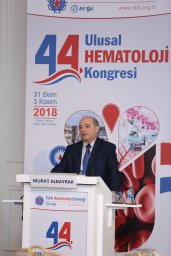 Murat Albayrak合作论文数Center Primary Education Scholl4Ozgur Meletli合作论文数3Mehmet Ali Uçar合作论文数3Tugce Nur Yigenoglu合作论文数3
 Ozan Salim合作论文数3Atakan Tekinalp合作论文数3Basak Unver Koluman合作论文数3Burak Deveci合作论文数Hematology and Stem Cell Transplantation Unit, aMedstar Antalya Hospital3Istemi Serin合作论文数Istanbul Training and Research Hospital, University of Health Sciences3
 Ni̇lgün Sayinalp合作论文数Department of Internal Medicine, Hacettepe University3
 Ilhami Berber合作论文数Faculty of Medicine, Inonu University3Büyükkaya Piltan合作论文数3Akyol Tülay Karaağaç合作论文数3




