Sinusoidal obstruction syndrome, also known as veno-occlusive disease (SOS/VOD), is a potentially life-threatening complication that can develop after hematopoietic cell transplantation (HCT). A new definition for diagnosis, and a severity grading system for SOS/VOD in adult patients, was reported a few years ago on behalf of the European Society for Blood and Marrow Transplantation (EBMT). The aim of this work is to update knowledge regarding diagnosis and severity assessment of SOS/VOD in adult patients, and also its pathophysiology and treatment. In particular, we now propose to refine the previous classification and distinguish probable, clinical and proven SOS/VOD at diagnosis. We also provide an accurate definition of multiorgan dysfunction (MOD) for SOS/VOD severity grading based on Sequential Organ Failure Assessment (SOFA) score.
Sinusoidal obstruction syndrome or veno-occlusive disease (SOS/VOD) is a potentially life-threatening complication of hematopoietic SCT (HSCT). This review aims to highlight, on behalf of the European Society for Blood and Marrow Transplantation, the current knowledge on SOS/VOD pathophysiology, risk factors, diagnosis and treatments. Our perspectives on SOS/VOD are (i) to accurately identify its risk factors; (ii) to define new criteria for its diagnosis; (iii) to search for SOS/VOD biomarkers and (iv) to propose prospective studies evaluating SOS/VOD prevention and treatment in adults and children.
Purpose: The changing role of haematology nurses has never been mapped systematically which makes it difficult to plan practice development initiatives in a strategic manner.Method: A survey was conducted to gain insight into the role of European haematology nurses and identify their learning needs.Results: Two hundred and seventy one questionnaires were completed by nurses from 25 countries. most of who were unit-based clinical nurses (116, 43%), had 10 years or more of experience in haematology (56%) and no specialist qualification (65%). The most common professional activities undertaken involved the detection and management of side effect. Respondents believe that they are well trained. possess good communication skills and play a key role within the multidisciplinary team. However. a small but significant number of nurses indicated that they had a limited role to play in patient education (42%) and only 38% (102) agreed that they played an important role in facilitating patient choice. Lack of time, limited course availability and staff shortages are perceived as key barriers to developing practice.Conclusions: Nurses are most interested in receiving further education about graft versus host disease and late effects of treatment. The knowledge component of the questionnaire revealed numerous deficits. Demographic factors such as role and experience had a significant influence on responses. (C) 2009 Elsevier Ltd. All rights reserved.
 M. Kelly合作论文数3
 Lance Taylor合作论文数Department of Economics, New School for Social Research3Monica Fliedner合作论文数3Florent Malard合作论文数2
 Jean-Hugues Dalle合作论文数2I Yakoub Agha合作论文数2Bn. Savani合作论文数2S. Degen Kellerhals合作论文数2
 Filipp Baron合作论文数2T Masszi合作论文数2A. Huynh合作论文数2T Fukuda合作论文数2E Carreras合作论文数2
 Ahmed Alaskar合作论文数2Elisabeth Wallhult合作论文数2
 Mohamad Mohty合作论文数Clinical Hematology and Cellular Therapy Department, Saint-Antoine Hospital, Sorbonne University;Saint-Antoine Research Centre2Tapani Ruutu合作论文数2
 Hans Wadenvik合作论文数2
 Ali Bazarbachi合作论文数Department of Internal Medicine, American University of Beirut2
 Didier Blaise合作论文数Institut Paoli-Calmettes;Université Aix Marseille2
 Paul G. Richardson合作论文数Jerome Lipper Multiple Myeloma Center, Dana-Farber Cancer Institute;Harvard Medical School2
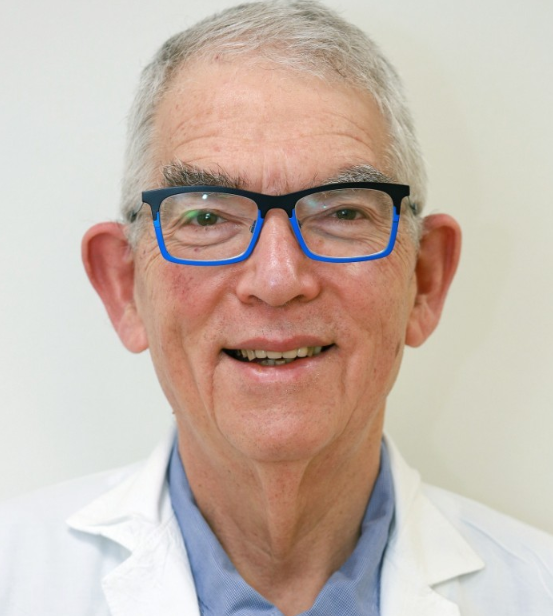 Arnon Nagler合作论文数Hemato-Oncology Center, Sheba Tel Hashomer City of Health;EBMT;Tel Aviv University;Israeli Bone Marrow Association2
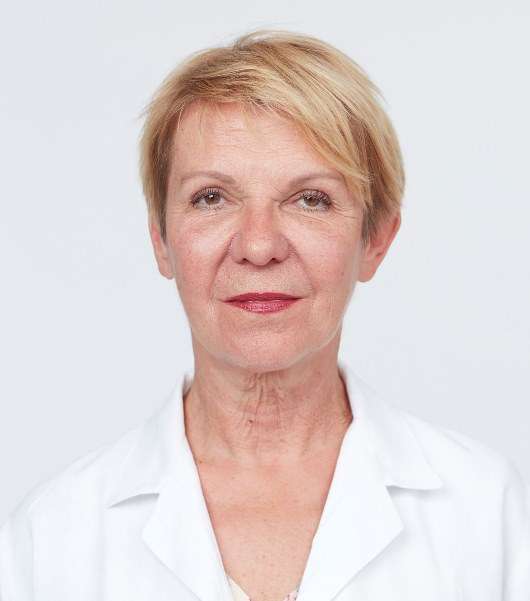 Christina Peters合作论文数Department of Stem Cell Transplantation, St. Anna Children’s Hospital2
 Sarah J Liptrott合作论文数Directorate of Research & Development, University Hospital South Manchester2Selim Corbacioglu合作论文数2
 Mahmoud Aljurf合作论文数King Faisal Specialist Hospital and Research Centre2Mutlu Arat合作论文数Ankara University2
 Rafael F. Duarte合作论文数Universidad Autónoma de Madrid;Departamento de Hematología, Hospital Universitario Puerta de Hierro-Majadahonda2
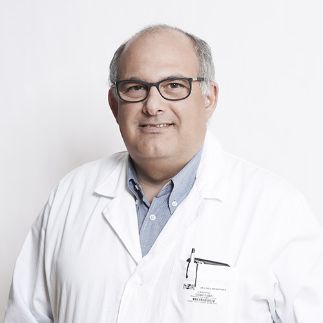 Ciceri Fabio合作论文数Universita Vita-Salute San Raffaele2A.M.S. Mueller合作论文数University Medical Center, Freiburg i.Br., Germany2FB PETERSEN合作论文数2
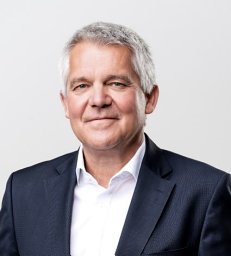 Peter Bader合作论文数Goethe University Frankfurt2L Leoncini-Franscini合作论文数1M. Mannhart合作论文数1M. Labudikova合作论文数1V Goode合作论文数1M. Ni Chonghaile合作论文数1E. Bystricka合作论文数1pino molina合作论文数1S. Van den Bosch合作论文数1
 Antonio Pagliuca合作论文数Department of Hematological Medicine, Kings College Hospital1Pfau R合作论文数1Nair Gayathri合作论文数1Dignan Fiona L合作论文数1
 Drew Provan合作论文数Blizard Institute, Queen Mary, University of London1
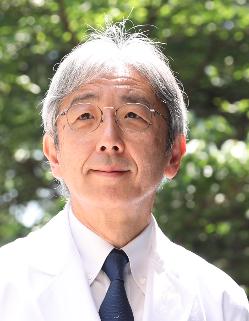 Shinichiro Okamoto合作论文数Division of Hematology, Department of Medicine, School of Medicine, Keio University1Panagiotis Samaras合作论文数1
 Mauricette Michallet合作论文数Hematology Department, Centre Léon Bérard, Lyon, France.1Alex Walton合作论文数1




