BACKGROUND: There is an urgent need for services that support a successful transition to postsecondary education and employment for young adults with neurodevelopmental and cognitive disabilities (e.g. autism spectrum disorder, attention-deficit/hyperactivity disorder, traumatic brain injury). OBJECTIVE: The purpose of this expository article is to describe the Cognitive Skills Enhancement Program (CSEP), a comprehensive clinical program designed for young adults with neurodevelopmental and cognitive disabilities transitioning to postsecondary education. METHODS: CSEP was developed through a community-academic partnership between a university and a state vocational rehabilitation program. Young adult participants complete programming that addresses four primary clinical targets: (1) emotion regulation, (2) social skills, (3) work readiness, and (4) community participation with the overall goal to increase awareness and promote successful employment outcomes while they transition to post-secondary education. RESULTS: To date, CSEP has supported 18 years of sustained programming and clinical services to 621 young adults with neurodevelopmental and cognitive disabilities. CONCLUSION: This partnership model allows for flexible responses to participant needs, implementation barriers, and advances in evidence-based practices. CSEP meets the needs of diverse stakeholders (e.g. state vocational rehabilitation, post-secondary training facilities, participants, universities) while providing high-quality and sustainable programming. Future directions include examining the clinical efficacy of current CSEP programming.
Background Head injuries are common injury in the fire service; however, very little data exist on the risks this may pose to the development of post-traumatic stress disorder (PTSD) and depression in this high-risk population. Aims Our study aimed to compare levels of PTSD and depression symptoms in firefighters with a line-of-duty head injury, non-line-of-duty head injury and no head injury. Methods In this cross-sectional study, we assessed current PTSD and depression symptoms as well as retrospective head injuries. Results Seventy-six per cent of the total sample reported at least one head injury in their lifetime. Depression symptoms were significantly more severe among firefighters with a line-of-duty head injury compared to those with no head injury, but not compared to those who sustained a non-line-of-duty head injury. Depression symptoms did not differ between firefighters with a non-line-of-duty head injury and those with no head injury. PTSD symptoms were significantly more severe among firefighters with a line-of-duty head injury compared to both firefighters with no head injury and those with a non-line-of-duty head injury. Conclusions We found that firefighters who reported at least one line-of-duty head injury had significantly higher levels of PTSD and depression symptoms than firefighters who reported no head injuries. Our findings also suggest head injuries sustained outside of fire service could have less of an impact on the firefighter's PTSD symptom severity than head injuries that occur as a direct result of their job.
Objectives: Although many Iraq/Afghanistan warzone veterans report few problems with adjustment, a substantial proportion report debilitating mental health symptoms and functional impairment, suggesting the influence of personal factors that may promote adjustment. A significant minority also incur warzone-related traumatic brain injury (TBI), the majority of which are of mild severity (mTBI). We tested direct and indirect pathways through which a resilient personality prototype predicts adjustment of warzone veterans with and without mTBI over time. Method: A sample of 264 war veterans (181 men) completed measures of lifetime and warzone-related TBIs, personality traits, psychological adjustment, quality of life, and functional impairment. Social support, coping, and psychological flexibility were examined as mediators of the resilience-adjustment relationship. Instruments were administered at baseline, 4-, 8-, and 12-month assessments. Structural equation models accounted for combat exposure and response style. Results: Compared with a nonresilient personality prototype, a resilient prototype was directly associated with lower PTSD, depression, and functional disability, and higher quality of life at all time-points. Warzone mTBIs frequency was associated with higher scores on a measure of functional disability. Indirect effects via psychological flexibility were observed from personality to all outcomes, and from warzone-related mTBIs to PTSD, depression, and functional disability, at each time-point. Conclusions: Several characteristics differentiate veterans who are resilient from those who are less so. These findings reveal several factors through which a resilient personality prototype and the number of mTBIs may be associated with veteran adjustment. Psychological flexibility appears to be a critical modifiable factor in veteran adjustment. Impact and Implications The present study indicates that the beneficial effects of a resilient personality prototype occur among warzone veterans with and without mTBI. Several of the characteristics associated with a resilient personality prototype can be addressed in psychological interventions to facilitate psychological adjustment of veterans who are experiencing difficulties with depression, posttraumatic stress symptoms, and quality of life. Of these characteristics, psychological flexibility appears to be a particularly important mechanism through which resilience promotes adjustment, and psychological flexibility is a central element of acceptance and commitment therapy.
BACKGROUND Limited research suggests that female firefighters report problem drinking at higher rates than the general population. AIMS To identify longitudinal drinking patterns in female firefighters, make comparisons to male firefighters and examine problem drinking in relation to post-traumatic stress disorder (PTSD) and depression. METHODS Study participants included 33 female and 289 male firefighter recruits, who were assessed over their first 3 years of fire service. RESULTS Female firefighters consumed increasing numbers of drinks per week, with a median of 0.90 drinks per week at baseline, and 1.27 drinks in year 3. Female firefighters reported binge drinking at high rates, with nearly half binging at least once per year across all time points (44-74%). The percentage that reported binge drinking three or more times per month doubled over the course of the study (from 9% to 18%). Overall, males reported higher rates of binge drinking and a greater number of drinks per week; however, binge drinking rates among females increased over time and became comparable to rates of binge drinking among males. A greater percentage of female than male firefighters met the criteria for problem drinking by year 1. Problem drinking was associated with screening positive for PTSD at year 1 and depression at year 2, but not with occupational injury. CONCLUSIONS Over time, female firefighters reported increasing amounts of drinking, more frequent binge drinking and more negative consequences from drinking. These findings along with existing literature indicate female firefighters change their drinking in the direction of their male counterparts.
Posttraumatic stress disorder (PTSD) is a major challenge among war veterans. This study assessed the contribution of several interrelated, modifiable psychosocial factors to changes in PTSD symptom severity among combat-deployed post-9/11 Veterans. Data were drawn from a longitudinal study of predictors of mental health and functional outcomes among U.S. Iraq and Afghanistan war Veterans (N = 117). This study assessed the unique contribution of psychological flexibility, mindfulness, and self-compassion to PTSD recovery, after accounting for established predictors of PTSD chronicity, including combat exposure, alcohol use problems, and traumatic brain injury. PTSD symptom severity was assessed using a clinician-administered interview, and PTSD recovery was defined as the change in symptom severity from lifetime worst severity, measured at baseline, to current severity at one-year follow-up. A mindful awareness latent factor comprised of all three variables measured at baseline predicted PTSD recovery beyond the other predictors of PTSD chronicity (f(2) = 0.30, large effect). Each construct predicted PTSD recovery when tested individually. When tested simultaneously, self compassion, but not mindfulness or psychological flexibility, predicted PTSD recovery. These findings suggest that mindful awareness of emotional distress predicts recovery from PTSD symptoms in war veterans, which supports the utility mindfulness-based interventions in promoting post-trauma recovery.
Resilience following traumatic events has been studied using numerous methodologies. One approach involves quantifying lower-than-expected levels of a negative outcome following trauma exposure. Resilience research has examined personality and coping-related factors. One malleable factor is psychological flexibility, or the context-dependent ability/willingness to contact the present moment, including emotional distress, in order to engage in valued actions. Among 254 war Veterans who participated in a longitudinal study, we operationalized resilience as lower-than-expected PTSD symptoms and PTSD-related functional impairment one-year following an initial post-deployment assessment based on lifetime exposure to childhood trauma, combat trauma, and sexual trauma during military service. We evaluated the contribution of personality factors, self-reported trait resilience, and psychological flexibility, measured using the Acceptance and Action Questionnaire-II, to PTSD-related resilience after accounting for lifetime and current PTSD symptom severity and depression symptom severity. In hierarchical regression analyses, neither specific personality factors nor self-reported resilience predicted PTSD-related resilience at follow-up after accounting for PTSD and depression symptoms. In the final step, psychological flexibility predicted unique variance and was the only significant predictor of PTSD-related resilience aside from baseline PTSD symptom severity. Findings indicate that psychological flexibility is a predictor of resilience that is distinct from psychiatric symptoms, personality, and self-reported resilience. Trauma survivors may benefit from interventions that bolster psychological flexibility.
Posttraumatic stress disorder (PTSD) and alcohol use disorder (AUD) frequently co-occur and are associated with worse outcomes together than either disorder alone. A lack of consensus regarding recommendations for treating PTSD-AUD exists, and treatment dropout is a persistent problem. Acceptance and Commitment Therapy (ACT), a transdiagnostic, mindfulness- and acceptance-based form of behavior therapy, has potential as a treatment option for PTSD-AUD. In this uncontrolled pilot study, we examined ACT for PTSD-AUD in 43 veterans; 29 (67%) completed the outpatient individual therapy protocol (i.e., ≥ 10 of 12 sessions). Clinician-assessed and self-reported PTSD symptoms were reduced at posttreatment, ds = 0.79 and 0.96, respectively. Self-reported symptoms of PTSD remained lower at 3-month follow-up, d = 0.88. There were reductions on all alcohol-related outcomes (clinician-assessed and self-reported symptoms, total drinks, and heavy drinking days) at posttreatment and 3-month follow-up, dmean = 0.91 (d range: 0.65-1.30). Quality of life increased at posttreatment and follow-up, ds = 0.55-0.56. Functional disability improved marginally at posttreatment, d = 0.35; this effect became significant by follow-up, d = 0.52. Fewer depressive symptoms were reported at posttreatment, d = 0.50, and follow-up, d = 0.44. Individuals experiencing suicidal ideation reported significant reductions by follow-up. Consistent with the ACT theoretical model, these improvements were associated with more between-session mindfulness practice and reductions in experiential avoidance and psychological inflexibility. Recommendations for adapting ACT to address PTSD-AUD include assigning frequent between-session mindfulness practice and initiating values clarification work and values-based behavior assignments early in treatment.
Understanding the links between posttraumatic stress disorder (PTSD) symptoms and functional impairment is essential for assisting veterans in transitioning to civilian life. Moreover, there may be differences between men and women in the relationships between PTSD symptoms and functional impairment. However, no prior studies have examined the links between functional impairment and the revised symptom clusters as defined in the Diagnostic and Statistical Manual of Mental Disorders, 5th ed. (DSM-5; American Psychiatric Association, 2013) or whether the associations between PTSD symptom clusters and functional impairment differ by gender. We examined the associations between the DSM-5 PTSD symptom clusters and functional impairment in 252 trauma-exposed Iraq and Afghanistan war veterans (79 females). Regression analyses included demographic factors and exposure to both combat and military sexual trauma as covariates. In the total sample, both the intrusions cluster (β = .18, p = .045) and the negative alterations in cognition and mood cluster (β = .45, p < .001) were associated with global functional impairment. Among male veterans, global functional impairment was associated only with negative alterations in cognition and mood (β = .52, p < .001). However, by contrast, among female veterans, only marked alterations in arousal and reactivity were associated with global functional impairment (β = .35, p = .027). These findings suggest that there may be important gender differences with respect to the relationship between PTSD symptoms and functional impairment. (PsycINFO Database Record
OBJECTIVES Posttraumatic stress disorder (PTSD) strongly predicts greater disability and lower quality of life (QOL). Mindfulness-based and other third-wave behavior therapy interventions improve well-being by enhancing mindfulness, self-compassion, and psychological flexibility. We hypothesized that these mechanisms of therapeutic change would comprise a single latent factor that would predict disability and QOL after accounting for PTSD symptom severity. METHOD Iraq and Afghanistan war veterans (N = 117) completed a study of predictors of successful reintegration. Principal axis factor analysis tested whether mindfulness, self-compassion, and psychological flexibility comprised a single latent factor. Hierarchical regression tested whether this factor predicted disability and QOL 1 year later. RESULTS Mindfulness, self-compassion, and psychological flexibility comprised a single factor that predicted disability and QOL after accounting for PTSD symptom severity. PTSD symptoms remained a significant predictor of disability but not QOL. CONCLUSIONS Targeting these mechanisms may help veterans achieve functional recovery, even in the presence of PTSD symptoms.
sible that the systematic exclusion of one of the most common NSSI methods for males to use has resulted in a significant underestimate of the true prevalence of NSSI among men. More importantly, the failure to include wall/ object punching and other forms of NSSI in standard psychiatric risk assessment batteries has likely resulted in many individuals (particularly men) who engage in NSSI not being properly identified and treated, despite the fact that NSSI is one of the strongest predictors of suicide attempts identified to date. In sum, NSSI is common among men and associated with high levels of clinical distress, significant functional impairment, and increased risk for suicide attempts. It is possible that prior research has underestimated the true prevalence of NSSI in men due to biased selection and assessment methods. It is time for clinicians and researchers to recognize that NSSI is a serious problem that warrants careful investigation in both men and women.
U.S. combat veterans of the Iraq and Afghanistan wars have elevated rates of posttraumatic stress disorder (PTSD) compared to the general population. Self-compassion, characterized by self-kindness, a sense of common humanity when faced with suffering, and mindful awareness of suffering, is a potentially modifiable factor implicated in the development and maintenance of PTSD. We examined the concurrent and prospective relationship between self-compassion and PTSD symptom severity after accounting for level of combat exposure and baseline PTSD severity in 115 Iraq and Afghanistan war veterans exposed to 1 or more traumatic events during deployment. PTSD symptoms were assessed using the Clinician Administered PTSD Scale for DSM-IV (CAPS-IV) at baseline and 12 months (n =101). Self-compassion and combat exposure were assessed at baseline via self-report. Self-compassion was associated with baseline PTSD symptoms after accounting for combat exposure (β = -.59; p < .001; ΔR(2) = .34; f(2) = .67; large effect) and predicted 12-month PTSD symptom severity after accounting for combat exposure and baseline PTSD severity (β = -.24; p = .008; ΔR(2) = .03; f(2) = .08; small effect). Findings suggest that interventions that increase self-compassion may be beneficial for treating chronic PTSD symptoms among some Iraq and Afghanistan war veterans.
Mindfulness and self-compassion are overlapping, but distinct constructs that characterize how people relate to emotional distress. Both are associated with posttraumatic stress disorder (PTSD) and may be related to functional disability. Although self-compassion includes mindful awareness of emotional distress, it is a broader construct that also includes being kind and supportive to oneself and viewing suffering as part of the shared human experience--a potentially powerful way of dealing with distressing situations. We examined the association of mindfulness and self-compassion with PTSD symptom severity and functional disability in 115 trauma-exposed U.S. Iraq/Afghanistan war veterans. Mindfulness and self-compassion were each uniquely, negatively associated with PTSD symptom severity. After accounting for mindfulness, self-compassion accounted for unique variance in PTSD symptom severity (f(2) = .25; medium ES). After accounting for PTSD symptom severity, mindfulness and self-compassion were each uniquely negatively associated with functional disability. The combined association of mindfulness and self-compassion with disability over and above PTSD was large (f(2) = .41). After accounting for mindfulness, self-compassion accounted for unique variance in disability (f(2) = .13; small ES). These findings suggest that interventions aimed at increasing mindfulness and self-compassion could potentially decrease functional disability in returning veterans with PTSD symptoms.
War veterans are at increased risk for chronic pain and co-occurring neurobehavioral problems, including posttraumatic stress disorder (PTSD), depression, alcohol-related problems, and mild traumatic brain injury (mTBI). Each condition is associated with disability, particularly when co-occurring. Pain acceptance is a strong predictor of lower levels of disability in chronic pain. This study examined whether acceptance of pain predicted current and future disability beyond the effects of these co-occurring conditions in war veterans. Eighty trauma-exposed veterans with chronic pain completed a PTSD diagnostic interview, clinician-administered mTBI screening, and self-report measures of disability, pain acceptance, depression, and alcohol use. Hierarchical regression models showed pain acceptance to be incrementally associated with disability after accounting for symptoms of PTSD, depression, alcohol-related problems, and mTBI (total adjusted R(2) = .57, p < .001, ΔR(2) = .03, p = .02). At 1-year follow-up, the total variance in disability accounted for by the model decreased (total adjusted R(2) = .29, p < .001), whereas the unique contribution of pain acceptance increased (ΔR(2) = .07, p = .008). Pain acceptance remained significantly associated with 1-year disability when pain severity was included in the model. Future research should evaluate treatments that address chronic pain acceptance and co-occurring conditions to promote functional recovery in the context of polytrauma in war veterans.
BACKGROUND AND OBJECTIVES:Posttraumatic stress disorder (PTSD), depression, anxiety, and stress are significant problems among returning veterans and are associated with reduced quality of life.DESIGN:A correlational design was used to examine the impact of a polymorphism (5-HTTLPR) in the serotonin transporter promoter gene on post-deployment adjustment among returning veterans.METHODS:A total of 186 returning Iraq and Afghanistan veterans were genotyped for the 5-HTTLPR polymorphism. Symptoms of PTSD, depression, general stress, and anxiety were assessed along with quality of life.RESULTS:After controlling for combat exposure, age, sex of the participant, and race, 5-HTTLPR had a significant multivariate effect on post-deployment adjustment, such that S' carriers reported more post-deployment adjustment problems and worse quality of life than veterans homozygous for the L' allele. This effect was larger when the analyses were restricted to veterans of European ancestry.CONCLUSIONS:Our findings suggest that veterans who carry the S' allele of the 5-HTTLPR polymorphism may be at increased risk for adjustment problems and reduced quality of life following deployments to war zones.
Back to table of contents Previous article Next article PerspectivesFull AccessUsing the WHODAS 2.0 to Assess Functional Disability Associated With DSM-5 Mental DisordersBrian Konecky, Ph.D., Eric C. Meyer, Ph.D., Brian P. Marx, Ph.D., Nathan A. Kimbrel, Ph.D., and Sandra B. Morissette, Ph.D.Brian Konecky, Ph.D., Eric C. Meyer, Ph.D., Brian P. Marx, Ph.D., Nathan A. Kimbrel, Ph.D., and Sandra B. Morissette, Ph.D.Published Online:1 Aug 2014https://doi.org/10.1176/appi.ajp.2014.14050587AboutSectionsPDF/EPUB ToolsAdd to favoritesDownload CitationsTrack Citations ShareShare onFacebookTwitterLinked InEmail A major change in DSM-5 was the removal of the Global Assessment of Functioning Scale (GAF), a clinician-based rating of overall psychological, social, and occupational functioning used to inform treatment needs, eligibility for services, and disability determinations. A key problem associated with the GAF was that it conflated the concepts of mental disorder and disability. Recent efforts have focused on disambiguating these concepts. For example, in the World Health Organization (WHO) system, diseases and disorders, including mental disorders, are addressed by the International Classification of Diseases (ICD), whereas disability is assessed according to the International Classification of Functioning, Disability, and Health (ICF) framework. This raises the question of whether the criterion of clinically significant distress or impairment required for many of the disorders included in DSM-5 is necessary, particularly given that this criterion is inherent in the symptom definitions themselves. Moreover, the fact that this criterion requires distress or impairment is problematic from a reliability perspective, particularly in the absence of clearly defined thresholds for either aspect of this criterion. Nonetheless, the general criterion of clinically significant distress or impairment has been retained in DSM-5. In place of the GAF, the WHO Disability Assessment Schedule, Version 2.0 (WHODAS 2.0) (1) was included in DSM-5 as a measure for further study.The WHODAS 2.0 possesses strong psychometric properties and provides a global disability score as well as six domain scores: cognition, mobility, self-care, getting along with others, participation in society, and life activities. However, several challenges emerge in attempting to use WHODAS 2.0 scores—particularly the self-report version—as a one-size-fits-all metric of functional disability associated with mental disorders. First, the WHODAS 2.0 was developed as a measure of disability associated with all physical and mental disorders. As such, many items are not relevant for assessing disability related to mental disorders. Second, there are no established thresholds for interpreting the global or domain-specific scores in relation to the criterion of clinically significant impairment. Moreover, it is unclear whether any cutoff score would be meaningful across patients with different types of mental disorders, let alone for patients with any kind of disease or disorder and across all demographic categories. Third, the instructions for the WHODAS 2.0 require respondents to make attributions about the source of their disability. These attributions may be inaccurate, particularly in the context of co-occurring disorders. A fourth difficulty emerges when interpreting scores on the life activities domain, which comprises household and work/school activities. When completing this scale, people who are neither working nor in school are instructed to skip these items. Therefore, this key aspect of disability is not reflected in the disability scores for people who are not working because of functional disability. Paradoxically, someone who is working despite some level of disability in this domain will complete these items and receive a higher disability score. Finally, when assessing someone who is socially withdrawn as a result of a mental disorder, the respondent may, because of his or her isolation, report little or no difficulty in social functioning. Thus, scores on the WHODAS 2.0 must be contextualized to be interpretable.Several factors might be considered in optimizing the WHODAS 2.0 and its use. There are domains that the WHODAS 2.0 may not assess in sufficient detail but that should be considered since they are relevant for assessing disability related to mental disorders (e.g., parenting, romantic relationships). Interpretation guidelines for use with specific populations (e.g., people who are unemployed, are homeless, or have physical disabilities) are clearly needed. One recommendation is to supplement use of the WHODAS 2.0 with an interview that assesses an individual's living situation, physical health, level of social contact, and employment status. For those who are not working, an evaluation of whether assigning the highest disability rating may be appropriate (as opposed to inability to get a job in tough economic times). Finally, it is currently unclear to what extent the WHODAS 2.0 will be adopted to replace the functions formerly served by the GAF. For example, to date, the U.S. Department of Veterans Affairs has not recommended use of the WHODAS 2.0 in disability examinations, although one study demonstrated its potential utility for this purpose (2). Settings that adopt the WHODAS 2.0 will need to develop methods for synthesizing scores on this measure with other sources of information to inform clinical decision making.From the Department of Veterans Affairs VISN 17 Center of Excellence for Research on Returning War Veterans, Waco, Tex.; Central Texas Veterans Health Care System, Waco; Texas A&M Health Science Center, College of Medicine, College Station, Tex.; the National Center for PTSD at VA Boston Healthcare System, Boston; Boston University School of Medicine, Boston; Durham Veterans Affairs Medical Center, Durham, N.C.; and the VA Mid-Atlantic Mental Illness Research, Education, and Clinical Center, Durham.Address correspondence to Dr. Konecky (brian.[email protected]gov).The authors report no financial relationships with commercial interests.Supported by the Department of Veterans Affairs VISN 17 Center of Excellence for Research on Returning War Veterans, a VISN 17 New Investigator Award to Dr. Meyer, and Merit Award I01RX000304 to Dr. Morissette from the Rehabilitation Research and Development Service. Dr. Marx is supported by funding from NIMH (R34MH077658-02), the Department of Defense (W81XWH-10-2-0181, W81XWH-12-2-0117-PTSD-IIRA-INT), the Defense Advanced Research Programs Agency (N66001-11-C-4006), and the Department of Veterans Affairs (Cooperative Studies 566 and 591). Dr. Kimbrel was supported by Career Development Award-2 (1IK2CX000525-01A1) from the Clinical Science Research and Development Service of the VA Office of Research and Development.The views expressed in this article are those of the authors and do not necessarily reflect the position or policy of the Department of Veterans Affairs or the U.S. government.References1 Üstün TBKostanjsek NChatterji SRehm J (eds): Measuring Health and Disability: Manual for WHO Disability Assessment Schedule: WHODAS 2.0. Geneva, World Health Organization, 2010Google Scholar2 Speroff T, Sinnott PL, Marx B, Owen RR, Jackson JC, Greevy R, Sayer N, Murdoch M, Shane AC, Smith J, Alvarez J, Nwosu SK, Keane T, Weathers F, Schnurr PP, Friedman MJ: Impact of evidence-based standardized assessment on the disability clinical interview for diagnosis of service-connected PTSD: a cluster-randomized trial. J Trauma Stress 2012; 25:607–615Crossref, Medline, Google Scholar FiguresReferencesCited byDetailsCited byOptimizing outcomes, mechanisms, and recall of Cognitive Therapy for depression: Dose of constructive memory support strategiesBehaviour Research and Therapy, Vol. 166Grief Impairment Scale: A biopsychosocial measure of grief-related functional impairment25 August 2022 | Death Studies, Vol. 47, No. 5Racial/ethnic differences in the association between menthol cigarette use and mental illness among adults who smoke in the United States13 April 2023 | Journal of Ethnicity in Substance Abuse, Vol. 20Serial Mediators of Memory Support Strategies Used With Cognitive Therapy for Depression: Improving Outcomes Through Patient Adherence and Treatment SkillsBehavior Therapy, Vol. 54, No. 1Improving Pain Care Using Psychosocial Screening and Patient Education among Veterans22 November 2021 | Military Behavioral Health, Vol. 10, No. 4THE POSSIBILITIES OF DISABILITY LEVEL DETERMINATION BASED ON THE INTERNATIONAL CLASSIFICATION OF FUNCTIONING WITH THE WHO DISABILITY ASSESSMENT SCHEDULE (WHODAS 2.0)1 January 2022 | Wiadomości Lekarskie, Vol. 75, No. 9Outcomes From the Transdiagnostic Sleep and Circadian Intervention (TranS-C) for Midlife and Older Adults With Serious Mental Illness and Sleep and Circadian DysfunctionBehavior Therapy, Vol. 53, No. 4Functional status and return to work in people with major depression: a 3-year national follow-up study12 February 2022 | Social Psychiatry and Psychiatric Epidemiology, Vol. 57, No. 6Screening for ADHD in a general outpatient psychiatric sample of adultsPsychiatry Research, Vol. 311Health and Disability Among Persons Experiencing Homelessness7 September 2021 | Occupational Therapy in Mental Health, Vol. 38, No. 1Agreement in Disability between World Health Organization Disability Assessment Schedule 2.0 (36 Item Version) and Indian Disability Evaluation and Assessment Scale among the Person with Severe Mental Illness8 November 2022 | Malaysian Journal Of Psychiatry, Vol. 31, No. 2Support for the higher-order factor structure of the WHODAS 2.0 self-report version in a Dutch outpatient psychiatric setting12 June 2021 | Quality of Life Research, Vol. 30, No. 10Psychometric evaluation of the Swedish self-rated 36-item version of WHODAS 2.0 for use in psychiatric populations – using classical test theory9 May 2021 | Nordic Journal of Psychiatry, Vol. 75, No. 7Relationship between disability self-awareness and cognitive and daily living function in schizophreniaSchizophrenia Research: Cognition, Vol. 23Long-term disability in major depressive disorder: a 6-year follow-up study9 July 2019 | Psychological Medicine, Vol. 50, No. 10Measuring functional disability in children with developmental disorders in low-resource settings: validation of Developmental Disorders-Children Disability Assessment Schedule (DD-CDAS) in rural Pakistan13 July 2020 | Global Mental Health, Vol. 7Pre-treatment pain predicts outcomes in multimodal treatment for tortured and traumatized refugees: a pilot investigation11 November 2019 | European Journal of Psychotraumatology, Vol. 10, No. 1Physical disabilities in nursing - the use of selected tools to monitor physically disabled patients' needsKontakt, Vol. 21, No. 4The GET READY relapse prevention programme for anxiety and depression: a mixed-methods study protocol11 February 2019 | BMC Psychiatry, Vol. 19, No. 1The Prevalence of Cognitive Impairment among People Attending a Homeless Service in Far North Queensland with a Majority Aboriginal and/or Torres Strait Islander People12 November 2020 | Australian Psychologist, Vol. 54, No. 3European Journal of Pain, Vol. 23, No. 8PLOS ONE, Vol. 14, No. 8Journal of Clinical Psychology, Vol. 74, No. 7World Health Organization disability assessment schedule 2.0: An international systematic review7 November 2016 | Disability and Rehabilitation, Vol. 39, No. 23Journal of Traumatic Stress, Vol. 30, No. 6Journal of Contextual Behavioral Science, Vol. 6, No. 1Characterization of Disability in Canadians with Mental Disorders Using an Abbreviated Version of a DSM-5 Emerging Measure: The 12-Item WHO Disability Assessment Schedule (WHODAS) 2.016 February 2016 | The Canadian Journal of Psychiatry, Vol. 61, No. 4Journal of Psychosocial Rehabilitation and Mental Health, Vol. 3, No. 1Biological Psychiatry, Vol. 79, No. 12Journal of Psychosomatic Research, Vol. 87Using the WHODAS 2.0 to Assess Functioning Among Veterans Seeking Compensation for Posttraumatic Stress DisorderBrian P. Marx, Ph.D., Erika J. Wolf, Ph.D., Michelle M. Cornette, Ph.D., Paula P. Schnurr, Ph.D., Marc I. Rosen, M.D., Matthew J. Friedman, M.D., Ph.D., Terence M. Keane, Ph.D., Theodore Speroff, Ph.D.17 August 2015 | Psychiatric Services, Vol. 66, No. 12Neuropsychological and functional outcomes in recent-onset major depression, bipolar disorder and schizophrenia-spectrum disorders: a longitudinal cohort study28 April 2015 | Translational Psychiatry, Vol. 5, No. 4Behaviour Research and Therapy, Vol. 73Journal of Anxiety Disorders, Vol. 32Journal of Psychosomatic Research, Vol. 79, No. 4Psychiatry Research, Vol. 229, No. 3PLOS ONE, Vol. 10, No. 3 Volume 171Issue 8 August 2014Pages 818-820 Metrics PDF download History Accepted 1 June 2014 Published online 1 August 2014 Published in print 1 August 2014
 Nathan Andrew Kimbrel合作论文数Behavioral Medicine & Neurosciences Division, Department of Psychiatry & Behavioral Sciences, School of Medicine, Duke University24
 Sandra B Morissette合作论文数Dept Psychol, Univ Texas San Antonio22
 Suzy B. Gulliver合作论文数Boston VAMC20
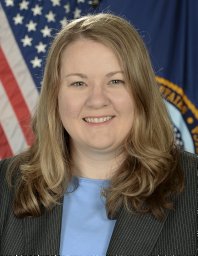 Debeer Bryann B合作论文数Department of Veterans Affairs, VISN 17 Center of Excellence for Research on Returning War Veterans, Waco, TX, USA;Texas A&M Health Science Center;VISN 17 Center of Excellence for Research on Returning War Veterans, Texas A&M Health Science Center7M. I. Kruse合作论文数6L. E. Steffen合作论文数3R. T. Zimering合作论文数3
 Pennington Michelle L合作论文数Baylor Scott &White Warriors Research Institute;Baylor Scott & White Warriors Research Institute3F. Dobani合作论文数2Amee B Patel合作论文数2Lianna D. Evans合作论文数2Bryann Debeer合作论文数2J. Knight合作论文数2Kamholz Barbara W合作论文数2Kruse Marc I合作论文数2
 Timothy R. Elliott合作论文数Department of Educational Psychology, College of Education and Human Development, Texas A&M University2
 Terence M. Keane合作论文数Department of Psychiatry, Chobanian & Avedisian School of Medicine, Boston University;VA Boston Healthcare System2Lynn Steven Jay合作论文数2
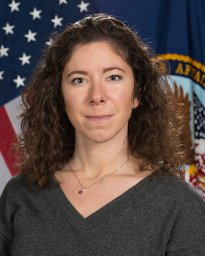 Frankfurt Sheila合作论文数Department of Psychology, University of Minnesota2
 Thomas P. Carpenter合作论文数2Jamroz Robert合作论文数2Brian Konecky合作论文数2
 Brian P. Marx合作论文数Boston University School of Medicine2
 Oi-Man Kwok合作论文数School of Education and Human Development, Texas A&M University;Department of Educational Psychology, Texas A&M University2
 Keith A Young合作论文数College of Medicine, Texas A & M Health Science Center;Central Texas Veterans Health Care System Neuropsychiatry Research Program;College of Medicine, Texas A & M Health Science Center2S. Dolan合作论文数1S. L. Dolan合作论文数1Barbara A. Hermann合作论文数1Walter Penk合作论文数1
 Jamie Lynn Kulzer合作论文数1Jessica Dupree合作论文数1
 Heidi La Bash合作论文数Natl Ctr PTSD, VA Palo Alto Hlth Care Syst1
 Jordan Strack合作论文数Department of Psychology, Colorado State University1Rashida Karmali合作论文数1
 Yvette Szabo合作论文数VISN 17 Center of Excellence for Research on Returning War Veterans, Central Texas Veterans Health Care System1Kelly B. Beck合作论文数Univ Pittsburgh1Knight Jeffrey A合作论文数1
 Sarah L. Martindale合作论文数1
 Regina Hiraoka合作论文数1
 Michael McCue合作论文数1Steffen Laurie E合作论文数1
 James MacKillop合作论文数Faculty of Health Sciences, McMaster University;Michael G. DeGroote Centre for Medicinal Cannabis Research, McMaster University;Centre for Addictions Research, St. Joseph's Healthcare Hamilton1Chrestman Roberta合作论文数1Beckham Jean C合作论文数1Klocek John W合作论文数1
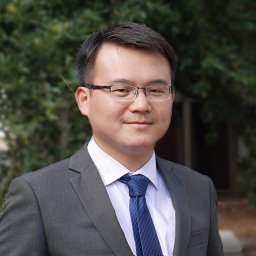 Hsiao Yu-Yu合作论文数College of Public Health, National Taiwan University1
 Kristin Neff合作论文数Department of Educational Psychology, School of Undergraduate Studies, The University of Texas at Austin1Paula P. Schnurr合作论文数1
 Stephen Glatt合作论文数Department of Public Health and Preventive Medicine, SUNY Upstate Medical University;Department of Psychiatry and Behavioral Science, SUNY Upstate Medical University;Department of Neuroscience and Physiology, SUNY Upstate Medical University1




