We present a data-driven plasma fluid closure for both linear and nonlinear electrostatic Landau damping in one dimension. A Fourier Neural Operator (FNO) is trained online within a differentiable fluid solver, with the loss computed on trajectories produced by the closed fluid simulation rather than on individual kinetic snapshots. The closure is non-Markovian, acting on a trailing window of the resolved moment history so as to represent the memory of the unresolved dynamics. We demonstrate that a single FNO trained in this way reproduces both linear and nonlinear Landau damping, generalises to initial perturbation amplitudes outside the training set, and remains numerically stable when deployed in independent fluid simulations. In the nonlinear regime the learned heat flux reproduces the resolved-moment dynamics without matching the kinetic heat flux pointwise, behaving as an effective closure that compensates for the truncated higher moments, though the learned specific flux is expected to depend on the numerical scheme and training data. A sensitivity analysis of the trained model shows that it computes a genuine moment-to-flux relation whose reliance on the memory window is physically structured.
Computational models support high-stakes decisions across engineering and science, and practitioners increasingly seek probabilistic predictions to quantify uncertainty in such models. Existing approaches generate predictions either by sampling input parameter distributions or by augmenting deterministic outputs with uncertainty representations, including distribution-free and distributional methods. However, sampling-based methods are often computationally prohibitive for real-time applications, and many existing uncertainty representations either ignore input dependence or rely on restrictive Gaussian assumptions that fail to capture asymmetry and heavy-tailed behavior. Therefore, we extend the ACCurate and Reliable Uncertainty Estimate (ACCRUE) framework to learn input-dependent, non-Gaussian uncertainty distributions, specifically two-piece Gaussian and asymmetric Laplace forms, using a neural network trained with a loss function that balances predictive accuracy and reliability. Through synthetic and real-world experiments, we show that the proposed approach captures an input-dependent uncertainty structure and improves probabilistic forecasts relative to existing methods, while maintaining flexibility to model skewed and non-Gaussian errors.
Fluid models provide an efficient framework for plasma simulations but rely on closure relations to capture kinetic effects. In this work, we present a data-driven plasma fluid closure for one-dimensional electrostatic Landau damping in both the linear and nonlinear regimes. The closure is represented by a Fourier Neural Operator (FNO) trained *online* within a differentiable fluid solver. Rather than learning from individual kinetic snapshots, the model is optimized using losses computed from entire trajectories generated by the closed fluid simulation, enabling it to learn closures that remain accurate when coupled to the fluid dynamics. We show that a single trained FNO accurately reproduces both linear and nonlinear Landau damping, generalizes to perturbation amplitudes beyond those used during training, and remains numerically stable in independent fluid simulations. These results highlight the potential of machine learning as a tool for discovering robust closure relations and bridging kinetic and fluid descriptions in plasma physics.
Solar wind stream interaction regions (SIRs) drive recurrent geomagnetic storms, yet most existing catalogs rely on expert inspection and simple thresholds that are subjective and can miss events with complex morphologies. We present SIREN (SIR Encoder Network), a lightweight Transformer based model for per timestep SIR detection from in situ solar wind observations. The model ingests sequences of 11 solar wind parameters, spanning magnetic field, velocity, and thermodynamic properties. With approximately 100,000 trainable parameters in a two layer encoder architecture, SIREN is trained using weighted binary cross entropy loss and a cosine annealing learning rate. Platt scaling is applied to produce well-calibrated detection probabilities. On a held-out test set of 102 events, the calibrated model achieves a ROC-AUC of 0.93, F1 score of 0.78, and true skill statistic of 0.67. Analysis of the self-attention weights confirms that the model concentrates on the SIR, grounding its decisions in the physically relevant portion of each sequence. Integrated Gradients attribution reveals a quantifiable feature hierarchy: proton density (24.3
The NOAA Space Weather Prediction Center (SWPC) issues the official U.S. government forecast for M-class and X-class solar flares, yet the skill of these forecasts has never been comprehensively verified. In this study, we evaluate the SWPC probabilistic flare forecasts over a 26-year period (1998-2024), comparing them to several zero-cost and statistical baselines including persistence, climatology, Naive Bayes, and logistic regression. We find that the SWPC model does not outperform these baselines across key classification and probabilistic metrics and exhibits severe calibration issues and high false alarm rates, especially in high-stakes scenarios such as detecting the first flare after extended quiet periods. These findings demonstrate the need for more accurate and reliable eruption forecasting models which we suggest should be based on modern data-driven methods. The findings also provide a standard against which any proposed eruption prediction system should be compared. We suggest that space weather forecasters regularly update and publish analyses like the one demonstrated here to provide up-to-date standards of accuracy and reliability against which to compare new methods.
The study of space plasmas at the kinetic scale has seen rapid growth in recent years due to the exponential increase in computational power and more accurate in-situ measurements. Both numerical simulations and observations have revealed a clear transition across ion scales from the magnetohydrodynamic (MHD) to the kinetic regime, characterized by different physical phenomena dominating the turbulent properties and the heating of plasmas. Several studies have associated the so-called ion break with magnetic reconnection, which is considered responsible for injecting energy into this range, thereby driving the sub-ion energy cascade.In this work, we analyze a 2D3V hybrid-Vlasov simulation of forced plasma turbulence using the space-filtering (or coarse-graining) technique, which allows for a simultaneous investigation of energy transfer properties as a function of scale, space, and time. Using this approach, we quantitatively show, for the first time, that magnetic reconnection in non-collisional plasmas is associated with dual energy transfer across ion scales, bridging the MHD and kinetic regimes. The onset of reconnection events triggers the formation of sub-ion scale turbulent fluctuations and plays a crucial role in the appearance of an inverse energy transfer regime originating at these sub-ion scales.
The Wang–Sheeley–Arge (WSA) model has been the cornerstone of operational solar wind forecasting for nearly two decades, owing to its simplicity and physics-based formalism. However, its performance is strongly dependent on several empirical parameters that are typically fixed or tuned manually, limiting its adaptability across varying solar conditions. In this study, we present a neural enhancement to the WSA framework (referred to as WSA + ) that systematically optimizes the empirical parameters of the WSA solar wind speed relation using in situ observations within a differentiable physics-constrained pipeline. The approach operates in two stages: first, a neural optimizer adjusts WSA parameters independently for each Carrington rotation to better match the observed solar wind data. Then, a neural network learns to predict these optimized speed maps directly from magnetogram-derived features. This enables generalization of the optimization process and allows inference for new solar conditions without manual tuning. WSA + preserves the interpretability of the original relation while significantly improving the match with OMNI in situ data across multiple performance metrics, including correlation and error statistics. It consistently outperforms the traditional WSA relation across both low and high solar activity periods, with average improvements of approximately 40%. By integrating data-driven learning with physical constraints, WSA + offers a robust and adaptable enhancement, with immediate utility as a drop-in replacement in global heliospheric modeling pipelines.
Space weather refers to the conditions in near-Earth space driven by solar activity—solar flares, coronal mass ejections, and geomagnetic storms—that can disrupt satellites, radio communication, navigation systems, and power grids. In recent years, the field has been revolutionized by the rapid improvement in data-driven and machine learning based forecasting. Yet the events that matter most for operational decision-making are precisely those that occur least often. This creates a core scientific challenge: our models must anticipate the rare and the extreme, even though the historical record is dominated by quiet days. Classical machine learning methods struggle in this setting. In regression tasks with strongly imbalanced target distributions, “more data” often means “more of the same,” offering limited benefit. The data that capture extremes are far more informative than abundant but redundant samples. In this talk, I will give an overview on recent advances of machine learning in the broad field of space weather and space physics. Emphasis will be given on three complementary methods that address the imbalanced regression challenge. ACCRUE (Accurate and Reliable Uncertainty Estimate) is a model-agnostic post-hoc technique that converts deterministic models into probabilistic ones with calibrated and trustworthy uncertainties. PARIS (Pruning Algorithm via the Representer theorem for Imbalanced Scenarios) applies influence-aware sample attribution to identify and remove redundant or counterproductive data, improving performance specifically on rare events. ProBoost (Probabilistic Boosting) integrates the two ideas, forming an uncertainty-weighted ensemble in which each model contributes proportionally to its calibrated confidence. Although motivated by space weather prediction, these approaches are broadly applicable to any domain where rare or extreme events—not the majority of the data—drive the real-world risk.
We present an innovative method, ProBoost (Probabilistic Boosting), for forecasting extreme space weather events using ensemble machine learning (ML). Ensembles enhance prediction accuracy, but applying them to ML faces challenges as ML models often lack wellcalibrated uncertainty estimates. Moreover, space weather problems are typically affected by very imbalanced datasets (i.e., extreme and rare events) To overcome these difficulties, we developed a method that incorporates uncertainty quantification (UQ) in neural networks, enabling simultaneous forecasting of prediction uncertainty.Our study applies ProBoost to the following space weather applications:• One-to-Six-Hour Lead-Time Model: Predicting Disturbance Storm Time (Dst) values using solar wind data.• Two-Day Lead-Time Model: Forecasting Dst probability using solar images.• Geoelectric Field Model: Multi-hour lead time, incorporating solar wind and SuperMag data.• Ambient Solar Wind Velocity Forecast: Up to 5 days ahead.ProBoost is model-agnostic, making it adaptable to various forecasting applications beyond space weather.
Recent studies based on simulations of the Boussinesq equations indicate that stratified turbulent flows can develop large-scale intermittency in the velocity and temperature fields, as detected in the atmosphere and oceans. In particular, emerging powerful vertical drafts were found to generate local turbulence, proving necessary for stratified flows to dissipate the energy as efficiently as homogeneous isotropic turbulent flows. The existence of regions characterized by enhanced turbulence and dissipation, as observed, for instance, in the ocean, requires appropriate tools to assess how energy is transferred across the scales and at the same time locally in the physical space. After refining a classical coarse-graining procedure, here we investigate the feedback of extreme vertical velocity drafts on energy transfer and exchanges in subdomains of simulations of stably stratified flows of geophysical interest. Our analysis shows that vertical drafts are indeed able to trigger upscale and downscale energy transfers, strengthening the coupling between kinetic and potential energies at certain scales, depending on the intensity of the local vertical velocity.
The requirement for large-scale global simulations of plasma is an ongoing challenge in both space and laboratory plasma physics. Any simulation based on a fluid model inherently requires a closure relation for the high order plasma moments. This review compiles and analyses the recent surge of machine learning approaches developing improved plasma closure models capable of capturing kinetic phenomena within plasma fluid models. The purpose of this review is both to collect and analyse the various methods employed on the plasma closure problem, including both equation discovery methods and neural network surrogate approaches, as well as to provide a general overview of the state of the problem. In particular, we highlight the challenges of developing a data-driven closure as well as the direction future work should take toward addressing these challenges, in the pursuit of a computationally viable large-scale global simulation.
One of the goals of Space Weather studies is to achieve a better understanding of impulsive phenomena, such as Coronal Mass Ejections (CMEs), in order to improve our ability to forecast them and mitigate the risk to our technologically driven society. The essential part of achieving this goal is to assess the performance of forecasting models. To this end, the quality and availability of suitable data are of paramount importance. In this work, we have merged already publicly available data of CMEs from both in-situ and remote instrumentation in order to build a database of CME properties. To evaluate the accuracy of such a database and confirm the relationship between in-situ and remote observations, we have employed the drag-based model (DBM) due to its simplicity and inexpensive cost of computational resources. In this study, we have also explored the parameter space for the drag parameter and solar wind speed using a Monte Carlo approach to evaluate how well the DBM determines the propagation of CMEs for the events in the dataset. The dataset of geoeffective CMEs constructed as a result of this work provides validation of the initial hypothesis about DBM, and solar wind speed and also yields further insight into CME features like arrival time, arrival speed, lift-off time, etc. Using a data-driven approach, this procedure allows us to present a homogeneous, reliable, and robust dataset for the investigation of CME propagation. On the other hand, possible CME events are identified where DBM approximation is not valid due to model limitations and higher uncertainties in the input parameters, those events require more thorough investigation.
Our team at the University of Colorado, Boulder, has undertaken significant strides in the development of cutting-edge models within the realm of space weather and space physics, leveraging a state-of-the-art Deep Learning Laboratory with approximately 312 Tflops in single precision-an outcome of substantial investments in AI/ML.
Coronal Mass Ejections (CMEs) are huge clouds of magnetised plasma expelled from the solar corona that can travel towards the Earth and cause significant space weather effects. The Drag-Based Model (DBM) describes the propagation of CMEs in an ambient solar wind as analogous to an aerodynamic drag. The drag-based approximation is popular because it is a simple analytical model that depends only on two parameters, the drag parameter $ \gamma $ and the solar wind speed $ w$. DBM thus allows us to obtain reliable estimates of CME transit time at low computational cost. Previous works proposed a probabilistic version of DBM, the Probabilistic Drag Based Model (P-DBM), which enables the evaluation of the uncertainties associated with the predictions. In this work, we infer the “ a-posteriori ” probability distribution functions (PDFs) of the $ \gamma $ and $ w$ parameters of the DBM by exploiting a well-established Bayesian inference technique: the Monte Carlo Markov Chains (MCMC) method. By utilizing this Bayesian method through two different approaches, an ensemble and an individual approach, we obtain specific DBM parameter PDFs for two ensembles of CMEs: those travelling with fast and slow solar wind, respectively. Subsequently, we assess the operational applicability of the model by forecasting the arrival time of CMEs. While the ensemble approach displays notable limitations, the individual approach yields promising results, demonstrating competitive performances compared to the current state-of-the-art, with a Mean Absolute Error (MAE) of 9.86 ± 4.07 h achieved in the best-case scenario.
Over the past 10 years, a paradigm shift has happened in the world of science and information technology. Open science is becoming the de facto standard, as underlined by the recent recommendation on Open Science approved by the United Nations Educational, Scientific and Cultural Organization (UNESCO) in November 2021. In parallel, artificial intelligence (AI) and machine learning (ML) technologies are already part of our daily life, profoundly impacting our societies. This reality is far different from when the 2015-2025 COmmittee on SPAce Research (COSPAR)/International Living With a Star (ILWS) Space weather roadmap was laid down by Schrijver et al. (2015).Hence, when the COSPAR International Space Weather Action Teams (ISWAT) initiated community-wide efforts, back in 2018, to join forces in order to advance space weather predictive capabilities, four ISWAT overarching activities were eventually established: assessment, information architecture and data utilization, innovative solutions and education/outreach. These topics are indeed transversal activities across all subfields of space weather research, focusing on either the variability of heliospheric regions or physical phenomena and their specific space weather impacts.Here, we present the combined output of the information architecture and innovative solutions working groups. The first part is related to the heliophysics and space weather information architecture key building blocks (section 2). The second part is dedicated to open science tools and infrastructures, first detailing the tools to boost open science (section 3), then presenting actual and upcoming open science infrastructures (section 4). The third part is related to AI/ML solutions applied to the data available through this information architecture (section 5). The last part tries to encompass the breadth of activity presented and provides a number of recommendations, underlining some opportunities but also challenges ahead. Overall, this paper tries to highlight how powerful this open science ecosystem is, but also fragile, requiring sustained support from its various decision makers internationally.
The properties of energy transfer in the kinetic range of plasma turbulence have fundamental implications on the turbulent heating of space and astrophysical plasmas. It was suggested that magnetic reconnection may be responsible for driving the subion scale cascade, and that this process would be characterized by a direct energy transfer toward even smaller scales (until dissipation), and a simultaneous inverse transfer of energy toward larger scales, until the ion break. Here we employ the space-filter technique on high-resolution 2D3V hybrid-Vlasov simulations of continuously driven turbulence providing quantitative evidence that magnetic reconnection is indeed able to trigger a dual energy transfer originating at subion scales.
AbstractThis editorial introduces the inaugural issue of the Journal of Geophysical Research: Machine Learning and Computation to the scientific community, elucidating the motivations and vision behind its establishment. The landscape of computational tools for geoscientists has undergone a rapid transformation in the last decade, akin to a new scientific revolution challenging the traditional scientific method. The paradigm shift emphasizes the integration of data‐driven methods and the possibility of predicting and/or reproducing the evolution of natural phenomena with computers as the fourth pillar of scientific discovery, sparking debates on trustworthiness, and ethical implications. The data science revolution is fueled by the convergence of advancements, including the big‐data revolution, GPU market expansion, and significant investments in Artificial Intelligence and high performance computing by both institutional and private players. This transformation has given rise to a trans‐disciplinary community that has investigated a wide range of questions under the lens of machine learning (ML) approaches and has generally advanced the field of computational methods within the broader geosciences community, the core of the American Geophysical Union (AGU) membership. Responding to an unmet demand in the existing worldwide editorial offer, the Journal of Geophysical Research: Machine Learning and Computation aims to serve as an intellectual crucible, fostering collaborations across multiple geophysical disciplines and data scientists. The journal welcomes papers with strong methodological developments that allow for geoscience advancements grounded in specific computational and data‐driven methods, leveraging ML as well as innovative computational strategies, and leading to breakthrough discoveries and original scientific outcomes. Authors are encouraged to balance succinctness in introducing methods with a thorough exploration of the novelty of the work proposed and its future applications placing special emphasis on the connection between the data science approach and the scientific outcome, considering a broad readership. Emphasis on result reproducibility aligns with AGU guidance, inviting active participation from the community in shaping geophysical research in the era of machine learning and computation.
We present a novel machine learning approach to reduce the dimensionality of state variables in stratified turbulent flows governed by the Navier-Stokes equations in the Boussinesq approximation. The aim of the new method is to perform an accurate reconstruction of the temperature and the three-dimensional velocity of geophysical turbulent flows developing non-homogeneities, starting from a low-dimensional representation in latent space, yet conserving important information about non-Gaussian structures captured by high-order moments of distributions. To achieve this goal we modify the standard Convolutional Autoencoder (CAE) by implementing a customized loss function that enforces the accuracy of the reconstructed high order statistical moments. We present results for compression coefficients up to 16 demonstrating how the proposed method is more efficient than a standard CAE in performing dimensionality reduction of simulations of stratified geophysical flows characterized by intermittent phenomena, as observed in the atmosphere and the oceans.
Aiming to assess the progress and current challenges on the formidable problem of the prediction of solar energetic events since the COSPAR / International Living With a Star (ILWS) Roadmap paper of Schrijver et al. (2015), we attempt an overview of the current status of global research efforts. By solar energetic events we refer to flares, coronal mass ejections (CMEs), and solar energetic particle (SEP) events. The emphasis, therefore, is on the prediction methods of solar flares and eruptions, as well as their associated SEP manifestations. This work complements the COSPAR International Space Weather Action Teams (ISWAT) review paper on the understanding of solar eruptions by Linton et al. (2023) (hereafter, ISWAT review papers are conventionally referred to as ’Cluster’ papers, given the ISWAT structure). Understanding solar flares and eruptions as instabilities occurring above the nominal background of solar activity is a core solar physics problem. We show that effectively predicting them stands on two pillars: physics and statistics. With statistical methods appearing at an increasing pace over the last 40 years, the last two decades have brought the critical realization that data science needs to be involved, as well, as volumes of diverse ground- and space-based data give rise to a Big Data landscape that cannot be handled, let alone processed, with conventional statistics. Dimensionality reduction in immense parameter spaces with the dual aim of both interpreting and forecasting solar energetic events has brought artificial intelligence (AI) methodologies, in variants of machine and deep learning, developed particularly for tackling Big Data problems. With interdisciplinarity firmly present, we outline an envisioned framework on which statistical and AI methodologies should be verified in terms of performance and validated against each other. We emphasize that a homogenized and streamlined (i.e., readily performed) method validation is another open challenge. The performance of the plethora of methods is typically far from perfect, with physical reasons to blame, besides practical shortcomings: imperfect data, data gaps and a lack of multiple, and meaningful, vantage points of solar observations. We briefly discuss these issues, too, that shape our desired short- and long-term objectives for an efficient future predictive capability. A central aim of this article is to trigger meaningful, targeted discussions that will compel the community to adopt standards for performance verification and validation, which could be maintained and enriched by institutions such as NASA’s Community Coordinated Modeling Center (CCMC) and the community-driven COSPAR/ISWAT initiative.
Recent studies based on simulations of the Boussinesq equations indicate that stratified turbulent flows can develop large-scale intermittency in the velocity and temperature fields, as detected in the atmosphere and in the oceans. In particular, emerging powerful vertical drafts were found to generate local turbulence, proving necessary for stratified flows to dissipate the energy as efficiently as homogeneous isotropic turbulent flows. The existence of regions characterized by enhanced turbulence and dissipation, as observed, for instance, in the ocean, requires appropriate tools to assess how energy is transferred across the scales and at the same time locally in the physical space. After refining a classical space-filtering procedure, here we investigate the feedback of extreme vertical velocity drafts on energy transfer and exchanges in subdomains of simulations of stably stratified flows of geophysical interest. Our analysis shows that vertical drafts are indeed able to trigger upscale and downscale energy transfers, strengthening the coupling between kinetic and potential energies at certain scales, depending on the intensity of the local vertical velocity.
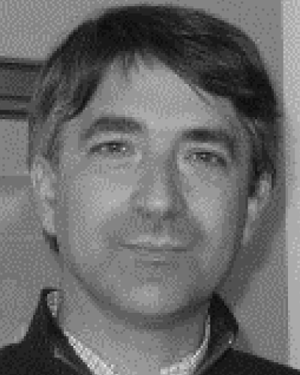 Gian Luca Delzanno合作论文数Los Alamos National Laboratory16
 Raffaello Foldes合作论文数Laboratoire de Mécanique des Fluides et d’AcoustiqueCNRS, Université Claude Bernard Lyon 115
 Mandar Chandorkar合作论文数Centrum Wiskunde & Informatica12
 Jacob Bortnik合作论文数Department of Atmospheric and Oceanic Sciences, College of Physical Sciences, University of California, Los Angeles;SPACE Institute, College of Physical Sciences, University of California, Los Angeles12
 Giovanni Lapenta合作论文数Institute for Artificial Intelligence, KU Leuven;Department of Mathematics, KU Leuven11
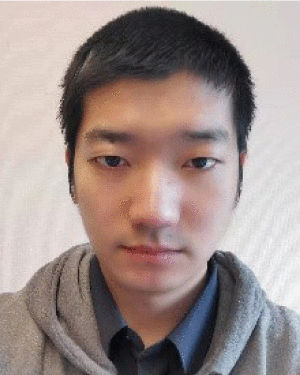 Andong Hu合作论文数China Univ Min & Technol, Sch Environm Sci & Spatial Informat, Xuzhou 221116, Jiangsu, Peoples R China10
 Ryan M. Mcgranaghan合作论文数9
 Simon Wing合作论文数Applied Physics Laboratory, Johns Hopkins University9
 Silvio Sergio Cerri合作论文数8
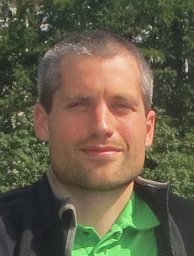 Jannis Teunissen合作论文数Centrum Wiskunde & Informatica (CWI), P.O. Box 94079, 1090 GB Amsterdam, The Netherlands8David O. Burgess合作论文数National Glaciology Program, Geological Survey of Canada8Gianluca Napoletano合作论文数7
 Alexander Y. Drozdov合作论文数Department of Earth, Planetary, and Space Sciences, College of Physical Sciences, University of California, Los Angeles7
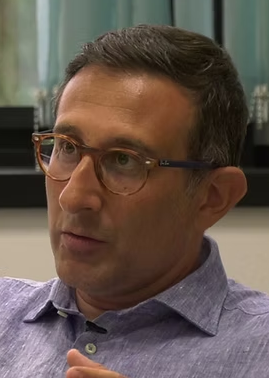 Francesco Valentini合作论文数Department of Physics, Università Della Calabria7
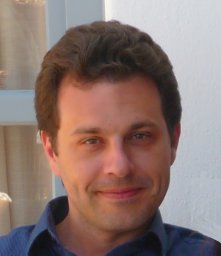 Dario Del Moro合作论文数Dipartimento di Fisica, Universitá di Roma ‘Tor Vergata’7
 Oreste Pezzi合作论文数Lab Nazl Gran Sasso, Ist Nazl Fis Nucl6
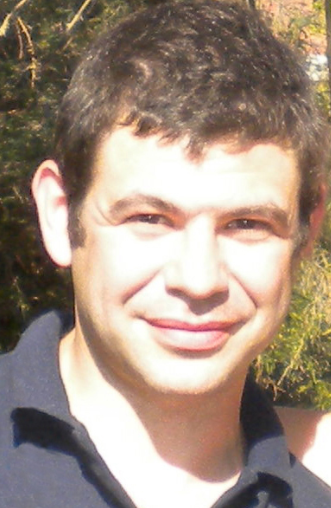 Yuri Shprits合作论文数Institute of Geophysics and Planetary Physics, University of California, Los Angeles;Department of Earth, Planetary, and Space Sciences, University of California, Los Angeles;University of Potsdam6
 Raffaele Marino合作论文数National Center for Atmospheric Research6Carl Shneider合作论文数6
 G. De Gasperis合作论文数Dipartimento di Fisica;Universita di Roma " Tor Vergata ";Dipartimento di Fisica, Universita di Roma " Tor Vergata "6
 A. Tiwari合作论文数Ctr Wiskunde & Informat, CWI5
 George Wilkie合作论文数Princeton Plasma Phys Lab, POB 451, Princeton, NJ 08543 USA5
 William Scott Daughton合作论文数Los Alamos National Laboratory;CureMetrix5T. Passot合作论文数CNRS UMR 6529, Observatoire de la Côte d’Azur5
 Sergio Servidio合作论文数Dipartimento di Fisica, Università della Calabria5
 Joseph E. Borovsky合作论文数Atmospheric Sciences Group, Los Alamos National Laboratory5
 Algo Carè合作论文数5
 David Moulton合作论文数Los Alamos National Laboratory5
 Luca Sorriso-Valvo合作论文数Liquid Crystal Laboratory;Istituto Nazionale per la Fisica della Materia;Liquid Crystal Laboratory, Istituto Nazionale per la Fisica della Materia5Francesco Califano合作论文数DIP. Fis. Pisa, Ifp5david a burgess合作论文数4
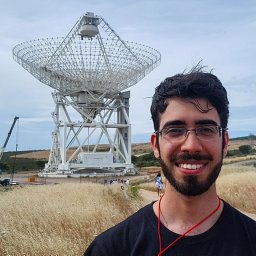 Luca Giovannelli合作论文数Dept Phys, Univ Roma Tor Vergata4
 Monica G. Bobra合作论文数State of California, Office of Data and Innovation4
 Josef Koller合作论文数Los Alamos National Laboratory, Los Alamos National Laboratory4
 David Burgess合作论文数Centre for Fundamental Physics, Faculty of Science and Engineering - Research, Queen Mary University of London;School of Physical and Chemical Sciences, Queen Mary University of London4
 Maria Federica Marcucci合作论文数Istituto Di Astrofisica E Planetologia Spaziali, Istituto Nazionale Di Astrofisica4
 Alessandro Retinò合作论文数Laboratoire de Physique des Plasmas, CNRS4
 Pete Riley合作论文数Predictive Science Inc.4
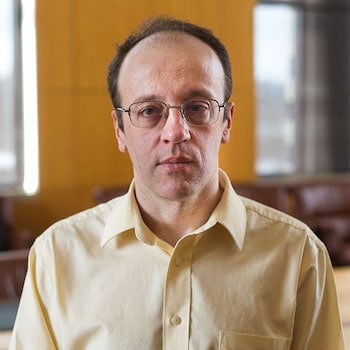 Gabor Toth合作论文数Department of Climate and Space Sciences and Engineering, College of Engineering, University of Michigan;Center for Space Environment Modeling, University of Michigan4
 D. Perrone合作论文数New England Medical Center, Tufts University School of Medicine4
 Cesare Tronci合作论文数Department of Mathematics;Imperial College London;Department of Mathematics, Imperial College London4
 Roberto Bruno合作论文数3
 Simone Chierichini合作论文数3Gregoire Francisco合作论文数3Ronish Mugatwala合作论文数3Christopher T. Haynes合作论文数3T. Bloch合作论文数3
 Spencer Hatch合作论文数Birkeland Ctr Space Sci, Univ Bergen3
 Rakesh Sarma合作论文数Ctr Wiskunde & Informat3




