Patient Blood Management (PBM) has evolved from a transfusion-centered practice to a structured, patient-focused perioperative strategy aimed at improving surgical outcomes while preserving blood resources. In the operating room, where bleeding risk is anticipated and modifiable, PBM requires proactive intervention rather than reactive transfusion. This review synthesizes current evidence on perioperative blood conservation strategies specifically relevant to surgeons and anesthesiologists. Preoperative optimization begins with systematic identification and correction of anemia, most commonly iron deficiency, using appropriately timed oral or intravenous iron therapy and, in selected cases, erythropoiesis-stimulating agents. Careful management of anticoagulant and antiplatelet therapies, early recognition of acquired or inherited coagulopathies, and protocol-driven reversal strategies further reduce perioperative hemorrhagic risk. Intraoperatively, blood conservation depends on meticulous surgical technique, respect for anatomical planes, minimally invasive approaches, and the judicious use of advanced energy devices and topical hemostatic agents. Pharmacologic interventions—particularly tranexamic acid administered with appropriate timing and dosing—have demonstrated consistent reductions in blood loss and transfusion requirements across multiple surgical disciplines. Goal-directed coagulation management guided by viscoelastic testing allows targeted correction of specific hemostatic deficits while minimizing unnecessary blood product exposure. Acute normovolemic hemodilution and intraoperative cell salvage provide additional benefit in selected high-blood-loss procedures. Collectively, these multimodal strategies shift perioperative care from product-driven transfusion toward physiology-based blood conservation. When embedded within institutional protocols and supported by multidisciplinary collaboration, perioperative PBM reduces transfusion exposure, decreases morbidity, shortens hospital stay, and promotes sustainable stewardship of blood resources without compromising patient safety.
Metastatic colorectal cancer (mCRC) accounts for 90% of CRC-related mortality. This review synthesizes insights from comparative genomics tracing evolutionary trajectories from primary tumor to disseminated disease. Multi-region sequencing reveals metastatic seeding often occurs early-before clinical detection-challenging linear progression models. The metastatic bottleneck reduces clonal diversity while enriching for dissemination-competent traits including SMAD4 loss, PTEN inactivation and metabolic reprogramming. Organ-specific adaptation yields distinct molecular signatures: liver metastases exhibit Wnt hyperactivation and TGF-β-driven immune suppression; peritoneal tumors display mucinous features; brain metastases show HER2 enrichment. The immune microenvironment evolves toward immunosuppressive configurations, with Microsatellite instability high (MSI-H) tumors acquiring B2M or JAK1/2 mutations. Circulating tumor DNA (ctDNA) enables real-time tracking of clonal dynamics, detecting molecular residual disease months before radiographic progression. Therapeutic resistance follows predictable evolutionary trajectories-from RAS/BRAF mutations to EGFR ectodomain alterations, HER2/MET amplifications and lineage plasticity-with metastasis-specific mechanisms including microenvironmental protection and cellular dormancy. The clinical future lies in interception: leveraging liquid biopsies for early detection, targeting both tumor-intrinsic vulnerabilities and permissive metastatic niches and adapting therapy dynamically to anticipate resistance. Understanding this genomic odyssey is essential for transforming mCRC into a controllable chronic condition.
Abstract Background Literature suggests colonic resection and primary anastomosis (RPA) instead of Hartmann’s procedure (HP) for the treatment of left-sided colonic emergencies. We aim to evaluate the surgical options globally used to treat patients with acute left-sided colonic emergencies and the factors that leading to the choice of treatment, comparing HP and RPA. Methods This is a prospective, international, multicenter, observational study registered on ClinicalTrials.gov. A total 1215 patients with left-sided colonic emergencies who required surgery were included from 204 centers during the period of March 1, 2020, to May 31, 2020. with a 1-year follow-up. Results 564 patients (43.1%) were females. The mean age was 65.9 ± 15.6 years. HP was performed in 697 (57.3%) patients and RPA in 384 (31.6%) cases. Complicated acute diverticulitis was the most common cause of left-sided colonic emergencies (40.2%), followed by colorectal malignancy (36.6%). Severe complications (Clavien-Dindo ≥ 3b) were higher in the HP group (P < 0.001). 30-day mortality was higher in HP patients (13.7%), especially in case of bowel perforation and diffused peritonitis. 1-year follow-up showed no differences on ostomy reversal rate between HP and RPA. (P = 0.127). A backward likelihood logistic regression model showed that RPA was preferred in younger patients, having low ASA score (≤ 3), in case of large bowel obstruction, absence of colonic ischemia, longer time from admission to surgery, operating early at the day working hours, by a surgeon who performed more than 50 colorectal resections. Conclusions After 100 years since the first Hartmann’s procedure, HP remains the most common treatment for left-sided colorectal emergencies. Treatment’s choice depends on patient characteristics, the time of surgery and the experience of the surgeon. RPA should be considered as the gold standard for surgery, with HP being an exception.
Cancer of the colon and rectum (CRC) has been identified among the three most prevalent types of cancer and cancer-related deaths for both sexes. Even though significant progress in surgical and chemotherapeutic techniques has markedly improved disease-free and overall survival rates in contrast to those three decades ago, recent years have seen a stagnation in these improvements. This underscores the need for new therapies aiming to augment patient outcomes. A number of emerging strategies, such as immune checkpoint inhibitors (ICIs) and adoptive cell therapy (ACT), have exhibited promising outcomes not only in preclinical but also in clinical settings. Additionally, a thorough appreciation of the underlying biology has expanded the scope of research into potential therapeutic interventions. For instance, the pivotal role of altered telomere length in early CRC carcinogenesis, leading to chromosomal instability and telomere dysfunction, presents a promising avenue for future treatments. Thus, this review explores the advancements in CRC immunotherapy and telomere-targeted therapies, examining potential synergies and how these novel treatment modalities intersect to potentially enhance each other’s efficacy, paving the way for promising future therapeutic advancements.
The main purpose of this study was to determine the feasibility of sparing the rectoprostatic fascia (RPF) in adult male cadavers and in adult male patients who underwent total mesorectal excision (TME) for rectal cancer. A secondary objective was to evaluate urogenital function following rectal cancer surgery, pathologic, and oncologic outcomes. In accordance with PRISMA guidelines, we performed a systematic review with an a priori design to identify relevant studies via MESH terms and keywords. Research was conducted from March 1st to July 31st 2023 and was updated between September 30th to October 10th 2024 in MEDLINE, SCOPUS, the Web of Science, Google Scholar, and reference lists. Disagreements between individual judgments were resolved by referral to a third researcher. In total, 3693 studies were identified, 22 of which were relevant to the main research question. Overall, 785 living individuals and 25 cadavers were included in whom RPF was identified and spared (498/785 patients or 63.44
Isolated pancreatic injury with transection of the pancreatic duct is generally treated with pancreatic resection, but the optimal management is not based on high-level evidence. Herein, we report a case of primary repair of complete rupture of the pancreas and pancreatic duct after a blunt abdominal trauma and a review of the literature. A 33-year-old patient had an isolated pancreatic injury after blunt abdominal trauma. At laparotomy, an even transection was found with minimal necrosis and tissue loss and an end-to-end anastomosis of the duct and the parenchyma with omental patch was performed. Patient’s postoperative course was complicated by a 6 cm pseudocyst and a low output pancreatic fistula which did not require any intervention and were self-limited. In the literature, 17 cases with primary repair of similar grade IV pancreatic injuries have been reported. Postoperative complications included mostly fistulas and pseudocysts.
Purpose Emergency laparotomy (EL) is a common operation with high risk for postoperative complications, thereby requiring accurate risk stratification to manage vulnerable patients optimally. We developed and internally validated a predictive model of serious complications after EL. Methods Data for eleven carefully selected candidate predictors of 30-day postoperative complications (Clavien-Dindo grade > = 3) were extracted from the HELAS cohort of EL patients in 11 centres in Greece and Cyprus. Logistic regression with Least Absolute Shrinkage and Selection Operator (LASSO) was applied for model development. Discrimination and calibration measures were estimated and clinical utility was explored with decision curve analysis (DCA). Reproducibility and heterogeneity were examined with Bootstrap-based internal validation and Internal–External Cross-Validation. The American College of Surgeons National Surgical Quality Improvement Program’s (ACS-NSQIP) model was applied to the same cohort to establish a benchmark for the new model. Results From data on 633 eligible patients (175 complication events), the SErious complications After Laparotomy (SEAL) model was developed with 6 predictors (preoperative albumin, blood urea nitrogen, American Society of Anaesthesiology score, sepsis or septic shock, dependent functional status, and ascites). SEAL had good discriminative ability (optimism-corrected c-statistic: 0.80, 95% confidence interval [CI] 0.79–0.81), calibration (optimism-corrected calibration slope: 1.01, 95% CI 0.99–1.03) and overall fit (scaled Brier score: 25.1%, 95% CI 24.1–26.1%). SEAL compared favourably with ACS-NSQIP in all metrics, including DCA across multiple risk thresholds. Conclusion SEAL is a simple and promising model for individualized risk predictions of serious complications after EL. Future external validations should appraise SEAL’s transportability across diverse settings.
BACKGROUND: Accurate preoperative risk assessment in emergency laparotomy (EL) is valuable for informed decision making and rational use of resources. Available risk prediction tools have not been validated adequately across diverse health care settings. Herein, we report a comparative external validation of four widely cited prognostic models. METHODS: A multicenter cohort was prospectively composed of consecutive patients undergoing EL in 11 Greek hospitals from January 2020 to May 2021 using the National Emergency Laparotomy Audit (NELA) inclusion criteria. Thirty-day mortality risk predictions were calculated using the American College of Surgeons National Surgical Quality Improvement Program (ACS-NSQIP), NELA, Portsmouth Physiological and Operative Severity Score for the Enumeration of Mortality and Morbidity (P-POSSUM), and Predictive Optimal Trees in Emergency Surgery Risk tools. Surgeons' assessment of postoperative mortality using predefined cutoffs was recorded, and a surgeon-adjusted ACS-NSQIP prediction was calculated when the original model's prediction was relatively low. Predictive performances were compared using scaled Brier scores, discrimination and calibration measures and plots, and decision curve analysis. Heterogeneity across hospitals was assessed by random-effects meta-analysis. RESULTS: A total of 631 patients were included, and 30-day mortality was 16.3%. The ACS-NSQIP and its surgeon-adjusted version had the highest scaled Brier scores. All models presented high discriminative ability, with concordance statistics ranging from 0.79 for P-POSSUM to 0.85 for NELA. However, except the surgeon-adjusted ACS-NSQIP (Hosmer-Lemeshow test, p = 0.742), all other models were poorly calibrated (p < 0.001). Decision curve analysis revealed superior clinical utility of the ACS-NSQIP. Following recalibrations, predictive accuracy improved for all models, but ACS-NSQIP retained the lead. Between-hospital heterogeneity was minimum for the ACS-NSQIP model and maximum for P-POSSUM. CONCLUSION: The ACS-NSQIP tool was most accurate for mortality predictions after EL in a broad external validation cohort, demonstrating utility for facilitating preoperative risk management in the Greek health care system. Subjective surgeon assessments of patient prognosis may optimize ACS-NSQIP predictions. Copyright (c) 2023 WoltersKluwer Health, Inc. All rights reserved.)
BACKGROUND:Since its outbreak in early 2020, the COVID-19 pandemic has diverted resources from non-urgent and elective procedures, leading to diagnosis and treatment delays, with an increased number of neoplasms at advanced stages worldwide. The aims of this study were to quantify the reduction in surgical activity for indeterminate thyroid nodules during the COVID-19 pandemic; and to evaluate whether delays in surgery led to an increased occurrence of aggressive tumours. METHODS:In this retrospective, international, cross-sectional study, centres were invited to participate in June 22, 2022; each centre joining the study was asked to provide data from medical records on all surgical thyroidectomies consecutively performed from Jan 1, 2019, to Dec 31, 2021. Patients with indeterminate thyroid nodules were divided into three groups according to when they underwent surgery: from Jan 1, 2019, to Feb 29, 2020 (global prepandemic phase), from March 1, 2020, to May 31, 2021 (pandemic escalation phase), and from June 1 to Dec 31, 2021 (pandemic decrease phase). The main outcomes were, for each phase, the number of surgeries for indeterminate thyroid nodules, and in patients with a postoperative diagnosis of thyroid cancers, the occurrence of tumours larger than 10 mm, extrathyroidal extension, lymph node metastases, vascular invasion, distant metastases, and tumours at high risk of structural disease recurrence. Univariate analysis was used to compare the probability of aggressive thyroid features between the first and third study phases. The study was registered on ClinicalTrials.gov, NCT05178186. FINDINGS:Data from 157 centres (n=49 countries) on 87 467 patients who underwent surgery for benign and malignant thyroid disease were collected, of whom 22 974 patients (18 052 [78·6%] female patients and 4922 [21·4%] male patients) received surgery for indeterminate thyroid nodules. We observed a significant reduction in surgery for indeterminate thyroid nodules during the pandemic escalation phase (median monthly surgeries per centre, 1·4 [IQR 0·6-3·4]) compared with the prepandemic phase (2·0 [0·9-3·7]; p<0·0001) and pandemic decrease phase (2·3 [1·0-5·0]; p<0·0001). Compared with the prepandemic phase, in the pandemic decrease phase we observed an increased occurrence of thyroid tumours larger than 10 mm (2554 [69·0%] of 3704 vs 1515 [71·5%] of 2119; OR 1·1 [95% CI 1·0-1·3]; p=0·042), lymph node metastases (343 [9·3%] vs 264 [12·5%]; OR 1·4 [1·2-1·7]; p=0·0001), and tumours at high risk of structural disease recurrence (203 [5·7%] of 3584 vs 155 [7·7%] of 2006; OR 1·4 [1·1-1·7]; p=0·0039). INTERPRETATION:Our study suggests that the reduction in surgical activity for indeterminate thyroid nodules during the COVID-19 pandemic period could have led to an increased occurrence of aggressive thyroid tumours. However, other compelling hypotheses, including increased selection of patients with aggressive malignancies during this period, should be considered. We suggest that surgery for indeterminate thyroid nodules should no longer be postponed even in future instances of pandemic escalation. FUNDING:None.
BACKGROUND:Abdominal compartment syndrome (ACS) often complicates ruptured abdominal aortic aneurysm (rAAA) repair. We report results with routine skin-only abdominal wound closure after rAAA surgical repair.METHODS:This was a single-center retrospective study including consecutive patients undergoing rAAA surgical repair for the duration of 7 years. Skin-only closure was routinely performed, and if possible, secondary abdominal closure was performed during the same admission. Demographic information, preoperative hemodynamic condition, and perioperative information (ACS, mortality, rate of abdominal closure, and postoperative outcomes) were collected.RESULTS:During the study period, 93 rAAAs were recorded. Ten patients were too frail to undergo repair or refused treatment. Eighty-three patients underwent immediate surgical repair. The mean age was 72.4 ± 10.5 years, and the vast majority were male (82:1). Preoperative systolic blood pressure <90 mm Hg was recorded in 31 patients. Intraoperative mortality was recorded in nine cases. Overall in-hospital mortality was 34.9% (29/83). Primary fascial closure was performed in five patients, while skin-only closure was performed in 69. ACS was recorded in two cases in whom skin sutures were removed and negative pressure wound treatment was applied. Secondary fascial closure was feasible in 30 patients during the same admission. Among 37 patients not undergoing fascial closure, 18 died and 19 survived and were discharged with a planned ventral hernia repair. Median length of intensive care unit and hospital stay were 5 (1-24) and 13 (8-35) days, respectively. After a mean follow-up of 21 months, telephone contact was possible with 14/19 patients who left the hospital with an abdominal hernia. Three reported hernia-related complications mandating surgical repair, while in 11, this was well tolerated.CONCLUSION:Routine skin-only closure during rAAA surgical repair results in low rates of ACS at the expense of a high rate of patients being discharged with a planned ventral hernia which, however, seems to be well tolerated by the majority of patients.
Preoperative risk stratification in the elderly surgical patient is an essential part of contemporary perioperative care and can be done with the use of the American College of Surgeons Surgical Risk Calculator (ACS-SRC). However, data on the generalizability of the ACS-SRC in the elderly is scarce. In this study, we report an external validation of the ACS-RC in a geriatric cohort. A retrospective analysis of a prospectively maintained database was performed including patients aged > 65 who underwent general surgery procedures during 2012–2017 in a Greek academic centre. The predictive ability of the ACS-SRC for post-operative outcomes was tested with the use of Brier scores, discrimination, and calibration metrics. 471 patients were included in the analysis. 30-day postoperative mortality was 3.2%. Overall, Brier scores were lower than cut-off values for almost all outcomes. Discrimination was good for serious complications (c-statistic: 0.816; 95% CI: 0.762–0.869) and death (c-statistic: 0.824; 95% CI: 0.719–0.929). The Hosmer-Lemeshow test showed good calibration for all outcomes examined. Predicted and observed length of stay (LOS) presented significant differences for emergency and for elective cases. The ACS-SRC demonstrated good predictive performance in our sample and can aid preoperative estimation of multiple outcomes except for the prediction of post-operative LOS.
Background The incidence of the highly morbid and potentially lethal gangrenous cholecystitis was reportedly increased during the COVID-19 pandemic. The aim of the ChoCO-W study was to compare the clinical findings and outcomes of acute cholecystitis in patients who had COVID-19 disease with those who did not. Methods Data were prospectively collected over 6 months (October 1, 2020, to April 30, 2021) with 1-month follow-up. In October 2020, Delta variant of SARS CoV-2 was isolated for the first time. Demographic and clinical data were analyzed and reported according to the STROBE guidelines. Baseline characteristics and clinical outcomes of patients who had COVID-19 were compared with those who did not. Results A total of 2893 patients, from 42 countries, 218 centers, involved, with a median age of 61.3 (SD: 17.39) years were prospectively enrolled in this study; 1481 (51%) patients were males. One hundred and eighty (6.9%) patients were COVID-19 positive, while 2412 (93.1%) were negative. Concomitant preexisting diseases including cardiovascular diseases ( p < 0.0001), diabetes ( p < 0.0001), and severe chronic obstructive airway disease ( p = 0.005) were significantly more frequent in the COVID-19 group. Markers of sepsis severity including ARDS ( p < 0.0001), PIPAS score ( p < 0.0001), WSES sepsis score ( p < 0.0001), qSOFA ( p < 0.0001), and Tokyo classification of severity of acute cholecystitis ( p < 0.0001) were significantly higher in the COVID-19 group. The COVID-19 group had significantly higher postoperative complications (32.2% compared with 11.7%, p < 0.0001), longer mean hospital stay (13.21 compared with 6.51 days, p < 0.0001), and mortality rate (13.4% compared with 1.7%, p < 0.0001). The incidence of gangrenous cholecystitis was doubled in the COVID-19 group (40.7% compared with 22.3%). The mean wall thickness of the gallbladder was significantly higher in the COVID-19 group [6.32 (SD: 2.44) mm compared with 5.4 (SD: 3.45) mm; p < 0.0001]. Conclusions The incidence of gangrenous cholecystitis is higher in COVID patients compared with non-COVID patients admitted to the emergency department with acute cholecystitis. Gangrenous cholecystitis in COVID patients is associated with high-grade Clavien-Dindo postoperative complications, longer hospital stay and higher mortality rate. The open cholecystectomy rate is higher in COVID compared with non -COVID patients. It is recommended to delay the surgical treatment in COVID patients, when it is possible, to decrease morbidity and mortality rates. COVID-19 infection and gangrenous cholecystistis are not absolute contraindications to perform laparoscopic cholecystectomy, in a case by case evaluation, in expert hands. Graphical abstract
Arabic medicine, or Arab-Islamic, mainly refers to all developments achieved in the Age of Khalifs, or the Golden Age of the Arab-Islamic civilization (ca 7th-14th centuries AD). Arab scholars adopted ancient Greek medicine and soon understood the essence of the fatal disease known as cancer. They introduced various new types of cancer, distinguishing other entities like infection and proposed new methods of treatment, both surgical and non-invasive. Herbal medicine after Dioscurides and Galen bloomed in the Arabic world. Malignancy of the urinary tract was identified and a plethora of herbs were used to slow down its expansion. Moreover, herbal drugs were introduced to alleviate cancerous symptomatology. Avicenna introduced Hindiba, while known scholars like Abulcasis and Rhazes noted the benefits of garlic, onion, black seeds, pomegranate, olive oil as well as leaf and bread wheat. Arabian herbal medicine may still be beneficial in anticancer fight and mainly in the palliative medicine. It should be emphasized that almost 50% of the drugs administered today have their point of origin in the plants used in antiquity.
We read with great interest the study by Steenberge et al. recently published in Ann VascSurg. 1 Steenberge S.P. Sorour A.A. Sundaram A. et al. Comparative outcomes of open abdominal therapy after ruptured abdominal aortic aneurysm via open and endovascular approaches. Ann Vasc Surg. 2021; 77: 164-171 Abstract Full Text Full Text PDF PubMed Scopus (4) Google Scholar Abdominal compartment syndrome (ACS) is indeed a dreadful complication that can be frequently encountered after ruptured Abdominal Aortic Aneurysm (rAAA) repair. 2 Rubenstein C. Bietz G. Davenport D.L. et al. Abdominal compartment syndrome associated with endovascular and open repair of ruptured abdominal aortic aneurysms. J Vasc Surg. 2015; 61: 648-654 Abstract Full Text Full Text PDF PubMed Scopus (45) Google Scholar If ACS develops, prognosis of patients is significantly worse with higher rates (almost double) of mortality having been reported among these patients compared to those without ACS. Therefore, a strategy of close monitoring of patients in the intensive care unit (ICU) is usually employed after rAAA repair, with frequent intra-abdominal pressure (IAP) measurements and in case of resistant ACS, decompressive laparotomy is indicated. 3 Kirkpatrick A.W. Roberts D.J. De Waele J. Jaeschke R. Malbrain M.L. De Keulenaeret al Intra-abdominal hypertension and the abdominal compartment syndrome: updated consensus definitions and clinical practice guidelines from the World Society of the Abdominal Compartment Syndrome. Intensive Care Med. 2013; 39: 1190-1206 Crossref PubMed Scopus (883) Google Scholar The study from Steenberge et al. reported an ACS rate around 20%, where various modes of open abdomen were applied such as skin only closure or vacuum and negative pressure therapy to decompress the abdominal cavity. Secondary closure was achieved with either direct fascial or with mesh-mediated closure. 1 Steenberge S.P. Sorour A.A. Sundaram A. et al. Comparative outcomes of open abdominal therapy after ruptured abdominal aortic aneurysm via open and endovascular approaches. Ann Vasc Surg. 2021; 77: 164-171 Abstract Full Text Full Text PDF PubMed Scopus (4) Google Scholar Remarkably, patients that developed ACS presented a significantly higher mortality rate (48.5%, vs. 25.3%, P = 0.009), which is a finding consistent with what has been previously reported in the literature. 2 Rubenstein C. Bietz G. Davenport D.L. et al. Abdominal compartment syndrome associated with endovascular and open repair of ruptured abdominal aortic aneurysms. J Vasc Surg. 2015; 61: 648-654 Abstract Full Text Full Text PDF PubMed Scopus (45) Google Scholar
Background: In the past decades, the perioperative management of patients undergoing pancreaticoduo-denectomy (PD) has undergone major changes worldwide. This review aimed to systematically determine the burden of complications of PD performed in the last 10 years. Data sources: A systematic review was conducted in PubMed for randomized controlled trials and ob-servational studies reporting postoperative complications in at least 100 PDs from January 2010 to April 2020. Risk of bias was assessed using the Cochrane RoB2 tool for randomized studies and the method-ological index for non-randomized studies (MINORS). Pooled complication rates were estimated using random-effects meta-analysis. Heterogeneity was investigated by subgroup analysis and meta-regression. Results: A total of 20 randomized and 49 observational studies reporting 63 229 PDs were reviewed. Mean MINORS score showed a high risk of bias in non-randomized studies, while one quarter of the ran-domized studies were assessed to have high risk of bias. Pooled incidences of 30-day mortality, overall complications and serious complications were 1.7% (95% CI: 0.9%-2.9%; I 2 = 95.4%), 54.7% (95% CI: 46.4%- 62.8%; I 2 = 99.4%) and 25.5% (95% CI: 21.8%-29.4%; I 2 = 92.9%), respectively. Clinically-relevant postopera-tive pancreatic fistula risk was 14.3% (95% CI: 12.4%-16.3%; I 2 = 92.0%) and mean length of stay was 14.8 days (95% CI: 13.6-16.1; I 2 = 99.3%). Meta-regression partially attributed the observed heterogeneity to the country of origin of the study, the study design and the American Society of Anesthesiologists class. Conclusions: Pooled complication rates estimated in this study may be used to counsel patients scheduled to undergo a PD and to set benchmarks against which centers can audit their practice. However, cautious interpretation is necessary due to substantial heterogeneity. (c) 2022 First Affiliated Hospital, Zhejiang University School of Medicine in China. Published by Elsevier B.V. All rights reserved.
Purpose Cellular RNA is less compact than DNA, more easily accessible to ROS and therefore could be more susceptible to oxidative damage. This study was conceived in order to analyze the RNA oxidative damage in the urine of patients undergoing operation for colorectal cancer (CRC), to compare with healthy controls, and correlate with the stage. Materials and methods The study population was constituted by a group of 147 patients and a group of 128 healthy controls. Urine and blood samples were collected before the colonoscopy in all participants and 24 hours post-operatively for those who underwent surgery. Urine 8-hydroxyguanine (8-OHG) was determined as marker of RNA oxidation, and serum uric acid (UA) as antioxidant marker. Results Preoperatively, 8-OHG (ng/ml) values of CRC patients were found to be significantly higher than those of controls (p = 0.001). More specifically, stages II/III had significantly higher 8-OHG values (p < 0.001 and p = 0.007) than stages 0/I. Post-operatively, 8-OHG values were similar to controls (p = 0.053). Preoperatively, UA values (mg/dl) were significantly lower (p = 0.001), while postoperatively were similar to controls (p = 0.069). Conclusion Oxidative RNA damage occurs in CRC patients. Stages II/III are associated with higher values of 8-OHG than stages 0/I. 8-OHG could act as a marker for the identification of patients with advanced disease.
Background. Postoperative hypocalcemia is one of the most common complications after total thyroidectomy. Parathormone (PTH) and calcium levels, measured several hours after surgery, have been suggested as valuable markers for detecting patients at risk for post-thyroidectomy hypocalcemia. We aimed to determine if early post-surgery PTH and calcium levels can be used for the early identification of patients at risk for symptomatic hypocalcemia. Methods. PTH and calcium were measured before surgery and at 10 min and 4 h post-thyroidectomy, in 77 patients. Performance characteristics of PTH and calcium levels and their post/pre-surgery ratios were calculated. Results. Four-hour calcium was a sensitive (93.75%) but not specific (67.61%) indicator of patients at risk for symptomatic hypocalcemia. The 4-h/pre-surgery PTH ratio was the most accurate (90.81%) and the most specific (94.37%) test to identify patients at risk. Serum calcium at 4-h, 4-h/pre-surgery PTH ratio, and PTH at 10 min post-surgery had the higher diagnostic odds ratios (50.86, 32.85, and 29.04, respectively). The 4-h/pre-surgery PTH ratio also had the highest (0.694) Youden's J statistic. Conclusions. Low serum calcium levels 4 h after thyroidectomy and the 4-h/pre-surgery PTH ratio could be valuable additions to everyday clinical practice in post-thyroidectomy patients.
 E Xynos合作论文数36
 Zoras Odysseas合作论文数Department of Surgical Oncology, Heraklion University Hospital28Elias Athanasakis合作论文数28
 John Tsiaoussis合作论文数The Department of General Surgery, University Hospital of Heraklion26J S Vassilakis合作论文数22
 Lasithiotakis Konstantinos合作论文数Department of General Surgery, Heraklion University Hospital21
 Sofia Xenaki合作论文数19
 George E Chalkiadakis合作论文数18
 George Tzovaras合作论文数Department of Surgery, University Hospital of Larissa17
 Apostolos Mantides合作论文数9
 Taxiarchis Konstantinos Nikolouzakis合作论文数Department of General Surgery, University Hospital of Heraklion8Evaghelos Xynos合作论文数8Anna Daskalaki合作论文数7E. Epanomeritakis合作论文数6G Pechlivanides合作论文数6
 Stamatios Kokkinakis合作论文数6Maria Venianaki合作论文数6John Sophocles Vassilakis合作论文数5Alexandros Andreou合作论文数Dept Gen Surg, Univ Gen Hosp Heraklion5Blevrakis Evangelos合作论文数Department of Paediatric Surgery, University Hospital of Heraklion5
 Athanasios Syllaios合作论文数Dept Surg 1, Natl & Kapodistrian Univ Athens4
 Aristides M. Tsatsakis合作论文数Department of Toxicology, School of Medicine, University of Crete;Forensic Science Department, School of Medicine, University of Crete;University General Hospital4
 Michalopoulos Nikolaos V合作论文数Royal Free London NHS Foundation Trust, University College London4
 Schizas Dimitrios合作论文数4Maria Tzardi合作论文数4Anastasios Tzortzinis合作论文数4Alexandros I Fountos合作论文数4George Pappas Gogos合作论文数Department of Surgery, University Hospital of Ioannina4Alexandros Kafetzakis合作论文数4H Athanasakis合作论文数3Alexandros Chrysos合作论文数3
 Francesk Mulita合作论文数3
 Emmanuel Lilitsis合作论文数3Ioannis Margaris合作论文数3
 Ioannis E. Petrakis合作论文数3
 Kostas Tepelenis合作论文数Dept Surg, Gen Hosp Ioannina3
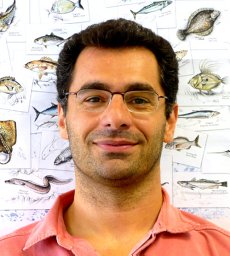 Panagiotis Kasapidis合作论文数Hellen Ctr Marine Res HCMR, Inst Marine Biol Biotechnol & Aquaculture IMBBC3
 Giammaria Fiorentini合作论文数3
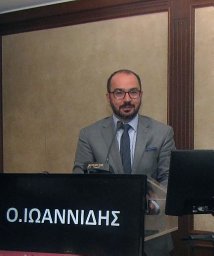 Ioannidis Orestis合作论文数First Surgical Department, General Regional Hospital George Papanikolaou3Nastos Constantinos合作论文数3Lovenish Bains合作论文数3
 Christos V. Ioannou合作论文数University Hospital of Heraklion, University of Crete Medical School3
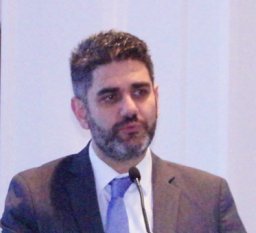 Nikolaos Gouvas合作论文数University of Crete Medical School3
 Evangelos I Kritsotakis合作论文数Department of Applied Informatics and Multimedia3
 John Souglakos合作论文数Department of Medical Oncology, University Hospital of Heraklion3
 Georgios K Glantzounis合作论文数Department of HPB and Liver Transplant Unit, Royal Free Hampstead NHS Trust3I Tsiaoussis合作论文数2Mauro Podda合作论文数2
 Fausto Catena合作论文数2




