Mucociliary clearance is a key defence mechanism in human upper and lower airways. Although mucociliary activity is present in both ears of the patients, most cases of chronic otitis media are unilateral. In this study, we aim to evaluate the difference between nasal mucociliary activity of the affected and non-affected sides in patients with unilateral chronic otitis media. Both nasal transport times of 36 patients with unilateral chronic otitis media were compared statistically with each other and with the control group by independent samples t-test. The nasal mucociliary transport times of the nasal cavity at the same side as the affected ear and as the non-affected ear are significantly different, in the same patients. Our study shows that impaired or decreased nasal mucociliary activity may result in dysfunction of the eustachian tube and middle-ear ciliary activity, which plays an important role in the aetiopathogenesis of chronic otitis media.
Allergic rhinitis is the most common allergic disease in our country. The epidemiology of allergic rhinitis varies according to the geographic regions of the country. The aim of this study was to find out if it also differs in urban and rural areas of the same region. The study groups were randomly selected in order to sample high school students living in small towns or villages in rural areas and in the city center. Initially the screening questionnaires about allergic rhinitis were responded by the students at school. Then the questionnaires were evaluated. Seven hundred eighty-three students who had a positive questionnaire outcome were underwent an ENT examination. Then skin tests and blood analysis were performed to two hundred forty-six students who were diagnosed as allergic rhinitis clinically. Prick test results was found to be positive 61.8% in urban areas and 46.7% in rural areas. The comparison of the ratios of urban and rural areas was significant. Similar results were obtained in serum specific Ig E analysis. The correlation of specific Ig E levels and skin prick test results was significant in all allergens. Allergic rhinitis is a medical and economic problem all over the world and further epidemiologic investigations should be performed.
Aim of the study was to evaluate the clinical efficacy of sublingual-oral immunotherapy in allergic rhinitis induced by various allergens and to demonstrate its effects using objective methods such as skin prick tests and specific IgE analysis. The first 100 patients diagnosed with allergic rhinitis and treated with sublingual-oral immunotherapy took part in the study and were followed for 2 years. Baseline findings were statistically compared with data obtained at the end of the study period. All symptoms including nasal discharge, sneezing, nasal congestion, and itching, as well as all clinical findings, including lower turbinate colour, turbinate congestion, and nasal discharge, observed by the physician, were significantly decreased after sublingual-oral treatment for two years (p < 0.001). A significant reduction in skin test reactivity was found when the initial and the final tests were compared. The difference between before and after treatment levels of specific IgE levels for D. pteronyssinus, D. farinea, and grasses were significant (p < 0.001), but were not significant for cereals (p=679 ns). As far as concerns the correlation between the recovery of clinical findings and age, as well as the correlation between the recovery of clinical findings and sex, neither of these were statistically significant (age: r = -0.076, p = 0.453, sex: r = -0.004, p = 0.97). The efficacy of the treatment, determined by means of symptom evaluations, was higher than expected in our study. A certain effect of this recovery might be due to the placebo effect, but it is supported by the improvement in skin tests and specific IgE levels.
Özet Rosai-Dorfman hastal›¤› idyopatik histiosit proliferasyonu ile seyreden nadir görülen bir hastal›kt›r. Masif lenfadenopatili si- nüs histiositozis olarak da adland›r›lmaktad›r. Daha çok çocuk- larda ve genç eriflkinlerde görülür. Hastal›k yayg›n ar›s›z lenfa- denopati, yüksek atefl, lökositoz, eritrosit sedimentasyon h›z›n- da artma, poliklonal hipergamaglobulinemi, kilo kayb› ile seyre- derek deiflik organlar›n tutulumuna neden olabilir. Kesin tan›- s› lenf bezi biyopsilerinin histopatolojik olarak incelenmesi so- nucu koyulabilmektedir. Tedavisi için antibiyotikler, kortikoste- roidler, radyoterapi ve kemoterapi denenmifl ancak etkili bir te- davi flekli henüz ortaya konamam›flt›r. Bu hastal›¤a bal› ölüm, hayati organ tutulumlar›n›n olduu durumlarda, çok nadir gö- rülen bir komplikasyondur. Bu yaz›da kliniimize boynunda a¤- r›s›z, ele gelen flifllik flikayeti ile baflvuran ve yap›lan tetkikler ile boyun lenf bezi biyopsisi sonucu benign sinüs histiositozis tan›- s› konmufl olan 52 yafl›nda kad›n hastam›z›n bulgular› ve teda- visi literatür bilgileri ile karfl›laflt›r›lm›flt›r.
Gastric emptying time (GET) appears to be a rate-limiting factor in the absorption of cyclosporine-A (CsA) and may be responsible for intra- and interpatient variability of CsA bioavailability. Few studies have assessed gastric motility after renal transplantation. The purpose of this study was to evaluate gastric emptying of semi-solid material in stable renal transplant patients with reference to blood CsA levels. The GET of semi-solids (GET t(1/2), half emptying time) was measured in 16 transplant recipients who were taking CsA (Neoral), prednisolone and azathioprine (or mycophenolate mofetil). The GET (t(1/2)) measured by radionuclide methods, was analyzed with reference to the daily CsA doses, levels of CsA (C(0)), and serum creatinine concentrations. The mean GET (t(1/2)) was 89.1 +/- 26.4 minutes. Twelve patients exhibited delayed gastric emptying with a mean CsA level of 171.8 +/- 56 ng/mL and a mean dose of 4.1 +/- 1.1 mg/kg/d. The GET (t(1/2)) was not significantly correlated with the serum creatinine levels, the time since transplantation, or the CsA concentration. In addition, the correlation between the mean daily CsA dose and the GET (t(1/2)) was only weakly positive, (r =.33, P =.2) and therefore, statistically insignificant. In conclusion, it could not be ascertained whether a higher dose of CsA delays gastric emptying or whether patients with delayed emptying require higher doses of CsA. However, it is believed that determining the GET after transplantation helps in the adjustment of immunosuppressant doses.
XV World Congress of Otorhinolaryngology Head and Neck Surgery (ISTANBUL 93) -- JUN 20-25, 1993 -- ISTANBUL, TURKEY
XV World Congress of Otorhinolaryngology Head and Neck Surgery (ISTANBUL 93) -- JUN 20-25, 1993 -- ISTANBUL, TURKEY
XV World Congress of Otorhinolaryngology Head and Neck Surgery (ISTANBUL 93) -- JUN 20-25, 1993 -- ISTANBUL, TURKEY
XV World Congress of Otorhinolaryngology Head and Neck Surgery (ISTANBUL 93) -- JUN 20-25, 1993 -- ISTANBUL, TURKEY
XV World Congress of Otorhinolaryngology Head and Neck Surgery (ISTANBUL 93) -- JUN 20-25, 1993 -- ISTANBUL, TURKEY
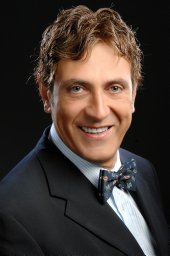 Cemal Cingi合作论文数Medical Faculty, Osmangazi University17
 Mi Cingi合作论文数7C Kecik合作论文数5
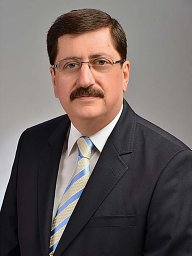 Erkan Ozudogru合作论文数Medical Faculty, Eskisehir Osmangazi University5M Mutlu合作论文数4S Erkus合作论文数4Cakli Hamdi合作论文数Medicine Faculty, Osmangazi University4
 Ozan Ozkaya合作论文数Department of Pediatric Nephrology, Gazi University Hospital3N. Özdemir合作论文数2
 Fazilet Altin合作论文数2T. Us合作论文数1G Ozdemir合作论文数1N Buyan合作论文数1U Derici合作论文数1
 Nuri Kiraz合作论文数Cerrahpasa Medical Faculty, Istanbul University1E. Açikalin合作论文数1M. I. Cingi合作论文数1
 Cengiz Bal合作论文数Faculty, Eskisehir Osmangazi University1
 Buket Dalgıç合作论文数Dahili Tıp Bilimleri Bölümü, Tıp Fakültesi, Gazi University;Department of Pediatric Gastroenterology, Gazi University1E. Özüdoru合作论文数1
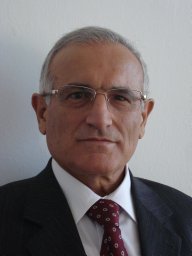 Kazim Ozdamar合作论文数Medical Faculty, Eskişehir Osmangazi University1Sukru Sindel合作论文数1Kismet Bildirici合作论文数1Yurdanur Akgun合作论文数1Mehmet T. Kitapci合作论文数School of Medicine Department of Nuclear Medicine, Gazi University1
 Mehmet Ekici合作论文数Department of Mathematics, Faculty of Arts And Sciences, Yozgat Bozok University1M. Kezban合作论文数1Enver Hasanoglu合作论文数1Emre Entok合作论文数Osmangazi Uni1
 Aydin Dalgic合作论文数Department of General Surgery, Baskent University Hospital1




