We investigated the cross-sectional association between total, animal and plant protein intake with the presence of a multidimensional measure of frailty in older women. Participants included 1380 community-dwelling Australian women, mean (SD) age 75.1 (2.7) years. A validated food frequency questionnaire was used to determine total, plant, and animal protein intake. Frailty was assessed using a frailty index across numerous health domains (scored 0-1, ≥0.25 indicating frailty). Cross-sectional associations were analysed using multivariable-adjusted logistic regression models. In total, 275 (19.9%) women were identified as frail. A non-linear inverse association was observed between higher intakes of total protein and the odds for frailty. Compared to lowest protein intakes (Quartile [Q]1, 0.77 g/kg BW/d), greater intakes (up to 1.66 g/kg BW/d, Q4; OR 0.51 95%CI 0.31-0.82) were associated with lower odds for frailty. Higher plant (∼0.60 g/kg BW/d [Q4 vs Q1: OR 0.35 95%CI 0.22-0.57]) and animal (up to ∼0.80 g/kg BW/d; [Q3 vs Q1: OR 0.72 95%CI 0.53-0.97] protein intakes, were associated with lower odds for frailty. Older women consuming higher total protein, including a combination of animal and plant sources, were less likely to be frail, with intakes of ∼1.1-1.6 g/kg likely to be most beneficial.
BackgroundRemote health care delivery, including the use of digital health interventions, is emerging as a tool for assessing and managing physical function, but its design and implementation often overlook the needs and preferences of older adult end users. ObjectiveThe primary aim of this modified Delphi process was to develop consumer consensus on preferences for remote assessment and management of physical function in older adults. MethodsResearch and consumer experts of the Remote Assessment and Management of Physical Function in Older Adults (RAMP) Working Group co-developed the Round 1 Delphi survey, which was advertised to consumers (adults aged ≥60 years) via international clinical and research networks and social media between August and November 2023. The online survey presented 23 Delphi statements for which respondents reported their level of agreement using an 11-point Likert scale (0-10; scores ≥7 indicated agreement). Statements were classified as having “strong agreement” and achieving consensus if ≥80% of participants indicated agreement. Statements classified as having “moderate” (70%-80% of participants indicated agreement) or “low” (<70% of participants indicated agreement) agreement were revised or rejected. Revised statements were presented to participants in Round 2 (January to February 2024), and the final consensus statements were consolidated into recommendations. ResultsA total of 654 consumers (75.7% female) with a mean age of 69.0 (SD 6.0) years from 15 countries (5 continents) were included in analyses in Round 1. Of 23 statements, 13 achieved consensus, with the strongest agreement observed for statements relating to the importance of physical function for quality of life and performing activities of daily living (6 statements; agreement 97.6%-99.5%). Two statements regarding privacy and security concerns when using technology (agreement 20.8%) and the inability to perform physical function assessments or exercise at home (agreement 15.5%) were rejected with low agreement. The remaining 8 statements (agreement 49.5%-79.5%) were modified into 7 new statements for the Round 2 survey, which was completed by 526 (80.4%) respondents from Round 1. Five of seven Round 2 statements were accepted with strong agreement (agreement 80%-82.7%), including the importance of addressing personal preferences for self- versus clinician-led remote interventions, group versus individual exercise, and availability of necessary resources (eg, technology and exercise equipment). ConclusionsEighteen statements achieved consensus and were translated into 7 recommendations highlighting that older adults recognize physical function as a health priority, would value more information about it, and are willing to participate in remote assessment and management interventions (including via digital health) to maintain or improve it. These recommendations also reinforce that interventions should be easily accessible and meet individual preferences of consumers.
Globally there is an increased prevalence of chronic conditions, which has a negative impact on quality of life (QOL)and places increased demand on the healthcare system. There is a need to understand the most suitable QOL instruments for adults with chronic health conditions in primary care settings to inform and evaluate tailored interventions. Aims of this study were to: (1) Examine and compare the QOL of middle and older aged adults with chronic conditions in primary care settings in South Australia; (2) Explore the feasibility and suitability of using the QOL-ACC in primary care settings, as compared with a more established instrument (the EQ-5D-5L). A prospective cross-sectional study using an online survey was conducted in general practice primary care settings in Adelaide, Australia, with a measurement at one time-point between July 2023-February 2024. Inclusion criteria: People aged 40–85 years who had ≥ one chronic condition, who attended one of ten participating practices. Descriptive statistics were calculated for all utility scores on QOL measures, and a Mann-Whitney U Test for differences in these scores between the participants separated into two groups based on their age. Statistical significance was set at p < 0.05. Two hundred twenty-four participants completed surveys (mean (SD) age = 58.1 (9.5) years). A large proportion of participants indicated they had poor QOL in domains of Pain Management (43.8
Background Remote methods may help older adults improve their physical function, but understanding the perspectives of experts who deliver this care is critical. This modified Delphi process aimed to develop expert consensus on effectiveness, feasibility and implementation of remote assessment and management of physical function in older adults. Methods This online Delphi process included experts involved in supporting older adults to maintain or improve their health. The Round 1 survey presented 33 Delphi statements assessed using an 11-point Likert scale (0-10; ≥7 indicated agreement). Statements with strong (≥80%), moderate (50-<80%) and low (<50%) agreement were accepted, revised, or rejected, respectively. Revised statements were presented in Round 2, and accepted statements were consolidated into key messages. Results In total, 108 respondents (67% female; mean [SD] age 41.4 [10.9] years) from 16 countries (five continents) completed Round 1. Fourteen statements were accepted (88-100% agreement) and 10 were rejected (8-39% agreement). The remaining nine statements (52-69% agreement) were revised, and two new statements were developed for Round 2, which was completed by 89 (82%) respondents. Five Round 2 statements were accepted (82-93% agreement). Seven key messages were developed from 19 accepted statements, highlighting that remote care should be accessible to older adults with requisite capabilities, is feasible for older adults and health professionals with adequate support and training, and requires guidelines, policies, and further research to support wider adoption. Conclusions The findings of this Delphi process can inform the implementation of remote care approaches for assessing and managing physical function in older adults.
Despite the nexus between cardiovascular health and frailty, the relevance of high-sensitivity cardiac troponin I (hs-cTnI), a biomarker of myocardial injury, to frailty is poorly understood. We examined whether hs-cTnI concentrations were associated with frailty in a well-characterized cohort of older women. A total of 1151 community-dwelling women from the Perth Longitudinal Study of Aging Women (mean age ± SD = 75.2 ± 2.7 years) were included. Frailty was operationalized using a validated frailty index (FI) of cumulative deficits and a modified Fried phenotype. Plasma hs-cTnI were categorized into quartiles. Cross-sectional associations between hs-cTnI quartiles and frailty were assessed using multivariable-adjusted logistic regression models. A total of 235 (20.4%) women were classified as frail using the FI, while 74 (6.4%) were considered frail by Fried's phenotype. In a multivariable-adjusted model, compared to women in the lowest hs-cTnI quartile (Q1), those in Q3 and Q4 had 1.38 (95% CI, 1.00-1.90) and 1.79 (1.20-2.67) greater odds for frailty when classified by the FI. When classified according to Fried's phenotype, women in Q2, Q3, and Q4 had 2.25 (1.10-4.09), 2.64 (1.19-5.21), and 2.44 (1.10-5.33) greater odds for frailty, compared to Q1. Associations remained largely unchanged when further adjusted for daily protein intake or systemic inflammation (lipocalin-2) and restricted to those with subclinical hs-cTnI levels (<15.6ng/L). Higher hs-cTnI levels are associated with greater odds for frailty, classified using an FI or Fried's phenotype, among older women. hs-cTnI may have applications beyond its typical use in cardiology, offering insight into the implications of underlying cardiovascular dysfunction relating to frailty.
Objectives To identify barriers and enablers to primary care in Australian residential aged care homes (RACHs). Study design Scoping review of articles published from 2019 to June 2024 in which barriers and enablers to primary care in Australian RACHs have been quantitatively measured, qualitatively collected or reported following implementation. Data sources Medline, CINAHL, AgeLine, Cochrane, Scopus, JBI, and Google Scholar. Data synthesis Of 1705 records screened, 28 studies were included, which were predominantly qualitative or mixed methods. They included general practitioner, nurse practitioner, pharmacy, allied health, oral health and dental services. Ninety barriers and 72 enablers were identified, and inductively classified into seven categories: System Level: 1. Funding and Resources; Organisational Level: 2. Employment and Service Models, 3. Management and Culture and, 4. Collaboration, Coordination and Communication; and Individual Level: 5. Workload, Job Satisfaction and Security, 6. Attributes, Skills and Preparedness for Role and, 7. Recipient Needs, Attitudes and Preferences. Barriers and enablers related to ‘Funding and Resources’ and ‘Employment and Service Models’ appeared key, interacting with multiple categories. On-site models were reported to foster greater collaboration and care. Conclusions This review revealed the systems-, organisational- and individual-level factors that influence primary care in Australian RACHs. These can be considered when designing future initiatives to increase primary care access in RACHs. With the Australian Government recently introducing funding to employ on-site pharmacists, this is an opportunity for systematic evaluation of on-site models to inform future policies, which can be considered for extension to other professions. Registration Open Science Framework, https://osf.io/nyqrm/
Approximately 50% of all adults with heart failure (HF) are classified as frail. Frailty is a clinical state of 'accelerated ageing' that complicates management and results in adverse health outcomes. Despite recommendations for frailty assessment in HF guidelines, its implementation into routine clinical practice has been slow. Further, evidence to inform models of care and pharmacological treatment for individuals with HF who are classified as frail is lacking. The complexity of management underscores the importance of tailoring models of care that can improve the focus on frailty through multidisciplinary care teams. Frailty can be reduced in some cases through the comprehensive geriatric assessment model of care, integrating treatment pillars such as exercise, nutrition, social engagement and support networks, and optimised medication use. A national agenda for action on frailty in the context of HF is needed to advance policy, practice, education, and research improve health outcomes for individuals affected. In November 2023 the Australian Cardiovascular Alliance (ACvA) facilitated a national workshop on frailty and HF with key experts. This has led to the development of a frailty and HF national taskforce with the aim to address major priorities and unmet needs. This statement is first step for the taskforce in implementing a national agenda for the management of frailty in HF. Here we outline key considerations for policy, practice, education, and research in Australia.
Introduction: Frailty is associated with adverse outcomes among patients attending emergency departments (EDs). While multiple frailty screens are available, little is known about which variables are important to incorporate and how best to facilitate accurate, yet prompt ED screening. To understand the core requirements of frailty screening in ED, we conducted an international, modified, electronic two-round Delphi consensus study. Methods: A two-round electronic Delphi involving 37 participants from 10 countries was undertaken. Statements were generated from a prior systematic review examining frailty screening instruments in ED (logistic, psychometric and clinimetric properties). Reflexive thematic analysis generated a list of 56 statements for Round 1 (August-September 2021). Four main themes identified were: (i) principles of frailty screening, (ii) practicalities and logistics, (iii) frailty domains and (iv) frailty risk factors. Results: In Round 1, 13/56 statements (23%) were accepted. Following feedback, 22 new statements were created and 35 were re-circulated in Round 2 (October 2021). Of these, 19 (54%) were finally accepted. It was agreed that ideal frailty screens should be short (<5 min), multidimensional and well-calibrated across the spectrum of frailty, reflecting baseline status 2-4 weeks before presentation. Screening should ideally be routine, prompt (<4 h after arrival) and completed at first contact in ED. Functional ability, mobility, cognition, medication use and social factors were identified as the most important variables to include. Conclusions: Although a clear consensus was reached on important requirements of frailty screening in ED, and variables to include in an ideal screen, more research is required to operationalise screening in clinical practice.
Background: Indigenous children and adolescents experience life circumstances that significantly affect their social and emotional well-being (SEWB) and limit their capacity to fulfil their potential. This contributes to inequities in health, education, employment, and justice system involvement.Aim: We aimed to synthesise the existing literature to comprehensively understand the protective and risk factors for SEWB of Indigenous youth in Canada, Australia, New Zealand, and the United States (CANZUS).Methods: We conducted a systematic search of English literature using Google Scholar, Scopus, Informit, HealthInfonet, and PubMed.Results: Sixty-nine articles met the inclusion criteria. The identified risk and protective factors were mapped according to seven thematic and interconnected areas including connection to the (a) body; (b) mind and emotions; (c) family and kinship; (d) community; (e and f) culture, country, and land (place/space); and (g) ancestry and spirituality.Conclusions: Indigenous peoples' perceptions of SEWB differ from traditional Western conceptualisations of health. Their perceptions carry a culturally distinct meaning, which is largely shared by Indigenous peoples across the CANZUS societies. An understanding of risk and protective factors for SEWB can inform targeted policy and public health practice frameworks aimed at improving Indigenous youth's health and well-being.
BACKGROUND:It is unclear whether social isolation and loneliness may precede frailty status or whether frailty may precipitate social isolation and loneliness. We investigated the reciprocal and temporal sequence of social isolation, loneliness, and frailty among older adults across 21 years. METHODS:We used seven waves of the Longitudinal Aging Study Amsterdam from 2302 Dutch older adults (M = 72.6 years, SD = 8.6, 52.1% female) ages 55 or older. Using random intercept cross-lagged panel models, we investigated between- and within-person associations of social isolation and loneliness with frailty. Frailty was measured using the Frailty Index. Loneliness was measured using the 11-item De Jong Gierveld Loneliness Scale. Social isolation was measured using a multi-domain 6-item scale. RESULTS:Social isolation and loneliness were weakly correlated across waves. At the between-person level, individuals with higher levels of frailty tended to have higher levels of social isolation but not loneliness. At the within-person level, the cross-lagged paths indicated that earlier frailty status predicted future social isolation and loneliness over time. However, prior social isolation was not associated with subsequent frailty except at time point 5 (T5). Loneliness at specific time points (T1, T4 and T6) predicted greater frailty at later time points (T2, T5 and T7). The results also supported reciprocal and contemporaneous relations between social isolation, loneliness and frailty. CONCLUSIONS:Social isolation and loneliness are potential outcomes of frailty. Public health policies and health practitioners should prioritise interventions targeting social connection among older adults with pre-frailty or frailty.
Introduction Rapid population ageing is a demographic trend being experienced and documented worldwide. While increased health screening and assessment may help mitigate the burden of illness in older people, issues such as misdiagnosis may affect access to interventions. This study aims to elicit the values and preferences of evidence-informed older people living in the community on early screening for common health conditions (cardiovascular disease, diabetes, dementia and frailty). The study will proceed in three Phases: (1) generating recommendations of older people through a series of Citizens’ Juries; (2) obtaining feedback from a diverse range of stakeholder groups on the jury findings; and (3) co-designing a set of Knowledge Translation resources to facilitate implementation into research, policy and practice. Conditions were chosen to reflect common health conditions characterised by increasing prevalence with age, but which have been underexamined through a Citizens’ Jury methodology.Methods and analysis This study will be conducted in three Phases—(1) Citizens’ Juries, (2) Policy Roundtables and (3) Production of Knowledge Translation resources. First, older people aged 50+ (n=80), including those from traditionally hard-to-reach and diverse groups, will be purposively recruited to four Citizen Juries. Second, representatives from a range of key stakeholder groups, including consumers and carers, health and aged care policymakers, general practitioners, practice nurses, geriatricians, allied health practitioners, pharmaceutical companies, private health insurers and community and aged care providers (n=40) will be purposively recruited for two Policy Roundtables. Finally, two researchers and six purposively recruited consumers will co-design Knowledge Translation resources. Thematic analysis will be performed on documentation and transcripts.Ethics and dissemination Ethical approval has been obtained through the Torrens University Human Research Ethics Committee. Participants will give written informed consent. Findings will be disseminated through development of a policy brief and lay summary, peer-reviewed publications, conference presentations and seminars.
Frailty is a distinctive health state related to the ageing process in which multiple body systems gradually lose their in-built reserves, and is associated with declines across sensory, neurological, cardiovascular, and musculoskeletal systems (1) . Previously, relationships have been identified between high dietary nitrate intake and several components of frailty including muscle strength and cognitive function, as well as vascular disease (2) . However, little is known about the relationship between dietary nitrate intake and frailty in older adults. We investigated if higher habitual nitrate intake, derived from plant (e.g., vegetables, grains, beans, and fruits) and animal foods (e.g., meats, cheese, yoghurt) was associated with frailty in older women. 1390 community-dwelling older women (mean age 75.1 ± 2.7 years) from the Perth Longitudinal Study of Ageing Women completed a validated semi-quantitative food frequency questionnaire (FFQ) at baseline (1998). Nitrate concentrations in food were obtained from our recently published international plant and animal nitrate databases and applied to each of the plant and animal foods within the FFQ (described in 3 ). Frailty was operationalised using a standardised frailty index (FI) of cumulative deficits from 33 variables across multiple health domains (physical, mental, comorbidities), with a score ≥0.25 indicating frailty. Cross-sectional associations between dietary nitrate derived from plant and animal foods (separately) with frailty were analysed using multivariable-adjusted logistic regression models as part of restricted cubic splines. Models were adjusted for lifestyle and dietary factors (not used in the FI) that included age, smoking history, protein, alcohol, and energy intake. Frailty was observed in 276 (19.9 %) women. Median (IQR) daily plant and animal nitrate were 72.1 (55.6-90.0) mg/day and 3.5 (2.2-5.1) mg/day, respectively. A significant non-linear relationship was observed between higher plant nitrate intake and frailty, with a nadir recorded once intakes of ~64 mg/day were achieved (median of quartile [Q]2). Specifically, compared to women with the lowest intake of plant-derived nitrate (Q1, median 45 mg/day), women in Q2 (OR 0.69 95%CI 0.56-0.84), Q3 (OR 0.67 95%CI 0.50-0.90) and Q4 (OR 0.66 95%CI 0.45-0.98) had lower odds for frailty (all p<0.05). Additional adjustment for diet quality (Nutrient Rich Food Index per 1000 kJ) or total plasma 25-hydroxyvitamin D did not alter the findings. Nitrate derived specifically from vegetables and grains were found to drive these results. No relationship was observed between animal-derived nitrate and frailty. Community-dwelling older women consuming higher amounts of nitrate derived primarily from plants were less likely to present with frailty. Consuming 1-2 servings (75-150 g) per day of nitrate- rich green leafy vegetables, as part of total vegetable intake, will provide adequate nitrate levels (>70 mg/day) that could serve as a novel intervention to limit frailty.
Aim To investigate the ability of eight frailty instruments to accurately predict all-cause mortality and other adverse outcomes in Australian primary care patients. Methods Study participants included adults aged ≥75 years attending one of three primary care clinics in South Australia. Frailty instruments studied were Fried's frailty phenotype (FFP), the Frailty Index (FI) of cumulative deficits, Kihon Checklist (KCL), the Fatigue Resistance Ambulation Illness and Loss of weight (FRAIL) scale, Groningen Frailty Indicator (GFI), PRISMA-7, Reported Edmonton Frail Scale (REFS), and gait speed. Primary outcomes were all-cause mortality at 12- and 24-months. Secondary outcomes included falls, general practice attendance, hospital admission and emergency department (ED) presentation at 12-months. Results 243 participants (55.6% female) with a mean (SD) age of 80.2 (4.6) years were included. 29 participants (16.6%) were classified as frail at baseline by FFP. All frailty instruments demonstrated a significant ability to predict 12- and 24-month mortality. The REFS showed the highest auROC for both 12- and 24-month mortality. The REFS, Frailty Index, Kihon Checklist, FRAIL scale, and gait speed showed excellent discriminative ability for 12-month mortality (auROC ≥ 0.8 - >0.9), while the remainder showed acceptable discrimination. All frailty instruments, with the exception of the GFI, showed an excellent discriminative ability for 24-month mortality (auROC 0.8-<0.9). Conclusions All frailty instruments possessed adequate discriminative ability for all-cause mortality predicting in older primary care patients. Frailty measurement is thus a valuable strategy to identify older patients at risk of mortality and can guide clinical decision-making in primary care settings.
Both frailty (reduced physiological reserve) and social vulnerability (scarcity of adequate social connections, support, or interaction) become more common as people age and are associated with adverse consequences. Analyses of the relationships between these constructs can be limited by the wide range of measures used to assess them. In this systematic review, we synthesised 130 observational studies assessing the association between frailty and social vulnerability, the bidirectional longitudinal relationships between constructs, and their joint associations with adverse health outcomes. Frailty, across assessment type, was associated with increased loneliness and social isolation, perceived inadequacy of social support, and reduced social participation. Each of these social vulnerability components was also associated with more rapid progression of frailty and lower odds of improvement compared with the absence of that social vulnerability component (eg, more rapid frailty progression in people with social isolation vs those who were not socially isolated). Combinations of frailty and social vulnerability were associated with increased mortality, decline in physical function, and cognitive impairment. Clinical and public health measures targeting frailty or social vulnerability should, therefore, account for both frailty and social vulnerability.
BackgroundAs the world's population ages, there is a growing concern with frailty, marked by reduced strength and greater vulnerability to stress. Overcoming obstacles like reluctance towards screening methods in this process is crucial for identifying and addressing frailty at an early stage. Understanding older people's perspectives can help adapt screening procedures in primary healthcare settings.MethodsA citizens' jury, comprising 14 purposively selected members reflecting community diversity, was conducted in South Australia to explore older adults' opinions on how and when frailty screenings occur within primary care settings. Participants engaged in discussions and deliberations informed by expert testimonies and evidence-based resources. This deliberative inclusive research method supported jurors to understand the evidence and contribute informed insights into health policy.ResultsThe jury systematically addressed several key concerns, including the major issues surrounding frailty screening, its benefits and potential harms, and measures to prevent screening bias and misdiagnosis. The outcome was 17 recommendations within the themes of screening age and frequency, consent, access and setting, communication and public awareness, and resources and cost.ConclusionsThe study highlights the value of including older adults in the decision-making about health interventions aimed at them. The method proved effective in capturing a spectrum of community values and preferences, offering actionable recommendations for refining health screening policies to better address the needs and expectations of older adults.
Background Frailty, an age-related state of reduced physiological reserve, is often associated with lower socio-economic position (SEP). This systematic review synthesised observational studies assessing (i) the association between SEP and frailty prevalence; (ii) how changes in frailty status over time vary by SEP; and (iii) whether the association between frailty and clinical outcomes is modified by SEP. Methods We searched three electronic databases from 2001 to 2023. We included observational studies measuring early-, mid-, and late-life indicators of SEP (education, income, wealth, housing, occupation, and area-based measures of multiple deprivation) and frailty (assessed using any validated measure). Screening and extraction were performed in duplicate. Findings were synthesised using narrative synthesis. Results We included 383 studies reporting findings from 265 independent samples/cohorts across 64 countries. Lower SEP was associated with higher frailty prevalence across all indicators (childhood deprivation 7/8 studies, education 227/248, occupation 28/32, housing 8/9, income 98/108, wealth 39/44 and area-based deprivation 32/34). Lower SEP was also associated with higher frailty incidence (27/30), with greater odds of transitioning towards a more severe frailty state (35/43), lower odds of frailty reversion (7/11), and (in some studies) with more rapid accumulation of deficits (7/15). The relationship between frailty and mortality was not modified by SEP. Interpretation Preventative measures across multiple levels of individual and structural inequality are likely to be required to reduce the rising levels of frailty. Resourcing of interventions and services to support people living with frailty should be proportionate to needs in the population to avoid widening existing health inequalities.
Frailty is associated with declines in physiological capacity across sensory, neurological, and musculoskeletal systems. An underlying assumption is that the frailer an individual, the more likely they are to experience falls and fractures. We examined whether grades of frailty can assess the long-term risk of hospitalized falls, fractures, and all-cause mortality in 1261 community-dwelling older women (mean age [SD] of 75.1 [2.7] yr) over 14.5 yr. Frailty was operationalized using a frailty index (FI) of cumulative deficits from 33 variables across multiple health domains (physical, mental, comorbidities) at baseline. The total score across these variables was summed and divided by 33 to obtain the FI. Participants were graded as fit (FI ≤ 0.12), mildly frail (FI > 0.12-0.24), moderately frail (FI > 0.24-0.36), or severely frail (FI > 0.36). Fall-related (n = 498), any fracture-related (n = 347), and hip fracture-related hospitalizations (n = 137) and deaths (n = 482) were obtained from linked health records. Associations between FI grades and clinical outcomes were analyzed using multivariable-adjusted Cox-proportional hazard models including age, treatment (calcium/placebo), BMI, smoking history, socioeconomic status, plasma vitamin D (25OHD) status plus season obtained, physical activity, self-reported prevalent falls in the last 3 mo, and self-reported fractures since the age of 50 yr. At baseline, 713 (56.5%), 350 (27.8%), 163 (12.9%), and 35 (2.8%) of women were classified as fit, mildly frail, moderately frail, and severely frail, respectively. Women with mild, moderate, and severe frailty had significantly higher hazards (all P < .05) for a fall-related (46%, 104%, 168%), any fracture-related (88% for moderate, 193% for severe frailty), hip fracture-related hospitalizations (93%, 127%, 129%), and all-cause mortality (47%, 126%, 242%). The FI identified community-dwelling older women at risk for the most serious falls and fractures and may be incorporated into risk assessment tools to identify individuals with poorer clinical prognosis.
Frailty is an age-related clinical condition characterised by an increased susceptibility to stressors and an elevated risk of adverse outcomes such as mortality. In the light of global population ageing, the prevalence of frailty is expected to soar in coming decades. This narrative review provides critical insights into recent developments and emerging practices in frailty research regarding identification, management, risk factors, and prevention. We searched journals in the top two quartiles of geriatrics and gerontology (from Clarivate Journal Citation Reports) for articles published between 01 January 2018 and 20 December 2022. Several recent developments were identified, including new biomarkers and biomarker panels for frailty screening and diagnosis, using artificial intelligence to identify frailty, and investigating the altered response to medications by older adults with frailty. Other areas with novel developments included exercise (including technology-based exercise), multidimensional interventions, person-centred and integrated care, assistive technologies, analysis of frailty transitions, risk-factors, clinical guidelines, COVID-19, and potential future treatments. This review identified a strong need for the implementation and evaluation of cost-effective, community-based interventions to manage and prevent frailty. Our findings highlight the need to better identify and support older adults with frailty and involve those with frailty in shared decision-making regarding their care.
 Emiel O. Hoogendijk合作论文数Department of Epidemiology & Data Science, Amsterdam UMC35
 Renuka Visvanathan合作论文数Queen Elizabeth Hospital21
 Justin J Beilby合作论文数Faculty of Health Sciences;University of Adelaide;Faculty of Health Sciences, University of Adelaide16
 Sim Marc合作论文数12
 Ian Chapman合作论文数The University of Adelaide11
 Rachel C Ambagtsheer合作论文数Health Vertical, Torrens University Australia10
 Jean Woo (胡令芳)合作论文数Jockey Club Institute of Ageing, The Chinese University of Hong Kong;Department of Medicine & Therapeutics, Faculty of Medicine, The Chinese University of Hong Kong9
 David L Scott合作论文数King’s College London;King’s College Hospital9
 Solomon Yu合作论文数7
 Joshua R. Lewis合作论文数School of Medical and Health Sciences, Edith Cowan University7
 Zanker Jesse合作论文数6
 John Morley合作论文数Division of Geriatric Medicine, School of Medicine, Saint Louis University;Division of Endocrinology, School of Medicine, Saint Louis University6
 Cynthia Piantadosi合作论文数6
 Paul R Ward合作论文数5Ebony Lewis合作论文数School of Population Health, Faculty of Medicine, The University of New South Wales5
 Aubertin-Leheudre Mylène合作论文数Dept Kinanthropol, Univ Quebec5
 Mario U Perez-Zepeda合作论文数Instituto de Geriatría, Secretaría de Salud5
 Richard L Prince合作论文数Medical School, University of Western Australia5
 Reijnierse Esmee M合作论文数Department of Internal Medicine, VU University Medical Center5Hoon Elizabeth合作论文数5
 Debra Waters合作论文数School of Physiotherapy, University of Otago;Department of Medicine, University of Otago5
) Matteo Cesari合作论文数Dipartimento di Scienze Cliniche e di Comunita, Università degli Studi di Milano;Geriatric Unit, IRCCS Istituti Clinici Scientifici Maugeri5
Matteo Cesari合作论文数Dipartimento di Scienze Cliniche e di Comunita, Università degli Studi di Milano;Geriatric Unit, IRCCS Istituti Clinici Scientifici Maugeri5 Paul Kowal合作论文数WHO Information, Evidence and Research for Policy, Department of Statistics and Health Informatics, 20 Avenue Appia, 1211 Geneva 27, Switzerland5
 Caroline Nicholson合作论文数4
 Audrey-Anne Brousseau合作论文数Centre Hospitalier Universitaire de Sherbrooke4Jack Dalla Via合作论文数School of Medical and Health Sciences, Edith Cowan University4
 Nelsensius Klau Fauk合作论文数Res Ctr Publ Hlth Equ & Human Flourishing PHEHF, Torrens Univ Australia4
 Magnolia Cardona合作论文数Inst Evidence Based Healthcare, Bond Univ4
 Ruth Hubbard合作论文数Centre for Health Services Research, Faculty of Medicine, The University of Queensland4
 Olivia Wright合作论文数School of Human Movement and Nutrition Sciences, Faculty of Health and Behavioural Sciences, The University of Queensland4
 Alison L Kitson合作论文数College of Nursing and Health Sciences, Flinders University;Caring Futures Institute, Flinders University4
 Zhu Kun合作论文数Dept Endocrinol & Diabet, Sir Charles Gairdner Hosp4
 Robin Daly合作论文数Institute for Physical Activity and Nutrition, School of Exercise and Nutrition Sciences, Faculty of Health, Deakin University;Centre for Physical Activity and Nutrition Research, Deakin University4
 Leon Flicker合作论文数Medical School, University of Western Australia;Western Australian Centre for Health and Ageing, University of Western Australia4
 Jonathan Karnon合作论文数College of Medicine and Public Health, Flinders University4
 Birong Dong (董碧蓉)合作论文数West China Hospital, Sichuan University4
 Luigi Ferrucci合作论文数National Institute on Aging, National Institutes of Health4
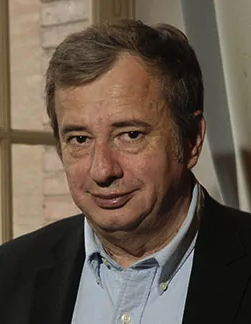 Bruno Vellas合作论文数Department of Geriatric Internal Medicine, Toulouse University Hospital4
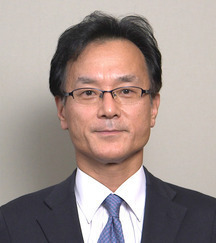 Hidenori Arai (荒井秀典)合作论文数National Center for Geriatrics and Gerontology4C. Piantadosi合作论文数3Juergen M. Bauer合作论文数3
 Luis Miguel Gutierrez-Robledo合作论文数3Alan Hayes合作论文数3
 Kate Anderson合作论文数3
 Gregorius Abanit Asa合作论文数Sanggar Belajar Alternatif SALT3
 Lara Vlietstra合作论文数Sch Phys Educ Sport & Exercise Sci, Univ Otago3J Lundy合作论文数3Cassandra Smith合作论文数3
 Steven Phu合作论文数Falls, Balance, and Injury Research Centre, Neuroscience Research Australia (NeuRA),3




