Purpose Professional identity development (PID) has become an important focus of medical education. To date, contributions of basic science education to physician PID have not been broadly explored. This review explores the literature surrounding the contribution of basic science education to the PID of medical learners and interprets findings critically in terms of the landscapes of practice (LoP) framework. Method In this critical scoping review, the authors searched 12 different databases and professional organization websites from January 1988 to October 2022 for references relating to how, if at all, the basic science component of medical education contributes to the PID of medical learners. The LoP learning theory was chosen as a framework for critically interpreting the identified articles. Results Of the 6,674 identified references, 257 met the inclusion criteria. After data extraction, content analysis of recorded key findings was used to ensure all findings were incorporated into the synthesis. Findings aligned with and were critically interpreted in relation to the 3 LoP modes of identification: engagement (engaging in the work of a physician), imagination (imagining oneself becoming a “good doctor”), and alignment (aligning with the practices and expectations of a medical community or specialty). Within each mode of identification, it was possible to see how basic science may support, or catalyze, PID and how basic science may serve as a barrier, or an inhibitor, to PID or contribute to the development of negative aspects of identity development. Conclusions The LoP learning theory suggests that the effect of basic science on physicians’ PID is most effective if educators view themselves as guides through interfaces between their scientific disciplines and medicine. Learners need opportunities to be engaged, to imagine how their current learning activities and developing skills will be useful as future physicians, and to feel alignment with medical specialties.
Introduction MedEdPORTAL is an open-access journal for health professions educators to publish their educational activities. The Educational Summary Report (ESR) is the manuscript that represents scholarly expression of those activities, aligned with Glassick's criteria for scholarship; however, prospective authors face challenges in writing ESRs, which can lead to rejection. Methods We developed a conference workshop to teach health professions educators how to write an ESR by reviewing a sample ESR in small groups. The workshop began with a didactic on best practices in crafting each section of an ESR. We then divided participants into small groups to review an assigned section of a sample ESR using a reviewer's checklist and completing a templated flip chart. Each small group then reported out in a large-group discussion. A conference evaluation was distributed online to solicit perceptions of the workshop's effectiveness. Results The 90-minute workshop was presented by separate teams of two facilitators at three national conferences. Approximately 35 participants attended the first workshop, and 50 attended the second and third workshops. Survey feedback from 19 respondents (38%) to the evaluation survey at the third workshop was representative of the previous two iterations and demonstrated that workshop content and materials were helpful. Discussion A workshop enabling educators to serve as group peer reviewers of a sample ESR for a MedEdPORTAL submission was well received. Associate editors, faculty mentors, and other experienced faculty development leaders can use these materials to support future authors in submitting to MedEdPORTAL while providing opportunities for national presentations.
Integrating basic science into clinical teaching has been a struggle for medical schools. However, early exposure to clinical experience has been associated with an increased understanding of the importance of basic science, positive attitudes, and developing clinical skills faster. Furthermore, early clinical exposure can help students reconnect with what drove them into medicine in the first place, especially when they are starting to feel burned out by the volume of lecture material. As a result, increasing patient experience during the first year has become a goal of many medical schools. At Rutgers Robert Wood Johnson Medical School, interprofessional case discussions (ICDs) begin with a lecture that explicitly integrates basic science with a disease, followed by a discussion with a patient, their family, the healthcare team, and first-year students. Our objective is to explore whether ICDs enhanced the learning experience of basic science. ICD satisfaction was assessed using evaluations from two different courses (2013–2016). Responses were analyzed quantitatively using descriptive statistics and qualitatively using a grounded-theory-content analysis. Study 2: A follow-up measure with current third- and fourth-year students on long-term retention of basic science was analyzed using a Wilcoxon signed rank test. Relative rankings of three different case-based teaching modalities were assessed using chi-square. Students reported significantly higher satisfaction with ICDs (93%) for reinforcing concepts and integrating materials compared to Flipped Classrooms (66%) and Jigsaws (65%), x2 = 120.9, p < .001. Student comments fit into five categories: enjoyment, learning/retention, the clinical usefulness of basic science, affirming passion to be in medicine, and others. The follow-up measure indicated significantly greater retention of the biochemical basis of diseases covered during ICDs. While other teaching modalities integrate basic science into a clinical context, ICDs go further by displaying interprofessional care and the manifestation of the disease on the patient and the lives of their family. As a result, ICDs lead to a positive learning environment in which students feel comfortable, have a sense of rapport with the patients and health care providers, and feel motivated to learn basic science.
Medical Education Program Highlights CUNY School of Medicine (CSOM) at City College of New York in New York City is a new 7-year BS–MD program that has been built on the 46-year tradition and success of the Sophie Davis School of Biomedical Education. Students in the prior Sophie Davis School of Biomedical Education program graduated with a BS, which included all required courses from the first 2 years of medical school, and then transferred to one of a number of “cooperating” medical schools to finish their final 2 years of the MD degree. CSOM enrolls students directly from high school and integrates the college and medical school courses over the 7-year program with a seamless transition in which all students in good academic and professional standing receive their BS after 3 years and continue in the medical school program without taking the MCAT examination. CSOM is made up of a diverse student body. The majority of its students are from groups underrepresented in medicine, and a significant percentage of its students are first-generation immigrants and/or first-generation college students. Our ideal class size is between 70 and 75 each year, based on the availability of teaching space and the ability of our main clinical partners, St. Barnabas Hospital Health System and Staten Island University Hospital, to accommodate students in clinical rotations. We do not anticipate changing the school size in the near future. Curriculum Curriculum description The curriculum of our medical school program is fully integrated across the BS–MD years. The school’s Department of Community Health and Social Medicine teaches a robust curriculum in population health and includes coursework in sociomedical sciences; learning the social, ecological, and biomedical aspects of health and illness; population health and community-oriented primary care (COPC); conducting community health assessments; a required 8-week service learning experience completing a community project at a health or social service agency; epidemiology and biostatistics; U.S. health care systems and policy; and population health research. Our clinical skills curriculum also spans both the BS and MD programs. These clinical courses begin in the second year of college. In the Practice of Medicine (POM) courses, students learn lifestyle medicine and health coaching skills, and participate in a 3-year longitudinal clinical experience (LCE) at a federally qualified health center (FQHC) beginning in undergraduate year 3. There, they learn health systems science, develop their clinical skills, and identify and address the social determinants of health that affect the health of patients and communities served by these health centers. See Supplemental Digital Appendix 1—Curriculum Schematic—at https://links.lww.com/ACADMED/A920. Curriculum changes since 2010 CUNY SOM received preliminary accreditation in 2015 so the curriculum has recently been developed. Aside from minor revisions, there are no plans to change the curriculum. The ACGME core competencies formed the basis for the general competencies along with an additional competency in population health and COPC, which is unique to our academic program and mission. The development of outcome-based educational program objectives in all general competencies focused on the school’s mission and vision. Assessment Our 7 core competencies—patient care, medical knowledge, lifelong learning, interpersonal skills and communication, professionalism, systems-based practice, and population health/COPC—frame the overall integrated 7-year science and clinical curriculum. The educational program objectives are mapped to the core competencies as well as to the session-level objectives using LEO+, our learning management system. See Supplemental Digital Appendix 2—Competencies, Program Objectives, and Outcome Measures—at https://links.lww.com/ACADMED/A920. Medical education program objectives We use a variety of andragogy to achieve our educational program objectives. Although the main instructional method is lecture (54%), our school provides numerous other teaching methodologies designed to foster application of knowledge, self-reflection, and self-directed learning. Lectures are recorded and available to students within 24 hours after each lecture. Workshops and large-group discussions are used to review and clarify key concepts and use information to analyze and solve problems. Engaged learning occurs in virtually every course through laboratory, small-group, and/or team-based learning sessions. Journal clubs in several courses (e.g., POM, Population Health and Community Health Assessment, selectives in Population Health Research, Introduction to Medical Genetics) expose students to cutting-edge research and promote evidence-based practice and lifelong learning. Self-directed learning starts with problem-based learning (PBL) in the third year of the undergraduate program and continues throughout the 16-month integrated organ systems curriculum in the preclerkship years. In each of the 9 organ system modules, students work through 2 PBL cases. PBL groups remain the same for a given module to promote team building and allow facilitators sufficient contact with students to provide each student with meaningful narrative formative and summative feedback. Peer teaching occurs throughout the curriculum, enhancing students’ knowledge retention, teaching skills, and self-confidence. Clinical experiences Clinical exposure begins in the summer between the second and third years of the 7-year program in the Evaluation in Healthcare Setting course and continues in the 3-year POM course (undergraduate year 3 and medical school years 1 and 2). Over 30 separate simulation or standardized patient sessions provide numerous opportunities for students to practice their skills in health coaching, history taking, communication and physical examination, clinical reasoning, and oral and written presentations. These experiences, which begin in the third year of the undergraduate program and are completed in the fourth year of the medical school program, are designed to also allow students to identify and resolve ethical issues and to use an evidence-based approach to deliver safe and quality patient care to diverse patients. Students complete their required clinical educational experiences at clinical sites that include FQHCs for their preclerkship clinical experiences and at our affiliate hospitals for the third- and fourth-year clerkships. Required longitudinal experiences Our students have required primary care opportunities that span 5 years, beginning with a 3-year LCE for students during their undergraduate and preclerkship years. Students complete these LCE sessions at centers that provide primary care to patients in medically underserved areas. Students also complete their 8-week required family medicine clerkship at ambulatory family medicine clinics that are either FQHCs or clinics affiliated with hospitals. Challenges in designing and implementing clinical experiences for medical students Our primary challenge has been in creating meaningful clinical experiences at each FQHC or CHC site that meet all the course objectives because faculty time and resources for education are often limited. We have been working with the clinical sites to develop value-added activities (such as health coaching, quality improvement, screening, and addressing social determinants of health). Curricular Governance The Curriculum Committee has primary responsibility for the curriculum. Together with the Student Academic Progress Committee, these committees oversee CSOM’s educational program and its policies. The Curriculum Committee is responsible for oversight of curriculum development, implementation, and review, and also for development and implementation of policies related to the curriculum. The authority of the Curriculum Committee is provided in the CSOM bylaws. Although the dean has the ultimate responsibility for the educational program, the committee has the authority and responsibility to mandate changes in course and curricular content and in policies and procedures. See Figure 1—Curriculum governance.Figure 1: Curriculum governance.Department chairs have direct responsibility for courses in their department and assign faculty to oversee and teach courses and facilitate PBL sessions. The chairs manage their own budgets for adjunct faculty and provide administrative support for course directors. Otherwise, curricular governance and oversight to ensure compliance with LCME standards and school policies is centralized. Education Staff The Office of Institutional Research and Evaluation, under the Office of Academic Affairs, oversees curriculum management and evaluation. The office’s executive director has broad managerial oversight for various aspects of monitoring and evaluating the curriculum. The staff charged with these activities include a learning management system specialist, a mapping specialist, an evaluation manager, and an evaluation specialist. They provide support to the Curriculum Committee and its subcommittees, including the Curriculum Review Subcommittee, Basic Science Subcommittee, and Clinical Subcommittee. Other staff in the office, a data analyst and an academic student support manager, track student performance data. There are also 4 full-time clerkship administrators with oversight for all required third- and fourth-year clinical clerkships and an administrator with oversight of all affiliation agreements. We also have a full-time administrator to oversee our standardized patient encounters and another administrator to oversee our sites for the preclerkship clinical experiences. The Course Administration office provides audio visual support for courses and oversight of proctoring multiple-choice exams, including those from the NBME. This office consists of a director, an academic testing coordinator, and a technology specialist. We also have administrative staff to support our Curriculum Committee and Student Academic Progress Committee, as well as Basic Science and Clinical Curriculum Subcommittees. Faculty Development and Support in Education The CUNY SOM dean has designated the deputy dean as the chief academic officer of the SOM. The dean, in conjunction with the deputy dean, has the responsibility to develop, implement, and administer the SOM degree programs and report to the president of the City College of New York. The dean appoints the deputy dean, associate deans, and assistant deans to assist with carrying out his/her responsibilities. See Figure 2—Organizational chart of dean’s office.Figure 2: Organizational chart of dean’s office.The medical education staff and administrative faculty are responsible for the undergraduate (BS) and medical school curriculum. Their role is primarily to support faculty, monitor and assess the curriculum, and oversee student support. The deputy dean or his/her designee also oversees the Office of Student Affairs, which is headed by the associate dean for student affairs, registrar, admissions and financial aid, Office of Course Support, learning resource center, and financial aid. The school does not oversee its affiliate hospitals and is not responsible for graduate medical education or continuing professional development. The Department of Medical Education houses all of the full-time salaried faculty with oversight and teaching of the preclerkship curriculum (excluding population health and basic science) as well as all faculty who are administrators or deans with oversight of faculty development, clerkships, curriculum and assessment, admissions, wellness, and student support (student affairs, learning resource center).
A shared secure biochemistry test bank (abeQbank) was developed by 61 members of the Association of Biochemistry Educators (ABE) who are from medical, pharmacy, and dental schools. The initial abeQbank contained 305 questions, which were almost all clinical vignettes, and were classified into 9 biochemistry megaThemes with subthemes as determined by ABE workshops 2009–2011. Three medical schools selected 163 board-style abeQbank questions approved by ABE and administered a proctored formative exam using ExamSoft to 97 second-year medical students prior to their USMLE or COMLEX 1 board exam followed by a review session in which students examined their answers and read the rationale for each question. The goals of this project were to (1) provide a resource to biochemistry educators; (2) evaluate the quality of these questions; and (3) ascertain students’ relative knowledge in different biochemical concepts. Individual questions and 9 megaTheme groups performed similarly across schools, with the lowest and highest megaThemes ranging from 40 to 70% correct. Five questions were dropped due to miscoding, poor metrics, or questionable distractors requiring a rewrite. The results showed that the examination was strongly reliable with the average KR20 = 0.85, discrimination index and point-biserial > 0.2, and students scoring the examination 8 out of 10 in usefulness. This test bank represents the first attempt by an international biochemistry organization to create a standardized set of questions, with future expansion planned to help standardize the content of biochemistry topics in the curricula.
Background. Cardiovascular disease (CVD) annually claims more lives and costs more dollars than any other disease globally amid widening health disparities, despite the known significant reductions in this burden by low cost dietary changes. The world’s first medical school-based teaching kitchen therefore launched CHOP-Medical Students as the largest known multisite cohort study of hands-on cooking and nutrition education versus traditional curriculum for medical students. Methods. This analysis provides a novel integration of artificial intelligence-based machine learning (ML) with causal inference statistics. 43 ML automated algorithms were tested, with the top performer compared to triply robust propensity score-adjusted multilevel mixed effects regression panel analysis of longitudinal data. Inverse-variance weighted fixed effects meta-analysis pooled the individual estimates for competencies. Results. 3,248 unique medical trainees met study criteria from 20 medical schools nationally from August 1, 2012, to June 26, 2017, generating 4,026 completed validated surveys. ML analysis produced similar results to the causal inference statistics based on root mean squared error and accuracy. Hands-on cooking and nutrition education compared to traditional medical school curriculum significantly improved student competencies (OR 2.14, 95% CI 2.00–2.28, p<0.001) and MedDiet adherence (OR 1.40, 95% CI 1.07–1.84, p=0.015), while reducing trainees’ soft drink consumption (OR 0.56, 95% CI 0.37–0.85, p=0.007). Overall improved competencies were demonstrated from the initial study site through the scale-up of the intervention to 10 sites nationally (p<0.001). Discussion. This study provides the first machine learning-augmented causal inference analysis of a multisite cohort showing hands-on cooking and nutrition education for medical trainees improves their competencies counseling patients on nutrition, while improving students’ own diets. This study suggests that the public health and medical sectors can unite population health management and precision medicine for a sustainable model of next-generation health systems providing effective, equitable, accessible care beginning with reversing the CVD epidemic.
Nutrition is a significant determinant in the leading causes of death in the USA, and yet recent studies have shown that most American medical schools provide insufficient nutrition education. To address this deficiency, a concise and updated set of nutrition learning objectives was created from the 2002 Nutrition Curricular Guide for Training Physicians . A panel of 66 experts provided feedback to revise the initial objectives. The resulting objectives are presented here, as well as one recommended overarching goal to help match the needs of patients with the skills of future physicians.
NAD+ kinase (NADK) catalyzes the phosphorylation of nicotinamide adenine dinucleotide (NAD+) to nicotinamide adenine dinucleotide phosphate (NADP+) using ATP as the phosphate donor. NADP+ is then reduced to NADPH by dehydrogenases, in particular glucose-6-phosphate dehydrogenase and the malic enzymes. NADPH functions as an important cofactor in a variety of metabolic and biosynthetic pathways. The demand for NADPH is particularly high in proliferating cancer cells, where it acts as a cofactor for the synthesis of nucleotides, proteins, and fatty acids. Moreover, NADPH is essential for the neutralization of the dangerously high levels of reactive oxygen species (ROS) generated by increased metabolic activity. Given its key role in metabolism and regulation of ROS, it is not surprising that several recent studies, including in vitro and in vivo assays of tumor growth and querying of patient samples, have identified NADK as a potential therapeutic target for the treatment of cancer. In this review, we will discuss the experimental evidence justifying further exploration of NADK as a clinically relevant drug target and describe our studies with a lead compound, thionicotinamide, an NADK inhibitor prodrug. Clin Cancer Res; 22(21); 5189-95. ©2016 AACR.
Abstract BACKGROUND: Mutation or inactivation of the retinoblastoma protein is frequently involved in prostate cancer tumorigenesis resulting in overexpression/deregulation of E2F activity. E2F1-3a overexpression induces genes involved in DNA synthesis and leads to abnormal cellular proliferation, tumor growth, and invasion. Therefore, inhibiting the overexpression of one or more activating E2Fs is a recognized target in cancer therapeutics. In our previous studies we showed that a novel penetratin conjugated 7-mer peptide (PEP) bound tightly to an immobilized consensus E2F1 promoter sequence, was cytotoxic at low micro molar concentrations to many malignant cell lines and as the PEP was unstable in serum, the PEP was encapsulated in PEGylated liposomes and treatment of tumor xenografts of small cell lung cancer H-69 and DU145 tumors propagated in mice caused tumor regression. OBJECTIVE: To determine the antitumor activity and stability of two different modified penetratin peptides: D-Arg PEP (substituting L-Arginine with D-Arginine in the peptide sequence) and N-acetylated as well as C-methylated PEP analog. METHODS: DU145 (prostate cancer) and H196 (small cell lung cancer) cells were used. To compare the efficacy of the peptides, we tested the IC50s of peptides at different time points using the MTS assay. Drug combination experiment results were analyzed using the combination index (CI) method. Peptide conformational studies were carried out using the Amber 12 suite of biomolecular simulation programs. RESULTS: Molecular simulation studies showed that the D-Arg PEP secondary structure is more stable than the L-Arg peptide structure in water. D-Arg PEP was more potent compared to L-Arg PEP, and it was also found to be more resistant to degradation by serum proteases than the L-form. The other modified form, N-acetylated, C-methylated PEP was marginally more effective than the unmodified PEP. Drug combination studies showed that the D-Arg PEP in combination with docetaxel, caused synergistic cytotoxicity against DU 145 cells. Our findings validate D-Arg peptide, an inhibitor of E2F1and 3a transcription, as a drug candidate for targeted molecular therapy of prostate cancers with elevated levels of activated E2F’s. Studies in progress are evaluating the combination of the PEGylated liposome encapsulated D-Arg PEP in combination with docetaxel against DU145 xenografts and against primary prostate cancer cells. Supported in part by a grant from the Lung Cancer Research Foundation. Citation Format: Tazeem Shaik, Nitu Bansal, Nadine Johnson Farley, John Kerrigan, Olga Garbuzenko, Tamara Minko, Emine Abali, Zoltan Szekely, Kathleen Scotto, Debabrata Banerjee, Joseph Bertino. Antitumor studies of an E2f1 promoter sequence binding peptide - penetratin conjugate as a molecule targeting E2f in prostate cancer. [abstract]. In: Proceedings of the 106th Annual Meeting of the American Association for Cancer Research; 2015 Apr 18-22; Philadelphia, PA. Philadelphia (PA): AACR; Cancer Res 2015;75(15 Suppl):Abstract nr 1237. doi:10.1158/1538-7445.AM2015-1237
NAD(+) kinase (NADK) is the only known cytosolic enzyme that converts NAD(+) to NADP(+), which is subsequently reduced to NADPH. The demand for NADPH in cancer cells is elevated as reducing equivalents are required for the high levels of nucleotide, protein, and fatty acid synthesis found in proliferating cells as well as for neutralizing high levels of reactive oxygen species (ROS). We determined whether inhibition of NADK activity is a valid anticancer strategy alone and in combination with chemotherapeutic drugs known to induce ROS. In vitro and in vivo inhibition of NADK with either small-hairpin RNA or thionicotinamide inhibited proliferation. Thionicotinamide enhanced the ROS produced by several chemotherapeutic drugs and produced synergistic cell kill. NADK inhibitors alone or in combination with drugs that increase ROS-mediated stress may represent an efficacious antitumor combination and should be explored further.
E2F1-3a overexpression due to amplification or to mutation or loss of the retinoblastoma gene, induces genes involved in DNA synthesis and leads to abnormal cellular proliferation, tumor growth, and invasion. Therefore, inhibiting the overexpression of one or more of these activating E2Fs is a recognized target in cancer therapeutics. In previous studies we identified by phage display, a novel 7-mer peptide (PEP) that bound tightly to an immobilized consensus E2F1 promoter sequence, and when conjugated to penetratin to increase its uptake into cells, was cytotoxic to several malignant cell lines and human prostate and small cell lung cancer xenografts. Based on molecular simulation studies that showed that the D-Arg penetratin peptide (D-Arg PEP) secondary structure is more stable than the L-Arg PEP, the L-Arg in the peptide was substituted with D-Arg. In vitro studies confirmed that it was more stable than the L- form and was more cytotoxic as compared to the L-Arg PEP when tested against the human castrate resistant cell line, DU145 and the human lung cancer H196 cell line. When encapsulated in PEGylated liposomes, the D-Arg-PEP potently inhibited growth of the DU145 xenograft in mice. Our findings validate D- Arg PEP, an inhibitor of E2F1and 3a transcription, as an improved second generation drug candidate for targeted molecular therapy of cancers with elevated levels of activated E2F(s).
E2F-1, a key transcription factor necessary for cell growth, DNA repair and differentiation, is an attractive target for development of useful anticancer drugs in tumors that are E2F "oncogene addicted". A peptide, isolated from phage clones, based on its binding to an E2F-1 consensus sequence, was cytotoxic against a wide range of cancer cell lines.The peptide was coupled to penetratin (PEP) and tested against prostate cancer cell lines. As the PEP was found to be relatively unstable in serum, it was encapsulated in PEGylated liposomes for in vivo studies.The peptide was cytotoxic against prostate cell lines at low micromolar concentrations. Treatment of mice bearing the human Du-145 human prostate tumor with the PEP encapsulated in PEGylated liposomes (PL-PEP) caused tumor regression without significant toxicity.The liposome encapsulated PEP has promise as an antitumor agent, alone or in combination with inhibitors of DNA synthesis.
The rationale for this mandatory, guided online e-journal exercise is to foster the ability of students to independently read medical and scientific literature in a critical manner and to integrate journal reading with their basic science knowledge. After a lecture on oxidative phosphorylation, students were assigned to read an article on brown adipose tissue published in New England Journal of Medicine and were guided to analyze the article by answering online questions. After two iterations, student surveys about the project, its key pedagogical features, and ways to improve it suggest that the students perceived these exercises as active learning, which is clinically relevant and built on their course material. Furthermore, students agreed that the e-journal project was useful for learning how to read an article, for reviewing the material learned in class, and for promoting evidence-based medicine. This online e-journal exercise models some aspects students will experience as future physicians, where it is essential to keep up with literature and extract relevant information on a tight physician's schedule. This study demonstrated the usefulness of guided e-journal exercises as a simple effective active teaching tool for preclinical medical students, which can also be used for prehealth undergraduate programs.
Over the last decade, traditional discipline-based curricula in medical and dental education are being gradually replaced by integrated and/or organ-based curricula.Some medical schools have completed this transition while others are moving in this direction.The LCME, the AAMC, and the Howard Hughes Medical Institute all support the use of integrated curricula as an approach to promote inquiry-based education, to increase retention of basic sciences knowledge, and to achieve a greater understanding of scientific principles behind clinical practices.Many pre-clerkship course directors have embraced these changes with enthusiasm, since the clinical relevance of basic science subjects becomes very clear in an integrated curriculum.For example, in the new curriculum at Rutgers Robert Wood Johnson Medical School (RWJMS), the metabolism portion of biochemistry found a home in the GI, Metabolism, and Nutrition course, where students appreciate the relevance of biochemistry in a clinical context.However, with such major changes, there also come challenges.Here,
E2F-1, a key transcription factor necessary for cell growth, DNA repair, and differentiation, is an attractive target for development of anticancer drugs in tumors that are E2F “oncogene addicted”. We identified a peptide isolated from phage clones that bound tightly to the E2F-1 promoter consensus sequence. The peptide was coupled to penetratin to enhance cellular uptake. Modeling of the penetratin-peptide (PEP) binding to the DNA E2F-1 promoter demonstrated favorable interactions that also involved the participation of most of the penetratin sequence. The penetratin-peptide (PEP) demonstrated potent in vitro cytotoxic effects against a range of cancer cell lines, particularly against Burkitt lymphoma cells and small cell lung cancer (SCLC) cells. Further studies in the H-69 SCLC cell line showed that the PEP inhibited transcription of E2F-1 and also several important E2F-regulated enzymes involved in DNA synthesis, namely, thymidylate synthase, thymidine kinase, and ribonucleotide reductase. As the PEP was found to be relatively unstable in serum, it was encapsulated in PEGylated liposomes for in vivo studies. Treatment of mice bearing the human small cell lung carcinoma H-69 with the PEP encapsulated in PEGylated liposomes (PL-PEP) caused tumor regression without significant toxicity. The liposome encapsulated PEP has promise as an antitumor agent, alone or in combination with inhibitors of DNA synthesis.
Background: NAD+ kinase (NADK) is at present the only known enzyme that converts NAD+ to NADP+, which is subsequently reduced to NADPH. The demand for NADPH in cancer cells is elevated as reducing equivalents are required for the high levels of nucleotide, protein and fatty acid synthesis found in proliferating cells, as well as for neutralizing high levels of reactive oxygen species (ROS) present in these cells. The aim of this study was to determine whether inhibitors of NADK synergize with chemotherapeutic drugs known to induce ROS. Methods: Using a NADK inhibitor our group previously identified, thionicotinamide adenine dinucleotide phosphate (NADPS), (Mol Pharmacol., in press), we explored combinations of NADPS with various classes of drugs known to induce ROS: tubulin inhibitors (docetaxel, paclitaxel, vinblastine), a nucleoside analog (gemcitabine), topoisomerase I and II inhibitors (irinotecan and doxorubicin, respectively), and a DNA crosslinking agent (cisplatin). Fixed ratios of NADPS and the combination drug based on their EC50 values were tested in a colon cancer cell line (C85) using a MTS assay. The combination index (CI) was determined by the Chou-Talalay method for drug combination based on the median effect analysis. Results: All drugs were found to synergize with NADPS. Knockdown of NADK with siRNA or inhibition of NADK by NADPS in combination with MTX revealed equivalent efficacy. Quantification of intracellular NADPH and ROS levels are currently underway. Conclusions: NADK inhibitors along with drugs that increase ROS- mediated stress may represent an efficacious antitumor combination and should be explored further against in vivo tumor models. Citation Format: Philip M. Tedeschi, John Kerrigan, Debabrata Banerjee, Joseph R. Bertino, Emine E. Abali. NAD+ Kinase inhibition synergizes with ROS-inducing chemotherapies. [abstract]. In: Proceedings of the 104th Annual Meeting of the American Association for Cancer Research; 2013 Apr 6-10; Washington, DC. Philadelphia (PA): AACR; Cancer Res 2013;73(8 Suppl):Abstract nr 5536. doi:10.1158/1538-7445.AM2013-5536
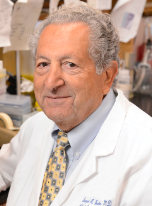 Joseph R. Bertino合作论文数Rutgers Cancer Institute of New Jersey;Robert Wood Johnson Medical School30
 Debabrata Banerjee合作论文数22John E. Kerrigan合作论文数16
 Kathleen W. Scotto合作论文数Department of Pharmacology, Rutgers Robert Wood Johnson Medical School, Rutgers, The State University of New Jersey;Rutgers Graduate School of Biomedical Sciences, Rutgers, The State University of New Jersey;Rutgers Cancer Institute of New Jersey14Yi-Ching Hsieh合作论文数8Bansal Nitu合作论文数6
 Tamara Minko合作论文数Department of Pharmaceutics, Ernest Mario School of Pharmacy, Rutgers University6Johnson-Farley Nadine合作论文数5
 Philip Tedeschi合作论文数Rutgers Cancer Institute of New Jersey, The State University of New Jersey5Xie Xiaoqi合作论文数5N. Skacel合作论文数5O. B. Garbuzenko合作论文数5Lata G Menon合作论文数4Jana M. Simmons合作论文数4
 Tazeem Shaik合作论文数4Prasunkumar J. Mishra合作论文数4Eric C. Niederhoffer合作论文数4
 Susan D Cline合作论文数4
 Janet Lindsley合作论文数4Hilal Celikkaya合作论文数4Murugesan Gounder合作论文数3
 Peter Rubenstein合作论文数Department of Biochemistry and Molecular Biology, Carver College of Medicine, University of Iowa3
 Neil Osheroff合作论文数Department of Biochemistry, School of Medicine, Vanderbilt University3
 Robert C. Bateman合作论文数the Neurobiology Program and the Biological Sciences Research Center, University of North Carolina School of Medicine3
 Joseph D Fontes合作论文数Department of Biological, Geological and Environmental Sciences, Cleveland State University3Hongxia Lin合作论文数College of Pharmacy and Research Institute of Pharmaceutical Sciences, Seoul National University3Sangita Phadtare合作论文数Department of Biochemistry;Robert Wood Johnson Medical School3David S. Franklin合作论文数3
 Peter Cole合作论文数Robert Wood Johnson Medical School, Rutgers Cancer Institute, Rutgers University;Division of Pediatric Hematology and Oncology, Rutgers Cancer Institute, Rutgers University;New Jersey Pediatric Hematology and Oncology Research Center of Excellence;Bristol-Myers Squibb Children’s Hospital3Clive A Slaughter合作论文数2Hanin Rashid合作论文数2David Pearson合作论文数2Vicki Park合作论文数2Jonathan A Bernstein合作论文数2JR BERTINO合作论文数2Kuo-Chieh Lee合作论文数2Andrew K Sobering合作论文数2
 Richard Gorlick合作论文数Department of Pediatrics Patient Care, Division of Pediatrics, The University of Texas MD Anderson Cancer Center;Department of Pediatric Sarcoma Research Laboratory, The University of Texas MD Anderson Cancer Center2Szekely Zoltan合作论文数2
 Dasgupta Shoumita合作论文数Division of Graduate Medical Sciences, Boston University School of Medicine2Hyland Katherine合作论文数2
 Barbara Brodsky合作论文数Department of Biomedical Engineering, School of Engineering, Tufts University2Adebisi Lawal Rialnat合作论文数2Roussel Breton合作论文数2
 Krzysztof Pankiewicz合作论文数Center for Drug Design, College of Pharmacy, University of Minnesota2Alan B. Diekman合作论文数2
 Tracey Weiler合作论文数Department of Biochemistry and Molecular Biology,2Karen Symes合作论文数2
 Giuseppe Longo合作论文数2




